
CNC Machining
CNC Machining Services
CNC machining removes material from solid stock with computer-controlled mills, lathes, and multi-axis centers.
Create a quote
Introduction: Enterprise buyers approving custom metal 3D printing projects need to separate manufacturability signals from verified performance and certification claims.
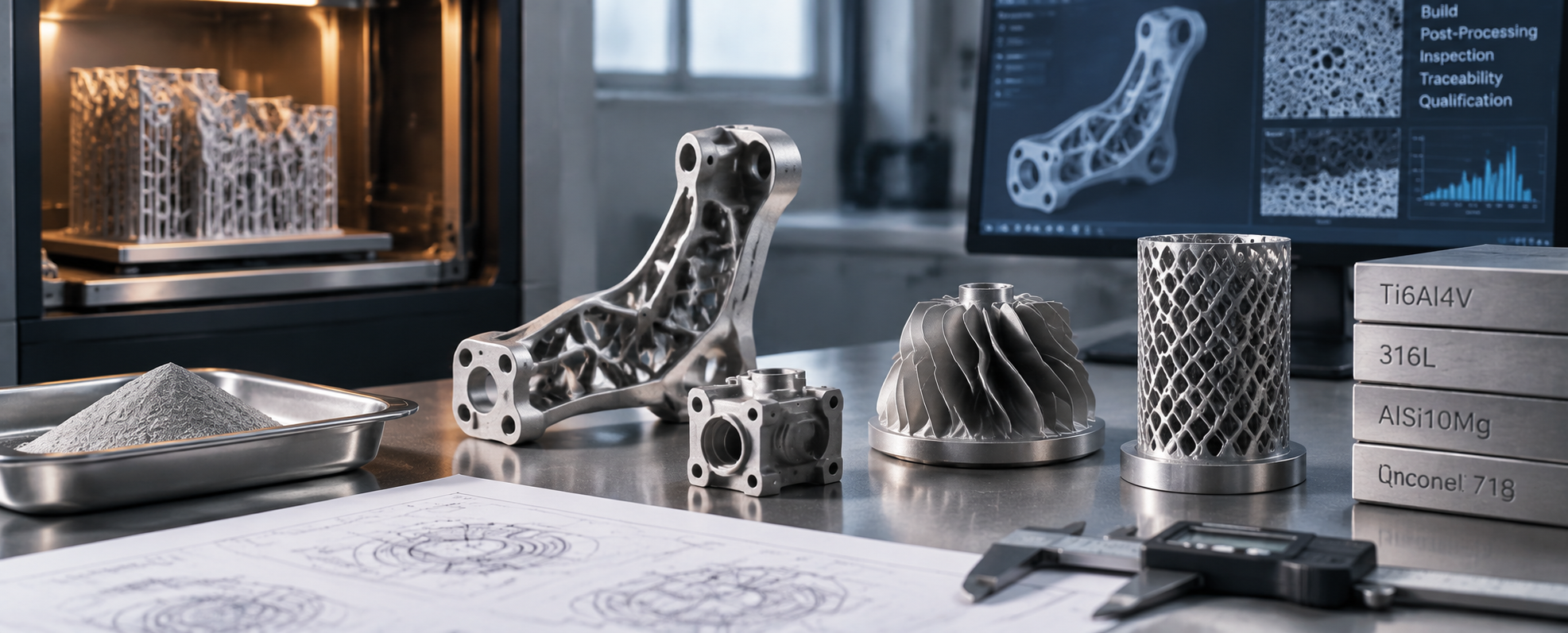
For R&D procurement teams, a metal 3d printing service can look attractive because it connects CAD-driven design freedom with faster access to metal prototypes, tooling, and low-volume functional parts. The approval risk begins when broad service language is copied into internal documents as if it were a fixed delivery promise, a certified application scope, or a guaranteed performance result. This article frames common SLM and 3d printing metal service claims as approval language: useful for supplier discussion, but still requiring project-level confirmation before purchase.
A supplier claim is not automatically wrong because it is broad; it becomes risky when the buyer assigns it the wrong approval status. In custom metal 3d printing, phrases such as “structural components,” “end-use metal parts,” “near-full density,” or “serial production after process qualification” can be commercially useful because they identify the type of work the process may support. They should not be treated as identical to “this exact CAD model has passed validation,” “this material batch has certified properties,” or “this part is already approved for a regulated assembly.” The buyer’s task is to translate each claim into a decision category: quotable, reviewable, manufacturable, verifiable, or certified. That distinction matters because metal powder bed fusion is a process chain, not a single switch. CAD geometry, material selection, build orientation, support strategy, heat treatment, surface finishing, machining, inspection, and documentation all influence the final part. A procurement approval memo that says “supplier can produce fully dense metal parts” may sound decisive, but it leaves unanswered whether the project needs density measurement, mechanical testing, dimensional inspection, material certificates, or application-specific qualification. A safer wording is: “The supplier offers SLM for dense metal components; density, mechanical performance, inspection scope, and acceptance criteria should be confirmed for this project.” This keeps the buying process moving without converting marketing language into an unverified engineering guarantee. For enterprise buyers, the practical method is to attach every strong phrase to a proof requirement. If the supplier describes a part as suitable for structural or end-use use, the internal approval should ask what load case, environment, fatigue expectation, mating surface, and post-processing route are relevant. If a service mentions aerospace, medical, or automotive examples, the approval should state whether the current order is a prototype, non-critical tool, research sample, production component, or regulated device. The wording difference may seem conservative, but it protects the team from approving a project based on category-level possibility rather than project-level evidence.
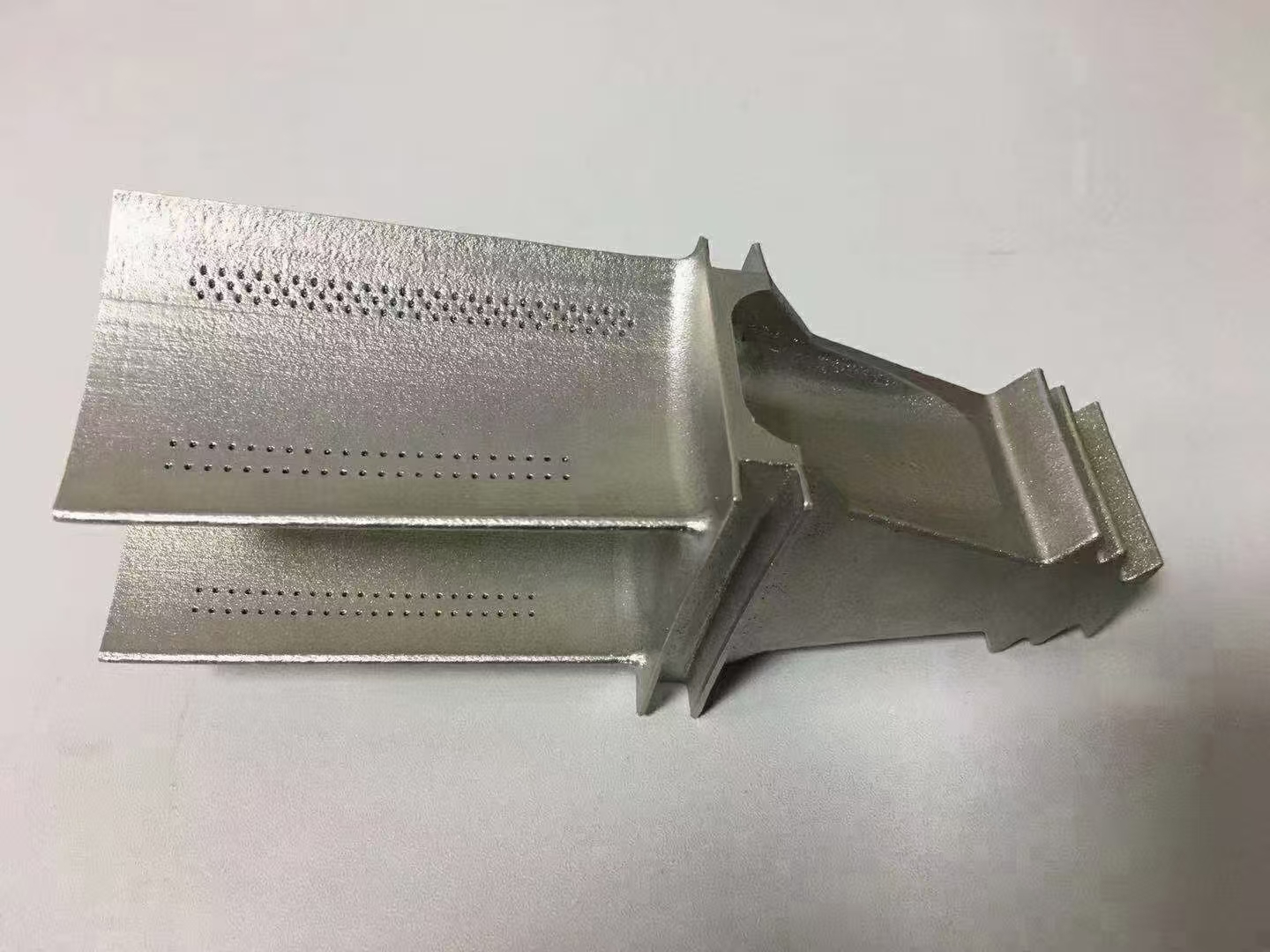
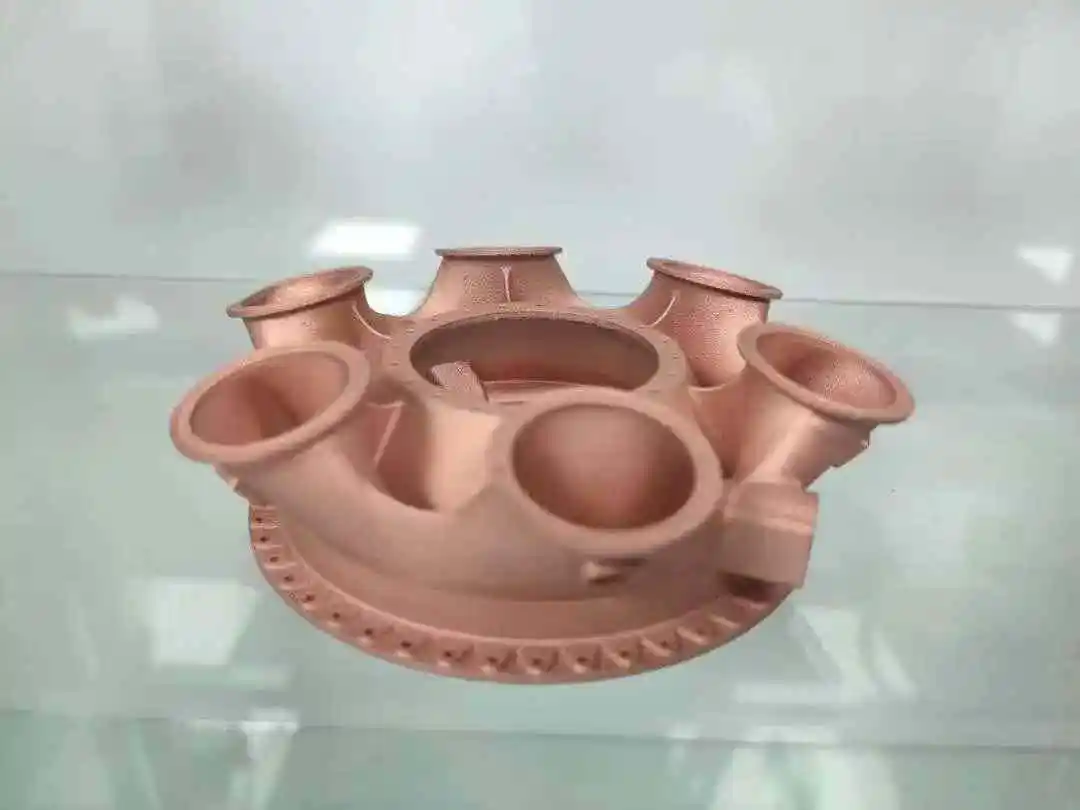
AIHFABS gives useful SLM service signals for buyers, including from 5 business days, express options where available, near-full density for structural and end-use metal components, and project review for tool steel and nickel alloys. These phrases help procurement teams decide whether a project is worth submitting for quotation, but they also need careful reading. A claim audit should focus on how the phrase may be misunderstood inside an approval chain, especially when engineers, sourcing teams, finance approvers, and compliance stakeholders read the same wording differently.
• Lead time wording should be treated as a starting signal, not a fixed delivery promise. “From 5 business days” indicates a possible starting point, while “express options where available” means acceleration may depend on material, geometry, capacity, finishing, inspection, and destination. Approval language should leave room for quoted lead time and order tracking confirmation.
• Density claims need evidence if the part carries functional risk. “Near-full density metal parts” or “fully dense metal parts” should not be rewritten as 100 percent pore-free material. For prototypes, the phrase may support feasibility discussion; for load-bearing or safety-related use, buyers should define whether density testing, mechanical data, or process qualification records are required.
• Aerospace and medical wording should not be treated as certification by itself. NASA standards for metal laser powder bed fusion spaceflight hardware and FDA guidance for additive manufactured medical devices both illustrate that regulated uses involve process control, verification, documentation, and acceptance criteria. A service page alone does not prove project-level aerospace or medical approval.
• Material range claims should preserve project review boundaries. AIHFABS lists aluminum alloys, titanium alloy, and stainless steels for SLM, while tool steel and nickel alloys require project review. A conservative internal note should say that material availability, grade suitability, heat treatment, finishing, and report requirements must be confirmed before approval, especially for demanding environments.
These risks often become visible late because procurement teams focus on price and lead time first. A part may be quote-ready but not approval-ready if the requester has not defined acceptance criteria. For example, a robotics end-effector may only need dimensional fit, stiffness, and threaded inserts after machining, while a medical instrument or patient-specific surgical guide may trigger material, cleaning, traceability, and regulatory questions. The same metal 3d printing service can support both discussions, but the approval burden is not the same. The buyer’s job is to avoid one-size-fits-all interpretation and align supplier claims with the intended use of the specific 3d printed metal parts.
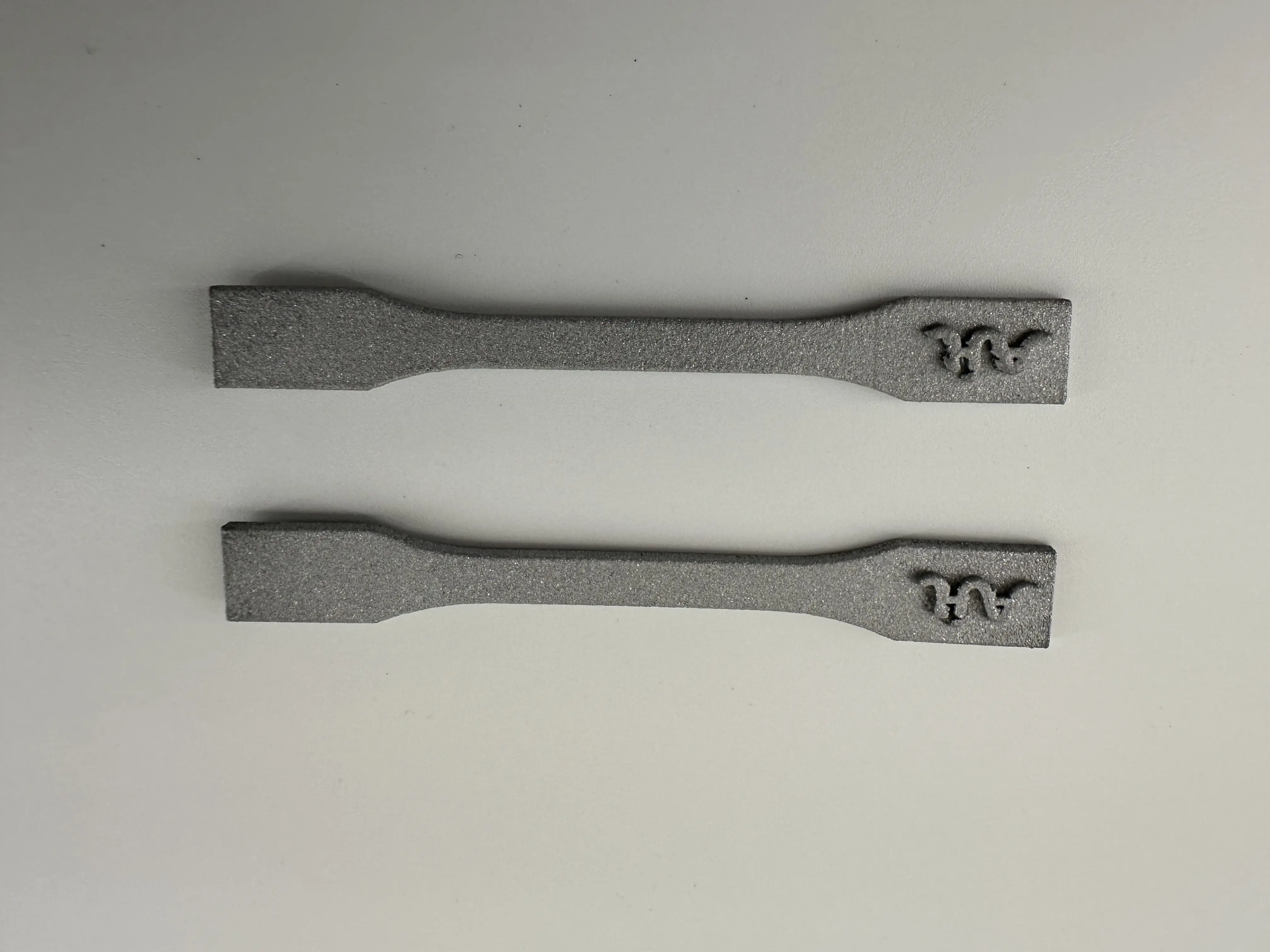
The final buying decision should connect the technical file package with commercial and policy boundaries. For AIHFABS, buyers can use the SLM upload and quotation route as a way to start project review, but the order should not depend only on the uploaded geometry. A strong submission should identify material preference, critical dimensions, tolerance expectations, surface or CNC finishing needs, support-sensitive features, heat treatment expectations if relevant, and whether inspection or material documentation is required. The visible tolerance signal of ±0.3 mm or ±0.3 percent, with tighter results possible after machining, is a useful planning reference, but the approval language should still state which dimensions are critical and whether secondary machining is part of the acceptance plan. File ownership and confidentiality also belong in the buying decision, not as an afterthought. Custom metal 3D printing depends on CAD models, and those files may contain product geometry, fixture concepts, or design know-how. Public intellectual property discussions from WIPO are useful reminders that digital manufacturing files can create design-rights and authorization questions. For a B2B order, the practical issue is not whether a supplier can quote the model; it is whether the buyer has authority to submit the design, whether the file contains confidential customer data, and whether the applicable Privacy Policy, Terms, Service Agreement, Guarantee, or any project-level documents are adequate for the company’s risk level. Verification records should be matched to the project category. A prototype used for fit checking may only require dimensional confirmation and basic finishing expectations. A functional test part may require material confirmation, post-processing details, and inspection records. A regulated, safety-related, or high-load project may require a fuller approval package that includes material certificates, process qualification evidence, test reports, or application-specific quality documents. Public references from NASA and FDA help buyers understand why high-requirement applications demand formal controls, but they do not convert a commercial SLM page into a supplier certification. The buyer should request only the records that matter for the project, yet make sure those records are agreed before the order is approved. This is where conservative reading becomes commercially useful rather than bureaucratic. AIHFABS can be approached as an online manufacturing platform for submitting SLM projects, comparing feasibility, and clarifying options such as material, lead time, post-processing, and larger project requirements. Before moving from quote to order, enterprise buyers should use the communication channel to confirm special requirements: density evidence, tolerance-critical features, polishing or coating expectations, CNC finishing needs, medical or aerospace wording, inspection documents, file handling, and policy coverage. That approach keeps the project practical while preventing internal teams from relying on assumptions that were never confirmed in the order record.
A metal 3d printing service claim should help buyers start a supplier conversation, not replace project approval evidence. Lead time, near-full density, material scope, tolerance, regulated-use wording, post-processing, documentation, and CAD file rights all need to be interpreted at the order level. For custom metal 3d printing projects submitted to AIHFABS, the safest commercial path is to use the SLM quotation process to confirm the exact material, finish, inspection, lead time, and policy boundaries before approval. This reduces sourcing friction while keeping high-risk claims out of internal approval documents unless they are supported by project-specific records.
Q:How should buyers interpret near-full density claims in a metal 3D printing service?
A:Buyers should read near-full density as a process capability signal, not as a universal guarantee of 100 percent pore-free material or certified mechanical performance. For low-risk prototypes, it may be enough to support feasibility discussion. For structural, safety-related, or end-use parts, the buyer should define whether density measurement, mechanical testing, material certification, or process qualification evidence is required before approval.
Q:Does an SLM service page prove aerospace or medical certification for 3D printed metal parts?
A:No. References to aerospace or medical-related applications do not, by themselves, prove that a supplier has project-level aerospace, medical, or regulatory certification for a specific order. Buyers should ask what certification, quality system, validation record, material documentation, and acceptance criteria apply to the exact part and use case before writing those claims into approval documents.
Q:What project approval risks should be clarified before ordering custom metal 3D printing?
A:The main risks include quoted lead time, material availability, tolerance-critical dimensions, density expectations, post-processing scope, inspection records, industry-use wording, CAD file authority, confidentiality terms, and policy coverage for quality issues. These points should be confirmed through the quote, order record, or supplier communication before the project is treated as approved for production or regulated use.
Standard for Additively Manufactured Spaceflight Hardware by Laser Powder Bed Fusion in Metals
Technical Considerations for Additive Manufactured Medical Devices

A process that fits this note. Open the spec, or put the file on a quote.
CNC machining removes material from solid stock with computer-controlled mills, lathes, and multi-axis centers.
Create a quote
CNC Milling Services use computer numerical control (CNC) mills to cut workpieces with rotating tools according to programmed toolpaths.
Create a quoteMaterials that sit next to this article. Check the card, then upload CAD.
Process, finish, and file notes from the shop — not a marketing blog.

Company, payment, shipping, and process answers by topic.

Post-processing, finishing, and OEM customization via 3D Plus™.
Recommended answers about AIHFABS, technologies, materials, pricing, privacy, and file preparation.
AIHFABS quotes custom 3D printing and CNC machining from a CAD upload. Compare SLA, SLS, MJF, SLM, FDM, DLP, milling, and turning, then add finishing such as vapor smoothing, dyeing, anodizing, polishing, or powder coating in the same order.
Instant quoting is built for prototypes, jigs, housings, and small-batch production. You see material, process, quantity, and lead time together, which keeps engineering changes from turning into a new round of supplier emails.
You can review material, process, quantity, and lead time together, so engineering changes do not turn into another round of supplier emails.
Upload STL, STEP, and other common CAD formats for an online quote.
Compare 3D printing technologies and CNC options on the same part.
Select polymers or metals, then add 3D Plus hardware finishing when needed.
Review price and lead time before checkout, or request a manual quote for special specs.
If this page describes a process, industry, or sample part you want to reproduce, start from the upload flow and match technology plus finishing to your drawing.
We use cookies to personalize your experience. By using this site, you agree to our Privacy Policy
Accept
Leave A Comment