
3D Printing
Fully dense metal parts built layer by layer from fine metal powder.
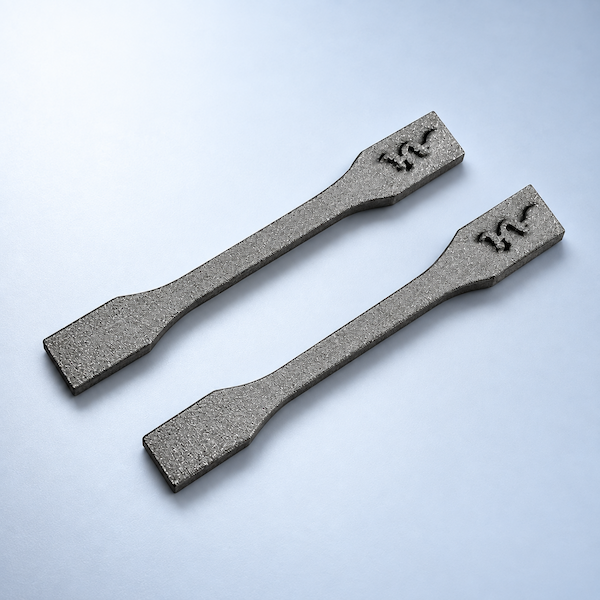
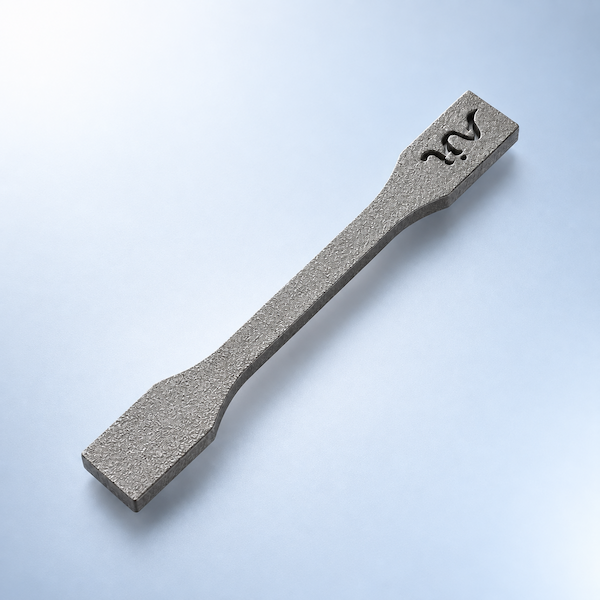
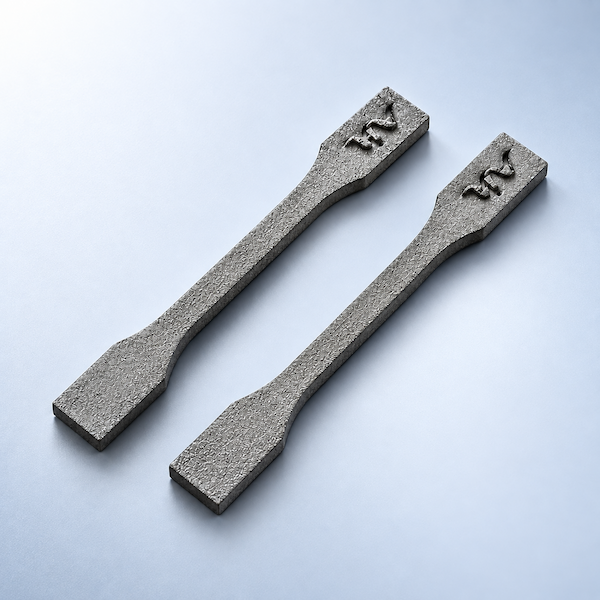
Selective Laser Melting (SLM) is a powder-bed metal additive process. A high-power laser scans each cross-section of your CAD model, melting metal powder that solidifies into a dense part. SLM is suited to lightweight structures, internal channels, and consolidated assemblies that are costly or impossible to machine from solid stock.
SLM Metal 3D Printing for Complex Functional Parts — Review geometry fit, materials, build limits, finishing, and the inputs needed for a useful metal 3D printing quote.
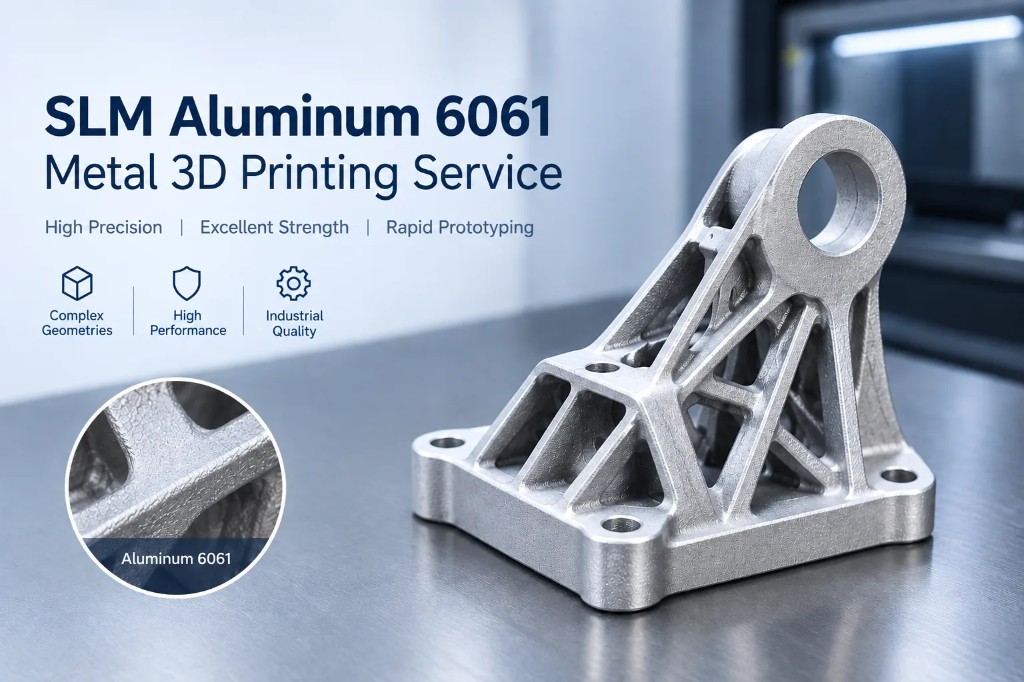
Selective Laser Melting builds a metal part from powder. A recoater spreads a thin layer; a laser melts the slice; the plate drops and the cycle repeats. The solid that comes off the plate is near-full density, which is why SLM is used for brackets, cooling inserts, and parts that would waste a lot of billet on a mill.
Supports, heat treat, and optional CNC on datums are part of the route, not extras you discover later. AIHFABS quotes SLM when the geometry — channels, lattices, or a consolidated assembly — is the reason to print instead of machine from stock.
Envelope and as-built tolerance are planning values. Threads and bearing seats are usually finished on a mill.
| Lead time | Typical tolerance | Max build envelope | Surface finish | Supports |
|---|---|---|---|---|
| From 5 business days (express options where available) | ±0.3 mm or ±0.3% (whichever is greater), tighter after machining | 420 × 420 × 450 mm (larger projects — contact us) | As-built grainy metallic; polishing, coating, or CNC finishing available | Required for overhangs; removed in post-processing |
Aluminum, titanium, and stainless powders are the everyday set. Tool steel and nickel alloys are reviewed per job.
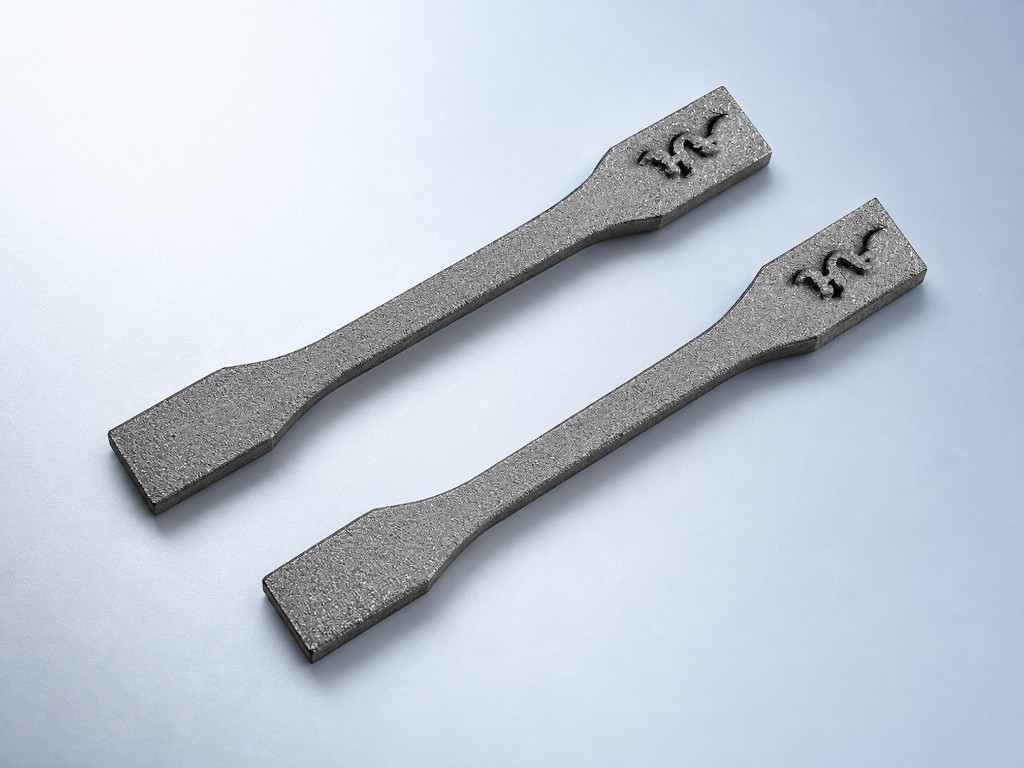
As-built metal is grainy. Plan a secondary operation on any face that seals, bears, or faces a customer.
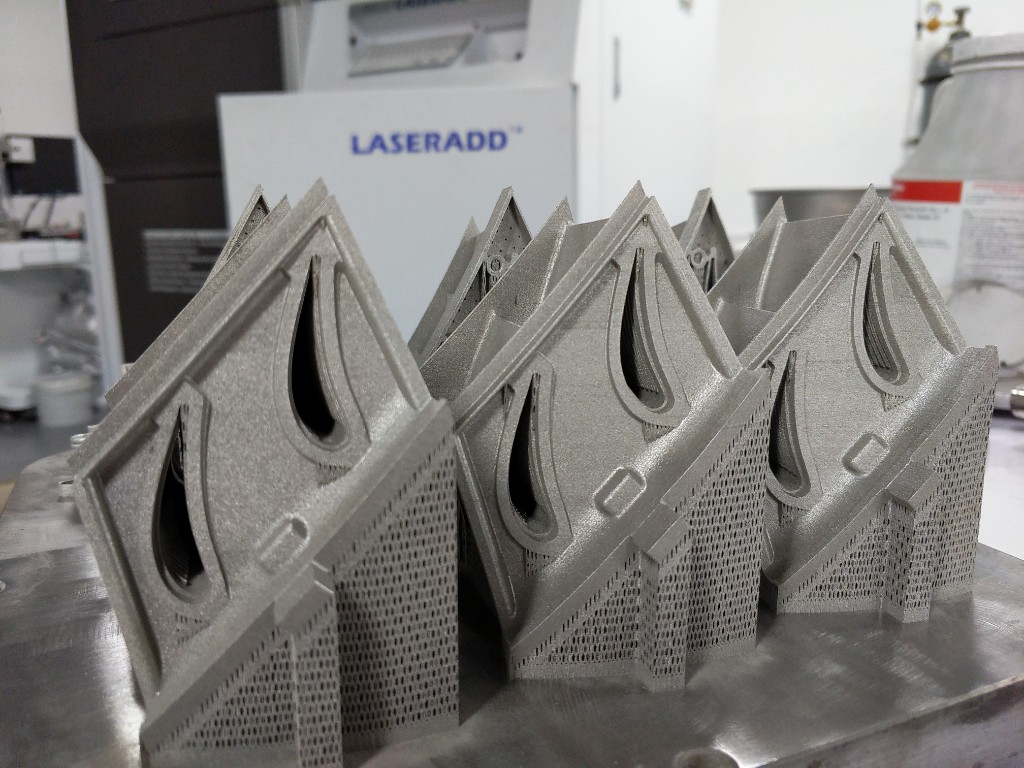
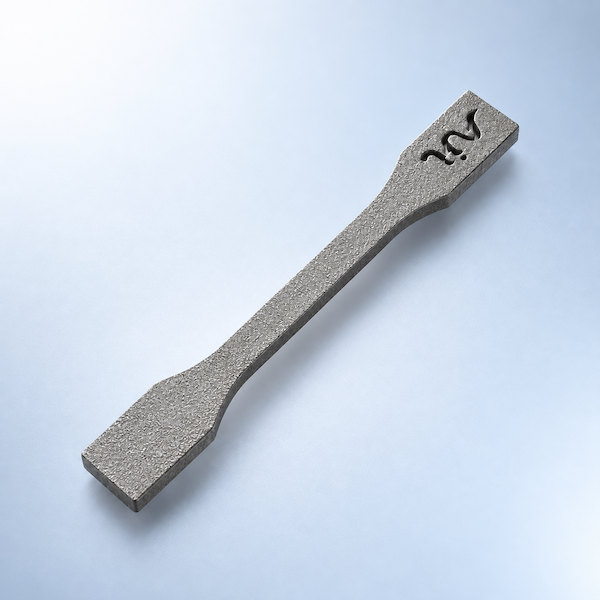
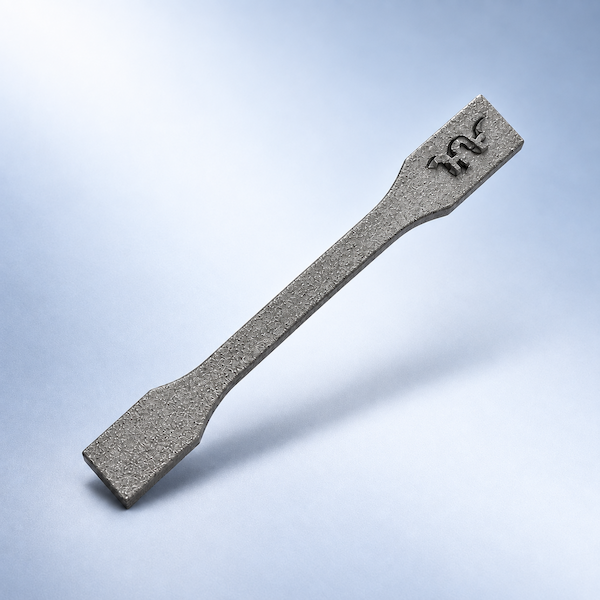
Grainy metallic skin from the powder bed. Fine for hidden structures and many brackets after support removal.
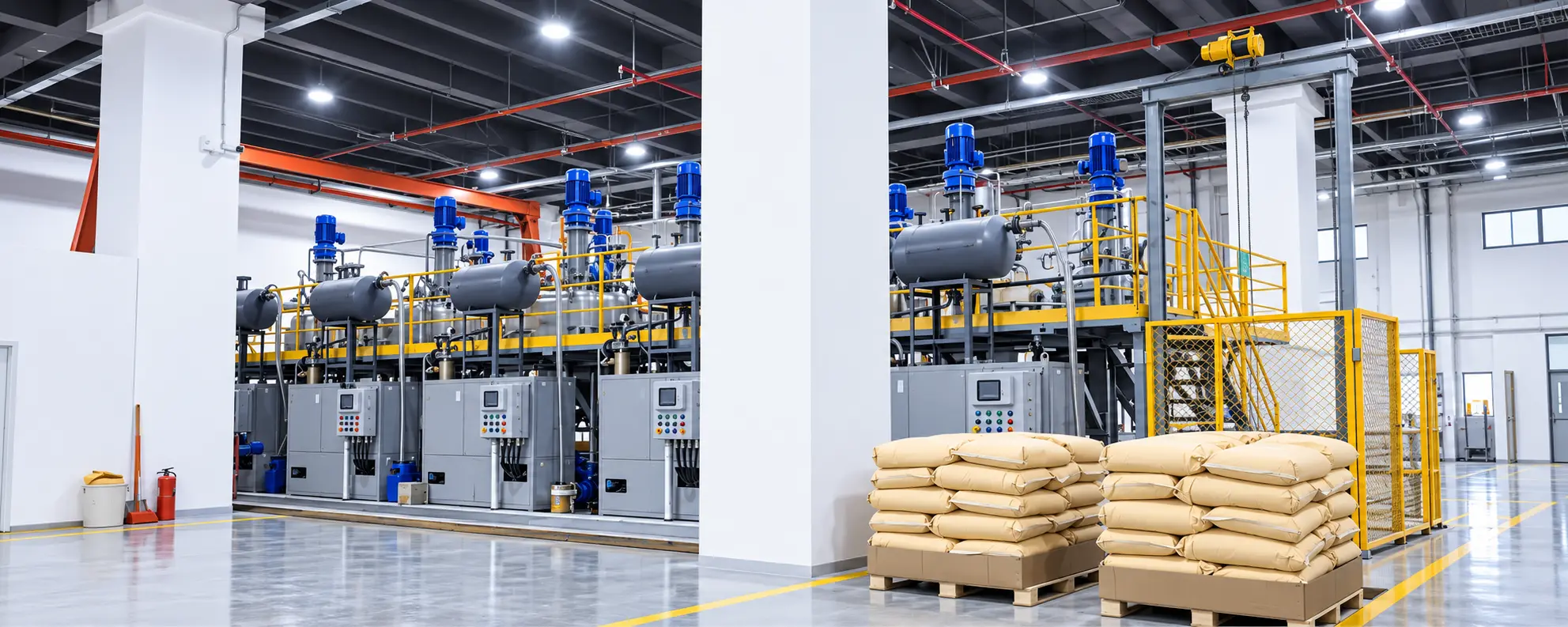
Stress relief or HIP-class heat treat as specified, then powder removed from channels and lattices.
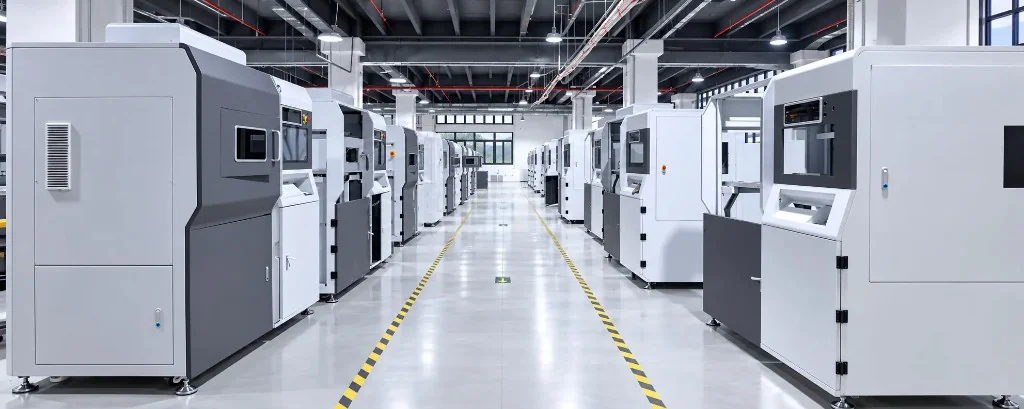
Mill or turn datums, threads, and sealing faces; polish or coat show surfaces.
SLM is the metal powder-bed option. Nylon jobs belong on SLS or MJF; resin detail belongs on SLA, DLP, or LCD.
| Process | Lead time | Tolerance | Pricing |
|---|---|---|---|
| Selective Laser Melting (SLM)Metal | From 5 business days (express options where available) | ±0.3 mm or ±0.3% (whichever is greater), tighter after machining | Instant quote · typical metal part from $90 |
| Stereolithography (SLA)Resin | From 48 hours for standard resin jobs | ±0.2 mm on well-supported features | Instant quote · typical resin part from $18 |
| Digital Light Processing (DLP)Resin | From 48 hours | ±0.2 mm on supported geometry | Instant quote · typical resin batch from $20 |
| Liquid Crystal Display (LCD)Resin | From 48 hours | ±0.2 mm on supported geometry | Instant quote · typical resin part from $16 |
| Selective Laser Sintering (SLS)Plastic powder | From 48 hours express; 72 hours / 5 days standard tiers | ±0.3 mm or ±0.3% | Instant quote · typical nylon part from $28 |
| Multi Jet Fusion (MJF)Plastic powder | From 48 hours express; standard 72 hours / 5 days | ±0.3 mm or ±0.3% | Instant quote · typical PA12 part from $25 |
| Fused Deposition Modeling (FDM)Thermoplastic filament | From 24–48 hours depending on size | ±0.5 mm or ±0.5% on FDM-appropriate geometry | Instant quote · typical prototype from $12 |
Orientation, supports, and escape paths are checked before the build. Blind cavities without a powder exit are redesigned or rejected.
After the build, parts are depowdered, heat-treated as specified, then support-removed. Inspection follows the faces you marked for machining.
Design for powder, heat, and a finishing mill — not only for the laser path.
| Feature | Recommended practice |
|---|---|
| Overhangs | Self-supporting above about 45°. Steeper faces need supports, fillets, or a lattice blend. |
| Channels | Give powder an exit on every blind cavity and narrow duct. |
| Fits & threads | Call out secondary machining on critical diameters and threads. |
| Walls | Avoid paper-thin unsupported skins; they warp in the furnace and on the plate. |
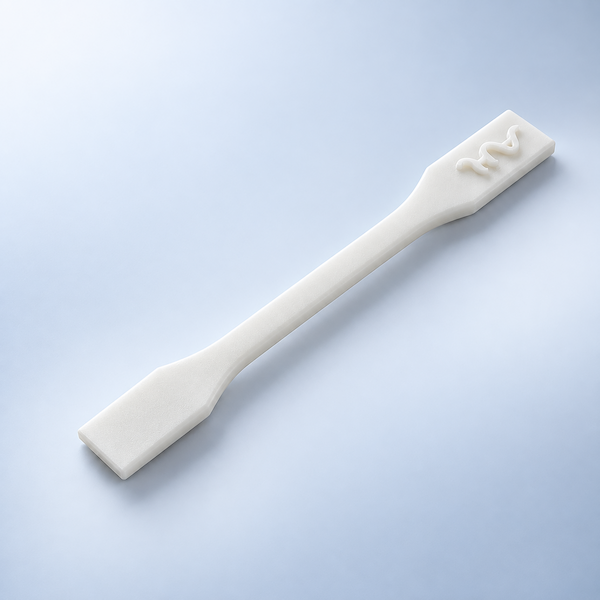
Stereolithography (SLA) cures liquid photopolymer with a precision UV laser, building parts layer by layer.
Full process details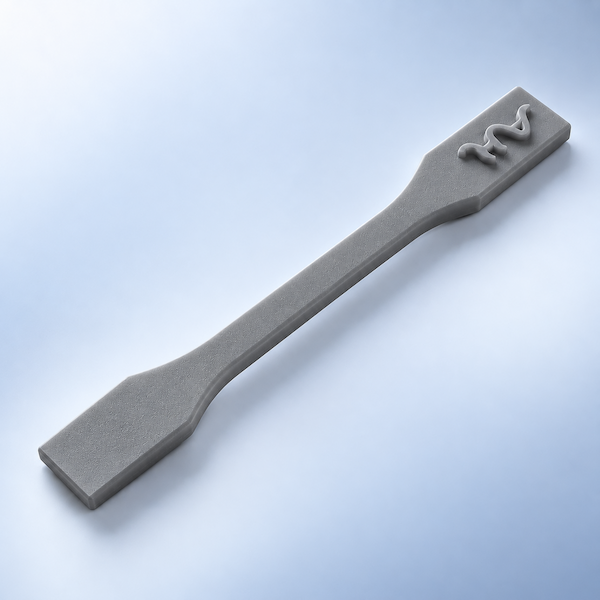
Digital Light Processing (DLP) solidifies an entire layer of photopolymer at once using a projected image.
Full process details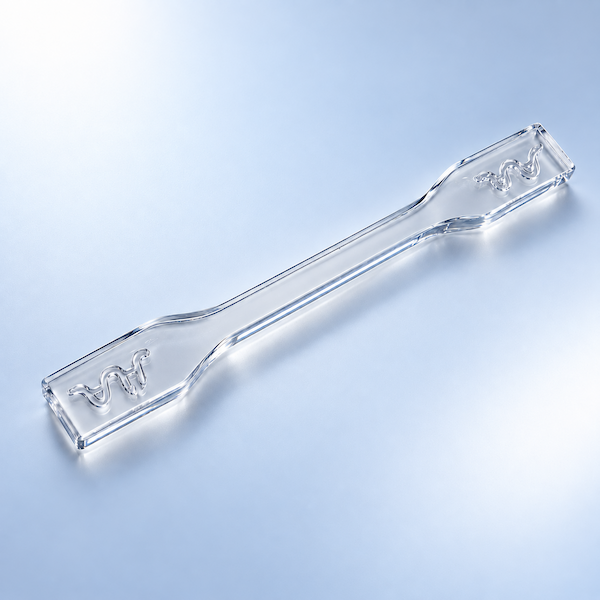
Liquid Crystal Display (LCD) printing — also called MSLA — cures a full layer of photopolymer at once.
Full process detailsWhen internal channels, lattices, or a single printed assembly beat a stack of milled pieces — prototypes, spares, and small functional batches.
Aluminum AlSi10Mg and 6061, titanium Ti6Al4V, stainless 316L and 17-4 PH. Tool steel and nickel alloys are reviewed by project.
Listed envelope is 420 × 420 × 450 mm. Typical as-built tolerance is ±0.3 mm or ±0.3%, whichever is greater. Tighter fits are machined.
A grainy metallic skin. We polish, coat, or CNC faces that need a smoother or more accurate interface.
STEP or STL, alloy, quantity, critical dimensions, environment, finish, and ship-to. Instant quote first, then a build-route review.
AIHFABS quotes custom 3D printing and CNC machining from a CAD upload. Compare SLA, SLS, MJF, SLM, FDM, DLP, milling, and turning, then add finishing such as vapor smoothing, dyeing, anodizing, polishing, or powder coating in the same order.
Instant quoting is built for prototypes, jigs, housings, and small-batch production. You see material, process, quantity, and lead time together, which keeps engineering changes from turning into a new round of supplier emails.
If this page describes a process, industry, or sample part you want to reproduce, start from the upload flow and match technology plus finishing to your drawing.
We use cookies to personalize your experience. By using this site, you agree to our Privacy Policy
Accept