Lead time
From 3–7 business days depending on complexity

CNC Machining
One of the most advanced subtractive processes — two rotary axes on top of X/Y/Z for complex geometry in fewer setups.
5-Axis CNC Machining is one of the most advanced subtractive manufacturing technologies in modern precision manufacturing. Building on traditional three-axis systems (X, Y, and Z linear axes), it adds two rotary axes (two of A, B, or C). This lets the cutting tool approach the workpiece from virtually any angle, enabling efficient, high-precision machining of complex shapes.
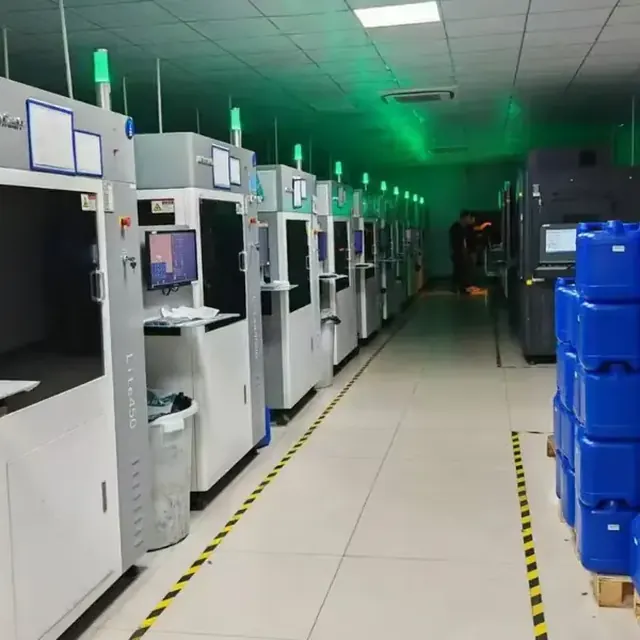
Five-axis machining adds two rotary axes on top of X, Y, and Z. The tool can tilt into undercuts and compound faces, so a blisk, impeller, or medical contour often finishes in one fixture instead of a chain of 3-axis setups.
AIHFABS quotes both 3+2 indexing and true simultaneous 5-axis. Use this page when a 3-axis mill would need many re-clamps, or when the surface itself is the product.
Accuracy and finish below assume a rigid fixture and marked datums.
From 3–7 business days depending on complexity
±0.02–0.05 mm on critical features when specified
3+2 indexed and simultaneous 5-axis
Fine contour finishes; polish/coat optional
CMM / optical methods available for key characteristics
Aluminum and titanium are common. Nickel alloys are reviewed per program.
Shorter tools and better engagement usually beat a 3-axis scallop on the same contour.
Visible but even scallops on organic faces. Acceptable on many aerospace internals.
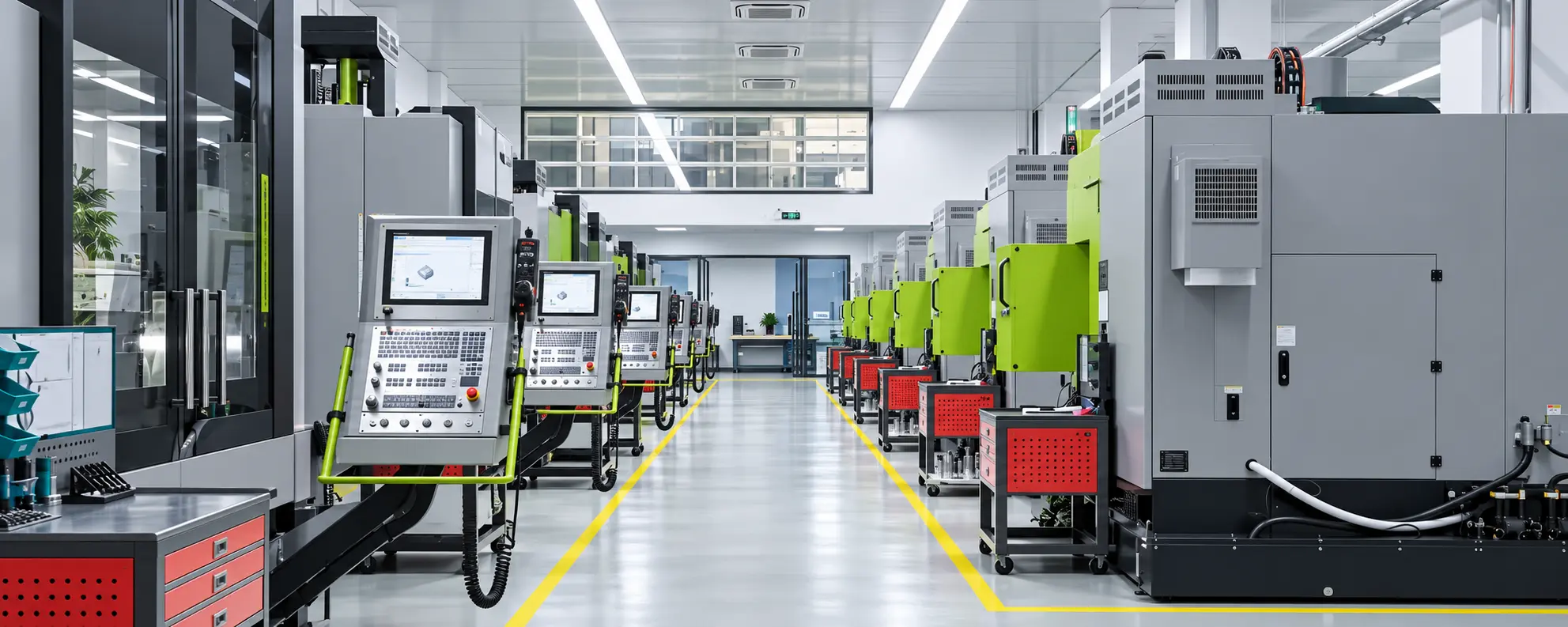
Tighter step-over on show surfaces or flow paths before polish or coat.
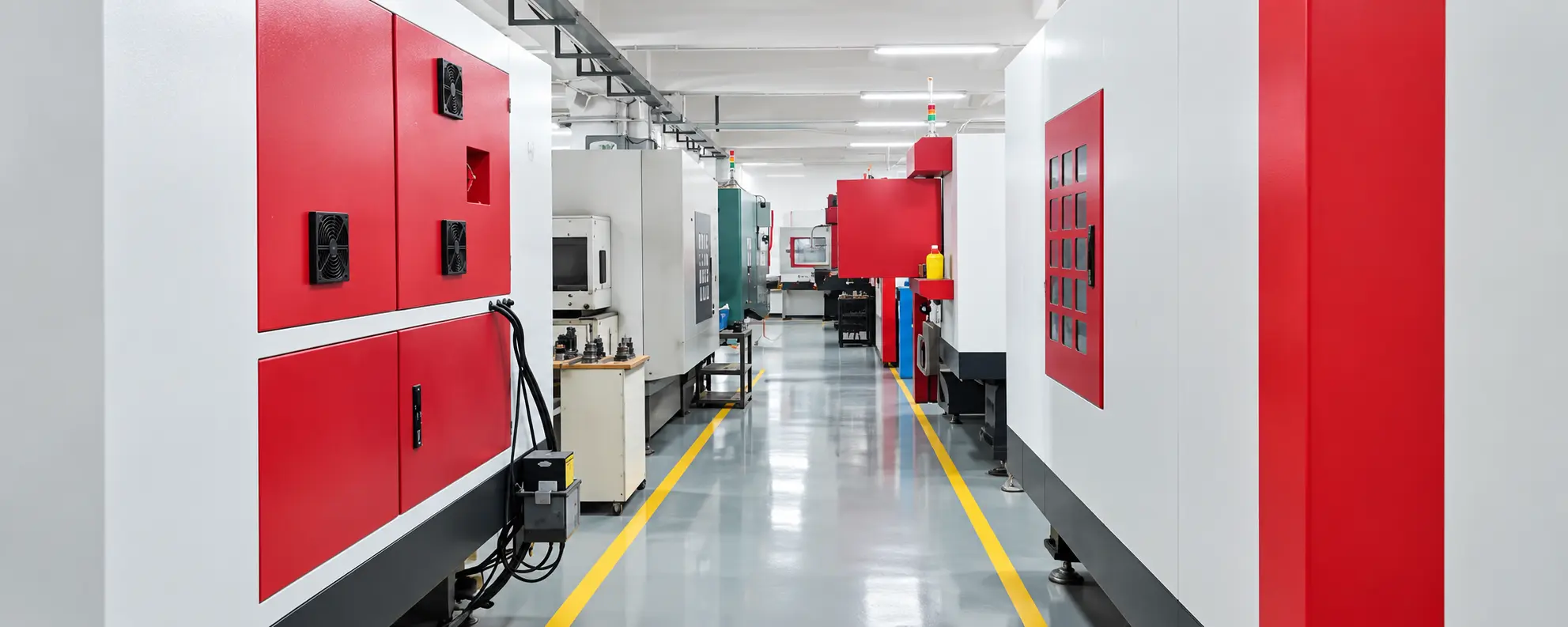
Hand or machine polish, then anodize, passivate, or paint when the drawing asks.
Pay for 5-axis when setups or surface quality dominate. Simple pockets should stay on 3-axis milling.
| Process | Lead time | Tolerance | Pricing |
|---|---|---|---|
| CNC Machining ServicesMetals & plastics | From 1–5 business days depending on complexity and finish | ±0.05 mm standard; tighter on request with drawing callouts | Instant quote · typical prototype from $45 |
| CNC Milling ServicesMetals & plastics | Simple 1–3 days; complex 3–7 days; batch 5–15 days | ±0.01 mm standard; ±0.005 mm high precision | Instant quote · typical prototype from $40 |
| CNC Turning ServicesMetals & plastics | Simple 1–3 days; complex 7–10 days | ±0.01 mm standard; ±0.001–0.002 mm high precision | Instant quote · typical prototype from $35 |
| CNC Routing ServicesPlastics & composites | From 2–4 business days | Medium precision (~±0.025 mm class) | Instant quote · typical panel job from $30 |
| 5-Axis CNC MachiningMetals & plastics | From 3–7 business days depending on complexity | ±0.02–0.05 mm on critical features when specified | Instant quote · typical prototype from $80 |
| Precision Machining ServicesMetals & plastics | From 3–8 business days (complexity dependent) | ±0.005–0.01 mm; Ra 0.4–1.6 μm; CPK ≥ 1.33 | Instant quote · quoted to drawing / inspection grade |
| Large Part CNC MachiningMetals & plastics | Quoted per project (fixturing and logistics driven) | Around ±0.025 mm on critical features; large spans project-dependent | Project quote · fixturing and logistics driven |
| Swiss CNC MachiningMetals & plastics | From 3–7 business days; faster on repeat batches | ±0.005 mm standard; down to ±0.0025 mm when specified | Instant quote · most economical in batch runs |
CAM programmers create simultaneous or 3+2 toolpaths from your solid model.
A single fixture often exposes most faces, minimizing re-clamping.
Shorter tools and better cutter engagement improve finish on contoured surfaces.
In-process or final inspection verifies critical GD&T callouts.
Programmers build simultaneous or 3+2 toolpaths from a clean solid. Tiny unresolved fillets and open surfaces slow the job down.
In-process probes or a final CMM check cover the GD&T you marked. Cosmetic versus functional faces should be obvious.
Give the tool a path. Geometry that a ball mill cannot see still will not cut.
| Feature | Recommended practice |
|---|---|
| Model quality | A closed solid with sane fillets; avoid paper-thin edges and naked surfaces. |
| Face intent | Mark cosmetic vs functional faces so step-over and polish are not guessed. |
| Tool access | Deep slots narrower than the tool still drive cost on 5-axis. |
| Datums | One clear primary datum set beats a chain of 3-axis re-clamps. |
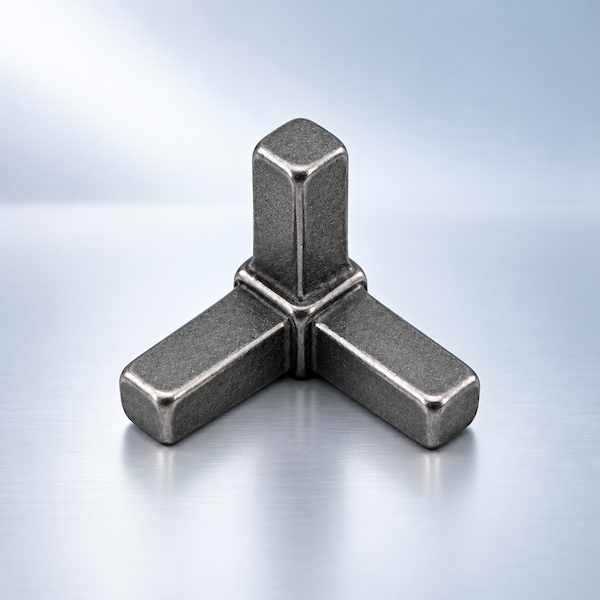
CNC machining removes material from solid stock with computer-controlled mills, lathes, and multi-axis centers.
Full process details
CNC Milling Services use computer numerical control (CNC) mills to cut workpieces with rotating tools according to programmed toolpaths.
Full process details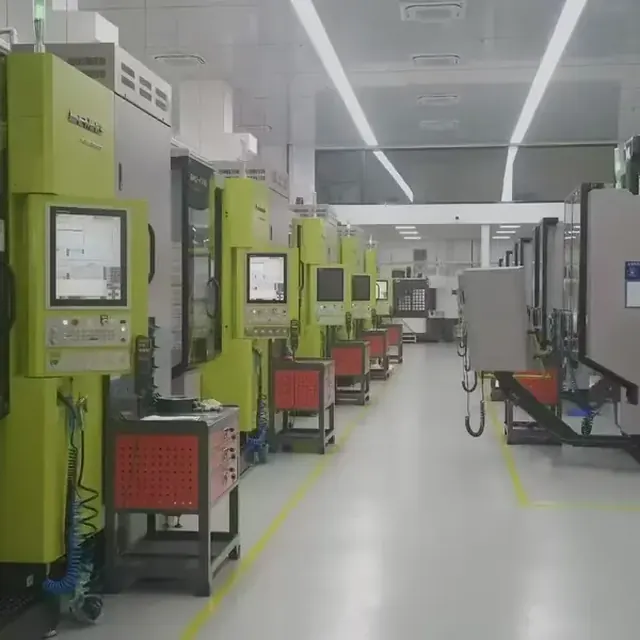
CNC Turning Services use computer numerical control lathes to remove material while the workpiece rotates at high speed and the cutting tool feeds along a set path.
Full process detailsNo. 3+2 indexing solves many multi-face parts. Simultaneous motion is for true sculpted surfaces and continuous tool engagement.
±0.02–0.05 mm on marked features is a common planning band. Tighter values need a precision review.
Aluminum, titanium, stainless, and alloy steels are routine. Inconel and similar grades are quoted after a process review.
Many parts leave in 3–7 business days. Impellers, dense toolpaths, and special finishes run longer.
Yes — CMM or optical methods against the marked datums and profiles.
Use these process-specific checks when preparing your model, drawing and quote request. The confirmed quotation and approved drawing define the requirements for your part.
Multiple axes can reach angled faces and complex contours, but the cutter, holder and fixture still need clearance. Deep cavities, small internal radii and hidden undercuts can remain difficult. Share the full assembly context when a feature has limited access.
Keeping related features in one setup can reduce datum transfers. Identify those relationships on the drawing instead of requesting 5-axis machining by name alone. The chosen operation should follow the geometry, tolerance and required surface.
Confirm datums, critical geometric relationships, surface texture and the intended inspection method for angled or freeform surfaces. Agree the material condition and finishing sequence before programming.
AIHFABS quotes custom 3D printing and CNC machining from a CAD upload. Compare SLA, SLS, MJF, SLM, FDM, DLP, milling, and turning, then add finishing such as vapor smoothing, dyeing, anodizing, polishing, or powder coating in the same order.
Instant quoting is built for prototypes, jigs, housings, and small-batch production. You see material, process, quantity, and lead time together, which keeps engineering changes from turning into a new round of supplier emails.
You can review material, process, quantity, and lead time together, so engineering changes do not turn into another round of supplier emails.
Upload STL, STEP, and other common CAD formats for an online quote.
Compare 3D printing technologies and CNC options on the same part.
Select polymers or metals, then add 3D Plus hardware finishing when needed.
Review price and lead time before checkout, or request a manual quote for special specs.
If this page describes a process, industry, or sample part you want to reproduce, start from the upload flow and match technology plus finishing to your drawing.
We use cookies to personalize your experience. By using this site, you agree to our Privacy Policy
Accept