Early size and ergonomic studies
Define the required fit, finish and working environment. Include the intended test or acceptance criteria with your model.

AIHFABS MATERIAL GUIDE
Compare filament grades for form studies, fixtures and early functional prototypes.
FDM builds parts from extruded thermoplastic layers. It is a practical starting point for checking overall size and geometry, but material selection should include the print orientation and service conditions. PLA, PETG and ABS are different choices rather than interchangeable low-cost plastics.
START WITH THE APPLICATION
Use the application to shortlist a grade, then confirm the exact requirements against the part design and operating conditions.
Define the required fit, finish and working environment. Include the intended test or acceptance criteria with your model.
Define the required fit, finish and working environment. Include the intended test or acceptance criteria with your model.
Define the required fit, finish and working environment. Include the intended test or acceptance criteria with your model.
DESIGN & MANUFACTURING
COMPARE THE AVAILABLE GRADES
FDM
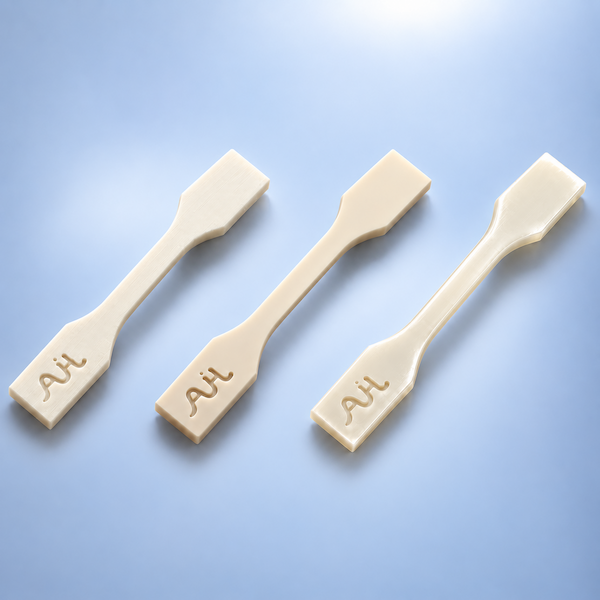
The printed part of Polylactic Acid (PLA) has high stiffness and low warping with biodegradable composition and low odor emission, and is ideal for concept prototypes, architectural models, educational tools, medical training aids, food-safe utensils, decorative items, consumer packaging mock-ups, assembly jigs, and low-stress mechanical components.
View material details →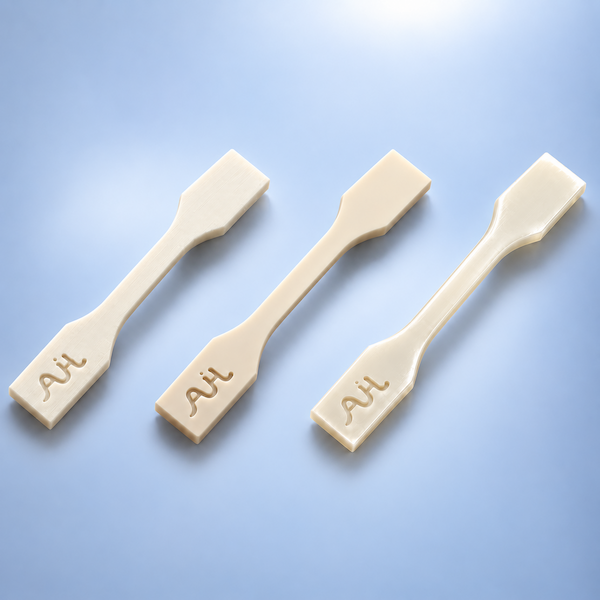
FDM
The printed part of Polyethylene Terephthalate Glycol (PETG) offers excellent layer adhesion, balanced strength and flexibility, with low warping, chemical resistance, and minimal odor emission, and is ideal for functional prototypes, mechanical components, outdoor fixtures, food-safe containers, protective housings, medical device parts, retail displays, custom tools, and applications requiring durability under stress.
View material details →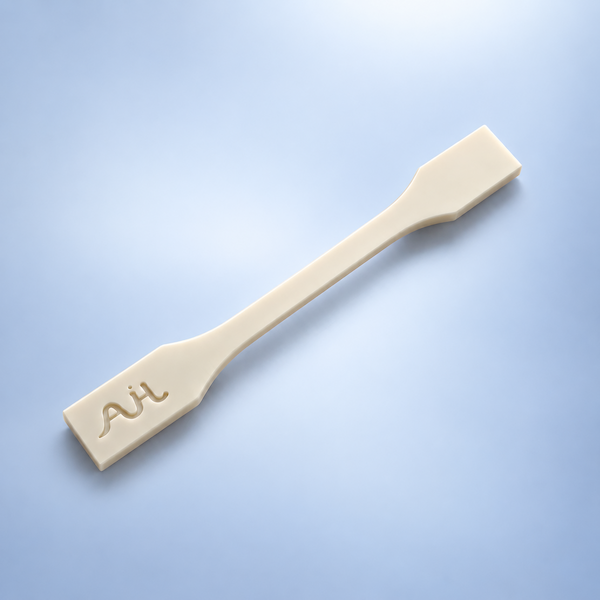
FDM
The printed part of Acrylonitrile Butadiene Styrene (ABS) offers high impact strength, excellent heat resistance, and good machinability, making it ideal for functional prototypes, automotive components, protective housings, industrial jigs, consumer product casings, toys, sporting goods, and applications requiring durability in demanding environments.
View material details →MATERIAL QUESTIONS
PLA can be useful for form studies, but the application may call for different heat or impact behavior. Select material around the intended test.
FDM deposits layers, so loading across and along those layers can produce different behavior. Include the load direction in the manufacturing brief.
Describe the objective and any required settings with your model. Confirm the build specification in the quote rather than assuming a default internal structure.
FROM THE AIHFABS BLOG
Compare SLA and FDM 3D printing for surface quality and fine details. Learn which technology suits smooth finishes, tight tolerances, and intricate geometries in prototyping and en
Read article →Compare SLA with DLP, LCD, FDM, SLS, MJF, SLM, and CNC machining. Shortlist processes by material, geometry, finish, cost, and your part's intended use.
Read article →Upload CAD for a quote, or share the complete requirements for a material and manufacturing review.
Review application requirements before choosing a grade or manufacturing route.
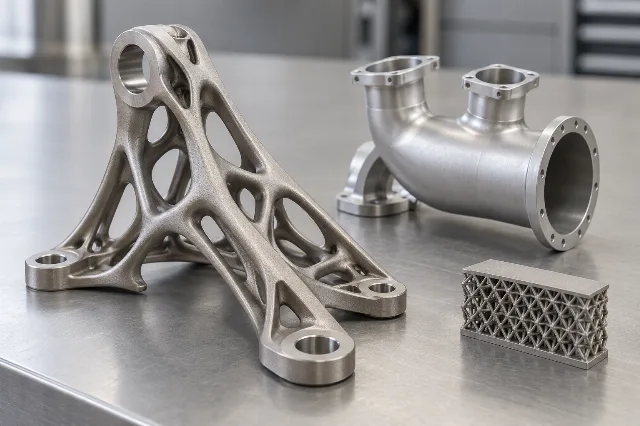
High specific strength for brackets and interfaces; review fatigue, build orientation, heat treatment and traceability before flight use.
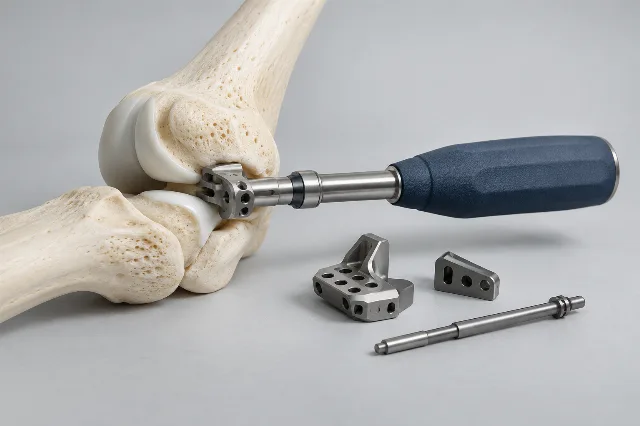
Instrument hardware and fixtures; select grade against corrosion, sterilization cycles and passivation requirements.
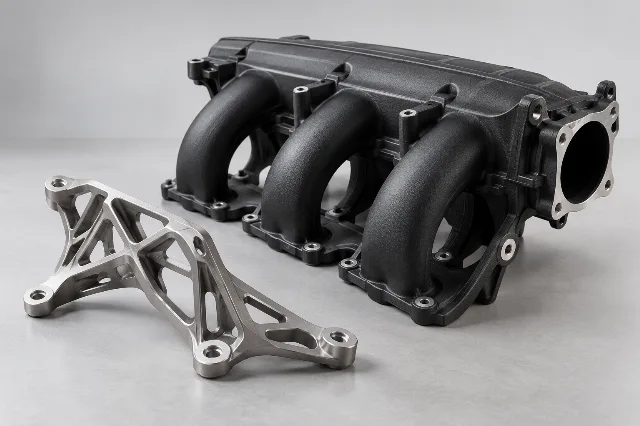
Lightweight housings and development brackets; assess vibration, thermal expansion and threaded joint durability.
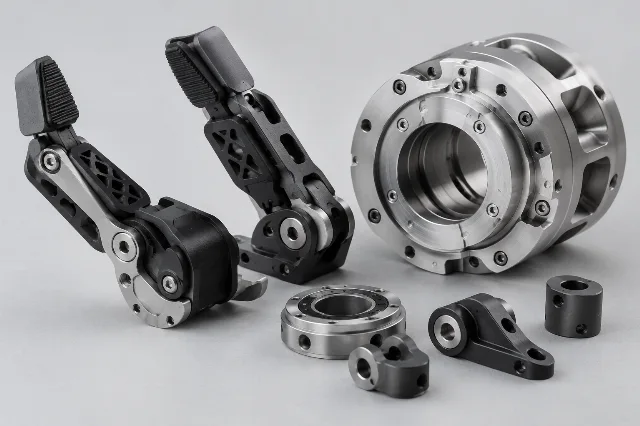
Grippers and cable guides; evaluate creep, moisture and repeated flexing.
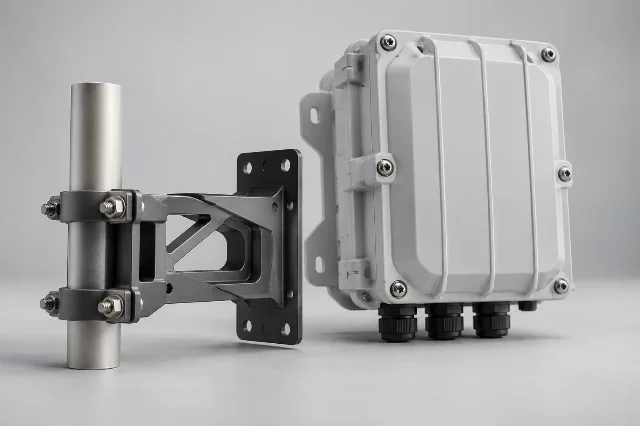
Thermal and electrical interfaces; review oxidation protection and contact resistance.
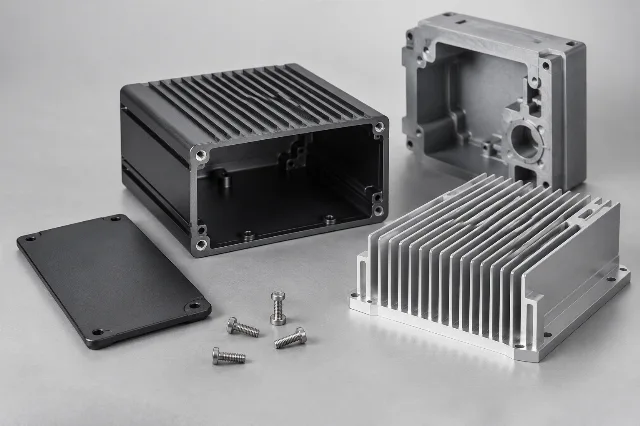
Prototype housings; ordinary ABS does not establish ESD protection or a flammability rating.
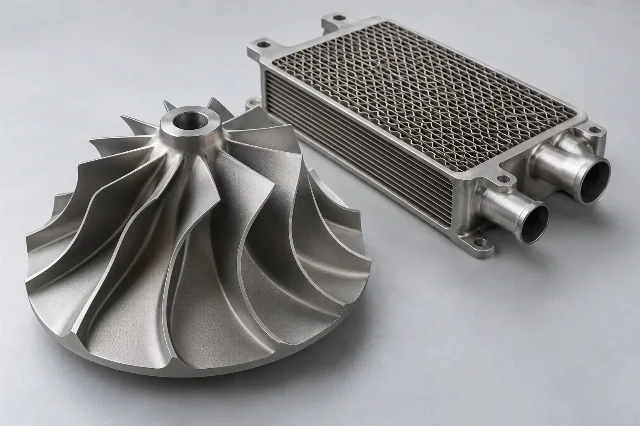
Conductive and thermal parts; specify contact geometry, plating and temperature rise criteria.
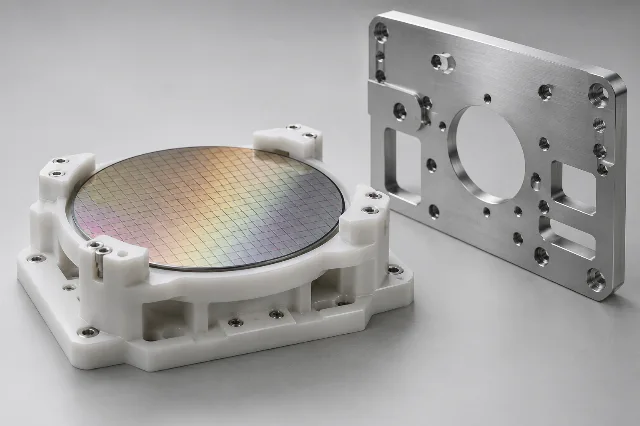
Insulating fixture components; verify outgassing, chemical compatibility and particle generation for the process.
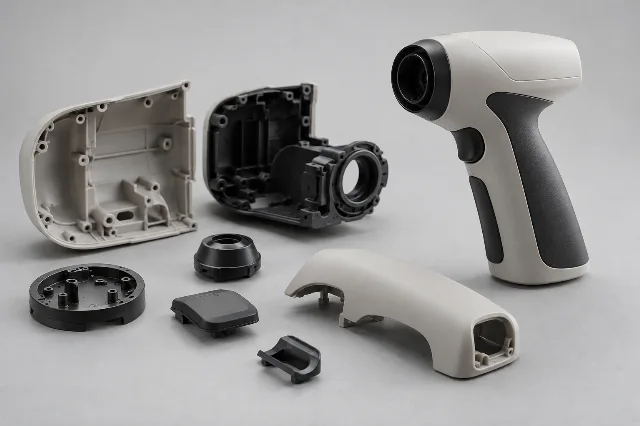
Appearance prototypes and housings; approve texture, color and assembly before tooling.
We use cookies to personalize your experience. By using this site, you agree to our Privacy Policy
Accept