CNC / post-processing
Finishing after the cut
A milled or turned blank still needs a skin: anodize, blast, powder, or a tapped hole that matches the print side of the job.
CNC solutions is the finishing desk for machined metal. Same upload, same project, same traveler as milling and turning — so the part leaves with the color and threads you asked for.
What CNC post-processing is
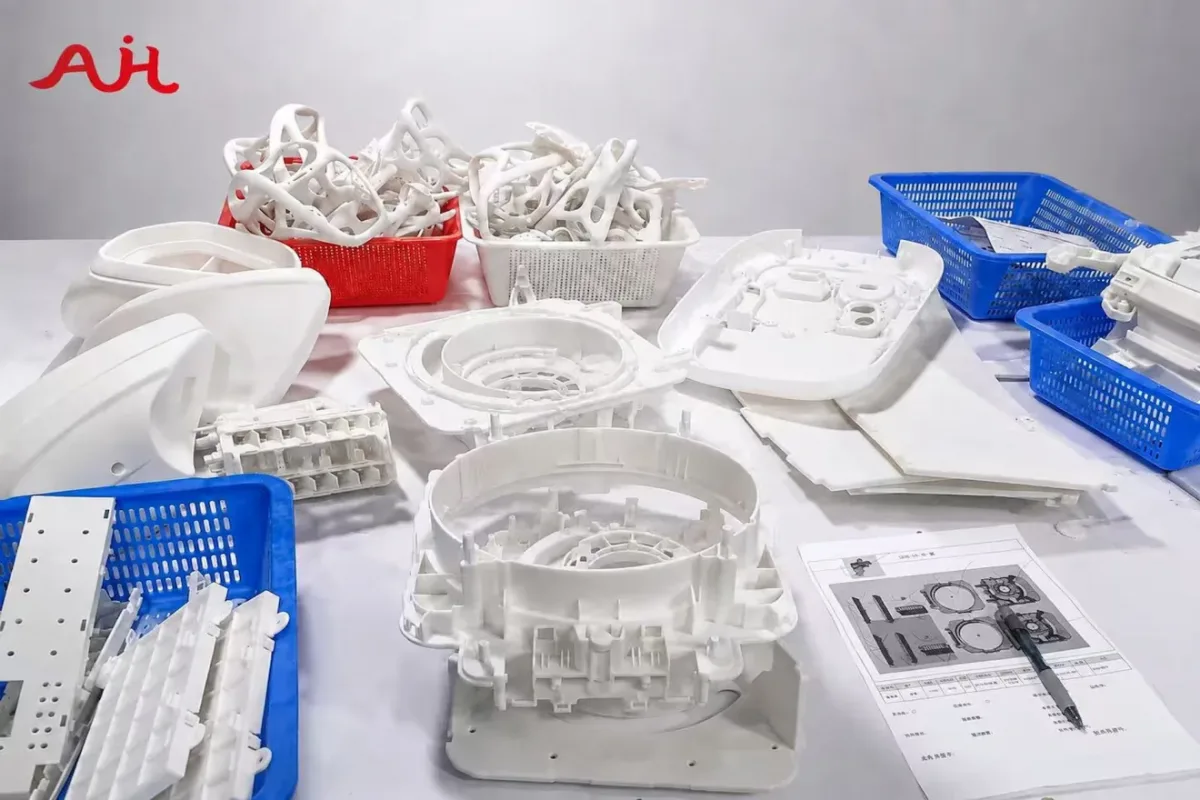
After the tool leaves the stock, the part is still a machine finish. Post-processing is the color, the blast, the coat, and the threads that make it fit the assembly.
We run those steps on the same job as the milling or turning. You pick the finish when you quote — not after a raw blank shows up.
- Color: anodize, plate, coat, spray
- Surface: bead blast, sandblast, polish, powder, tumble
- Function: tapping and threading on the machined blank
Color on machined metal
Anodize, plate, coat, or spray so the CNC part matches the rest of the assembly.
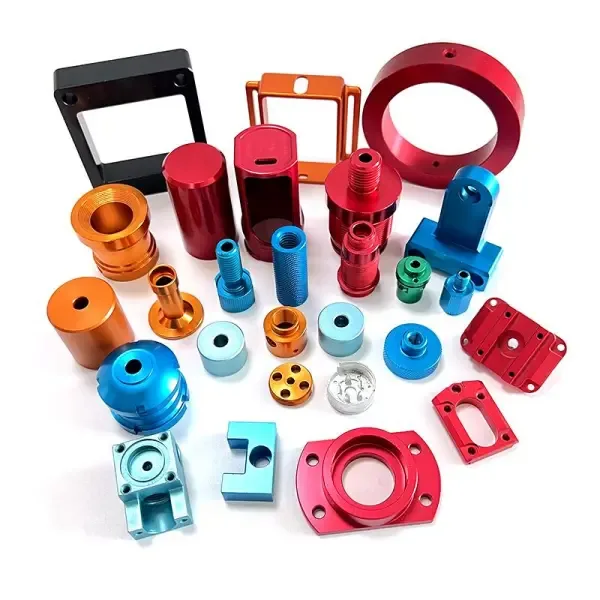
Anodizing
Anodizing on CNC aluminum grows an oxide skin after milling or turning. Type II takes dye for color; Type III (hard) is thicker for wear. It hides light cutter marks, adds corrosion resistance, and can electrically isolate the blank.
Learn more >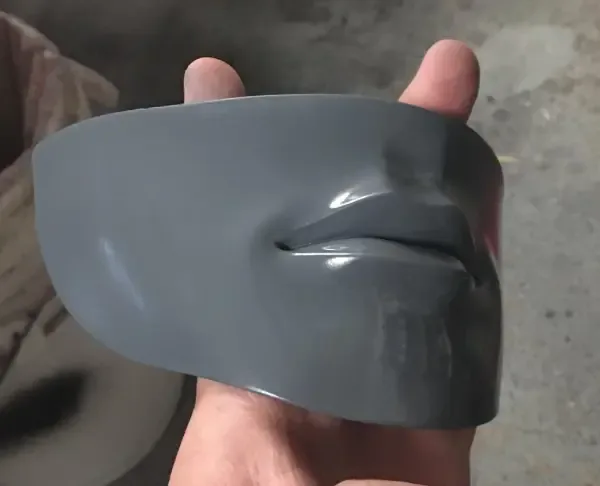
Coating
Coating on a machined part is a primer, conversion, or protective film applied after the tool leaves the stock. It evens the cut surface, adds color or corrosion resistance, and preps the blank for paint or assembly — on the same traveler as milling or turning.
Learn more >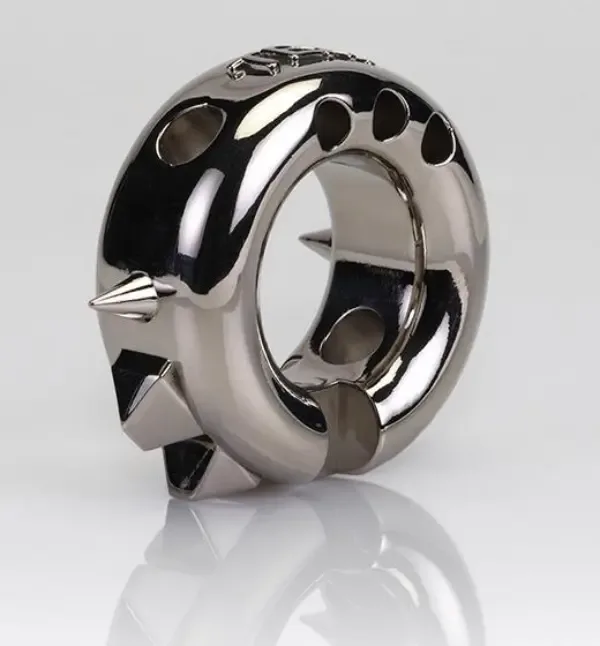
Electroplating
Electroplating deposits nickel, zinc, chrome, or other metals onto a conductive CNC blank. It covers tool marks, adds conductivity or corrosion protection, and can match a plated assembly. Geometry the bath can wet plates evenly.
Learn more >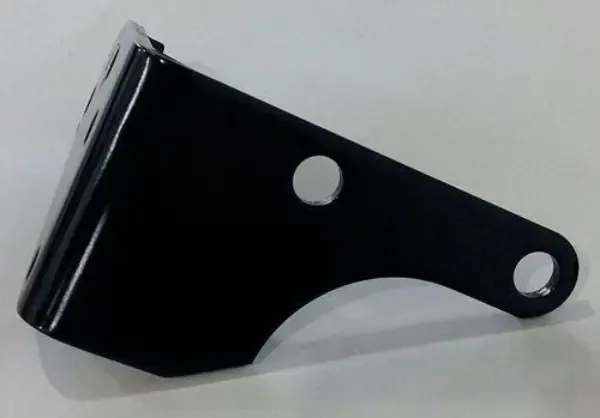
Electrocoating
E-coating dunks a conductive machined part in a charged bath so the film builds to a uniform thickness — including pockets a spray gun misses. Typical on steel and aluminum CNC parts that need corrosion resistance before powder or paint.
Learn more >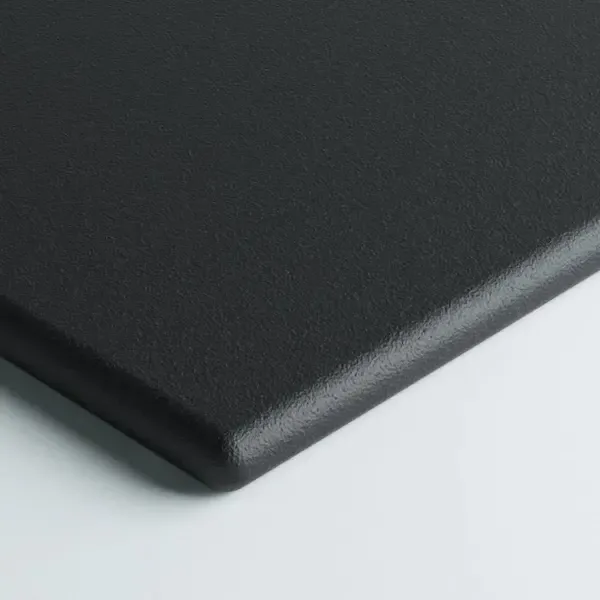
Spray Painting
Spray painting on CNC work hides cutter marks and matches a Pantone after a blast or primer. A gun lays an even film on housings and brackets. Color sits on the same job as the milling, not a second vendor.
Learn more >Surface after the tool
Blast, polish, powder, or tumble to hide cutter marks and even the feel.
Bead Blasting
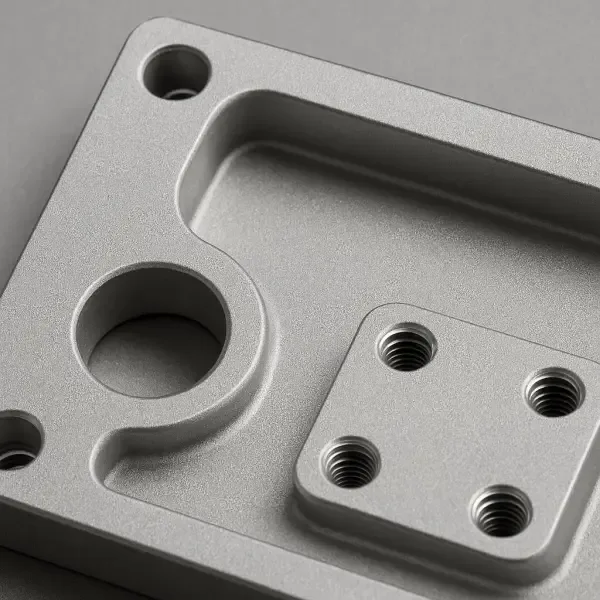
Bead blasting throws glass or ceramic media at a milled or turned surface to knock down tool marks and leave an even satin. It is the usual prep before anodize, powder, or paint, and it reaches pockets a polish wheel will not.
Learn more >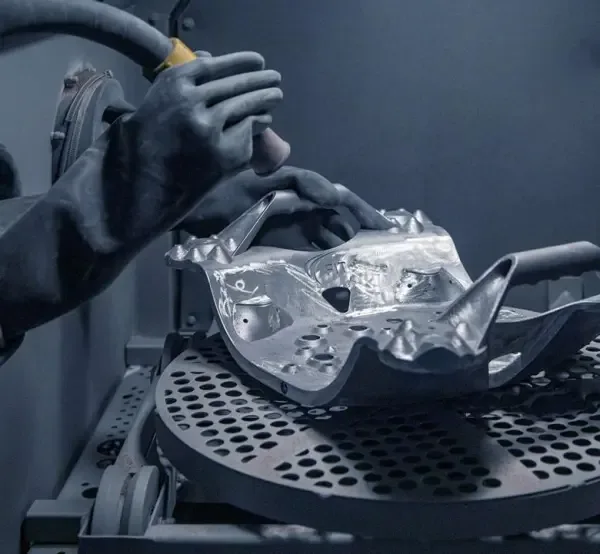
Sandblasting
Sandblasting is a heavier blast than beads. It strips scale, rust, and deep cutter marks from steel or aluminum stock, then leaves a uniform tooth for coat or paint. Use it when the machine finish is too rough to anodize or powder as-cut.
Learn more >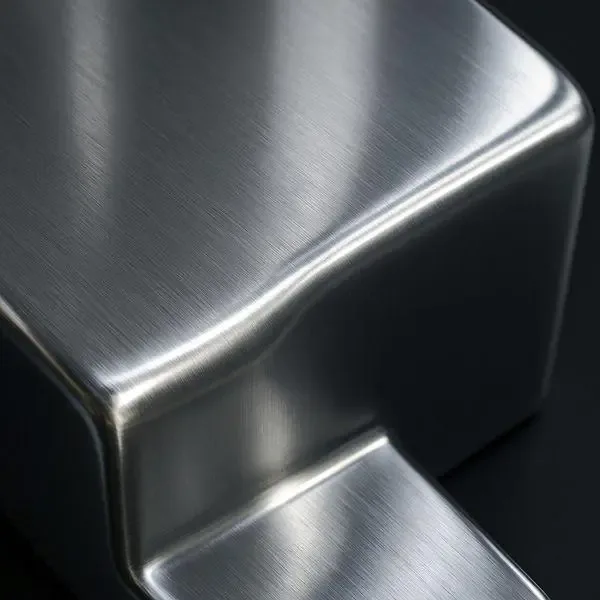
Polishing
Polishing a CNC part cuts the remaining tool marks — belt, wheel, or chemical — down to a specified Ra or a mirror. Aluminum and stainless take it well after milling or turning. Call it when the face has to look like a product, not a machine finish.
Learn more >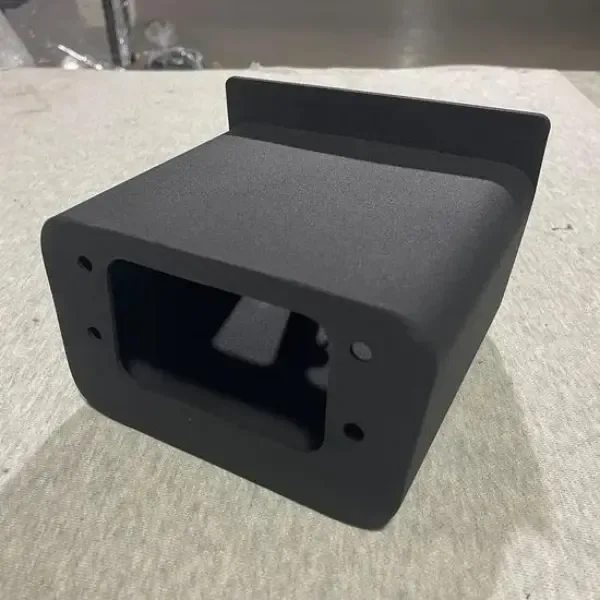
Powder Coating
Powder coating hangs a charged dry film on a machined metal part, then cures it. Thicker and tougher than wet paint, it hides light cutter marks and comes in color and texture. Steel and aluminum CNC blanks are the usual stock.
Learn more >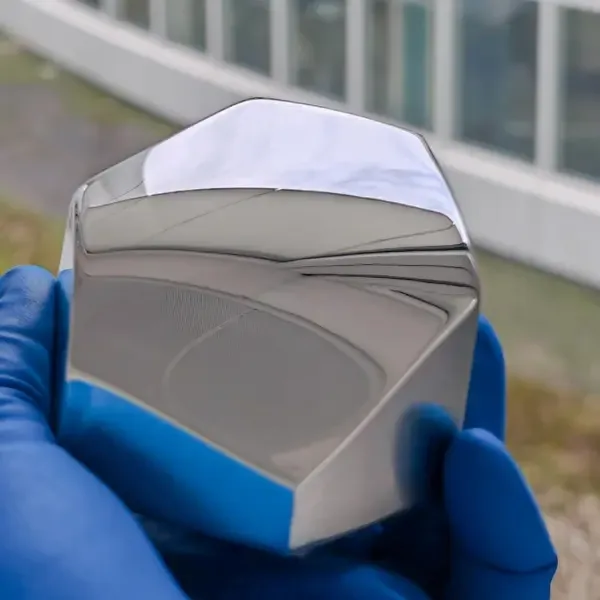
Tumbling
Tumbling drops machined parts into media to knock burrs and even the edges after milling. It is a batch process: consistent feel, fewer hand-deburr hours, and a surface that takes anodize or powder more evenly.
Learn more >Holes that take a fastener
Tap and thread the blank so it drops into the fixture without a second shop.
Tapping
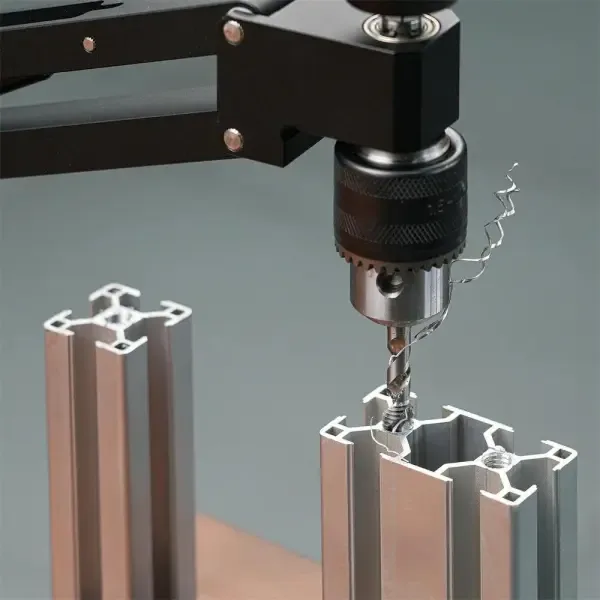
Tapping cuts internal threads in a hole the mill or drill already made. The blank leaves with a fastener seat instead of a second shop visit. Call out the thread spec on the same quote as the CNC work.
Learn more >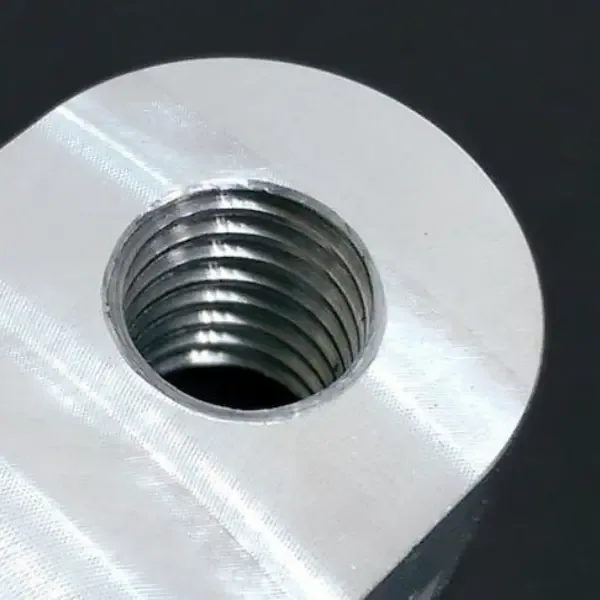
Threading
Threading on CNC work is the external or internal thread cut or rolled on the turned or milled blank. It takes the screw or nut the assembly needs. Spec the standard (metric, UNC) with the machine quote.
Learn more >Start from a process
Pick the print or machine route first. Finishing sits on the same ticket.
Materials that take a finish
The stock you quote is the stock we finish. Open a grade, then upload the file.
Upload, finish, ship
Upload the STEP. Pick milling or turning, then the finish. Or create a project and drop the rest of the set in later.
-
 01
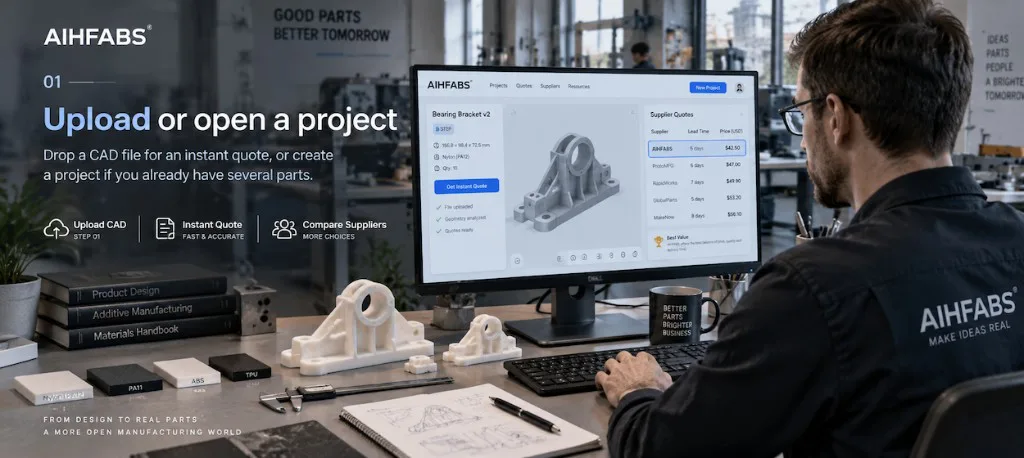
Upload or open a project
Upload a file for milling or turning, or create a project for a multi-part CNC set.
-
 02
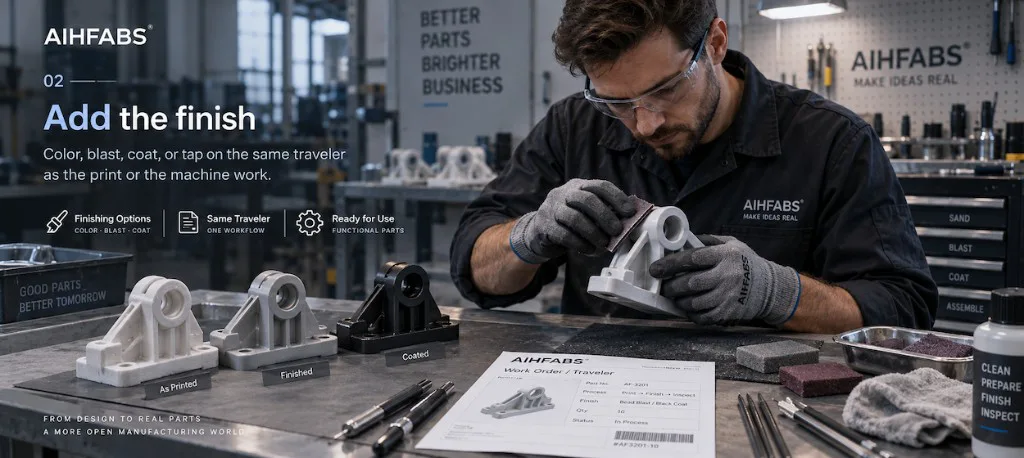
Add the finish
Add anodize, blast, powder, or tapping on the same traveler as the machine work.
-
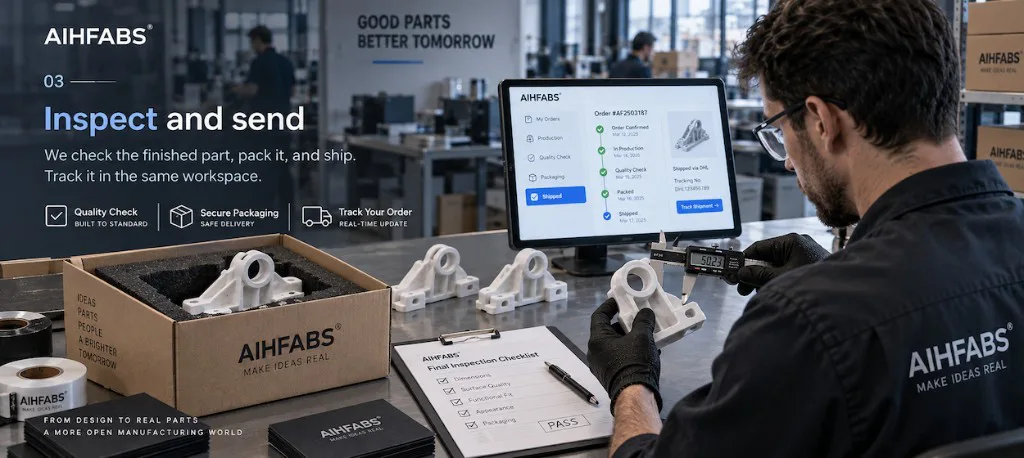 03
Inspect and send
We inspect the finished blank, pack it, and ship. Track it next to the print jobs.
Quote the machine work and the finish
Upload a file, or create a project if several CNC parts share one finish spec.