
Standard Resin White
A listed standard resin option for general DLP models and visual parts.

When comparing 3d printing service companies, look closely at the process, tolerance, materials, and finishing behind the quote. AIHFABS offers a 3d printing service based on Digital Light Processing for compact resin parts, fine visual details, and efficient small batches.
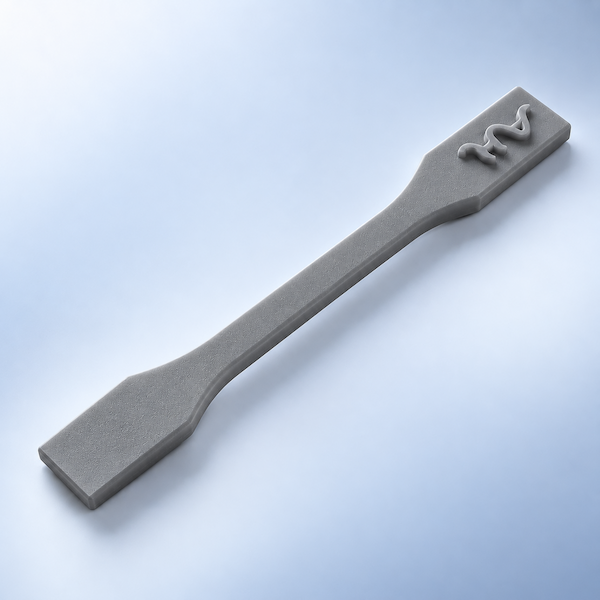
Digital Light Processing cures a whole resin layer in one projected image instead of tracing that layer point by point with a laser.
Because each layer is projected at once, DLP can deliver efficient layer times on compact parts while maintaining high XY resolution. AIHFABS quotes the process for jewelry-scale details, small housings, and repeat visual lots.
For projects that need a very large resin platform, AIHFABS notes that SLA may offer a more suitable build envelope. The correct process depends on part size, feature requirements, resin behavior, and the selected machine.
| Capability | AIHFABS DLP Detail |
|---|---|
| Lead time | From 48 hours |
| Typical tolerance | ±0.2 mm on supported geometry |
| Build envelope | Varies by machine; typical desktop-to-mid-format plates |
| Surface finish | Smooth as-built; coating and additional finishing are available |
| Supports | Required on overhangs |
The current DLP service page lists standard, high-detail, tough, high-temperature, and clear resin choices. Final selection should follow the part's functional and visual requirements.
A listed standard resin option for general DLP models and visual parts.
A listed dark standard resin option for presentation models and compact parts.
A listed high-detail grade in gray for geometry where visual definition matters.
A listed high-detail grade in white for fine visual features and models.
A listed tough resin option for projects that need more durability than standard modeling resin.
AIHFABS lists Ultra Tough Resin in yellow and blue for suitable project requirements.
A listed red resin option intended for applications that call for a high-temperature grade.
A listed clear resin option that can be paired with appropriate post-processing for visual parts.
Available only after project qualification. The required standard and contact type should be identified on the quote.
AIHFABS describes DLP surfaces as smooth after curing, with washing, post-curing, light sanding, tinting, and clear coating available according to the part.
The default deliverable follows an IPA wash and UV post-cure. Support marks can be dressed on request.
Light sanding can be applied to flat surfaces, while optional tinting supports presentation requirements.
A clear coat can be applied after post-curing to transparent or high-gloss presentation parts.
The workflow balances small-feature exposure, plate nesting, resin handling, and post-processing.
Part dimensions, fine features, overhangs, material needs, and protected cosmetic faces are reviewed before production.
Parts are arranged for an exposure setting that can hold the smallest feature. Excessive plate packing can soften edges.
The projector cures each complete resin layer. Required supports anchor overhangs during the build.
Parts follow the resin wash and UV post-cure workflow, then move to support removal and any requested finish.
AIHFABS recommends staying above the selected resin's published minimum feature size because knife edges may fail to cure. Small batches can share a plate, and a common Z height can improve nesting efficiency.
Mark surfaces that cannot show support witness marks. Also identify exposure to UV, chemicals, or skin contact so the resin choice can be reviewed against the real service environment.
DLP is a strong option for detailed compact parts, but part size, support requirements, and mechanical expectations still need to be checked.
Use these AIHFABS guides to prepare small resin parts, upload CAD files, and compare service requirements before ordering.
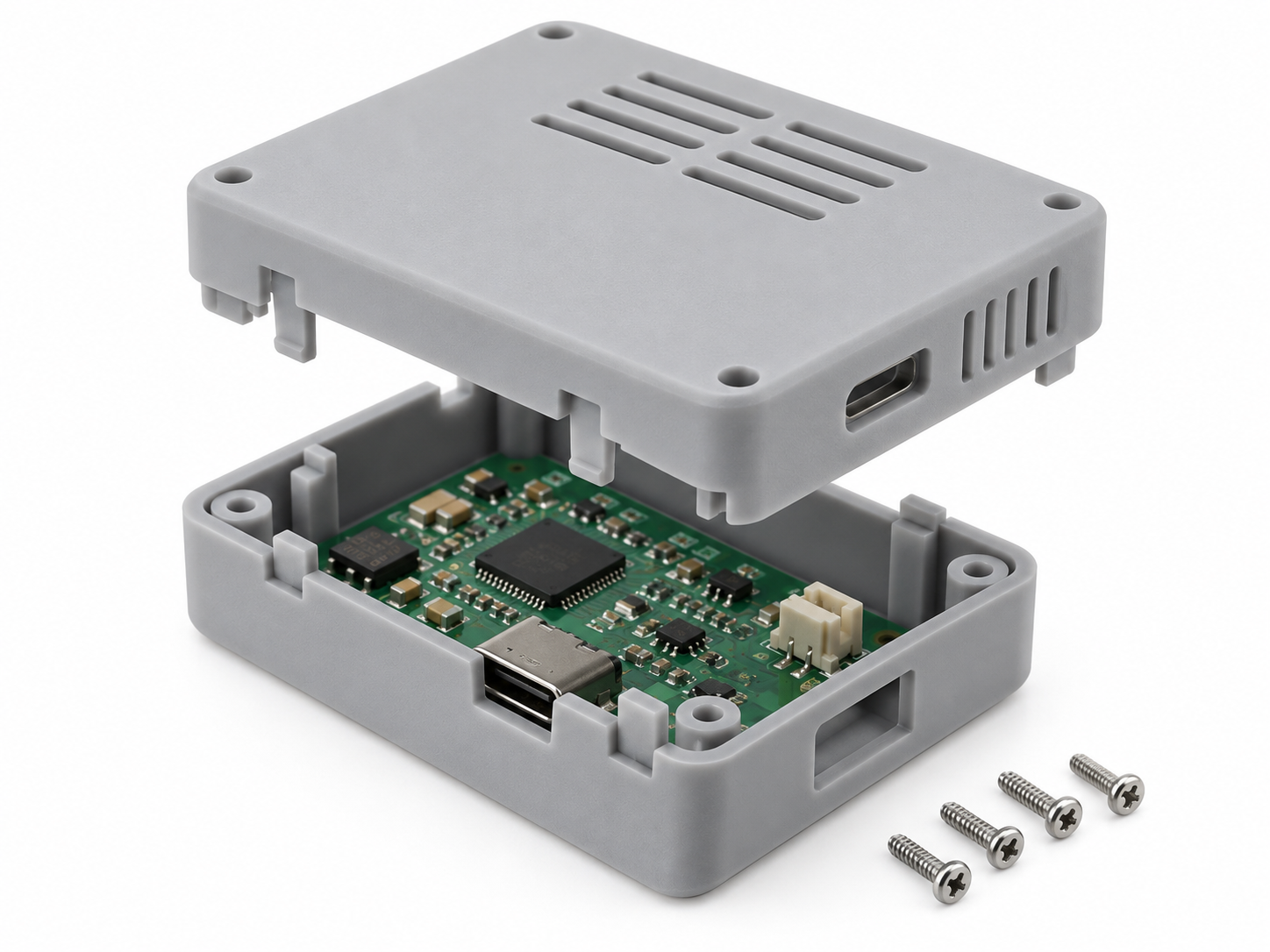
Learn about ±0.2 mm tolerance, material selection, support strategy, and assembly validation for compact enclosures and snap-fit prototypes.
Read article →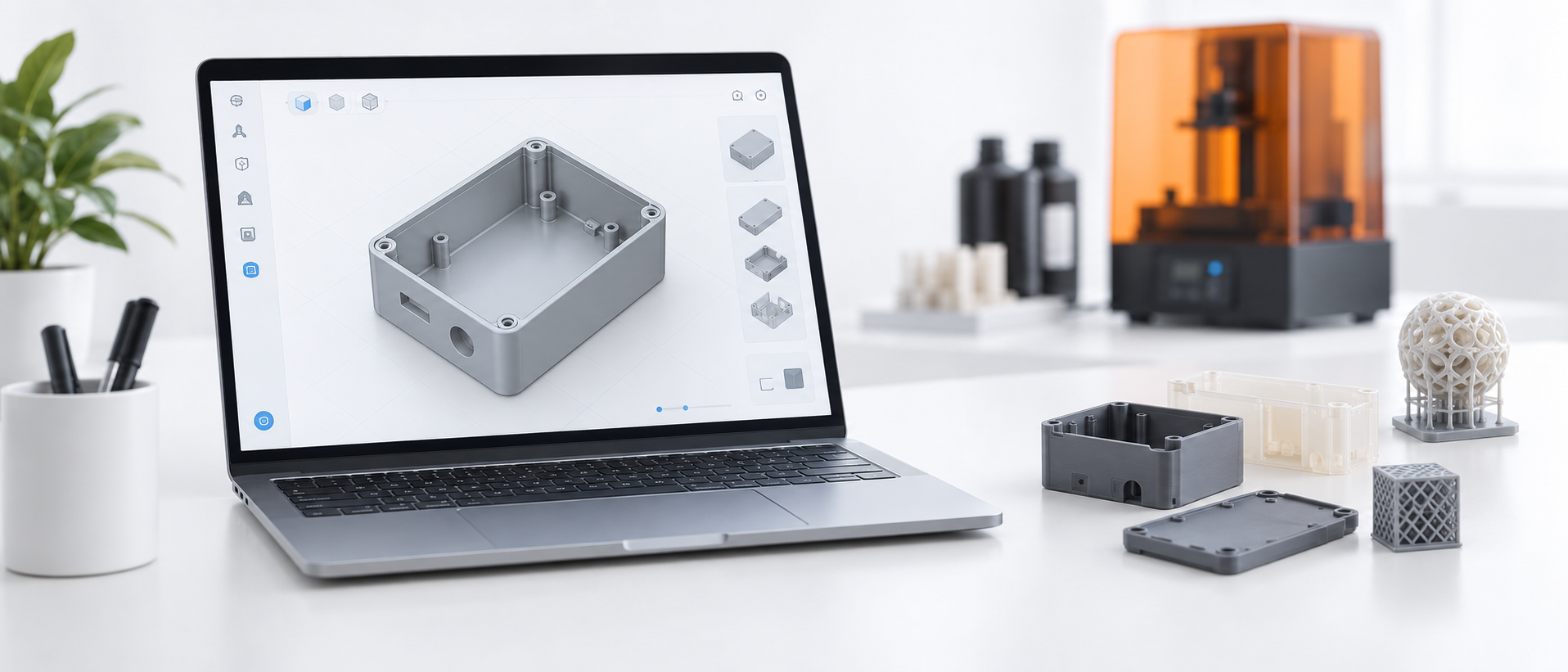
Review file preparation, units, wall thickness, orientation, and the quote information shown after uploading a resin part.
Read article →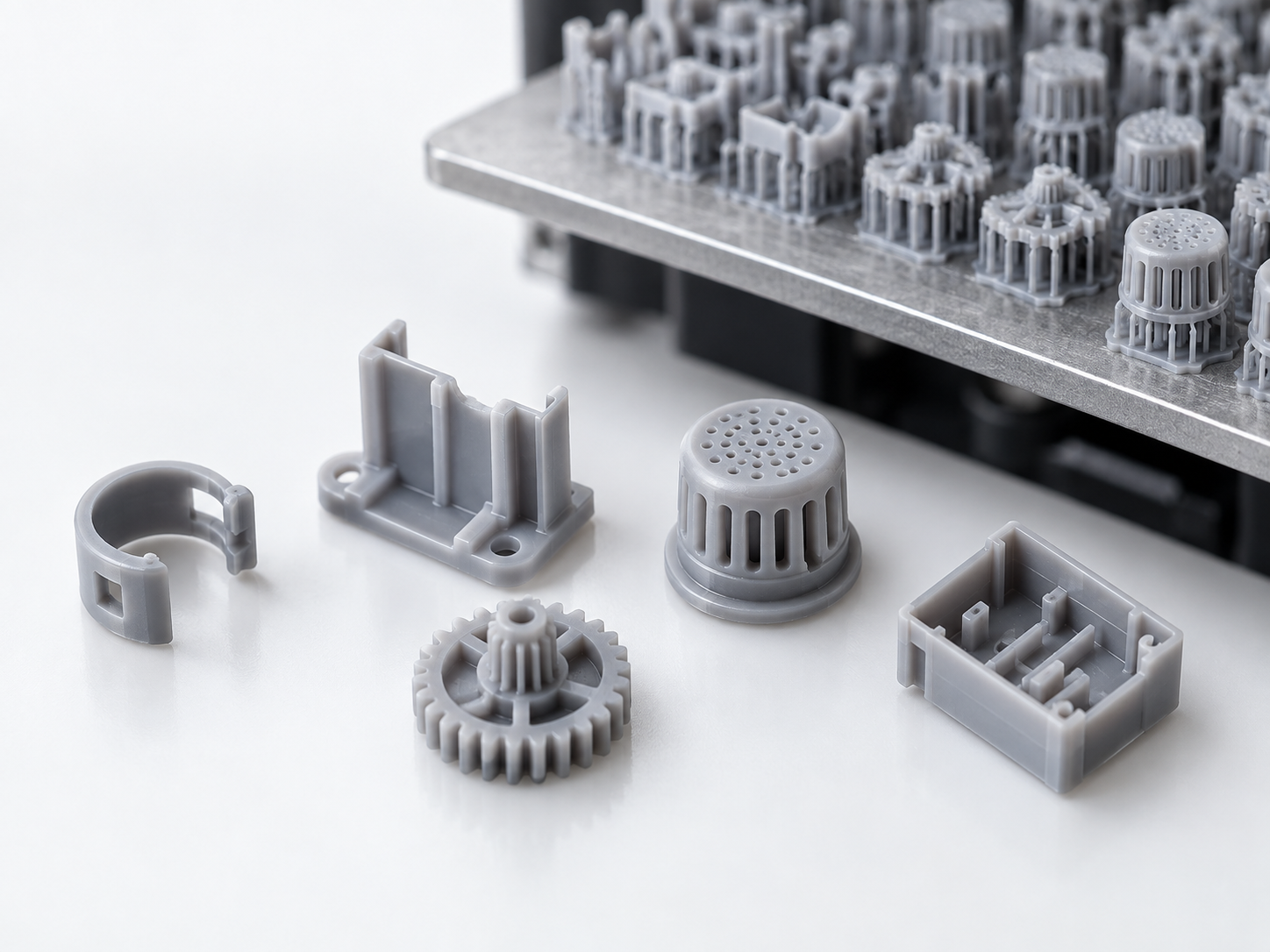
Compare precision, surface finish, tolerance, and cost when evaluating resin printing for miniature features and small-batch production.
Read article →Share your CAD file, resin requirements, quantity, protected surfaces, and service environment so AIHFABS can review the process fit and lead time.
We use cookies to personalize your experience. By using this site, you agree to our Privacy Policy
Accept