
3D Printing
Stereolithography (SLA)
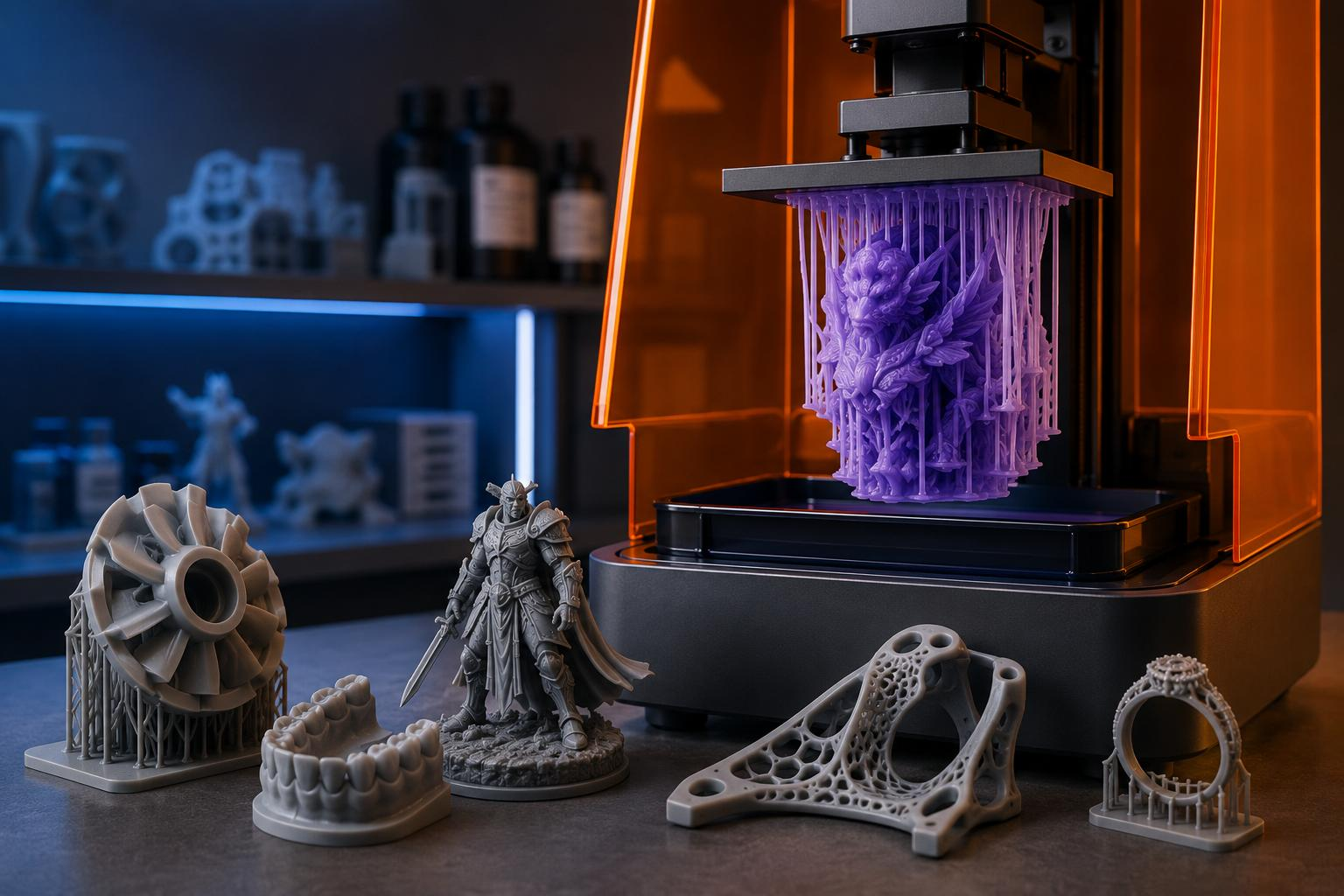
Stereolithography (SLA) cures liquid photopolymer with a precision UV laser, building parts layer by layer.
Create a quote
Introduction: A quote-ready CAD file, the right resin, and a sensible quantity turn a fast online estimate into a budget number your team can approve.
Budget approval rarely waits for a slow RFQ thread. An engineer finishes a CAD model on Tuesday, and by Thursday the project lead needs a defensible number for a ten-piece resin run. The fastest route is uploading the STL or STEP file to an online 3D resin printing service that returns a 3D printing instant quote in minutes. How useful that number is depends on the file you send and the material and quantity decisions you make around it. Start with the model, then read the quote, then adjust the variables that change cost and delivery.
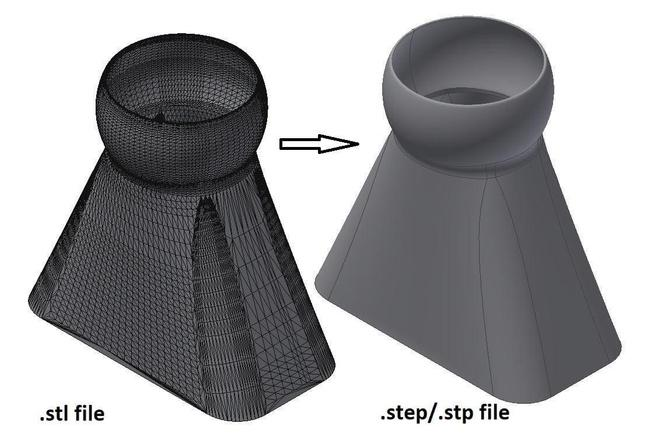
Most quoting delays start before the upload button. A model exported in the wrong units, or a cosmetic wall so thin the slicing software cannot resolve it cleanly, produces a price that looks precise but describes a part nobody can build. Ten minutes of file cleanup removes that risk and keeps the project on schedule. Aim for a watertight solid that carries the same dimensions and finish expectations as your drawing, so the quoting engine reads the geometry the way your engineer designed it. Both STL and STEP are accepted; STEP handles a wider range of detail well, so exporting both formats from your CAD system is a reasonable habit for a first submission. Before sending CAD files to a third-party manufacturer, check how your design IP is protected and consult a qualified advisor; the USPTO and WIPO publish general information.
Units come first. An STL file carries no unit label, so a part modeled in inches can arrive as a solid twenty-five times larger, and a volume-based price scales with it. STEP keeps its unit definition intact, which is one practical reason to send both formats and let the system work from the cleaner read. Wall thickness matters just as much. Resin printing handles a broad range of section sizes, but thin fins, knife-sharp edges, and hairline ribs are the features most likely to prompt a geometry adjustment or an engineering review. When a design depends on a delicate feature, mention it in the order notes so the part is oriented and supported on purpose rather than by default.
Orientation drives surface quality and resin consumption at the same time. A flat face laid parallel to the build plate comes off smooth; the same face standing at an angle picks up support contact marks that have to be sanded later. Because overhangs need supports, a support-heavy orientation uses more material and more finishing time than the identical part built flat, and both feed the price you see. Orientation also sets the production clock: once the build orientation is confirmed, factory dispatch can start in as little as 48 hours. If a mating surface or an optical face has to stay untouched, say so; that single instruction shapes how the part sits on the plate.
A 3D printing instant quote is a build estimate that is calculated from model volume, the resin you selected, the number of parts, the post-processing you added, and the shipping option at checkout, and the final invoice settles after manual review, post-processing, and logistics. The number moves whenever one of those inputs moves. Switching from Standard Resin to High-Detail Resin changes material cost and cure behavior, and adding a clear coat inserts a separate finishing step. Typical resin part batches start around $20, which gives you a workable baseline for comparing two design revisions or two resin grades before you commit project budget. Check three numbers: the part price, the post-processing line, and the landed estimate with shipping. The part price tells you what the geometry costs. The post-processing line tells you whether you genuinely need tinting, clear coating, or vapor polishing on a part that will be sanded and painted anyway. The shipping estimate tells you whether standard or expedited service still fits the project date. Default delivery already includes IPA washing, UV curing, and support removal, so you pay extra only for finishes beyond a clean, cured part. State tolerances realistically—around ±0.2 mm on well-supported features—so the quote reflects the intended part rather than an unrealistic target.
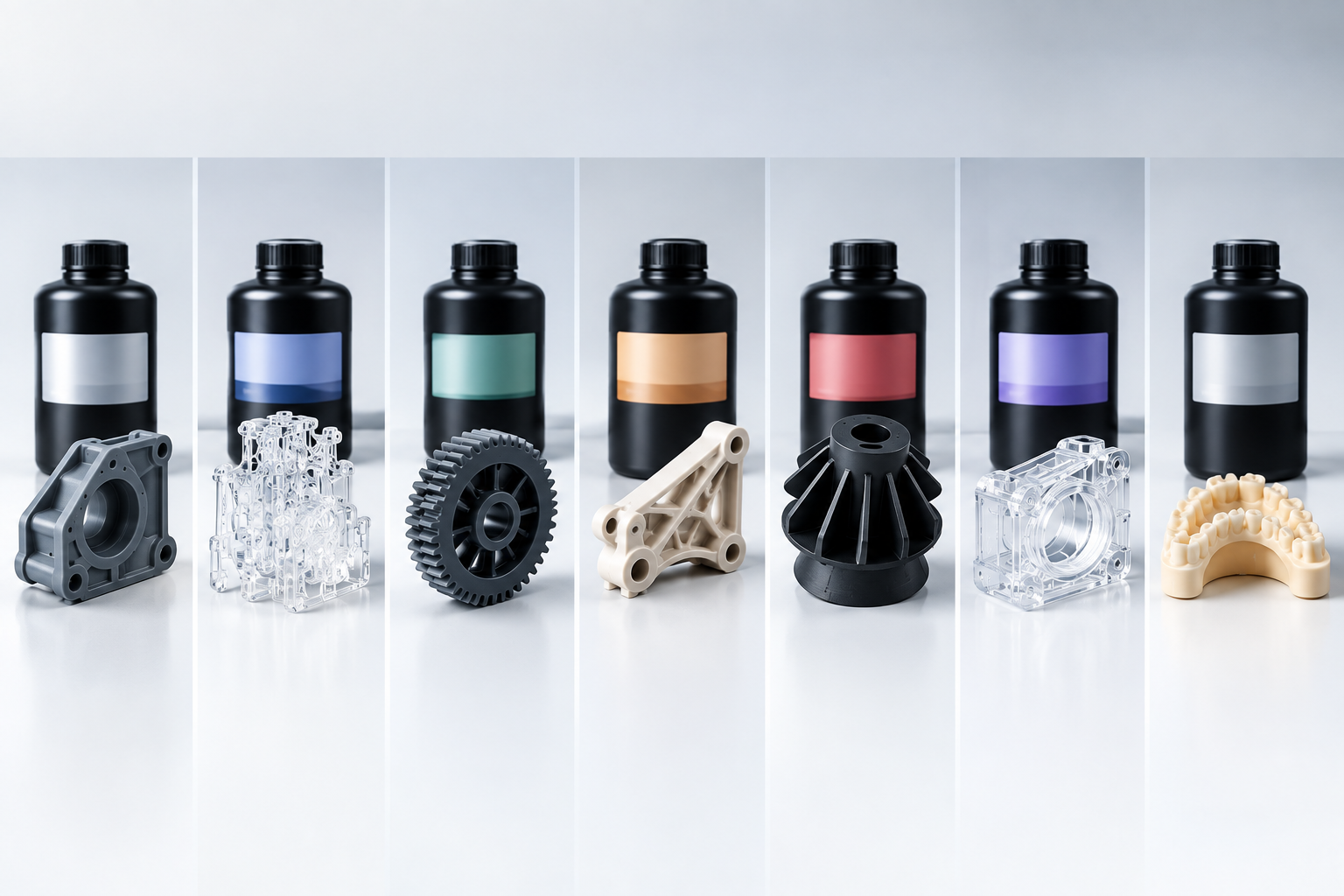
Quantity is the lever with the largest effect on unit cost. DLP exposes an entire layer in one pass, so a plate packed with many small parts builds in nearly the same time as a plate holding one. That is why a ten-piece run of a compact bracket or housing often costs only modestly more than a single prototype, and why splitting a batch into two orders of five usually ends up the more expensive route. If a second design revision is already on your roadmap, ordering the extra pieces up front is cheaper than paying for a separate reprint later, and the parts arrive with consistent dimensional behavior from the same build. Material and lead time are best decided together. Standard, High-Detail, Tough, Ultra Tough, High-Temp, Premium Clear, and Castable resins sit at different price points, and the right pick depends on what the part has to prove—a snap-fit cycle, a light path, a lost-wax pattern, or a high-temperature fixture. Biocompatible resin is quoted after project qualification, so build that step into the schedule rather than the day before a deadline. On timing, standard production plus standard transport fits most budget cycles, while expedited service earns its cost only when a design review or build deadline is fixed. Confirm the shipping method and destination before you approve the final number.
An instant quote is only as good as the file behind it. Export a unit-correct STL or STEP, settle the wall thickness and orientation questions with your engineer, and the price that comes back will match the part you intend to buy. From there, quantity, resin grade, and shipping method are the three dials worth turning before the order goes out. Upload both file formats, compare materials side by side, and confirm orientation; then the figure you take to budget approval is one you can defend in the meeting. AIHFABS supports STL or STEP upload, multi-material resin comparison, and online quoting for DLP resin 3D printing.
A:STL and STEP are both accepted, and exporting both from your CAD system is the safest move. STEP preserves unit definitions and handles fine detail well, while STL files should be checked for correct scale and a watertight surface before upload.
A:Each resin carries a different material cost and cure profile, so the price shifts when you switch grades. Standard and High-Detail resins sit at the accessible end, Tough and Ultra Tough resins cost more for impact resistance, and High-Temp, Premium Clear, and Castable resins serve specialized jobs. Biocompatible resin is quoted after project qualification.
A:Yes. Single-piece prototyping is a core part of the workflow, and typical resin part batches start around $20. Because DLP cures a full layer in one exposure, adding a few more identical parts to the same build plate usually raises the total only modestly, which makes a small first run a practical option when you need spares or a second revision.
AIHFABS Online Quoting and DLP Resin 3D Printing Service

A process that fits this note. Open the spec, or put the file on a quote.
Stereolithography (SLA) cures liquid photopolymer with a precision UV laser, building parts layer by layer.
Create a quote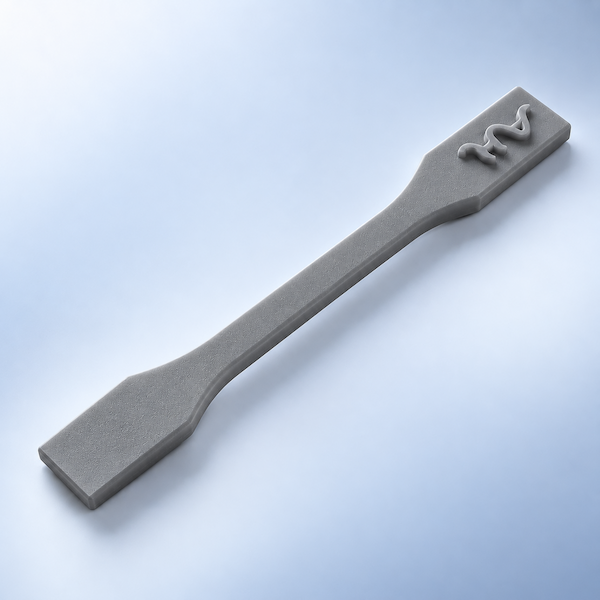
Digital Light Processing (DLP) solidifies an entire layer of photopolymer at once using a projected image.
Create a quoteMaterials that sit next to this article. Check the card, then upload CAD.
Process, finish, and file notes from the shop — not a marketing blog.
Company, payment, shipping, and process answers by topic.
Recommended answers about AIHFABS, technologies, materials, pricing, privacy, and file preparation.
AIHFABS quotes custom 3D printing and CNC machining from a CAD upload. Compare SLA, SLS, MJF, SLM, FDM, DLP, milling, and turning, then add finishing such as vapor smoothing, dyeing, anodizing, polishing, or powder coating in the same order.
Instant quoting is built for prototypes, jigs, housings, and small-batch production. You see material, process, quantity, and lead time together, which keeps engineering changes from turning into a new round of supplier emails.
If this page describes a process, industry, or sample part you want to reproduce, start from the upload flow and match technology plus finishing to your drawing.
We use cookies to personalize your experience. By using this site, you agree to our Privacy Policy
Accept
Leave A Comment