Appearance models and presentation prototypes
Define the required fit, finish and working environment. Include the intended test or acceptance criteria with your model.

AIHFABS MATERIAL GUIDE
Compare photopolymer resins for detailed models, visual prototypes and application-specific testing.
Resin printing is useful when fine features, smooth surfaces and presentation quality drive the build. Start with the purpose of the part: an appearance model, a transparent enclosure and a repeatedly handled assembly may need different resin formulations and finishing routes.
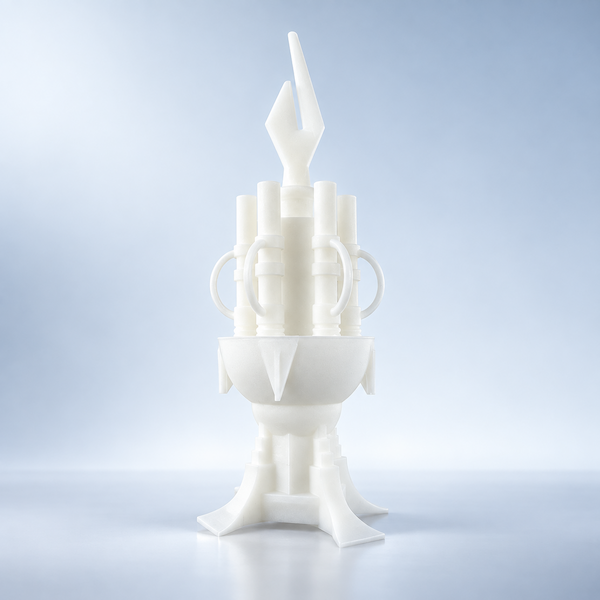
START WITH THE APPLICATION
Use the application to shortlist a grade, then confirm the exact requirements against the part design and operating conditions.
Define the required fit, finish and working environment. Include the intended test or acceptance criteria with your model.
Define the required fit, finish and working environment. Include the intended test or acceptance criteria with your model.
Define the required fit, finish and working environment. Include the intended test or acceptance criteria with your model.
DESIGN & MANUFACTURING
COMPARE THE AVAILABLE GRADES
SLA
The printed parts of Standard Resin White has smooth surface finish, high resolution, and good toughness, and suitable for artwork, consumer electronics, household items, rapid prototyping and more.
View material details →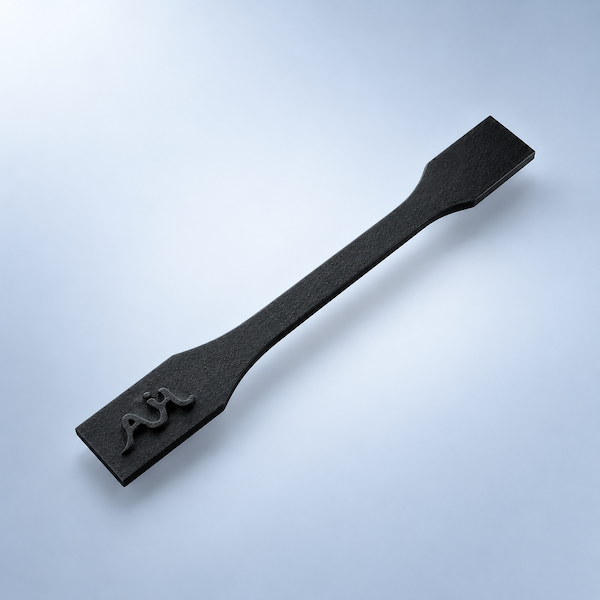
SLA
The printed part of Standard Resin Black has smooth surface finish, high resolution, and durability, and is ideal for detailed artwork, props, consumer electronics, household items, jewelry, medical prototypes, and functional components.
View material details →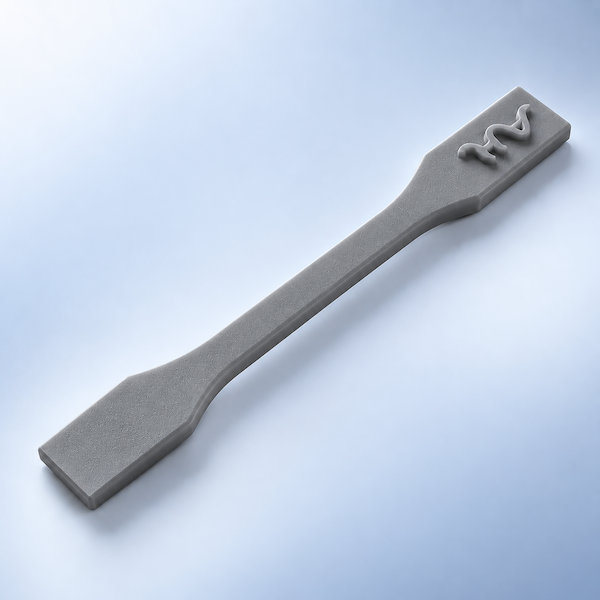
SLA
The printed part of High-Detail Resin gray has ultra-fine resolution and smooth surface finish, and it is a perfect material for miniatures, sculptures, etc.
View material details →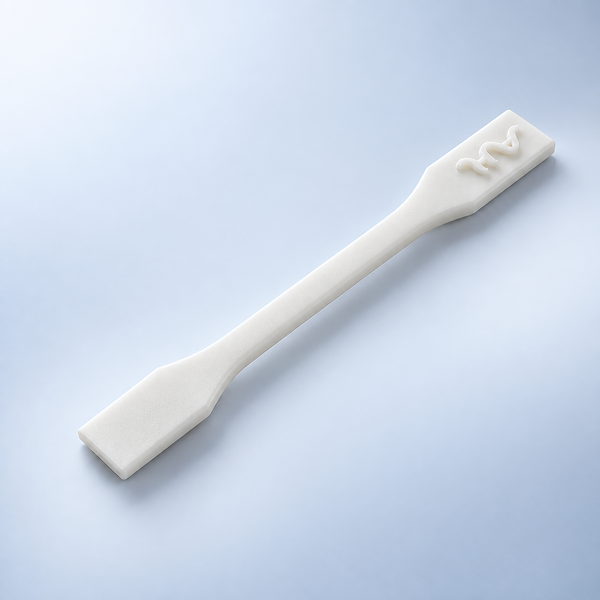
SLA
The printed part of High-Detail Resin White has ultra-fine resolution and smooth surface finish, and is ideal for precision prototypes, medical devices, jewelry, miniatures, and high-detail components requiring painting or plating.
View material details →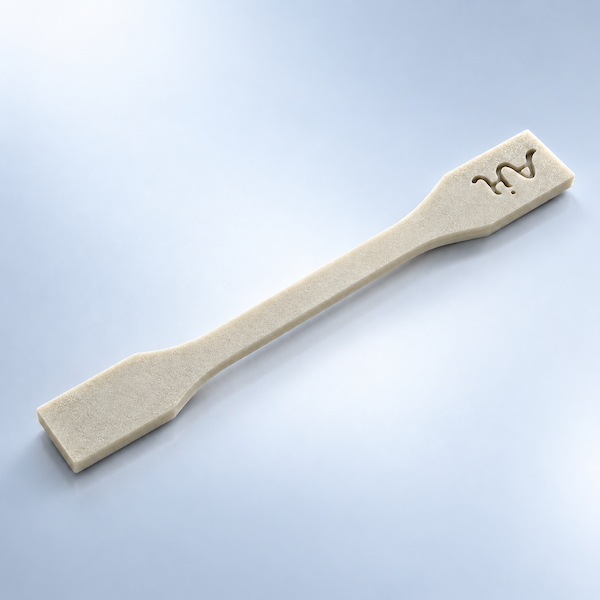
SLA
The printed part of Tough Resin White has high toughness, smooth surface finish, and good heat resistance, and is ideal for functional prototypes, consumer electronics, medical devices, surgical guides, and detailed art projects.
View material details →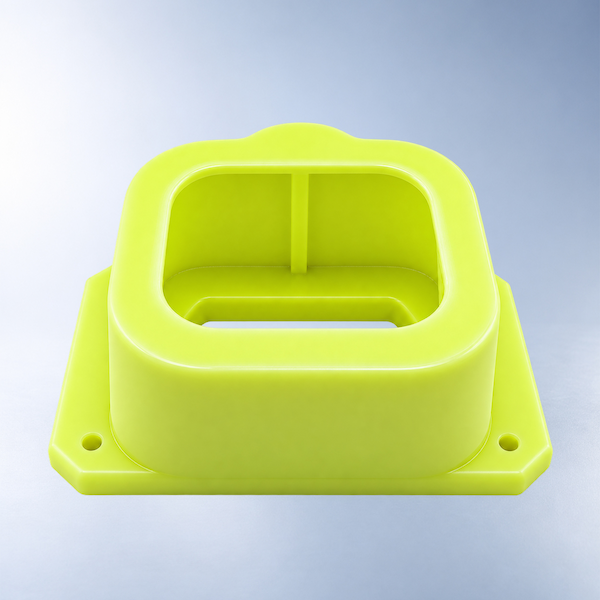
SLA
Parts printed with Ultra Tough Resin Yellow are tough, have a smooth surface, and are an exceptionally bright yellow, making them ideal for sculptures, props, miniatures, functional prototypes, and useful gadgets.
View material details →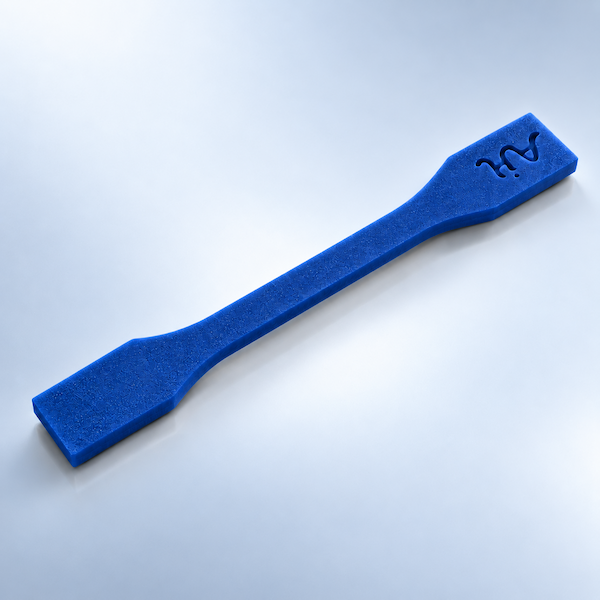
SLA
The printed part of Ultra-Tough Resin Blue has exceptional impact resistance, high tensile strength, and smooth surface finish, and is ideal for functional prototypes, snap-fit assemblies, automotive components, industrial jigs, sports equipment, and durable consumer products.
View material details →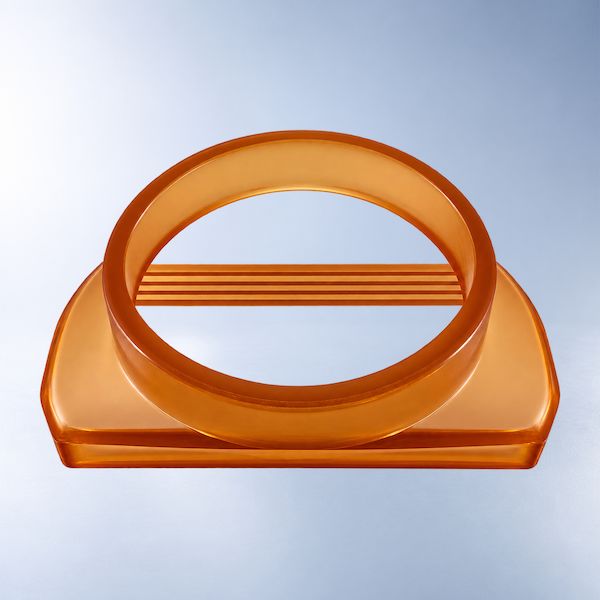
SLA
The printed part of High-Temp Resin has great heat resistance, high tensile strength and a special translucent red color, and is ideal for lampshades, jewelry designs, heat-resistant taillights, and housing.
View material details →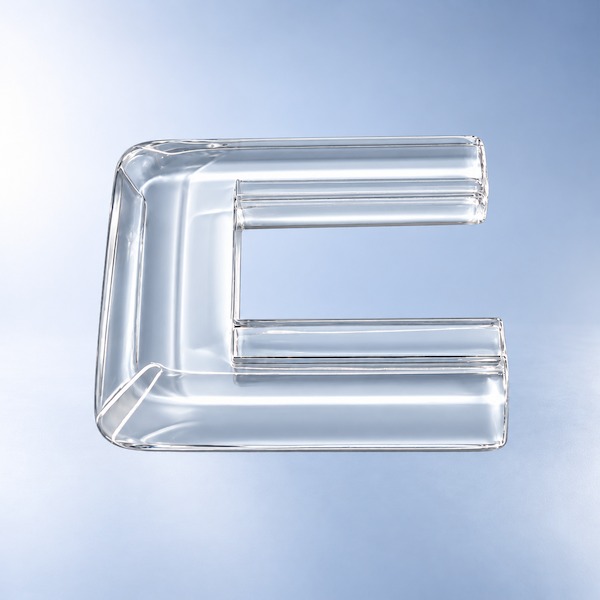
SLA
The printed part of Premium Clear Resin has exceptional transparency, smooth surface finish, and high detail precision, and is ideal for optical prototypes, sculptures, jewelry designs, anatomical models, custom lighting fixtures, and transparent containers like bottles.
View material details →MATERIAL QUESTIONS
No. Select a grade for the expected load, temperature and exposure, then evaluate a representative sample. A visual prototype alone does not establish durability.
Clarity depends on geometry, surface condition and finishing. Describe what must be visible through the part so the quote can address polishing or coating.
Provide mating dimensions, clearance requirements and show faces. Review the post-cured part rather than relying only on nominal CAD dimensions.
FROM THE AIHFABS BLOG
Compare DLP, SLA, and LCD for small-batch, high-detail parts. Review accuracy, surface finish, resin options, total cost, and lead time to choose the right process.
Read article →This in-depth technical comparison examines the two dominant resin-based 3D printing technologies — Stereolithography (SLA) and Digital Light Processing (DLP) — to help industry pr
Read article →Learn how to order SLA parts, prepare CAD files, compare quotes, approve production, and check finished parts from supplier selection through delivery.
Read article →Upload CAD for a quote, or share the complete requirements for a material and manufacturing review.

We use cookies to personalize your experience. By using this site, you agree to our Privacy Policy
Accept