Flexible and compliant prototype components
Define the required fit, finish and working environment. Include the intended test or acceptance criteria with your model.

AIHFABS MATERIAL GUIDE
Review specialty polymer grades for flexibility and application-specific prototype requirements.
Some catalog polymers fall outside the resin, nylon and filament families. Start with the exact grade and manufacturing route, then review flexibility, geometry and the working environment. A family name alone is not a complete material specification.
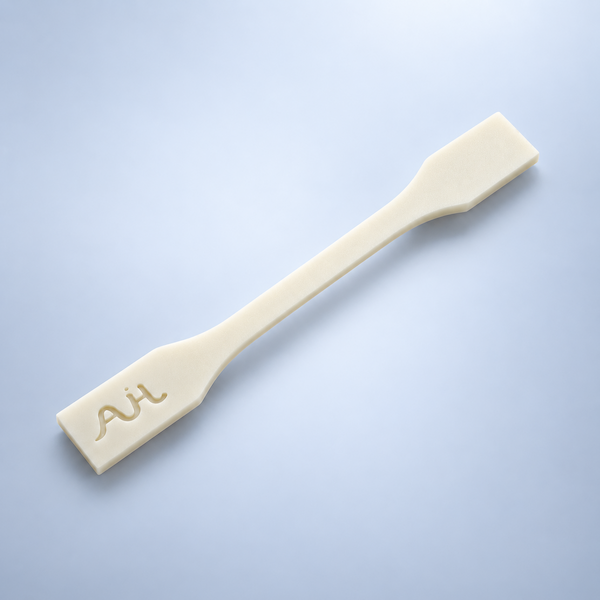
START WITH THE APPLICATION
Use the application to shortlist a grade, then confirm the exact requirements against the part design and operating conditions.
Define the required fit, finish and working environment. Include the intended test or acceptance criteria with your model.
Define the required fit, finish and working environment. Include the intended test or acceptance criteria with your model.
Define the required fit, finish and working environment. Include the intended test or acceptance criteria with your model.
DESIGN & MANUFACTURING
COMPARE THE AVAILABLE GRADES
SLS
The printed part of TPU White has exceptional flexibility, high tear strength and abrasion resistance and is ideal for insoles, seals, protective gear, vibration-dampening components, and industrial gaskets.
View material details →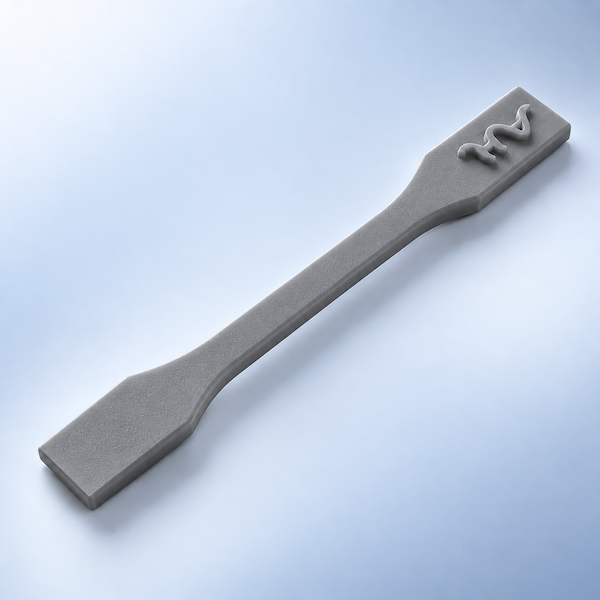
MJF
The printed part of TPU Gray has exceptional flexibility, high tear strength and abrasion resistance and is ideal for medical tubing, custom-fit splints, gaskets, protective gear, and industrial components like bearings and seals.
View material details →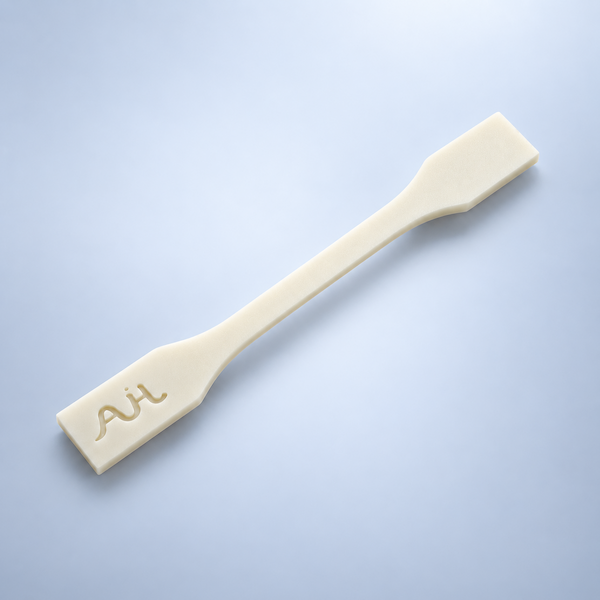
SLS
The printed part of Polypropylene (PP) Glass-filled has excellent chemical resistance, low density and flexibility with high fatigue strength and is ideal for functional prototypes, living hinges, automotive components, medical devices, and consumer packaging.
View material details →MATERIAL QUESTIONS
Describe the intended function and the behavior you need, such as repeated flex or a particular contact condition. Confirm the exact offered grade and process in the quotation.
Review how the part will be supported and measured. Define functional dimensions and inspection conditions appropriate to the material.
Include mating components, loading conditions and the number of test cycles. Record the grade and delivered condition with the test result.
FROM THE AIHFABS BLOG
Design SLA parts for printing and assembly. Review walls, small features, tolerances, supports, hollow parts, and CAD files before requesting a quote.
Read article →Compare SLA with DLP, LCD, FDM, SLS, MJF, SLM, and CNC machining. Shortlist processes by material, geometry, finish, cost, and your part's intended use.
Read article →Learn how to choose the right 3D printing process for cosmetic prototype parts. Compare SLA, DLP, FDM, SLS, and MJF for surface quality, detail, fit, and finishing.
Read article →Upload CAD for a quote, or share the complete requirements for a material and manufacturing review.

We use cookies to personalize your experience. By using this site, you agree to our Privacy Policy
Accept