Rigid & semi-rigid PU resins
Start here for housings, panels, clear covers and assembly prototypes. Compare ABS-like, PC-like, PP-like and specialist PU formulations by the behavior your prototype must demonstrate.
Explore PU / ABS-like / PC-like →
Start here for housings, panels, clear covers and assembly prototypes. Compare ABS-like, PC-like, PP-like and specialist PU formulations by the behavior your prototype must demonstrate.
Explore PU / ABS-like / PC-like →Start here for grips, flexible boots, cushioning and seal evaluation. Define hardness, deformation and recovery together with tear, compression and exposure requirements.
Explore rubber-like / elastomer →硅胶用于制作模具,复制出的零件通常为聚氨酯(PU)树脂,通过配方模拟部分工程塑料或弹性体性能。
以下为可讨论的树脂类别,不代表每种配方均已可供。订购前应确认具体产品数据表及样品要求。
| 材料 / 牌号 | 典型用途 | 报价前确认 |
|---|---|---|
| ABS-like → | 外壳、面板及结构原型 | 与实际目标牌号比较强度、刚度、冲击及老化性能。 |
| PC-like → | 透明件及抗冲击评估原型 | 通过样品确认透明度、颜色、表面效果与老化。 |
| PMMA (Acrylic)-like → | 视窗、灯罩及外观导光模型 | 通过样品确认透明度、颜色、表面效果与老化。 |
| PP-like → | 卡扣、铰链及柔性原型 | 明确 Shore 标尺、目标硬度及反复弯曲要求。 |
| POM-like → | 齿轮及磨损接口评估 | 与实际目标牌号比较强度、刚度、冲击及老化性能。 |
| PA-like / filled PU → | 承载结构原型,需确认填充树脂成分 | 与实际目标牌号比较强度、刚度、冲击及老化性能。 |
| Rubber-like (Elastomer) → | 用于评估的密封件、握把及缓冲原型 | 明确 Shore 标尺、目标硬度及反复弯曲要求。 |
| Heat-resistant PU → | 经牌号评审的受热原型 | 确认数据表、使用温度及暴露时长。 |
| Flame-retardant PU → | 具有明确阻燃文件要求的电子外壳原型 | 索取对应牌号及厚度的 UL 94 文件。 |
| Transparent PU → | 透明或着色的外观与装配模型 | 通过样品确认透明度、颜色、表面效果与老化。 |
请说明持续温度、峰值温度、暴露时长,以及烘烤或回流焊工况。HDT 是测试结果,不等于可承诺的长期使用温度。
类 ABS、类 PC 是 PU 树脂体系,并非注塑 ABS 或 PC。应比较实际需要的性能,不能统一按某个百分比认定等效。
应采用所选树脂数据表中的 Shore A 或 Shore D 硬度及测试方法。硬度本身不能证明耐温、疲劳寿命或耐化学性。
UL 94 V-0 的表述必须对应具体树脂、试样厚度及测试或认证文件,不能仅凭材料类别名称判定。
橡胶类 PU 可用于柔性原型及密封件的评估。柔性 3D 打印和其他成型方式也能制作软质零件,应结合功能和验证要求选工艺。
Choose the test first, then shortlist a resin. A cosmetic model, a loaded enclosure and a compressed seal need different evidence even when their CAD geometry is similar.
| Prototype requirement | Families to review | Evaluate on the finished part |
|---|---|---|
| Enclosures & assembly fit | ABS-like or rigid PU | Bosses, screw engagement, mating clearances, stiffness and impact at the intended use temperature. |
| Clear windows & visual covers | Transparent, PC-like or PMMA-like PU | Haze, tint, viewing thickness, visible-face polish and appearance after the intended exposure. A clear sample does not establish optical-grade performance. |
| Clips & repeated flex | PP-like or a compliant PU formulation | Deflection, recovery and cracking over the required assembly cycles. Review the clip geometry and test the actual mating part. |
| Grips, boots & cushioning | Rubber-like elastomer PU | Shore scale and hardness, tear around thin sections, grip texture, deformation and recovery under load. |
| Seals & fluid contact | Elastomer formulation selected for the medium | Compression, leakage, swelling and recovery after exposure to the actual fluid and temperature. Hardness alone cannot establish sealing suitability. |
| Heat or flame requirements | Documented specialist PU grade | Exact grade, specimen thickness and relevant test conditions. Agree on required reports before ordering. |
Identify show faces, target color and gloss level. Supply a physical reference or color standard where appearance matters. Agree whether color is cast into the resin or applied as paint, and review a sample under the intended lighting.
Mark the viewing area and specify what must be visible through it. Master quality, mold surface, part thickness and finishing influence clarity. Discuss bubbles, tint and acceptable visual defects before production.
Flag thin walls, deep pockets and fragile projections for mold review. Identify where a parting line or gate witness is acceptable. Silicone tooling can accommodate some undercuts, but demolding still needs to protect both the part and the mold.
Provide the insert specification, location and assembly loads. Identify threads, sealing faces and datum features on a drawing. Review whether a feature should be cast, drilled or finished afterward, including how it will be inspected.
Send CAD, quantity and a drawing with critical dimensions. Describe loading, temperature, fluids, outdoor exposure and whether the part is for appearance, assembly or functional testing.
Review the exact resin designation and data sheet alongside master preparation, mold layout, finish and any inserts. Confirm the proposed delivered condition and material availability in the quotation.
Check dimensions, color, surface and assembly. Run representative functional checks on the chosen formulation; compare results against agreed acceptance criteria before releasing the remaining quantity.
Record the approved resin, finish and sample reference. Discuss tooling condition and repeat quantity when reordering; mold life and dimensional consistency depend on geometry, resin and handling.
The mold is silicone. The parts described here are cast PU resin systems. If your finished component must be silicone, specify that material requirement so a suitable process can be reviewed separately.
Use it to evaluate the properties relevant to your prototype. ABS-like describes a performance target rather than identical chemistry. Compare the selected resin with the intended production grade and validate the functions you need.
Provide the target Shore scale and value, but also describe load, deformation, recovery, temperature and contact media. Two formulations with similar hardness can differ in tear resistance, compression behavior and aging.
Mark critical dimensions, datums and inspection conditions for review. Geometry, master accuracy, resin shrinkage and flexible-part support affect the result. Agree on feature-specific acceptance criteria rather than assuming one tolerance applies to every surface.
Request the exact resin designation and technical data sheet. Specify any material traceability, test report or compliance evidence needed for your application before quotation. A supplier family page or an unrelated printing-material data sheet is not evidence for the delivered casting resin.
选择材料牌号和制造工艺前,请先查看具体应用要求。
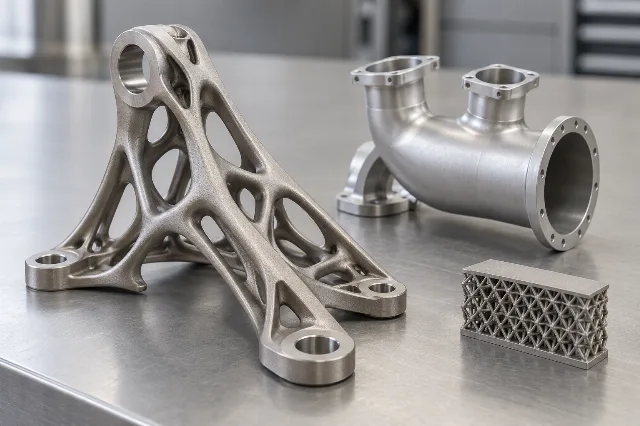
适用于支架及连接部件,具有较高比强度;用于飞行零件前,需评审疲劳、成形方向、热处理和材料可追溯性。
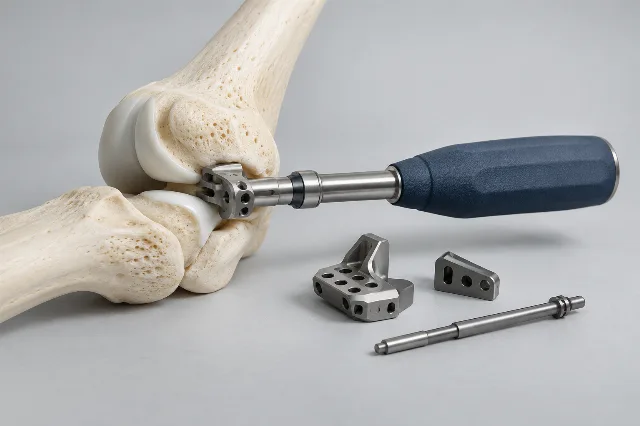
适用于器械五金及夹具;选材时应考虑腐蚀、灭菌循环及钝化要求。
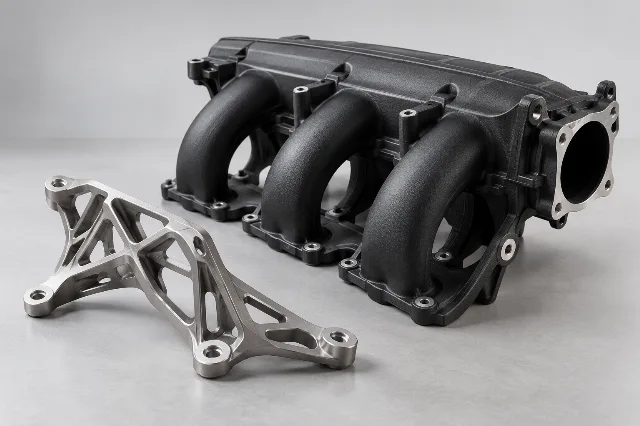
适用于轻量化外壳及研发支架;需评估振动、热膨胀及螺纹连接的耐久性。
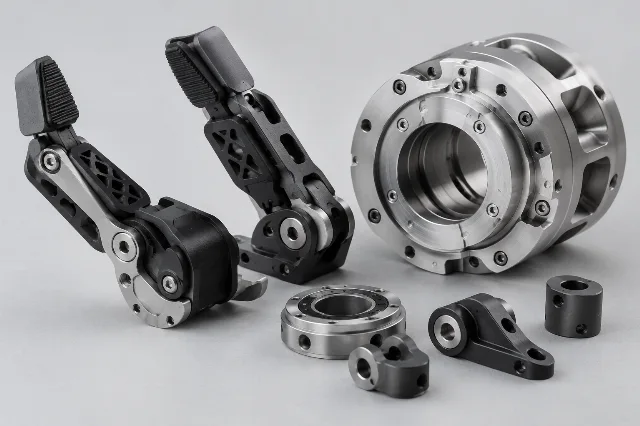
适用于夹爪及线缆导向件;需评估蠕变、湿度影响和反复弯曲。
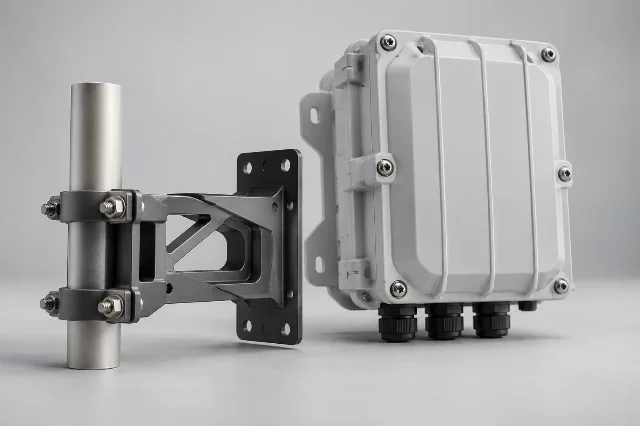
适用于导热及导电接口;需评审防氧化措施和接触电阻。
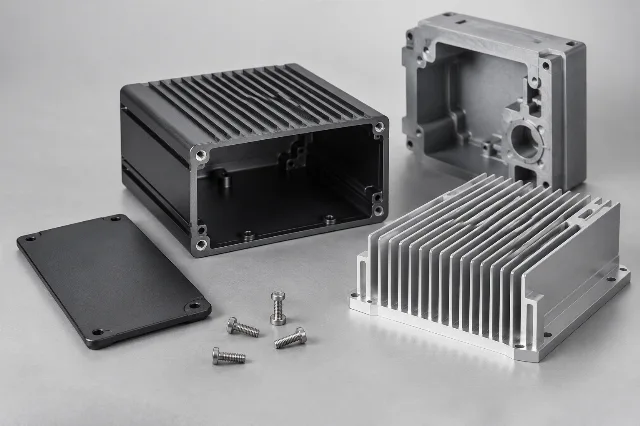
适用于外壳原型;普通 ABS 本身不能证明具有静电防护能力或特定阻燃等级。
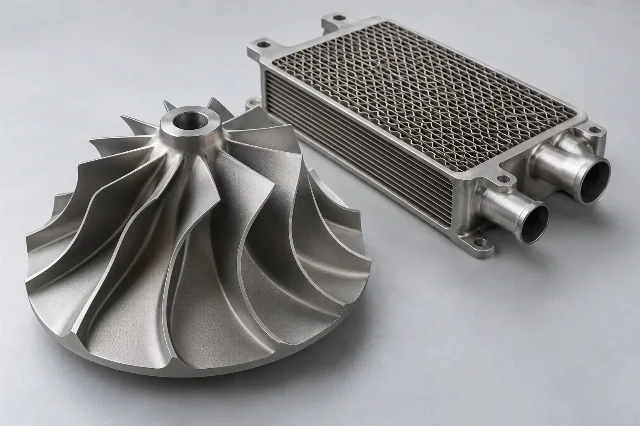
适用于导电及导热零件;需明确接触结构、镀层及温升验收标准。
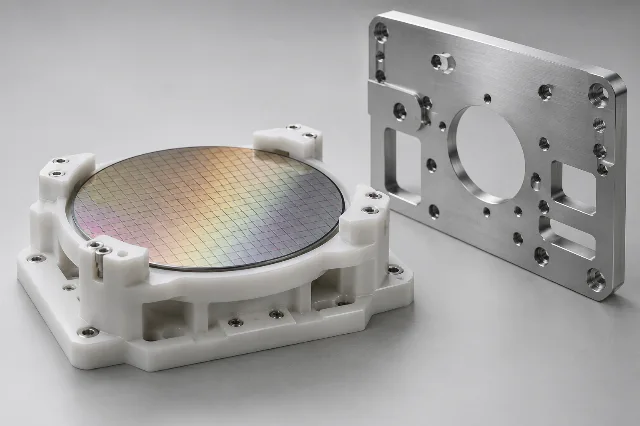
适用于绝缘夹具部件;需针对实际工艺验证放气、化学相容性及颗粒产生情况。
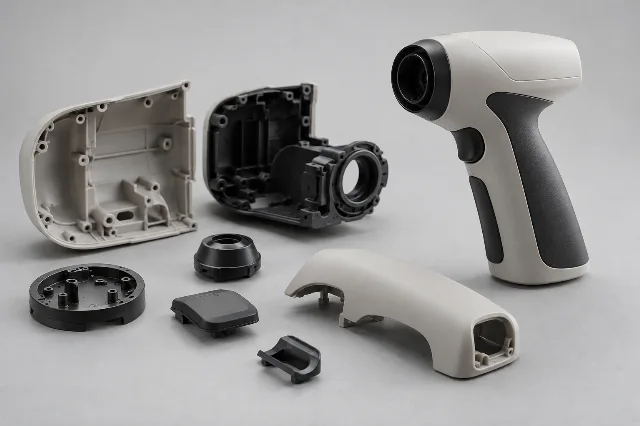
适用于外观原型及外壳;制模前需确认纹理、颜色及装配效果。
我们使用 cookie 优化体验。继续使用即表示您同意我们的 隐私政策
接受