
3D打印
立体光固化成型 (SLA)
Stereolithography (SLA) cures liquid photopolymer with a precision UV laser, building parts layer by layer.
创建报价
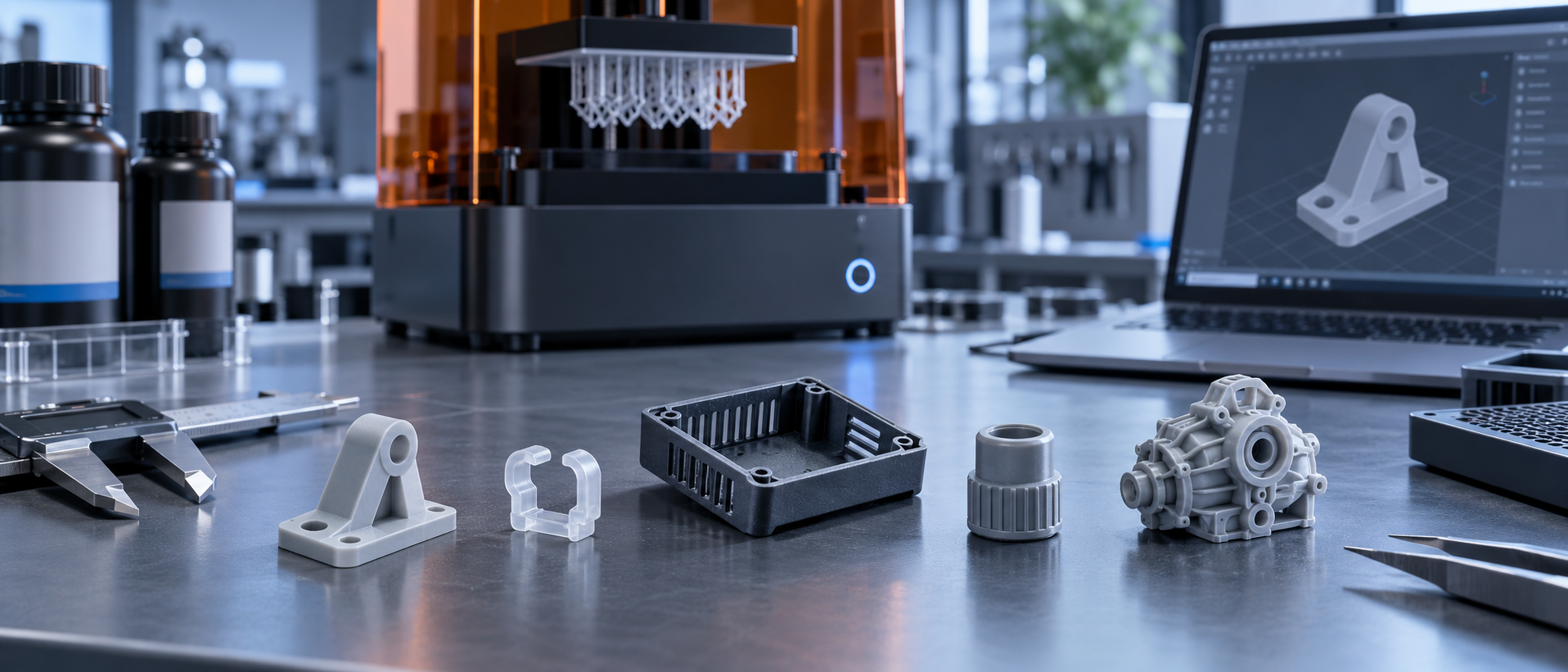
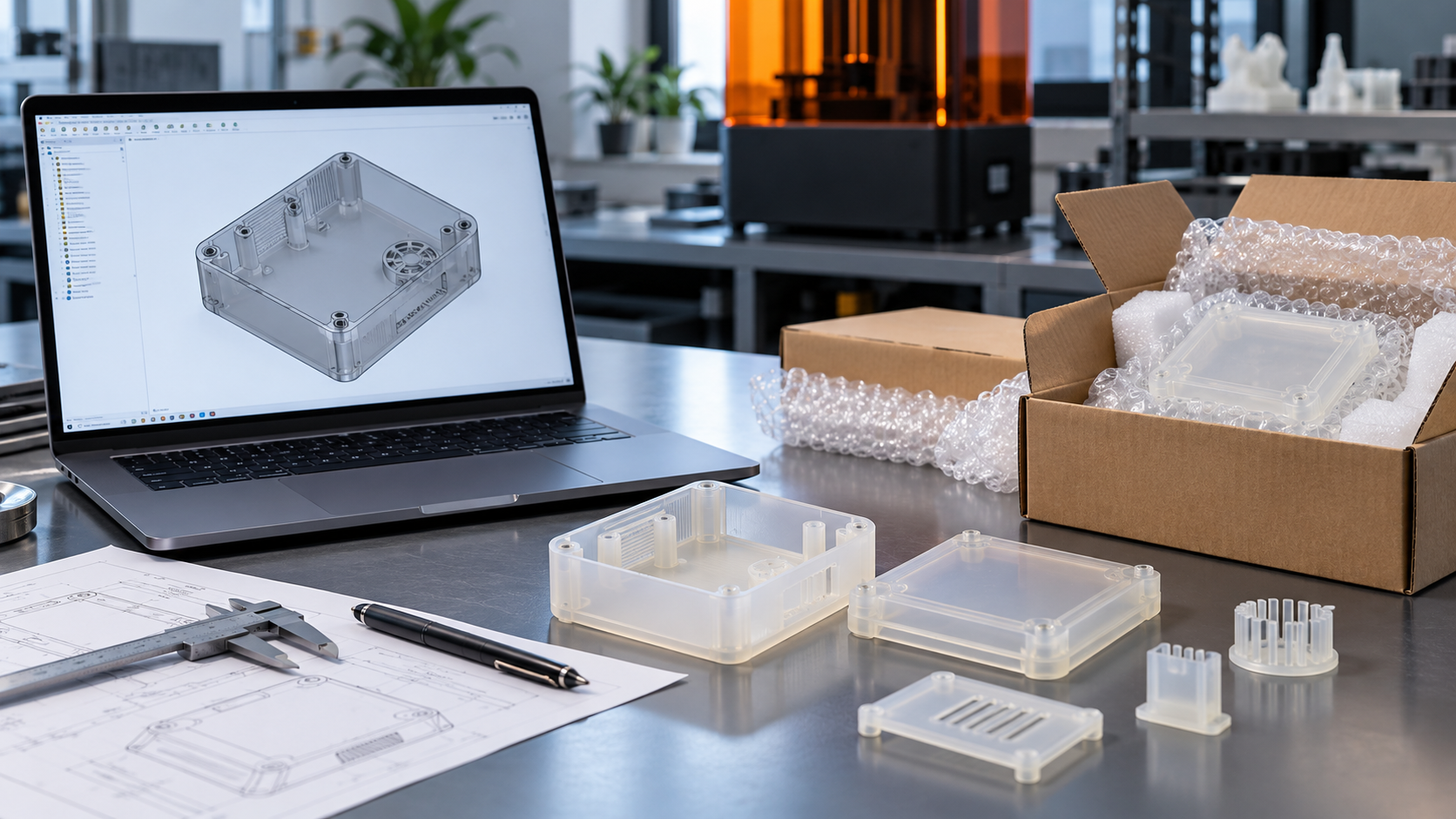
Choosing a partner for small, detailed resin parts comes down to how the supplier handles tolerance, materials, post-processing, lead time, and CAD security before you commit budget. A structural engineer at a hardware startup usually has days to validate a small bracket, miniature mechanism, or enclosure detail. Emailing three suppliers and waiting for each reply wastes time; discovering later that support marks sit on a critical mating face wastes a development cycle. The better approach is to screen the service first. Focus on how DLP handles pixel-level detail, which resin family fits the part, how supports and UV curing affect final geometry, and how the supplier protects the CAD files behind months of design work.
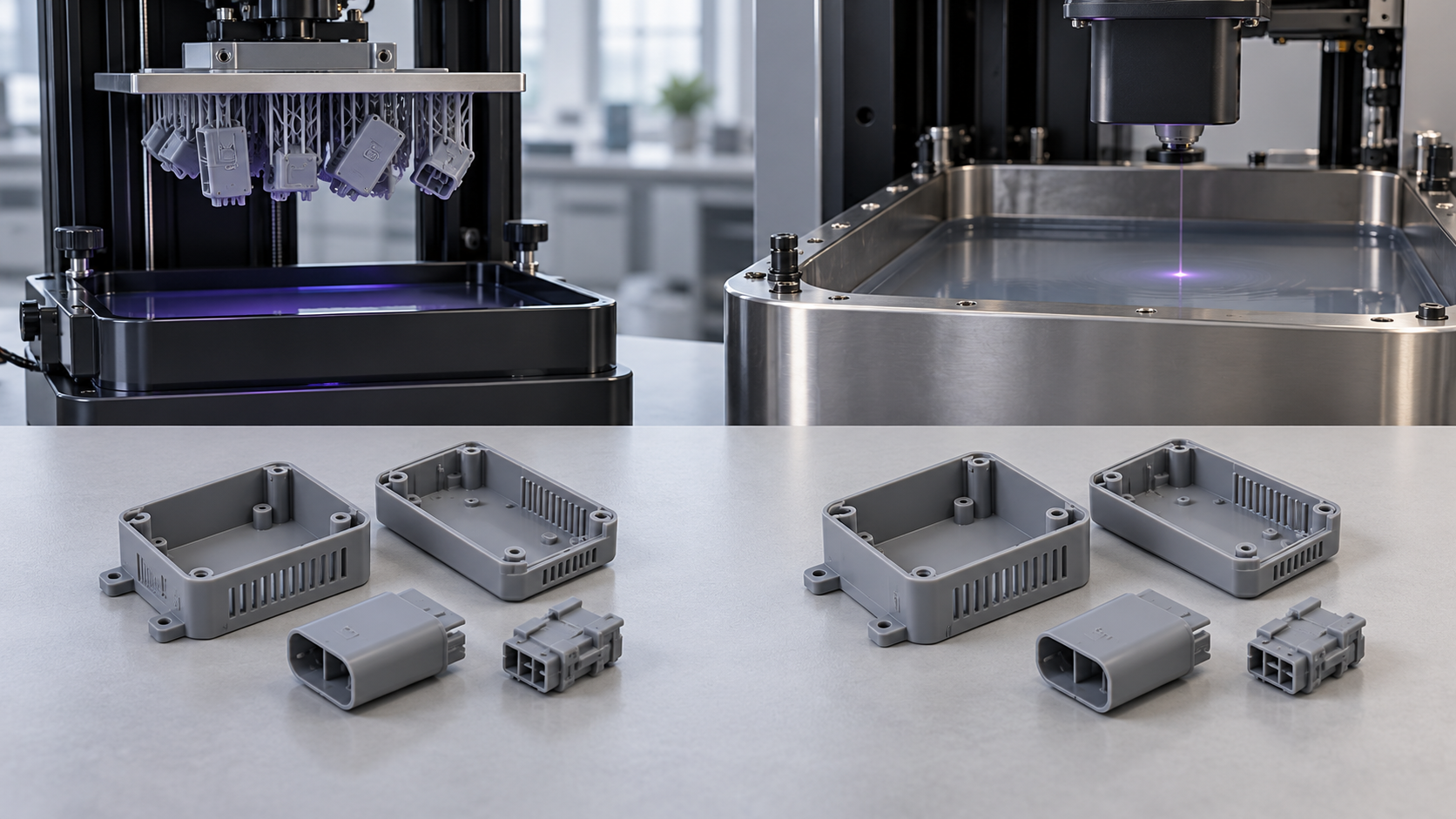
Large parts often fail from warp, layer shifts, or build time. Small parts fail differently: features vanish, edges blur, mating faces creep, or supports tear away a surface meant to be visible. A supplier that prints a 200 mm bracket well may not be right for a 12 mm clip. DLP uses a digital micromirror array to project an entire layer at once, so every feature on the build plate receives the same exposure at the same moment. TI's DMD application note explains that the micromirror array resolves XY detail at the pixel level, which helps fine slots, thin walls, text, and micro-holes come out crisp across a batch. Fraunhofer IFAM describes the same photopolymer workflow on an industrial scale: resin is selectively cured layer by layer, and small parts benefit most when exposure is uniform and support placement is deliberate. When you screen a resin printing service for small parts, ask how they define build orientation, support strategy, and inspection steps. Those answers matter more than a generic capability list.
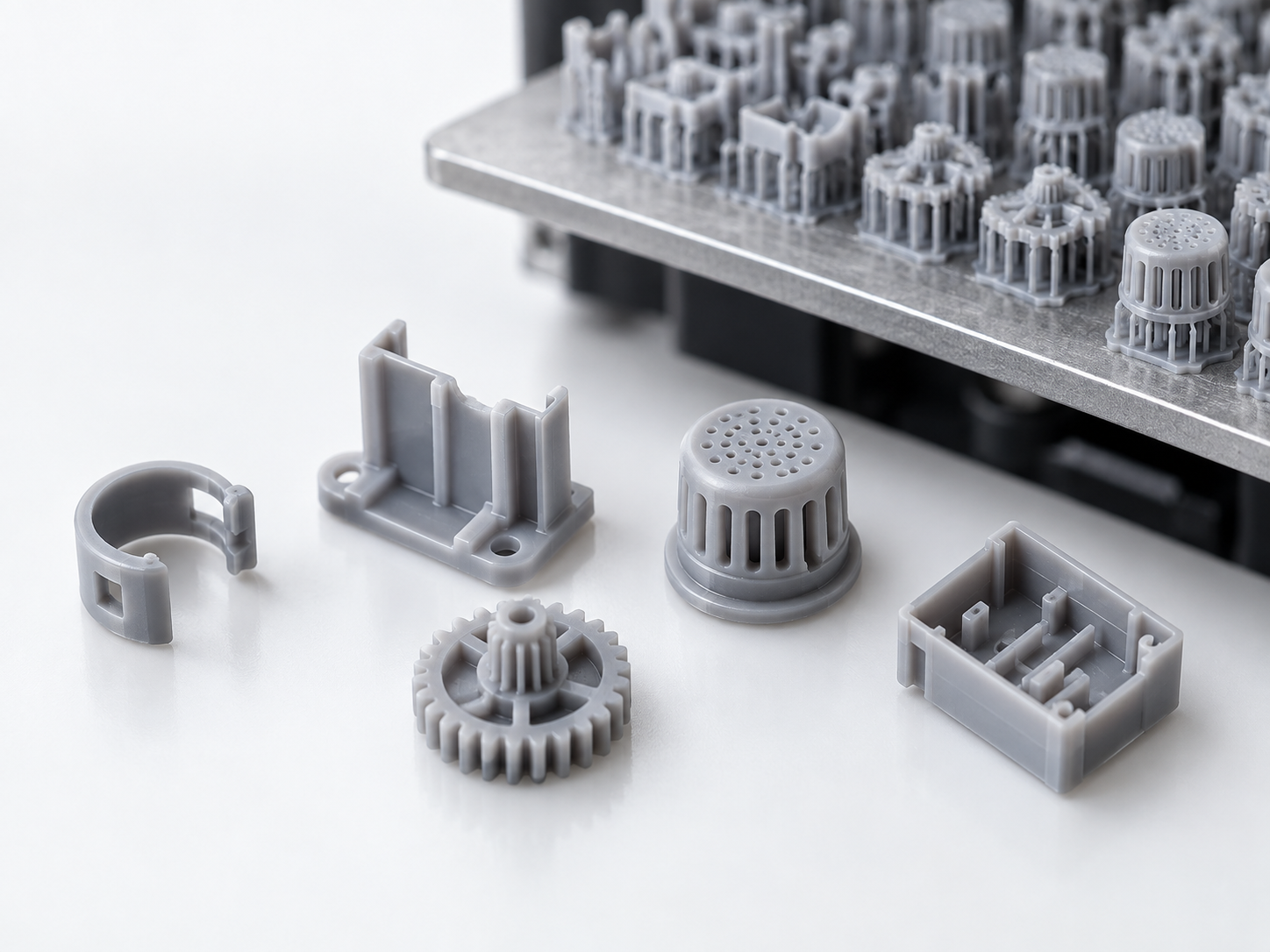
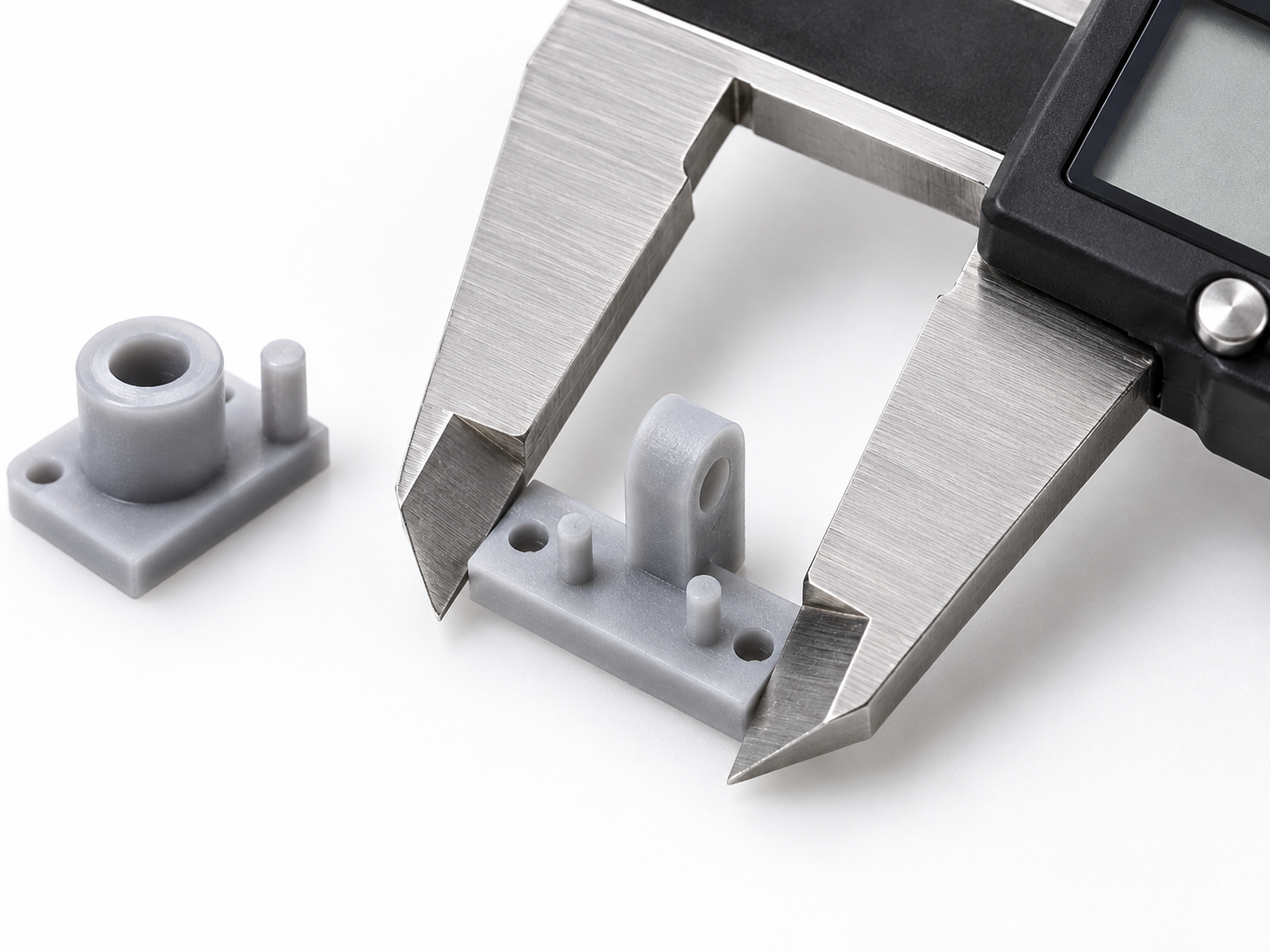
A supplier that quotes ±0.05 mm for every geometry is selling a number, not a process. For DLP resin, expect about ±0.2 mm on well-supported features. A bracket with a flat mounting face, a well-anchored boss, or a short locating pin can usually hold that band. Unsupported cantilevers, sharp blade-like edges, and long thin walls drift because resin shrinks as it cures and the support structure moves slightly. The useful question is not "what is your tolerance?" but "which features will sit inside ±0.2 mm, and which ones should we redesign?" ASME Y14.5 exists because dimensioning and tolerancing need shared language: callouts, datums, and true position. A service that reads your GD&T and identifies features that can hold tolerance, plus those needing a note or rework plan, saves you a rejected batch.
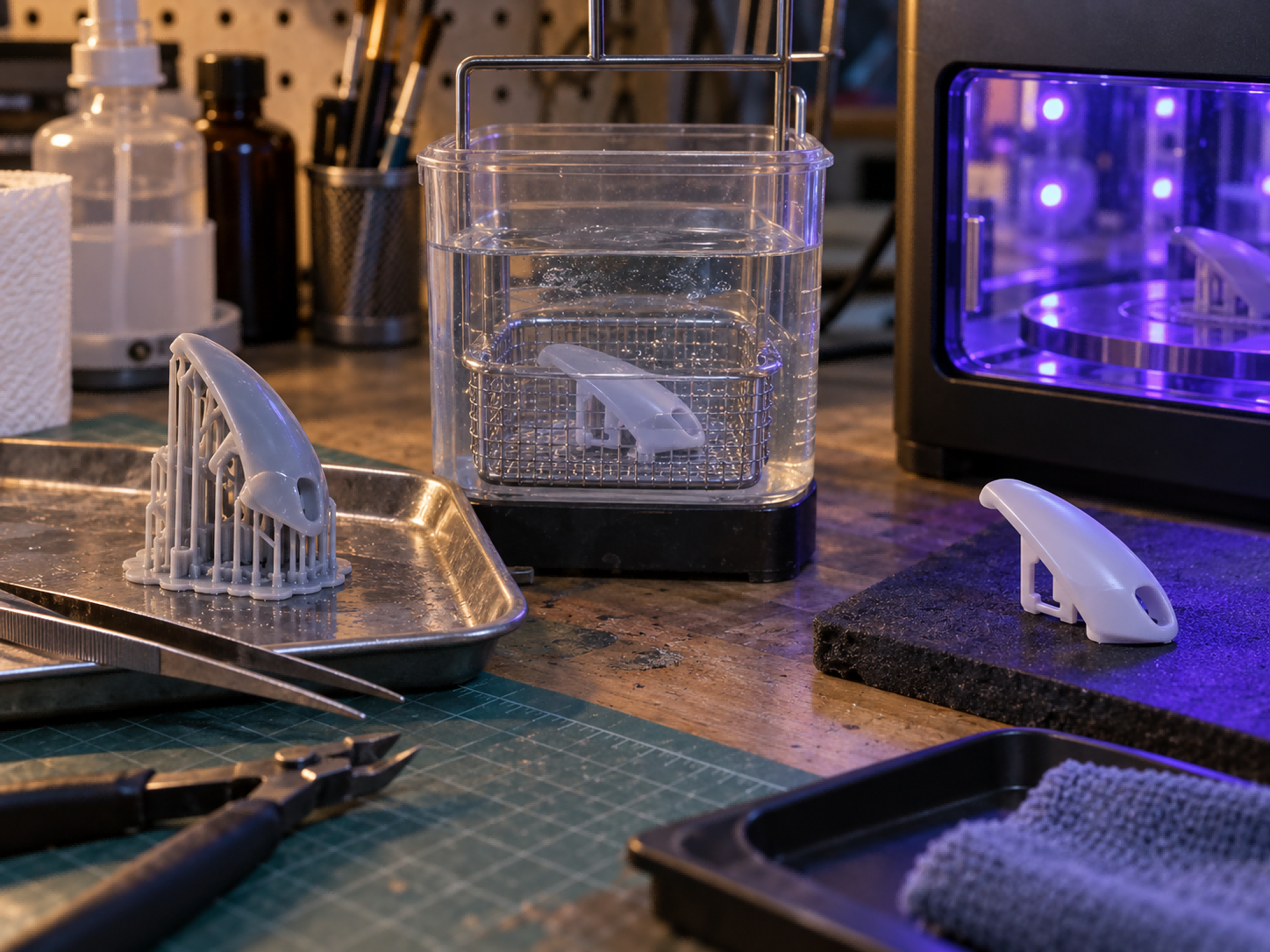
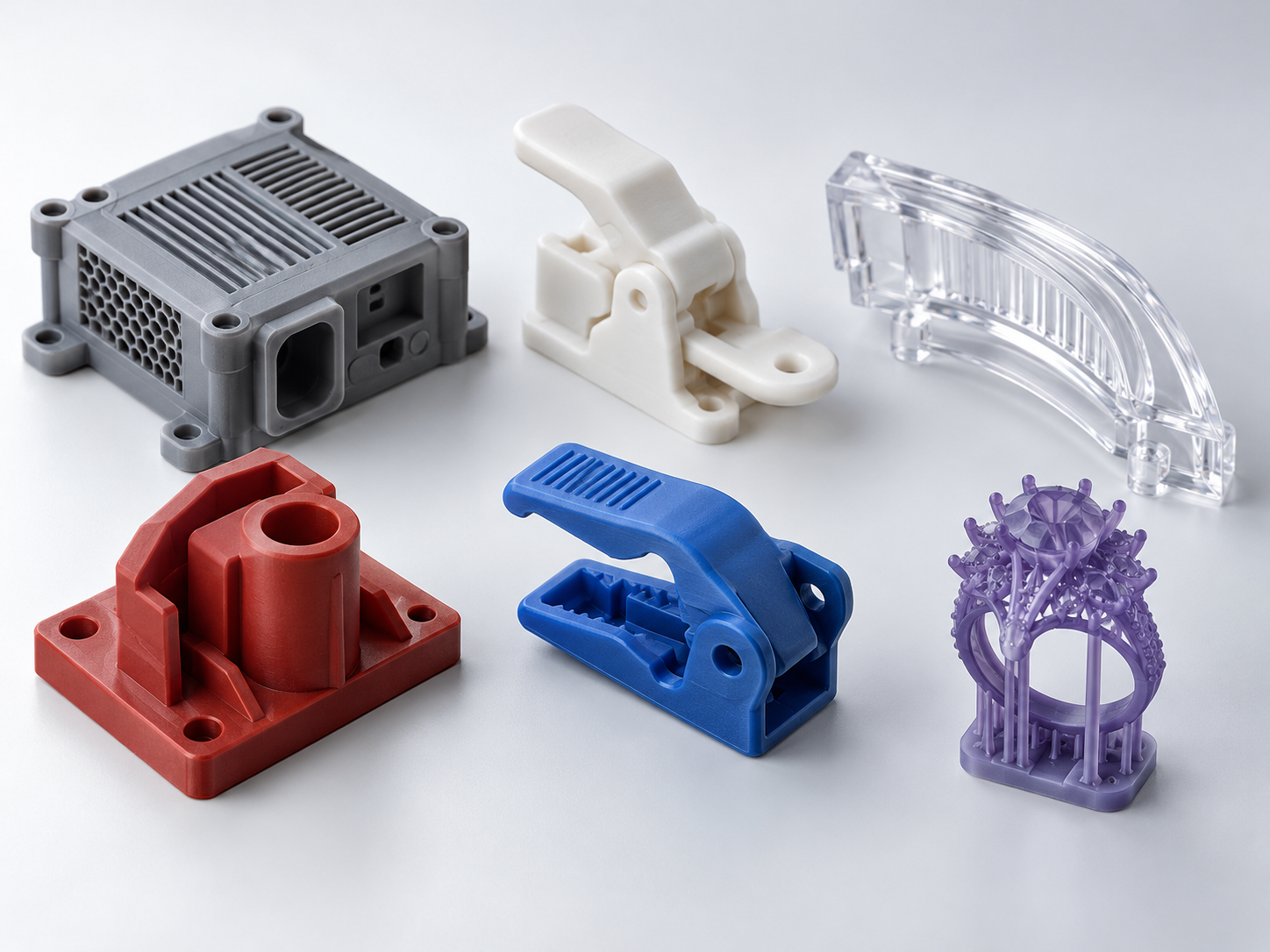
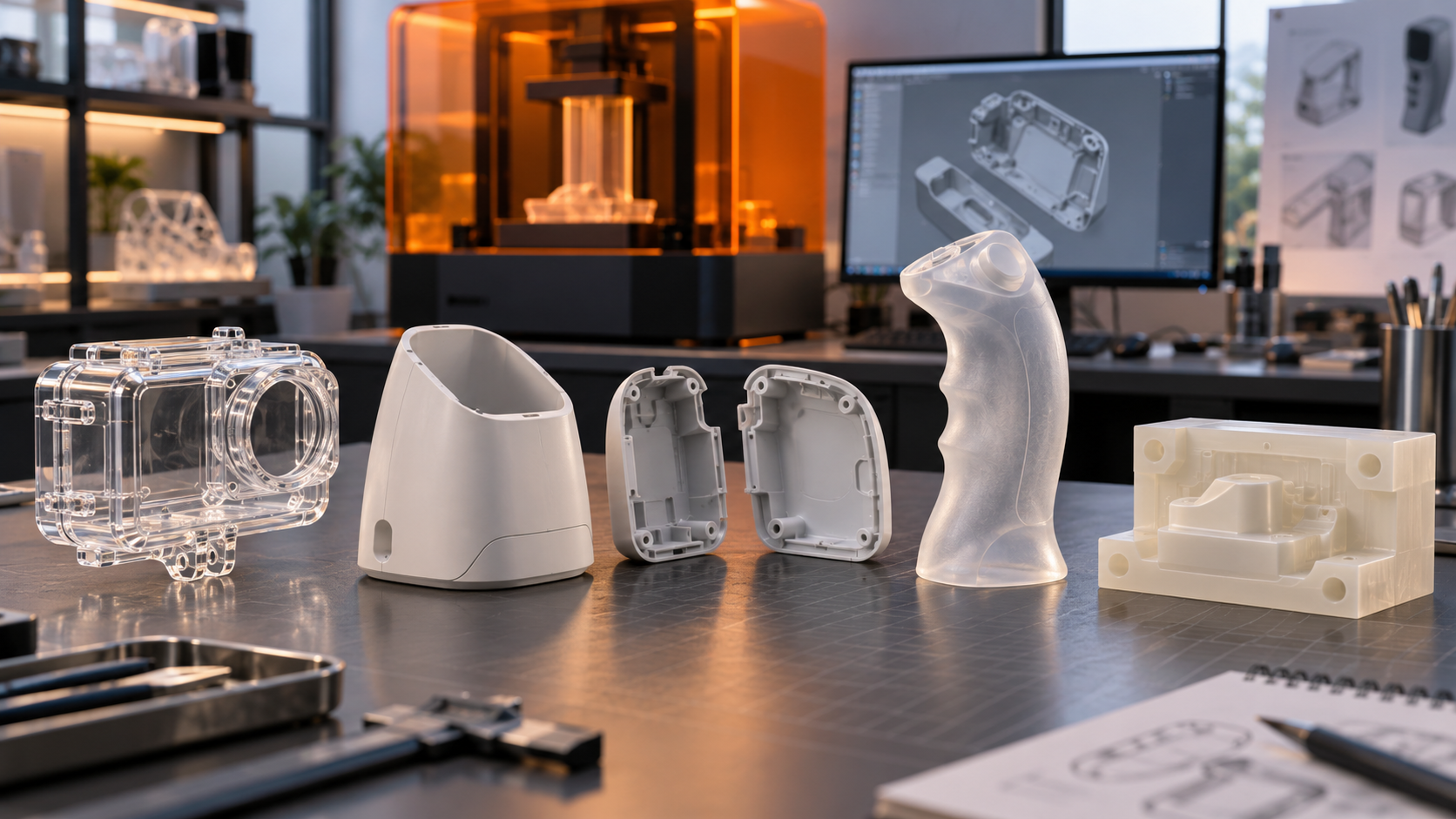
Support marks ruin more small parts than any other step. On a thin cosmetic face or sliding fit, a chipped edge is a failed prototype. A capable supplier places contacts on non-critical surfaces, uses minimal contact area, and finishes with IPA washing plus UV post-curing so the part reaches its target strength. Default delivery from AIHFABS includes IPA washing, UV post-curing, and support removal; optional sanding, tinting, clear coat, vapor polish, and surface coating extend that for appearance parts. Post-curing is not only a hardness step. It also affects dimensional stability and color clarity. A part that leaves the printer tacky and ships without a controlled UV cycle can move, yellow, or feel soft. When comparing suppliers, ask how they run post-cure and whether they document it by material. Material choice drives the rest. Standard Resin White and Standard Resin Black are general-purpose; High-Detail Resin Gray and High-Detail Resin White favor fine feature definition; Tough Resin White and Ultra Tough Resin Yellow plus Ultra Tough Resin Blue handle light functional loading; High-Temp Resistant Resin Red serves heat-exposed fixtures; Premium Clear Resin covers optical and light-pipe validation; and Castable resins feed jewelry and lost-wax workflows. Biocompatible resin is available with project qualification, so contact conditions and certification needs should be raised before quoting. One honest trade-off: resin toughness sits below nylon powder parts and machined engineering plastics, so parts exposed to sustained impact or heavy wear belong in another process.
Schedule pressure usually decides the supplier more than price. Engineers often need a small batch by the end of the week, and DLP production can start as fast as 48 hours after model orientation is confirmed. That clock begins only once orientation and support strategy are agreed, which means the fastest suppliers are also the clearest communicators. One quick check is whether the service offers a 3D printing instant quote from an STL or STEP upload, and whether its CAD upload workflow flags orientation questions early and confirms the batch reference before production. A typical resin part batch has a reference starting price around $20, but real cost depends on volume, material, post-processing, and shipping. Communication matters most on parts with many small features, because a single orientation change can save or lose a prototype. Suppliers who ask about the fit interface, cosmetic faces, and assembly direction before printing catch issues that a file upload alone cannot. The CAD file itself is the sensitive asset. For a startup, a leaked model can erase months of design work. Look for a service with protected storage and a clear policy for handling your files; AIHFABS uses Safety Vault storage for this purpose. Inspection before shipment and free reprint or refund support when parts do not meet agreed tolerances close the loop on quality risk. When you line up two suppliers side by side, ask each the same four things: how they orient small parts, what tolerance they commit to on supported features, how they handle support marks, and what happens if a batch misses spec. The answers separate a service that treats small parts as their own discipline from one that simply offers "3D printing."
Screening a 3D resin printing service for small parts rewards suppliers who think in features, not volume. Match the material family to the job, treat ±0.2 mm as the realistic band for well-supported geometry, and confirm how washing, UV cure, and support removal will run. Then look at lead time, quote transparency, and CAD handling. A supplier who can start production within 48 hours of orientation sign-off, quote from a single upload, and back the batch with inspection and reprint support removes most of the risk from a prototype order. If you already have a STEP file and a target build window, the fastest way to compare options is to upload it, review the orientation notes, and request a quote for two material options before committing.
A:Start by confirming the process fits the part. DLP's whole-layer projection delivers high XY detail and smooth surfaces, so ask the supplier how they orient fine features, where they place supports, and how they verify small geometry. Then compare material options, committed tolerance on supported features, post-processing steps, and lead time. A resin printing service that answers these in engineering terms is usually the one that returns a usable part on the first run.
A:Around ±0.2 mm on well-supported features is a realistic working number for DLP resin. Flat faces, anchored bosses, and short locating features usually hold that band. Unsupported cantilevers, thin blades, and long narrow walls drift beyond it, so the practical move is to send your GD&T and ask which features fit inside ±0.2 mm and which ones need design changes or secondary finishing.
A:Look at support removal, washing, and UV post-curing first, since those three steps decide whether a small feature survives. Default delivery usually means IPA washing, UV curing, and support removal, with optional sanding, tinting, clear coat, or vapor polish for appearance parts. Ask how the service protects cosmetic faces from support marks, how it controls cure time per material, and whether it documents the process, because those details separate a smooth prototype from a reprint.
DMD Architecture and Light Control Application Note
Dimensioning and Tolerancing - ASME
AIHFABS DLP Resin 3D Printing Service

和这篇文章相关的工艺。打开规格,或把文件放到报价上。
Stereolithography (SLA) cures liquid photopolymer with a precision UV laser, building parts layer by layer.
创建报价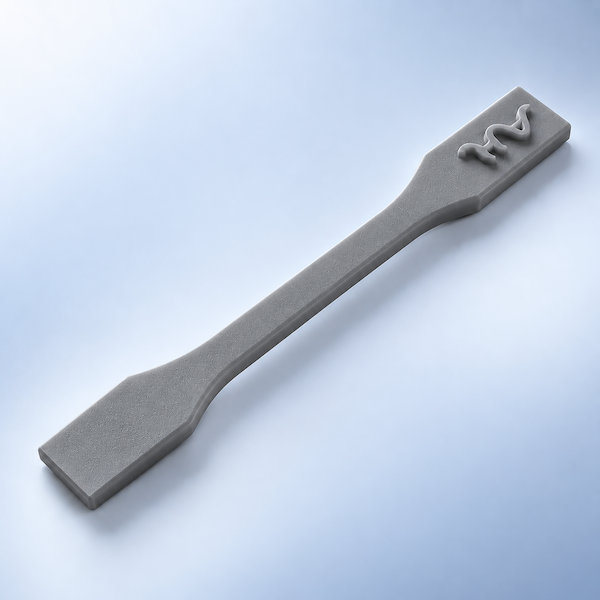
Digital Light Processing (DLP) solidifies an entire layer of photopolymer at once using a projected image.
创建报价和这篇文章相邻的材料。先看卡片,再上传 CAD。
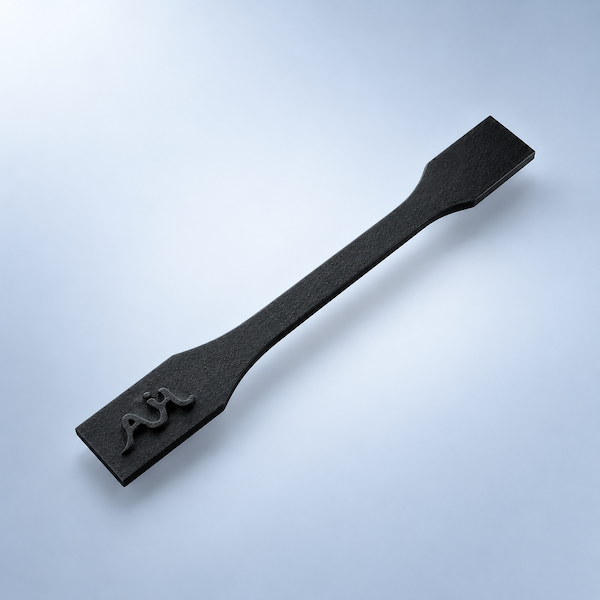
工艺、后处理和文件注意事项,来自车间,不是营销软文。
按主题查看公司、付款、物流和工艺说明。
Production lead times, shipping options, and order tracking.
AIHFABS 根据 CAD 上传为定制 3D 打印和 CNC 加工报价。比较 SLA、SLS、MJF、SLM、FDM、DLP、铣削和车削,并可在同一订单中添加蒸汽抛光、染色、阳极氧化、抛光或粉末喷涂。
即时报价适合原型、治具、壳体和小批量。材料、工艺、数量和交期一起展示,减少工程变更后再发一轮供应商邮件。
材料、工艺、数量和交期一起展示,减少工程变更后再发一轮供应商邮件。
上传 STL、STEP 等常用 CAD 格式即可在线报价。
在同一零件上比较 3D 打印工艺和 CNC 选项。
选择聚合物或金属,需要时再添加 3D Plus 硬件后处理。
结算前查看价格和交期,特殊规格可申请人工报价。
若本页描述的是你想复现的工艺、行业或样品,请从上传流程开始,把工艺和后处理与图纸对齐。
我们使用 cookie 优化体验。继续使用即表示您同意我们的 隐私政策
接受

发表评论