Typical tolerance
±0.01 mm standard; ±0.001–0.002 mm high precision

CNC加工
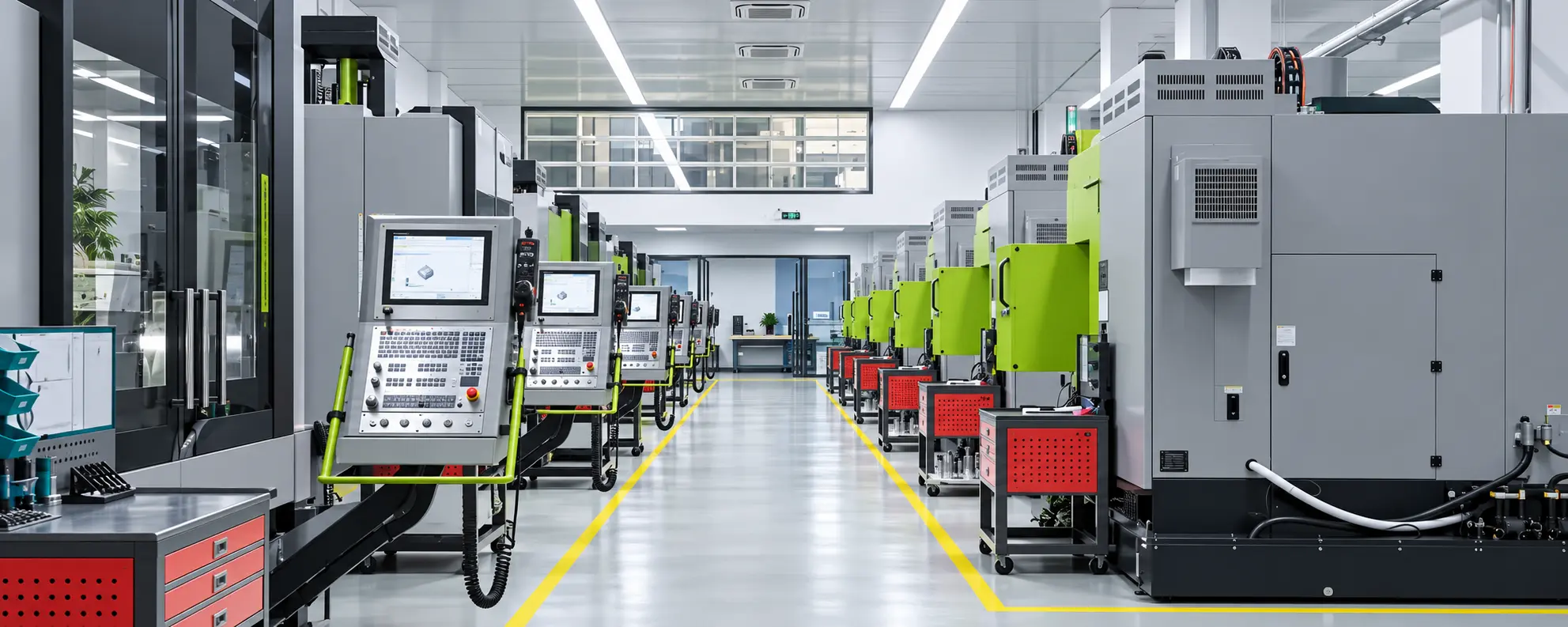
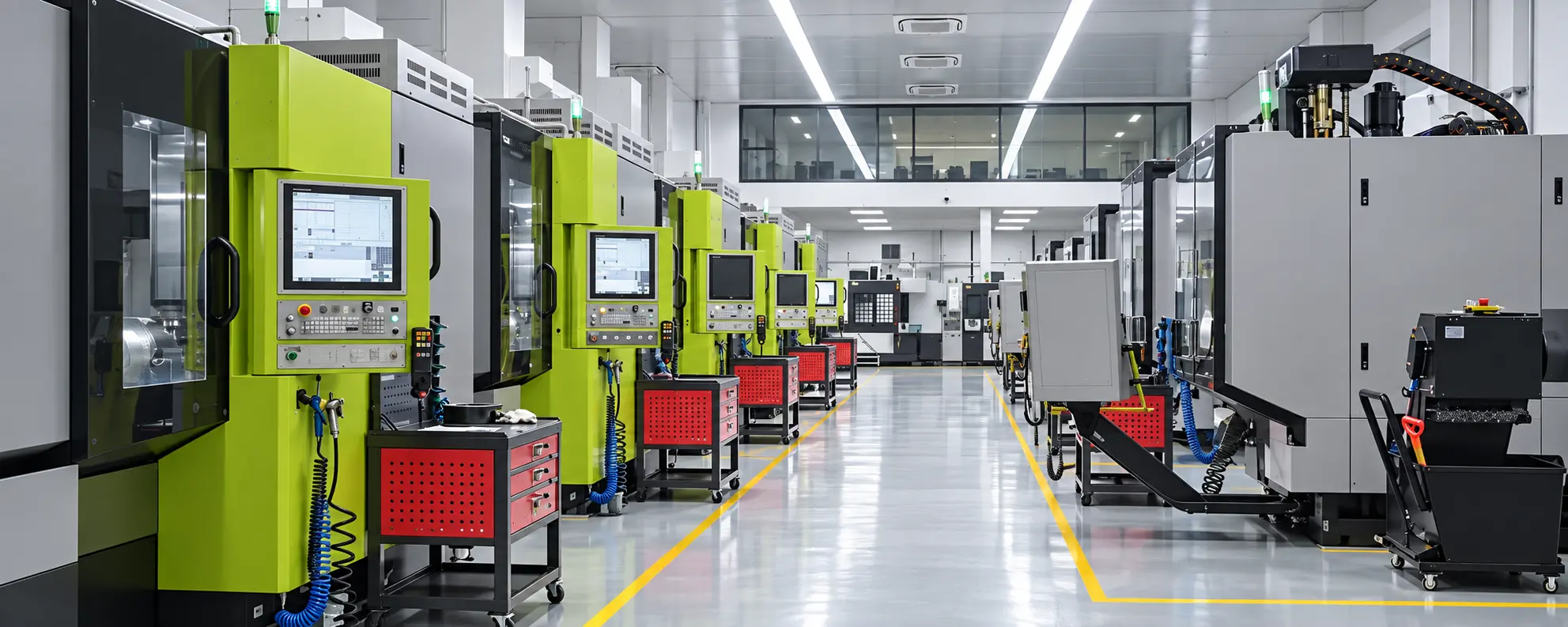
CNC lathe machining for high-precision rotational parts — the workpiece spins while the tool feeds along a programmed path.
CNC Turning Services use computer numerical control lathes to remove material while the workpiece rotates at high speed and the cutting tool feeds along a set path. Unlike milling (tool rotates, workpiece fixed), the core trait of turning is that the workpiece rotates — ideal for shafts, sleeves, bolts, and other cylindrical parts.
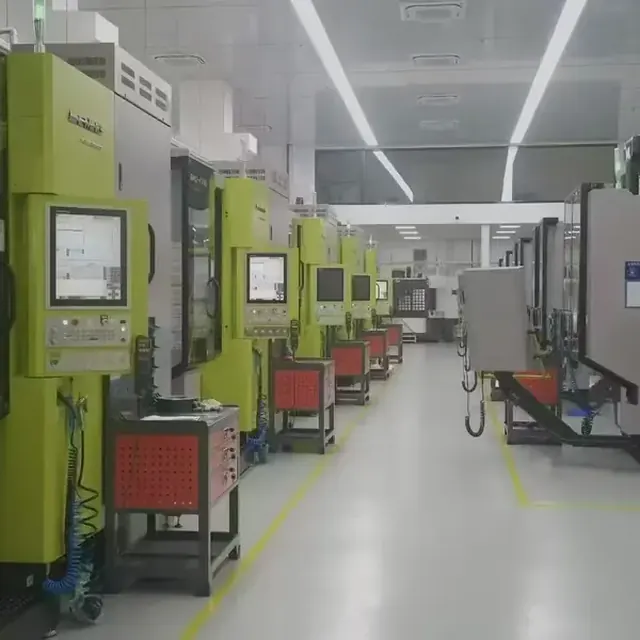
On a CNC lathe the workpiece spins and the tool feeds. That is the opposite of milling, and it is why shafts, bushings, glands, and concentric bores come off a turning cell cleaner and cheaper than they would from a vise.
Mill-turn and dual-spindle machines add flats, cross-holes, and back-working so many parts never leave the lathe. AIHFABS quotes turning when rotation is the main feature of the design.
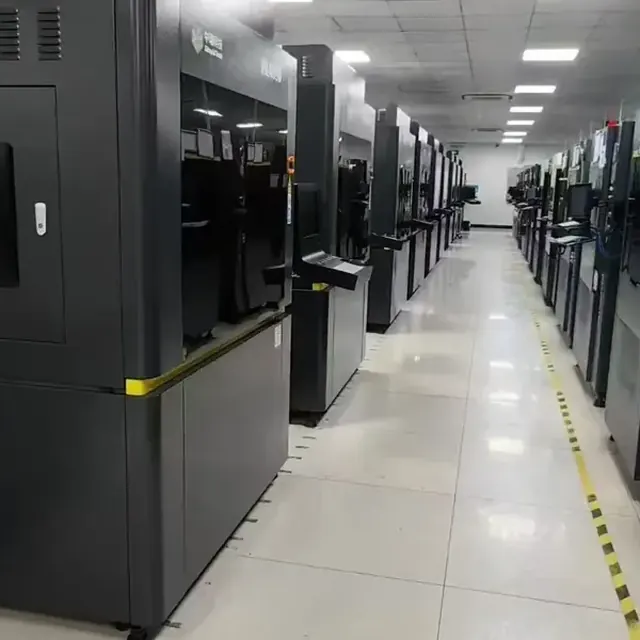
Diameter, length, and finish below are planning values. Mirror finishes need a drawing callout.
±0.01 mm standard; ±0.001–0.002 mm high precision
Up to 20,000 rpm
About 2.0 mm
Up to 1000 mm
Mirror finishes down to Ra 0.05 μm
Simple 1–3 days; complex 7–10 days
Bar stock in aluminum, stainless, carbon steel, brass, titanium, and shop plastics.
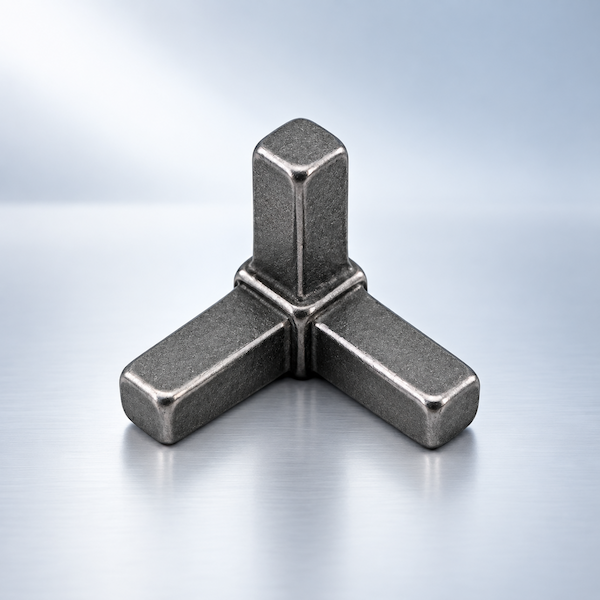
CNC mill / turn plate and bar
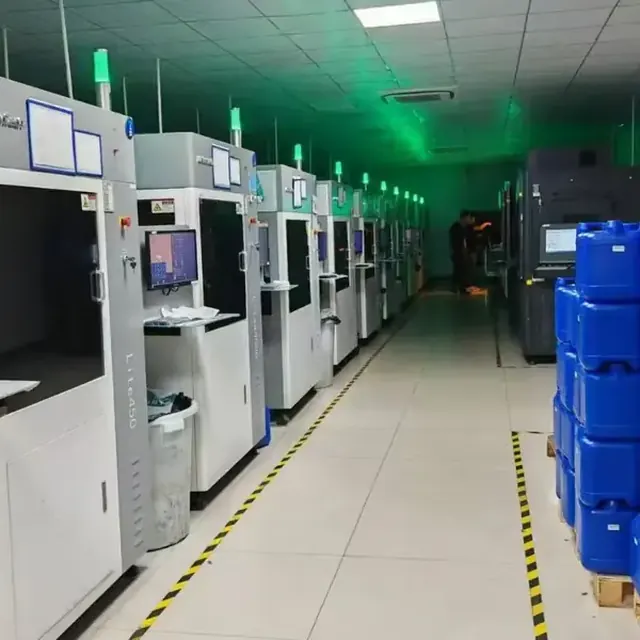
High-strength aerospace aluminum
General-purpose stainless stock
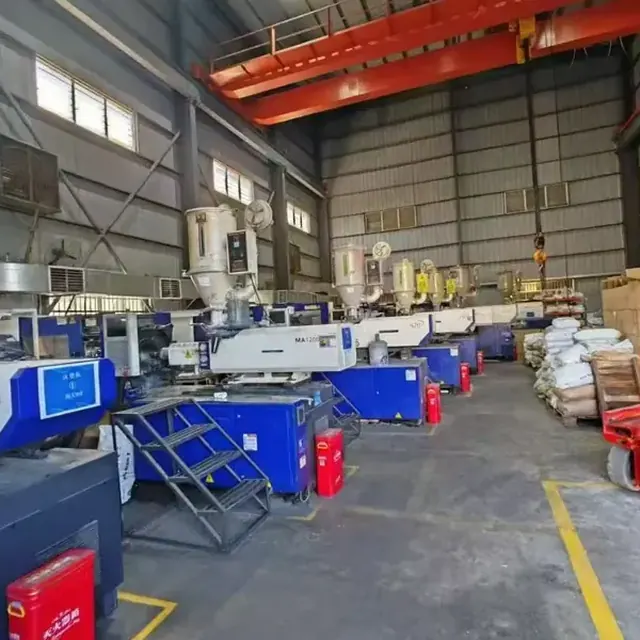
Marine-grade stainless
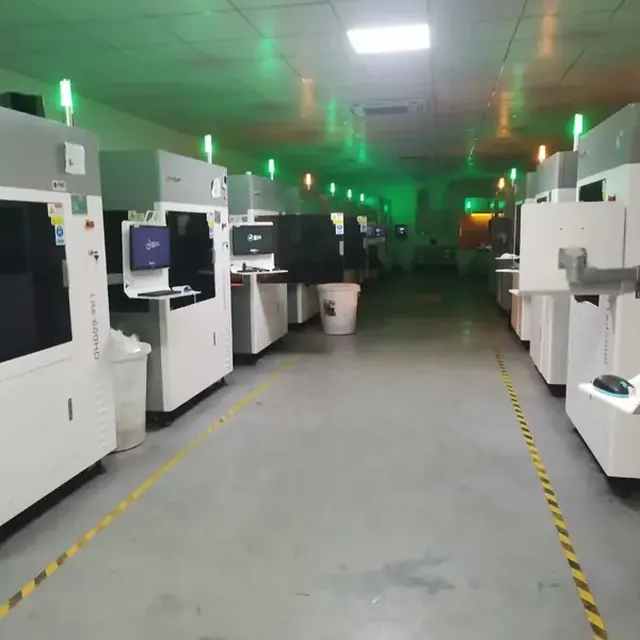
Traditional mild and medium carbon steel
Free-machining brass
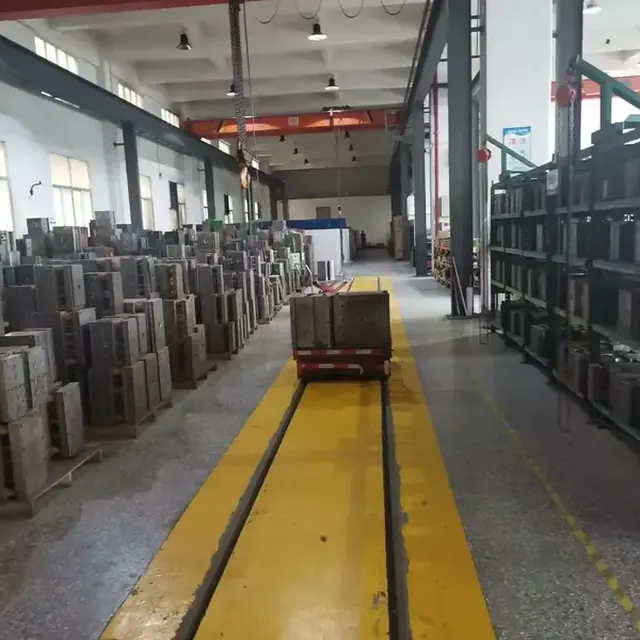
High-conductivity copper
CNC mill titanium billet
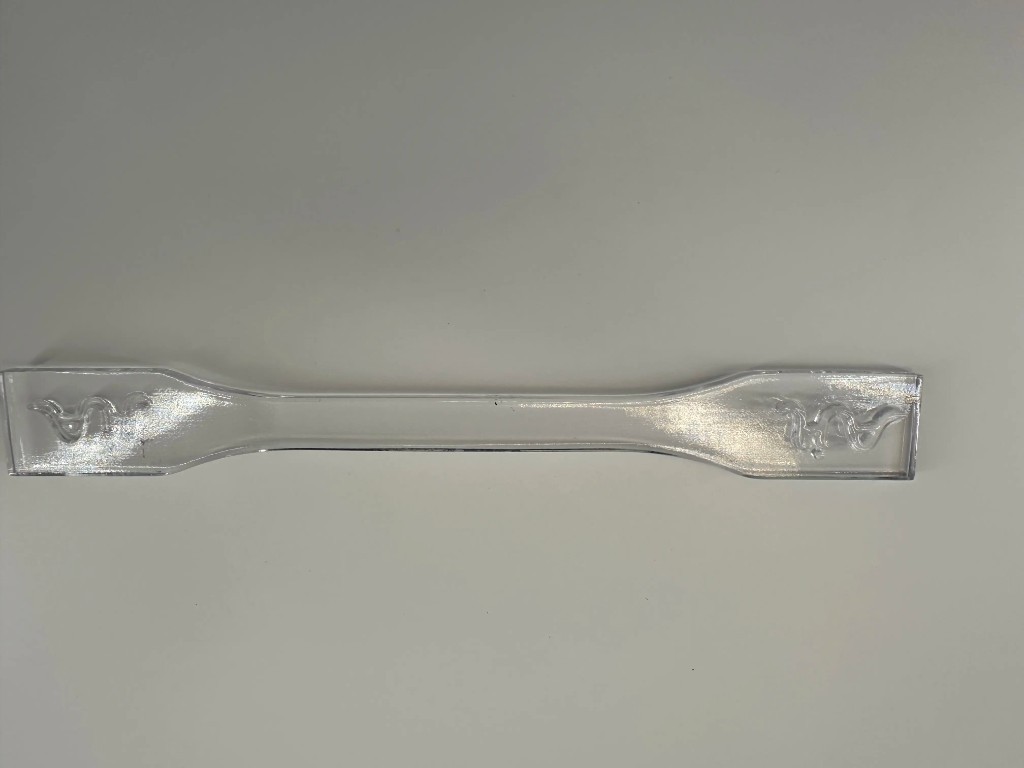
Transparent CNC sheet and block

Opaque, tinted, and matte PMMA sheet
Engineering plastic for CNC
Impact-resistant engineering sheet
A sharp insert already leaves a fine OD. Polish or plate is added when the seat or the customer face needs it.
Light insert marks along the OD. Fine enough for most shafts, spacers, and non-sealing hardware.
Slow finish pass or polish down toward Ra 0.05 μm on bearing and seal diameters.
Zinc, nickel, or passivation on steels; anodize on aluminum after mill-turn features are cut.
If the part is a shaft with a few flats, start here. If it is a block with a bore, start on milling.
| 工艺 | 交期 | 公差 | 收费 |
|---|---|---|---|
| CNC Machining ServicesMetals & plastics | From 1–5 business days depending on complexity and finish | ±0.05 mm standard; tighter on request with drawing callouts | Instant quote · typical prototype from $45 |
| CNC Milling ServicesMetals & plastics | Simple 1–3 days; complex 3–7 days; batch 5–15 days | ±0.01 mm standard; ±0.005 mm high precision | Instant quote · typical prototype from $40 |
| CNC Turning ServicesMetals & plastics | Simple 1–3 days; complex 7–10 days | ±0.01 mm standard; ±0.001–0.002 mm high precision | Instant quote · typical prototype from $35 |
| CNC Routing ServicesPlastics & composites | From 2–4 business days | Medium precision (~±0.025 mm class) | Instant quote · typical panel job from $30 |
| 5-Axis CNC MachiningMetals & plastics | From 3–7 business days depending on complexity | ±0.02–0.05 mm on critical features when specified | Instant quote · typical prototype from $80 |
| Precision Machining ServicesMetals & plastics | From 3–8 business days (complexity dependent) | ±0.005–0.01 mm; Ra 0.4–1.6 μm; CPK ≥ 1.33 | Instant quote · quoted to drawing / inspection grade |
| Large Part CNC MachiningMetals & plastics | Quoted per project (fixturing and logistics driven) | Around ±0.025 mm on critical features; large spans project-dependent | Project quote · fixturing and logistics driven |
| Swiss CNC MachiningMetals & plastics | From 3–7 business days; faster on repeat batches | ±0.005 mm standard; down to ±0.0025 mm when specified | Instant quote · most economical in batch runs |
Upload CAD — 3D models or 2D drawings (NDA available).
DFM review and quote — typically within 12–24 hours.
Confirm materials, tolerance grade, and surface finishes.
CAM programming, fixturing, trial cuts, then production.
Full CMM / optical inspection, reports, and shipping.
Bar size, grip length, and tailstock or sub-spindle support are set from the solid. Concentric datums should be obvious on the drawing.
First-off diameters are checked before a batch run. CMM or optical reports cover the features you mark as critical.
Think in diameters, lengths, and the faces that locate in the assembly.
| Feature | Recommended practice |
|---|---|
| Bearing / seal seats | Give diameter tolerance and Ra on the drawing, not only in the model color. |
| Shoulders | Add fillets on diameter steps when fatigue or stress risers matter. |
| Datums | Mark which faces a mill-turn live tool should treat as primary references. |
| Min diameter | About 2.0 mm on standard lathes; smaller pins belong on Swiss. |
CNC machining removes material from solid stock with computer-controlled mills, lathes, and multi-axis centers.
查看完整工艺说明
CNC Milling Services use computer numerical control (CNC) mills to cut workpieces with rotating tools according to programmed toolpaths.
查看完整工艺说明
CNC Routing Services use computer numerical control (CNC) routers with high-speed rotating bits to cut, engrave, drill, and shape materials.
查看完整工艺说明±0.01 mm is a solid planning value. High-precision seats can go to ±0.001–0.002 mm when specified and inspected.
Yes on mill-turn cells. Simple OD/ID work stays on a 2-axis lathe to keep the rate down.
About 2 mm on standard turning. Below that, or with a high L/D, Swiss is the better page.
POM, PEEK, nylon, and PTFE are common. Tell us if the part sees steam, chemicals, or food contact.
Simple work often leaves in 1–3 business days. Complex mill-turn or special finishes run 7–10 days.
Use these process-specific checks when preparing your model, drawing and quote request. The confirmed quotation and approved drawing define the requirements for your part.
Long slender parts may need additional support to limit movement during cutting. Show which diameters, shoulders and bores must relate to the same axis. Specify runout or geometric controls on the drawing when assembly depends on them.
Define the thread standard, pitch, engagement length and relief. Narrow grooves and deep bores need tool-access review. Cross-holes, flats and angled features may require live tooling or a separate operation, affecting the sequence and datum control.
Confirm stock grade, shaft and bore fits, surface texture on sliding or sealing areas, burr requirements and inspection of concentric relationships after any finishing operation.
AIHFABS 根据 CAD 上传为定制 3D 打印和 CNC 加工报价。比较 SLA、SLS、MJF、SLM、FDM、DLP、铣削和车削,并可在同一订单中添加蒸汽抛光、染色、阳极氧化、抛光或粉末喷涂。
即时报价适合原型、治具、壳体和小批量。材料、工艺、数量和交期一起展示,减少工程变更后再发一轮供应商邮件。
材料、工艺、数量和交期一起展示,减少工程变更后再发一轮供应商邮件。
上传 STL、STEP 等常用 CAD 格式即可在线报价。
在同一零件上比较 3D 打印工艺和 CNC 选项。
选择聚合物或金属,需要时再添加 3D Plus 硬件后处理。
结算前查看价格和交期,特殊规格可申请人工报价。
若本页描述的是你想复现的工艺、行业或样品,请从上传流程开始,把工艺和后处理与图纸对齐。
我们使用 cookie 优化体验。继续使用即表示您同意我们的 隐私政策
接受