SOLUTIONS / MAINTAIN / SUSTAIN
Build a replacement-part plan before the next stoppage
AIHFABS maintenance, repair and operations
AIHFABS supports project reviews for custom spares, maintenance fixtures and difficult-to-source components. Turn equipment information into a manufacturing brief that can be reused for future replacements.
PRIORITIZE THE DOWNTIME RISK
Different replacement problems need different responses
Start with what the component does and what happens if it is unavailable.
| Situation | First information to gather | Manufacturing discussion |
|---|---|---|
| Unexpected failure | Failed part, mating geometry and maintenance deadline. | Feasibility of a replacement and the checks needed before installation. |
| Recurring wear | Wear location, operating conditions and replacement frequency. | Material, surface and design changes for engineering review. |
| Obsolete component | Legacy drawing or sample, equipment context and interfaces. | Reconstruction of the part definition and a validation plan. |
| Maintenance tooling | Task, operator access and equipment layout. | Custom jigs, positioning aids or protective components. |
REBUILD THE PART DEFINITION
A sample is a starting point, not a complete specification
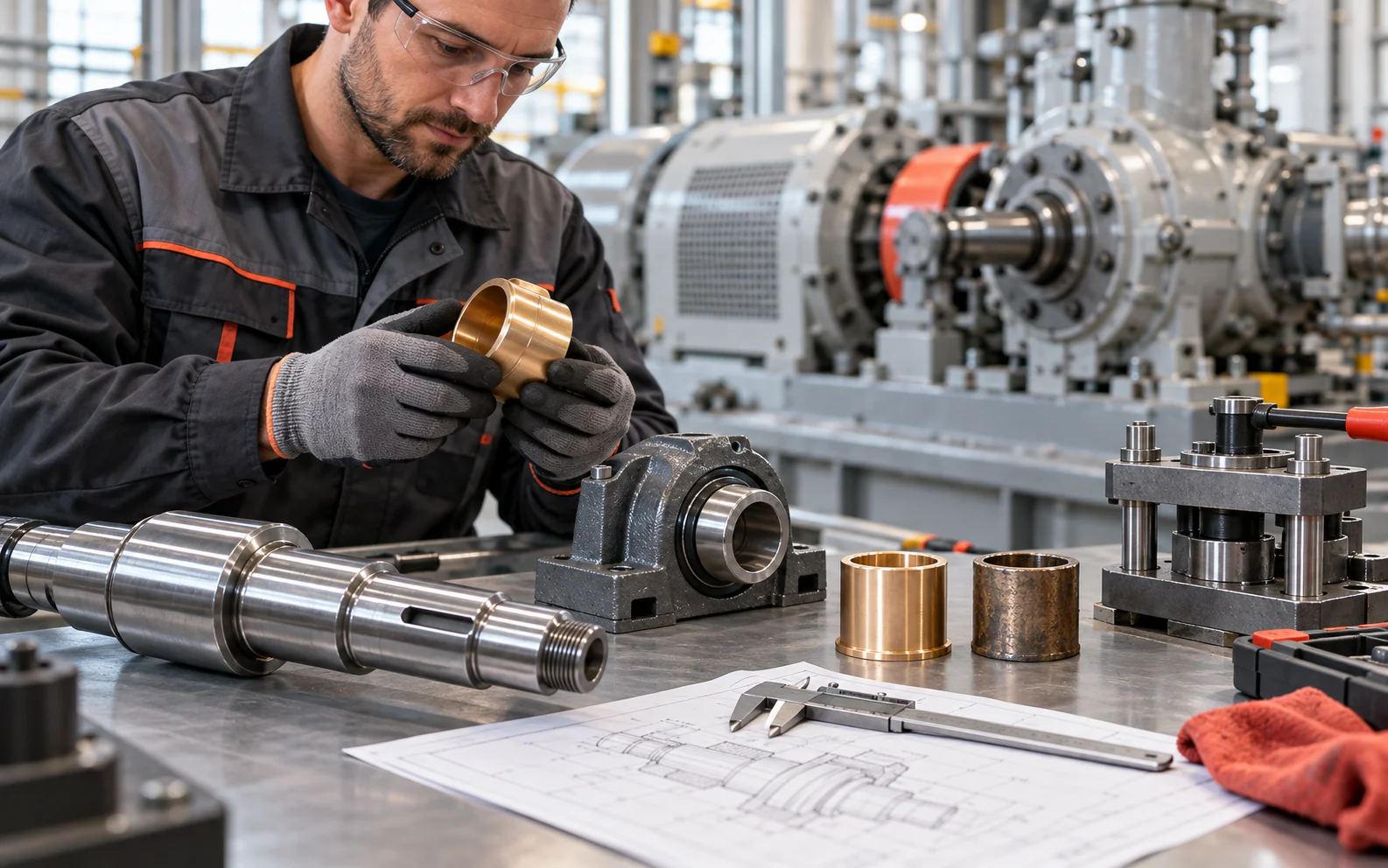
Older equipment may have no current CAD or drawing. Make the unknown requirements visible before choosing how to manufacture a replacement.
Capture function as well as shape
Identify fits, bearing or sealing surfaces, loading, temperature and the environment. A worn sample may no longer represent the original dimensions.
Discuss measurement, CAD reconstruction and material options with the project team. Confirm the engineering acceptance plan before a replacement is used in equipment.
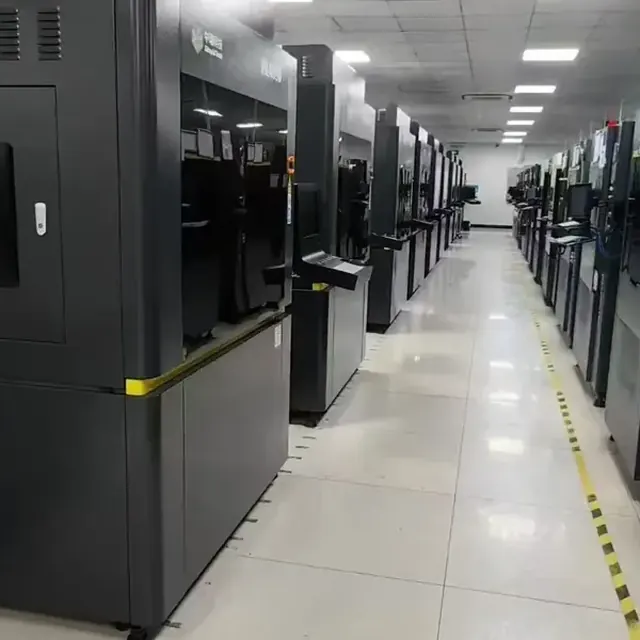
Machining may suit critical interfaces; additive processes may suit complex shapes or maintenance aids. The operating requirement determines the useful options.
MOVE FROM REACTION TO PREPARATION
Make the next replacement easier to source
Save a validated part record after the first replacement has been accepted.
Identify critical spares
List components whose absence can stop the operation. Record current suppliers, drawings and known lead-time risks.
Validate the replacement
Check the part in its intended equipment and operating conditions. Retain the approved material and interface requirements.
Set a replenishment trigger
Review usage and planned maintenance with the purchasing team. Decide which quantities need a future order rather than assuming inventory is reserved.
Keep records current
Save revisions, inspection results and installation feedback. Recheck the record when equipment or operating conditions change.
Give a critical replacement a defined path
Share drawings or a sample reference, operating conditions and the required maintenance window.