Typical tolerance
±0.005 mm standard; down to ±0.0025 mm when specified

CNC加工
Precision turning for small-diameter, slender, complex, ultra-high-precision parts — from Swiss watchmaking roots to medical, aerospace, and connectors.
Swiss CNC Machining Services is a precision turning technology designed for small-diameter, slender, highly complex, and ultra-high-precision parts. Originating in 19th-century Swiss watchmaking, it is now a core process for medical devices, aerospace, electronic connectors, and other high-end industries.
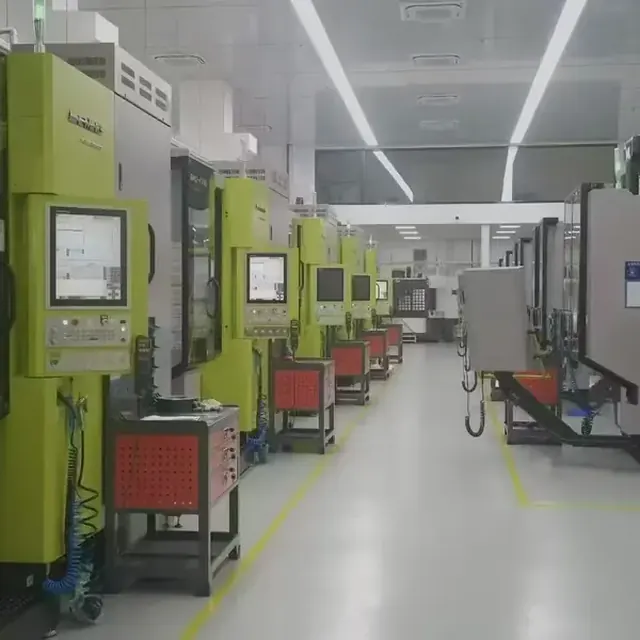
Swiss-type turning feeds bar through a guide bushing so the cut happens next to a support. That is why slender pins, bone screws, and connector contacts stay straight at L/D ratios that would chatter on a conventional lathe.
Live tools, sub-spindles, and bar feeders finish turning, milling, drilling, and back-working in one cycle. AIHFABS quotes Swiss when the part is small, long, and high-precision — especially in batches.
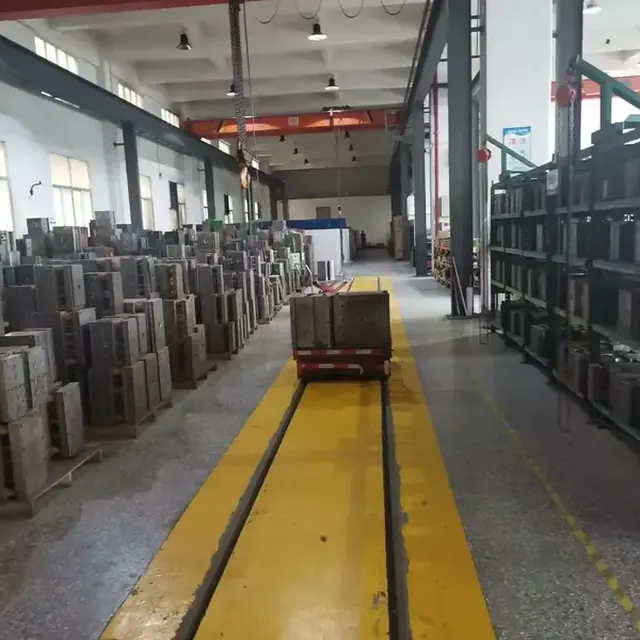
Diameter and L/D below are where Swiss earns the setup. Short, fat parts usually stay on a lathe.
±0.005 mm standard; down to ±0.0025 mm when specified
0.5–32 mm (some machines to 38 mm)
Advantage clearest above 3:1
Ra 0.2–0.8 μm typical as-machined
Most cost-effective in medium-to-large batches
From 3–7 business days; faster on repeat batches
Stainless, titanium, brass, alloy steel, and small-diameter engineering plastics.
As-turned Swiss surfaces are already fine. Passivation or light polish is the usual extra.
Ra 0.2–0.8 μm is typical straight off the guide bushing — often enough for medical and connector pins.
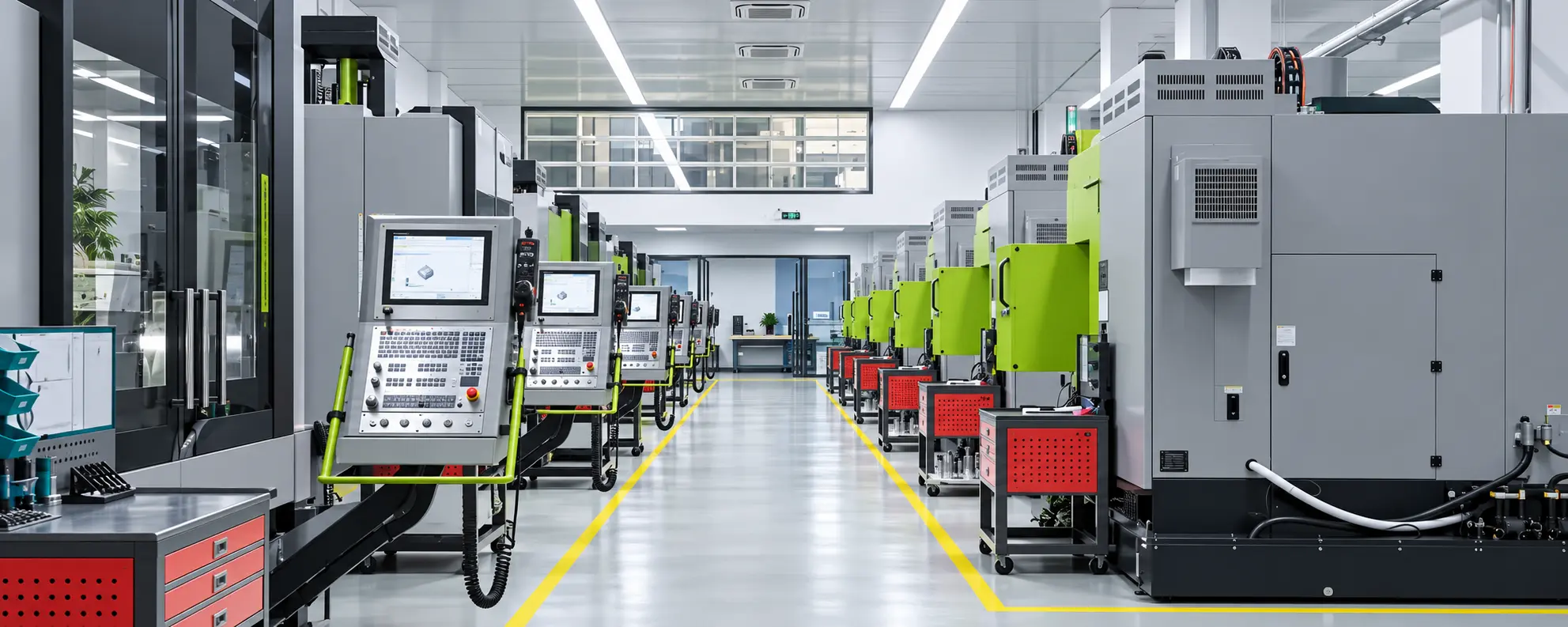
Stainless parts cleaned and passivated after the bar run, before bagging.
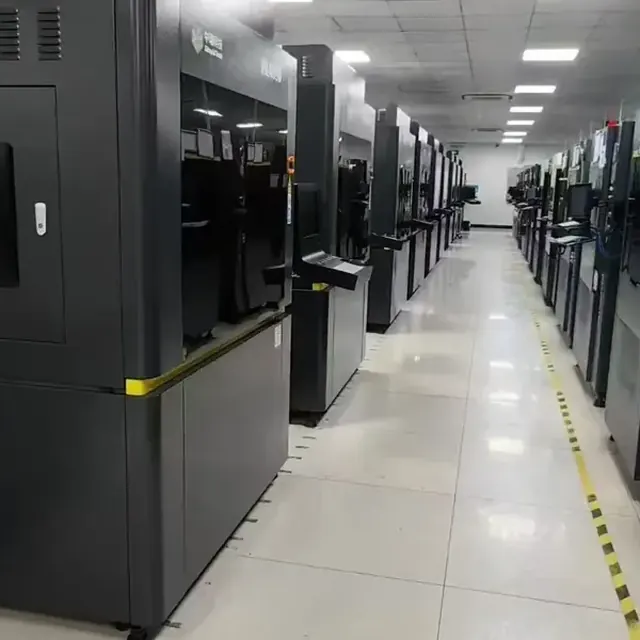
Local polish on sealing diameters or visible watch-grade faces.
Swiss wins on slender, small-diameter work. Short chucked parts are cheaper on standard turning.
| 工艺 | 交期 | 公差 | 收费 |
|---|---|---|---|
| CNC Machining ServicesMetals & plastics | From 1–5 business days depending on complexity and finish | ±0.05 mm standard; tighter on request with drawing callouts | Instant quote · typical prototype from $45 |
| CNC Milling ServicesMetals & plastics | Simple 1–3 days; complex 3–7 days; batch 5–15 days | ±0.01 mm standard; ±0.005 mm high precision | Instant quote · typical prototype from $40 |
| CNC Turning ServicesMetals & plastics | Simple 1–3 days; complex 7–10 days | ±0.01 mm standard; ±0.001–0.002 mm high precision | Instant quote · typical prototype from $35 |
| CNC Routing ServicesPlastics & composites | From 2–4 business days | Medium precision (~±0.025 mm class) | Instant quote · typical panel job from $30 |
| 5-Axis CNC MachiningMetals & plastics | From 3–7 business days depending on complexity | ±0.02–0.05 mm on critical features when specified | Instant quote · typical prototype from $80 |
| Precision Machining ServicesMetals & plastics | From 3–8 business days (complexity dependent) | ±0.005–0.01 mm; Ra 0.4–1.6 μm; CPK ≥ 1.33 | Instant quote · quoted to drawing / inspection grade |
| Large Part CNC MachiningMetals & plastics | Quoted per project (fixturing and logistics driven) | Around ±0.025 mm on critical features; large spans project-dependent | Project quote · fixturing and logistics driven |
| Swiss CNC MachiningMetals & plastics | From 3–7 business days; faster on repeat batches | ±0.005 mm standard; down to ±0.0025 mm when specified | Instant quote · most economical in batch runs |
Bar stock feeds through a guide bushing that supports the cut point.
The sliding headstock advances the bar while tools turn, mill, drill, and tap.
A sub-spindle finishes back-end features without manual re-clamping.
Automatic bar feeding supports medium-to-high volume unattended runs.
Bar diameter, bushing, and live-tool list are set from the solid. First-article diameters are locked before the bar feeder runs unattended.
Optical or CMM checks cover the features you mark. Batch work is where the rate drops.
Keep the part in the bushing’s comfort zone.
| Feature | Recommended practice |
|---|---|
| L/D ratio | Swiss shines above about 3:1. Short stubby parts can stay on a lathe. |
| Walls | Keep walls at least 0.5–0.8 mm unless we agree a micro-machining plan. |
| Holes | Prefer standard drill and tap sizes to cut tool changes. |
| Tolerances | Relax anything that does not locate or seal; it drops programming time. |
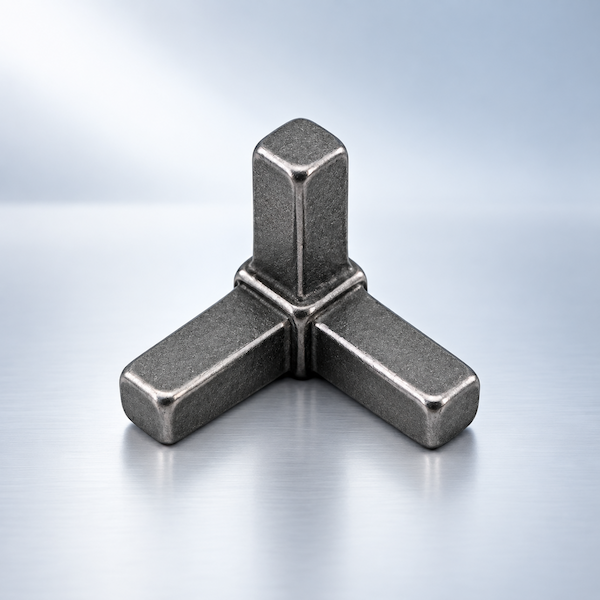
CNC machining removes material from solid stock with computer-controlled mills, lathes, and multi-axis centers.
查看完整工艺说明
CNC Milling Services use computer numerical control (CNC) mills to cut workpieces with rotating tools according to programmed toolpaths.
查看完整工艺说明
CNC Turning Services use computer numerical control lathes to remove material while the workpiece rotates at high speed and the cutting tool feeds along a set path.
查看完整工艺说明About 0.5–32 mm on most cells, some machines to 38 mm. Larger diameters belong on standard turning.
±0.005 mm is a common planning value. ±0.0025 mm is quoted when specified and inspected.
No. Connectors, aerospace nozzles, watch parts, and any slender pin use the same cells.
Guide-bushing setup and live-tool CAM are front-loaded. Bar-fed runs amortize that cost.
Yes — live tools and a sub-spindle cover flats, cross-holes, and back-working in one cycle.
Use these process-specific checks when preparing your model, drawing and quote request. The confirmed quotation and approved drawing define the requirements for your part.
Swiss machining is suited to repeated small turned parts, particularly slender features that benefit from support close to the cut. Stock diameter, material straightness and the relation between major and minor diameters influence the manufacturing plan.
Cross-holes, miniature threads and narrow grooves need a defined tooling and deburring strategy. Identify functional edges, clean internal passages and surfaces that contact a mating component. Small dimensions require an inspection method appropriate to the feature.
Confirm material grade, thread details, burr limits, lot quantity and the dimensions needed for first-article approval. Regulated applications need their own documentation and validation requirements agreed before manufacture.
AIHFABS 根据 CAD 上传为定制 3D 打印和 CNC 加工报价。比较 SLA、SLS、MJF、SLM、FDM、DLP、铣削和车削,并可在同一订单中添加蒸汽抛光、染色、阳极氧化、抛光或粉末喷涂。
即时报价适合原型、治具、壳体和小批量。材料、工艺、数量和交期一起展示,减少工程变更后再发一轮供应商邮件。
材料、工艺、数量和交期一起展示,减少工程变更后再发一轮供应商邮件。
上传 STL、STEP 等常用 CAD 格式即可在线报价。
在同一零件上比较 3D 打印工艺和 CNC 选项。
选择聚合物或金属,需要时再添加 3D Plus 硬件后处理。
结算前查看价格和交期,特殊规格可申请人工报价。
若本页描述的是你想复现的工艺、行业或样品,请从上传流程开始,把工艺和后处理与图纸对齐。
我们使用 cookie 优化体验。继续使用即表示您同意我们的 隐私政策
接受