Rigid & semi-rigid PU resins
Start here for housings, panels, clear covers and assembly prototypes. Compare ABS-like, PC-like, PP-like and specialist PU formulations by the behavior your prototype must demonstrate.
Explore PU / ABS-like / PC-like →
Silikon bildet die Form. Das abgegossene Bauteil besteht normalerweise aus Polyurethanharz (PU), dessen Rezeptur ausgewählte Eigenschaften technischer Kunststoffe oder Elastomere nachbildet.
Start here for housings, panels, clear covers and assembly prototypes. Compare ABS-like, PC-like, PP-like and specialist PU formulations by the behavior your prototype must demonstrate.
Explore PU / ABS-like / PC-like →Start here for grips, flexible boots, cushioning and seal evaluation. Define hardness, deformation and recovery together with tear, compression and exposure requirements.
Explore rubber-like / elastomer →Silikon bildet die Form. Das abgegossene Bauteil besteht normalerweise aus Polyurethanharz (PU), dessen Rezeptur ausgewählte Eigenschaften technischer Kunststoffe oder Elastomere nachbildet.
Dies sind mögliche Harzfamilien, keine Zusage zur Verfügbarkeit jeder Rezeptur. Vor der Bestellung konkretes Datenblatt und Musteranforderungen bestätigen.
| Werkstoff / Güte | Typische Anwendung | Vor dem Angebot bestätigen |
|---|---|---|
| ABS-like → | Gehäuse, Blenden und Strukturprototypen | Festigkeit, Steifigkeit, Schlagverhalten und Alterung mit der konkreten Zielsorte vergleichen. |
| PC-like → | Transparente Prototypen und Schlagprüfung | Transparenz, Farbe, Oberfläche und Alterung am Muster prüfen. |
| PMMA (Acrylic)-like → | Fenster, Leuchtenabdeckungen und optische Lichtleitermodelle | Transparenz, Farbe, Oberfläche und Alterung am Muster prüfen. |
| PP-like → | Clips, Scharniere und nachgiebige Prototypen | Shore-Skala, Zielhärte und wiederholte Biegung vorgeben. |
| POM-like → | Bewertung von Zahnrädern und Verschleißschnittstellen | Festigkeit, Steifigkeit, Schlagverhalten und Alterung mit der konkreten Zielsorte vergleichen. |
| PA-like / filled PU → | Belastete Strukturprototypen; Füllstoffsystem bestätigen | Festigkeit, Steifigkeit, Schlagverhalten und Alterung mit der konkreten Zielsorte vergleichen. |
| Rubber-like (Elastomer) → | Dichtungs-, Griff- und Dämpfungsprototypen zur Bewertung | Shore-Skala, Zielhärte und wiederholte Biegung vorgeben. |
| Heat-resistant PU → | Thermisch belastete Prototypen nach Sortenprüfung | Datenblatt, Einsatztemperatur und Einwirkdauer bestätigen. |
| Flame-retardant PU → | Elektronikgehäuseprototypen mit dokumentierten Brandanforderungen | Sorten- und dickenspezifische UL-94-Nachweise anfordern. |
| Transparent PU → | Klare oder getönte Design- und Montagemodelle | Transparenz, Farbe, Oberfläche und Alterung am Muster prüfen. |
Dauer- und Spitzentemperatur, Einwirkzeit sowie Ofen- oder Reflow-Zyklen angeben. Die HDT ist ein Prüfergebnis, keine garantierte Dauereinsatztemperatur.
ABS-ähnliche und PC-ähnliche Harze sind PU-Systeme, kein spritzgegossenes ABS oder PC. Vergleichen Sie die benötigten Eigenschaften; einen allgemeingültigen Gleichwertigkeitsprozentsatz gibt es nicht.
Shore-A- oder Shore-D-Wert und Prüfmethode aus dem konkreten Harzdatenblatt verwenden. Härte belegt weder Wärmebeständigkeit noch Ermüdungsleben oder Chemikalienverträglichkeit.
Eine Angabe UL 94 V-0 muss zum konkreten Harz, zur Probendicke und zum dokumentierten Test oder zur Anerkennung passen. Der Familienname ist keine Einstufung.
Gummiähnliches PU eignet sich zur Bewertung flexibler Prototypen und Dichtungen. Auch flexibler 3D-Druck und andere Formverfahren sind möglich; Funktion und Validierung bestimmen den Weg.
Choose the test first, then shortlist a resin. A cosmetic model, a loaded enclosure and a compressed seal need different evidence even when their CAD geometry is similar.
| Prototype requirement | Families to review | Evaluate on the finished part |
|---|---|---|
| Enclosures & assembly fit | ABS-like or rigid PU | Bosses, screw engagement, mating clearances, stiffness and impact at the intended use temperature. |
| Clear windows & visual covers | Transparent, PC-like or PMMA-like PU | Haze, tint, viewing thickness, visible-face polish and appearance after the intended exposure. A clear sample does not establish optical-grade performance. |
| Clips & repeated flex | PP-like or a compliant PU formulation | Deflection, recovery and cracking over the required assembly cycles. Review the clip geometry and test the actual mating part. |
| Grips, boots & cushioning | Rubber-like elastomer PU | Shore scale and hardness, tear around thin sections, grip texture, deformation and recovery under load. |
| Seals & fluid contact | Elastomer formulation selected for the medium | Compression, leakage, swelling and recovery after exposure to the actual fluid and temperature. Hardness alone cannot establish sealing suitability. |
| Heat or flame requirements | Documented specialist PU grade | Exact grade, specimen thickness and relevant test conditions. Agree on required reports before ordering. |
Identify show faces, target color and gloss level. Supply a physical reference or color standard where appearance matters. Agree whether color is cast into the resin or applied as paint, and review a sample under the intended lighting.
Mark the viewing area and specify what must be visible through it. Master quality, mold surface, part thickness and finishing influence clarity. Discuss bubbles, tint and acceptable visual defects before production.
Flag thin walls, deep pockets and fragile projections for mold review. Identify where a parting line or gate witness is acceptable. Silicone tooling can accommodate some undercuts, but demolding still needs to protect both the part and the mold.
Provide the insert specification, location and assembly loads. Identify threads, sealing faces and datum features on a drawing. Review whether a feature should be cast, drilled or finished afterward, including how it will be inspected.
Send CAD, quantity and a drawing with critical dimensions. Describe loading, temperature, fluids, outdoor exposure and whether the part is for appearance, assembly or functional testing.
Review the exact resin designation and data sheet alongside master preparation, mold layout, finish and any inserts. Confirm the proposed delivered condition and material availability in the quotation.
Check dimensions, color, surface and assembly. Run representative functional checks on the chosen formulation; compare results against agreed acceptance criteria before releasing the remaining quantity.
Record the approved resin, finish and sample reference. Discuss tooling condition and repeat quantity when reordering; mold life and dimensional consistency depend on geometry, resin and handling.
The mold is silicone. The parts described here are cast PU resin systems. If your finished component must be silicone, specify that material requirement so a suitable process can be reviewed separately.
Use it to evaluate the properties relevant to your prototype. ABS-like describes a performance target rather than identical chemistry. Compare the selected resin with the intended production grade and validate the functions you need.
Provide the target Shore scale and value, but also describe load, deformation, recovery, temperature and contact media. Two formulations with similar hardness can differ in tear resistance, compression behavior and aging.
Mark critical dimensions, datums and inspection conditions for review. Geometry, master accuracy, resin shrinkage and flexible-part support affect the result. Agree on feature-specific acceptance criteria rather than assuming one tolerance applies to every surface.
Request the exact resin designation and technical data sheet. Specify any material traceability, test report or compliance evidence needed for your application before quotation. A supplier family page or an unrelated printing-material data sheet is not evidence for the delivered casting resin.
Prüfen Sie die Anforderungen der Anwendung, bevor Sie Werkstoff und Fertigungsverfahren auswählen.
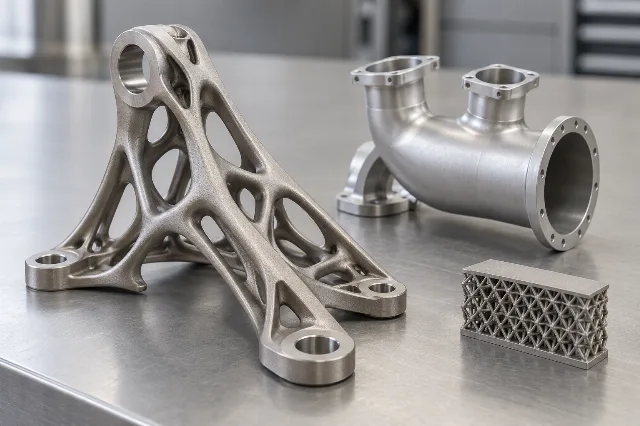
Hohe spezifische Festigkeit für Halter und Schnittstellen; vor dem Flugeinsatz Ermüdung, Baurichtung, Wärmebehandlung und Rückverfolgbarkeit prüfen.
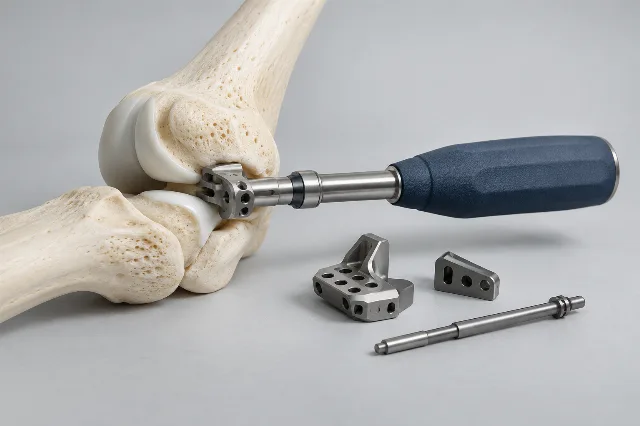
Für Instrumentenbauteile und Vorrichtungen; die Sorte anhand von Korrosion, Sterilisationszyklen und Passivierungsanforderungen wählen.
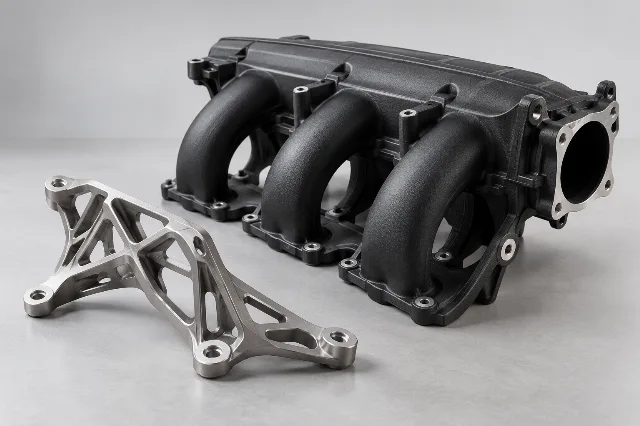
Für leichte Gehäuse und Entwicklungshalter; Schwingungen, Wärmeausdehnung und Lebensdauer der Schraubverbindungen bewerten.
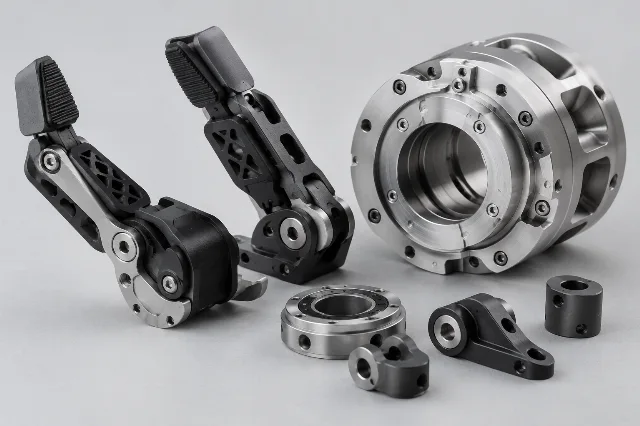
Für Greifer und Kabelführungen; Kriechen, Feuchtigkeit und wiederholtes Biegen bewerten.
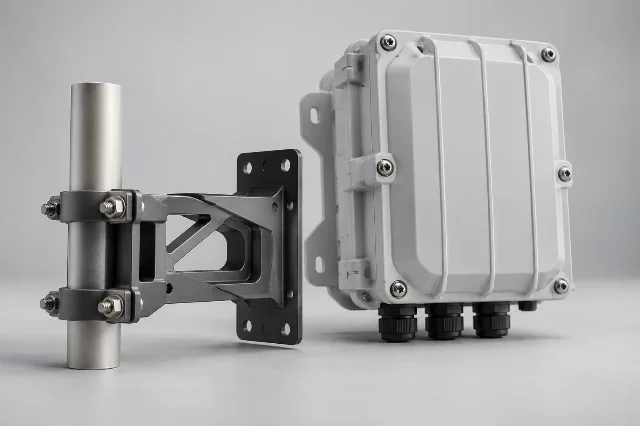
Für thermische und elektrische Schnittstellen; Oxidationsschutz und Kontaktwiderstand prüfen.
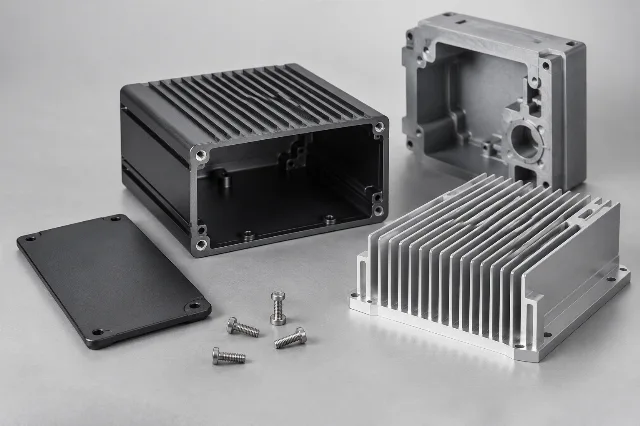
Für Gehäuseprototypen; gewöhnliches ABS belegt weder ESD-Schutz noch eine bestimmte Brandklasse.
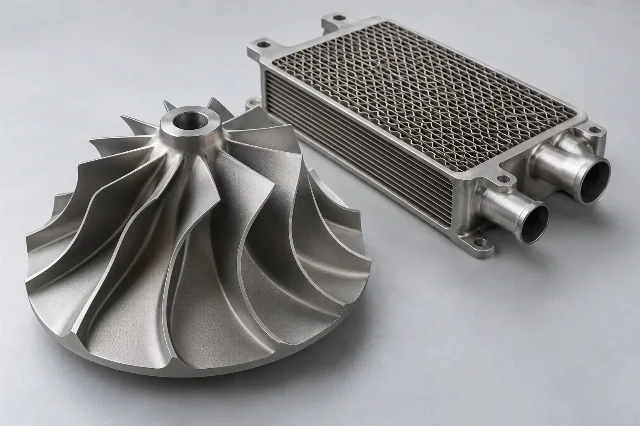
Für strom- und wärmeleitende Teile; Kontaktgeometrie, Beschichtung und zulässige Temperaturerhöhung festlegen.
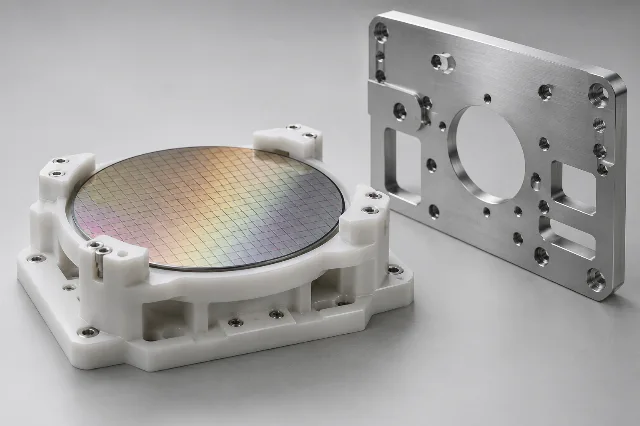
Für isolierende Vorrichtungsteile; Ausgasung, chemische Verträglichkeit und Partikelbildung für den Prozess prüfen.
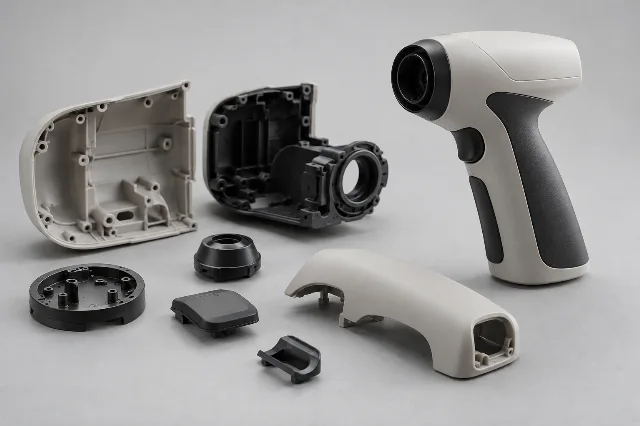
Für Designprototypen und Gehäuse; Textur, Farbe und Montage vor dem Werkzeugbau freigeben.
Wir verwenden Cookies, um Ihre Erfahrung zu personalisieren. Mit der Nutzung stimmen Sie unserer Datenschutzrichtlinie
Akzeptieren