Lead time
From 24–48 hours depending on size

3D-Druck
Extruded thermoplastic layers for rapid, economical prototypes.
Fused Deposition Modeling (FDM) extrudes heated thermoplastic filament in thin beads, stacking layers to form a part. FDM is economical for early prototypes, large bulky geometry, and fixtures where surface cosmetics are secondary to speed and cost.
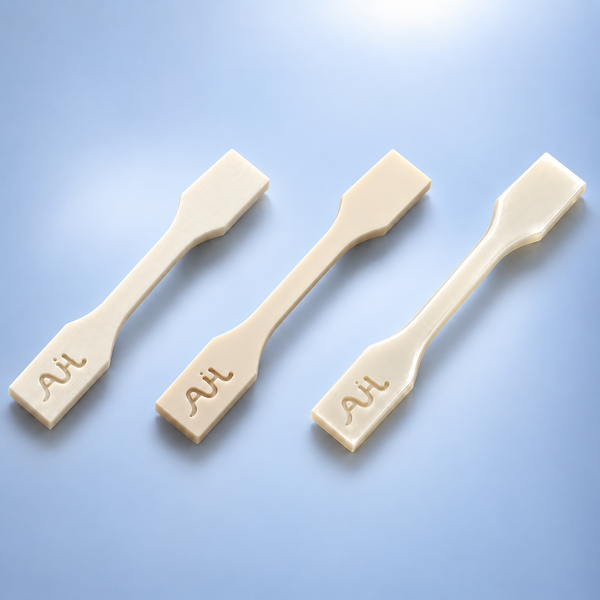
Fused Deposition Modeling pushes a thermoplastic filament through a hot nozzle and stacks beads into a part. It is the fastest way to get a large, cheap shape on the table when layer lines are acceptable.
AIHFABS quotes FDM for jigs, early form-and-fit, and bulky exhibition models. If you need a smooth show face or nylon-level isotropy, move the same file to SLA or SLS instead of sanding for days.
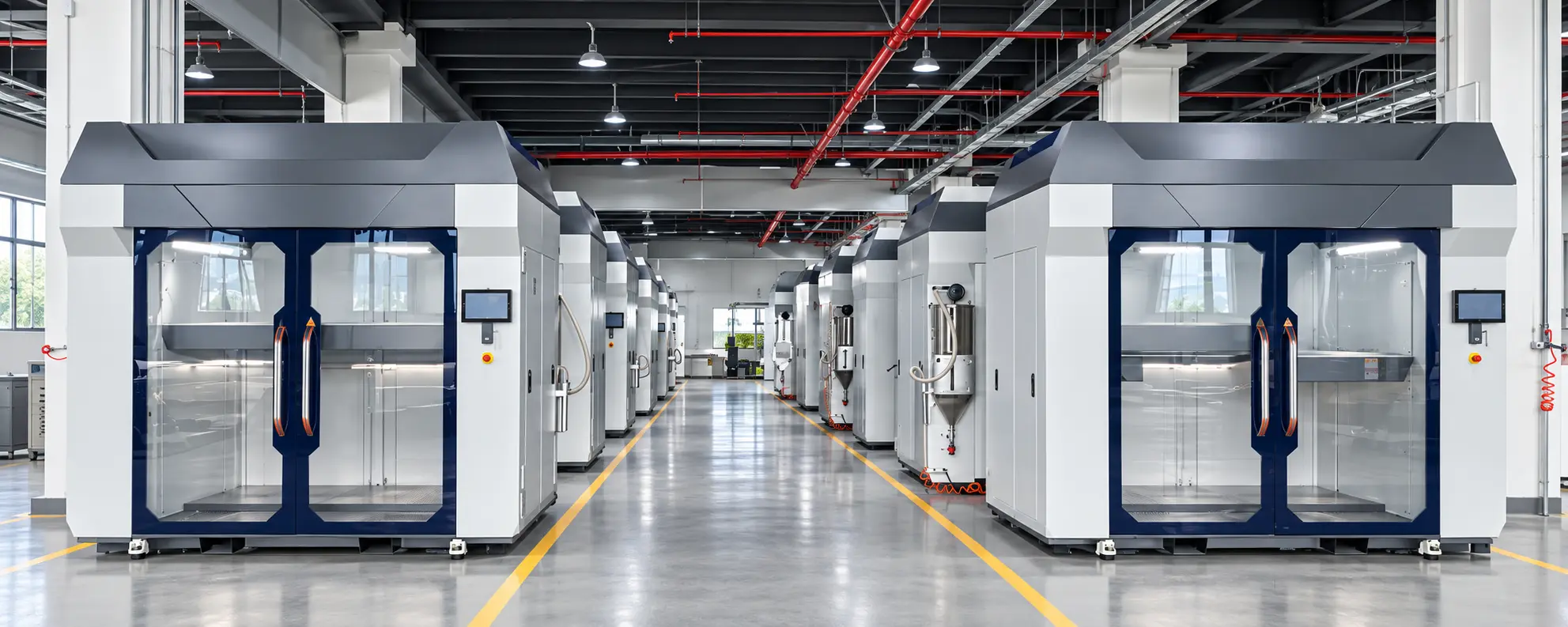
Layer height and envelope vary by cell. Large-format jobs are reviewed before a date is promised.
From 24–48 hours depending on size
±0.5 mm or ±0.5% on FDM-appropriate geometry
Varies by machine; large-format options on request
Visible layer lines; sanding and coating improve appearance
Breakaway or soluble supports on overhangs
PLA, PETG, ABS, ASA, nylon, and carbon-filled blends. Chamber heat is used when the grade needs it.
Layer lines are part of the process. Sand, fill, or coat only the faces that will be seen.
Visible beads. Correct for shop aids, fixtures, and most internal mock-ups.
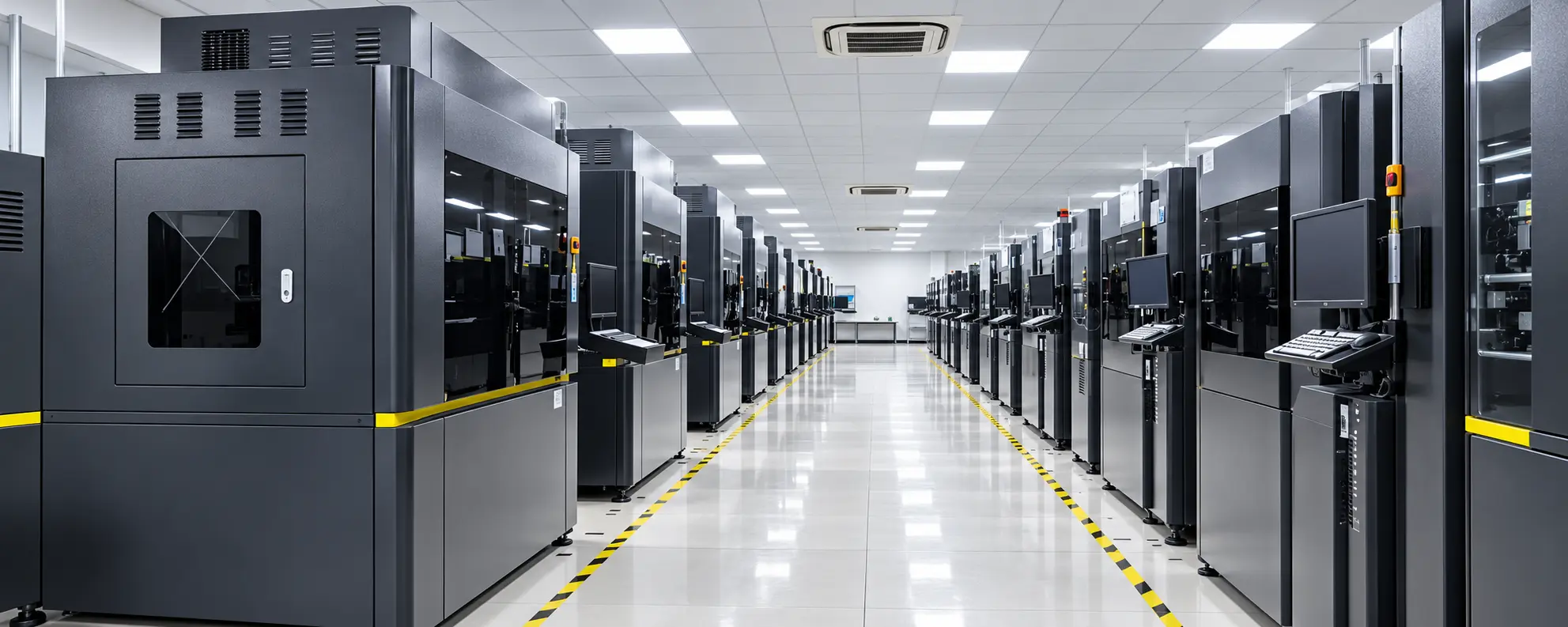
Layer lines knocked down and filled on show faces before paint.
Paint, primer, or tapped inserts after support removal.
FDM is the cost and size lever. Resin and powder beds take over when finish or isotropy matters more than price.
| Verfahren | Lieferzeit | Toleranz | Preis |
|---|---|---|---|
| Selektives Laserschmelzen (SLM)Metal | From 5 business days (express options where available) | ±0.3 mm or ±0.3% (whichever is greater), tighter after machining | Instant quote · typical metal part from $90 |
| Stereolithographie (SLA)Resin | Quoted with your CAD upload | Instant quote · typical resin part from $18 | |
| Digitales Lichtverfahren (DLP)Resin | From 48 hours | ±0.2 mm on supported geometry | Instant quote · typical resin batch from $20 |
| Flüssigkristallanzeige (LCD)Resin | From 48 hours | ±0.2 mm on supported geometry | Instant quote · typical resin part from $16 |
| Selektives Lasersintern (SLS)Plastic powder | From 48 hours express; 72 hours / 5 days standard tiers | ±0.3 mm or ±0.3% | Instant quote · typical nylon part from $28 |
| Multi Jet Fusion (MJF)Plastic powder | From 48 hours express; standard 72 hours / 5 days | ±0.3 mm or ±0.3% | Instant quote · typical PA12 part from $25 |
| Fused Deposition Modeling (FDM)Thermoplastic filament | From 24–48 hours depending on size | ±0.5 mm or ±0.5% on FDM-appropriate geometry | Instant quote · typical prototype from $12 |
Filament is fed through a heated nozzle that deposits beads along slice paths.
The build plate or toolpath strategy supports overhangs with soluble or breakaway structures.
Layers fuse together as they cool; chamber heating improves ABS and nylon performance.
Supports are removed and parts can be sanded, tapped, or bonded.
Orientation, infill, and wall count are set from how the part will be loaded — not from a default slicer profile. Tell us if it is a visual mock or a fixture that will see clamp force.
Supports come off before tap, sand, or coat. Soluble supports are used when the overhang would scar a show face.
Orient for strength and for the faces you refuse to sand.
| Feature | Recommended practice |
|---|---|
| Orientation | Keep cosmetic faces off support interfaces when you can. |
| Fillets | Add fillets on load-bearing corners; sharp notches crack along layers. |
| Infill & walls | Say if the part is loaded — we will raise walls and infill instead of guessing. |
| Overhangs | Expect breakaway or soluble supports below about 45°. |
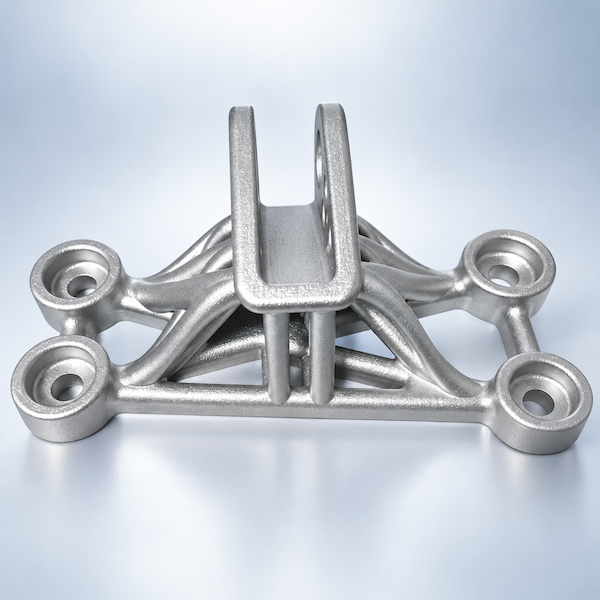
Selective Laser Melting (SLM) is a powder-bed metal additive process. A high-power laser scans each cross-section of your CAD model, melting metal powder that solidifies into a dense part.
Prozessdetails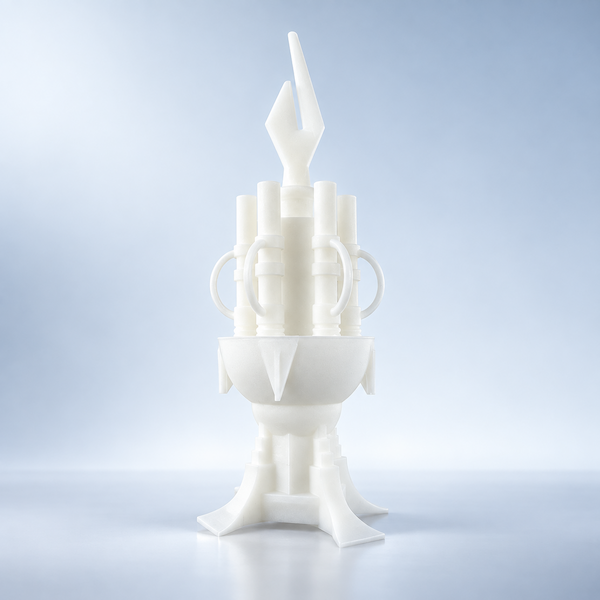
Stereolithography (SLA) cures liquid photopolymer with a precision UV laser, building parts layer by layer.
Prozessdetails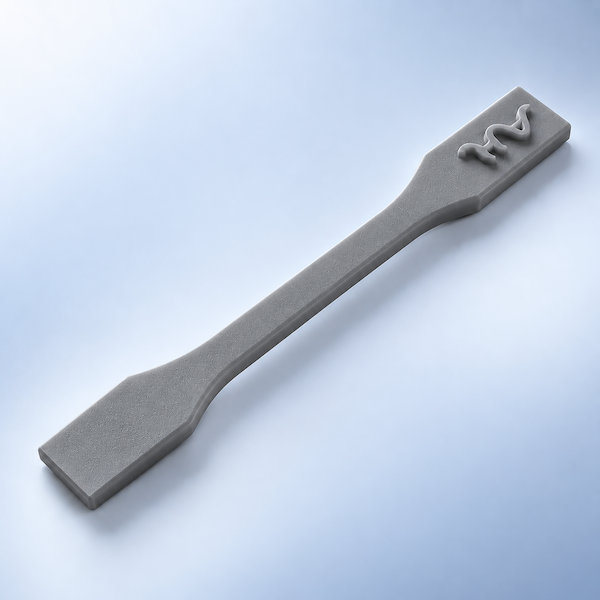
Digital Light Processing (DLP) solidifies an entire layer of photopolymer at once using a projected image.
ProzessdetailsEarly form-and-fit, large bulky geometry, and shop aids where layer lines are acceptable and cost matters.
About ±0.5 mm or ±0.5% on FDM-appropriate geometry. Fine fits belong on CNC or powder-bed nylon.
PLA, ABS, PETG, ASA, nylon, and carbon-filled blends. Tell us about heat, UV, and outdoors.
Yes — large-format cells are available. Envelope is confirmed after we open the file.
Many jobs leave in 24–48 hours depending on size and finish.
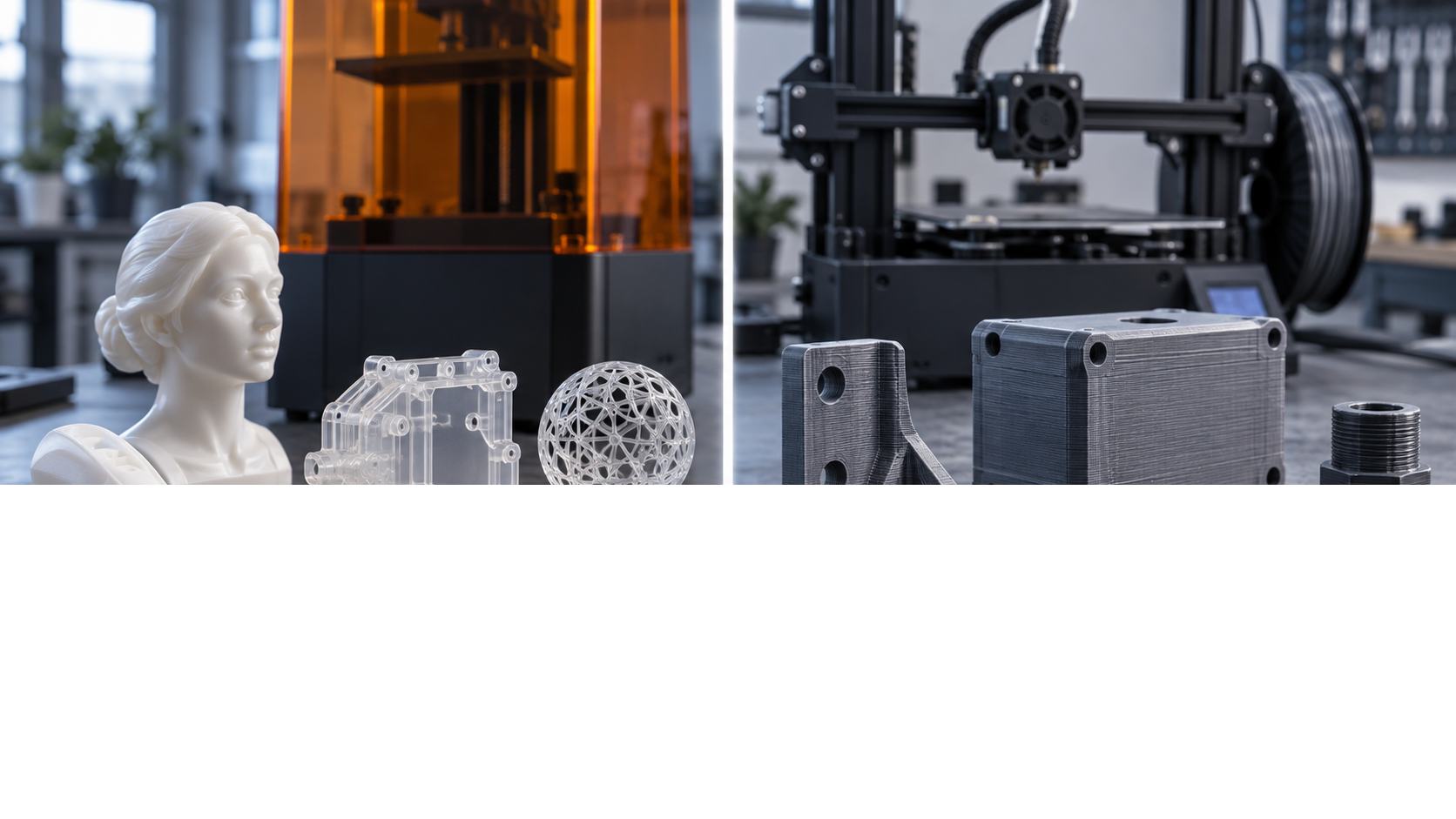
Compare SLA and FDM 3D printing for surface quality and fine details. Learn which technology suits smooth finishes, tight tolerances, and intricate geometries in prototyping and en
Prozessdetails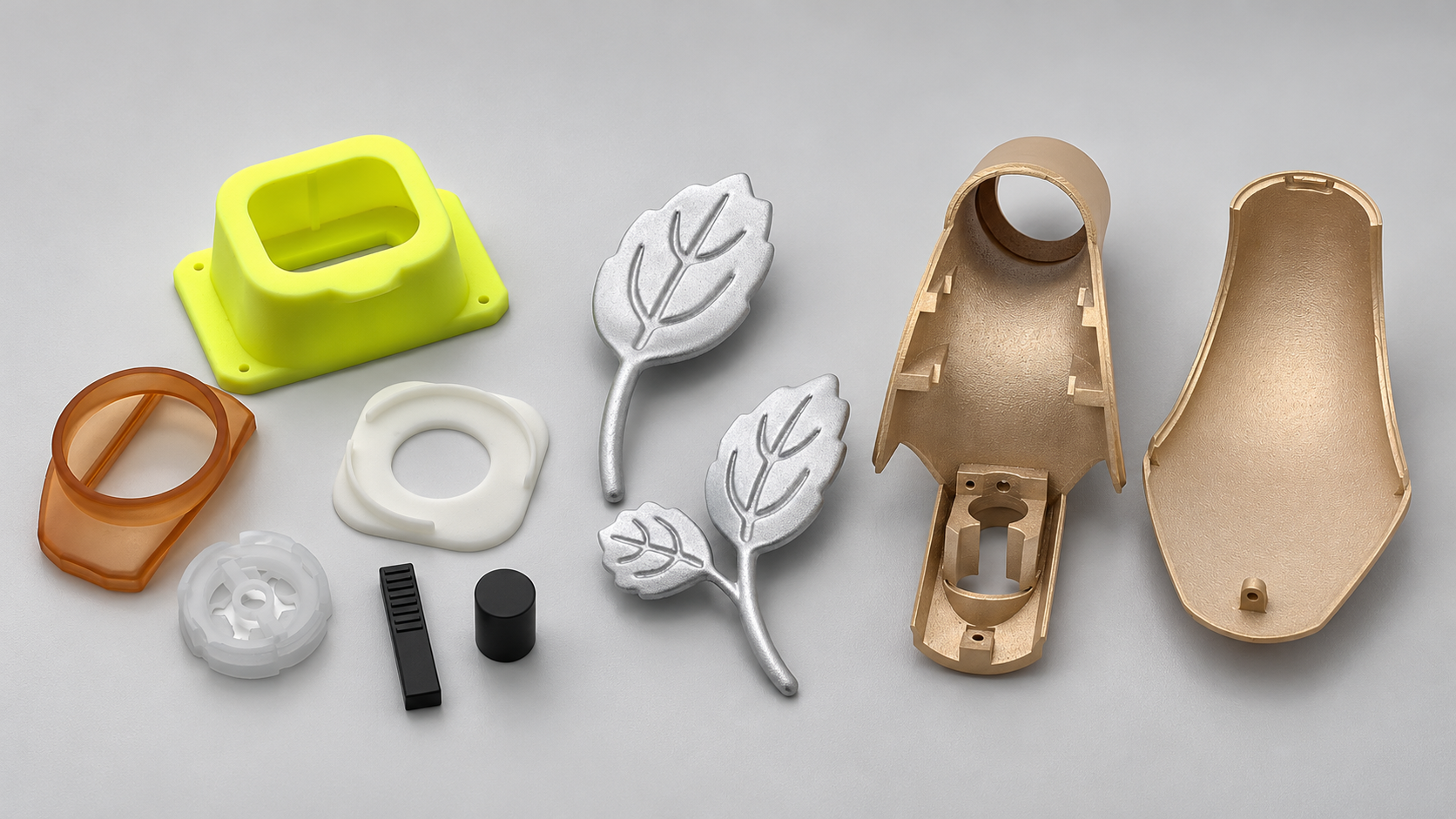
Compare SLA with DLP, LCD, FDM, SLS, MJF, SLM, and CNC machining. Shortlist processes by material, geometry, finish, cost, and your part's intended use.
Prozessdetails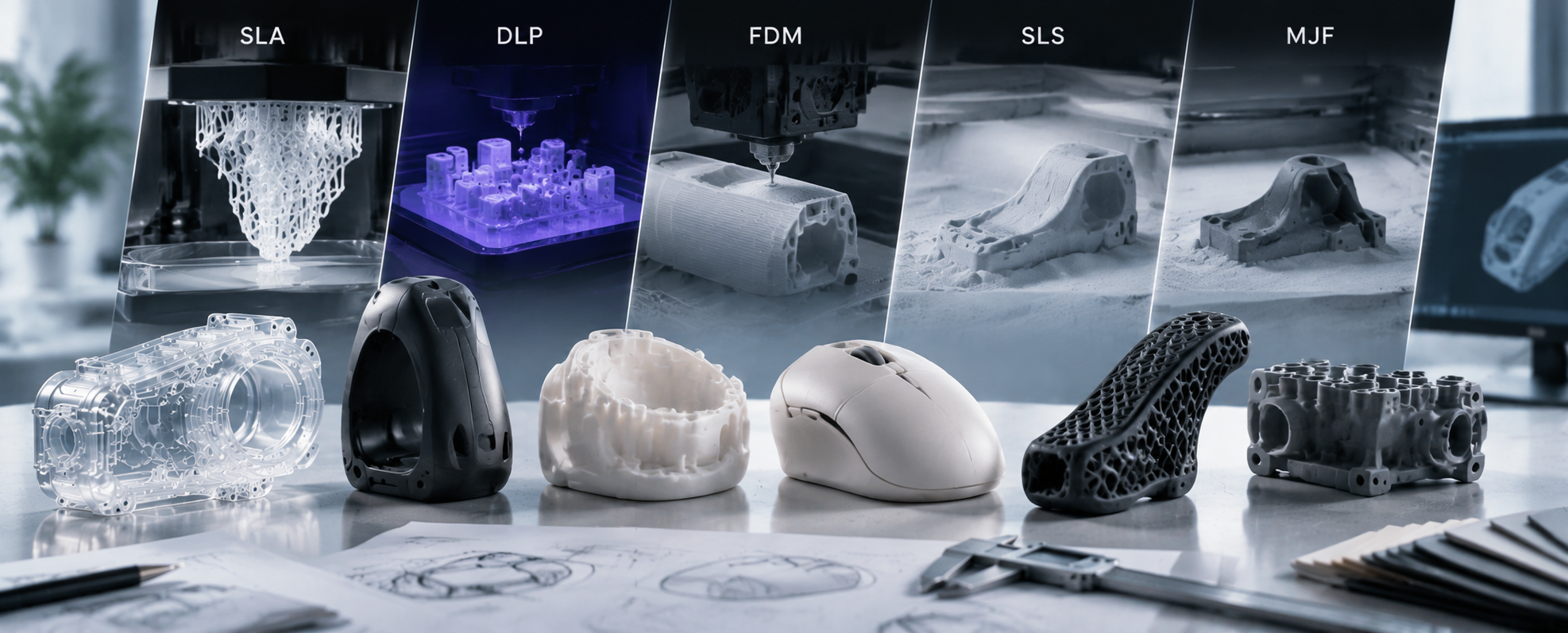
Learn how to choose the right 3D printing process for cosmetic prototype parts. Compare SLA, DLP, FDM, SLS, and MJF for surface quality, detail, fit, and finishing.
Prozessdetails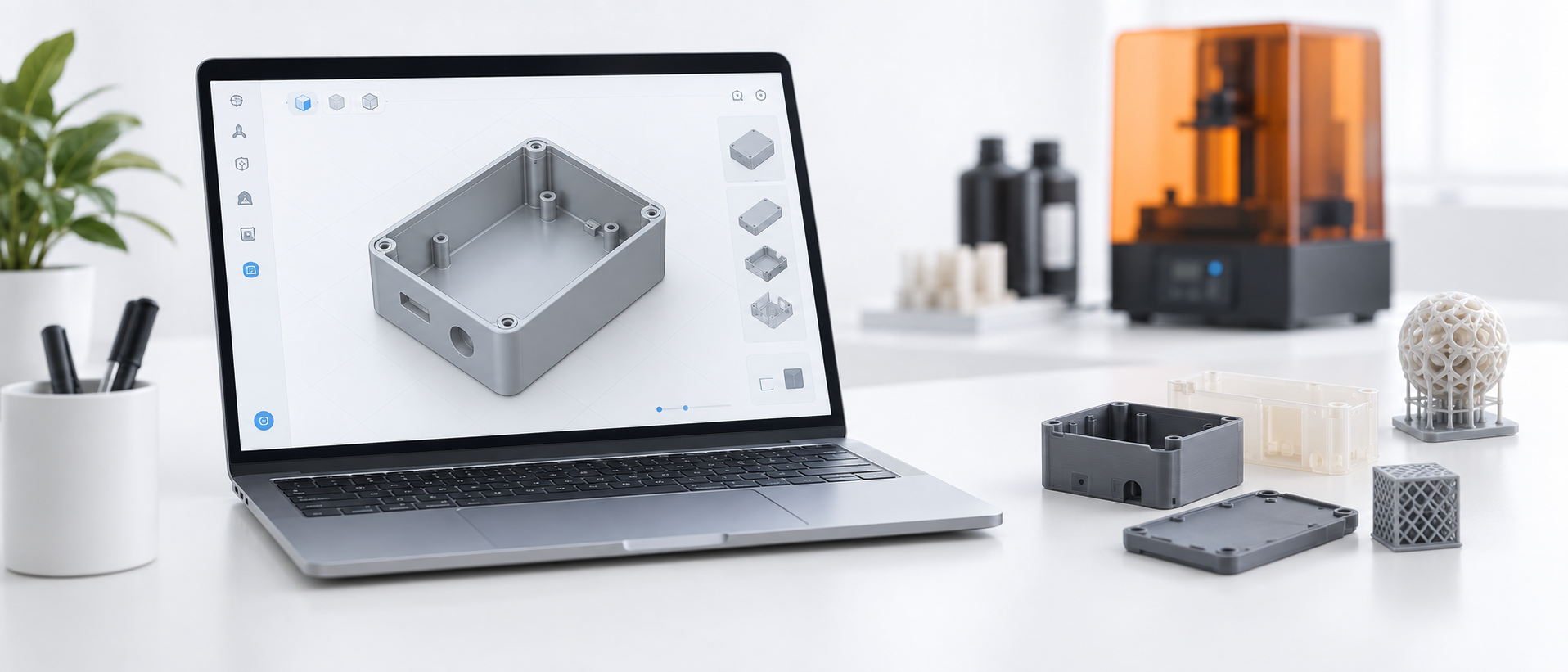
Step-by-step guide to uploading STL and STEP files for instant resin 3D printing quotes. Learn file preparation, unit settings, wall thickness, orientation, and how to read quote r
ProzessdetailsUse these process-specific checks when preparing your model, drawing and quote request. The confirmed quotation and approved drawing define the requirements for your part.
FDM parts are built from deposited roads and layers. Show the direction of load and the environment so orientation, wall strategy and material can be reviewed together. ABS and PETG are different materials; neither should be selected by appearance alone.
Support-facing surfaces can have a different texture and accuracy from accessible walls. Consider splitting a large part into an assembly when support removal is difficult. Specify inserts and threaded interfaces early, and state whether the part is a visual model or working fixture.
Confirm filament grade, build orientation where function depends on it, visible layer texture and required assembly fit. Discuss heat exposure and sustained load before using a printed fixture in production.
AIHFABS kalkuliert kundenspezifischen 3D-Druck und CNC aus einem CAD-Upload. Vergleichen Sie SLA, SLS, MJF, SLM, FDM, DLP, Fräsen und Drehen und fügen Sie Dampfglätten, Färben, Eloxieren, Polieren oder Pulverbeschichten derselben Bestellung hinzu.
Sofortangebote eignen sich für Prototypen, Vorrichtungen, Gehäuse und Kleinserien. Werkstoff, Verfahren, Menge und Lieferzeit stehen zusammen.
Werkstoff, Verfahren, Menge und Lieferzeit stehen zusammen, damit Konstruktionsänderungen keine neue Lieferantenrunde auslösen.
STL, STEP und gängige CAD-Formate für ein Online-Angebot hochladen.
3D-Drucktechnologien und CNC am gleichen Teil vergleichen.
Polymere oder Metalle wählen und bei Bedarf 3D-Plus-Hardware-Finish hinzufügen.
Preis und Lieferzeit vor dem Checkout prüfen oder ein manuelles Angebot anfordern.
Beschreibt diese Seite ein Verfahren, eine Branche oder ein Musterteil, starten Sie mit dem Upload und stimmen Sie Technologie plus Finish auf Ihre Zeichnung ab.
Wir verwenden Cookies, um Ihre Erfahrung zu personalisieren. Mit der Nutzung stimmen Sie unserer Datenschutzrichtlinie
Akzeptieren