CNC加工
CNC Machining Services
CNC machining removes material from solid stock with computer-controlled mills, lathes, and multi-axis centers.
创建报价
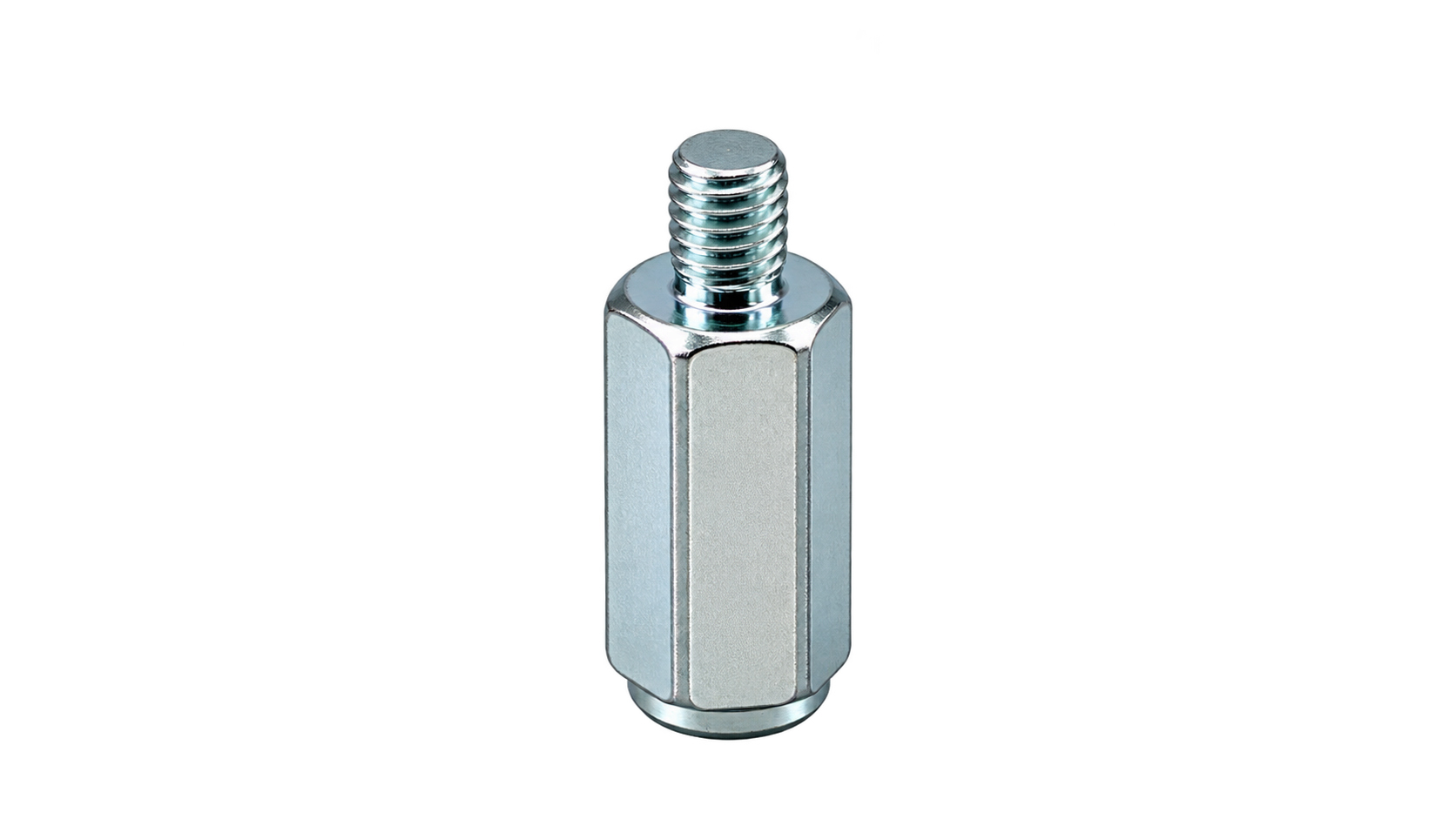
An aerospace components manufacturer needed to prototype high-strength metal bolts for a new engine mounting system. Traditional CNC machining from solid billet was too expensive ($80–$120 per unit) and required lengthy lead times (3–4 weeks) for each design iteration. The engineering team needed a solution that could produce dense, mechanically robust metal fasteners quickly and affordably, while meeting strict tolerance and material certification requirements for flight-critical applications.
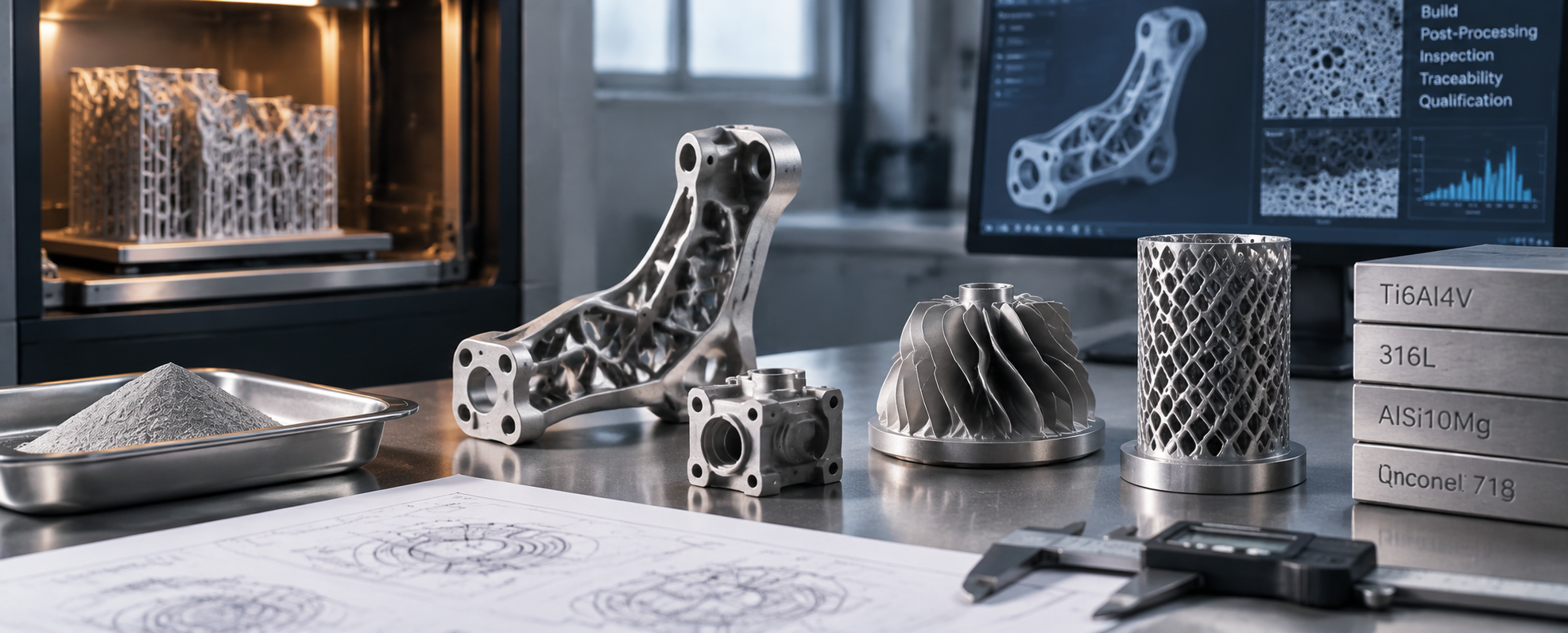
The team adopted Selective Laser Melting (SLM) via metal 3D printing as the primary manufacturing route for its ability to produce fully dense metal parts with complex geometries that are difficult or impossible to machine from solid stock. Key steps included:
1. Design for Manufacturability (DFM): Engineers redesigned bolt geometries to optimize build orientation, minimizing support structures on critical thread surfaces. Strategic support placement ensured powder escape paths while preserving dimensional accuracy on mating faces.
2. Rapid Prototyping Workflow: SLM printers produced batches of metal bolts in 5–7 business days — 60% faster than traditional CNC machining which required 2–3 weeks for tooling setup and machining. Layer-by-layer construction eliminated the need for custom tooling.
3. Cost Efficiency: Metal powder costs (~$80–$150/kg depending on alloy) combined with optimized build layouts reduced per-unit cost to $25–$45, compared to $80–$120 for CNC-machined equivalents. No mold or tooling costs were required.
SLM metal printing introduces unique post-processing challenges for precision fasteners. The primary hurdles included:
• Support Removal: Metal supports attached to thread profiles and bearing surfaces required careful manual removal using precision tools. Over-aggressive removal risked damaging critical thread geometries. Solutions included optimizing support density (reducing contact points) and using breakaway support designs that fracture cleanly at predefined interfaces.
• Heat Treatment & Stress Relief: Residual stresses from the rapid thermal cycle could cause distortion in thin-thread features. Post-build heat treatment (solution annealing + aging for aluminum, stress relief for stainless steel) was integrated into the workflow, reducing dimensional drift by 70%.
• Surface Finishing: The as-built SLM surface has a grainy metallic finish (Ra 6–10 µm). For bolt threads requiring smooth engagement, secondary CNC threading or tapping was applied to critical interfaces. Show surfaces received bead blasting or polishing to achieve desired aesthetics.
• Material Validation: Testing Aluminum 6061 and Stainless Steel 316L bolts confirmed tensile strengths exceeding 300 MPa and 500 MPa respectively, meeting aerospace material specifications for functional prototypes.
• Speed: Prototype turnaround time reduced from 3–4 weeks to 5–7 business days, enabling rapid design iterations and same-project-cycle revisions.
• Cost Savings: Annual prototyping costs dropped by 55% ($48,000 → $21,600) due to eliminated tooling costs, reduced material waste, and faster production cycles.
• Performance: SLM metal bolts achieved ±0.3mm dimensional tolerance (±0.3% on critical features), passed 500-hour salt spray corrosion tests (316L), and demonstrated near-forged mechanical properties — meeting client specifications for flight-critical functional testing.
Title: “Strong, Dense, Precise: SLM Metal 3D Printing for Functional Fasteners”
• Strength: Near-full density (>99.5%) metal parts with tensile strengths rivaling forged equivalents.
• Cost: No tooling costs, reduced material waste. Per-unit cost drops to $25–$45 vs. $80–$120 for CNC.
• Precision: ±0.3mm tolerance on as-built geometry; tighter fits achievable via secondary machining.
• Complexity: Internal channels, lightweight lattices, and consolidated assemblies impossible with subtractive methods.
• Near-full density: Suitable for structural and end-use metal components.
• Design freedom: Consolidate assemblies, embed cooling paths, create lightweight lattices.
• Broad material portfolio: Aluminum, titanium, stainless steel, and nickel alloys.
• On-demand production: No minimum lot size. Print one piece or a short run — change the file between batches without tooling. Learn more about metal 3D printing solutions.
Our DFM guidelines ensure functional, presentation-ready metal parts:
• Optimize build orientation to minimize support on critical surfaces.
• Plan powder escape paths for internal channels and blind cavities.
• Integrate heat treatment and secondary machining into the build route.
• Leverage bead blasting, polishing, or CNC finishing for show surfaces.

3D 打印与 CNC 写在同一张报价上。打开一种工艺,再上传 CAD。
CNC machining removes material from solid stock with computer-controlled mills, lathes, and multi-axis centers.
创建报价
CNC Milling Services use computer numerical control (CNC) mills to cut workpieces with rotating tools according to programmed toolpaths.
创建报价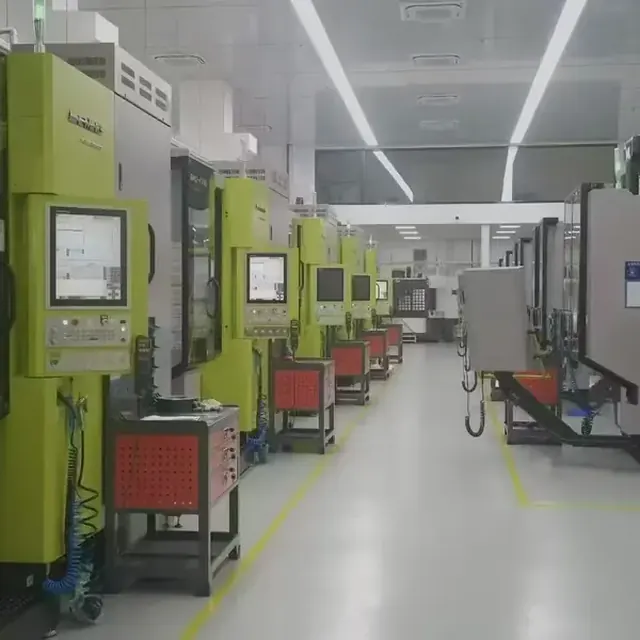
CNC Turning Services use computer numerical control lathes to remove material while the workpiece rotates at high speed and the cutting tool feeds along a set path.
创建报价
CNC Routing Services use computer numerical control (CNC) routers with high-speed rotating bits to cut, engrave, drill, and shape materials.
创建报价树脂、尼龙、金属等。每张卡片跳到材料目录对应行。

工艺、后处理和文件注意事项,来自车间,不是营销软文。
按主题查看公司、付款、物流和工艺说明。
Questions about 3D printing processes, materials, MOQ, samples, and custom projects.
Production lead times, shipping options, and order tracking.

Post-processing, finishing, and OEM customization via 3D Plus™.
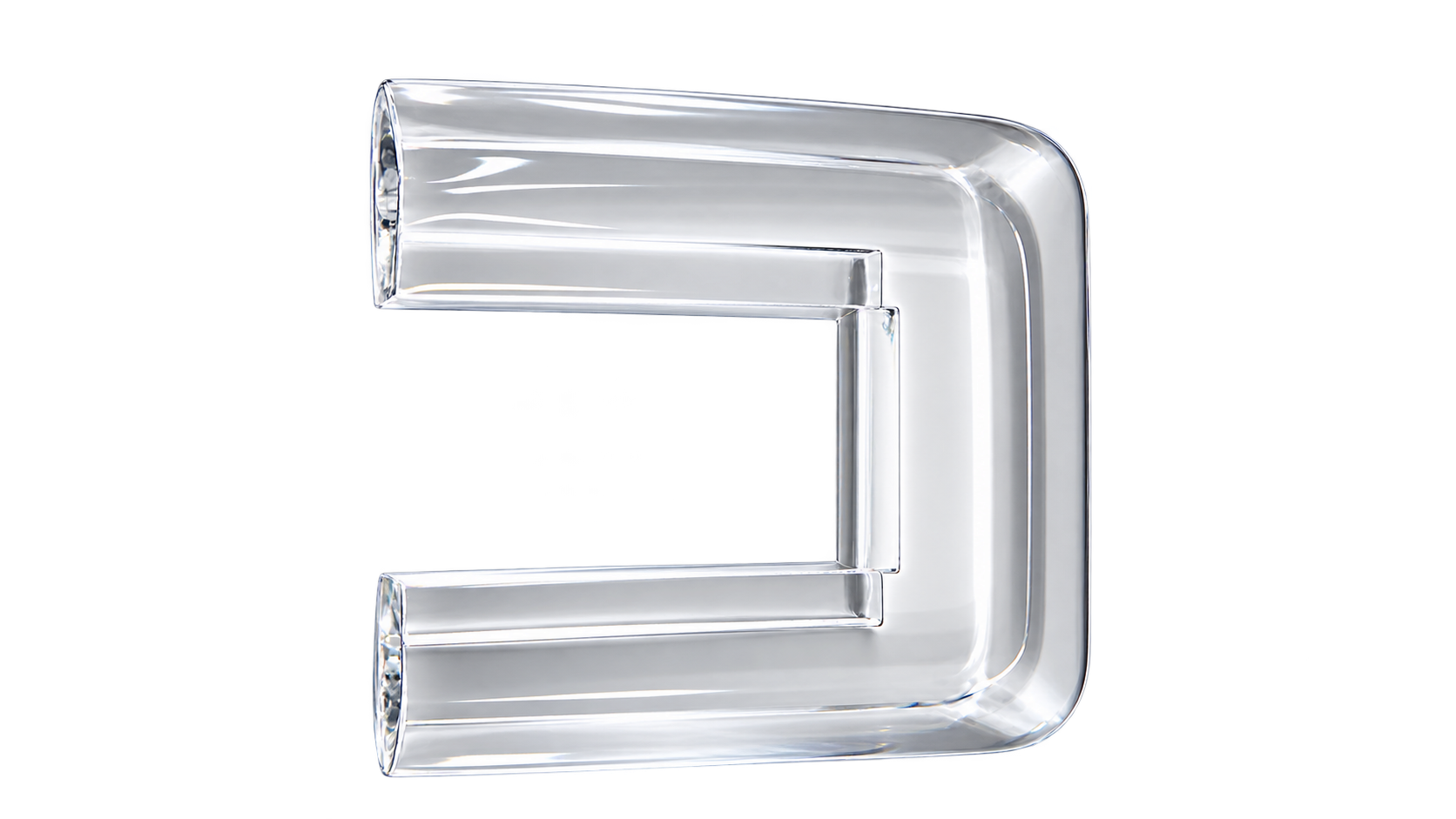
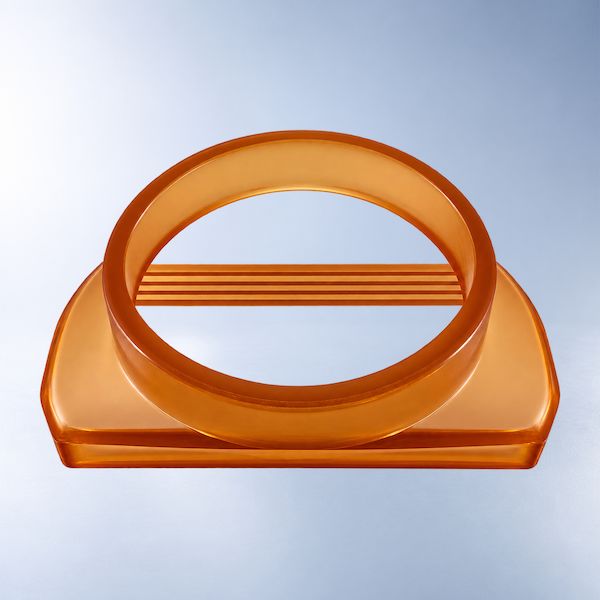
This case study demonstrates the effective application of High-Transparency Clear Resin and Translucent Resin in the rapid prototyping of complex medical fluidic components. Addressing the limitations of traditional machining and standard photopolymers, the project leveraged high-precision Stereolithography (SLA) technology to produce parts with superior optical properties and mechanical durability. The use of clear resin enabled direct visual validation of internal flow dynamics, while transluc
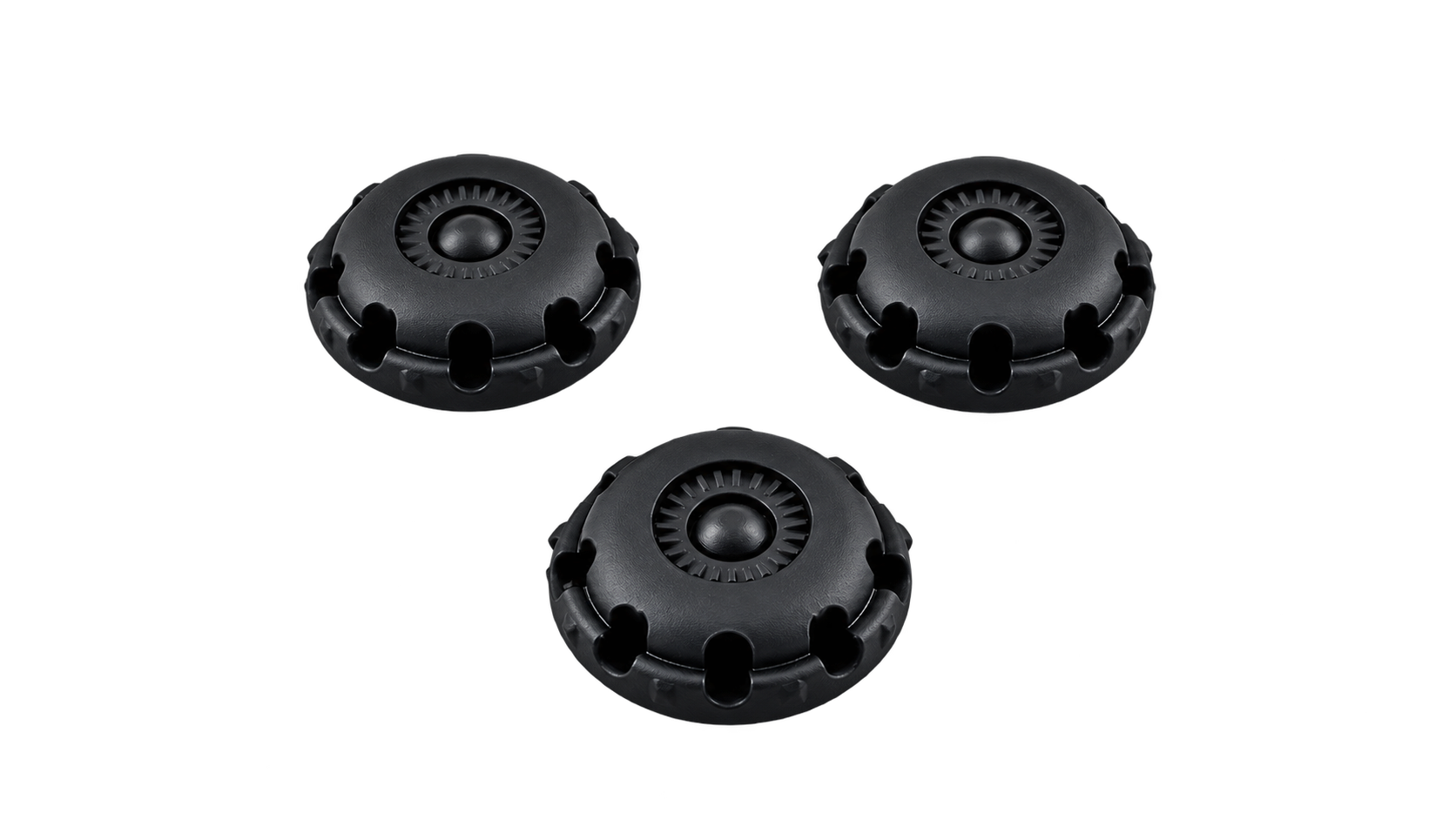
This case study presents the successful application of Nylon-Like Resin "Tus" in the rapid prototyping of functional snap-fit enclosures for a ruggedized wearable device. Facing the challenges of high tooling costs for traditional injection molding and insufficient mechanical performance of standard 3D printing resins, the engineering team leveraged the superior toughness and fatigue resistance of the Tus resin processed via High-Resolution Stereolithography (SLA). The printed components demonst
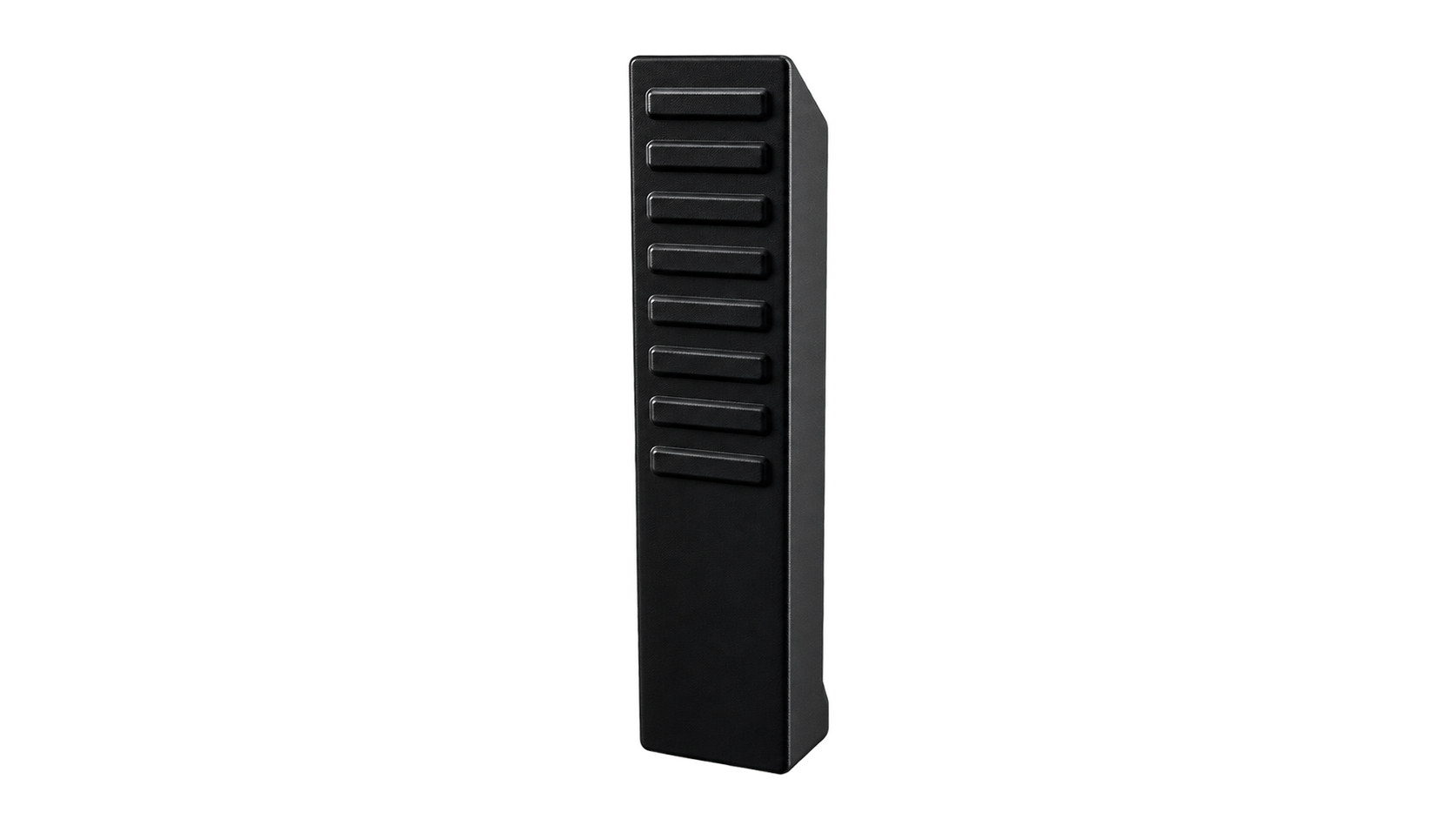
This case study presents the successful application of the Special Black Resin N9 Process in manufacturing high-precision structural brackets for a next-generation drone platform. Addressing the challenges of cost-prohibitive CNC machining for low-volume production and insufficient mechanical performance of conventional 3D printing resins, the engineering team leveraged a proprietary high-performance resin optimized for stereolithography (SLA) additive manufacturing. The N9 resin delivered excep
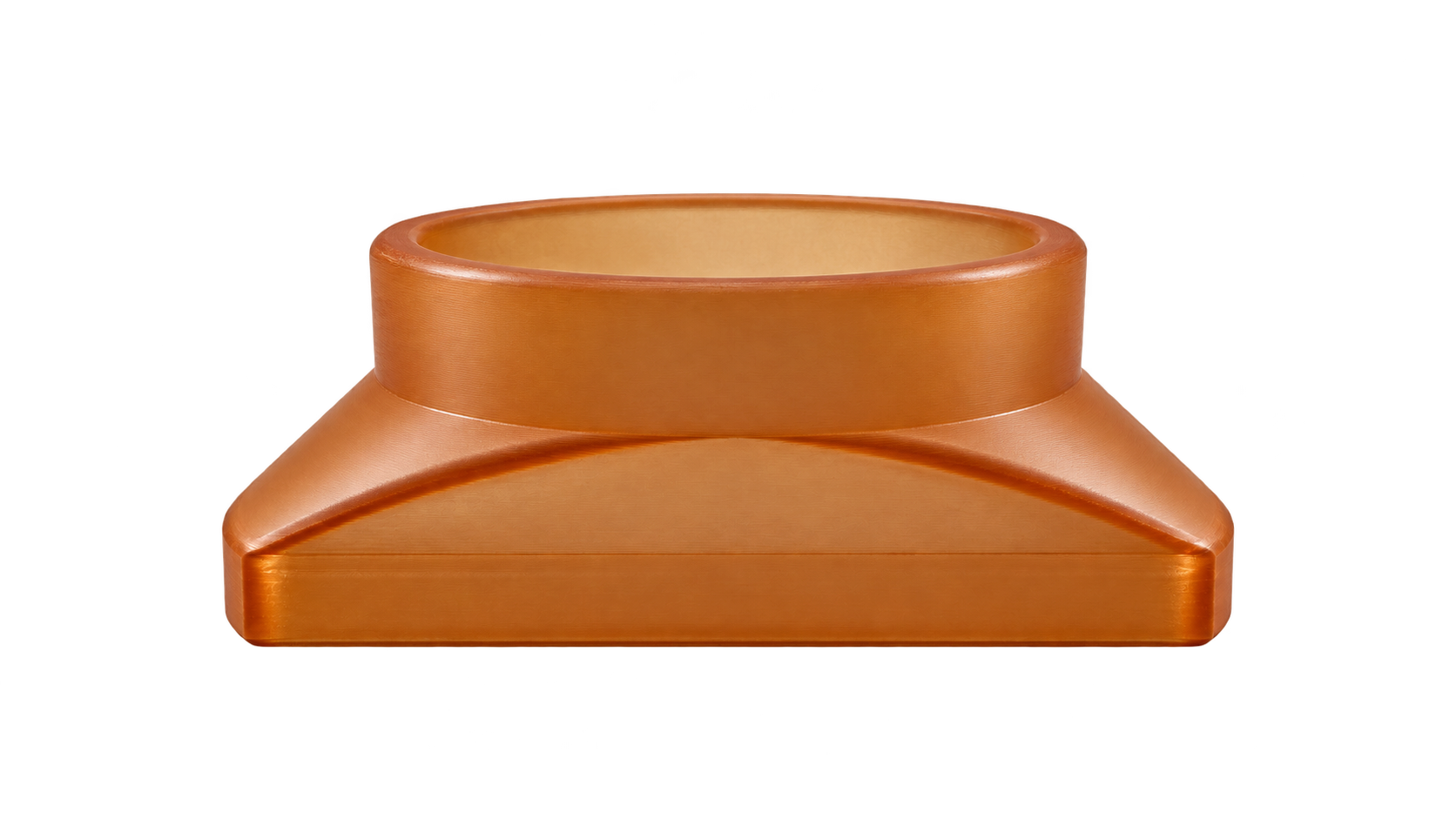
This case study highlights the successful application of high-temperature resistant resin in manufacturing complex manifold connectors for industrial fluid systems. Leveraging stereolithography (SLA) additive manufacturing, the project overcomes the limitations of traditional molding for low-volume prototyping. The specialized resin formulation demonstrated exceptional thermal stability at 160°C and chemical resistance, enabling rapid design iteration and functional validation without expensive
我们使用 cookie 优化体验。继续使用即表示您同意我们的 隐私政策
接受