Complex brackets and integrated structures
Define the required fit, finish and working environment. Include the intended test or acceptance criteria with your model.

AIHFABS MATERIAL GUIDE
Select metal additive materials around geometry, service conditions and the complete finishing route.
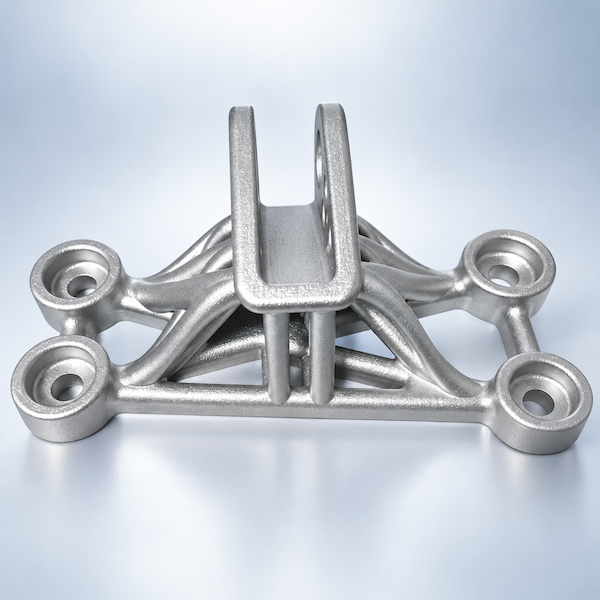
Metal printing can produce geometries that are difficult to machine as one piece, including internal passages and integrated structures. Choosing an alloy is only the start: support removal, heat treatment, machining and inspection define how the finished part will be accepted.
START WITH THE APPLICATION
Use the application to shortlist a grade, then confirm the exact requirements against the part design and operating conditions.
Define the required fit, finish and working environment. Include the intended test or acceptance criteria with your model.
Define the required fit, finish and working environment. Include the intended test or acceptance criteria with your model.
Define the required fit, finish and working environment. Include the intended test or acceptance criteria with your model.
DESIGN & MANUFACTURING
COMPARE THE AVAILABLE GRADES
SLM
The printed part of Aluminum AlSi10Mg has a high strength-to-weight ratio and good thermal properties and is ideal for aerospace, automotive, and industrial applications such as turbine blades, engine blocks, enclosures, and jigs/fixtures.
View material details →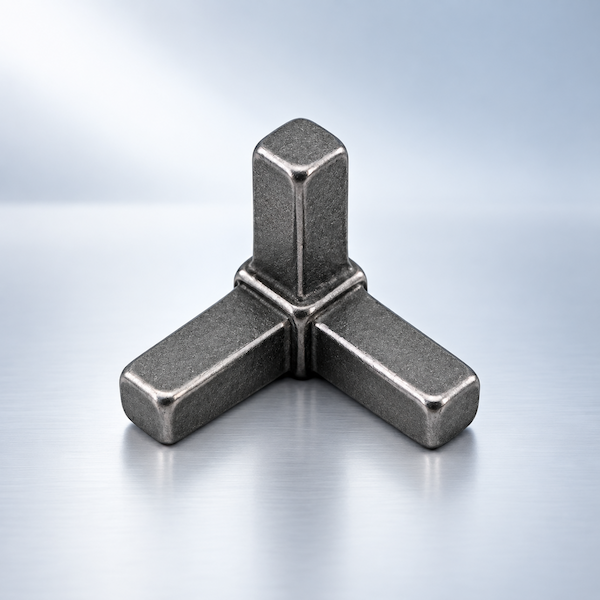
SLM
The printed part of Aluminum 6061 has excellent weldability, corrosion resistance and balanced mechanical properties and is ideal for structural components, automotive parts, marine hardware, and aerospace applications requiring lightweight durability.
View material details →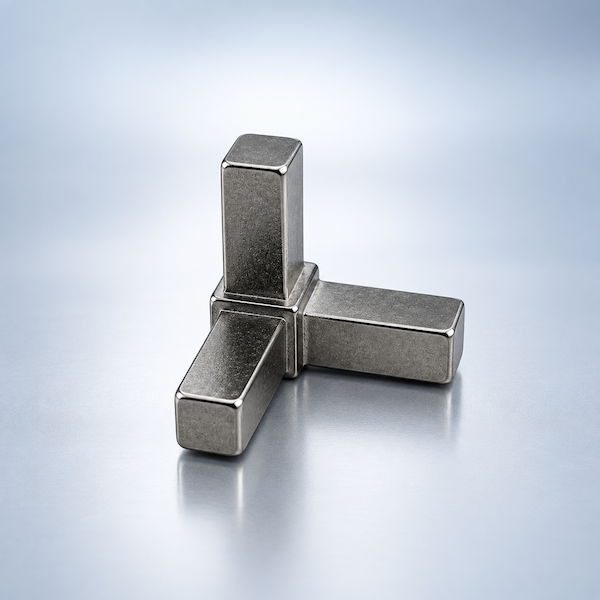
SLM
The printed part of 316L Stainless Steel has exceptional corrosion resistance, biocompatibility and mechanical strength and is ideal for medical implants, marine hardware, chemical processing equipment, and food-grade applications.
View material details →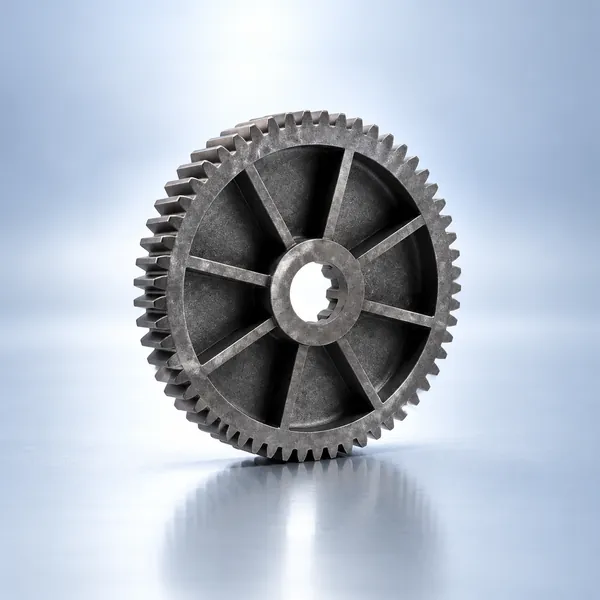
SLM
The printed part of 17-4 PH stainless steel has high strength, good corrosion resistance and excellent mechanical properties at high temperatures and is ideal for valves and fittings, gas turbines, mechanical seals, pump shafts, and landing gears.
View material details →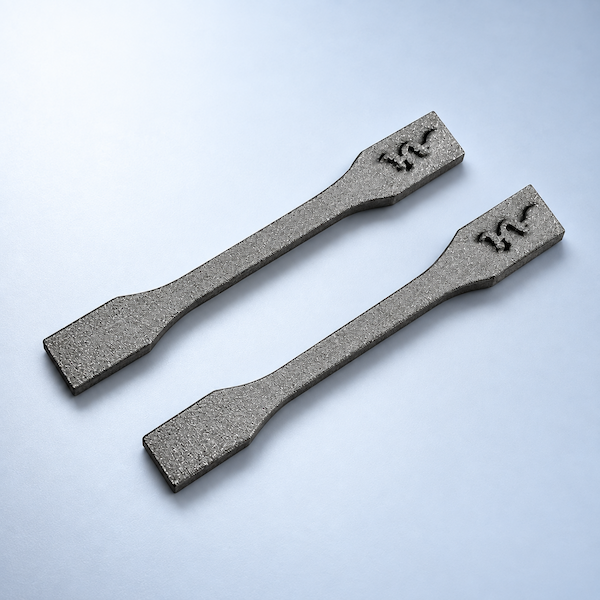
SLM
The printed part of 18Ni300 Maraging Steel has high tensile strength, excellent toughness, and good machinability, making it ideal for applications such as landing gears, rocket motor cases, shafts, bearings, load cells, and injection molds.
View material details →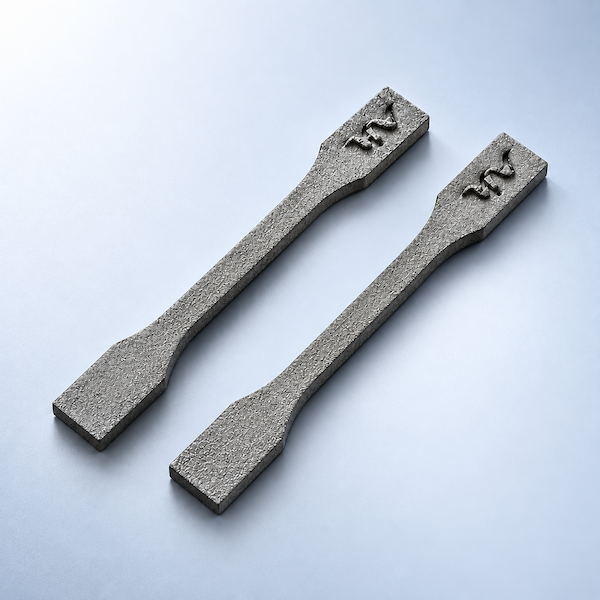
SLM
The printed part of Inconel 718 has outstanding high-temperature strength, excellent corrosion and oxidation resistance, and exceptional durability under extreme conditions, making it ideal for aerospace components, turbine engines, and other high-performance industrial applications.
View material details →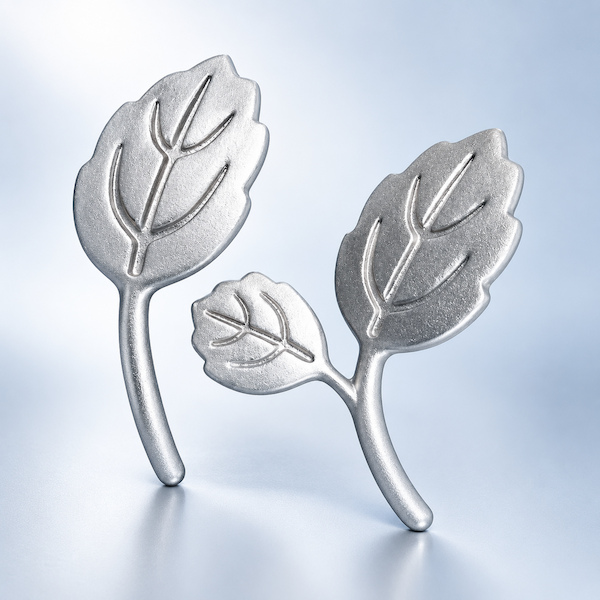
SLM
The printed part of Titanium Ti64 has a high strength-to-weight ratio, excellent corrosion resistance and good high-temperature performance and is ideal for turbine blades, engine parts, implants, surgical instruments, exhaust systems, and suspension parts.
View material details →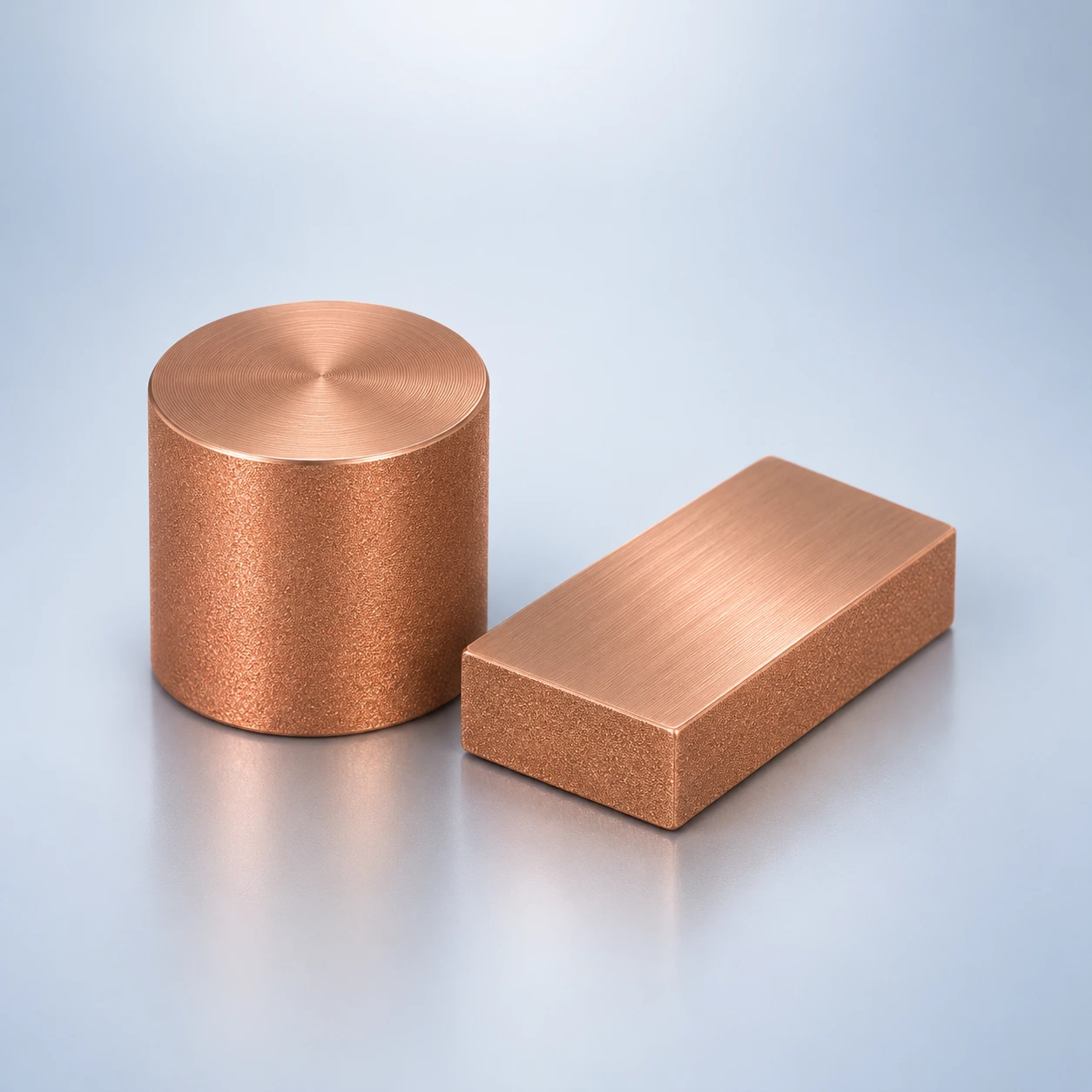
SLM
Copper alloy is available for SLM 3D printing at AIHFABS. Consider it for thermal management, heat-transfer or electrically conductive parts. Match the alloy grade to the required conductivity, strength and operating conditions before specifying the material.
View material details →MATERIAL QUESTIONS
Some applications need secondary machining, heat treatment or surface finishing. Define the delivered condition and critical interfaces in the quotation.
Review material equivalence, load paths, surface condition and inspection requirements first. A matching shape alone does not establish equivalent performance.
Send CAD, a drawing identifying critical dimensions, alloy requirements, quantity and intended use. Include any heat treatment and inspection requirements.
FROM THE AIHFABS BLOG
In the world of advanced manufacturing, Metal 3D Printing is revolutionizing how we build everything from aerospace components to medical implants. But the journey from a digital f
Read article →Evaluate SLM suppliers with an evidence-based checklist covering material traceability, process capability, post-processing, inspection, and procurement decisions for functional me
Read article →For low-volume metal parts, choosing SLM vs CNC is a system decision. SLM excels in complex geometry like internal channels and part consolidation. CNC suits simpler shapes and fin
Read article →Upload CAD for a quote, or share the complete requirements for a material and manufacturing review.
選擇材料牌號與製造製程前,請先確認實際應用需求。
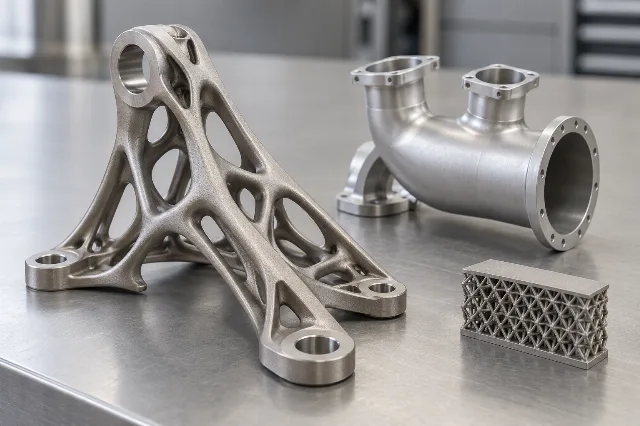
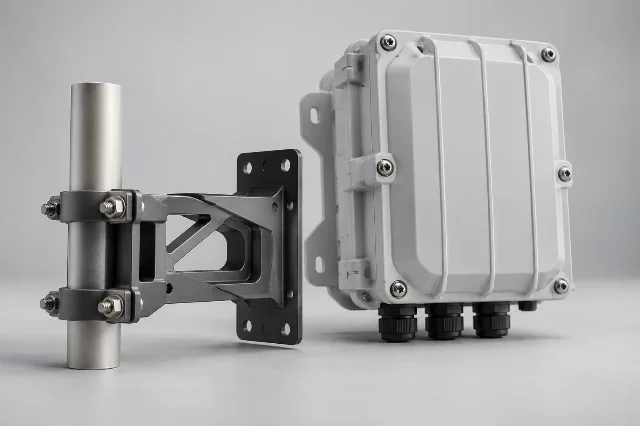
適用於支架及連接部件,具有較高比強度;用於飛行零件前,需審查疲勞、成形方向、熱處理與材料可追溯性。
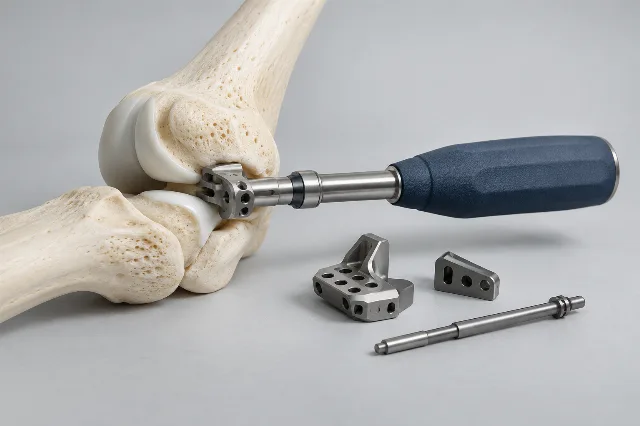
適用於器械五金與夾具;選材時應考量腐蝕、滅菌循環與鈍化要求。
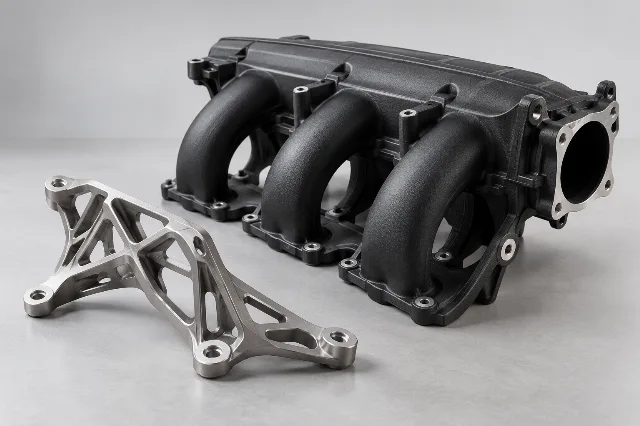
適用於輕量化外殼與研發支架;需評估振動、熱膨脹與螺紋連接的耐久性。
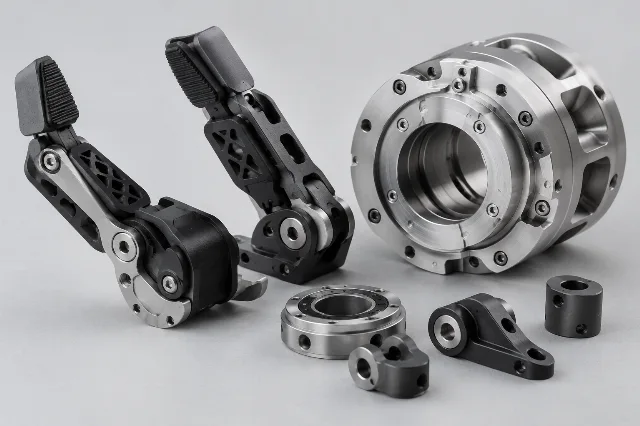
適用於夾爪與線纜導向件;需評估潛變、濕度影響與反覆彎曲。
適用於導熱與導電介面;需審查防氧化措施與接觸電阻。
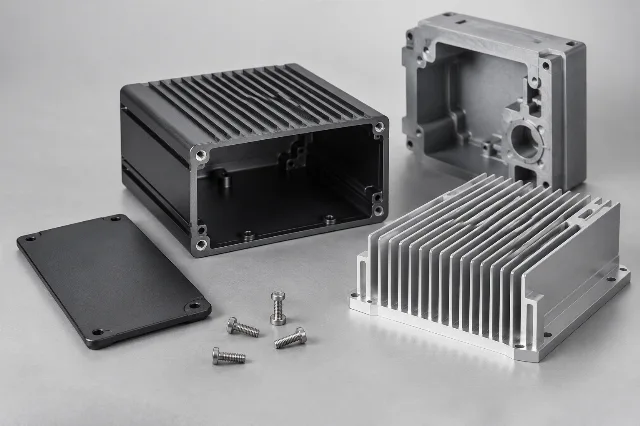
適用於外殼原型;一般 ABS 本身不能證明具有靜電防護能力或特定阻燃等級。
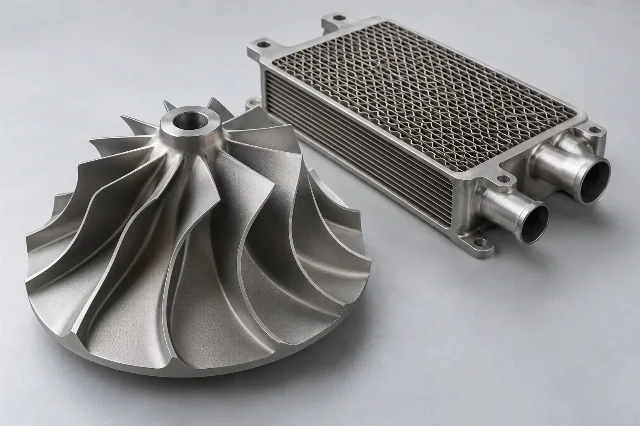
適用於導電與導熱零件;需明確訂定接觸結構、鍍層與溫升驗收標準。
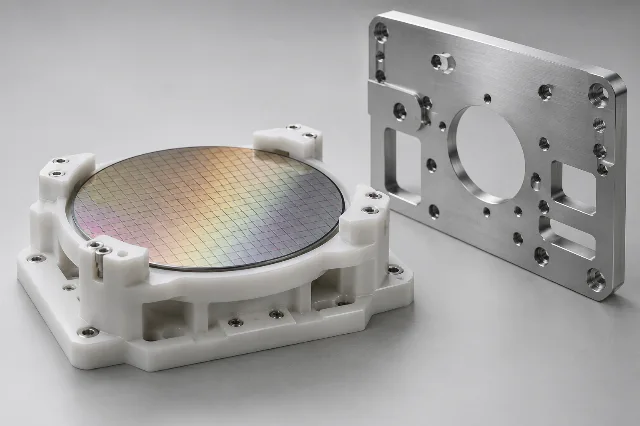
適用於絕緣夾具部件;需針對實際製程驗證釋氣、化學相容性與微粒產生情況。
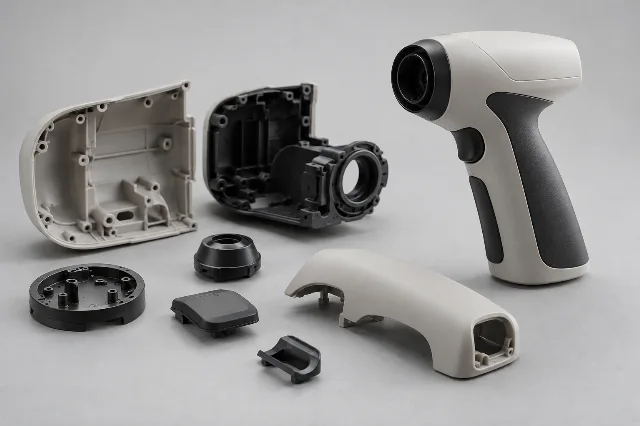
適用於外觀原型與外殼;製模前需確認紋理、顏色與組裝效果。
我們使用 Cookie 優化瀏覽體驗。繼續使用即代表您同意我們的 隱私權政策
同意