Presentation models and display components
Define the required fit, finish and working environment. Include the intended test or acceptance criteria with your model.

AIHFABS MATERIAL GUIDE
Choose wood and sheet materials around appearance, routing detail and the installation environment.
CNC routing can turn wood stock and engineered sheets into panels, profiles and presentation components. Compare the required surface appearance with edge quality, grain direction and exposure conditions. The stock construction and finish matter as much as the programmed profile.

START WITH THE APPLICATION
Use the application to shortlist a grade, then confirm the exact requirements against the part design and operating conditions.
Define the required fit, finish and working environment. Include the intended test or acceptance criteria with your model.
Define the required fit, finish and working environment. Include the intended test or acceptance criteria with your model.
Define the required fit, finish and working environment. Include the intended test or acceptance criteria with your model.
DESIGN & MANUFACTURING
COMPARE THE AVAILABLE GRADES
CNC
CNC routed furniture parts, jigs, display pieces, and architectural details. Grain direction and moisture content are called out on the quote.
View material details →CNC
Stable, inexpensive sheet stock for cabinets, signage cores, molds, and painted CNC profiles. Sealed edges recommended.
View material details →
CNC
Strong nested CNC parts for furniture, crates, fixtures, and large-format panels. Specify face grade and thickness with the RFQ.
View material details →MATERIAL QUESTIONS
They influence appearance, edge behavior and dimensional movement. Include visible-face expectations and installation conditions in the brief.
A rotating cutter leaves a radius. Consider corner relief or an agreed secondary operation when fitting rectangular mating components.
Send CAD or a profile drawing, material and thickness, quantity, visible faces, finish requirements and the intended installation environment.
FROM THE AIHFABS BLOG
Design SLA parts for printing and assembly. Review walls, small features, tolerances, supports, hollow parts, and CAD files before requesting a quote.
Read article →Compare SLA with DLP, LCD, FDM, SLS, MJF, SLM, and CNC machining. Shortlist processes by material, geometry, finish, cost, and your part's intended use.
Read article →Learn how to choose the right 3D printing process for cosmetic prototype parts. Compare SLA, DLP, FDM, SLS, and MJF for surface quality, detail, fit, and finishing.
Read article →Upload CAD for a quote, or share the complete requirements for a material and manufacturing review.
選擇材料牌號與製造製程前,請先確認實際應用需求。
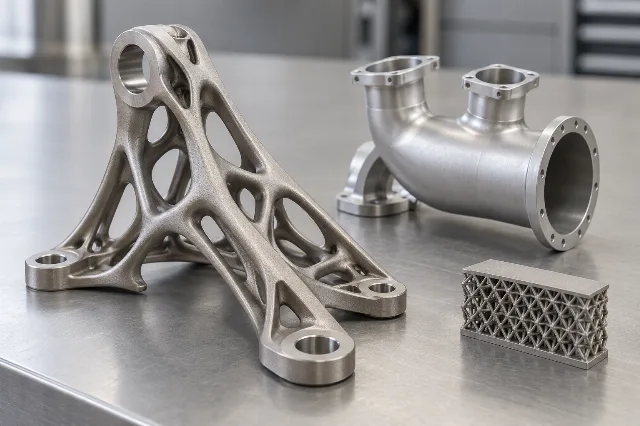
適用於支架及連接部件,具有較高比強度;用於飛行零件前,需審查疲勞、成形方向、熱處理與材料可追溯性。
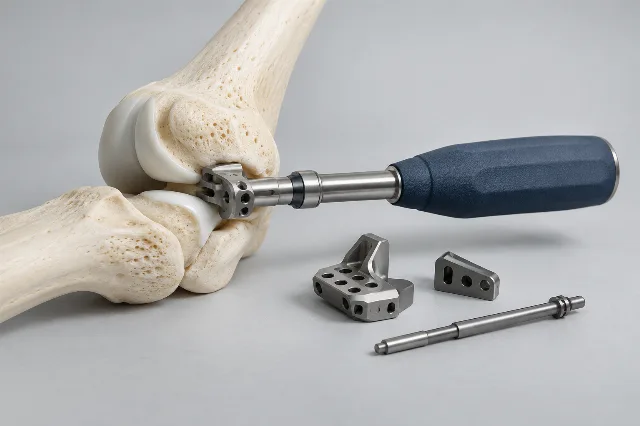
適用於器械五金與夾具;選材時應考量腐蝕、滅菌循環與鈍化要求。
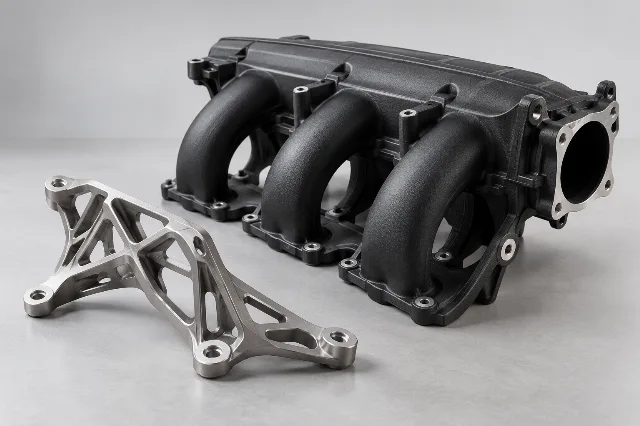
適用於輕量化外殼與研發支架;需評估振動、熱膨脹與螺紋連接的耐久性。
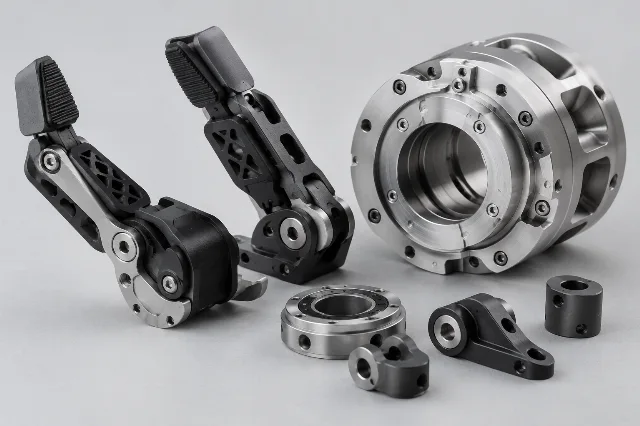
適用於夾爪與線纜導向件;需評估潛變、濕度影響與反覆彎曲。
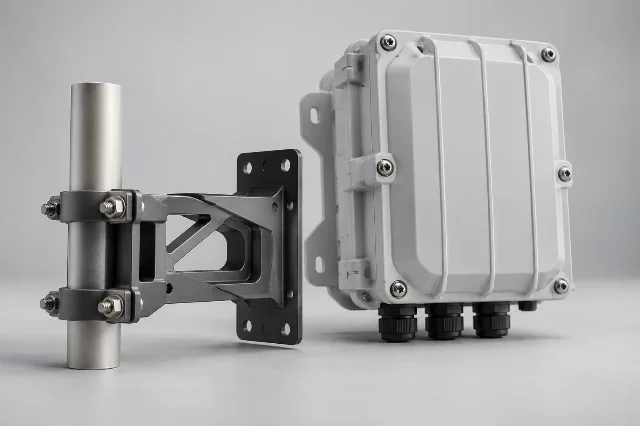
適用於導熱與導電介面;需審查防氧化措施與接觸電阻。
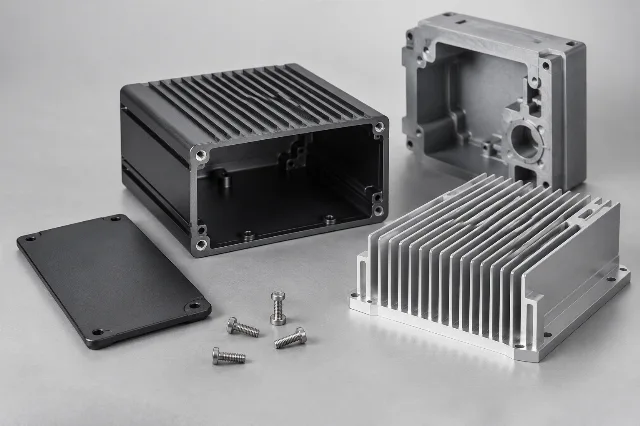
適用於外殼原型;一般 ABS 本身不能證明具有靜電防護能力或特定阻燃等級。
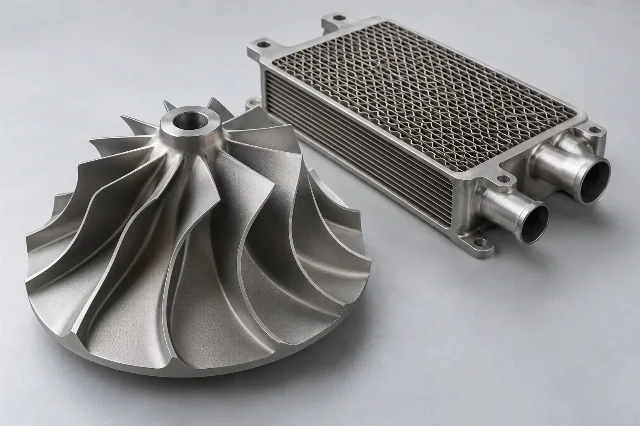
適用於導電與導熱零件;需明確訂定接觸結構、鍍層與溫升驗收標準。
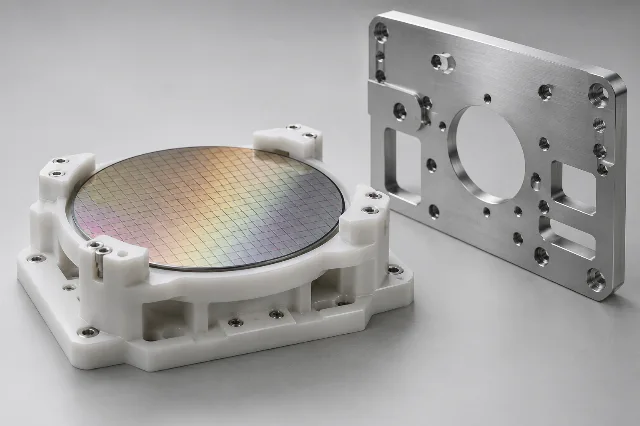
適用於絕緣夾具部件;需針對實際製程驗證釋氣、化學相容性與微粒產生情況。
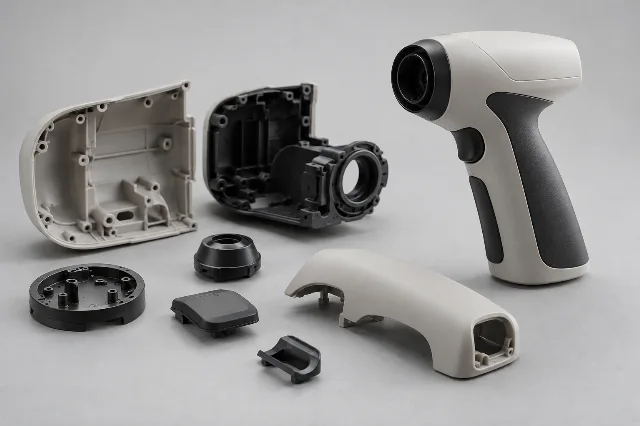
適用於外觀原型與外殼;製模前需確認紋理、顏色與組裝效果。
我們使用 Cookie 優化瀏覽體驗。繼續使用即代表您同意我們的 隱私權政策
同意