3D列印
光固化成型 (SLA)
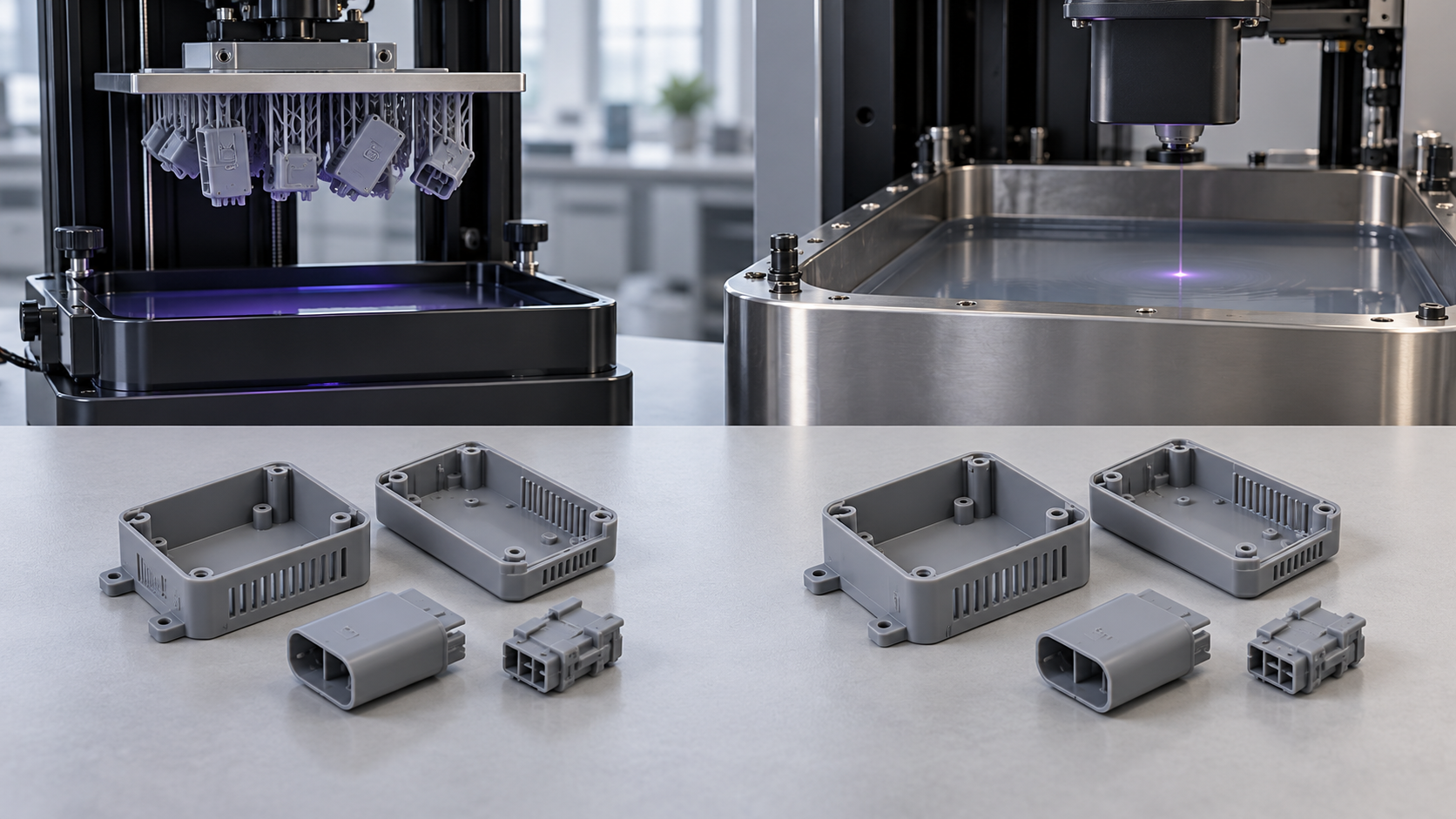
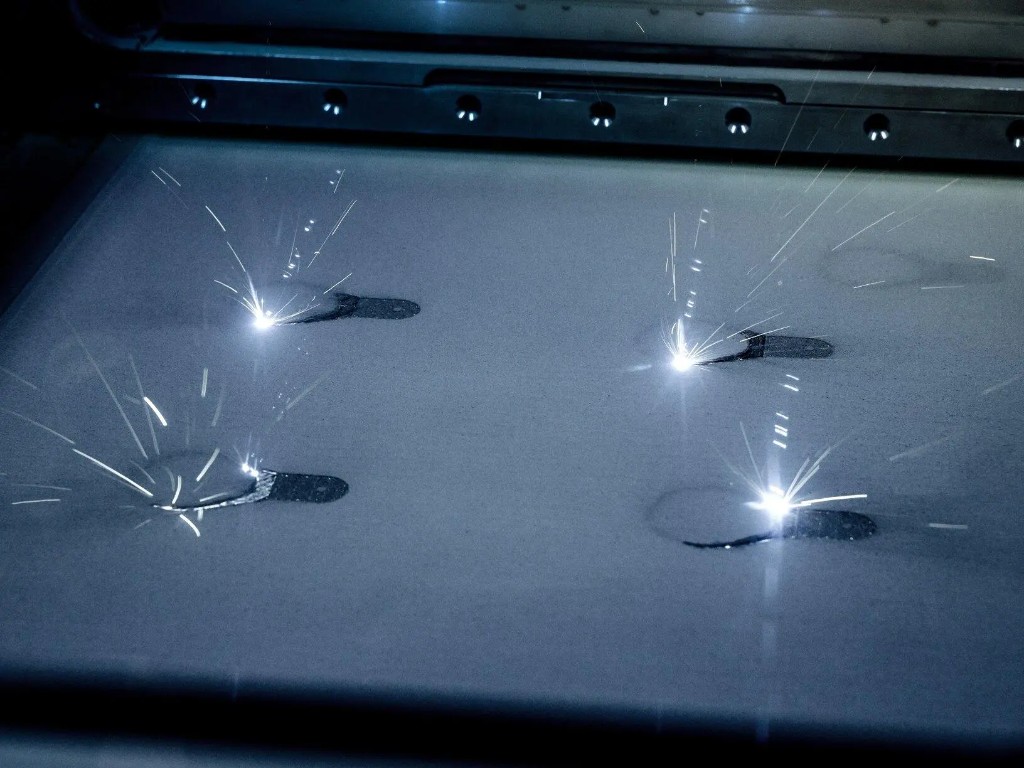
Stereolithography (SLA) cures liquid photopolymer with a precision UV laser, building parts layer by layer.
建立報價
Challenge
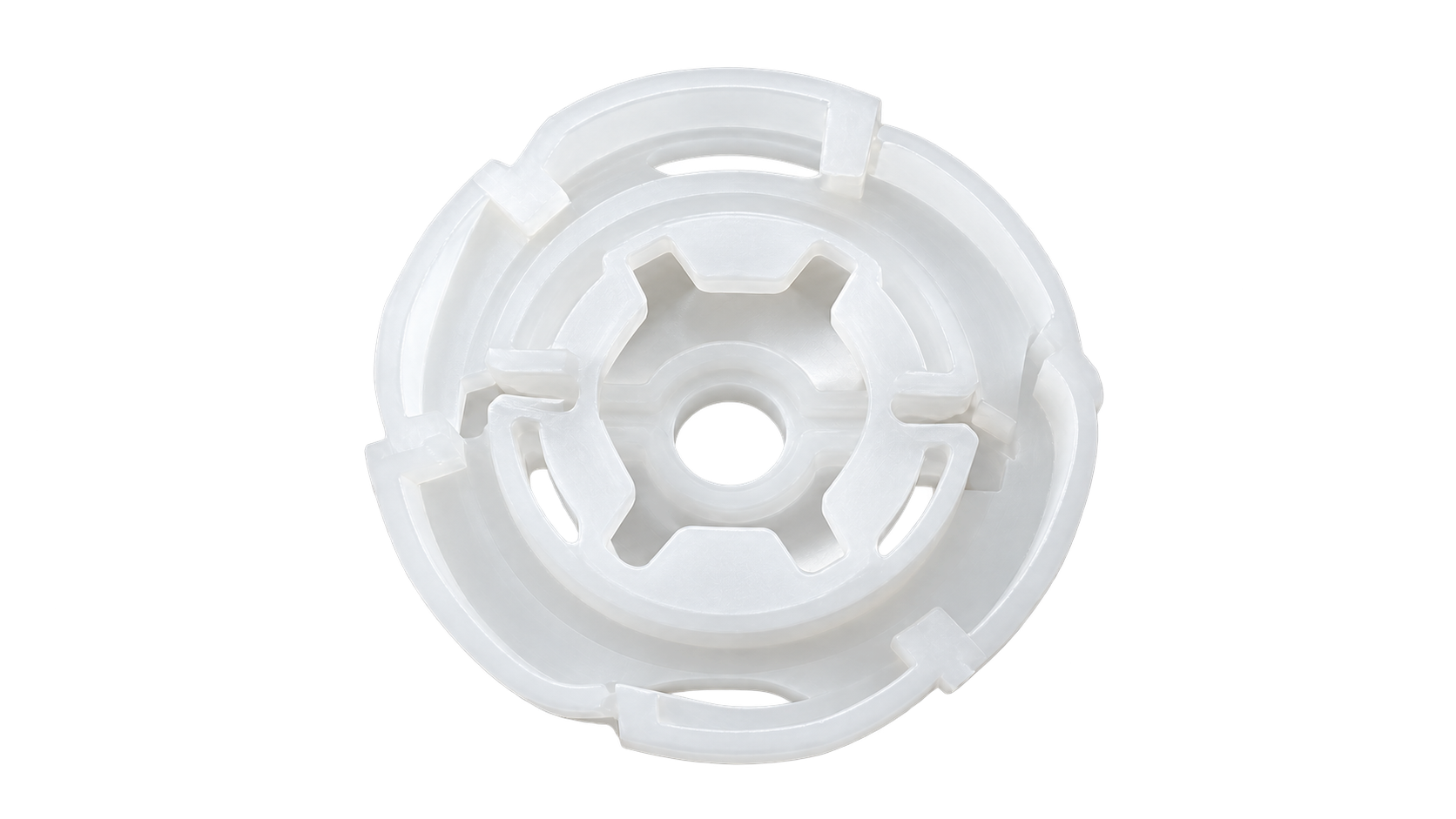
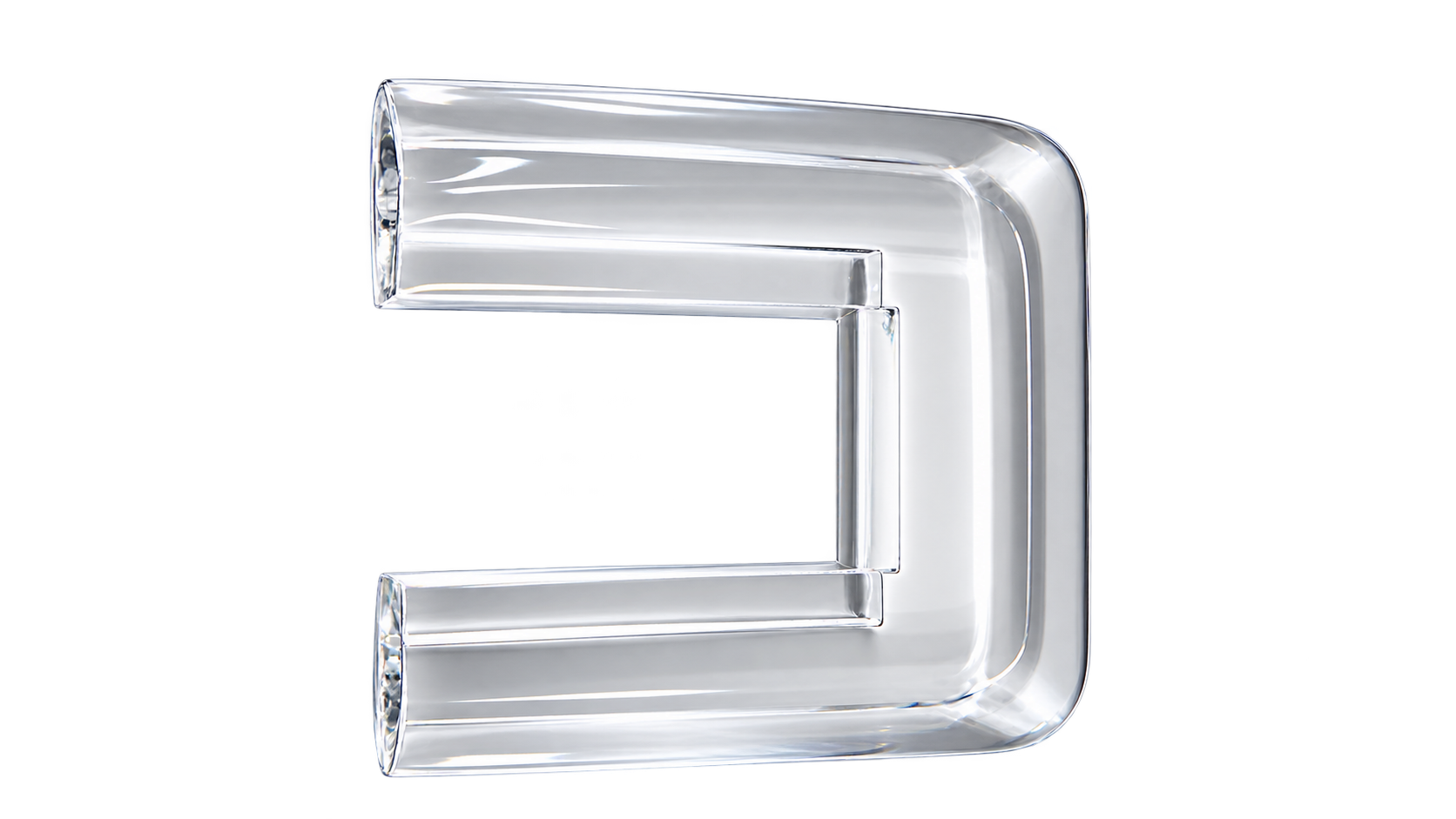
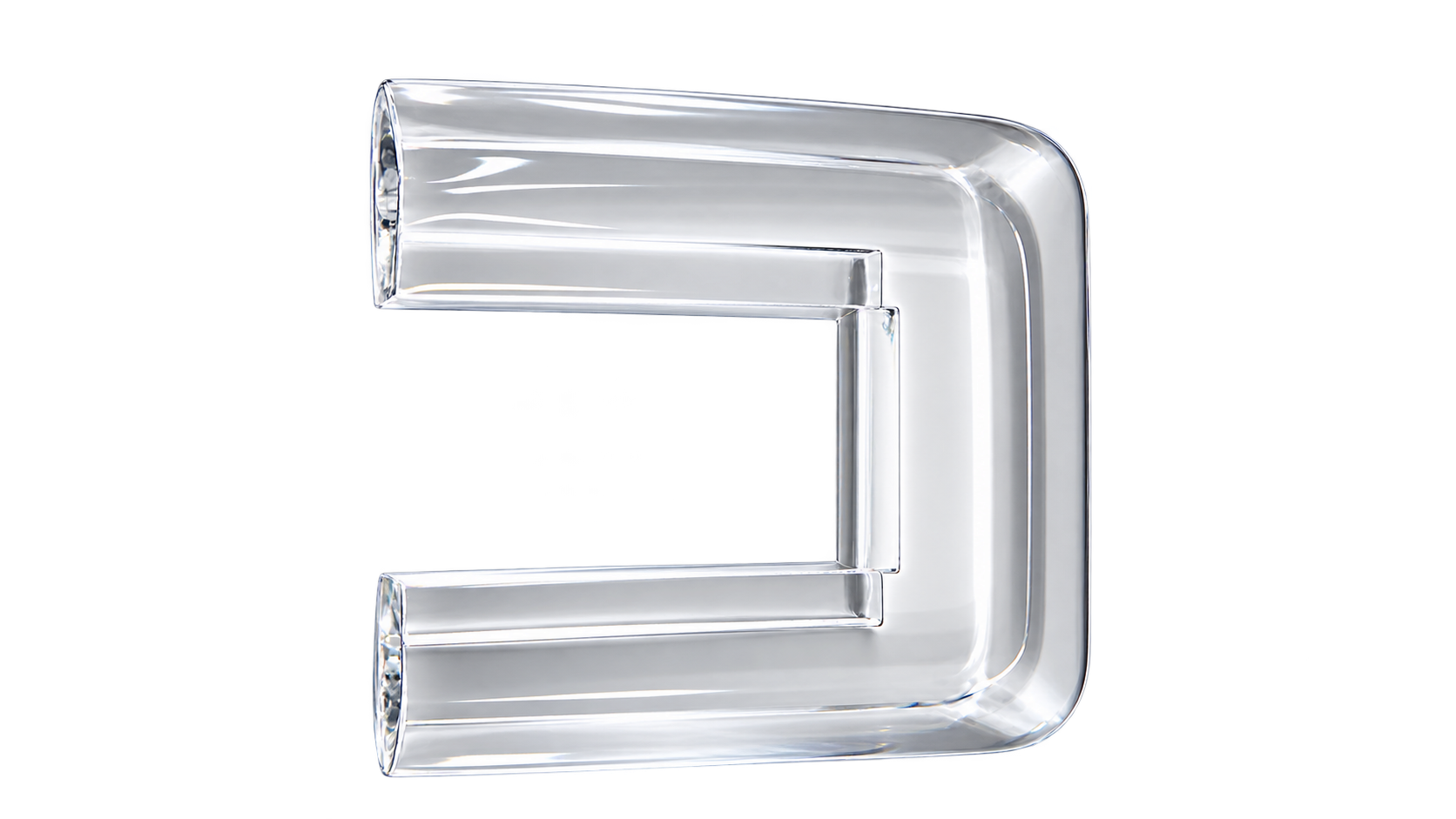
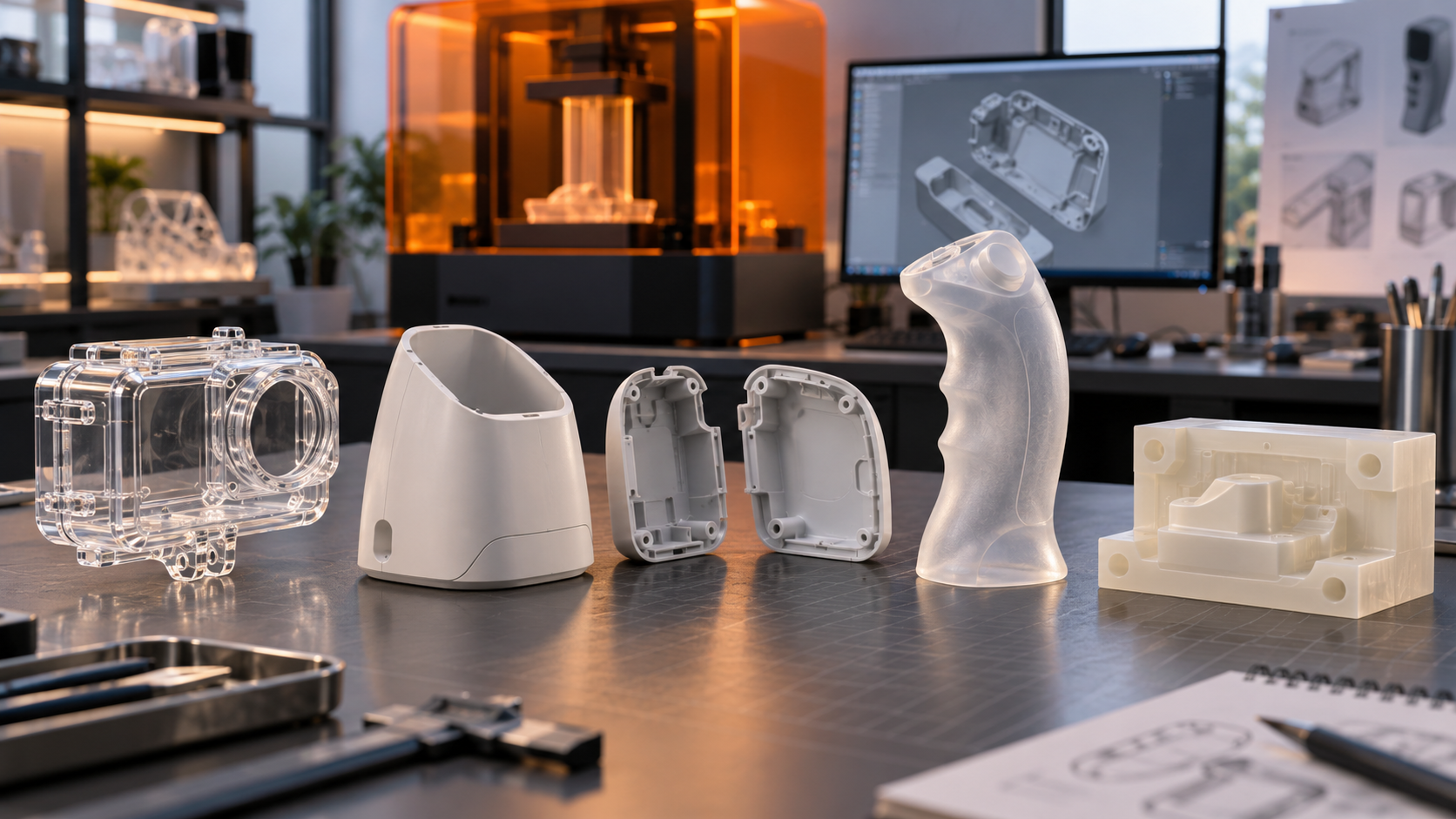
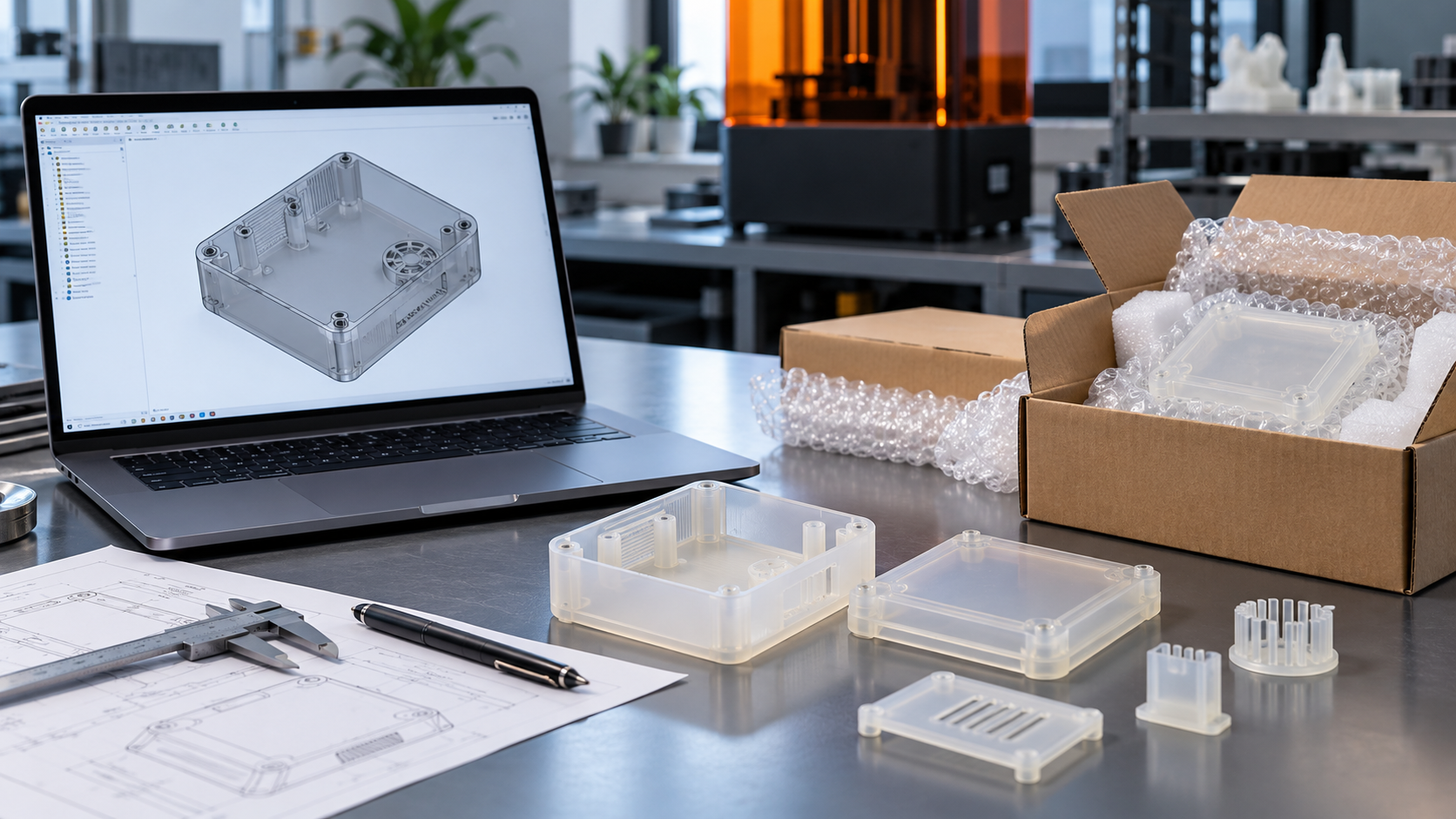
A medical device manufacturer was developing a next-generation fluid analysis module requiring real-time visual monitoring of internal flow dynamics. The component (as shown in the image) featured complex internal channels and a central hub that needed to be optically clear to allow engineers to observe fluid behavior without disassembly. Traditional acrylic machining was too slow for iterative design changes, and standard clear resins suffered from internal haze and brittleness, making them unsuitable for pressurized fluid testing. The team needed a material that offered glass-like clarity for visualization combined with the toughness to withstand assembly stresses.
Solution
The engineering team utilized a dual-material strategy involving High-Transparency Clear Resin and Translucent White Resin processed via high-precision Stereolithography (SLA).
· Optical Clarity: The Clear Resin was used for the central viewing ports, achieving >90% light transmission after polishing, allowing precise observation of micro-bubbles and flow turbulence.
· Structural Diffusion: The Translucent Resin was applied to the outer structural ring to diffuse light and hide minor internal layer lines, providing a premium "frosted glass" aesthetic while maintaining high impact resistance.
· Precision: The SLA process achieved tolerances of +/-0.1mm on the intricate spoke geometry, ensuring a perfect seal when assembled with O-rings.
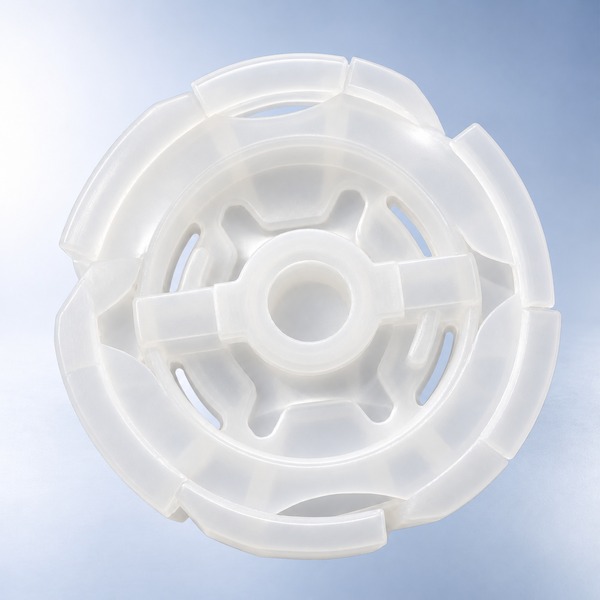
Figure 1: Translucent & Clear Resin Fluid Analysis Component
Results
· Visual Validation Success: Engineers successfully identified and resolved two critical flow stagnation points within 48 hours of printing, thanks to the superior optical clarity of the resin parts.
· Mechanical Integrity: The parts withstood 5 bar of internal pressure without cracking or leaking, surpassing the performance of machined PMMA prototypes.
· Accelerated Development: Reduced the design verification phase by 3 weeks compared to traditional tooling, enabling the project to move to clinical testing ahead of schedule.

3D 列印與 CNC 寫在同一張報價上。打開一種製程,再上傳 CAD。
Stereolithography (SLA) cures liquid photopolymer with a precision UV laser, building parts layer by layer.
建立報價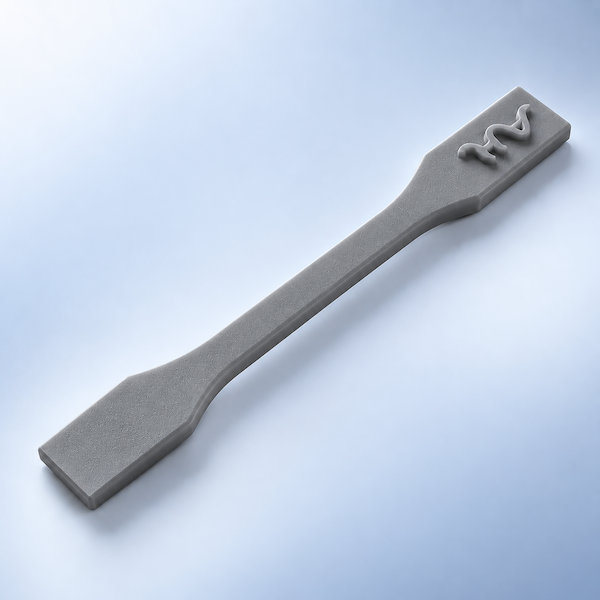
Digital Light Processing (DLP) solidifies an entire layer of photopolymer at once using a projected image.
建立報價
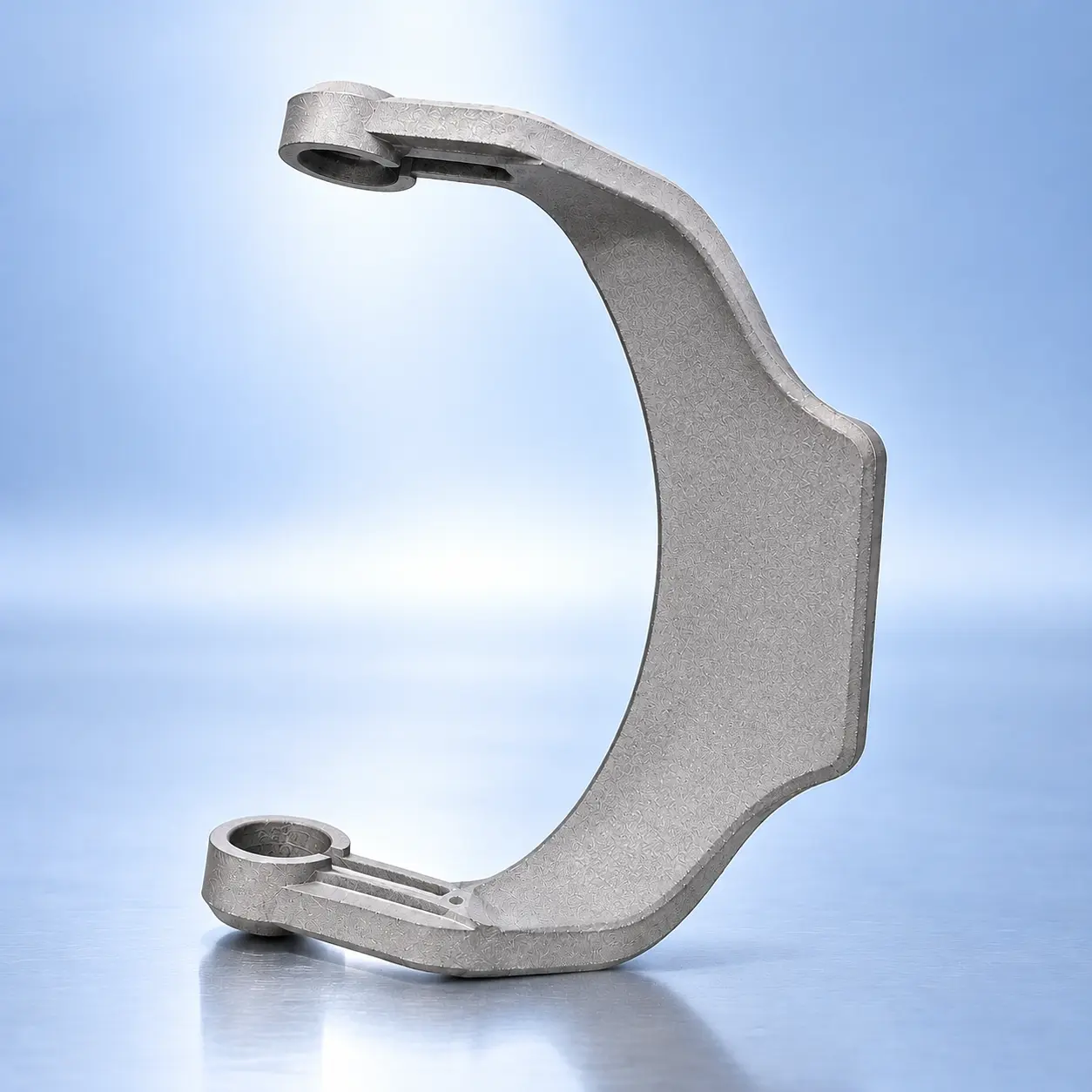
Multi Jet Fusion (MJF) applies fusing and detailing agents across a powder bed, then uses infrared energy to fuse each layer.
建立報價樹脂、尼龍、金屬等。每張卡片跳到材料目錄對應列。
製程、後處理和檔案注意事項,來自車間,不是行銷軟文。
按主題查看公司、付款、物流和製程說明。
Questions about 3D printing processes, materials, MOQ, samples, and custom projects.
Review AIH commitments to print quality, secure handling of your files, transparent pricing, and support for every 3D printing order.
Production lead times, shipping options, and order tracking.
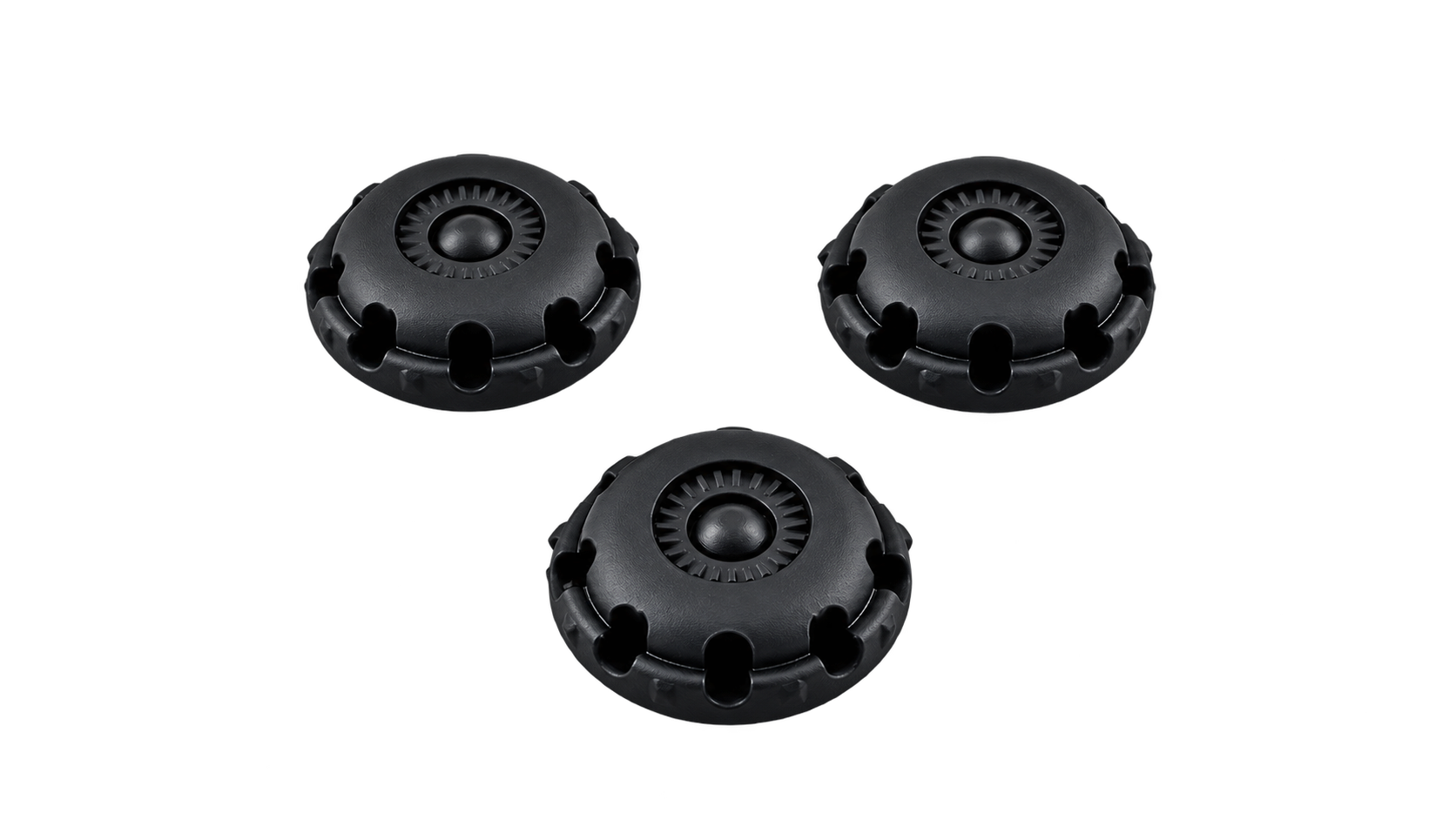
This case study presents the successful application of Nylon-Like Resin "Tus" in the rapid prototyping of functional snap-fit enclosures for a ruggedized wearable device. Facing the challenges of high tooling costs for traditional injection molding and insufficient mechanical performance of standard 3D printing resins, the engineering team leveraged the superior toughness and fatigue resistance of the Tus resin processed via High-Resolution Stereolithography (SLA). The printed components demonst
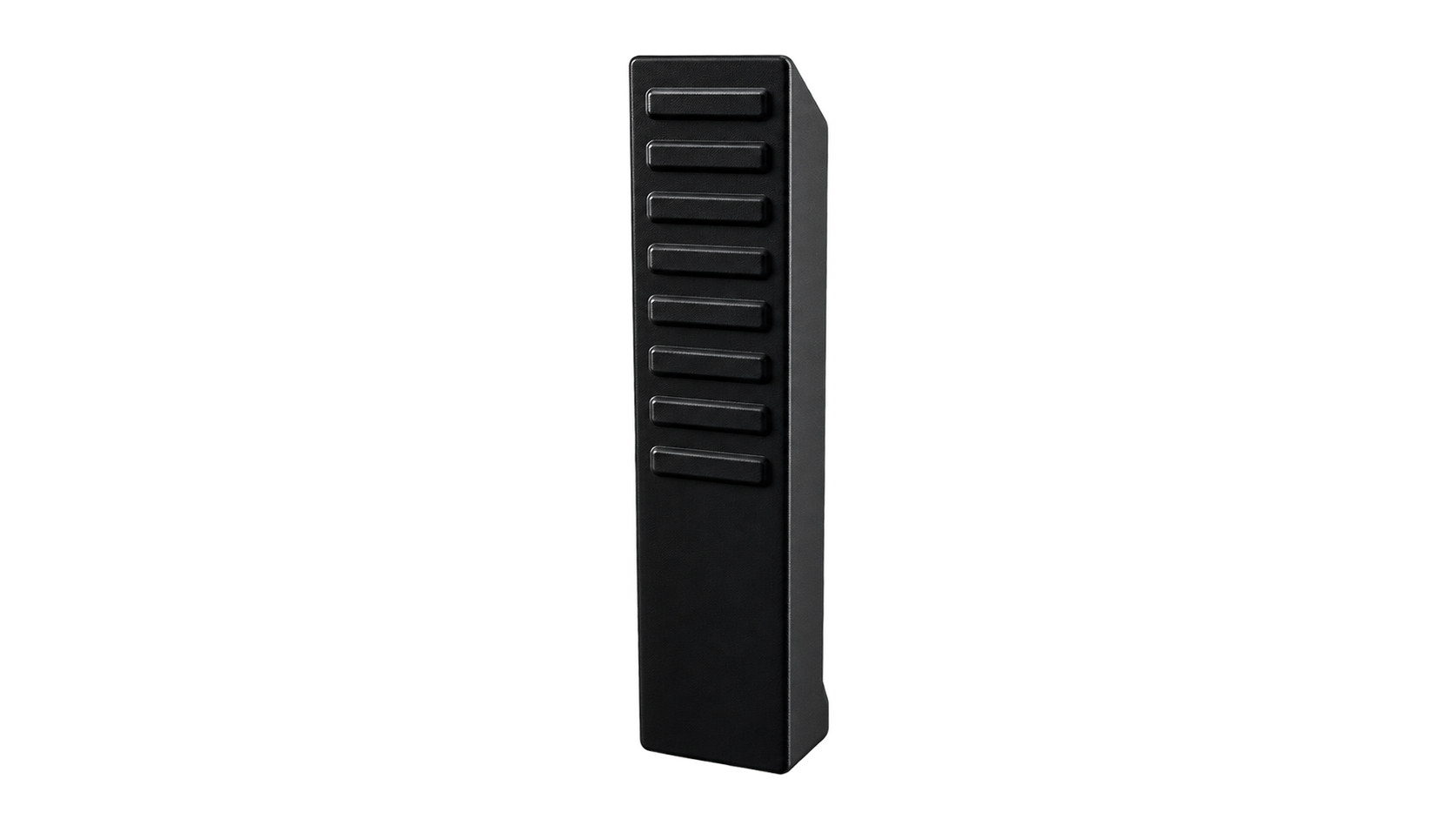
This case study presents the successful application of the Special Black Resin N9 Process in manufacturing high-precision structural brackets for a next-generation drone platform. Addressing the challenges of cost-prohibitive CNC machining for low-volume production and insufficient mechanical performance of conventional 3D printing resins, the engineering team leveraged a proprietary high-performance resin optimized for stereolithography (SLA) additive manufacturing. The N9 resin delivered excep
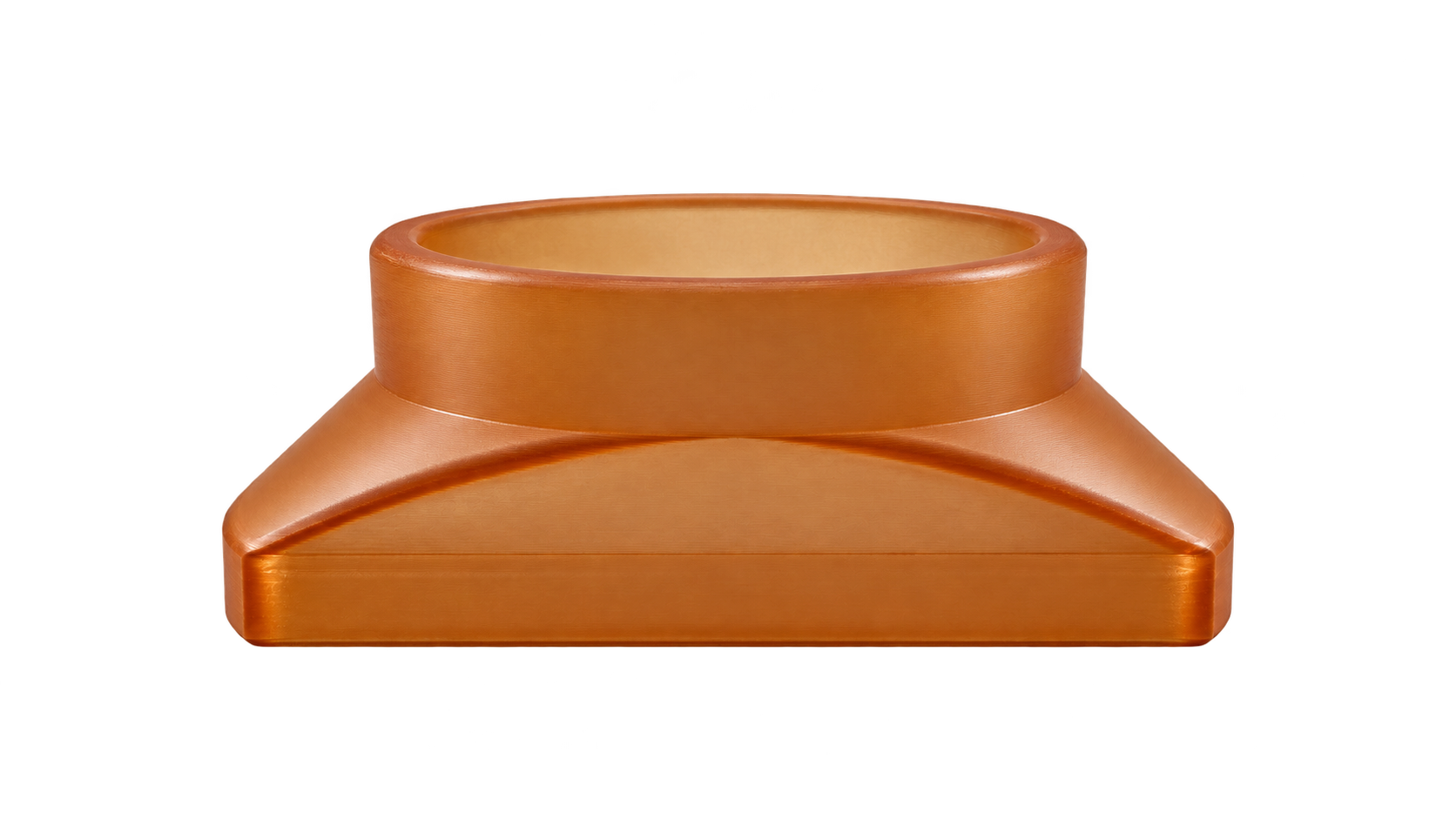
This case study highlights the successful application of high-temperature resistant resin in manufacturing complex manifold connectors for industrial fluid systems. Leveraging stereolithography (SLA) additive manufacturing, the project overcomes the limitations of traditional molding for low-volume prototyping. The specialized resin formulation demonstrated exceptional thermal stability at 160°C and chemical resistance, enabling rapid design iteration and functional validation without expensive
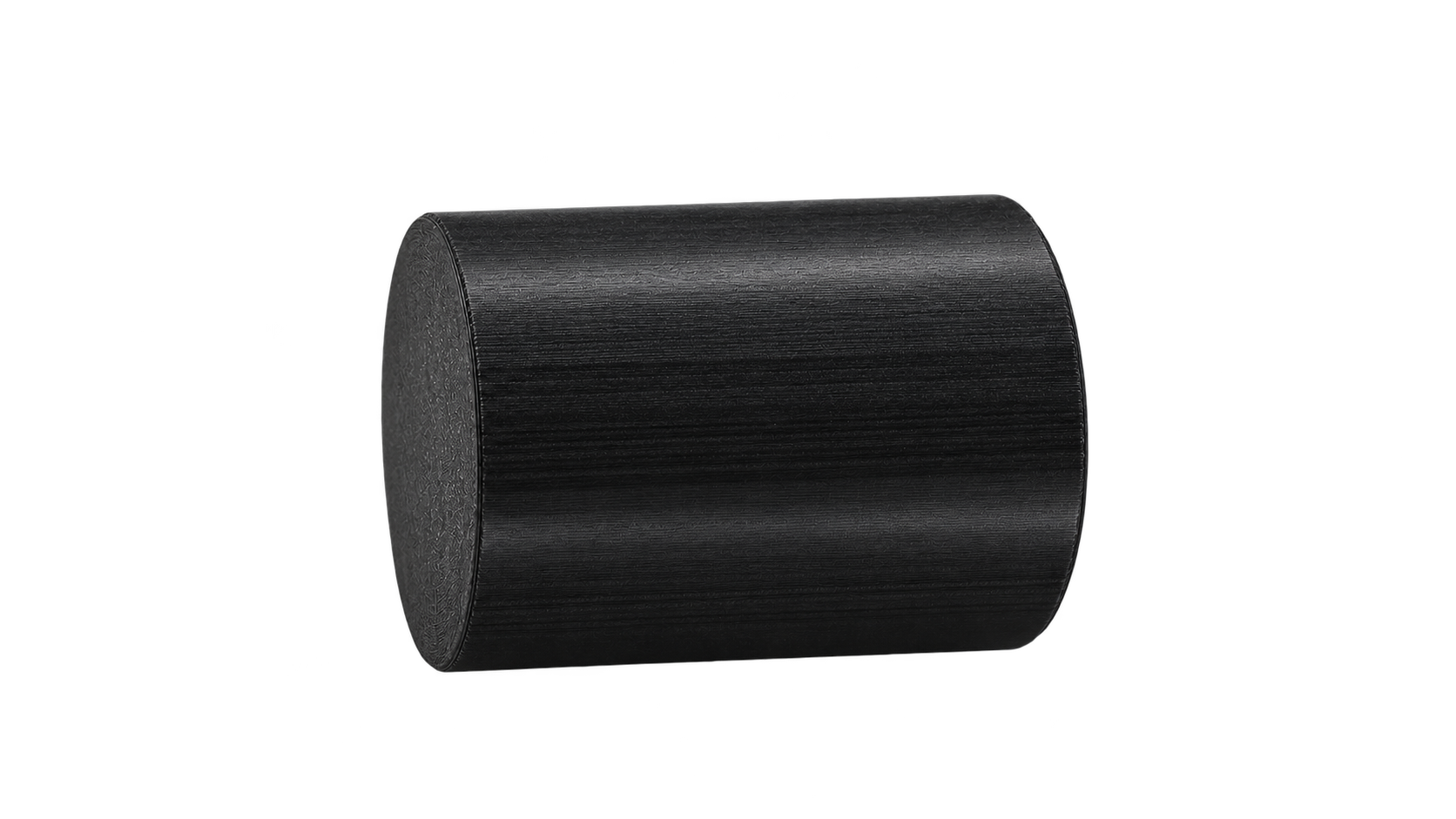
This case study presents a successful application of black high-toughness resin in the manufacturing of a precision cylindrical component (as shown in the figure). Designed for demanding industrial environments, this component leverages the material's superior mechanical properties—including high impact resistance, wear durability, and dimensional stability. The transition from traditional materials to this advanced resin has resulted in extended service life, reduced maintenance frequency, and
我們使用 Cookie 優化瀏覽體驗。繼續使用即代表您同意我們的 隱私權政策
同意