New website is launched, with a $10 automatic gift for registration and placing an order See More +
We help innovators
find the cheapest
3D printing supplier.
My Cart

Upload 3D Models Upload
My Cart
We help innovators
find the cheapest
3D printing supplier.

3D Printing Service

Turn your ideas into reality at every stage of development with 3D printing. Whether you're prototyping, producing functional parts, or creating intricate models, we offer a wide range of 3D printing services and materials to suit your project's unique needs.
What is 3D Printing

3D printing is an innovative technology that transforms digital designs into tangible, three-dimensional objects. 3D printing brings your digital creations to life by precisely depositing, solidifying, or fusing layers of materials such as plastics, metals, or ceramics under computer control. 3D printing can create complex shapes and detailed structures that are difficult or impossible to achieve with traditional manufacturing methods.

What Can 3D Printing Do

More Real Examples >

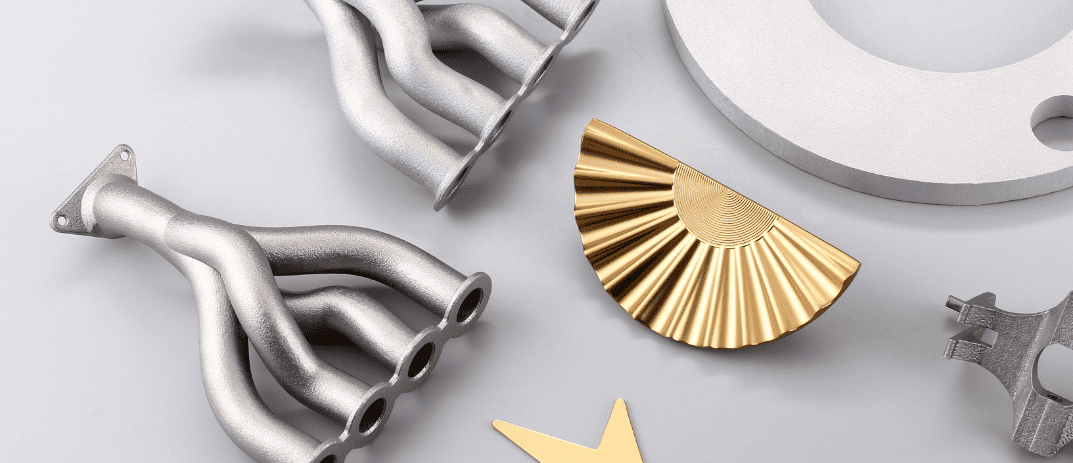
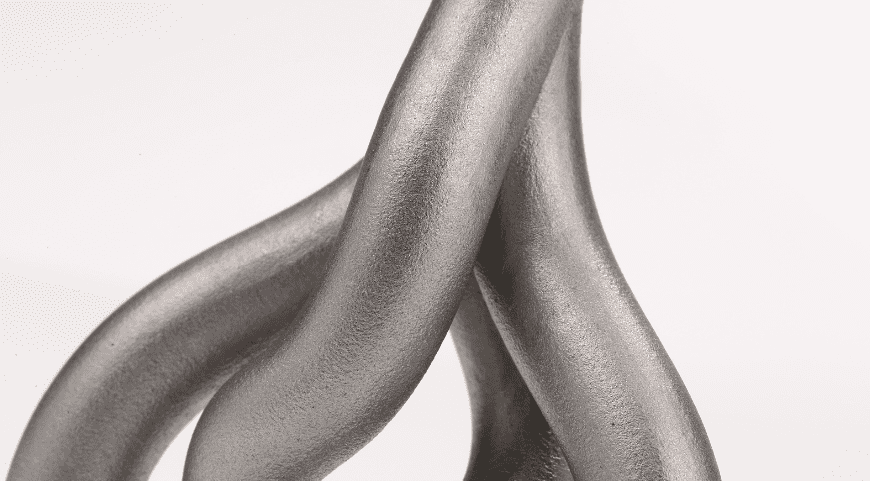
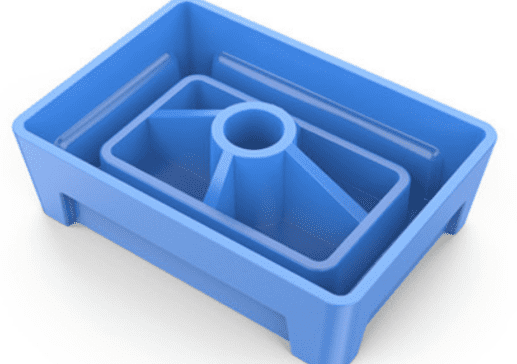
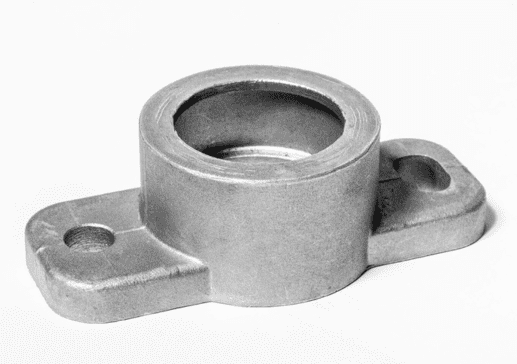
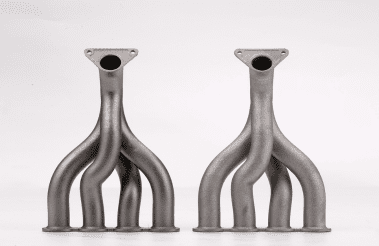
Metal SLM 3D printed complex manifold for fluid routing application
Complex Metal Parts

3D printing can produce functional metal parts with complex geometries as one piece.

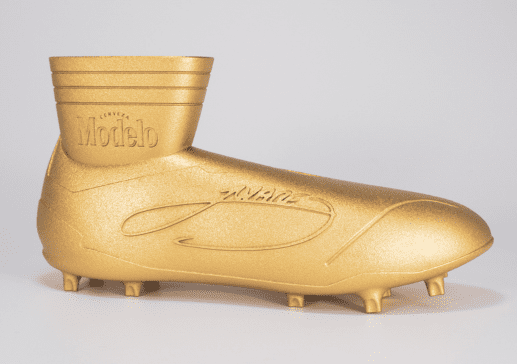
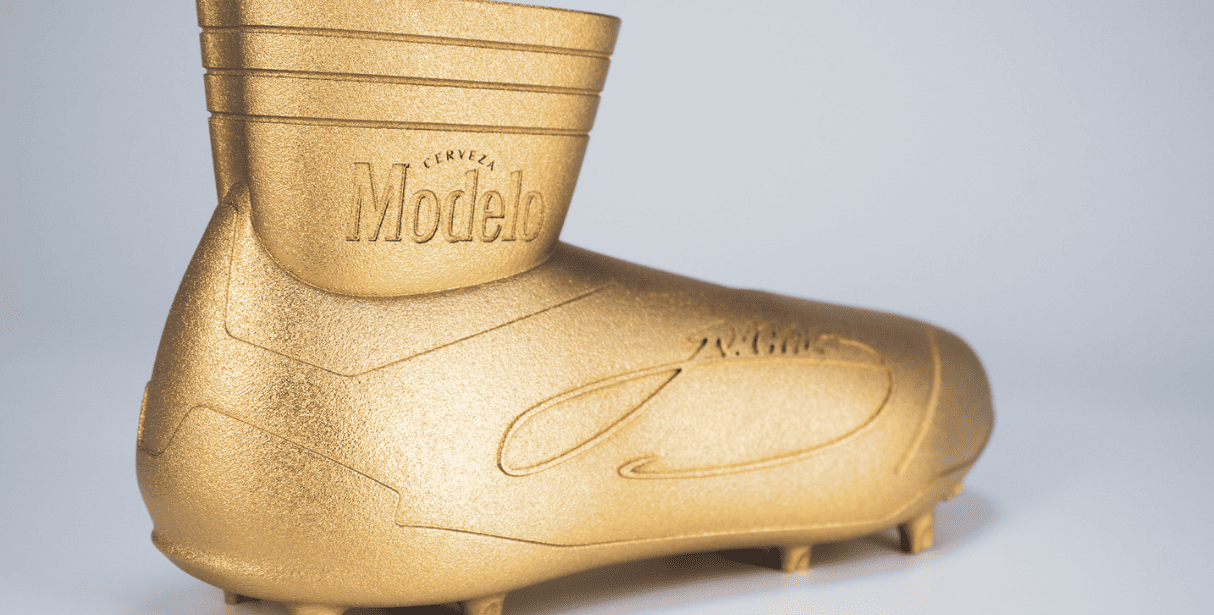
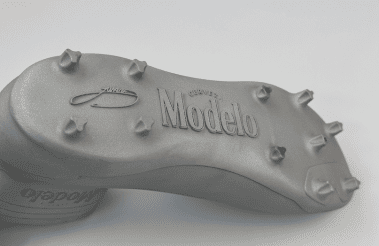
Nylon SLS 3D printed cleat bracket for sports equipment assembly
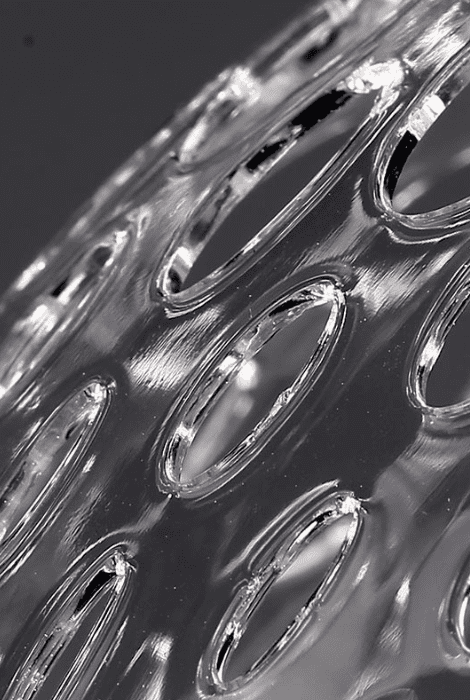
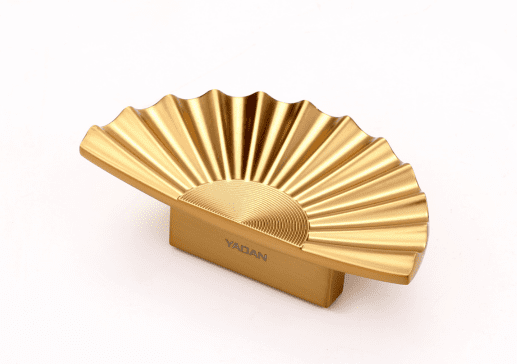
Exceptional Details

3D printing can produce parts with exceptional details, such as embossed and engraved features.

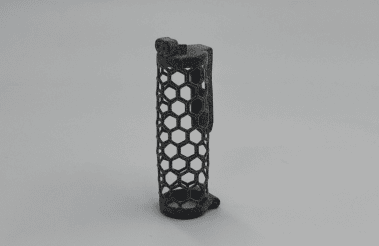
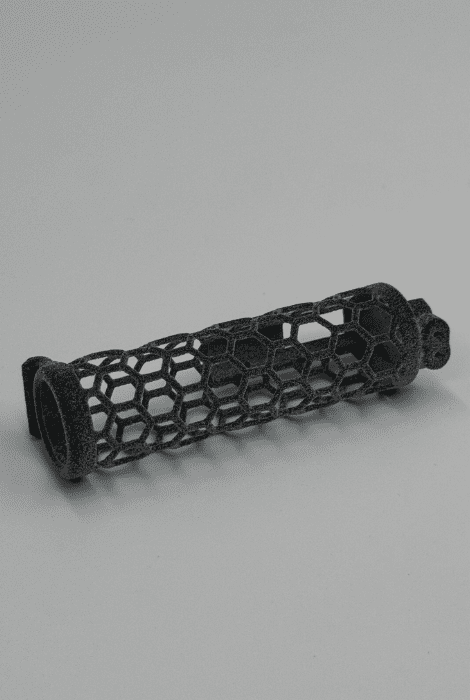
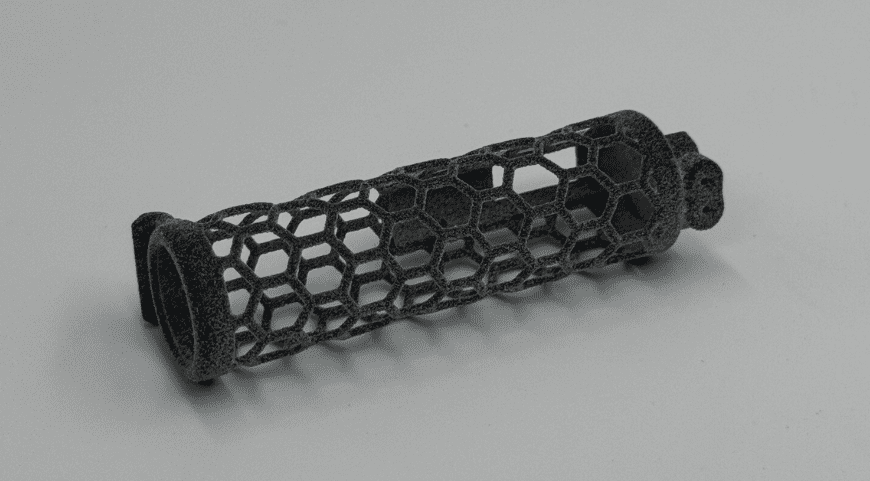
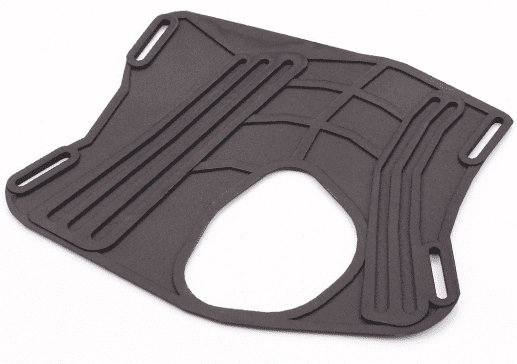
Polymer 3D printed honeycomb structure for lightweight structural panel
Flexible Parts

3D printing can produce durable, flexible parts using materials like TPU, TPE, and flexible resins.

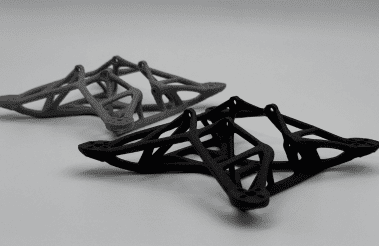
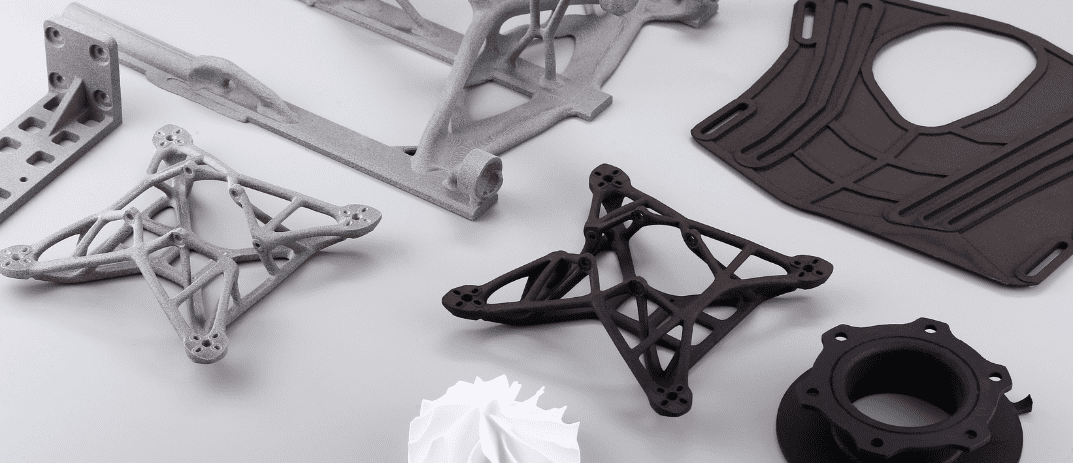
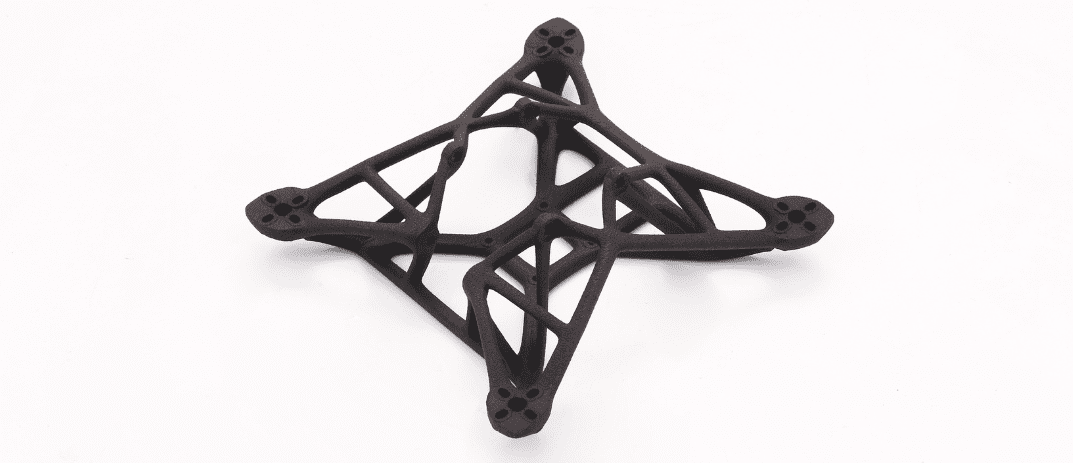
Nylon 3D printed lattice drone frame for UAV prototyping
Lattice Structures

3D printing can produce lattice structures that reduce weight while maintaining strength and functionality.

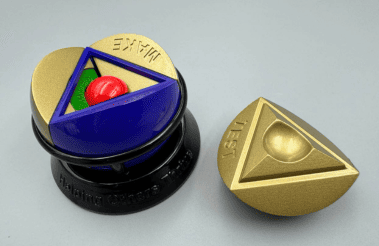
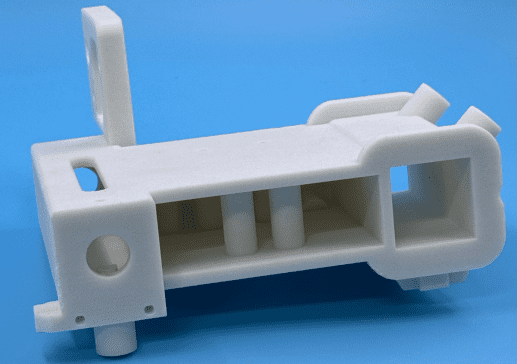
Engineering plastic 3D printed multi-part assembly for fit testing
Assembly Parts

3D printing can produce assembly parts with precise fits, from artworks to functional end-use components.

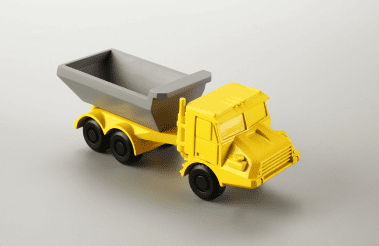
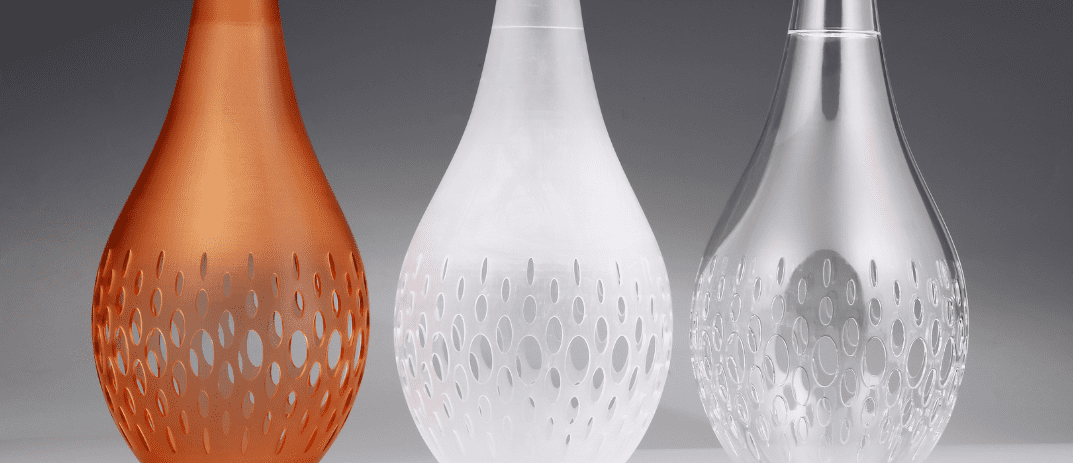
Resin SLA 3D printed high-fidelity appearance prototype model
High-fidelity Prototypes

3D printing can produce high-fidelity prototypes that closely match the final product in appearance, materials, finishes, and functionality.

How Does 3D Printing Work

Once customers upload their designs to our quoting system and place an order, we follow these steps:

  • Upload and review 3D model step icon

    Review

    Using CAD software, we check the customer's design for any issues and ensure it is printable.

  • Configure material and finish step icon

    Setup

    After arranging the customer's design, we transfer the 3D design to the 3D printer.

  • Production 3D printing step icon

    Printing

    The 3D printer builds the part.

  • Post-processing and finishing step icon

    Post-Processing

    We take the 3D prints out of the build chamber, then clean and polish them.

  • Quality check and shipping step icon

    QC and Shipping

    We check the prints for any defects, and if passed, then pack and ship.

Type of 3D Printing

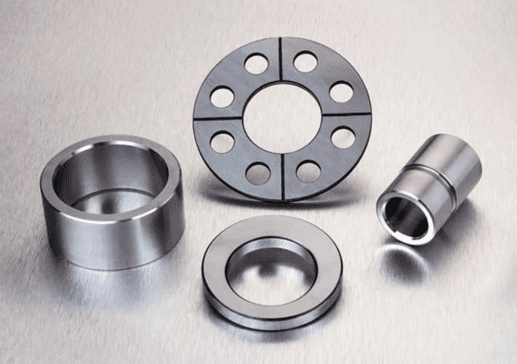
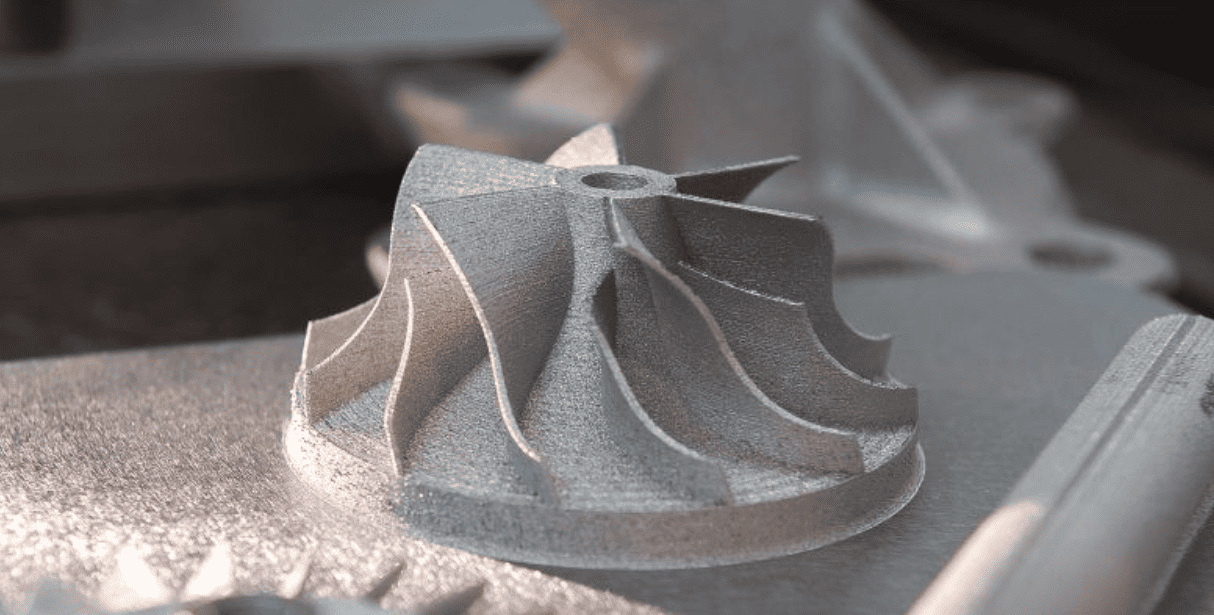
SLM metal 3D printed part example for industrial manufacturing
SLM

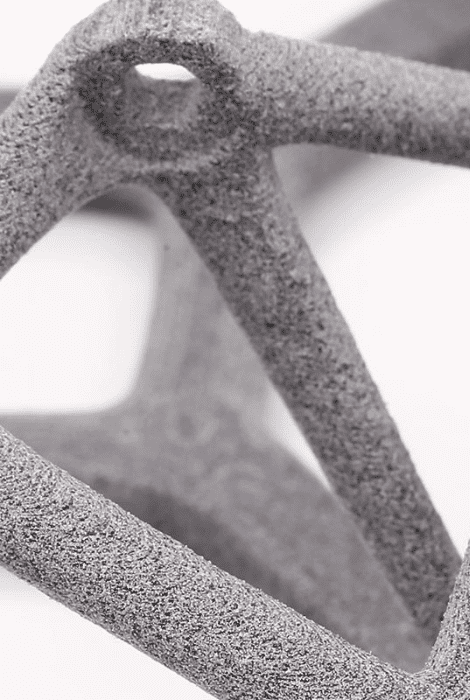
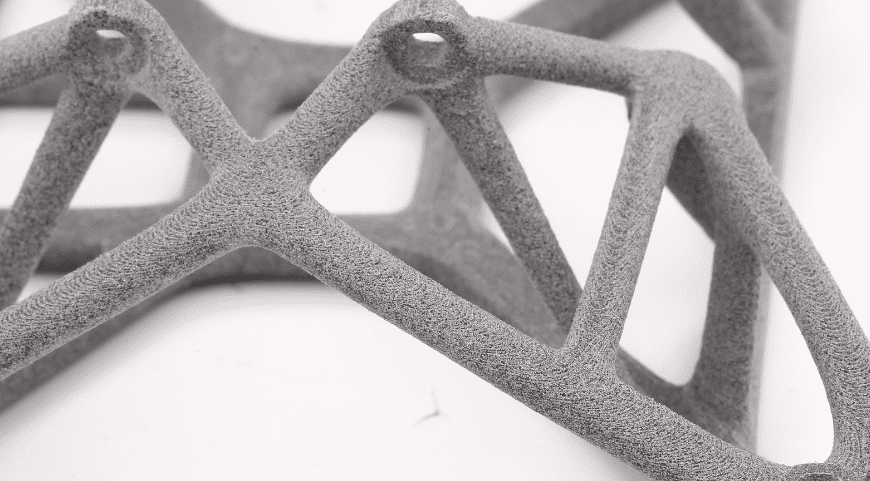
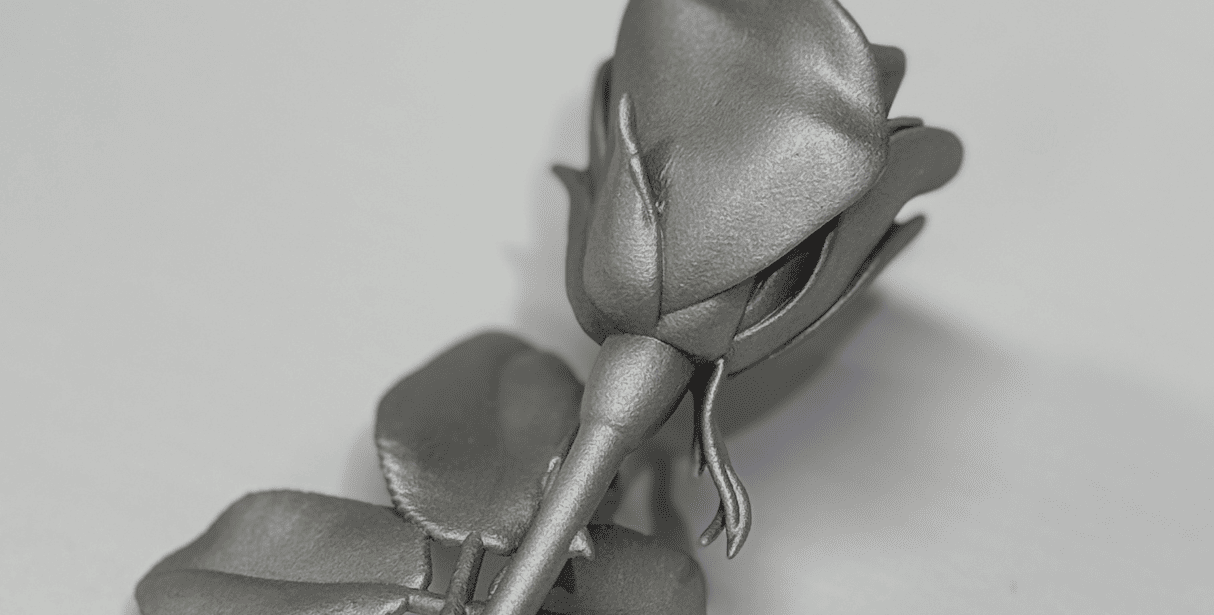
SLM 3D printing uses a laser to melt and fuse metal powder into solid parts. It can create complex, high-performance metal parts for the aerospace, automotive, tooling, and medical industries. The metal 3D printed parts have a metallic silver-gray color and a grainy surface finish. Heat treatment and stress relief is available for metal 3D printed parts.

Learn More About 3D Printing Technologies >
SLS nylon 3D printed part example for functional prototypes
SLS

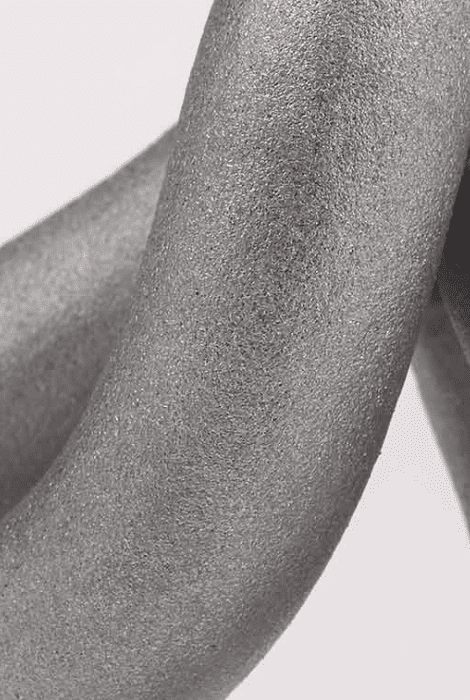
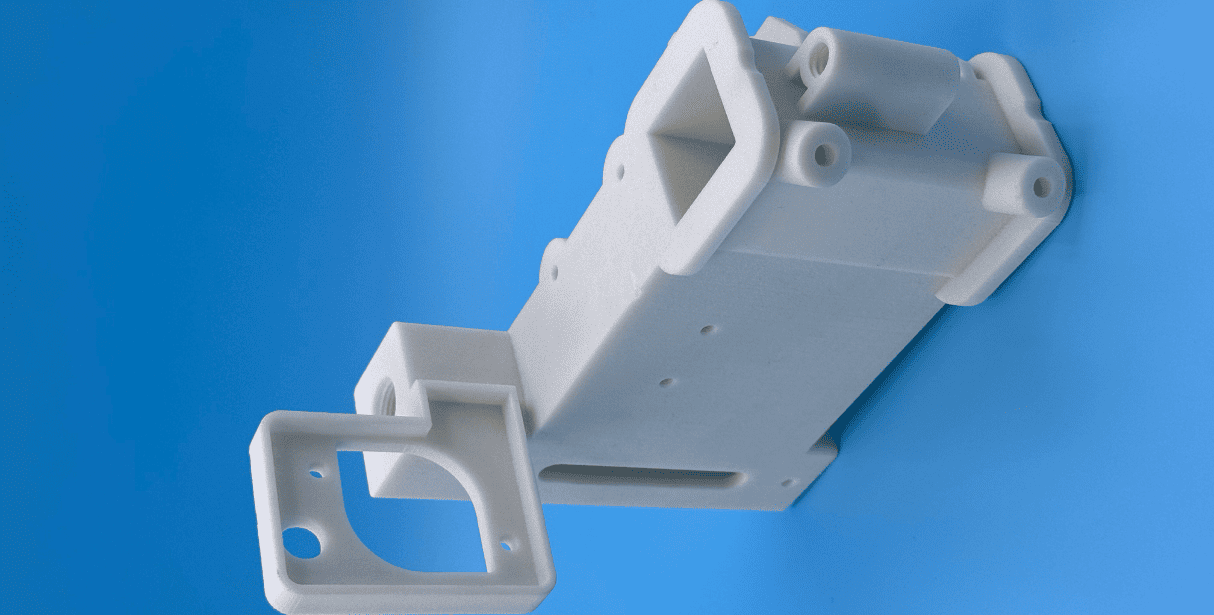
SLS 3D printing uses a high-powered laser to selectively melt and bind small plastic powder particles into a solid object. It can create complex and durable parts with high accuracy and precision. SLS printed plastic parts have a matte and grainy surface finish that feels a bit powdery when you touch the surface. Glass-filled nylon can be printed with SLS.

Learn More About 3D Printing Technologies >
MJF nylon 3D printed part example for batch production
MJF

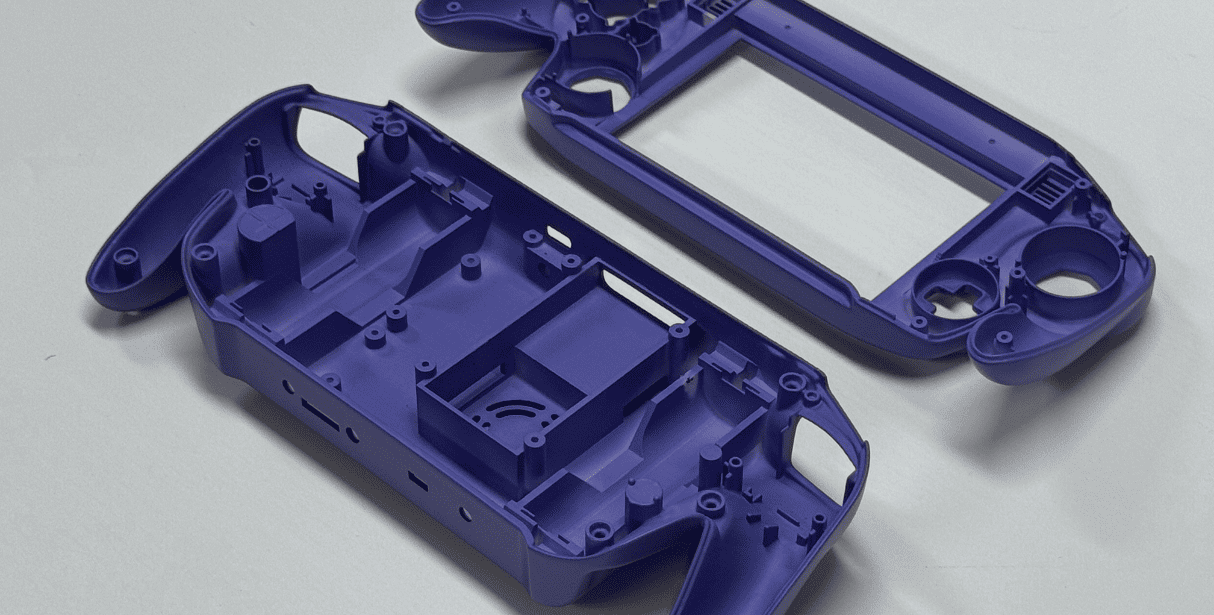
MJF 3D Printing uses inkjet printing and fusing agents to produce objects. It can create parts with high strength, durability, and dimensional accuracy. MJF is ideal for applications requiring complex geometries, functional testing, and end-use parts. MJF is known for its fast printing speeds, and MJF-printed parts also come in matte and grainy finishes.

Learn More About 3D Printing Technologies >
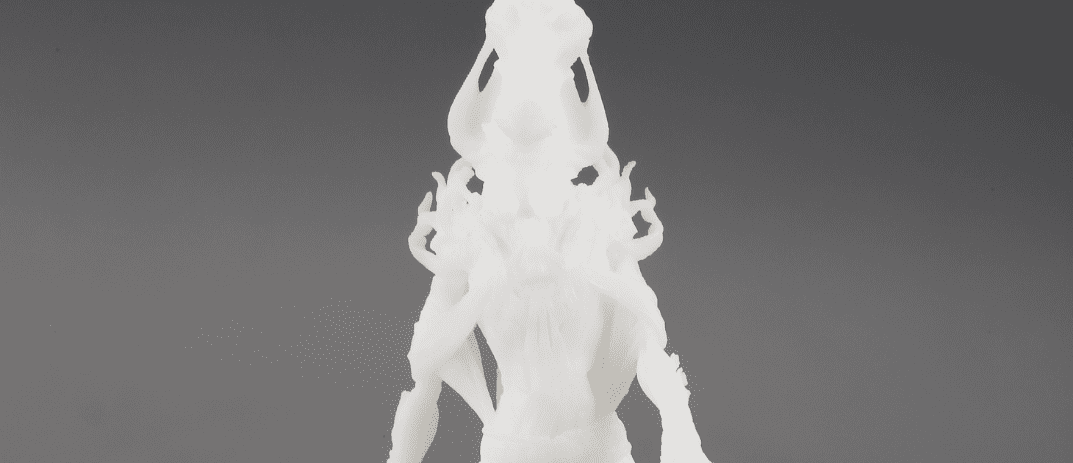
SLA resin 3D printed high-detail prototype part example
SLA

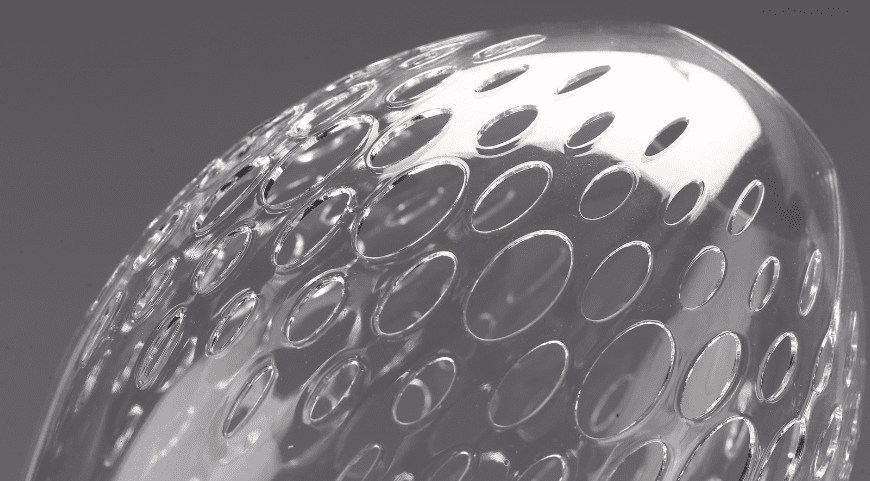
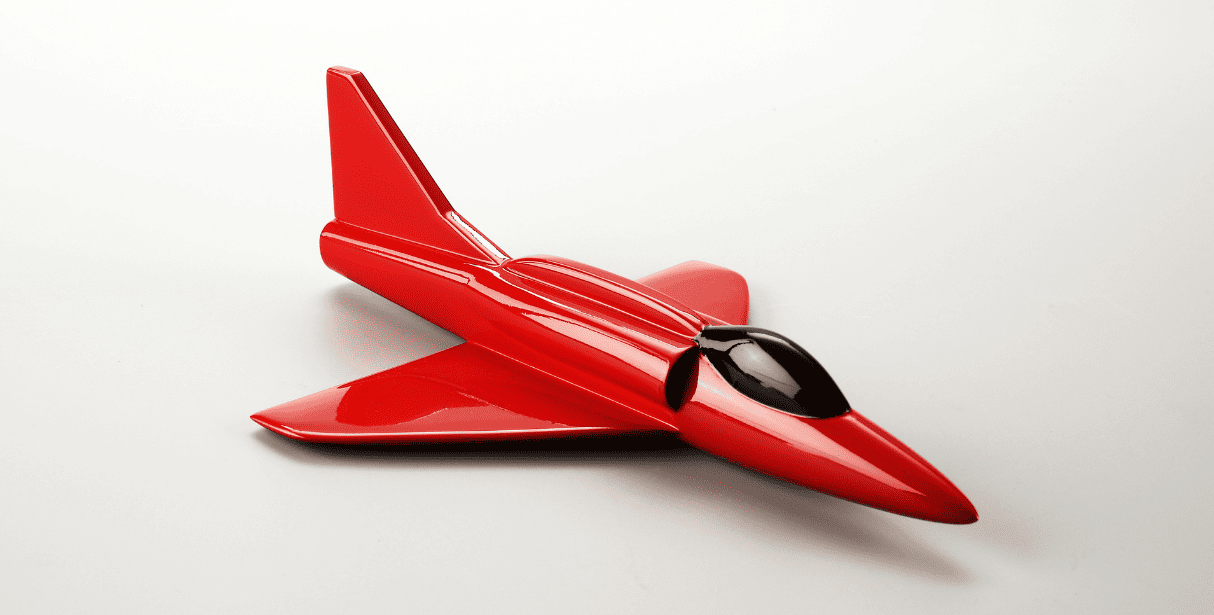
SLA 3D printing uses a UV laser to cure liquid resin into solid objects. It is one of the oldest and most accurate 3D printing technologies, and it can create parts with high resolution and complex geometries. SLA 3D printing is ideal for applications that require high-detail, clear, or biocompatible parts. SLA printed parts have a smooth and glossy surface finish.

Learn More About 3D Printing Technologies >
DLP resin 3D printed precision model for rapid prototyping
DLP

DLP 3D printing uses a digital light projector to cure liquid resin into solid layers. It can create parts with high resolution, accuracy, and a smooth surface finish. It is ideal for applications requiring fast prototypes and complex geometries. The main difference between DLP and SLA is that DLP uses a digital projector to cure an entire layer at once, making it faster.

Learn More About 3D Printing Technologies >

Types of 3D Printing Materials

Learn More About Our Material Selection >

What are the differences between 3D printing and other manufacturing techniques?

3D Printing VS CNC machining
3D Printing VS Injection Molding
3D Printing VS Vacuum Casting
3D Printing VS Metal Casting
Complex geometry nylon 3D printed part compared to CNC machining

3D printing is an additive manufacturing technology that can produce parts that cannot be made by CNC machining, such as hollow structures, lattice structures, and organic shapes. 3D printing can also reduce waste, setup, and labor to manufacture parts.

CNC machined aluminum part compared to 3D printing alternative

CNC machining is a process that uses rotating tools and cutters to remove material from a solid block to produce precise and complex parts (a subtractive manufacturing process). CNC machining can create parts with high strength, accuracy, and surface finish, and it can work with various metals and plastics. However, CNC machining has higher waste, setup, and labor costs than 3D printing, with more design limitations and restrictions.

3D printed prototype part before injection molding tooling

3D printing is more flexible, versatile, and cost-effective for prototyping, customization, and low-volume production, but it has lower speed, quality, and material options than injection molding.

Injection molded plastic part for high-volume production comparison

Injection molding is a process that injects molten plastic into a metal mold to produce large quantities of identical parts. Injection molding is faster, cheaper, and more accurate than 3D printing for mass production, but it requires high upfront costs for tooling and design.

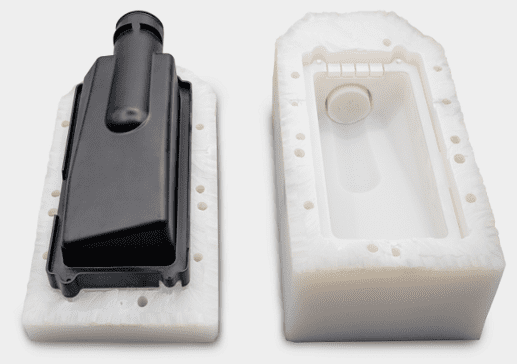
SLA master pattern 3D printed part for vacuum casting workflow

3D printing can create parts with complex geometries, functional properties, and a wider range of materials, but it has lower resolution, surface quality, and color options than vacuum casting.

Vacuum cast polyurethane part replicated from 3D printed master

Vacuum casting is a process that uses a vacuum chamber to fill a silicone mold with liquid resin or rubber to produce small batches of plastic or rubber parts. Vacuum casting can create parts with high detail, smooth surface finish, and various colors and textures, but it has limited durability, accuracy, and material choices.

SLM metal 3D printed part as alternative to metal casting

3D printing can create complex geometries and intricate details that are difficult or impossible to achieve with metal casting. Additionally, 3D printing is very effective for rapid prototyping and low-volume production because it eliminates the need for molds and reduces material waste. The process is also more automated, which can shorten production time and reduce labor costs.

Investment cast metal part compared to SLM 3D printing option

Metal casting is a process where molten metal is poured into a mold to form the desired shape. It is ideal for producing large volumes of parts with consistent quality. It is particularly effective for manufacturing large, heavy components that require high strength and durability.

Quote Now

Quote Now

Cookie Policy

We use cookies to personalize your experience. By using this site, you agree to our Privacy Policy

Accept