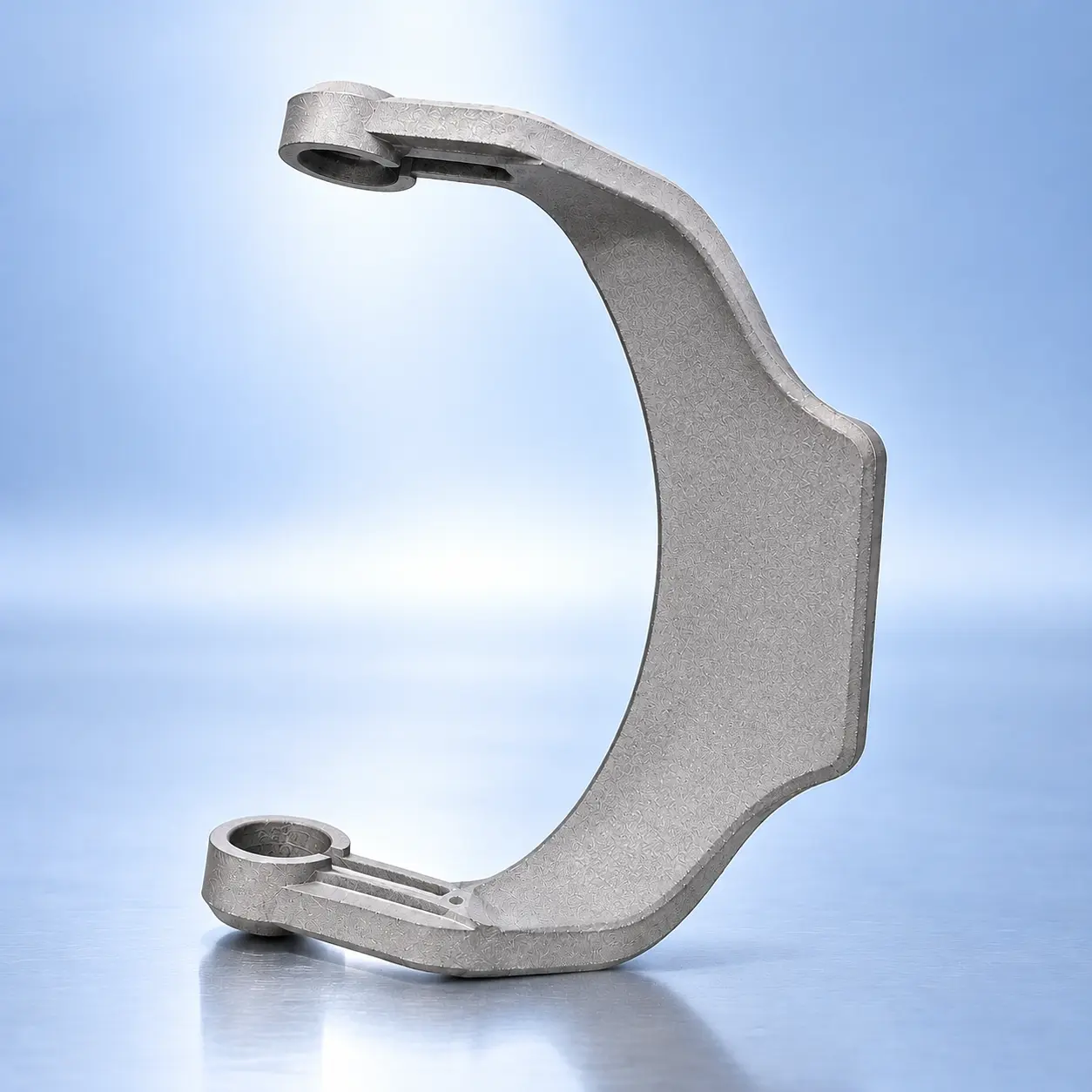
Nylon PA 12 Gray
Example partsElectronics enclosures, mounting brackets and snap-fit clips.
Selection focusChoose PA12 for a balance of stiffness and toughness. Check clip deflection and mating clearances for the intended assembly.

3D Printing
Industrial nylon parts with isotropic strength and fast throughput.
Multi Jet Fusion (MJF) applies fusing and detailing agents across a powder bed, then uses infrared energy to fuse each layer. The result is durable PA12 or TPU parts with fine feature definition and mechanical properties suited to serial production.
See how MJF builds polymer parts layer by layer, then follow the steps from cooling and powder removal to finishing and inspection.
Check wall thickness, mating clearances and powder escape paths. Select the material, orient and nest the parts in the build volume, then slice the build for printing.
The machine preheats the powder bed and spreads a thin layer of polymer powder. Inkjet heads deposit fusing agent within the part cross-section to increase infrared absorption and detailing agent near selected edges to limit unintended fusion. Infrared heating fuses the selected regions. The platform lowers and the cycle repeats.
Let the build cool under controlled conditions before unpacking to limit distortion. Lift the parts from the powder bed and remove loose powder from accessible cavities and channels.
Media blast the parts to remove residual powder from surfaces and accessible recesses. Check openings and mating features for trapped powder before finishing.
Apply the specified finish after cleaning. The video shows black dyeing. Confirm color, surface appearance and any additional finishing requirements when requesting a quote.
Check critical dimensions, mating features and surface condition against the approved drawing and agreed acceptance criteria. Verify any requested finish before release.
PA12 planning values unless stated otherwise. Material, geometry and finishing limits are confirmed during drawing review. Review MJF materials.
| Parameter | Capability |
|---|---|
| Max. Build Envelope | 380 × 284 × 380 mm (X × Y × Z); usable part size depends on orientation and material. |
| Typical As-Built Tolerance | ±0.3 mm or ±0.3%, whichever is greater, on typical PA12 geometry. |
| Minimum Wall Thickness | PA12: 1.0 mm recommended; TPU: 1.0–1.5 mm planning range, subject to grade review. |
| Minimum Hole Diameter | 1.5 mm recommended; drill or ream precision bores after printing. |
| Minimum Raised / Recessed Feature Size | 0.5 mm recommended height / depth and stroke width for readable details. |
| Layer Thickness | 0.08 mm (80 µm) for the HP Jet Fusion 5200 reference platform. |
| Surface Roughness | Ra 5–15 µm typical PA12 planning range; surface orientation and blasting affect results. |
| Surface Finish | Fine-grain gray PA12; black dyeing and vapor smoothing available. TPU finish compatibility requires review. |
| Supports | No separate support structures; surrounding powder supports the build. |
| Lead Time | From 48 hours express; standard 72-hour / 5-day options. Material and finishing affect delivery. |
Choose nylon PA12 for rigid functional parts and TPU for parts that need to flex.
Example partsElectronics enclosures, mounting brackets and snap-fit clips.
Selection focusChoose PA12 for a balance of stiffness and toughness. Check clip deflection and mating clearances for the intended assembly.
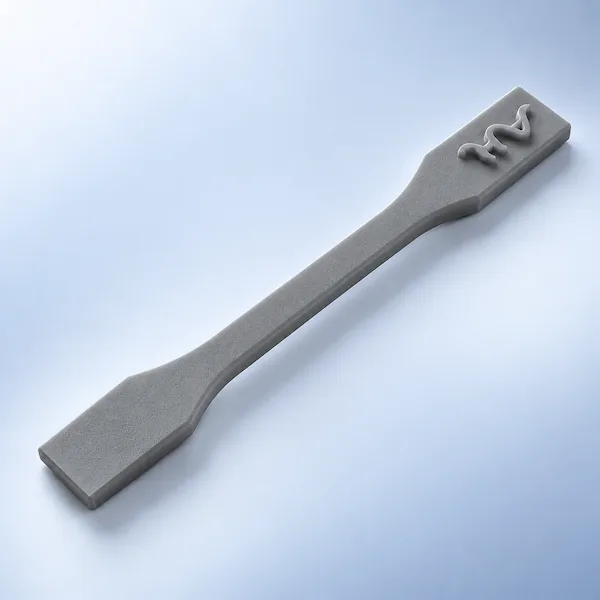
Example partsFlexible grips, protective bumpers and flexible connectors.
Selection focusChoose TPU for parts that need to flex and recover. Confirm Shore A hardness and check deflection and recovery in the intended geometry.
Ask about glass-bead-filled PA12 if your part needs higher stiffness.
Natural MJF gray is fine-grained. Black dye is the usual customer-facing step.
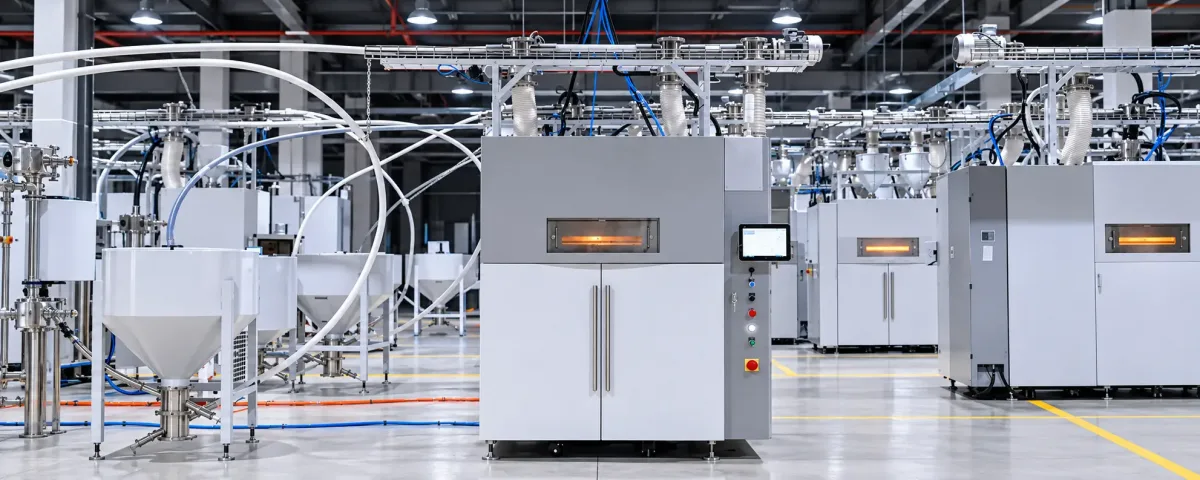
Fine as-fused grain, typically gray PA12. Good for internals and shop trials.
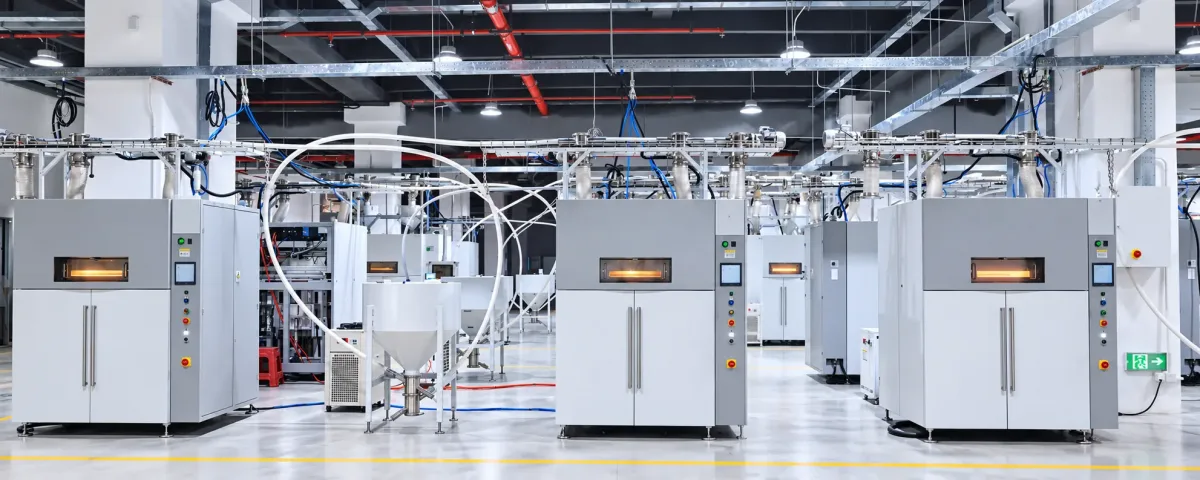
Immersion dye for a uniform dark skin that hides the open grain.
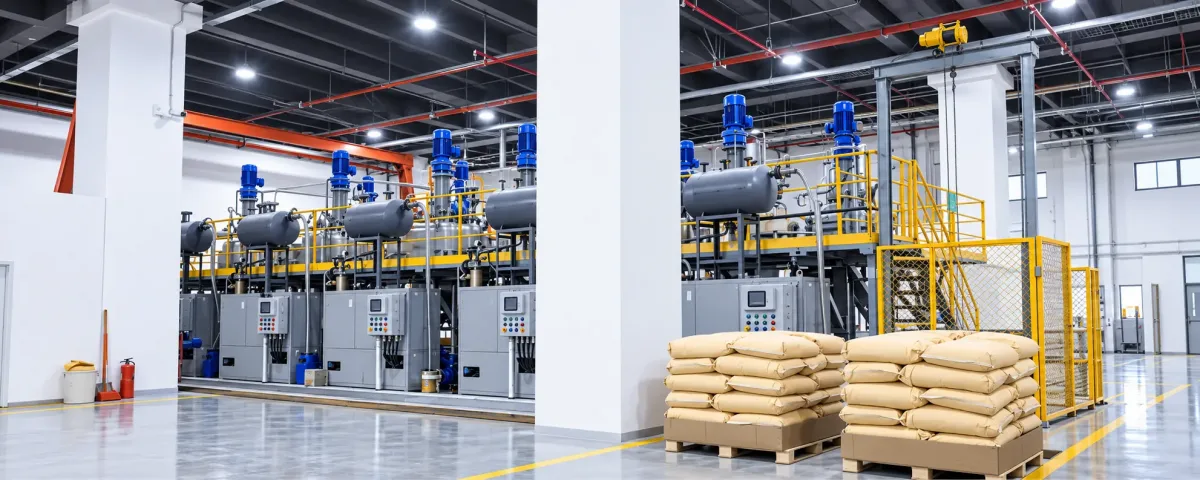
Chemical smooth for a less chalky feel on grips and consumer-facing covers.
Review the reference equipment, materials and build parameters for our Multi Jet Fusion service.
Equipment & Manufacturing
We plan each build around material selection, part orientation, packing density and access for powder removal.
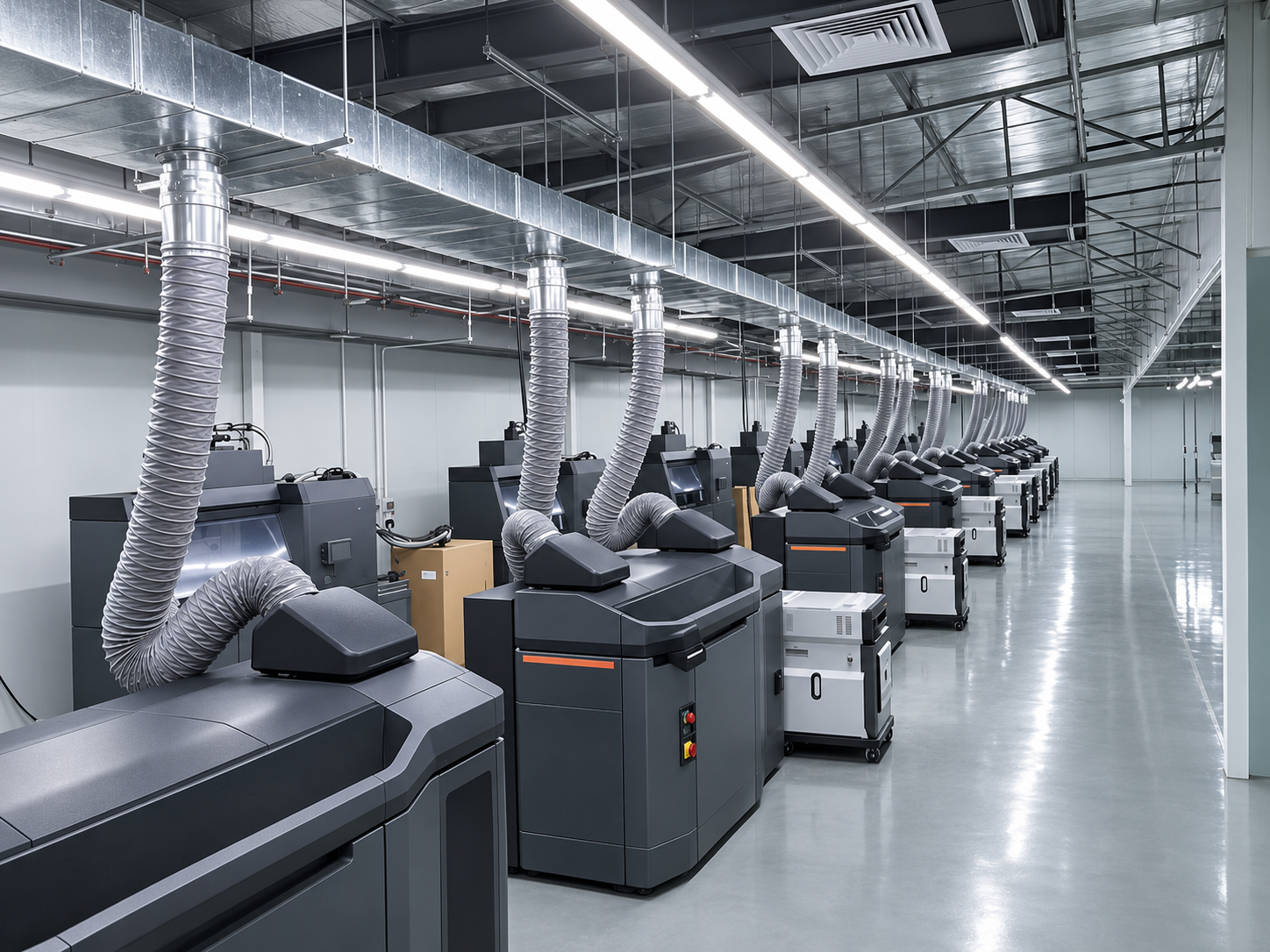
Usable part size depends on material, orientation and build planning.
Industrial MJF Equipment · Build Volume (X × Y × Z)
Build volume: 380 × 284 × 380 mm
Layer thickness: 0.08 mm
Manufacturer reference specifications ↗Reference specifications; material qualification and usable build size are confirmed for each order.
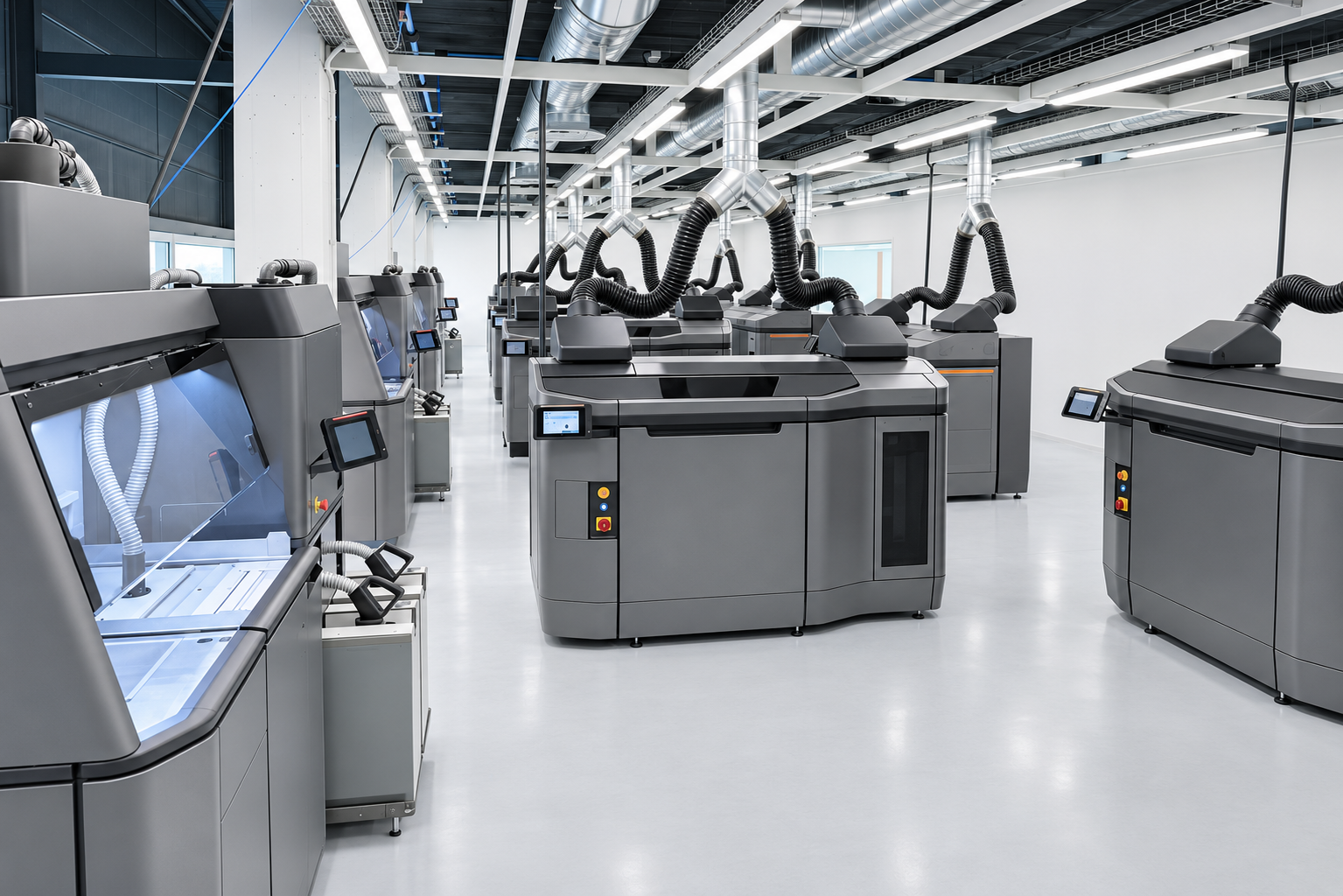
Compare MJF and SLS powder-bed printing with SLA, DLP and FDM by part detail, material performance and finished-part cost.
Swipe horizontally to view the full comparison.
| Comparison Factor | MJF / SLS Nylon Printing | SLA Resin Printing |
|---|---|---|
| XY Detail | Fine text and small grooves can lose definition | Fine features and smooth curves |
| Typical Tolerance | ±0.3 mm or ±0.3% Planning tolerance | ±0.2 mm on well-supported features |
| Max Build Envelope | MJF: 380 × 284 × 380 mm SLS: 645 × 325 × 520 mm Planning dimensions | Up to 1,400 × 700 × 500 mm X × Y × Z |
| Layer Thickness | Confirm for the selected machine and material | 0.05–0.25 mm G1400-P+ equipment reference |
| Build Speed & Batch Throughput | 3D nesting for batch production Cooling adds time | Longer scan paths take more time |
| Functional Performance | PA12 for functional housings and snap-fits Grade determines stiffness and toughness | Properties vary by resin grade Check load and flex requirements |
| Surface Finish | MJF: Fine grain Dyeing or vapor smoothing SLS: Matte, slightly grainy Vapor smoothing or tumbling | Smooth as printed Sanding, painting or coating |
| Supports & Post-Processing | Powder bed supports parts No separate supports Trapped powder needs an escape path | Supports required Contact points can go on non-cosmetic faces |
| Finished-Part Cost | Dense builds can lower unit cost Depends on packing and finish | Cost varies with scan time, resin and finish |
| Lead Time | Express from 48 hours Standard options: 72 hours or 5 days | 24, 48 or 72 hours after file approval Depends on part size and finishing |
| Comparison Factor | MJF / SLS Nylon Printing | DLP Resin Printing |
|---|---|---|
| XY Detail | Fine text and small grooves can lose definition | Crisp XY detail Pixel edges on some curves |
| Typical Tolerance | ±0.3 mm or ±0.3% Planning tolerance | ±0.2 mm on supported geometry |
| Max Build Envelope | MJF: 380 × 284 × 380 mm SLS: 645 × 325 × 520 mm Planning dimensions | Depends on the assigned machine Typically desktop to mid-size platforms |
| Layer Thickness | Confirm for the selected machine and material | Confirm for your project |
| Build Speed & Batch Throughput | 3D nesting for batch production Cooling adds time | Parts share each layer exposure |
| Functional Performance | PA12 for functional housings and snap-fits Grade determines stiffness and toughness | Standard and tough resins serve different uses. Verify the grade for repeated flex or impact. |
| Surface Finish | MJF: Fine grain Dyeing or vapor smoothing SLS: Matte, slightly grainy Vapor smoothing or tumbling | Smooth as printed Vapor polishing or coating available |
| Supports & Post-Processing | Powder bed supports parts No separate supports Trapped powder needs an escape path | Supports required on overhangs Wash, post-cure and remove supports |
| Finished-Part Cost | Dense builds can lower unit cost Depends on packing and finish | Packed builds can lower unit cost |
| Lead Time | Express from 48 hours Standard options: 72 hours or 5 days | From 48 hours |
| Comparison Factor | MJF / SLS Nylon Printing | FDM Filament Printing |
|---|---|---|
| XY Detail | Fine text and small grooves can lose definition | Nozzle width limits fine text and narrow grooves |
| Typical Tolerance | ±0.3 mm or ±0.3% Planning tolerance | ±0.5 mm or ±0.5% For FDM-appropriate geometry |
| Max Build Envelope | MJF: 380 × 284 × 380 mm SLS: 645 × 325 × 520 mm Planning dimensions | Varies by machine Large-format options on request |
| Layer Thickness | Confirm for the selected machine and material | Varies by machine and setup |
| Build Speed & Batch Throughput | 3D nesting for batch production Cooling adds time | Quick iterations for simple parts Infill and supports affect print time |
| Functional Performance | PA12 for functional housings and snap-fits Grade determines stiffness and toughness | Thermoplastics for fixtures and functional prototypes Often weaker across layers |
| Surface Finish | MJF: Fine grain Dyeing or vapor smoothing SLS: Matte, slightly grainy Vapor smoothing or tumbling | Visible layer lines Optional sanding or coating |
| Supports & Post-Processing | Powder bed supports parts No separate supports Trapped powder needs an escape path | Breakaway or soluble supports for overhangs No UV post-cure |
| Finished-Part Cost | Dense builds can lower unit cost Depends on packing and finish | Often economical for simple parts Finishing can add cost |
| Lead Time | Express from 48 hours Standard options: 72 hours or 5 days | 24–48 hours depending on part size |
MJF and SLS are grouped for nylon part selection. Build envelopes, available grades and finishing options vary by process. Final tolerances, price and lead time depend on your CAD, material and finishing requirements.
Applications Across Industries
Multi Jet Fusion (MJF) produces functional prototypes and short-run polymer parts. Use PA12 for rigid housings, brackets and clips, or TPU for flexible grips and bumpers.
Explore All IndustriesShare your critical fits, expected loads and finish requirements so we can review the material and part design.
Trim clips and wiring harness brackets
ExploreSnap-fit enclosures and cable guides
ExploreGripper fingers and sensor mounts
ExploreAssembly fixtures and fit-check prototypes
ExploreDevice enclosure prototypes and test fixtures
ExploreFlexible grips and snap-fit covers
ExploreSee how part geometry, material, batch size and finishing affect your MJF quote.
Review tapping or threaded inserts for repeated assembly.
Prices use one solid rectangular PA12 Gray sample at each listed size, calculated once using catalog pricing rules. Optional finishing and shipping are excluded. Upload your CAD file for a quote based on actual part volume.
Share your CAD, material grade, quantity, finish and requested delivery date. Flag critical dimensions, inspection needs and any cavities that require powder removal.
Powder grade, part volume, build height and 3D packing density.
Reduce unnecessary solid volume where strength allows. If you hollow the part, provide openings for powder removal.
Black dyeing, vapor smoothing, tight fits and inspection requirements.
Identify the fits and cosmetic surfaces that need extra attention. Choose the standard finish when it meets the part requirements.
Order quantity, build scheduling and requested turnaround.
Request unit prices at your planned quantities and ask whether parts in the same material grade can share a build.
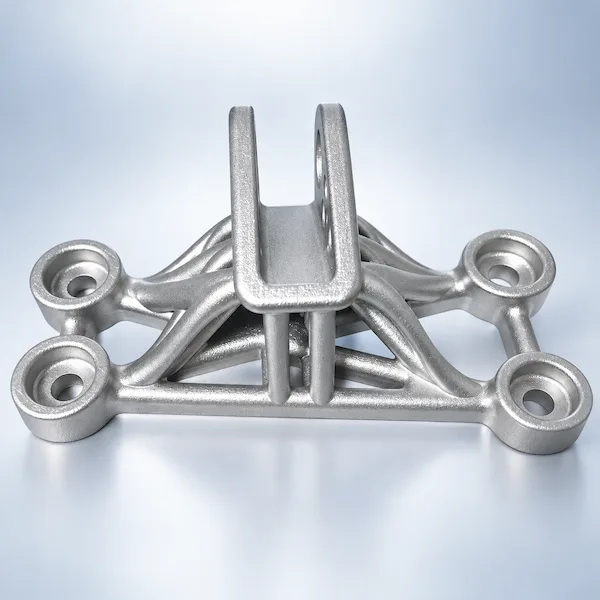
Selective Laser Melting (SLM) is a powder-bed metal additive process. A high-power laser scans each cross-section of your CAD model, melting metal powder that solidifies into a dense part.
Full process details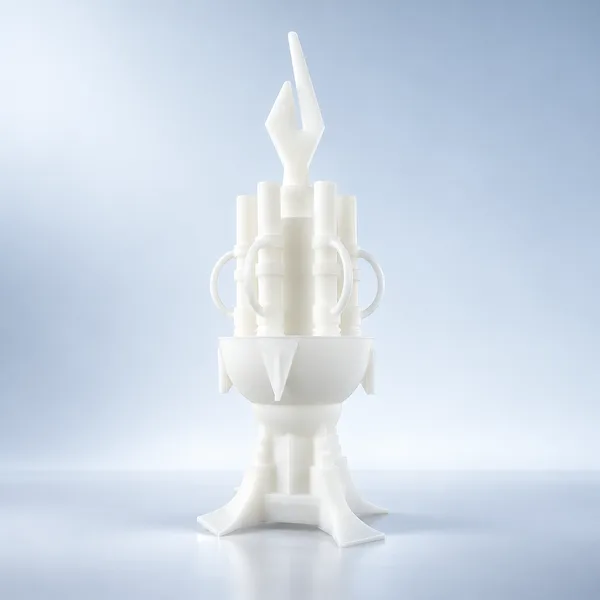
Stereolithography (SLA) cures liquid photopolymer with a precision UV laser, building parts layer by layer.
Full process details
Digital Light Processing (DLP) solidifies an entire layer of photopolymer at once using a projected image.
Full process detailsBoth make functional PA12. MJF is often a bit more isotropic and faster on dense nests; we pick the cell from the file, not from a slogan.
±0.3 mm or ±0.3% on typical MJF geometry.
Yes, flexible TPU grades for grips, gaskets, and living features — confirm the durometer on the quote.
No separate support trees. Powder holds the part; you still need escape holes.
Express from 48 hours; standard around 72 hours or 5 days depending on the cake queue.
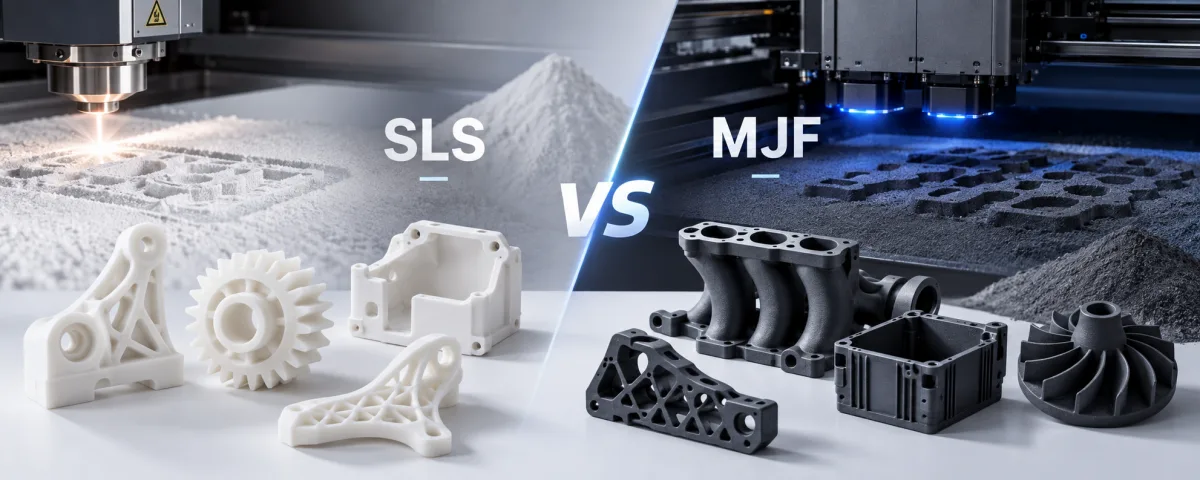
Technical comparison of SLS and MJF nylon 3D printing for end-use parts. Learn differences in surface finish, dimensional accuracy, material options, cost, and ideal production vol
Full process details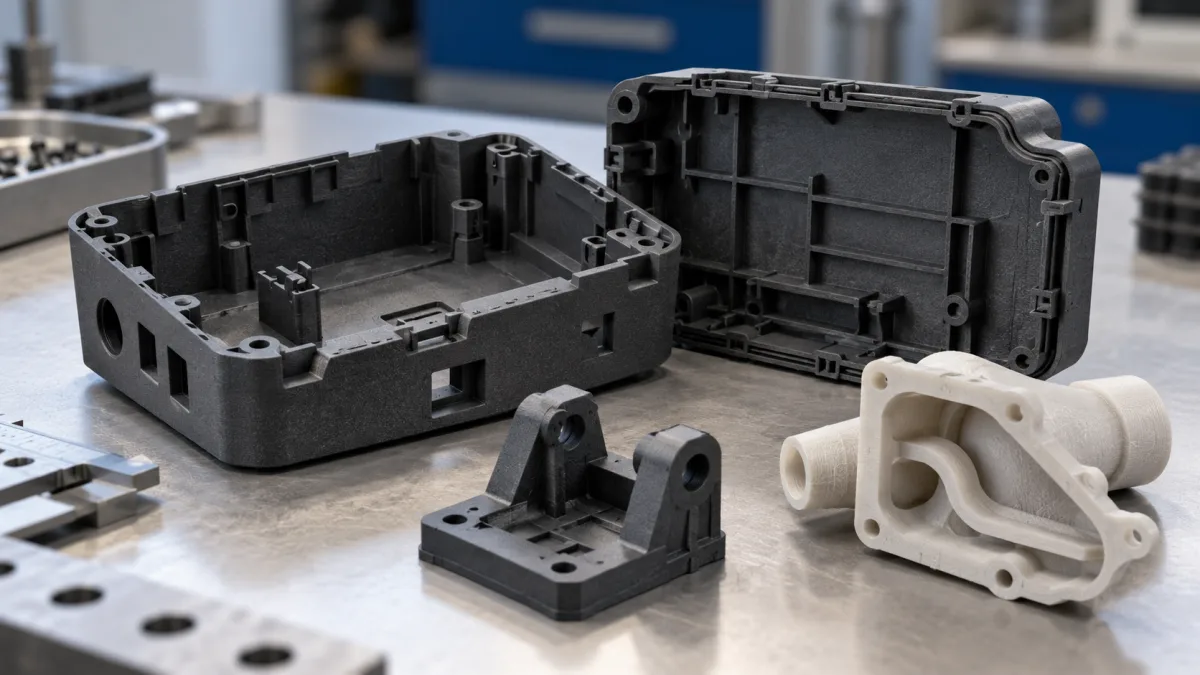
Learn what to consider when designing SLS nylon parts for assembly, from tolerances and snap fits to material selection, powder removal, and surface finishing.
Full process details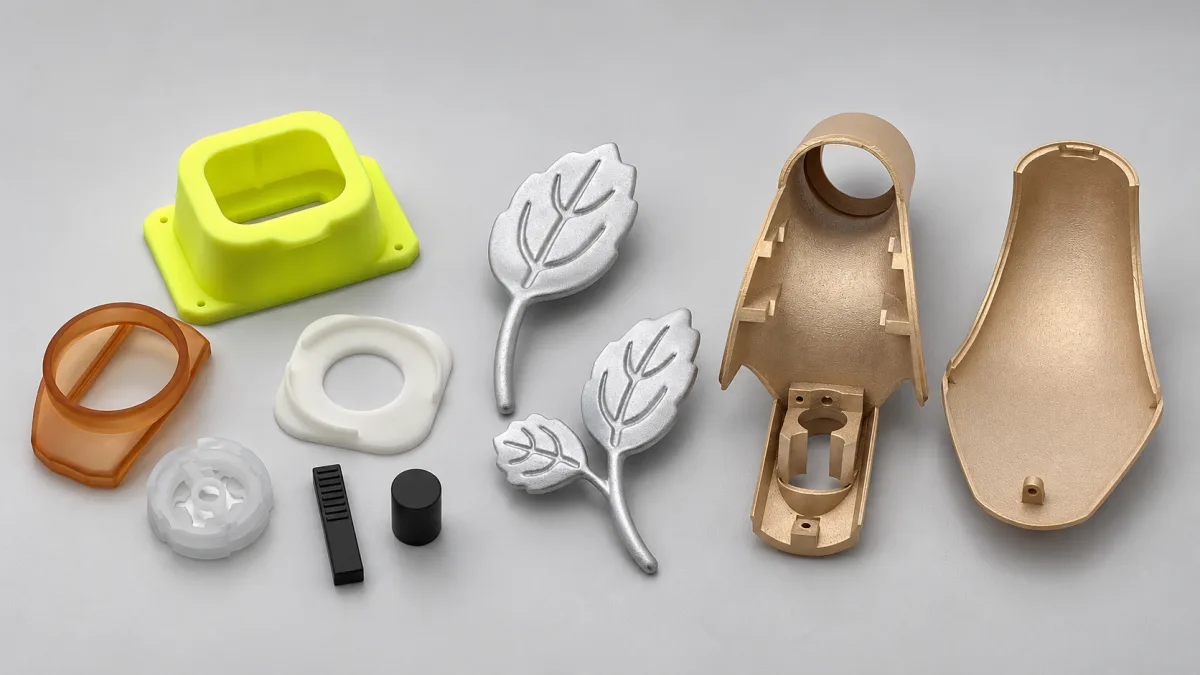
Compare SLA with DLP, LCD, FDM, SLS, MJF, SLM, and CNC machining. Shortlist processes by material, geometry, finish, cost, and your part's intended use.
Full process details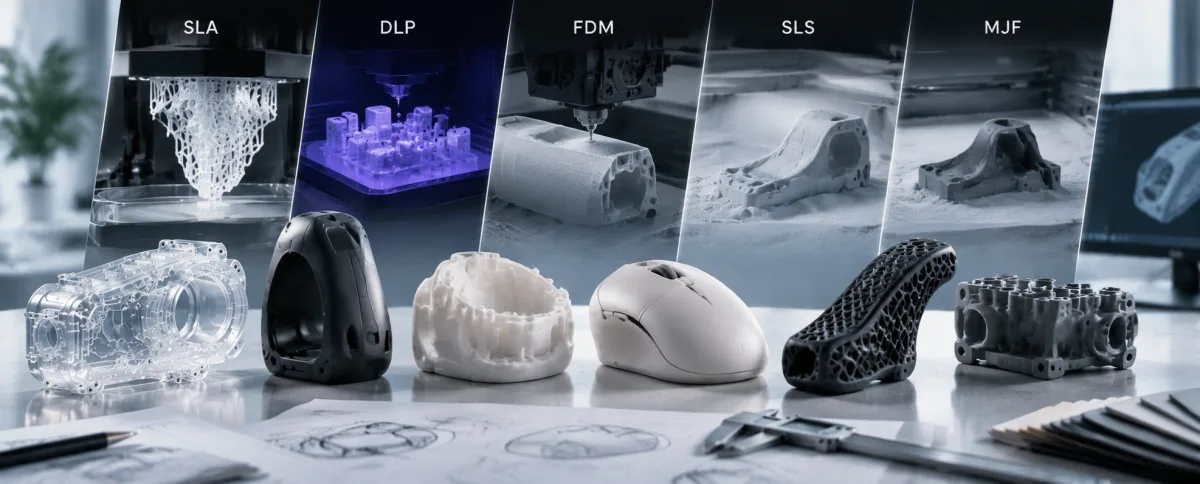
Learn how to choose the right 3D printing process for cosmetic prototype parts. Compare SLA, DLP, FDM, SLS, and MJF for surface quality, detail, fit, and finishing.
Full process details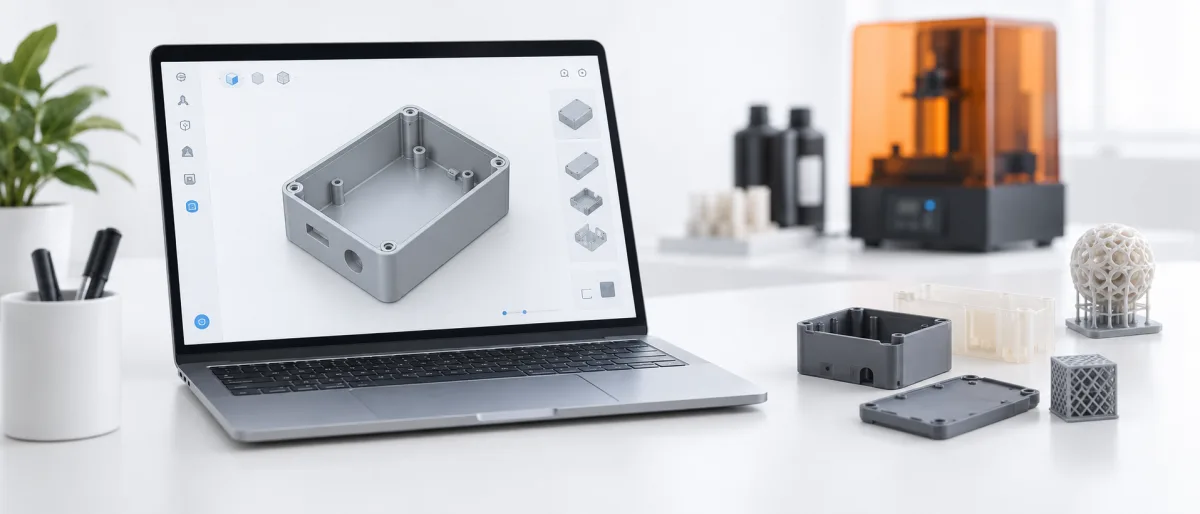
Step-by-step guide to uploading STL and STEP files for instant resin 3D printing quotes. Learn file preparation, unit settings, wall thickness, orientation, and how to read quote r
Full process detailsUse these process-specific checks when preparing your model, drawing and quote request. The confirmed quotation and approved drawing define the requirements for your part.
Choose the exact supported grade for stiffness, impact behavior and service environment. Avoid assuming that all PA12 parts share identical properties across processes. Thin walls, ribs and abrupt mass changes need review for cooling behavior and dimensional stability.
Build packing and orientation are manufacturing decisions that can affect the schedule and part behavior. Define cosmetic faces and the required color before selecting dyeing or smoothing. Leave access for powder removal in ducts and internal volumes.
Confirm grade, color, surface treatment and finished-part tolerances. For repeat orders, keep the approved revision and acceptance sample, and identify fit-critical dimensions that need measurement.
AIHFABS quotes custom 3D printing and CNC machining from a CAD upload. Compare SLA, SLS, MJF, SLM, FDM, DLP, milling, and turning, then add finishing such as vapor smoothing, dyeing, anodizing, polishing, or powder coating in the same order.
Instant quoting is built for prototypes, jigs, housings, and small-batch production. You see material, process, quantity, and lead time together, which keeps engineering changes from turning into a new round of supplier emails.
You can review material, process, quantity, and lead time together, so engineering changes do not turn into another round of supplier emails.
Upload STL, STEP, and other common CAD formats for an online quote.
Compare 3D printing technologies and CNC options on the same part.
Select polymers or metals, then add 3D Plus hardware finishing when needed.
Review price and lead time before checkout, or request a manual quote for special specs.
If this page describes a process, industry, or sample part you want to reproduce, start from the upload flow and match technology plus finishing to your drawing.
We use cookies to personalize your experience. By using this site, you agree to our Privacy Policy
Accept