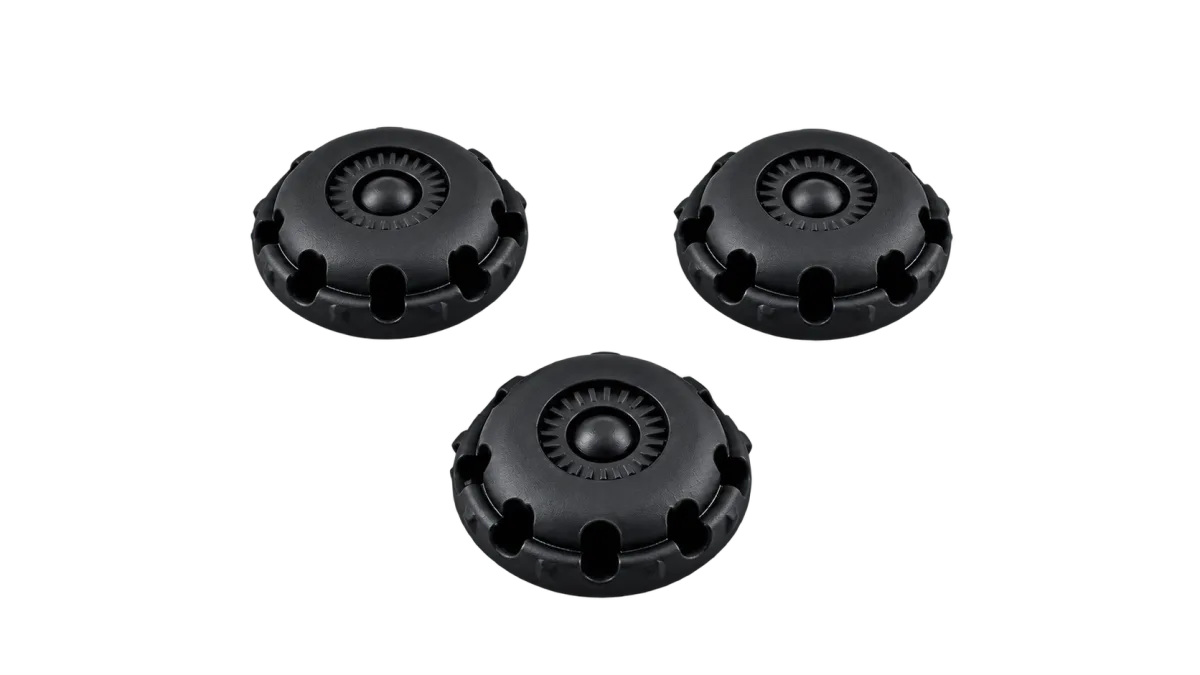
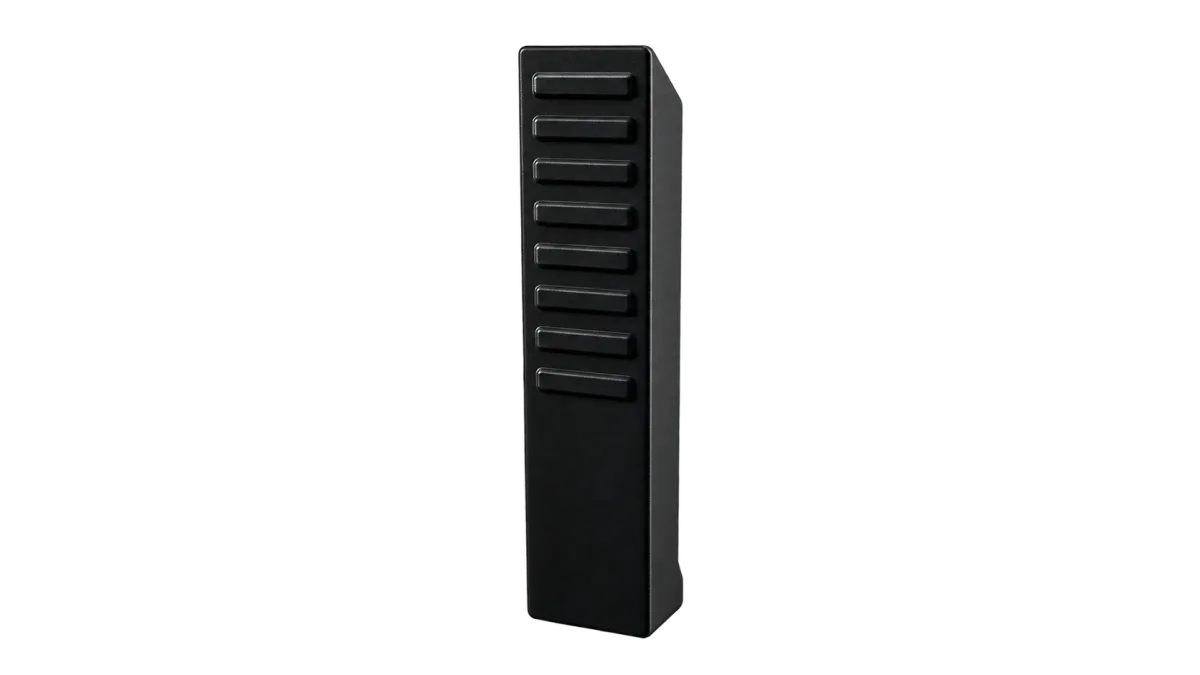
Housings and skins
SLS or MJF nylon covers with dye or paint for a demo. Inserts for fasteners.

Industries
We provide high-quality custom parts for a variety of robotic applications through metal 3D printing, SLS and MJF 3D printing, and a variety of surface finishing solutions. 3D printing empowers the robotics industry to reduce costs and accelerate innovation. We aim to provide top-notch 3D printed parts and services to advance the robotics industry.
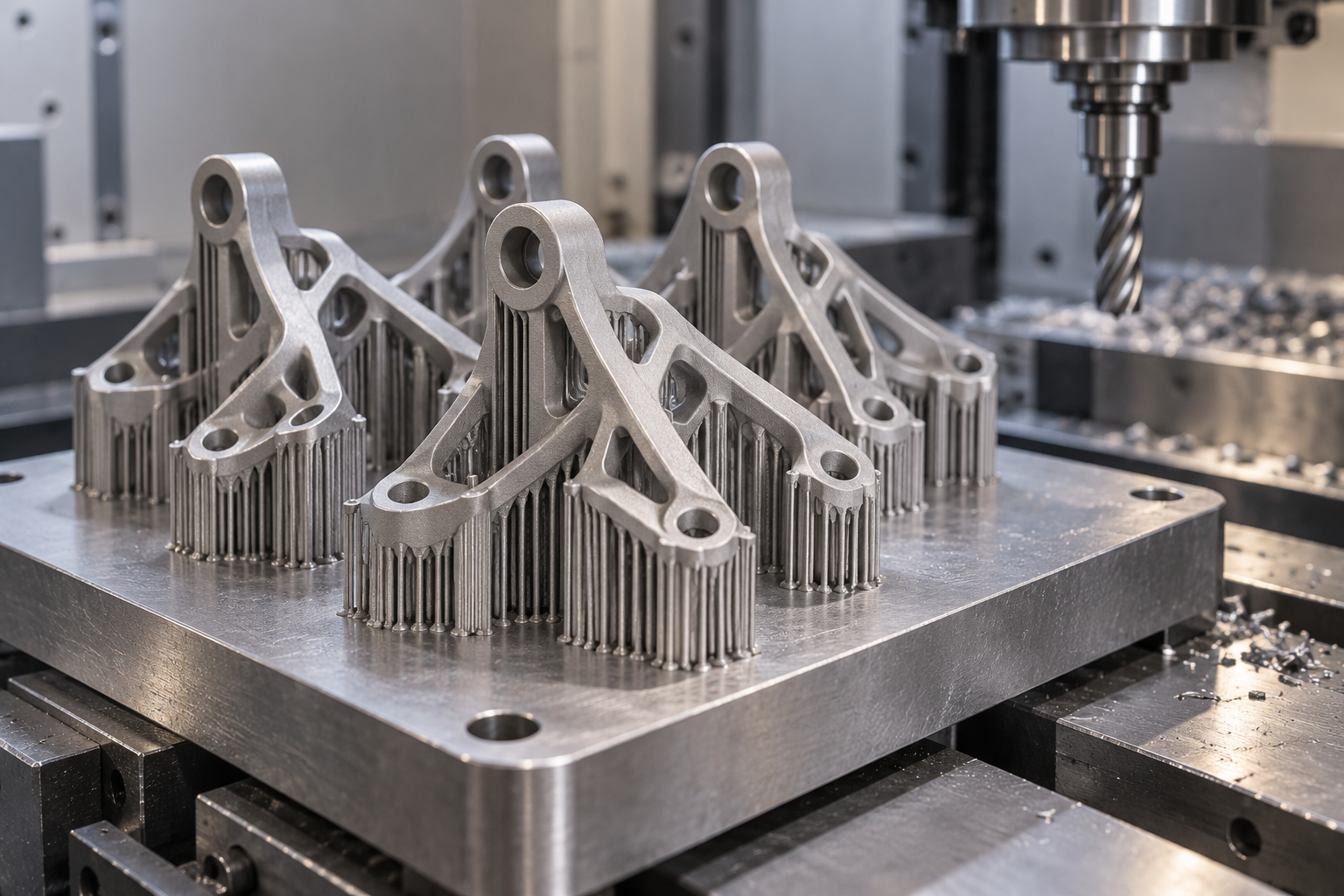
Robotics teams send skins, end-effectors, and light metal structures. SLS and MJF cover the housings. SLM covers the brackets that should not be plastic. CNC is there for shafts and datums.
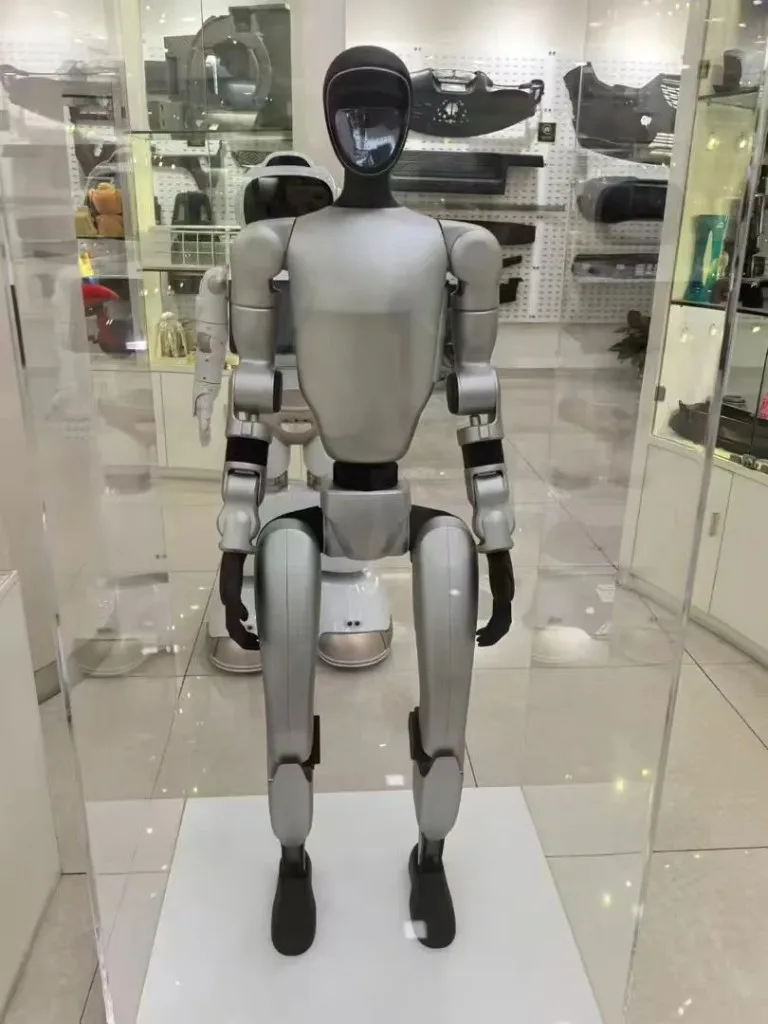
Covers that have to look finished on a demo stand, grippers that iterate weekly, and topology-optimized links that used to be a stack of plates. We print the lot that matches the sprint, then keep the quote for the next revision.
Cable routes and living hinges are normal in nylon. Threads and bearing seats are called out and machined when they have to be.
Skins, hands, and the metal that hides under them.
SLS or MJF nylon covers with dye or paint for a demo. Inserts for fasteners.
TPU or nylon jaws, sometimes over a metal core. Fast to revise.
SLM aluminum or titanium structures with machined interfaces.
Clips and nests that move every time the harness changes.
Plan each stage around the part’s function, material and inspection requirements—from the first design review to a repeatable batch.
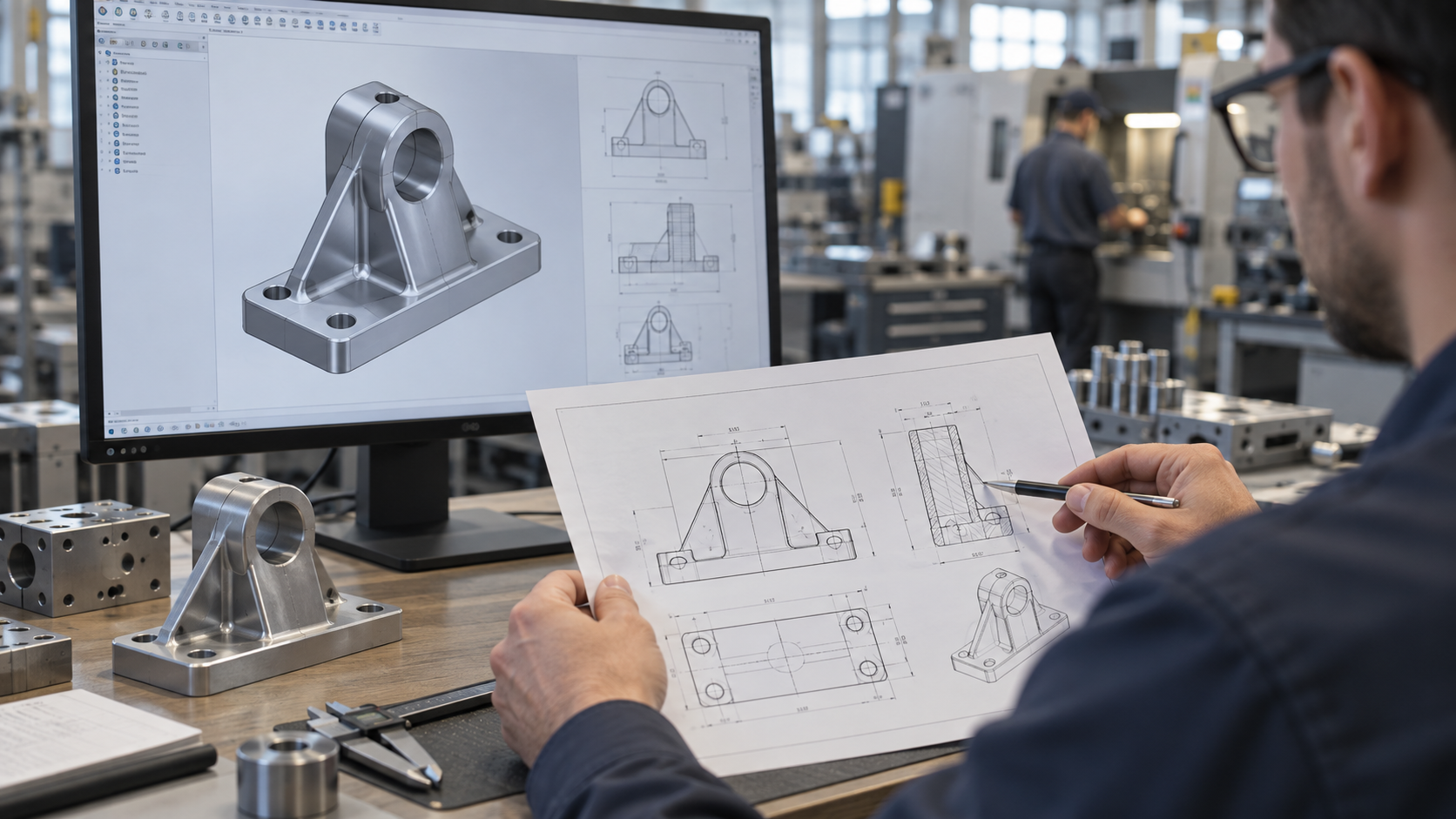
Mass budget, fastener pattern, and whether it is on camera.
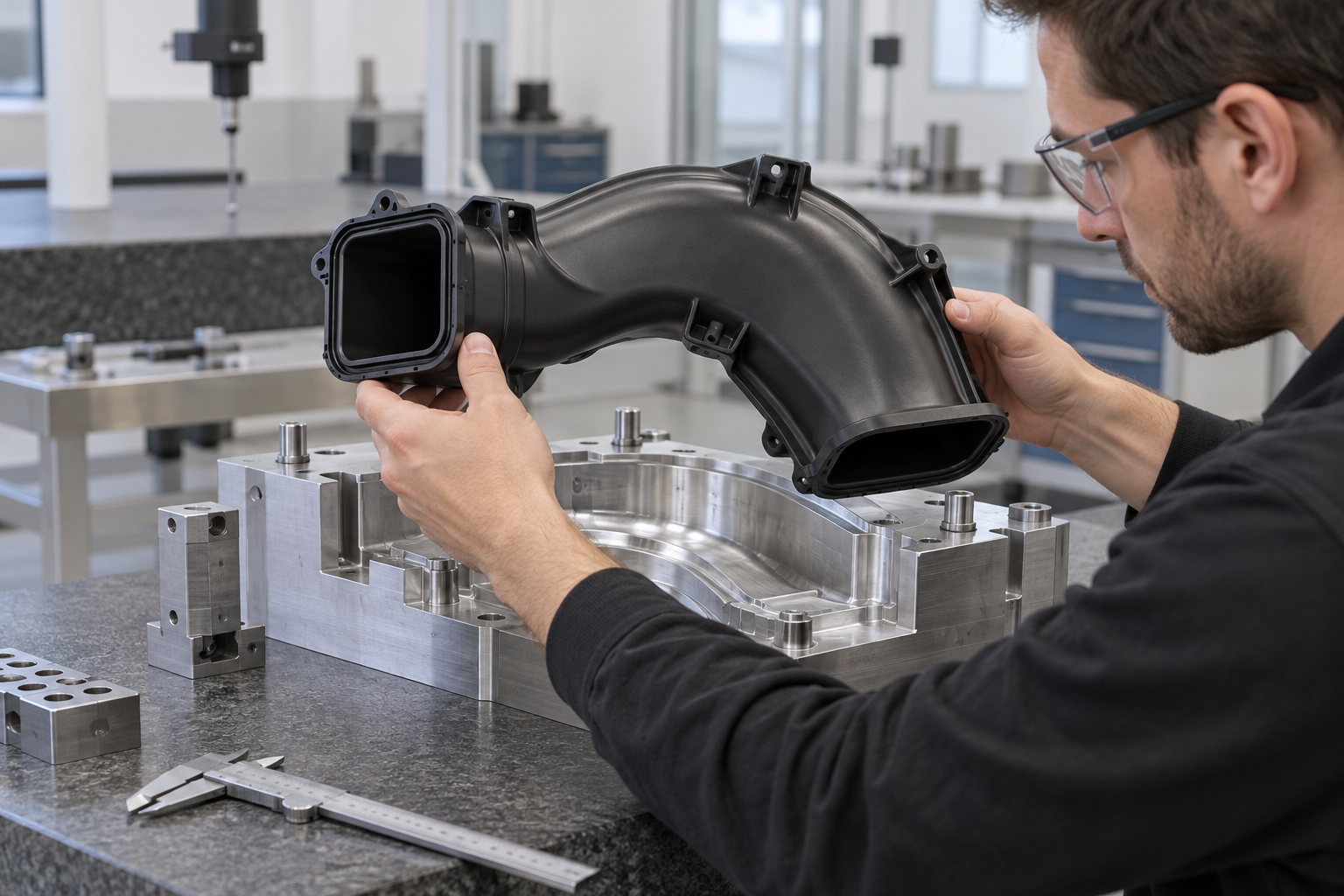
Nylon for covers and jaws. SLM or CNC for load paths.
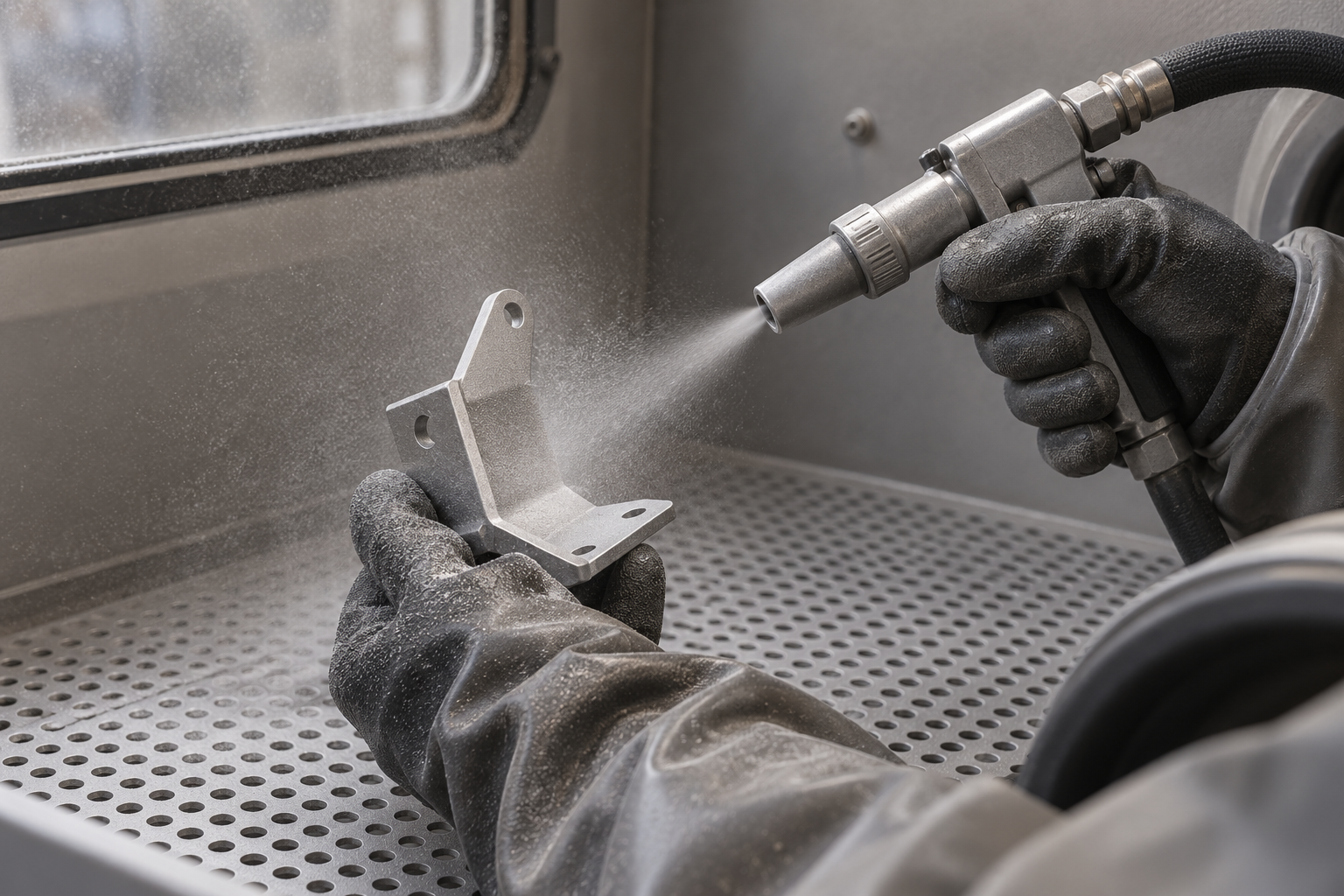
Painted skins for a stand. Technical finishes for a cell that runs every shift.
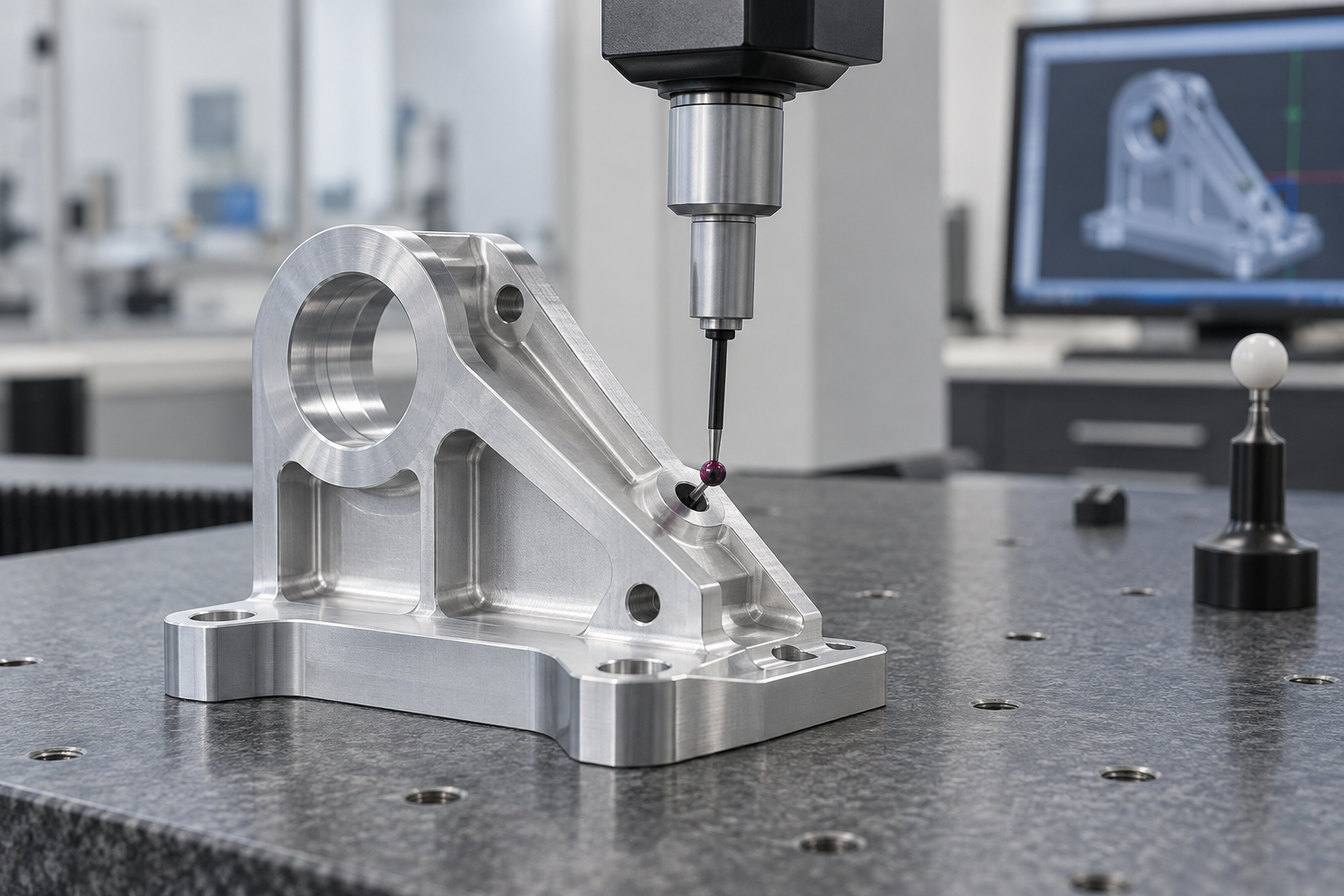
A new sprint should not mean a new vendor hunt.
Match the process, material and finish to the part’s geometry and operating conditions. Share your requirements so the quotation can include the necessary secondary operations.
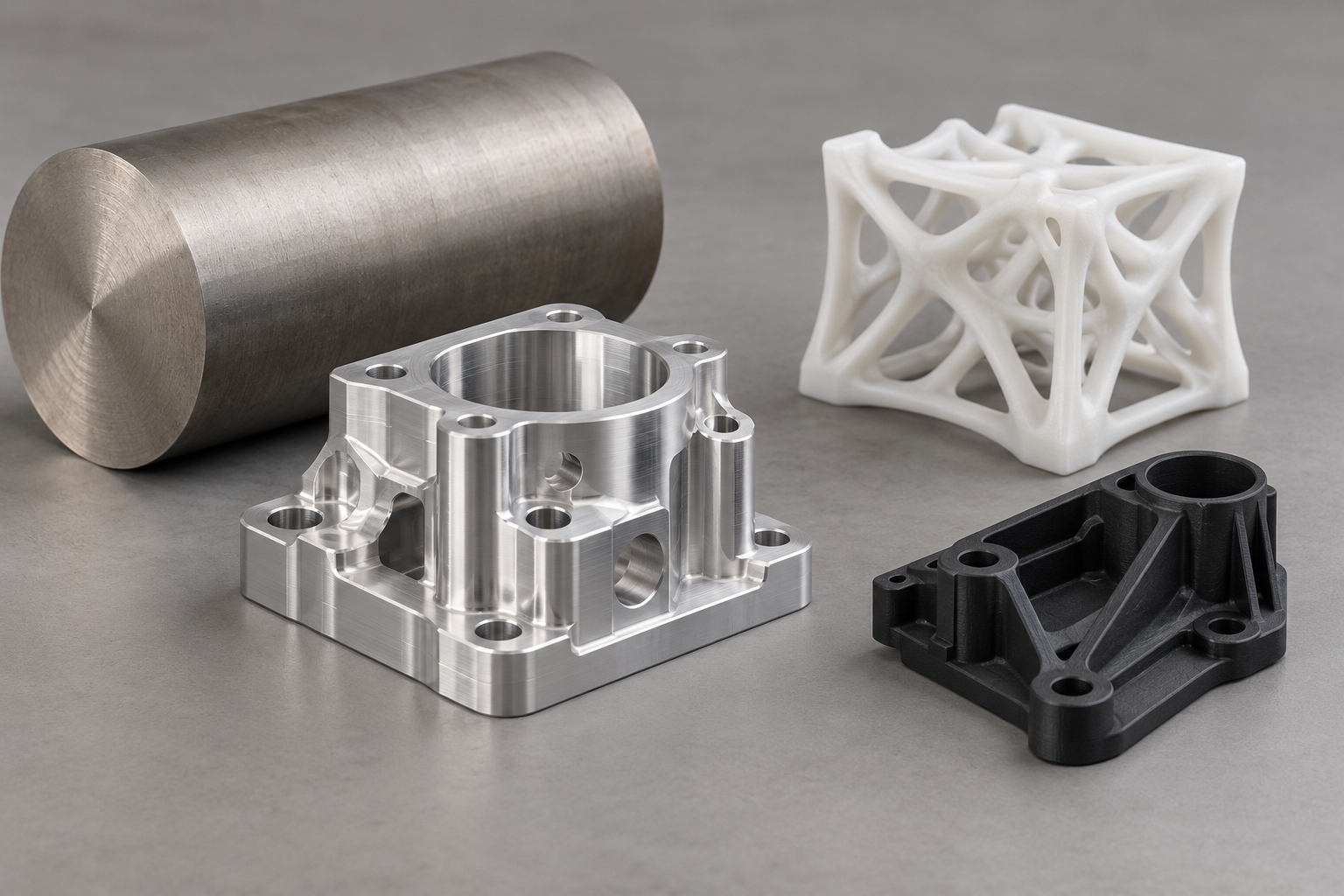
Our 3D Plus™ hardware solution offers comprehensive and accessible post-processing services. We offer more than 20 post-processing options for as-printed parts. For post-processing of 3D printed aerospace parts, we have anodizing, spray painting, polishing, electroplating, threading, tapping, bead blasting, vapor smoothing, and more!
Discover 3D Plus™ Hardware SolutionOur dedicated 3D Plus™ software solution is designed to streamline the 3D printing and post-processing ordering process. It simplifies your workflow by allowing you to select materials, choose post-processing options, receive instant price calculations, and collaborate with your team, all in one user-friendly platform.
Discover 3D Plus™ Software SolutionPA12 and TPU for skins and hands. Aluminum for links.
PA12, glass-filled, and TPU.
Aluminum and titanium for structural prints.
Machined interfaces and shafts.
Define payload, contact geometry, grip force and cycle conditions. Printed fingers can follow complex part surfaces, while machined interfaces establish alignment. Include replaceable pads or inserts where contact wear would affect repeatability.
Show bearing seats, motor interfaces, cable routing and sensor envelopes in the assembly. Identify datum faces and bores for secondary machining rather than applying the same tolerance to every printed surface.
Provide the locating scheme, clamp positions and operator access. Consider tool clearance, collision envelopes and replaceable wear features; agree the dimensional checks needed to reproduce the fixture after a design revision.
Jobs from the same shop. Industry tags are a hint, not a filter that hides the rest of the floor.
Yes, on MJF TPU when the geometry fits the process. Say the Shore target and the load.
Heat-set inserts and machined bosses are both common. Call them out on the quote.
A nylon cover is usually a new nest on the next powder run. Keep the same finish so the lot matches the last demo.
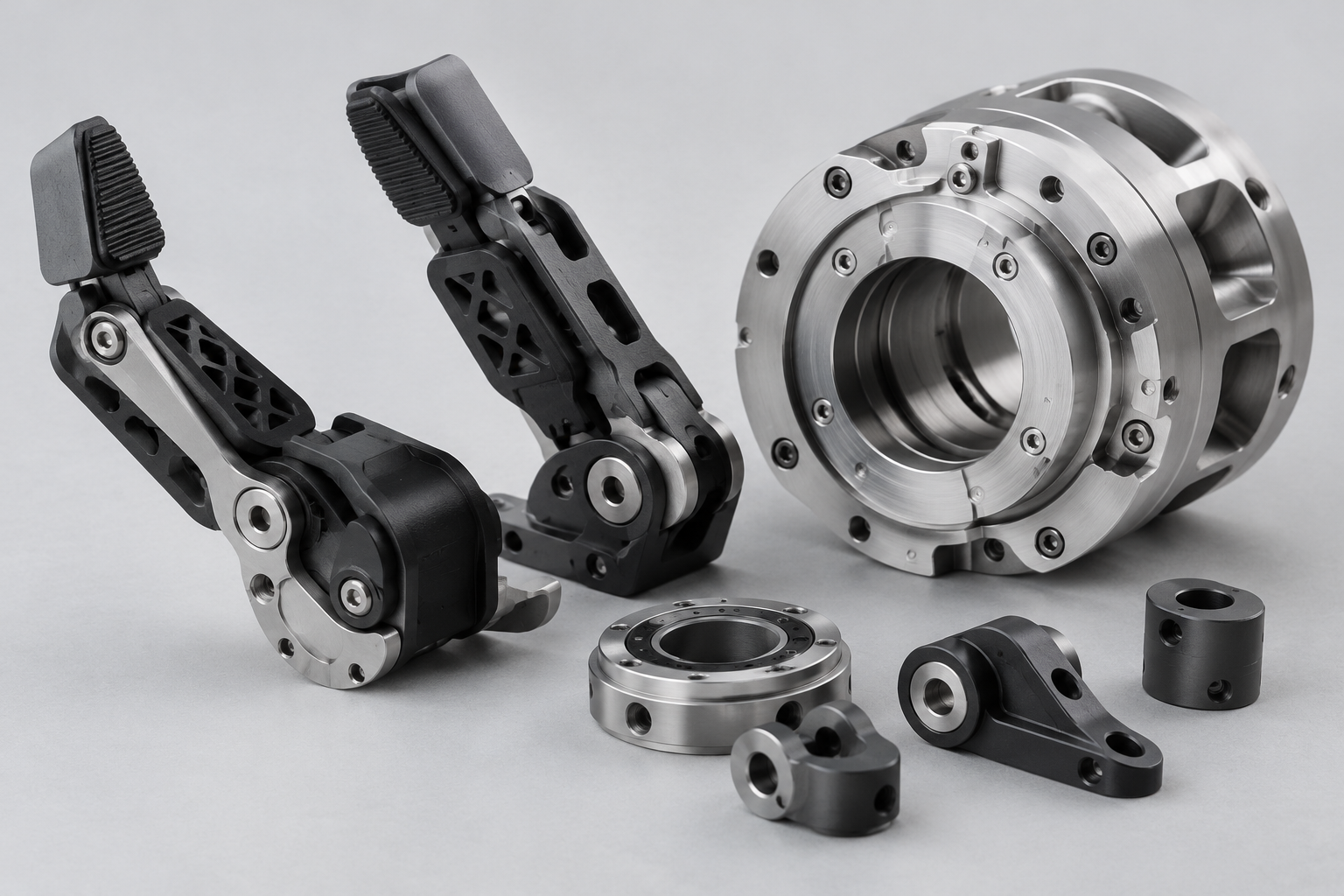
Upload the cover, gripper, or link. We will price nylon, TPU, SLM, and CNC on the same request.

We use cookies to personalize your experience. By using this site, you agree to our Privacy Policy
Accept