Challenge
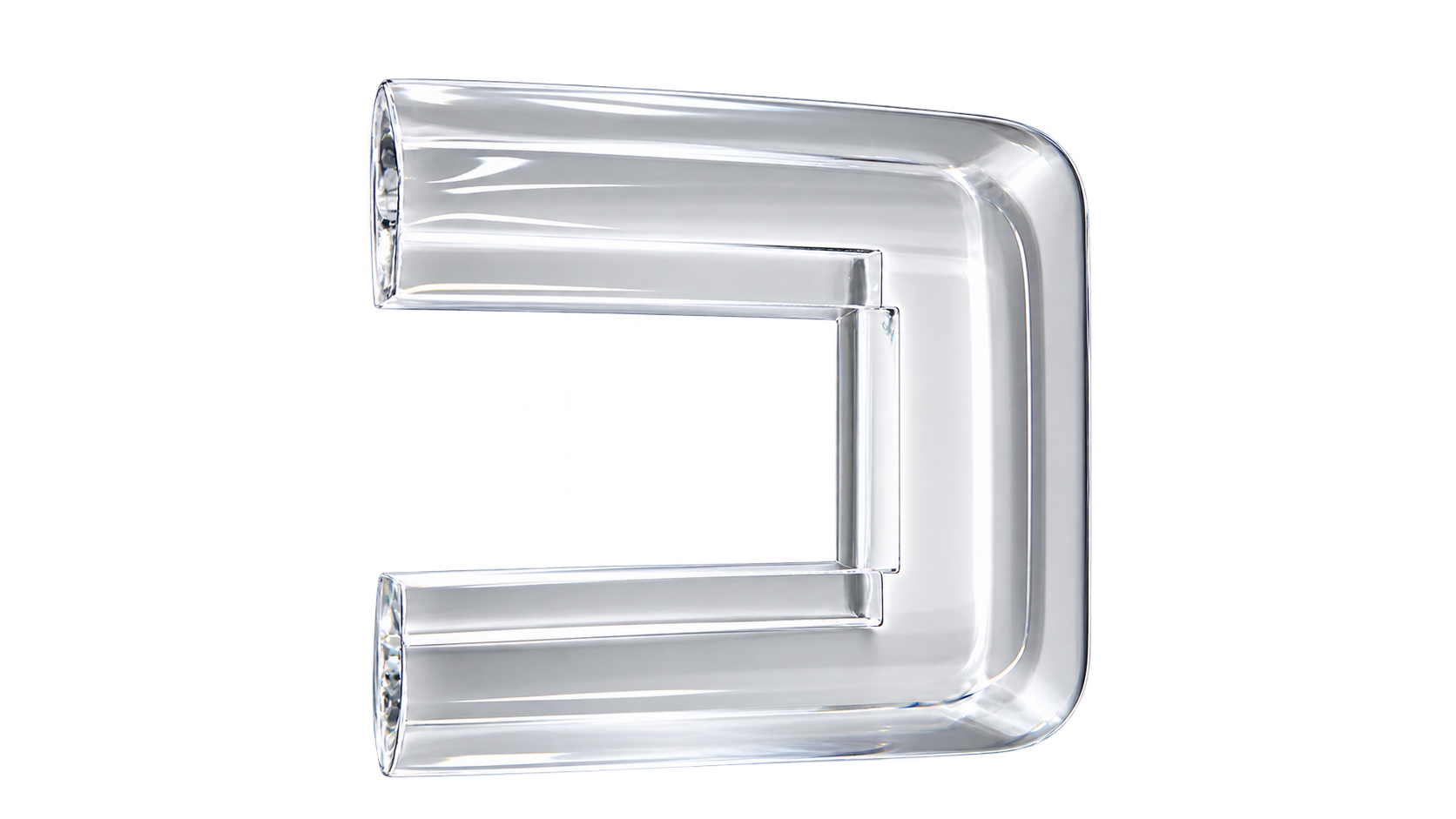
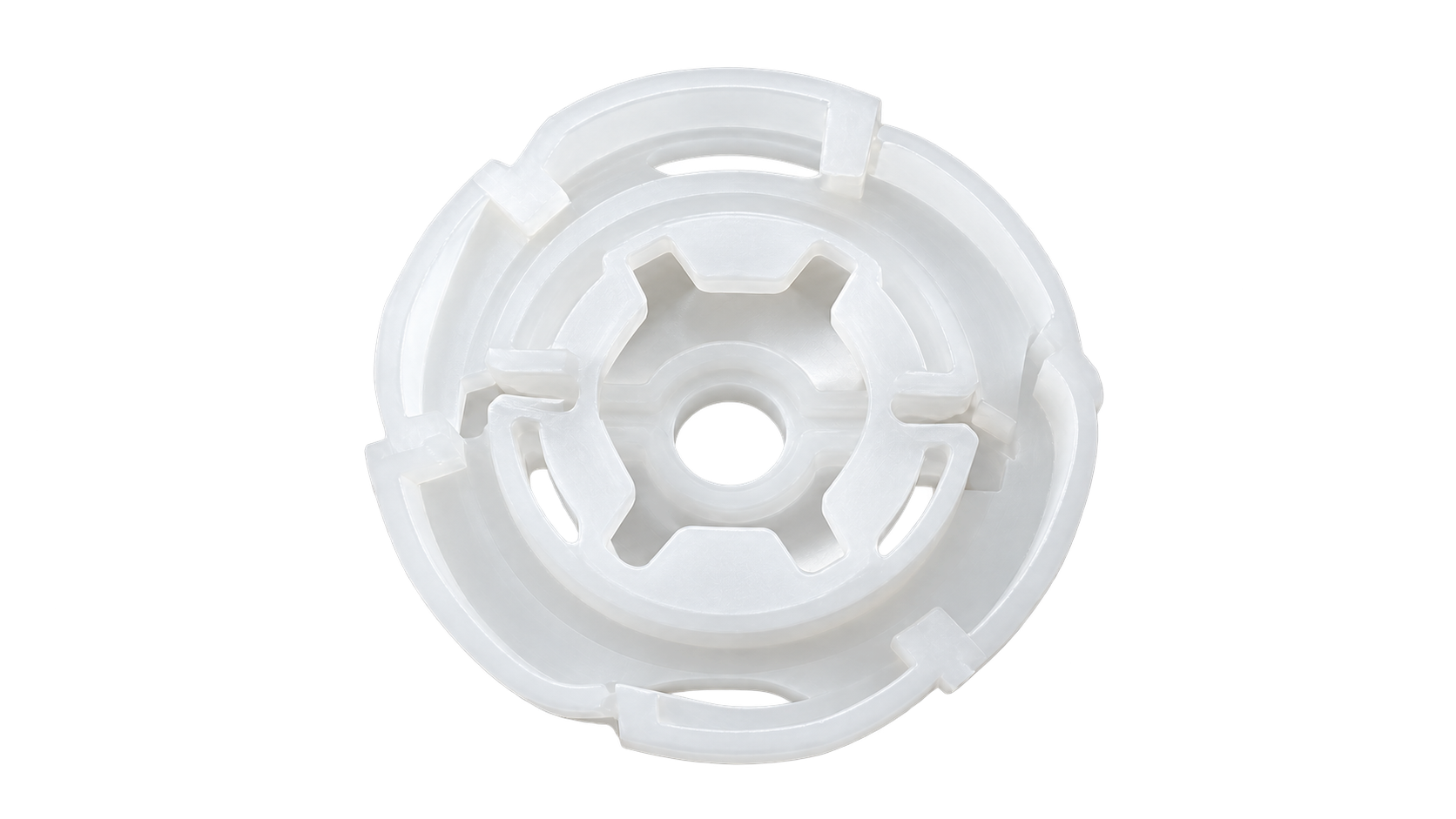
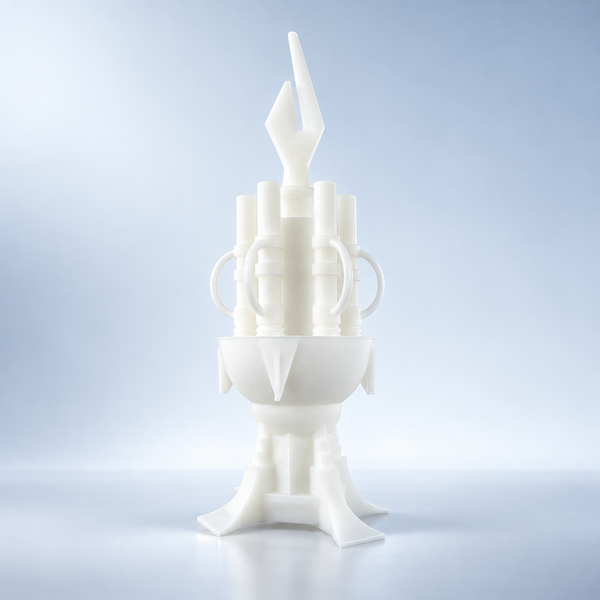
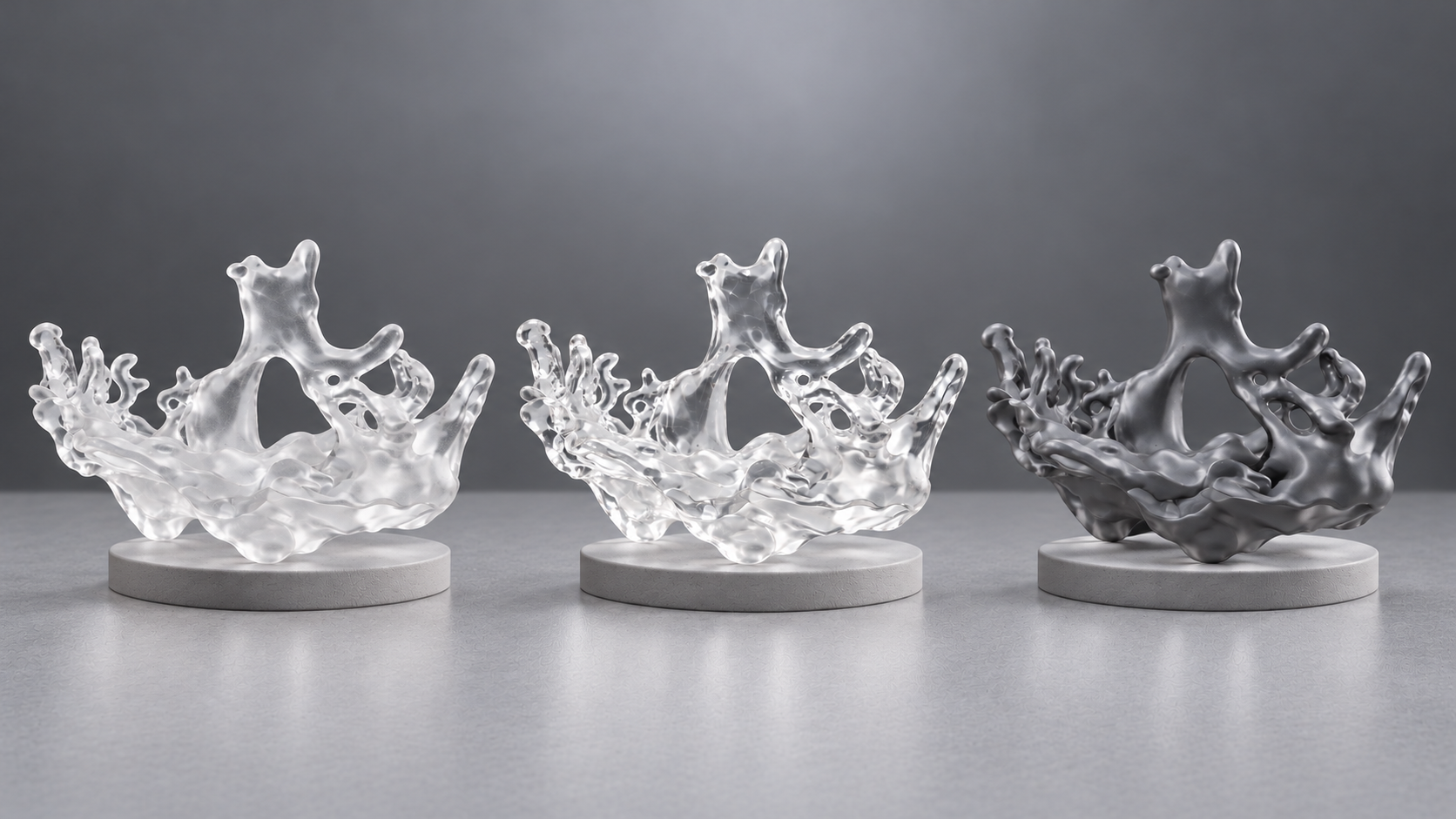
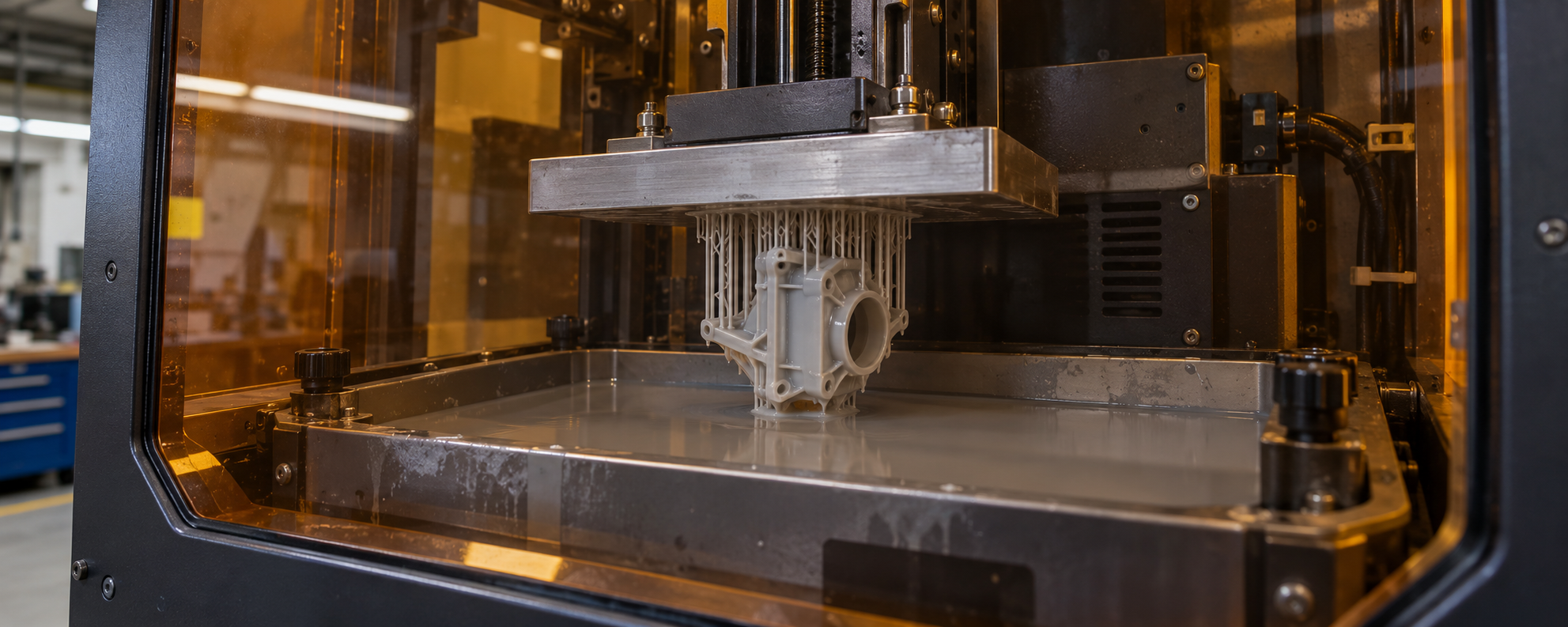
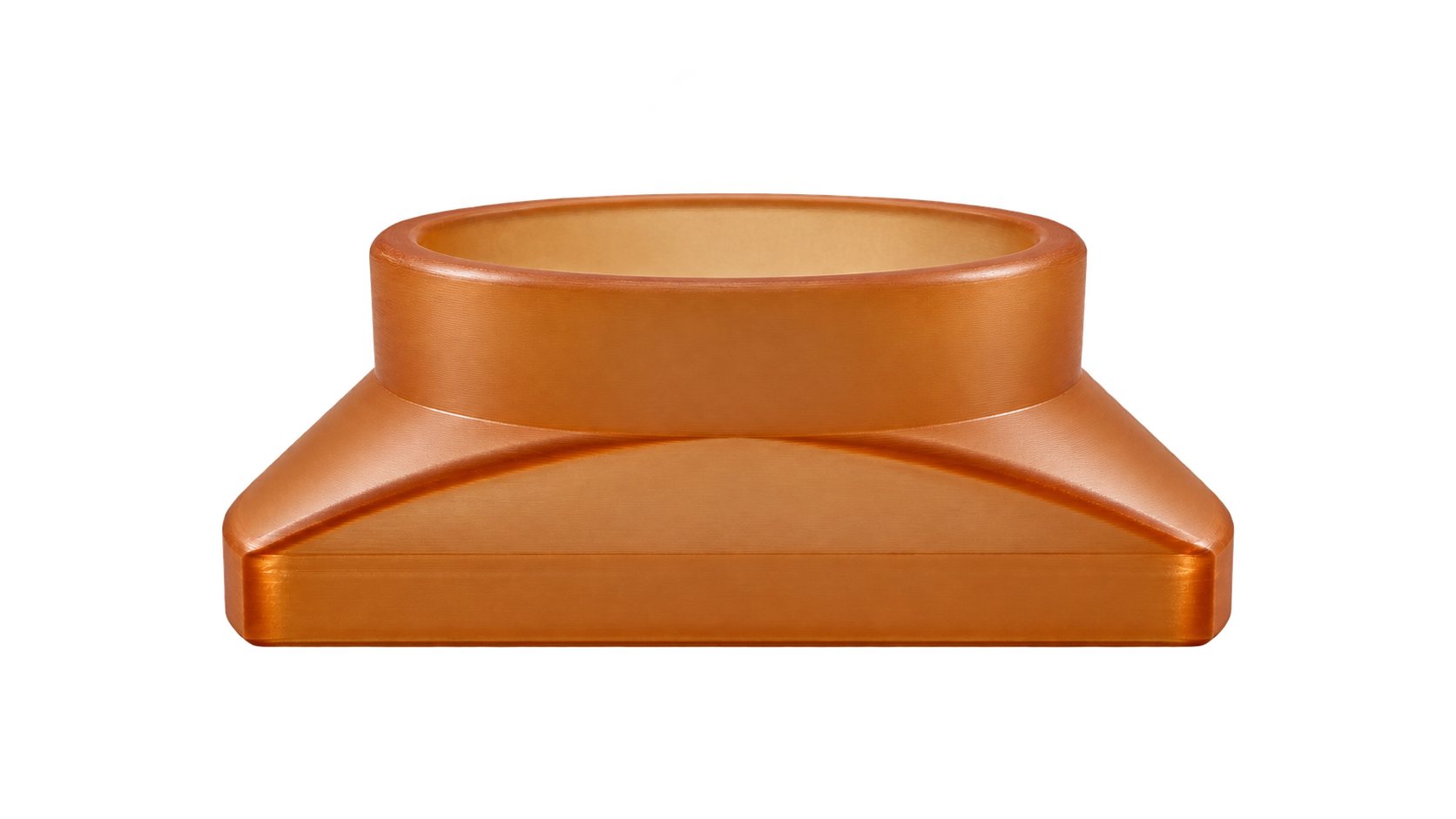
A medical device manufacturer was developing a next-generation fluid analysis module requiring real-time visual monitoring of internal flow dynamics. The component (as shown in the image) featured complex internal channels and a central hub that needed to be optically clear to allow engineers to observe fluid behavior without disassembly. Traditional acrylic machining was too slow for iterative design changes, and standard clear resins suffered from internal haze and brittleness, making them unsuitable for pressurized fluid testing. The team needed a material that offered glass-like clarity for visualization combined with the toughness to withstand assembly stresses.
Solution
The engineering team utilized a dual-material strategy involving High-Transparency Clear Resin and Translucent White Resin processed via high-precision Stereolithography (SLA).
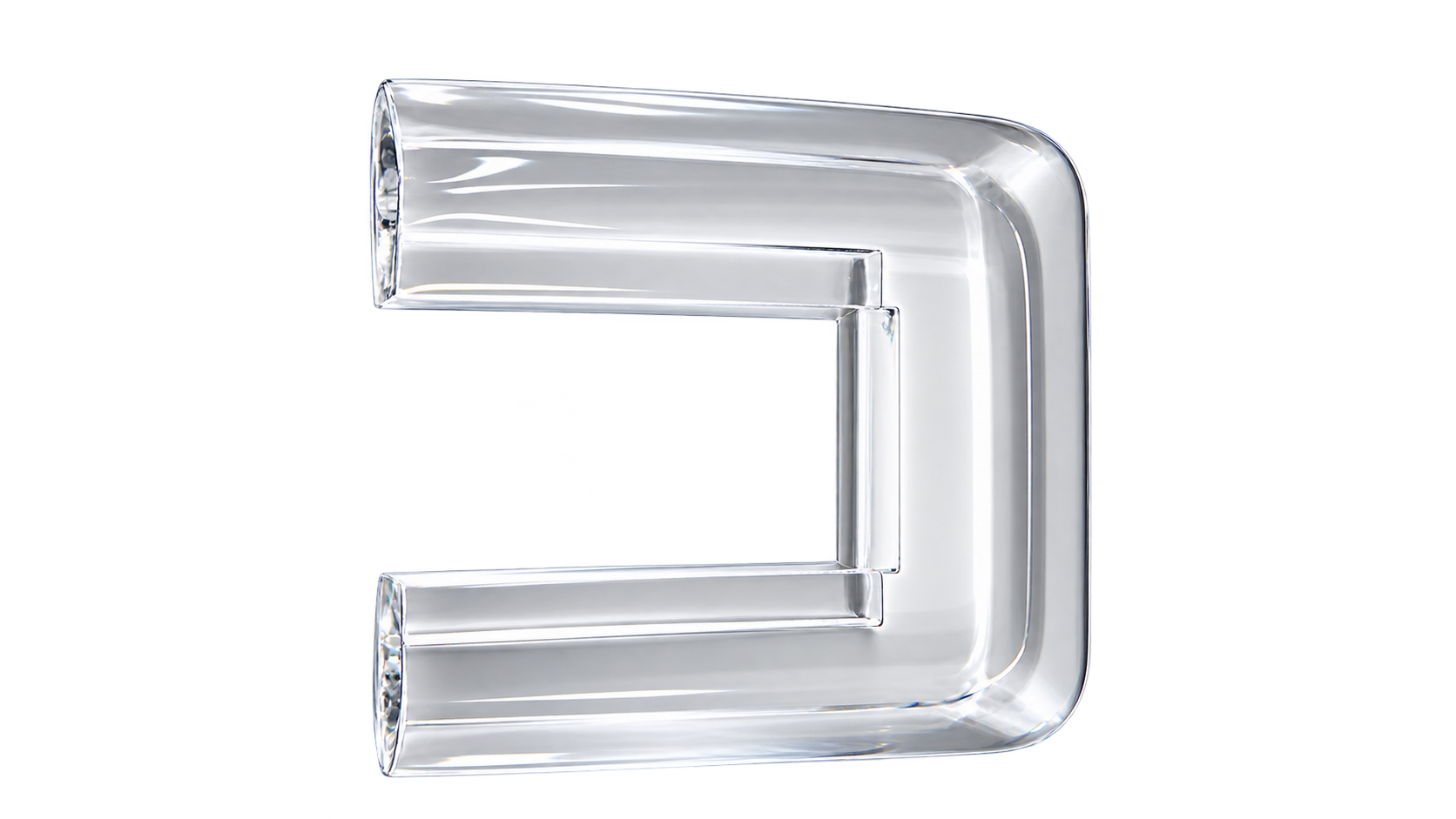
· Optical Clarity: The Clear Resin was used for the central viewing ports, achieving >90% light transmission after polishing, allowing precise observation of micro-bubbles and flow turbulence.
· Structural Diffusion: The Translucent Resin was applied to the outer structural ring to diffuse light and hide minor internal layer lines, providing a premium "frosted glass" aesthetic while maintaining high impact resistance.
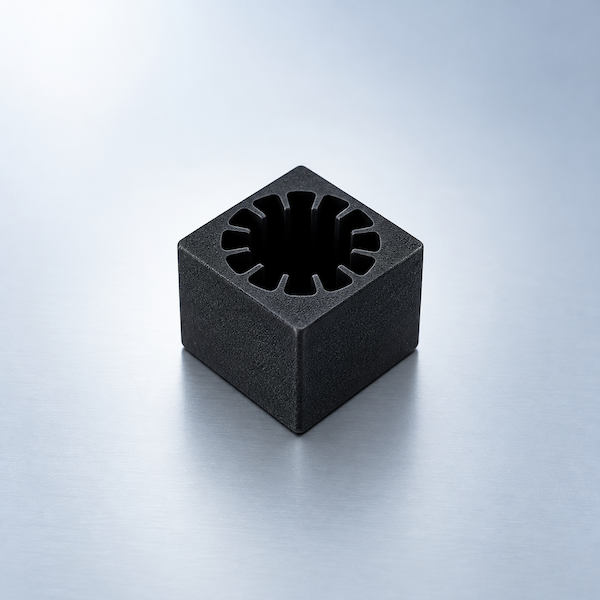
· Precision: The SLA process achieved tolerances of +/-0.1mm on the intricate spoke geometry, ensuring a perfect seal when assembled with O-rings.
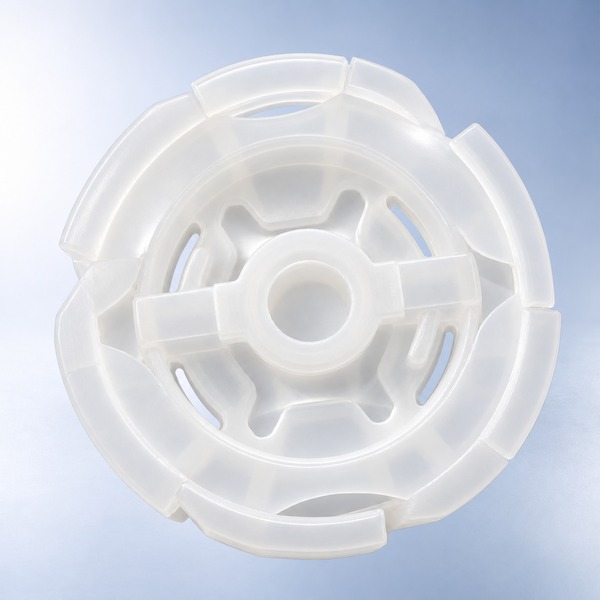
Figure 1: Translucent & Clear Resin Fluid Analysis Component
Results
· Visual Validation Success: Engineers successfully identified and resolved two critical flow stagnation points within 48 hours of printing, thanks to the superior optical clarity of the resin parts.
· Mechanical Integrity: The parts withstood 5 bar of internal pressure without cracking or leaking, surpassing the performance of machined PMMA prototypes.
· Accelerated Development: Reduced the design verification phase by 3 weeks compared to traditional tooling, enabling the project to move to clinical testing ahead of schedule.

Written By
Applications Engineer
Applications engineer at AIHFABS. Works with customers on SLM metal parts, fixtures, and small-batch production routes, then writes the shop-floor side of our success stories.
⌂