CNC Machining
CNC Machining Services
CNC machining removes material from solid stock with computer-controlled mills, lathes, and multi-axis centers.
Create a quote
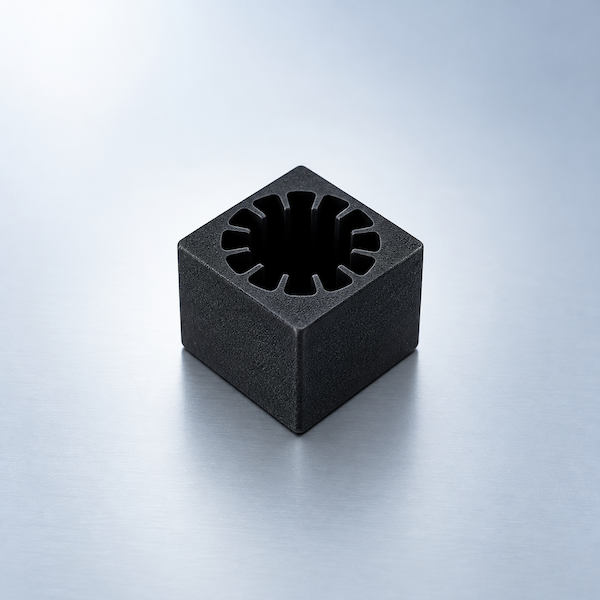
This case study presents the successful application of the Special Black Resin N9 Process in manufacturing high-precision structural brackets for a next-generation drone platform. Addressing the challenges of cost-prohibitive CNC machining for low-volume production and insufficient mechanical performance of conventional 3D printing resins, the engineering team leveraged a proprietary high-performance resin optimized for stereolithography (SLA) additive manufacturing. The N9 resin delivered excep
Challenge
A precision engineering firm specializing in aerospace components required a batch of high-strength, lightweight structural brackets for a next-generation drone platform. The design demanded exceptional dimensional accuracy, superior impact resistance, and a sleek matte-black aesthetic finish. Traditional CNC machining from aluminum alloys was cost-prohibitive for the initial prototype run of 30 units, while conventional 3D printing resins lacked the mechanical toughness and surface quality needed for functional testing. The team needed a material solution that combined near-production-grade strength with the design freedom and speed of additive manufacturing.
Solution
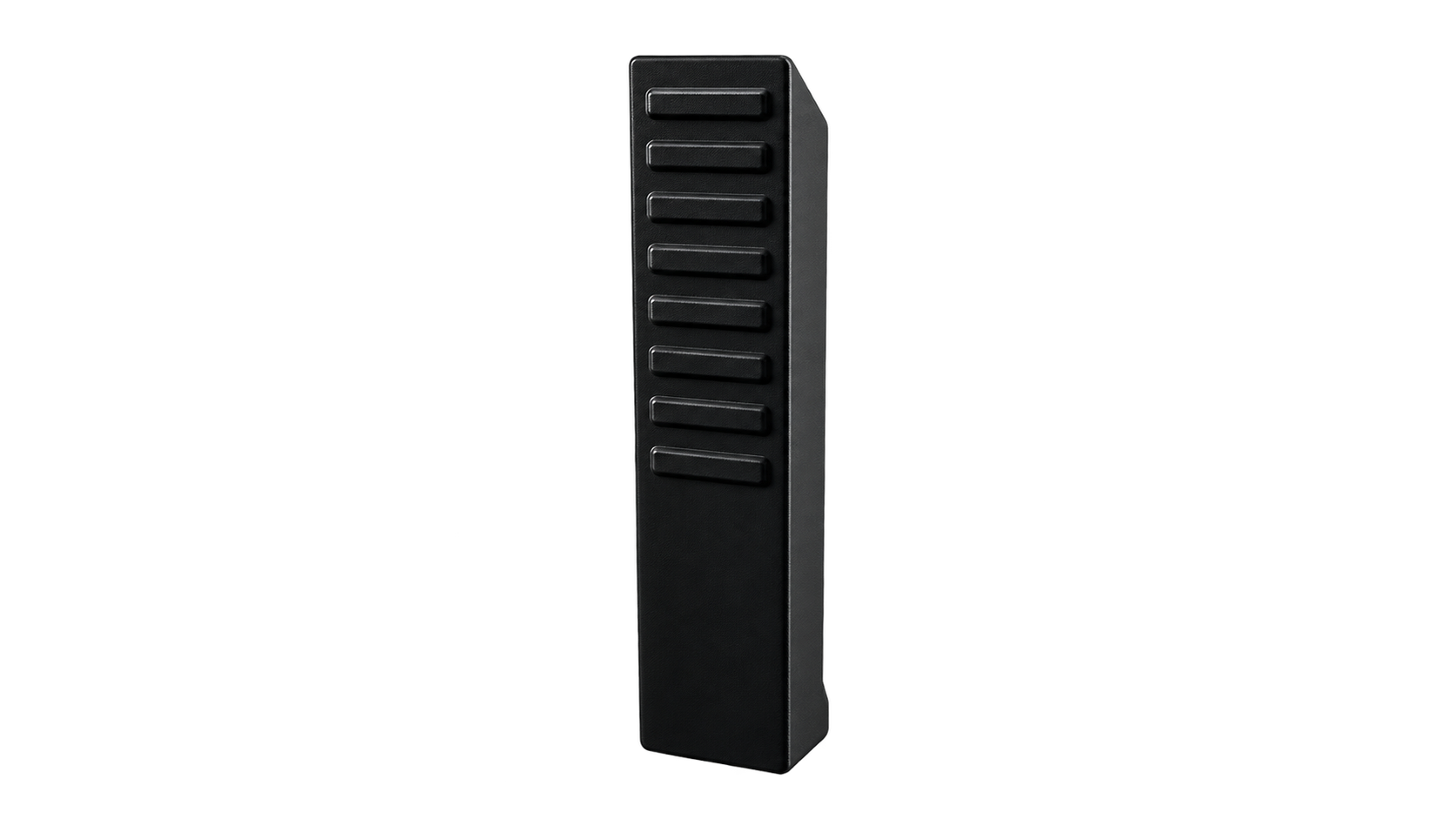
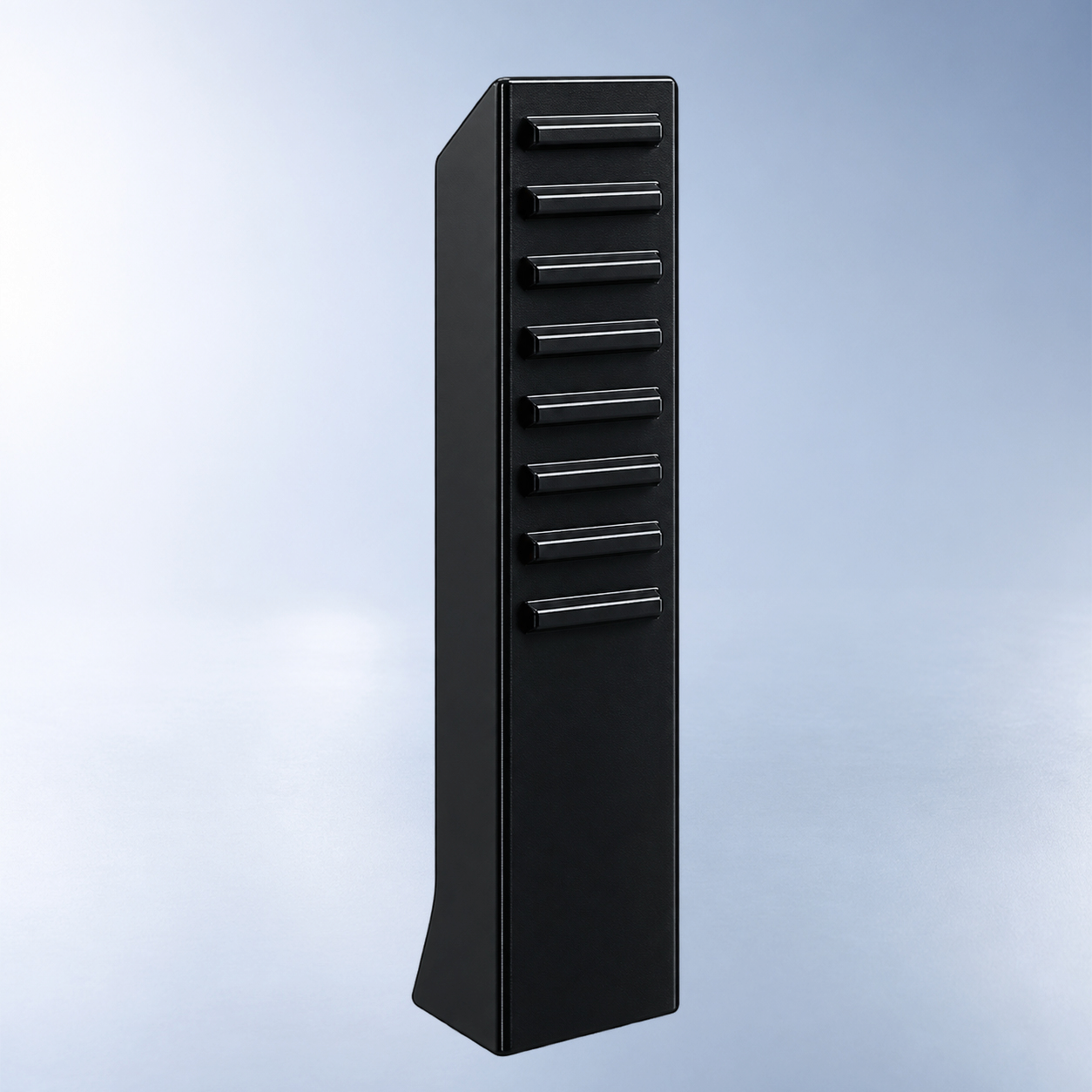
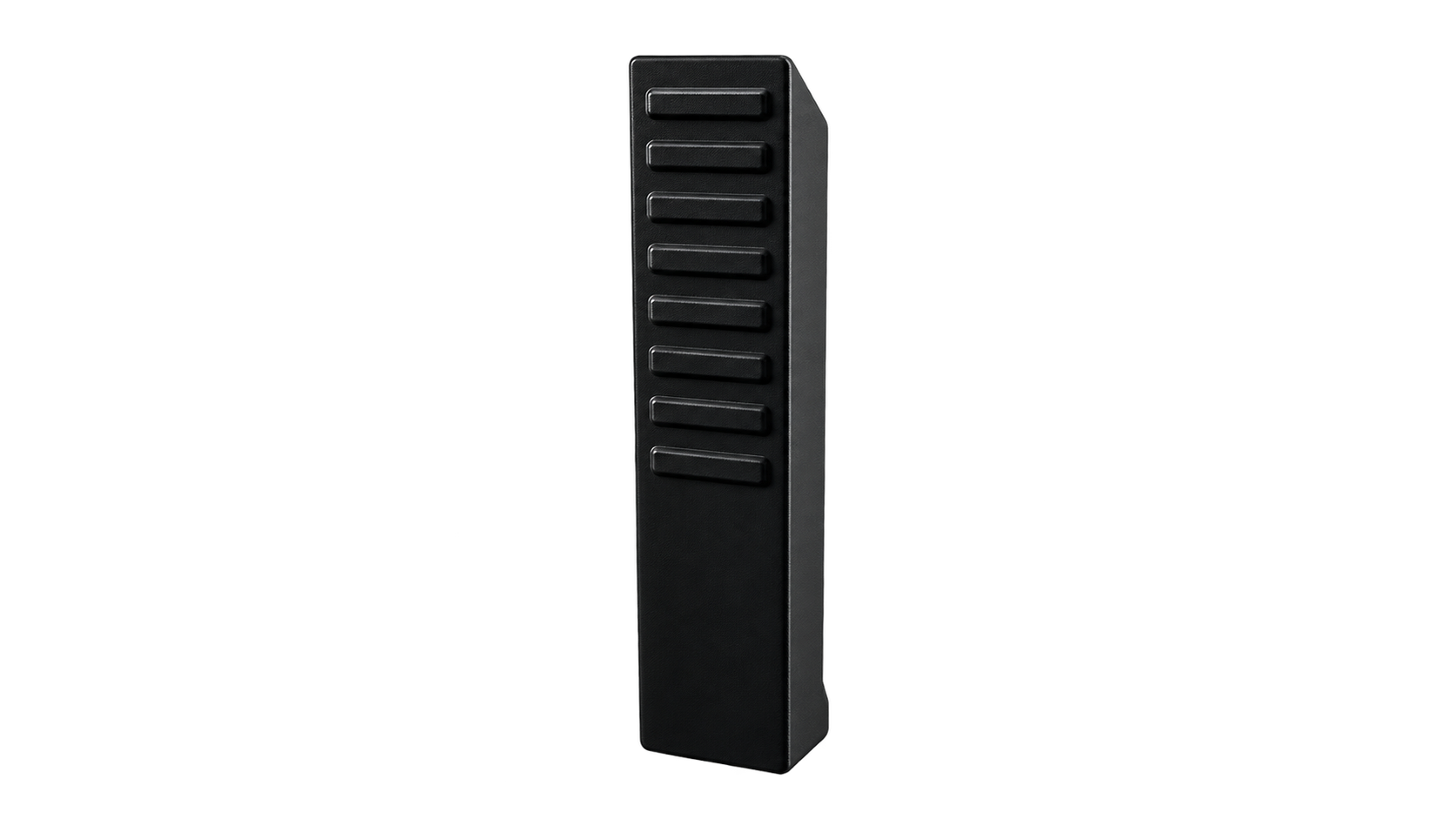
The engineering team adopted the Special Black Resin N9 Process—a proprietary high-performance resin formulation optimized for advanced stereolithography (SLA) printing—to manufacture the structural brackets shown in the image. The N9 resin delivers an exceptionally deep, uniform black coloration with a fine textured surface finish, while exhibiting outstanding flexural strength (≥85 MPa) and impact resistance that far exceeds standard engineering resins. By leveraging this material, the team produced parts with tight tolerances (±0.05 mm) and smooth surface roughness (Ra ≤ 3 μm) directly from CAD data. The distinctive finned geometry—visible in the eight parallel ribs on the component surface—was designed to maximize stiffness-to-weight ratio while providing enhanced heat dissipation pathways. This approach eliminated the need for expensive tooling and allowed rapid design iteration across three prototype iterations within a single sprint cycle.
Results
• Exceptional Mechanical Performance:The N9 resin components achieved a flexural strength of 89 MPa and an impact resistance 3.2× higher than standard gray engineering resins, successfully passing rigorous drop-test and load-cycle validation without cracking or permanent deformation under the drone's operational stress profile.
• Rapid Prototyping & Design Iteration:Reduced the prototype-to-test cycle from 8 weeks (traditional machining) to just 4 days, enabling the team to validate and refine three distinct fin-geometry variations within a single development month and optimize the stiffness-to-weight ratio by 18%.
• Cost-Efficient Low-Volume Production:Eliminated the need for $25,000+ in CNC fixture and tooling investment for the pilot run, delivering 30 fully functional, dimensionally verified brackets at less than 15% of the traditional manufacturing cost, with the matte-black N9 finish requiring no post-processing painting or coating.

3D printing and CNC on the same quote. Open a process, then upload CAD.
CNC machining removes material from solid stock with computer-controlled mills, lathes, and multi-axis centers.
Create a quote
CNC Milling Services use computer numerical control (CNC) mills to cut workpieces with rotating tools according to programmed toolpaths.
Create a quote
CNC Turning Services use computer numerical control lathes to remove material while the workpiece rotates at high speed and the cutting tool feeds along a set path.
Create a quote
CNC Routing Services use computer numerical control (CNC) routers with high-speed rotating bits to cut, engrave, drill, and shape materials.
Create a quoteResins, nylons, metals, and more. Each card jumps to the catalog row.
Process, finish, and file notes from the shop — not a marketing blog.
Company, payment, shipping, and process answers by topic.
Questions about 3D printing processes, materials, MOQ, samples, and custom projects.

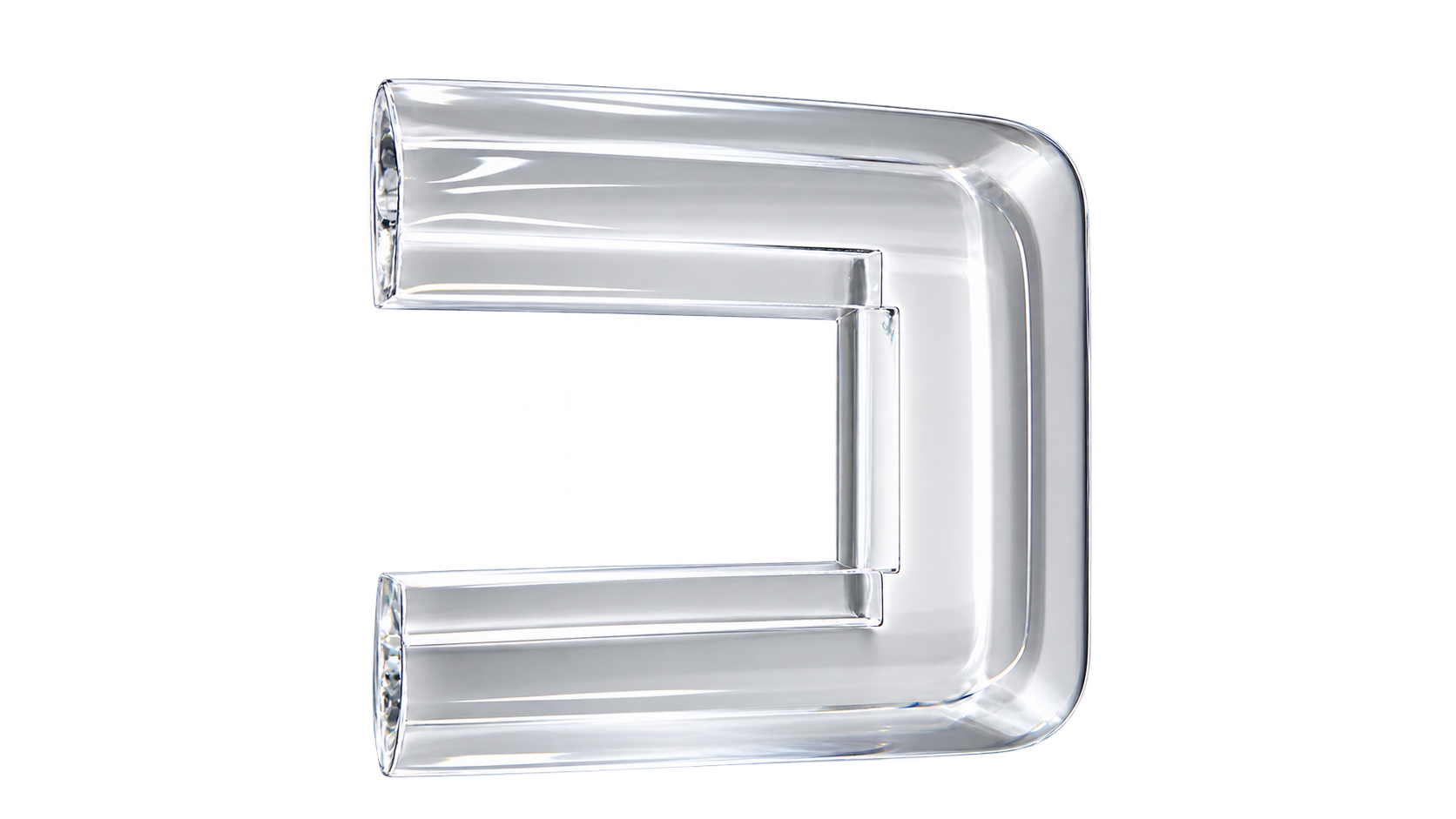
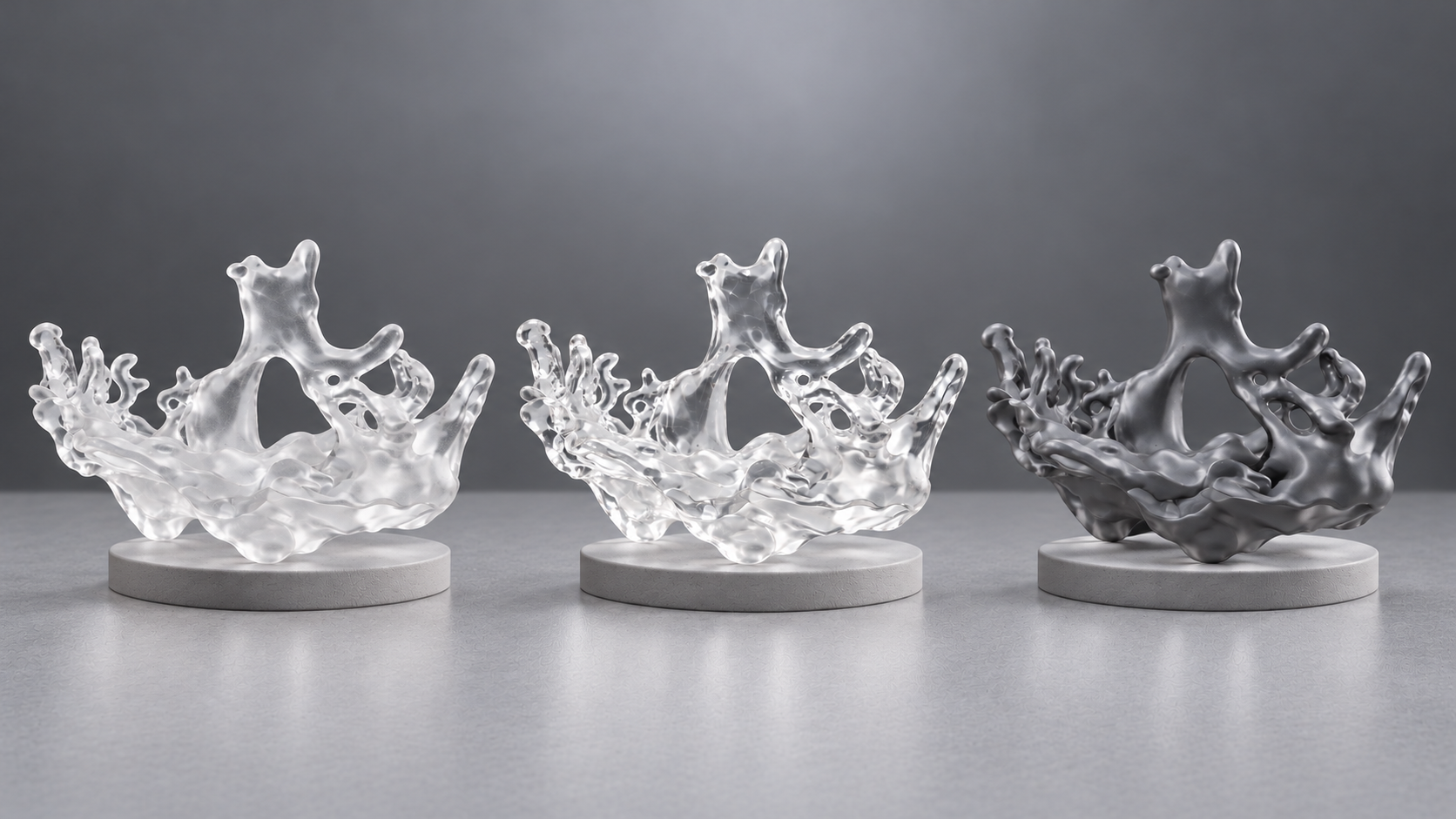
This case study demonstrates the effective application of High-Transparency Clear Resin and Translucent Resin in the rapid prototyping of complex medical fluidic components. Addressing the limitations of traditional machining and standard photopolymers, the project leveraged high-precision Stereolithography (SLA) technology to produce parts with superior optical properties and mechanical durability. The use of clear resin enabled direct visual validation of internal flow dynamics, while transluc
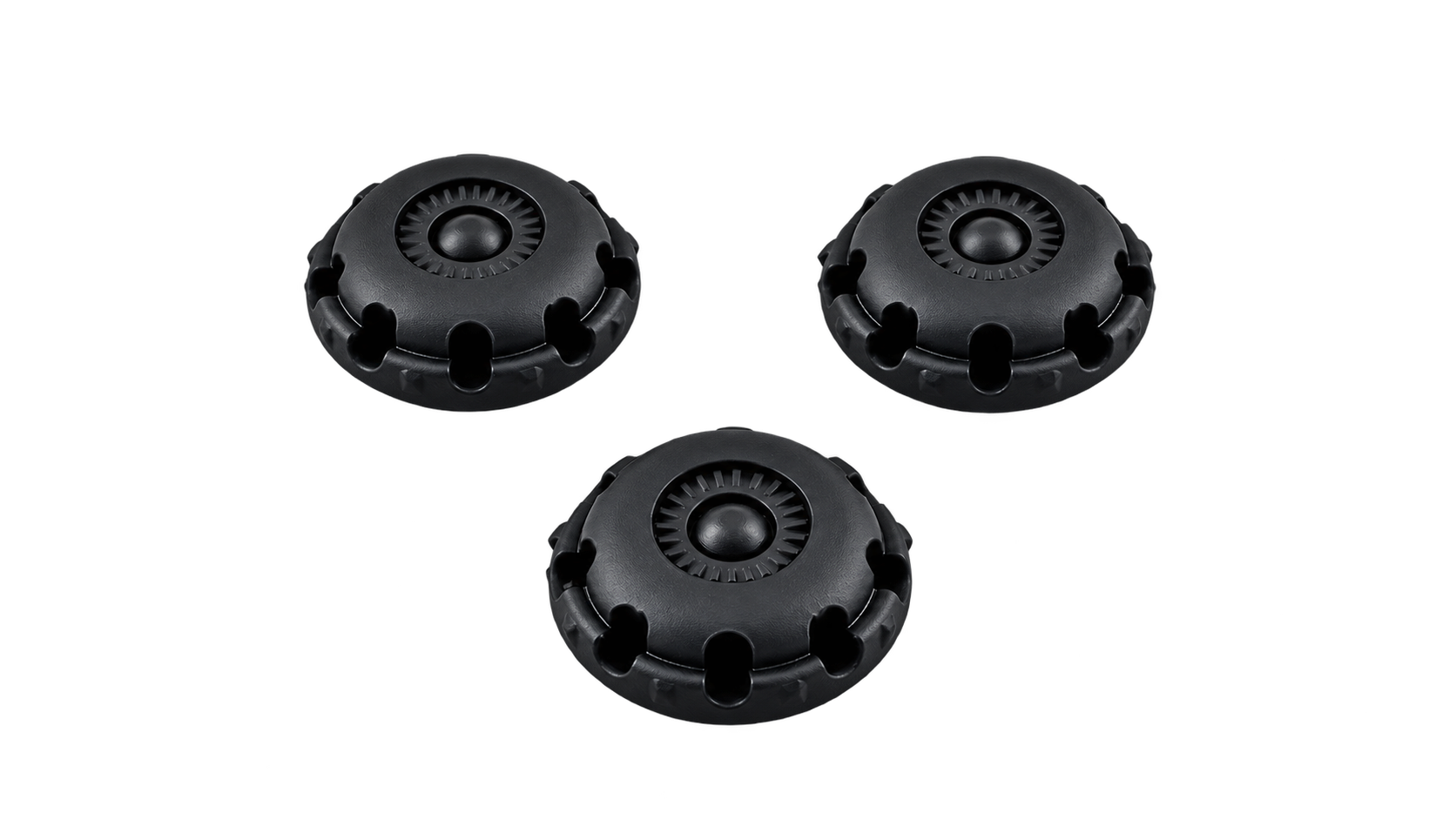
This case study presents the successful application of Nylon-Like Resin "Tus" in the rapid prototyping of functional snap-fit enclosures for a ruggedized wearable device. Facing the challenges of high tooling costs for traditional injection molding and insufficient mechanical performance of standard 3D printing resins, the engineering team leveraged the superior toughness and fatigue resistance of the Tus resin processed via High-Resolution Stereolithography (SLA). The printed components demonst
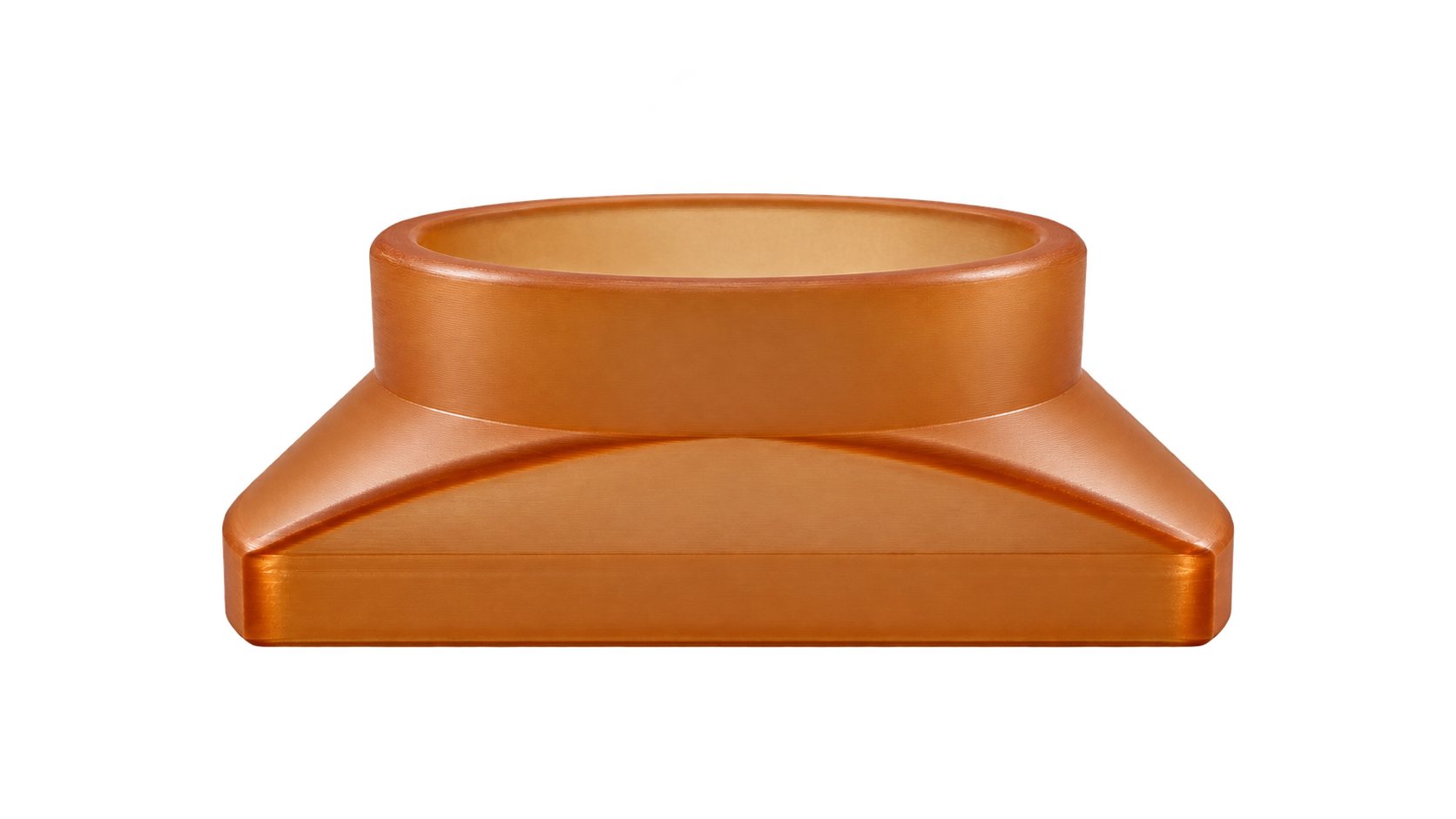
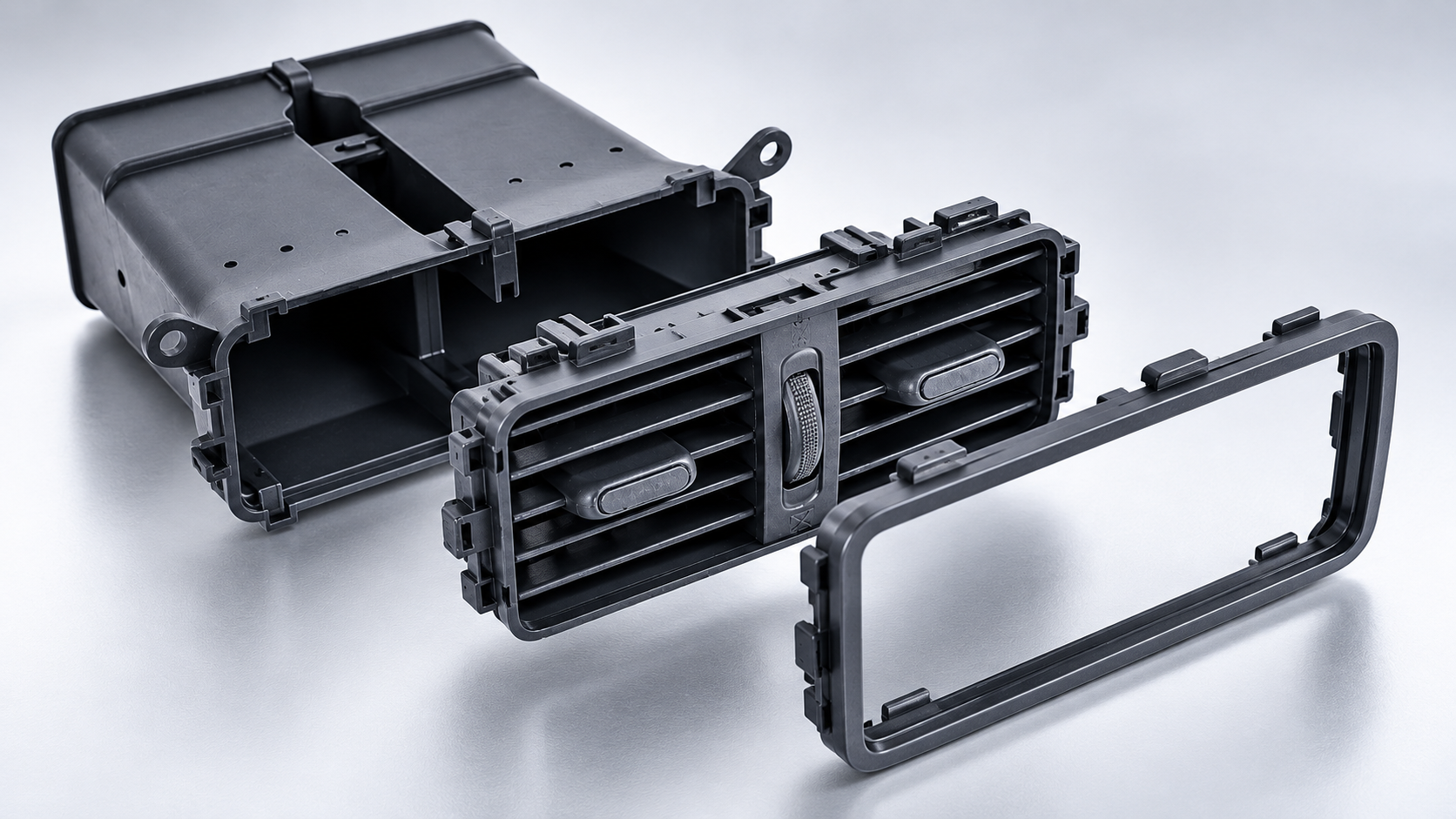
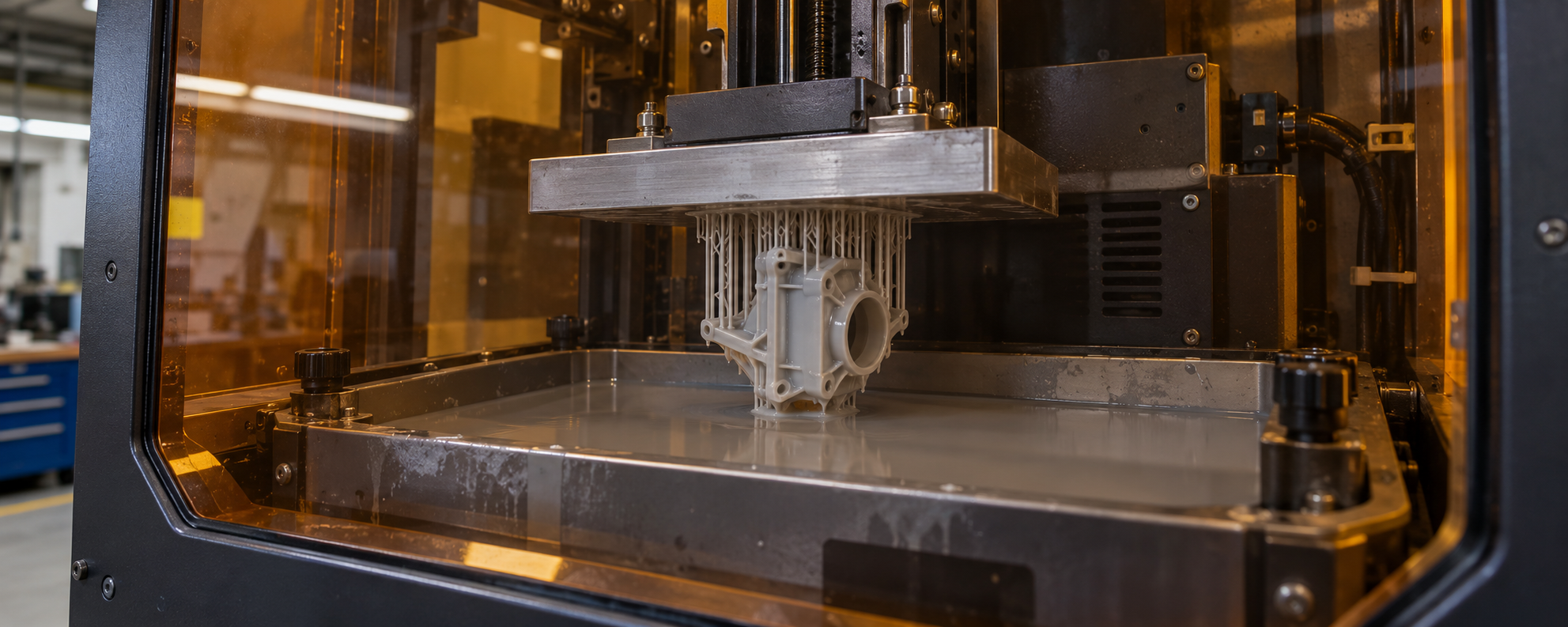
This case study highlights the successful application of high-temperature resistant resin in manufacturing complex manifold connectors for industrial fluid systems. Leveraging stereolithography (SLA) additive manufacturing, the project overcomes the limitations of traditional molding for low-volume prototyping. The specialized resin formulation demonstrated exceptional thermal stability at 160°C and chemical resistance, enabling rapid design iteration and functional validation without expensive
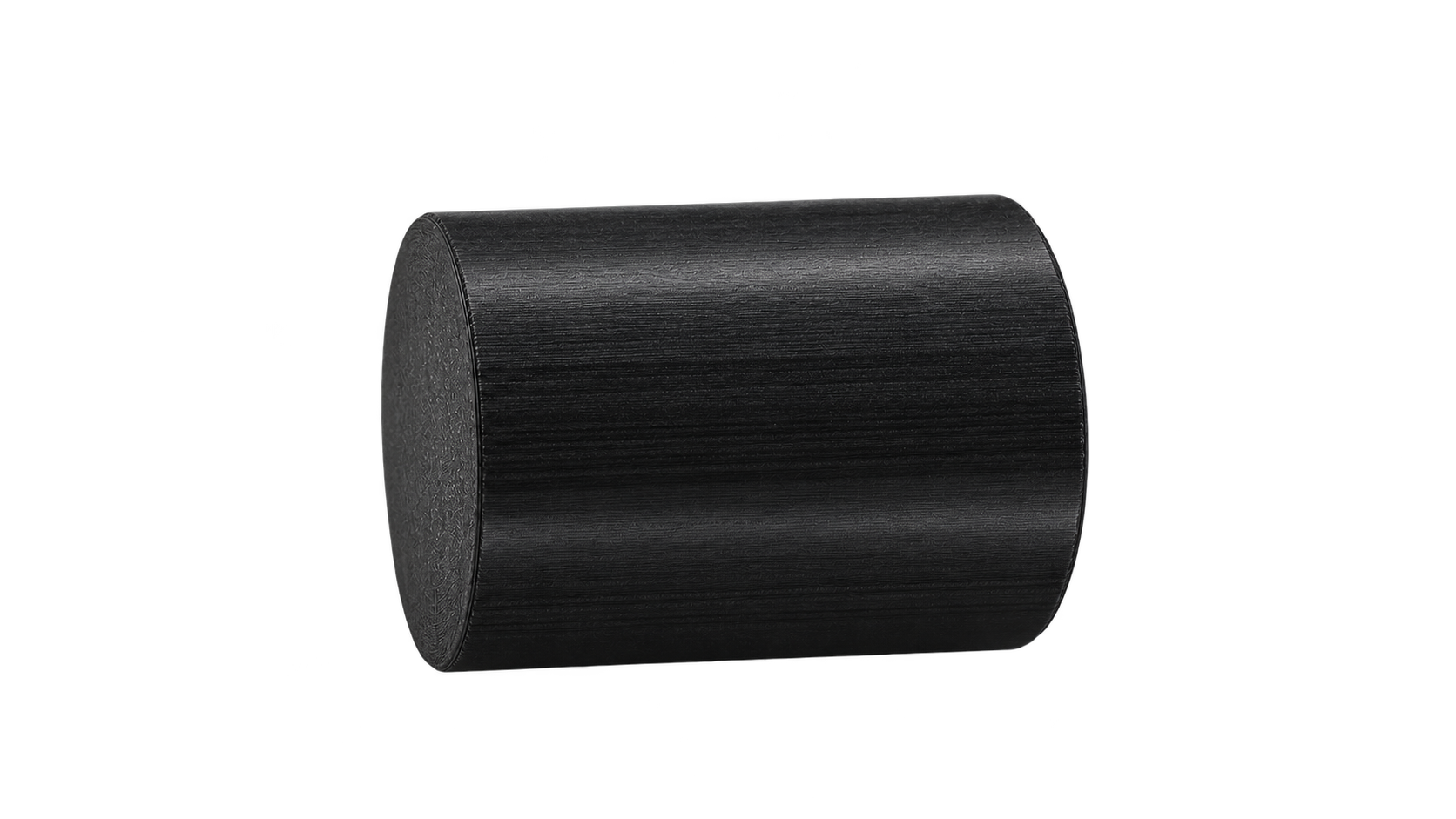
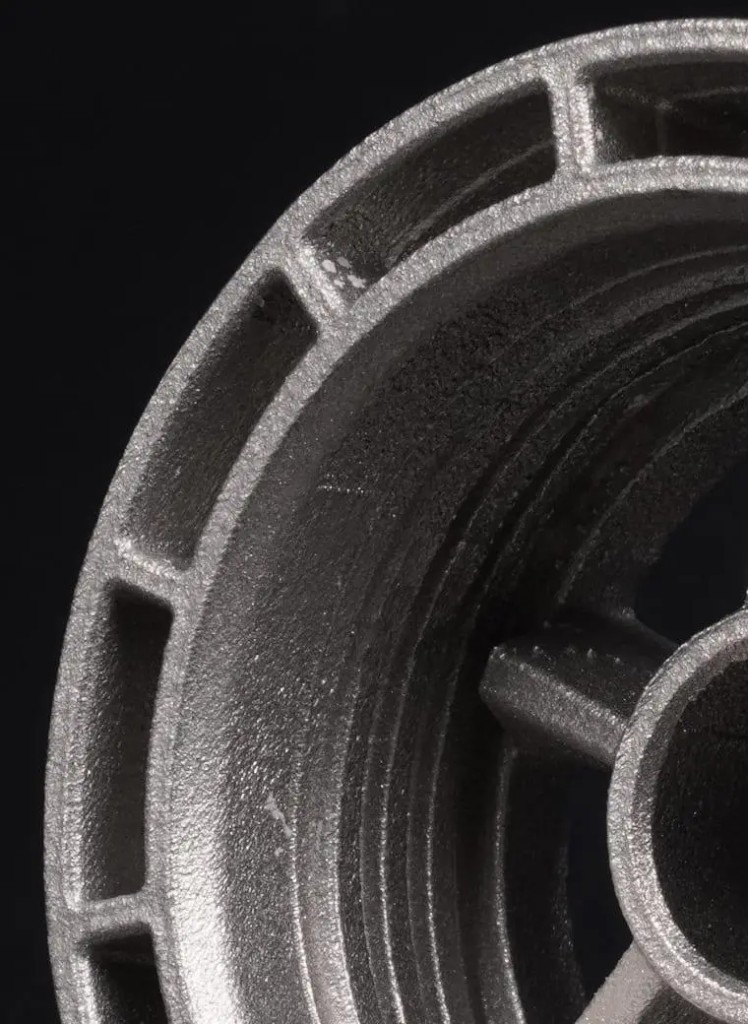
This case study presents a successful application of black high-toughness resin in the manufacturing of a precision cylindrical component (as shown in the figure). Designed for demanding industrial environments, this component leverages the material's superior mechanical properties—including high impact resistance, wear durability, and dimensional stability. The transition from traditional materials to this advanced resin has resulted in extended service life, reduced maintenance frequency, and
We use cookies to personalize your experience. By using this site, you agree to our Privacy Policy
Accept