Device enclosures
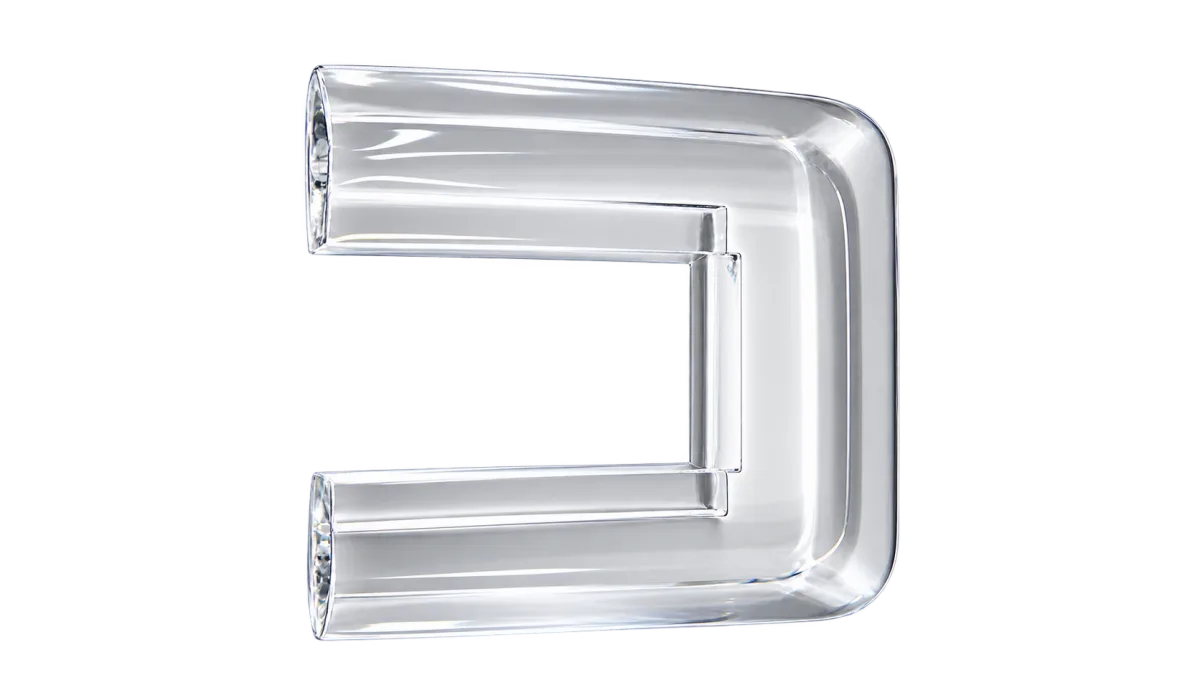
Printed appearance models and machined housings with access for connectors, displays and fasteners.

Industries
Custom enclosures, heat-management parts and assembly fixtures for electronics development and production support.
A mechanical prototype should reveal board clearances, cable interference and fastener access. AIHFABS combines printed fit-check models with machined metal parts so teams can review the enclosure before committing to a larger order. This service covers mechanical components, not PCB fabrication or assembly.
Provide the PCB outline, component keep-out zones, connector locations and fastening scheme. Separate cosmetic surfaces from thermal interfaces and identify features that will change during development.
Examples for quotation and engineering review.
Printed appearance models and machined housings with access for connectors, displays and fasteners.
Heat spreaders, mounting plates and drawing-defined cooling features for evaluation.
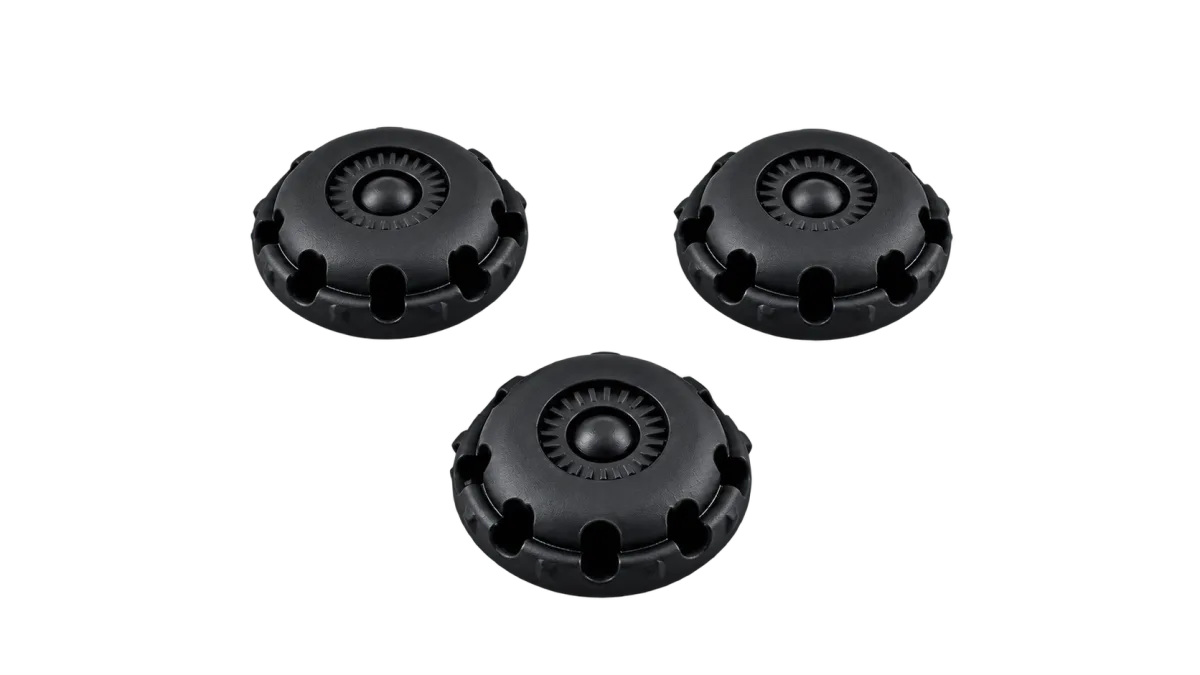
Spacers, standoffs and carrier plates positioned around the assembly stack.
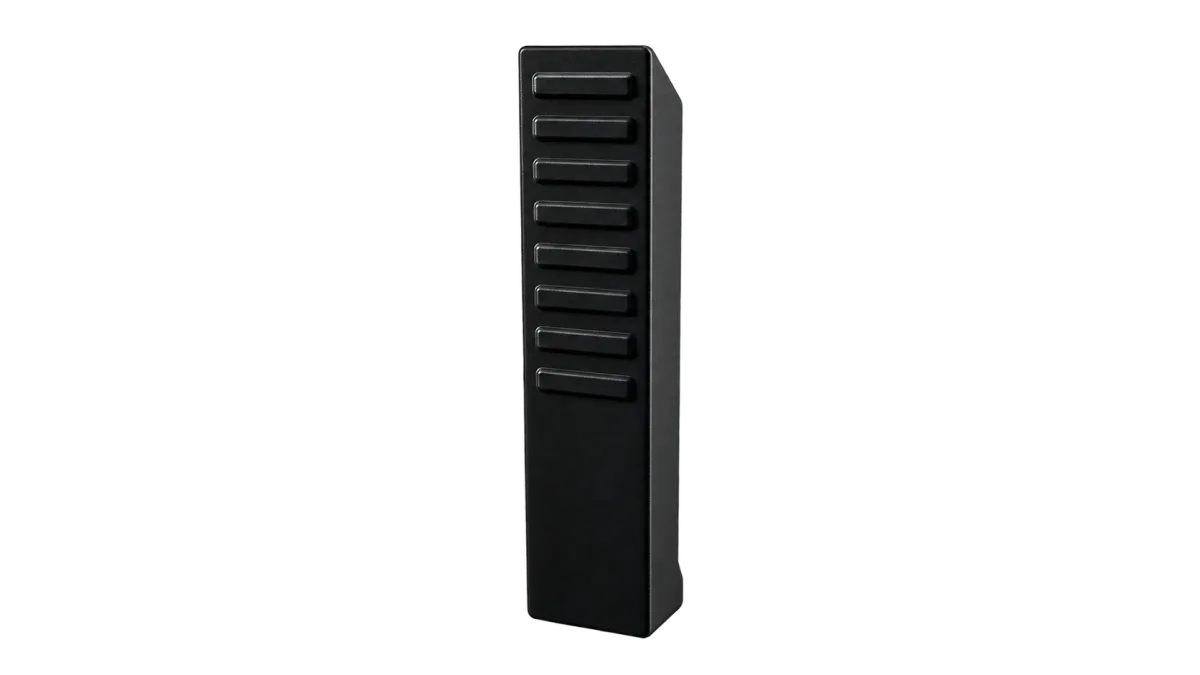
Fixtures for holding a board or device during assembly and mechanical inspection.
Plan each stage around the part’s function, material and inspection requirements—from the first design review to a repeatable batch.
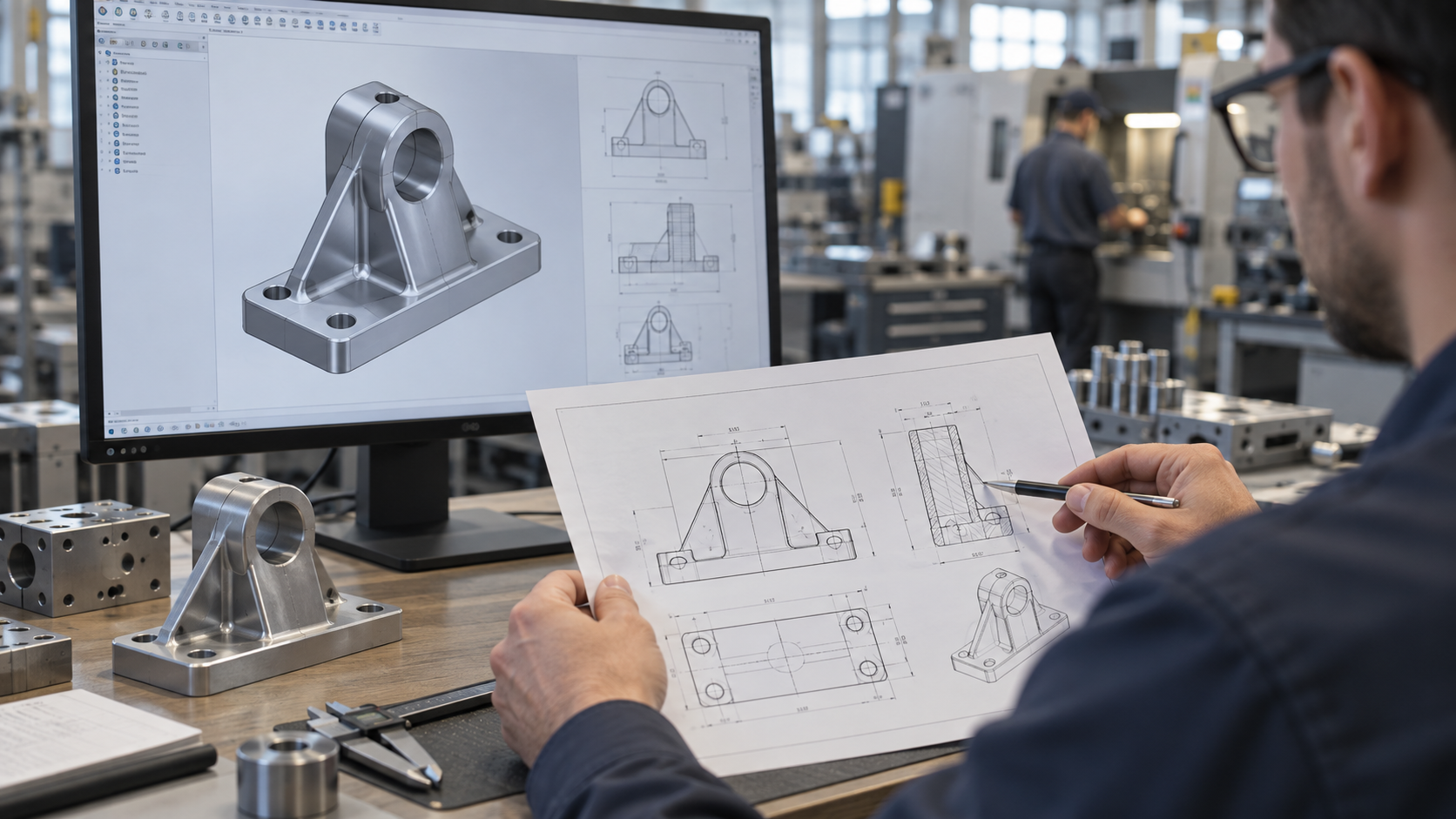
Send the model, revision, quantity and a drawing identifying critical dimensions and mating features.
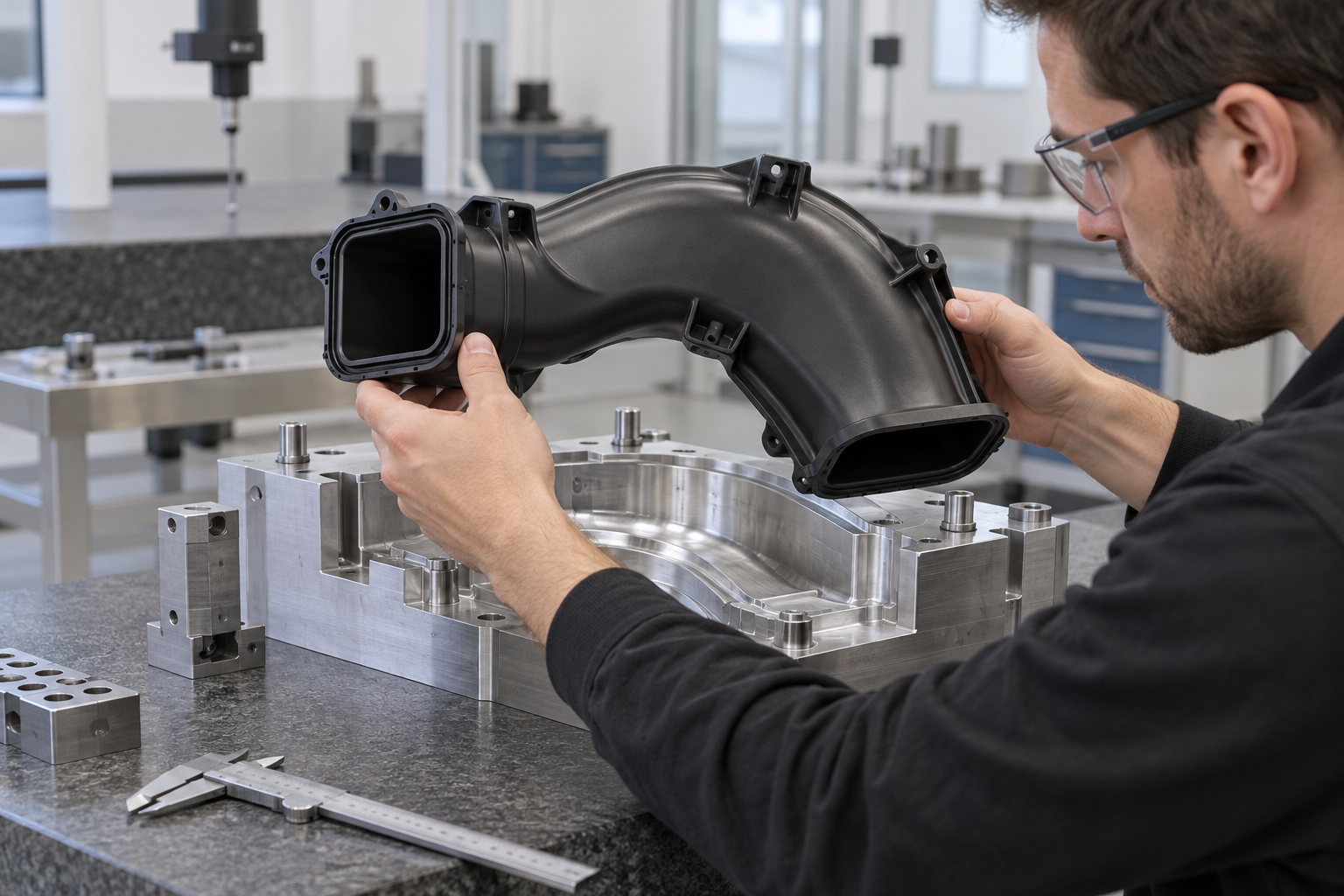
Provide the PCB outline, component keep-out zones, connector locations and fastening scheme. Separate cosmetic surfaces from thermal interfaces and identify features that will change during development.
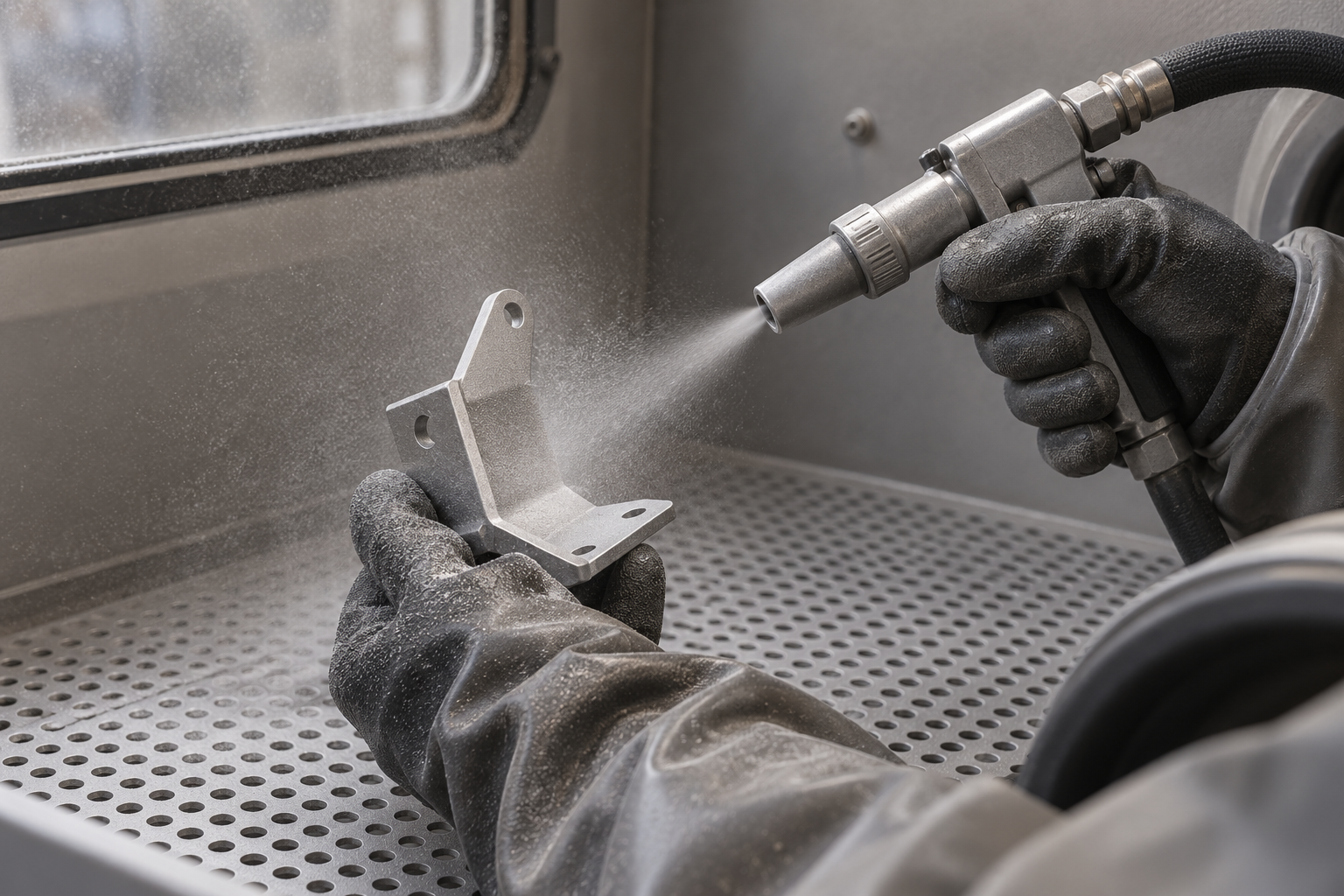
Mark PCB datums, connector clearances and enclosure interfaces; include finish references and acceptance criteria for visible surfaces.
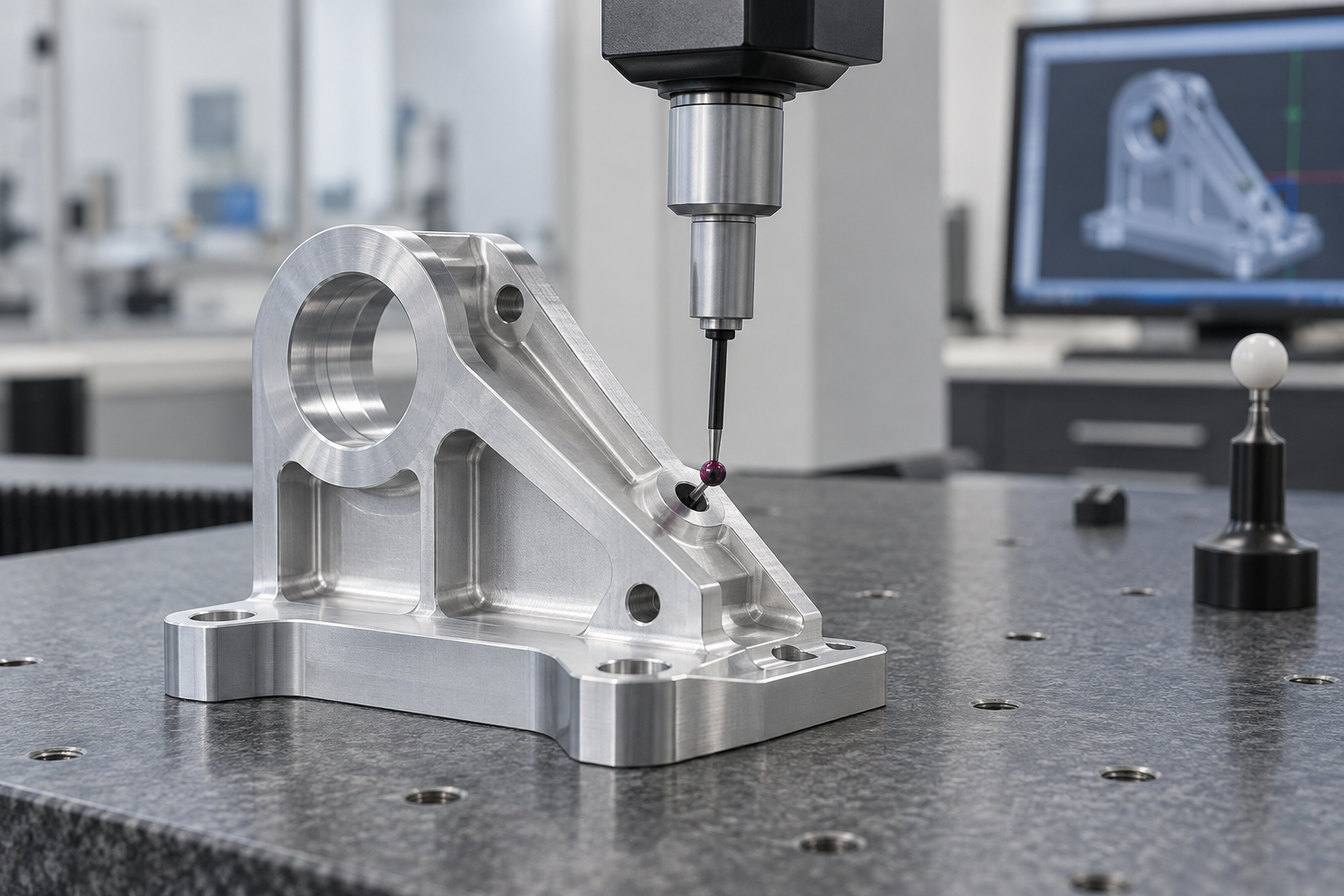
Agree the sample checks and record drawing changes before ordering a repeat batch.
Match the process, material and finish to the part’s geometry and operating conditions. Share your requirements so the quotation can include the necessary secondary operations.
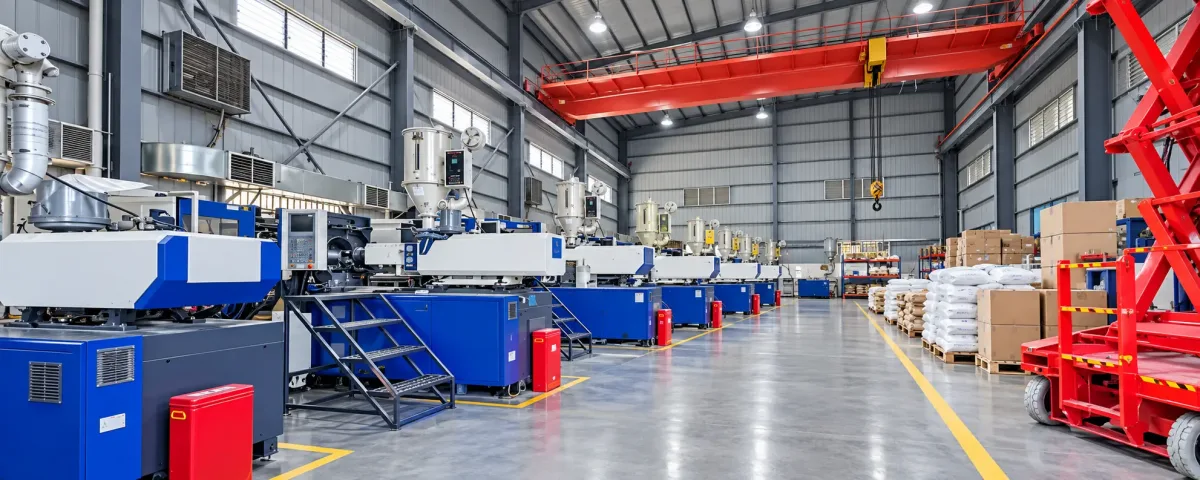
Produce aluminum enclosures, heat spreaders and mounting plates with controlled mating faces.
Open this process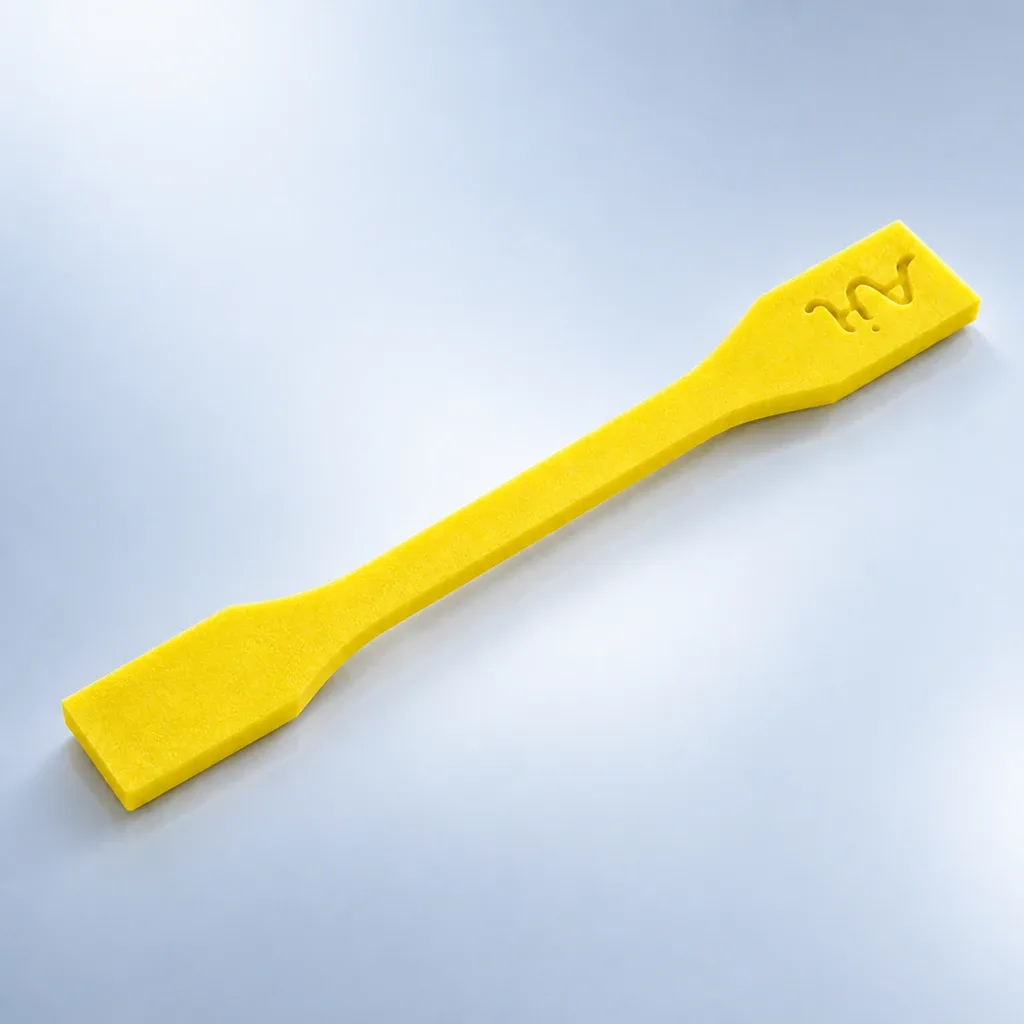
Check enclosure appearance and assembly space before committing to production tooling.
Open this processReview housings, cable guides and assembly fixtures where nylon meets the operating requirements.
Open this processElectrical, flame, ESD and thermal requirements must be specified rather than inferred from material family names.
Aluminum is an option for housings and thermal hardware. Confirm alloy, finish, conductive areas and cosmetic expectations.
Use resin for presentation and fit checks; review nylon for functional covers and fixtures. Request grade-specific documentation when properties are critical.
Supply the board outline, component heights and connector keep-out zones. Printed models can expose cable interference and assembly problems before machined housings are ordered; identify cosmetic faces and accessible fastener paths.
Provide the heat-source locations, contact areas and mounting scheme. Define flatness, surface finish and coating exclusions at thermal interfaces; cooling performance depends on the complete system and needs separate evaluation.
Board carriers and assembly fixtures need repeatable locating points without damaging components. Identify ESD requirements, probe or tool access and replaceable contact features. Do not assume an ordinary polymer print is ESD-safe.
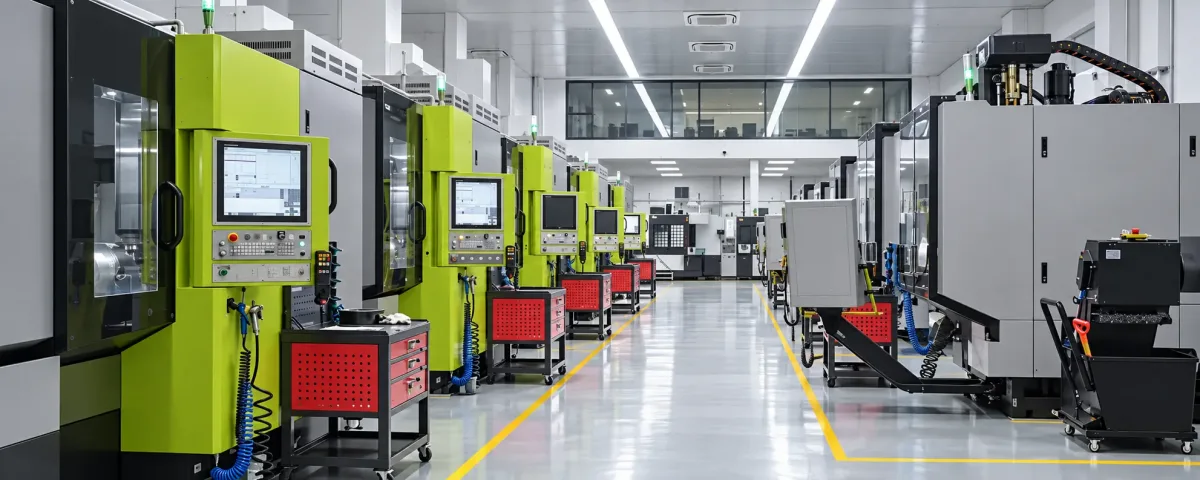
Jobs from the same shop. Industry tags are a hint, not a filter that hides the rest of the floor.
These pages cover mechanical parts for electronics. PCB design, fabrication and assembly are not included in this offering.
Yes. Provide the board and connector geometry and identify clearances. A fit-check model does not establish electrical or thermal compliance.
No. ESD performance depends on the specific grade and process. State the required properties and ask for a material review before ordering.
Upload the drawing and project requirements. Material suitability, pricing and delivery are confirmed during quotation.

We use cookies to personalize your experience. By using this site, you agree to our Privacy Policy
Accept