Radio and network housings
Machined enclosure halves and covers with drawing-defined connector positions and sealing interfaces.

Industries
CNC enclosures, mounting hardware and prototype parts for communications equipment, from early assembly checks to repeat batches.
Mechanical parts must fit the electronics, protect cable interfaces and support thermal management. AIHFABS reviews drawings for machined housings, brackets and prototype covers. RF performance and equipment approval remain part of the customer design and validation programme.
Identify connector openings, sealing lands, heat-transfer surfaces and mounting datums. Specify outdoor exposure and whether coatings must leave electrical contact areas bare.
Examples for quotation and engineering review.
Machined enclosure halves and covers with drawing-defined connector positions and sealing interfaces.
Custom supports and adapter plates for assembly trials and installation hardware.
Machined aluminum components with defined flatness and interface finish.
Polymer or machined fixtures for connector alignment and repeatable assembly.
Plan each stage around the part’s function, material and inspection requirements—from the first design review to a repeatable batch.
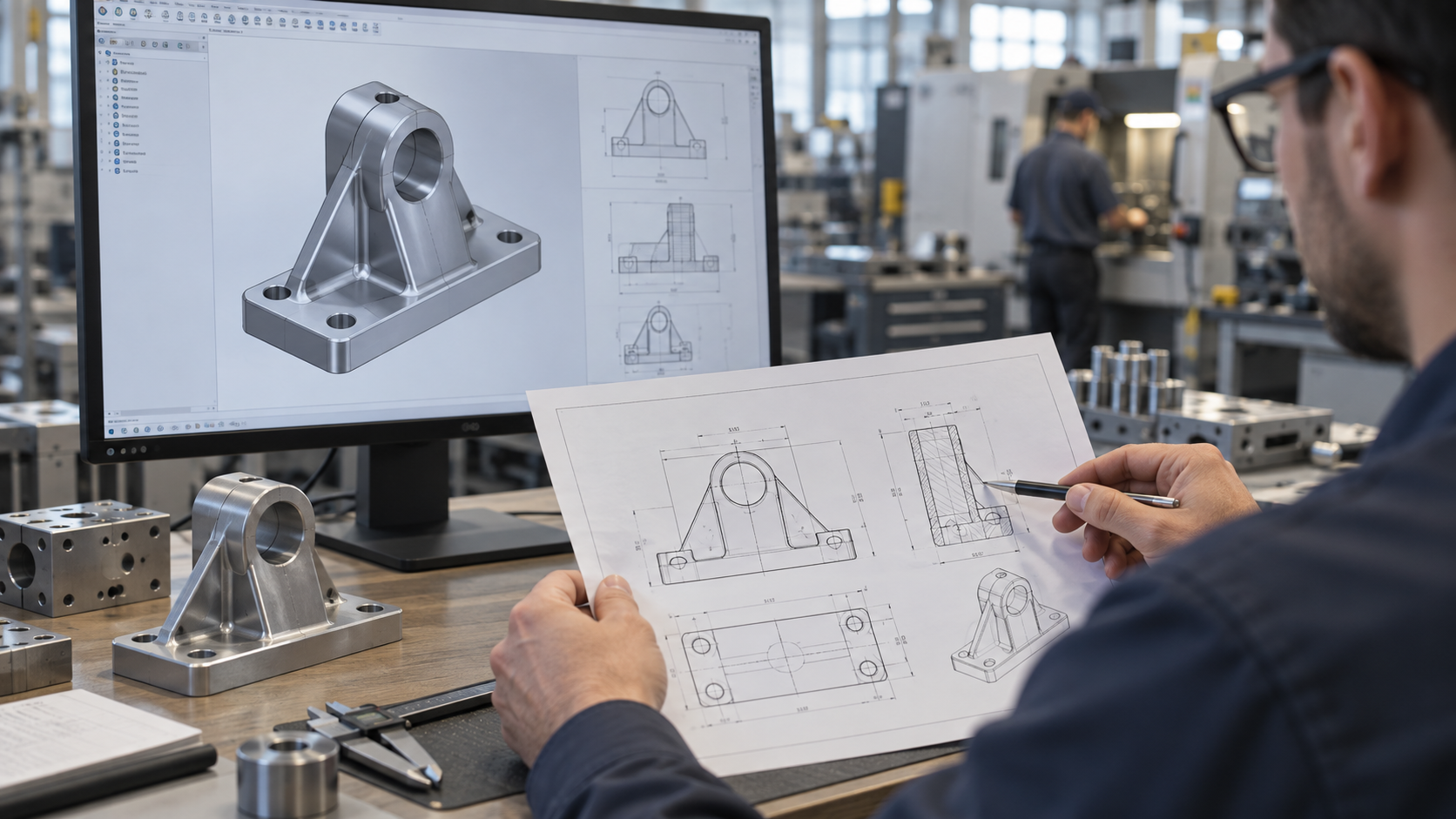
Send the model, revision, quantity and a drawing identifying critical dimensions and mating features.
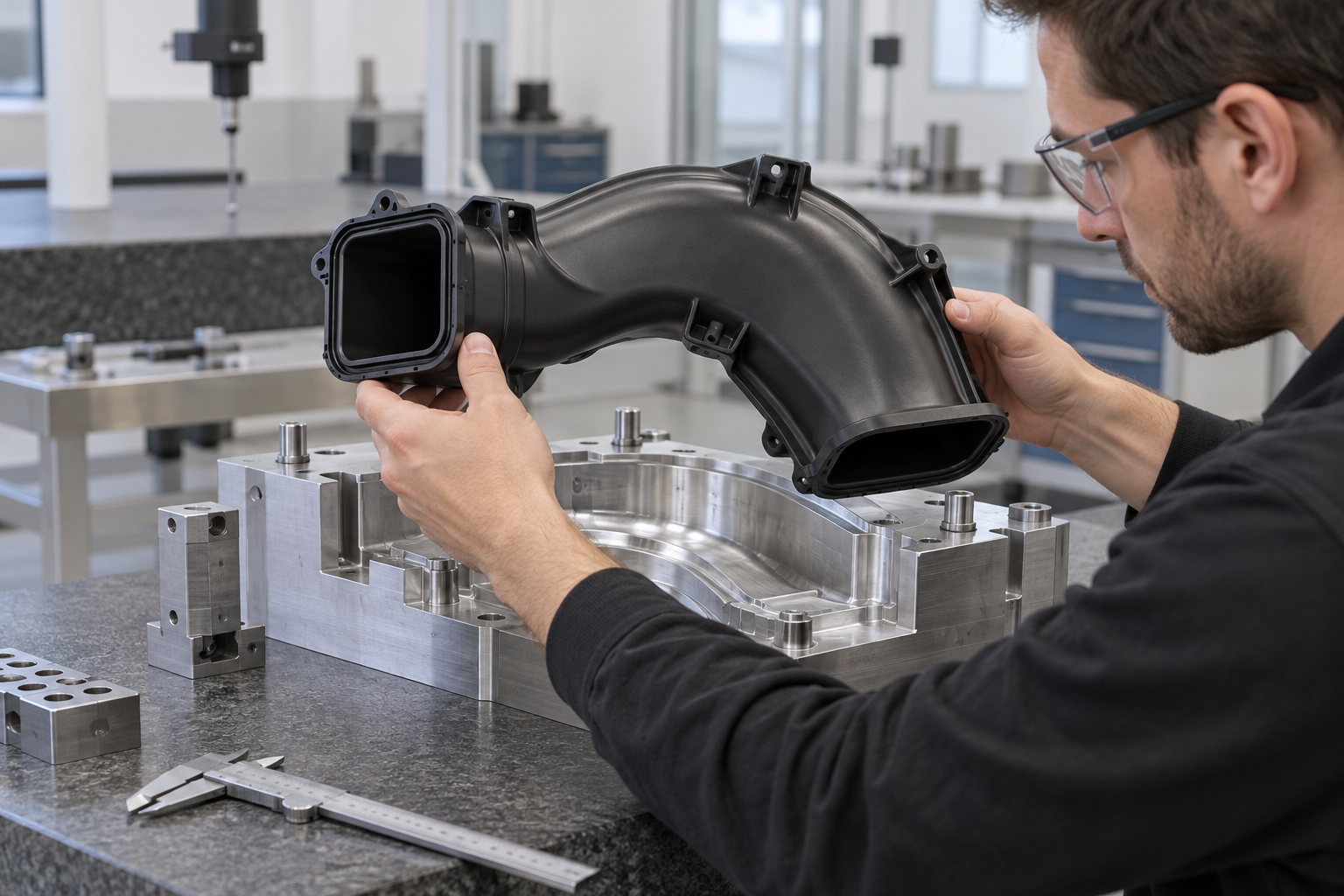
Identify connector openings, sealing lands, heat-transfer surfaces and mounting datums. Specify outdoor exposure and whether coatings must leave electrical contact areas bare.
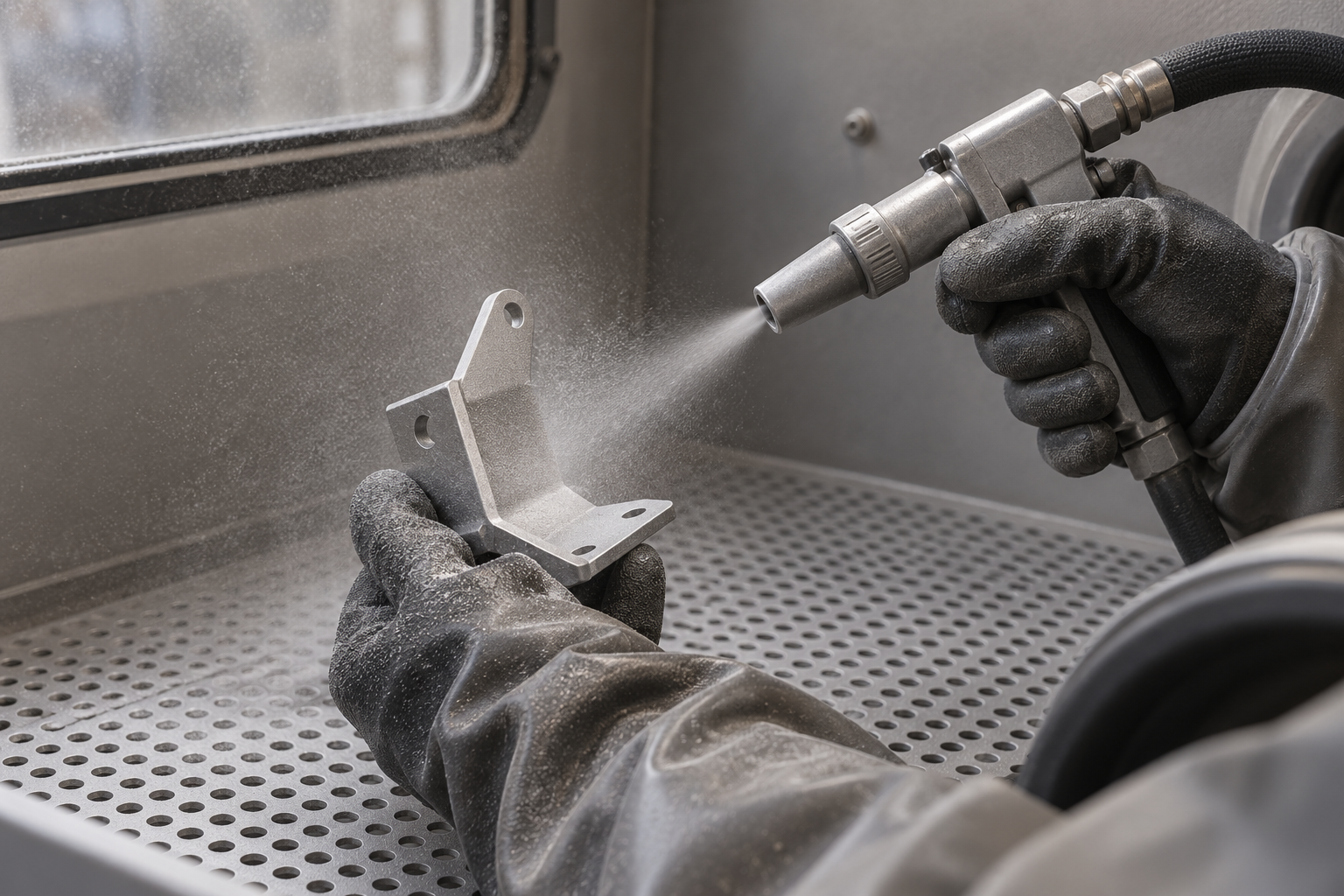
Identify connector datums, gasket grooves and contact faces. State whether dimensional reports or material documentation are required.
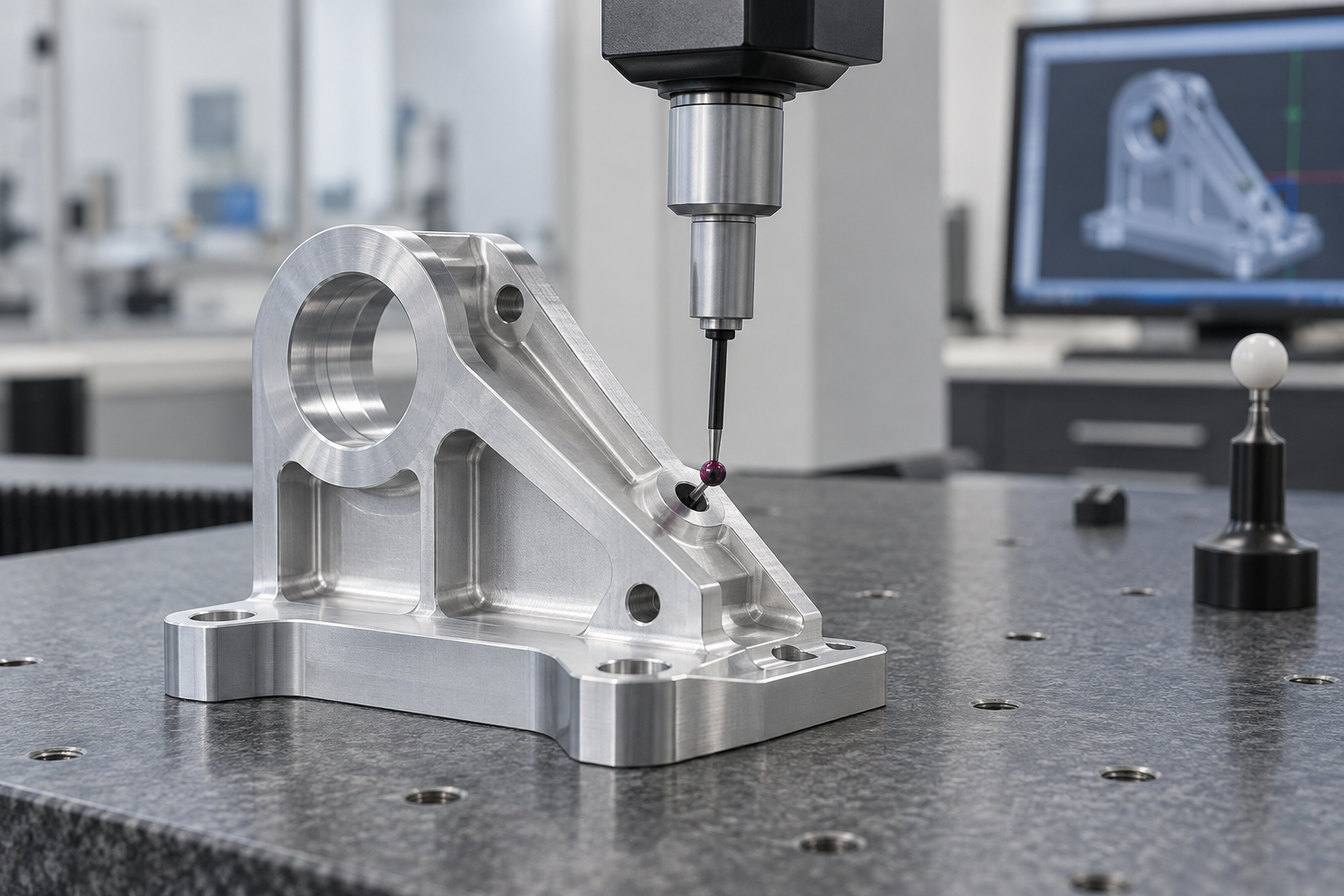
Agree the sample checks and record drawing changes before ordering a repeat batch.
Match the process, material and finish to the part’s geometry and operating conditions. Share your requirements so the quotation can include the necessary secondary operations.
Machine enclosure pockets, mounting patterns and thermal contact features from specified stock.
Open this process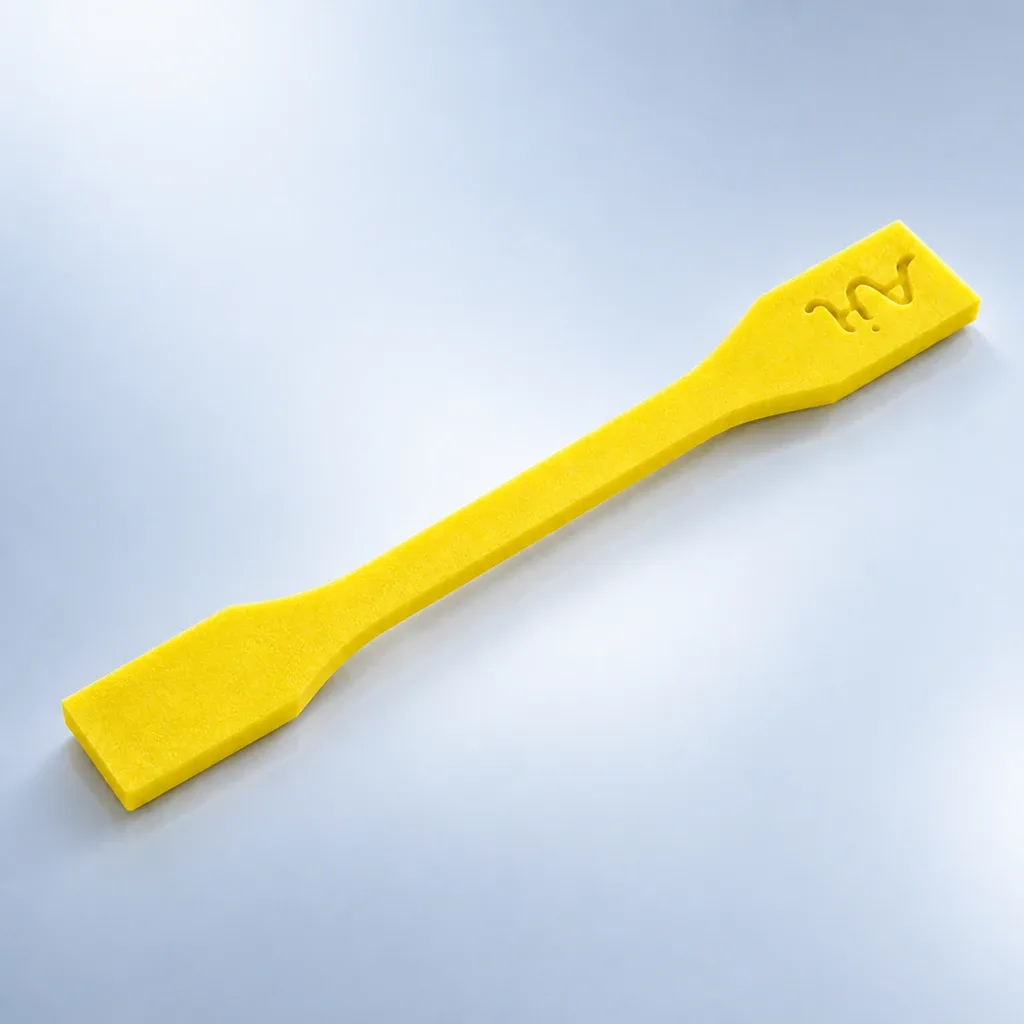
Check enclosure appearance and assembly space before committing to production tooling.
Open this processReview housings, cable guides and assembly fixtures where nylon meets the operating requirements.
Open this processChoose materials for exposure, heat flow, weight and electrical contact requirements.
Review aluminum for housings and thermal components; specify corrosion treatment and masked contact areas.
Resin models help verify appearance; nylon can be reviewed for guides, covers and fixtures within its service limits.
Enclosure pockets, connector cutouts and gasket grooves need a common datum scheme. Provide board envelopes, connector drawings and fixing positions so machining access, assembly clearance and cover alignment can be reviewed.
Identify heat-transfer faces and the flatness or finish they require. Mark regions that must remain uncoated for electrical contact; coating and material choices need to be coordinated with the product’s thermal and shielding design.
Mounting hardware may see weather, vibration and galvanic contact with dissimilar metals. State corrosion treatment, sealing requirements and any required tests. Mechanical manufacture alone does not establish RF performance or an ingress-protection rating.
Jobs from the same shop. Industry tags are a hint, not a filter that hides the rest of the floor.
We can review mechanical housings and brackets from your drawings. RF performance, shielding and product compliance require design-specific validation.
Provide the gasket geometry, finish and dimensional requirements. An enclosure is not assigned an ingress-protection rating solely because it has a gasket groove.
Specify material grade, contact areas, flatness, surface finish, quantity and the regions where coating must be excluded.
Upload the drawing and project requirements. Material suitability, pricing and delivery are confirmed during quotation.

We use cookies to personalize your experience. By using this site, you agree to our Privacy Policy
Accept