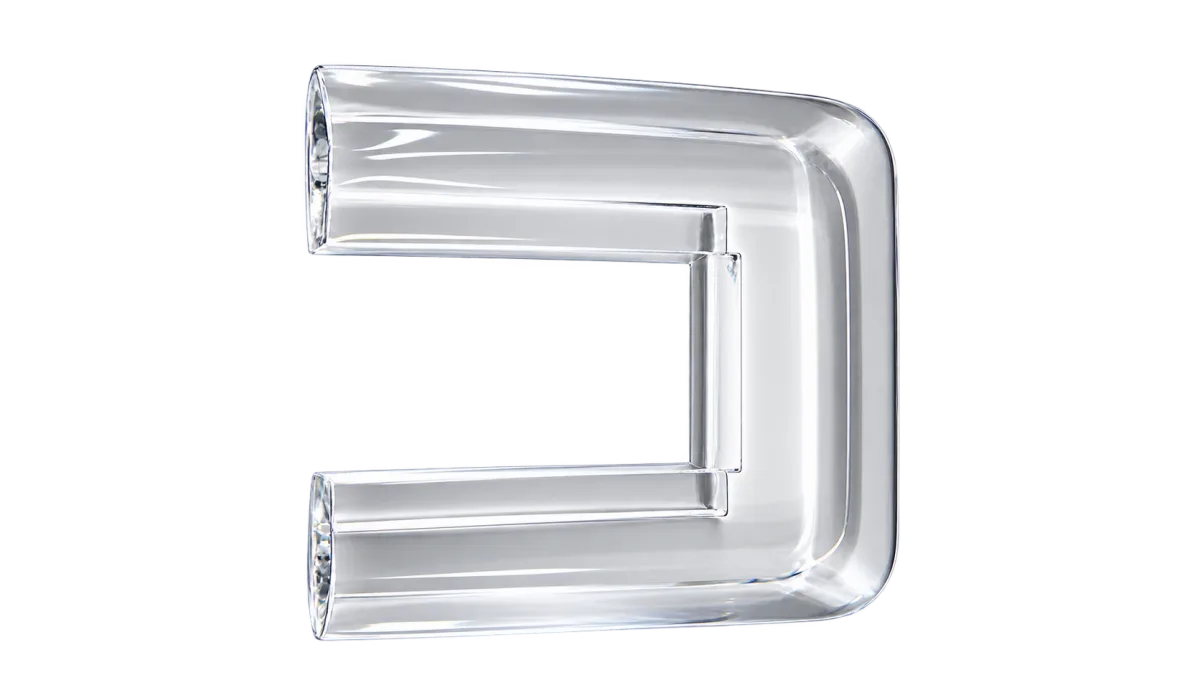
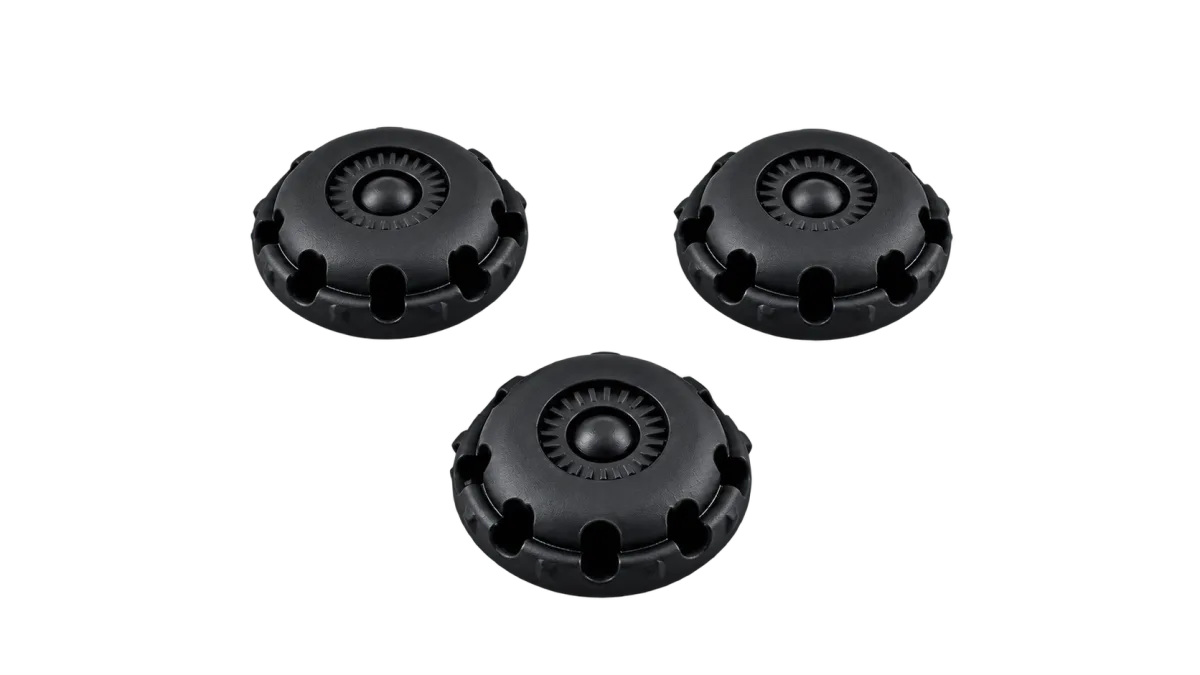
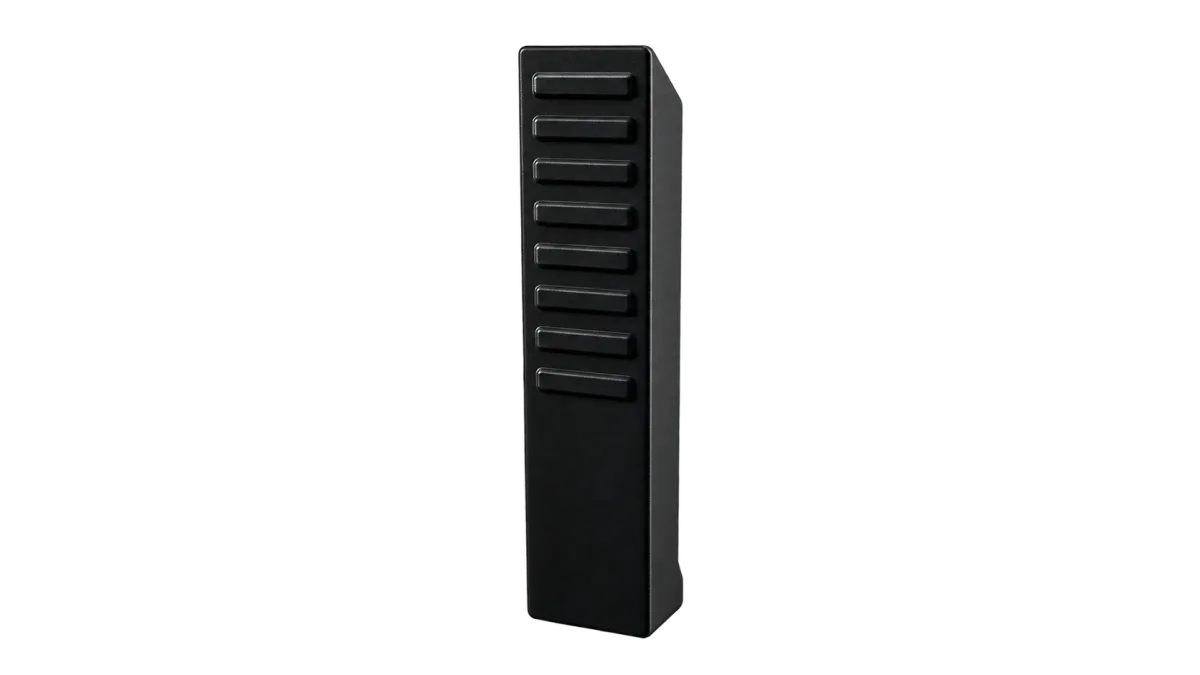
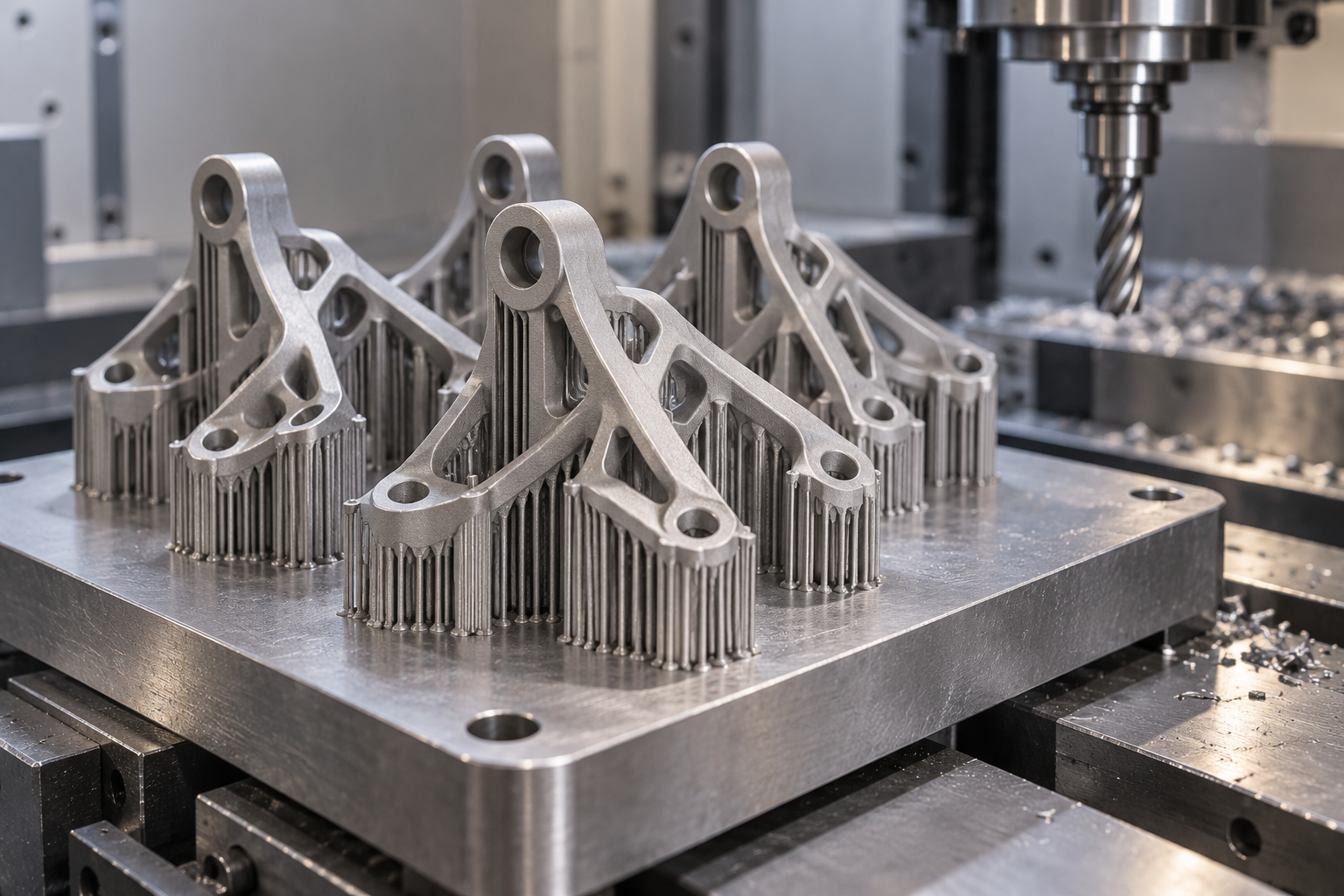
Topology-optimized brackets
Load paths stay; the rest of the billet goes. SLM aluminum or titanium with machining on datums.

Industries
3D printing creates complex, lightweight, and high-strength components for the aerospace industry. Complex geometries with internal channels and curved surfaces can be printed as one piece by 3D printing, which helps the aerospace industry to quickly produce and test new parts without the need for expensive and time-consuming tooling. Thus, we can help you cut costs and shorten turnaround times. We are experienced in offering dedicated 3D printing aerospace solutions for aircraft, drones, and rockets.
AIHFABS runs SLM metals and high-temp polymers in the same shop as finishing and inspection. Teams use it for brackets, ducts, and fixtures that need a photographed part — not a render — before the next design freeze.
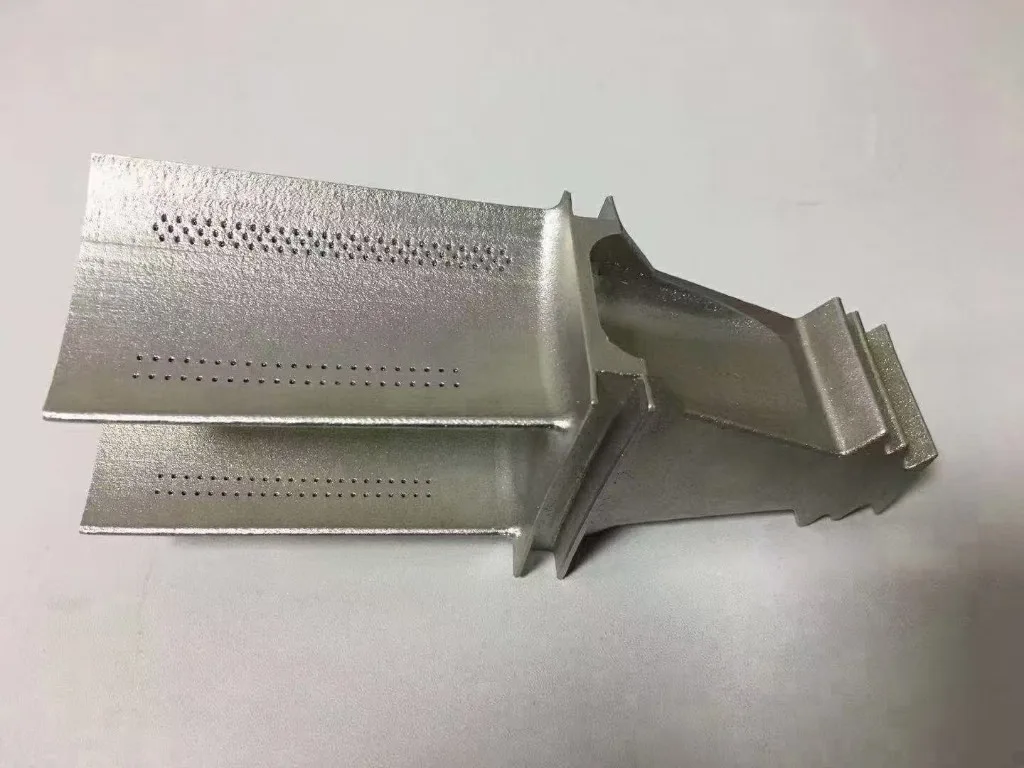
Most aerospace jobs here are structural or environmental parts that used to wait on a machine shop or a soft-tool run. Topology-optimized brackets, heat-resistant ducts, and assembly fixtures print in days, then go through bead blast, machining, or anodize on the same order.
We do not sell flight-certified serial production from this page. We do print development hardware, ground-support parts, and low-volume metal that you can measure against a drawing.
These are the geometries that show up most often in aerospace quotes.
Load paths stay; the rest of the billet goes. SLM aluminum or titanium with machining on datums.
Internal channels that are expensive to machine as a weldment. SLS nylon or SLM metal depending on temperature.
Shop-floor jigs that sit near ovens or autoclaves. High-temp resin or metal, finished for handling.
Open lattices and cooling holes that subtractive processes cannot reach in one setup.
Plan each stage around the part’s function, material and inspection requirements—from the first design review to a repeatable batch.
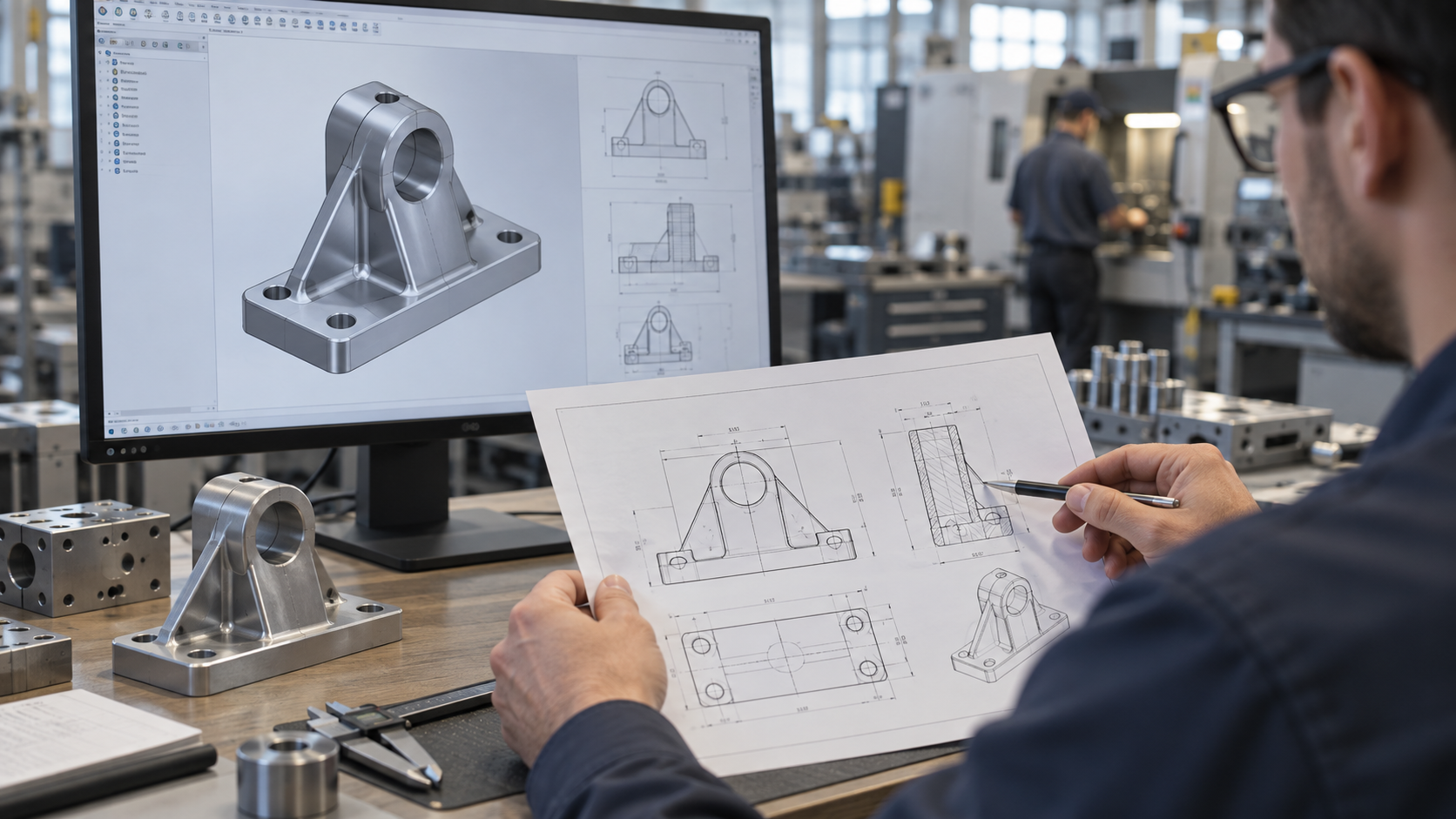
Share CAD, mating interfaces and critical dimensions. Review thin walls, support removal and machining access before selecting a production route.
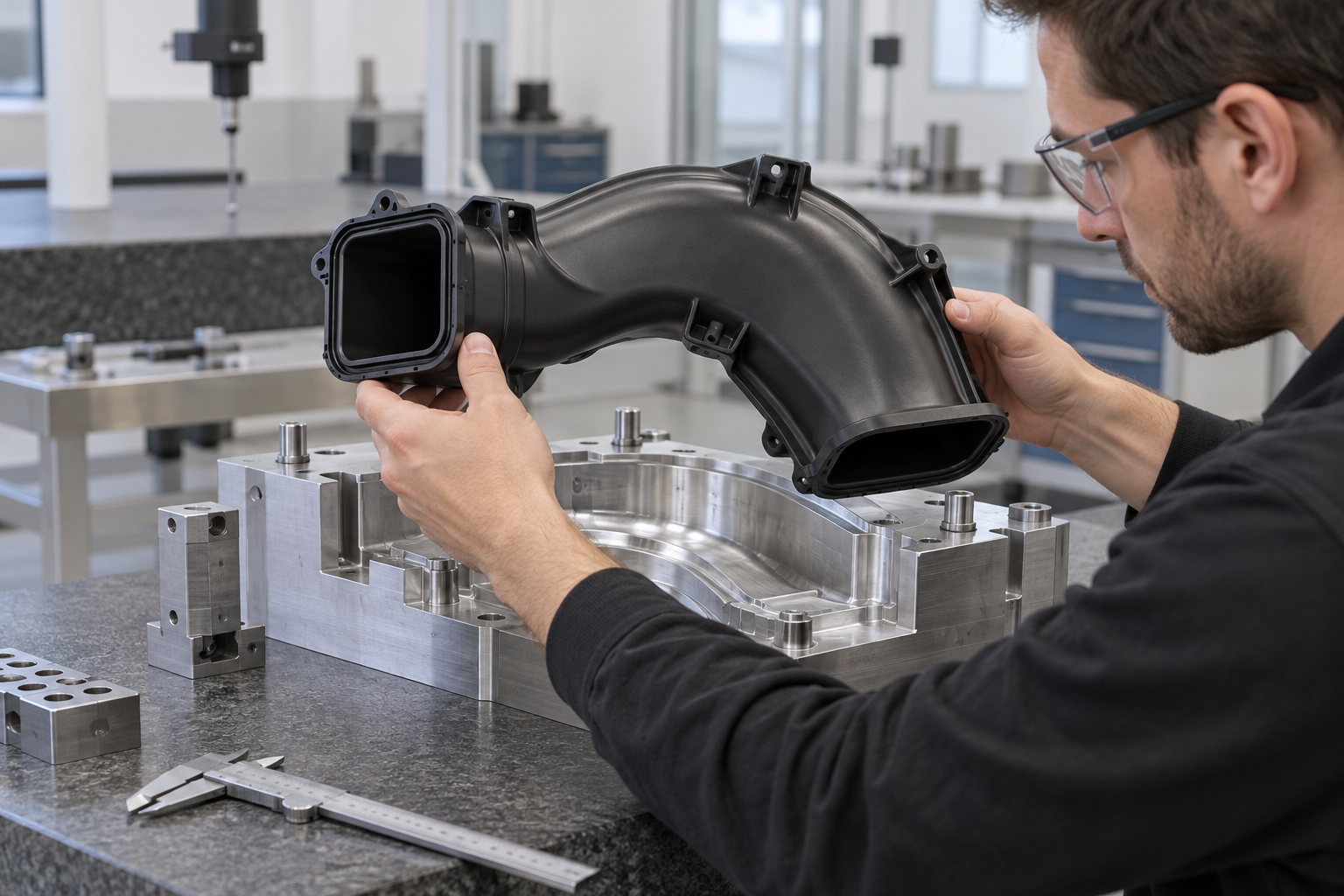
Use polymer fit-check models or metal prototypes to evaluate assembly, weight and access. Select test materials against the intended operating conditions.
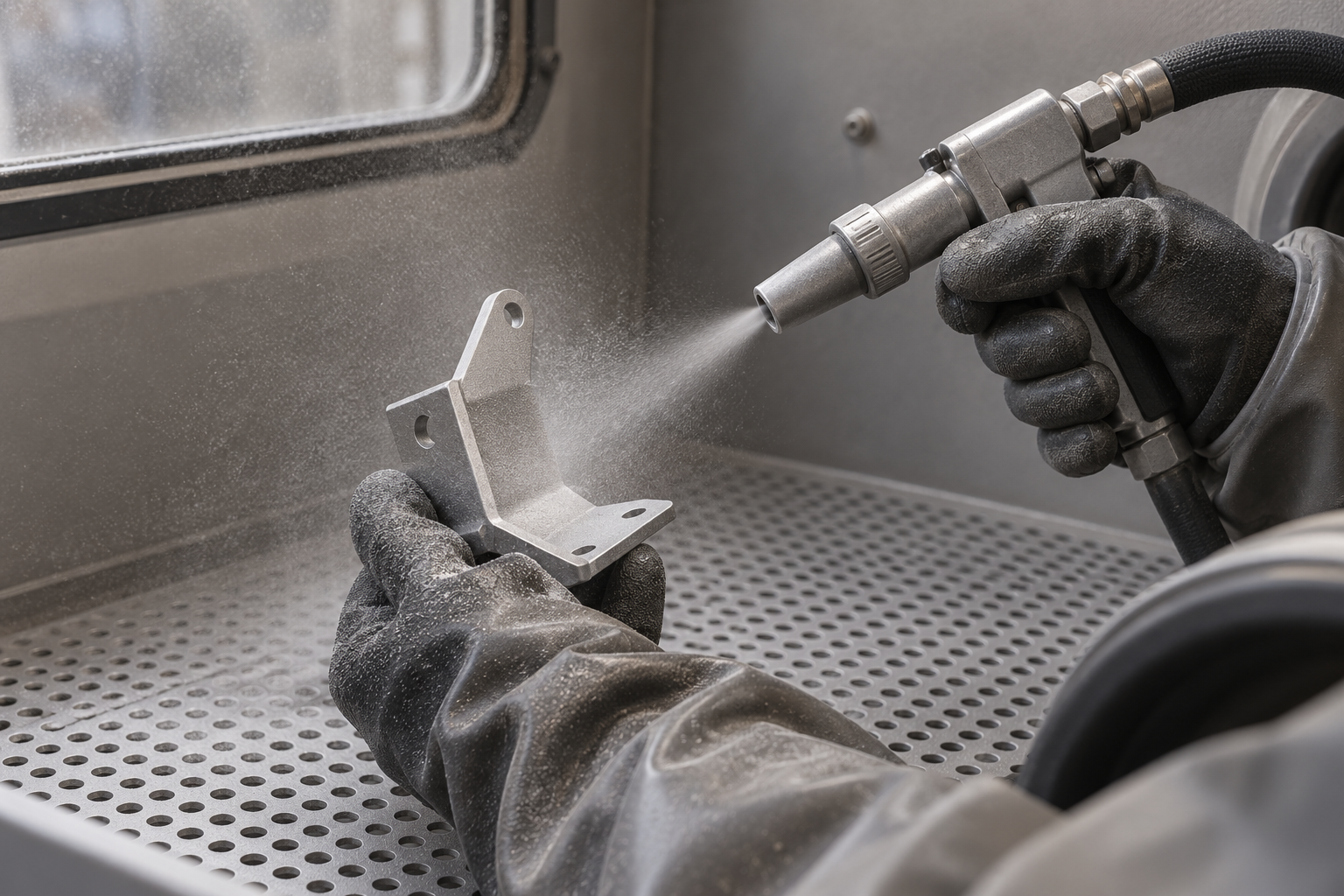
Specify threads, datum machining and surface treatments. Evaluate prototype performance against your test plan before releasing a batch.
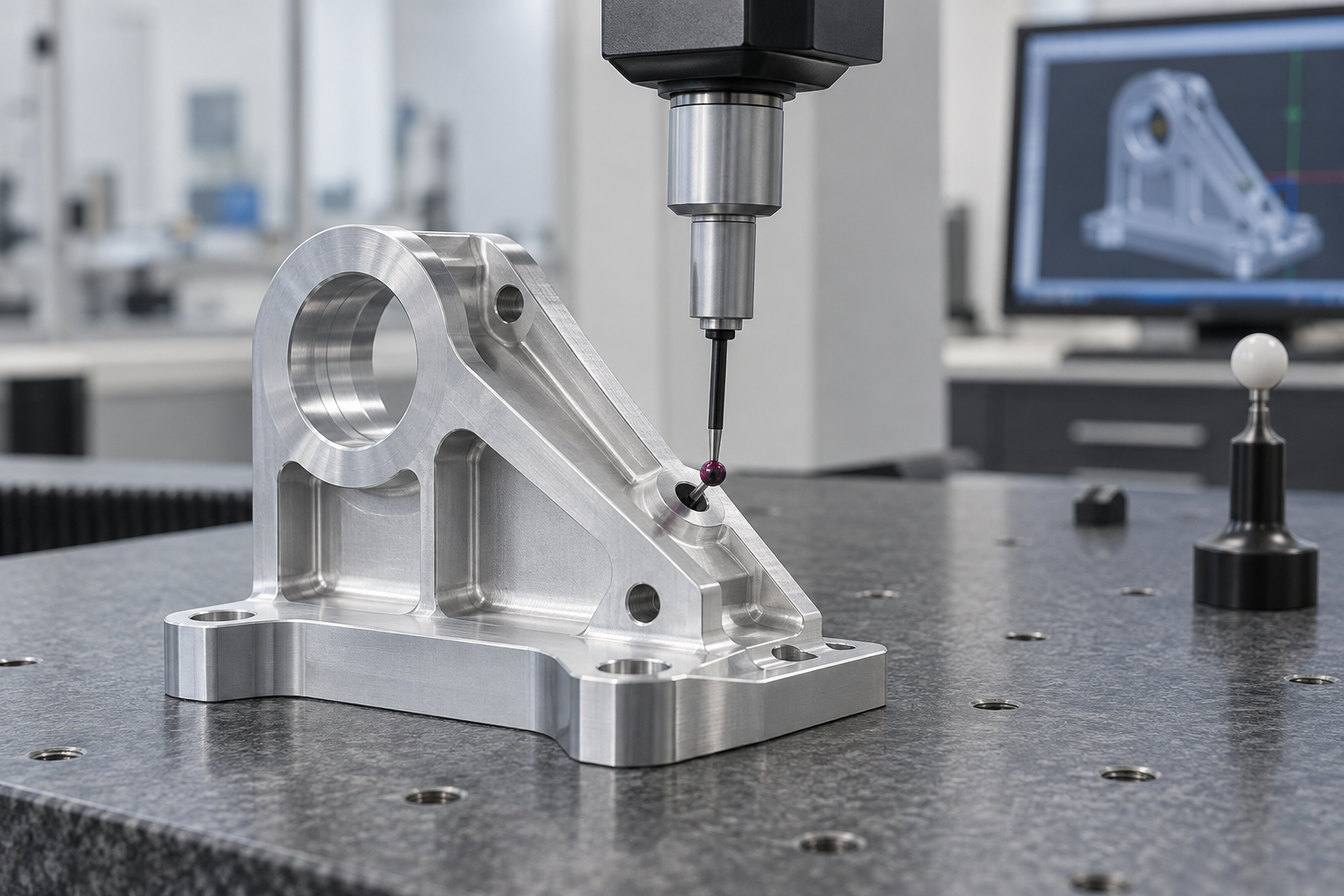
Define dimensional checks, material records and sample acceptance criteria. Keep revisions consistent when moving from development parts to repeat orders.
Match the process, material and finish to the part’s geometry and operating conditions. Share your requirements so the quotation can include the necessary secondary operations.
Our 3D Plus™ hardware solution offers comprehensive and accessible post-processing services. We offer more than 20 post-processing options for as-printed parts. For post-processing of 3D printed aerospace parts, we have anodizing, tumbling, polishing, powder coating, electroplating, and more!
Discover 3D Plus™ Hardware SolutionOur dedicated 3D Plus™ software solution is designed to streamline the 3D printing and post-processing ordering process. It simplifies your workflow by allowing you to select materials, choose post-processing options, receive instant price calculations, and collaborate with your team, all in one user-friendly platform.
Discover 3D Plus™ Software SolutionOpen the material page for properties. The quote still picks the lot that matches the drawing.
Aluminum, stainless, and titanium alloys for structural prints.
PA12 and glass-filled grades for ducts and fixtures.
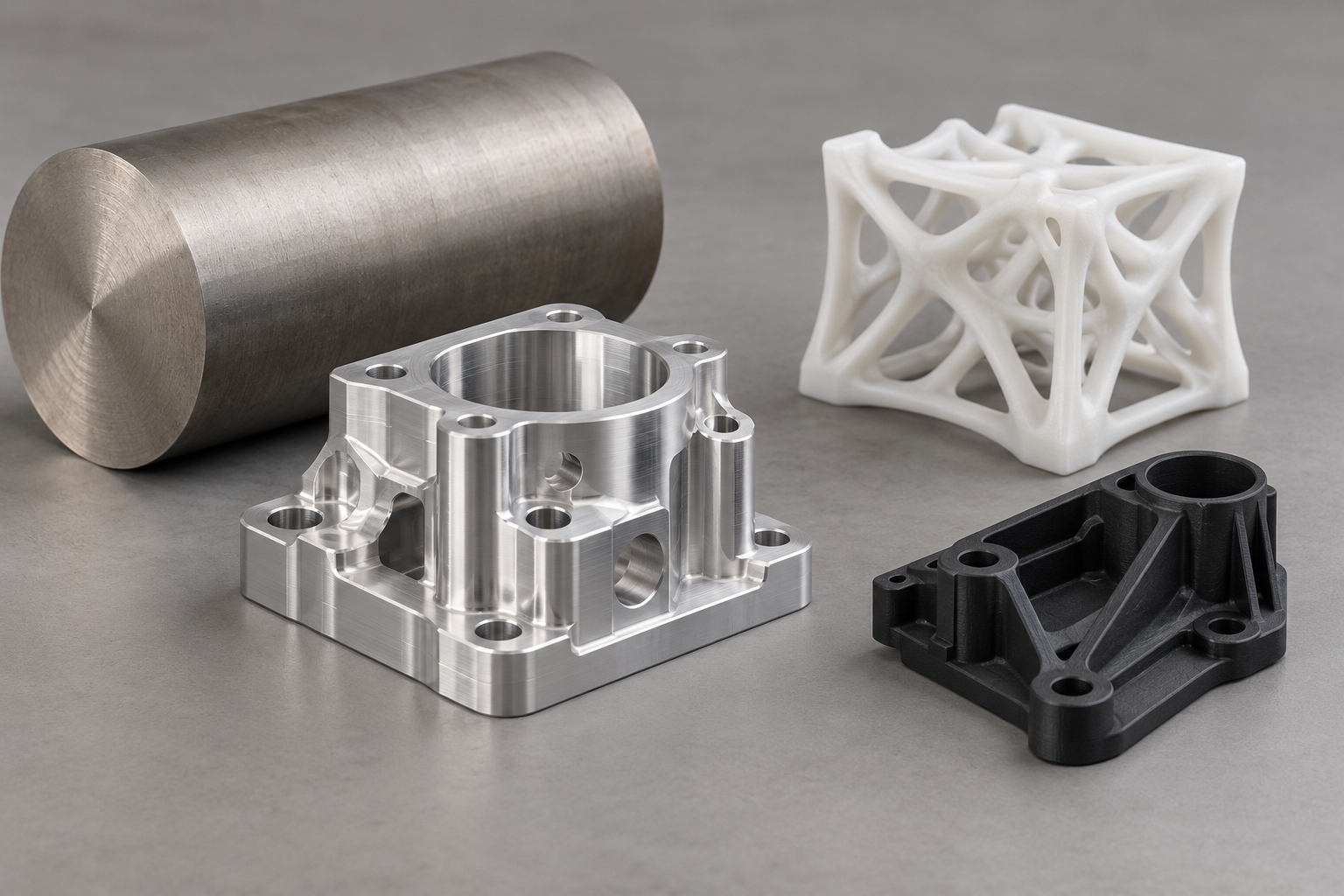
Machined aluminum and steels when AM is the wrong first cut.
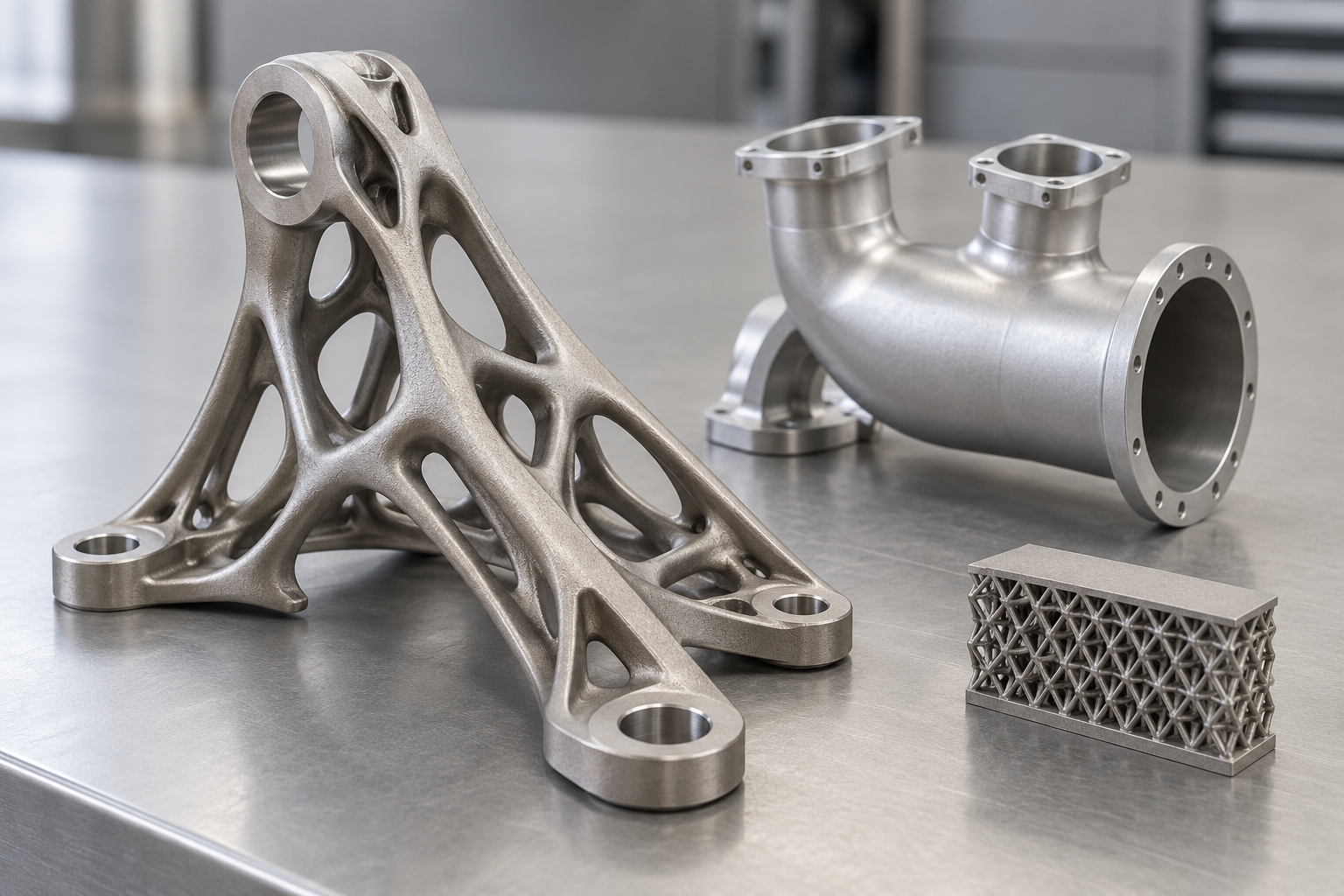
Aluminum or titanium printing can follow curved load paths, while CNC machining can establish mounting faces, bores and threaded interfaces. Identify the load direction, fastener locations and accessible inspection surfaces; a lightweight shape still needs design validation.
Review passage openings, powder removal access, wall thickness and leak-test requirements before choosing metal printing or a polymer prototype. Distinguish fit-check ducting from parts exposed to operating pressure or elevated temperature.
Provide the drawing revision, datum scheme and critical dimensions with the model. Agree material records, dimensional reporting and any outsourced testing during quotation. Flight qualification and airworthiness approval require a separate programme.
Jobs from the same shop. Industry tags are a hint, not a filter that hides the rest of the floor.
This page is for development, ground-support, and inspectable low-volume metal. Certification sits with your quality system and the drawing — we print and finish to that spec.
Yes. Call out datum faces and threads on the quote. Finishing and light machining run on the same order.
Aluminum for most brackets, stainless when corrosion or temperature is the driver, titanium when the mass budget is tight. The quote compares them on the same file.
Upload a STEP file to compare SLM, SLS, and CNC on the same part — then pick finishing and lead time.

We use cookies to personalize your experience. By using this site, you agree to our Privacy Policy
Accept