


CNC-Bearbeitung
CNC Machining Services
CNC machining removes material from solid stock with computer-controlled mills, lathes, and multi-axis centers.
Angebot erstellen
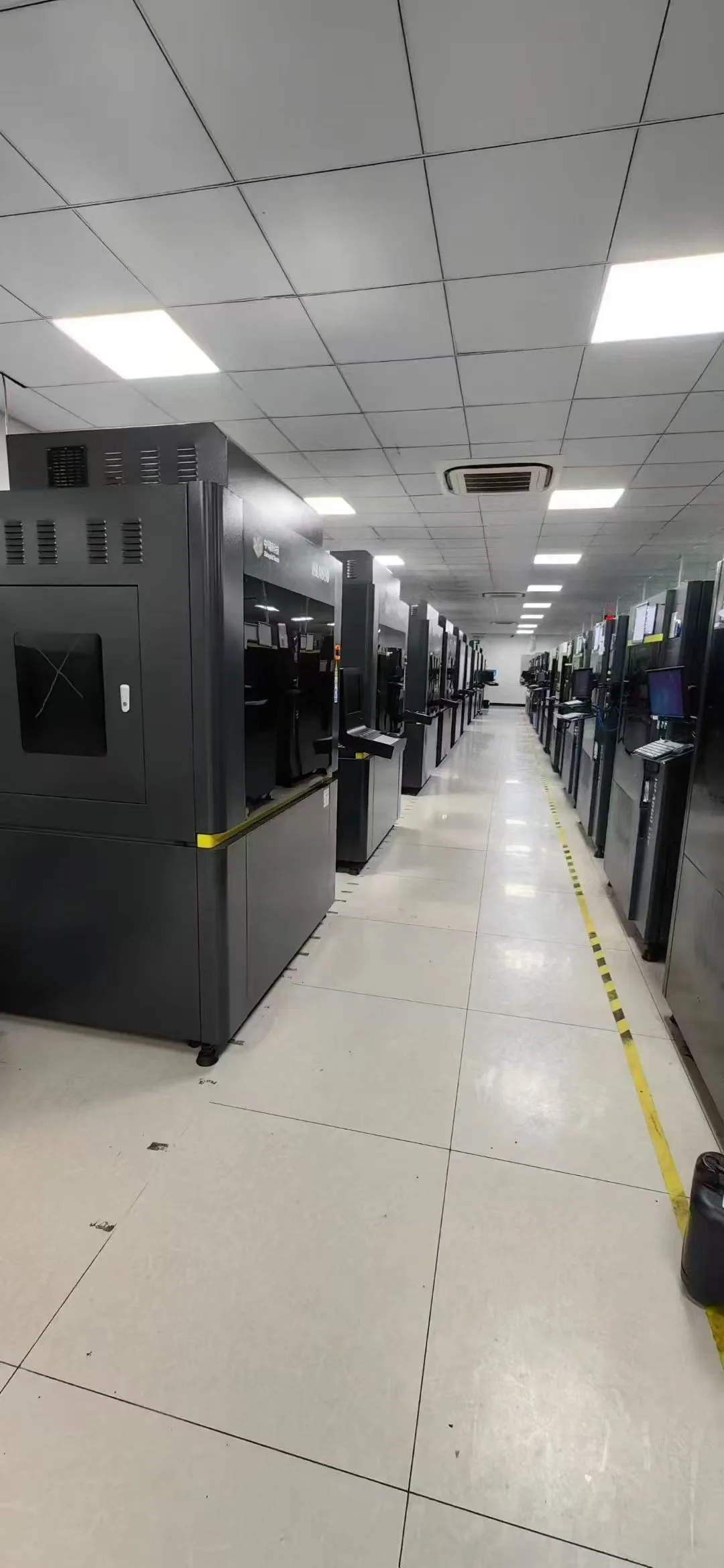
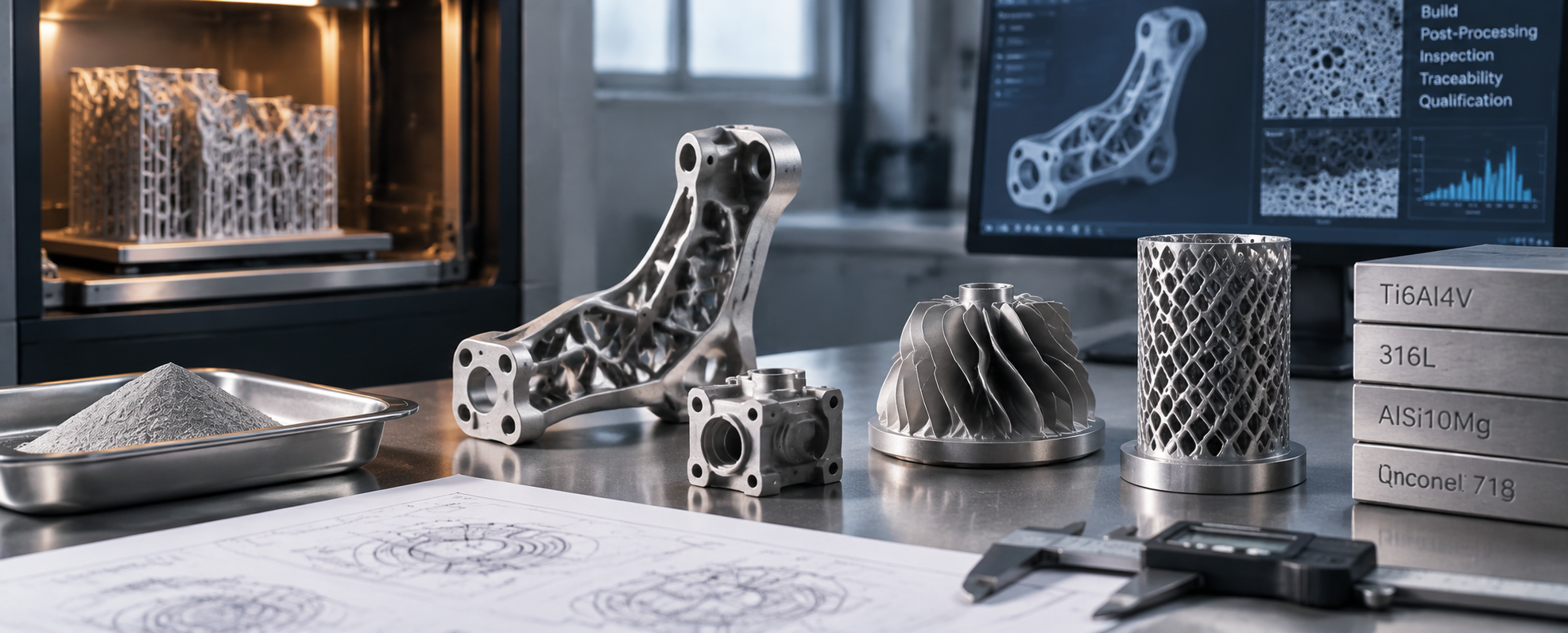
In the world of advanced manufacturing, Metal 3D Printing is revolutionizing how we build everything from aerospace components to medical implants. But the journey from a digital file to a functional industrial part involves more than just melting powder. Based on our latest insights into the industry, let’s break down the entire lifecycle: from the SLM printing process to critical post-processing, and how platforms like AIHFABS.com are making these industrial capabilities accessible.
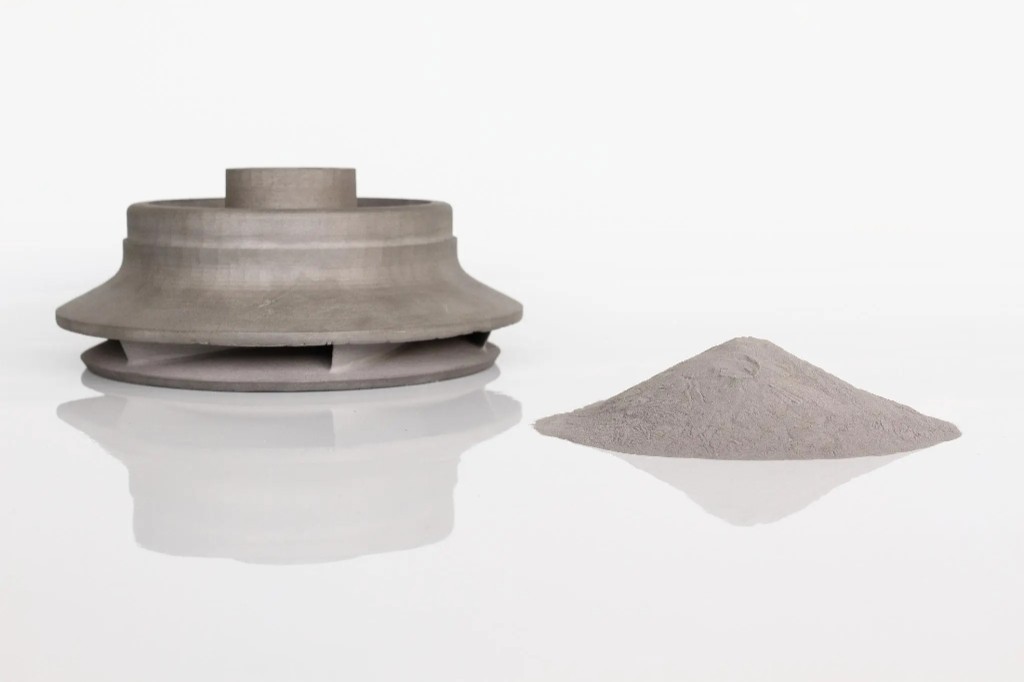
What is SLM? SLM stands for Selective Laser Melting. As seen in modern workshops, this is currently the most prevalent process in the metal additive manufacturing industry. Unlike traditional manufacturing that cuts material away, SLM is an additive process. It works by taking 3D data, slicing it into thin layers, and using a high-energy laser to precisely melt and fuse metal powder, layer by layer, until the final part is formed.
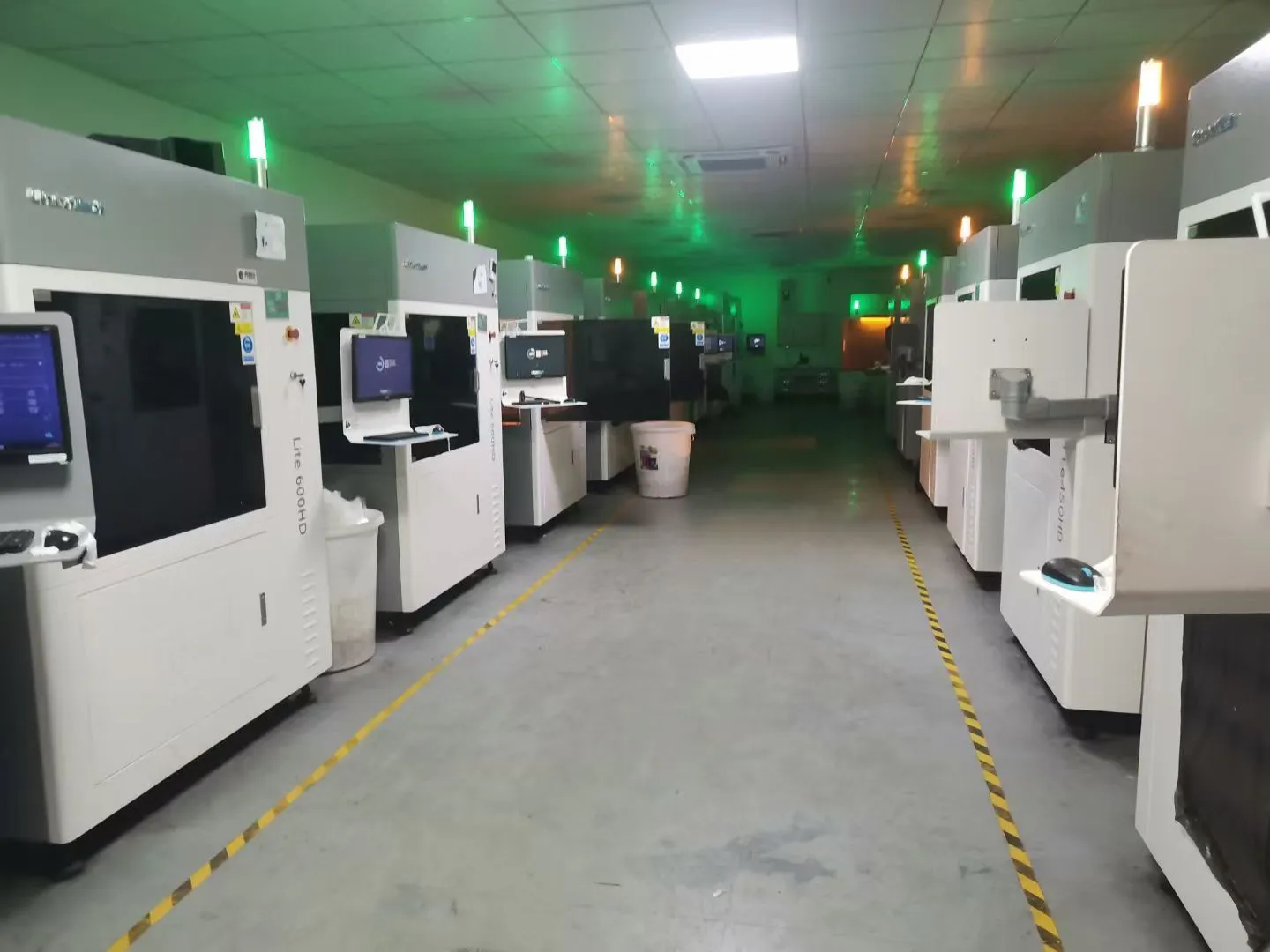
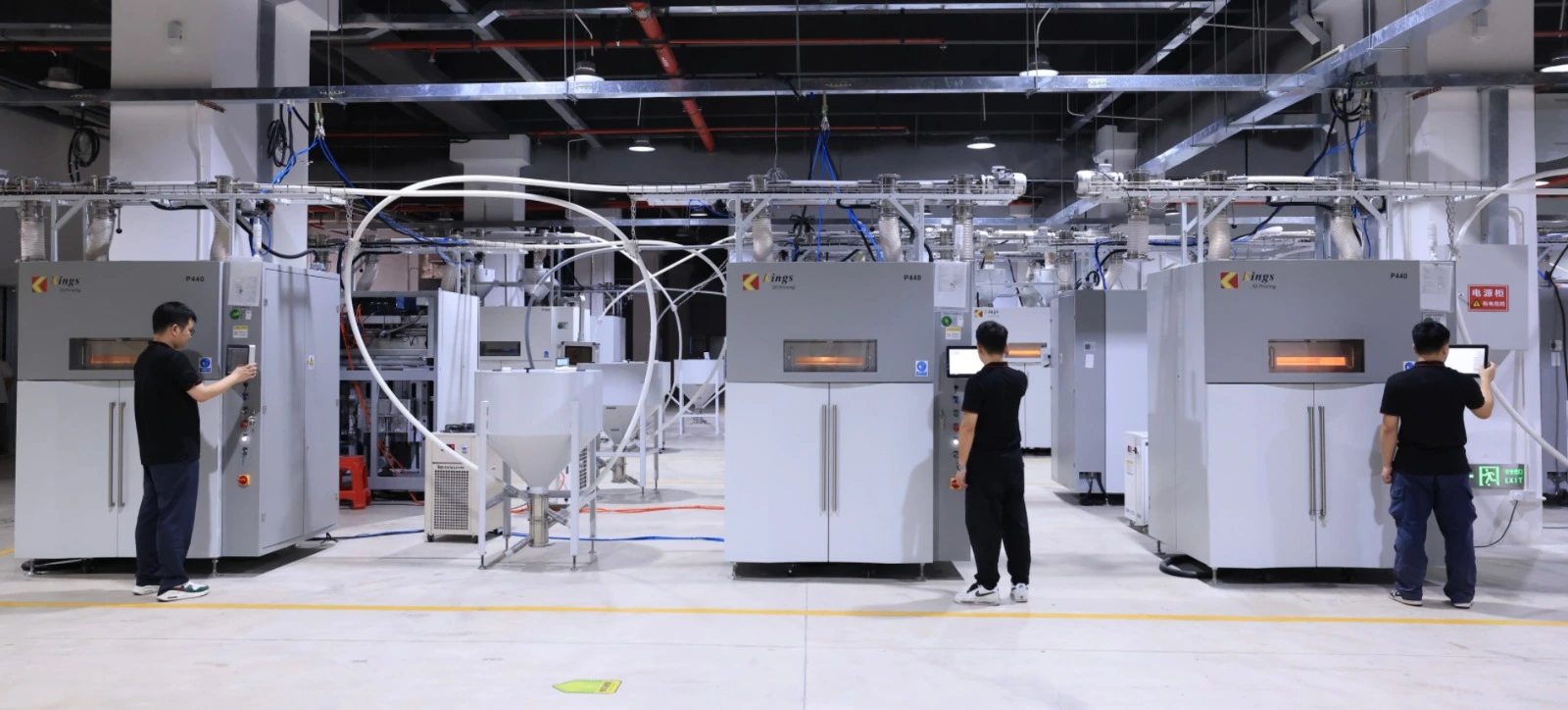
Industrial Grade vs. Desktop One key takeaway is the sheer scale of these machines. Unlike small desktop printers, metal 3D printers are heavy-duty industrial units. They require precise environmental controls—often filled with inert gas—to prevent the metal powder from oxidizing during the high-heat melting process. This allows for the use of high-performance materials like Stainless Steel, Aluminum Alloys, and Titanium Alloys.
What is Metal Post-Processing? A metal part fresh off the machine isn’t quite ready for use yet. “Post-processing” refers to the essential steps taken after printing to ensure the part meets engineering standards. According to industry experts, the workflow typically involves:
• Heat Treatment: To relieve internal stresses caused by the rapid heating and cooling during printing.
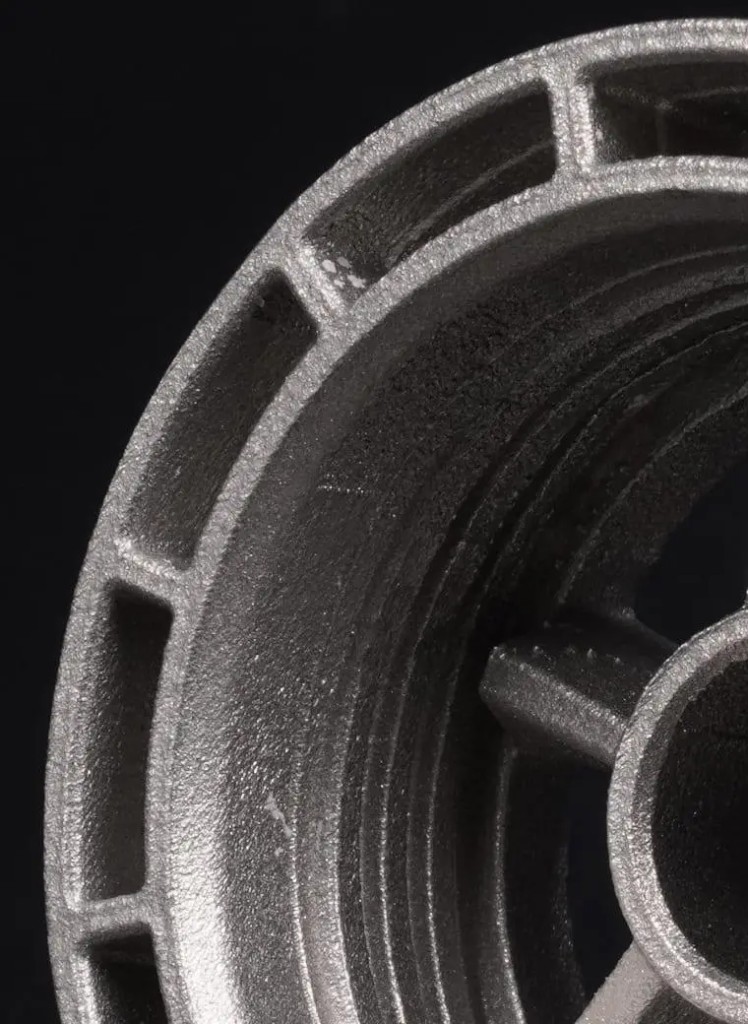
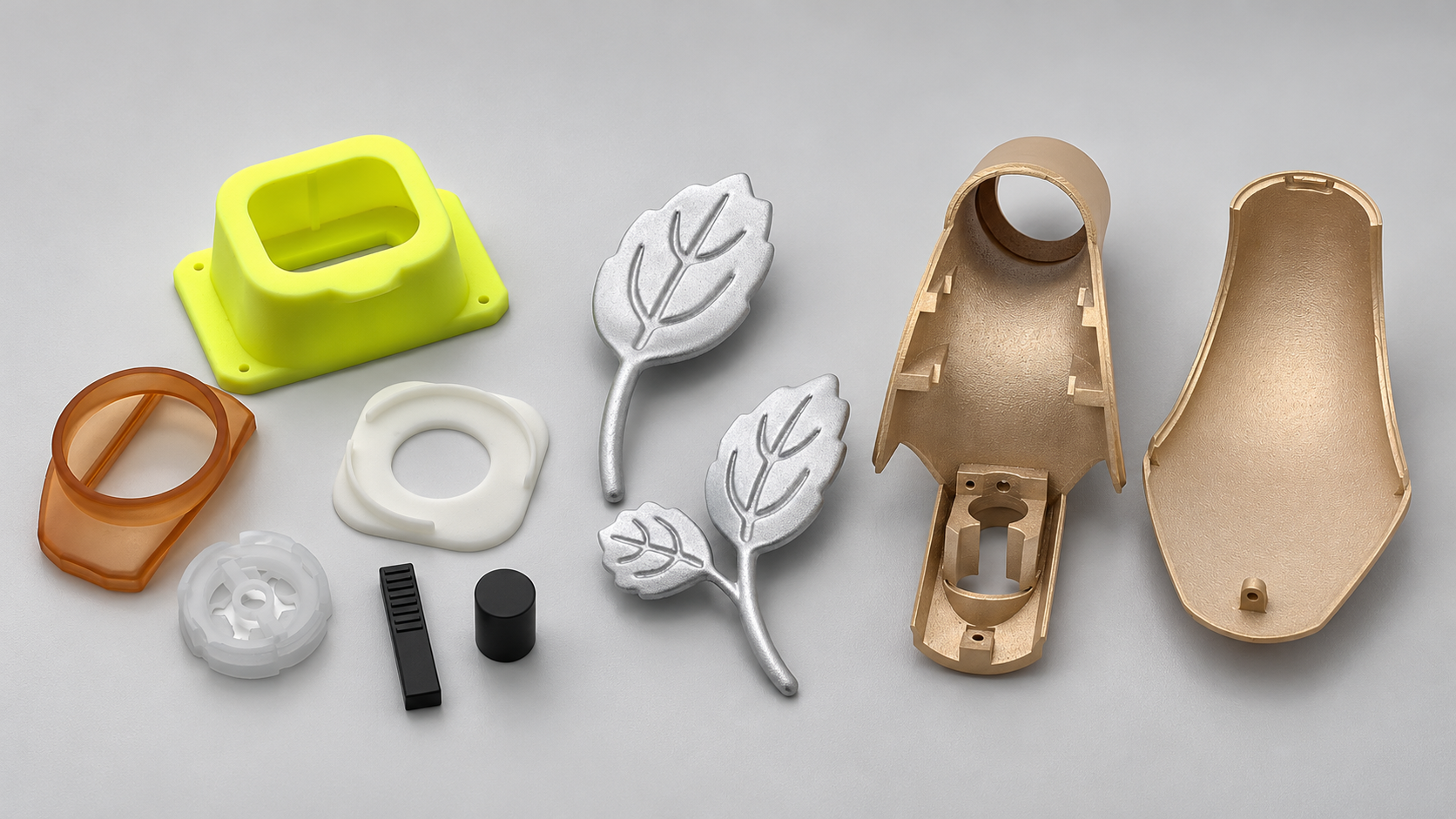
• Polishing & Sandblasting: To smooth out surface roughness and remove support structures, giving the part a clean, professional finish.
Understanding Mechanical Properties A common question engineers ask is: “Is a 3D printed part as strong as a traditionally manufactured one?”
The answer lies in Mechanical Properties. When testing finished products, we look at key metrics like Tensile Strength (resistance to breaking under tension) and Yield Strength. The verdict from recent facility tours is clear: with proper process control, the mechanical properties of metal 3D printed parts—including fatigue performance—are comparable to forged parts. You aren’t sacrificing strength for complexity.
While the technology is impressive, accessing these industrial-grade SLM machines and post-processing facilities can be a barrier for many designers and engineers. This is where AIHFABS.com comes in.
AIHFABS.com serves as your bridge to advanced manufacturing. Their printing service functions include:
• Instant Quoting & DFM Analysis: Upload your CAD files to get immediate feedback on manufacturability and pricing.
• Material Versatility: Access a wide range of industrial metals including Aluminum, Stainless Steel, and Titanium without buying the hardware.
• End-to-End Service: From the initial SLM printing to the crucial heat treatment and sandblasting mentioned above, AIHFABS handles the entire workflow to deliver production-ready parts directly to your door.
Whether you need a single complex prototype or a batch of high-strength end-use parts, AIHFABS.com brings the power of industrial metal 3D printing to your fingertips.
Stay tuned for more insights into the future of manufacturing!
Keywords: Metal 3D Printing, SLM, Selective Laser Melting, Post-Processing, Mechanical Properties, Tensile Strength, Heat Treatment, AIHFABS, Additive Manufacturing, Industrial Design, Titanium Printing, Rapid Prototyping

Ein Verfahren zu diesem Artikel. Spezifikation öffnen oder die Datei auf ein Angebot legen.
CNC machining removes material from solid stock with computer-controlled mills, lathes, and multi-axis centers.
Angebot erstellen
CNC Milling Services use computer numerical control (CNC) mills to cut workpieces with rotating tools according to programmed toolpaths.
Angebot erstellenMaterialien neben diesem Artikel. Karte prüfen, dann CAD hochladen.
Notizen zu Verfahren, Finish und Dateien aus der Werkstatt.
Antworten zu Unternehmen, Zahlung, Versand und Verfahren nach Thema.
Payment methods, billing, and checkout questions.
Recommended answers about AIHFABS, technologies, materials, pricing, privacy, and file preparation.
AIHFABS kalkuliert kundenspezifischen 3D-Druck und CNC aus einem CAD-Upload. Vergleichen Sie SLA, SLS, MJF, SLM, FDM, DLP, Fräsen und Drehen und fügen Sie Dampfglätten, Färben, Eloxieren, Polieren oder Pulverbeschichten derselben Bestellung hinzu.
Sofortangebote eignen sich für Prototypen, Vorrichtungen, Gehäuse und Kleinserien. Werkstoff, Verfahren, Menge und Lieferzeit stehen zusammen.
Werkstoff, Verfahren, Menge und Lieferzeit stehen zusammen, damit Konstruktionsänderungen keine neue Lieferantenrunde auslösen.
STL, STEP und gängige CAD-Formate für ein Online-Angebot hochladen.
3D-Drucktechnologien und CNC am gleichen Teil vergleichen.
Polymere oder Metalle wählen und bei Bedarf 3D-Plus-Hardware-Finish hinzufügen.
Preis und Lieferzeit vor dem Checkout prüfen oder ein manuelles Angebot anfordern.
Beschreibt diese Seite ein Verfahren, eine Branche oder ein Musterteil, starten Sie mit dem Upload und stimmen Sie Technologie plus Finish auf Ihre Zeichnung ab.
Wir verwenden Cookies, um Ihre Erfahrung zu personalisieren. Mit der Nutzung stimmen Sie unserer Datenschutzrichtlinie
Akzeptieren
Kommentar hinterlassen