3D列印
熔絲堆疊成型 (FDM)
Fused Deposition Modeling (FDM) extrudes heated thermoplastic filament in thin beads, stacking layers to form a part.
建立報價
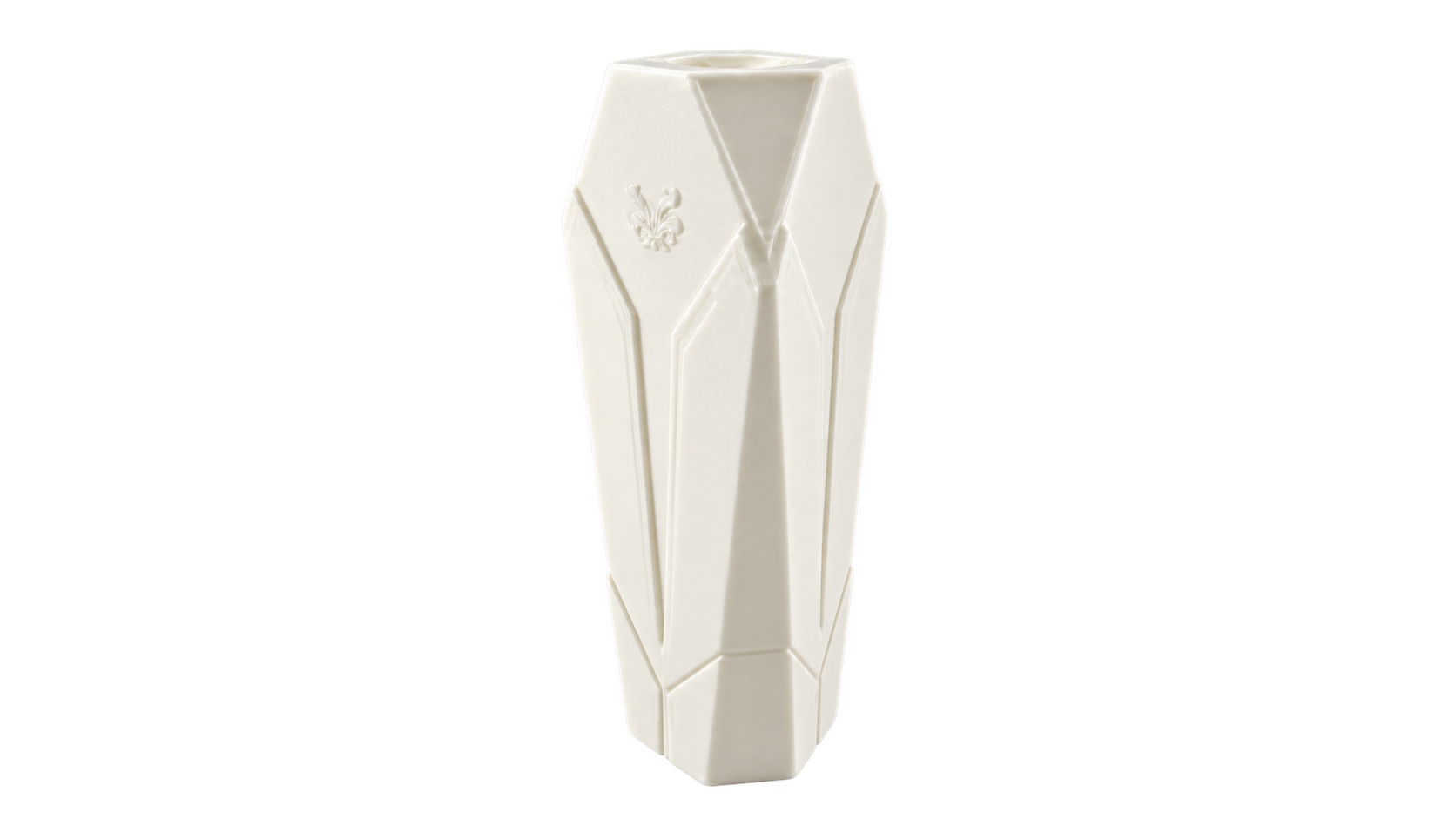
A children's game design studio sought to produce Mandel bricks — popular game props beloved by children — in large quantities with custom designs and vibrant colors. Traditional injection molding was too expensive ($5–$15 per unit) and required expensive molds with long lead times (4–6 weeks), making it impractical for iterative design changes and small-batch custom orders. The team needed a solution that could produce safe, non-toxic, colorful game props quickly and affordably, while ensuring the materials met children's product safety standards.
The team adopted polylactic acid (PLA) via FDM 3D printing as the primary material for its non-toxic, eco-friendly properties, vibrant color options, and ease of printing. PLA is derived from renewable resources such as corn starch or sugarcane, making it an ideal choice for children's products. Key steps included:
1. Design for Manufacturability (DFM) Optimization: Engineers redesigned Mandel brick geometries to minimize overhangs and complex interlocking features, reducing the need for excessive support structures. For unavoidable supports, they used tree-like or sparse support patterns to simplify removal without damaging delicate brick surfaces.
2. Rapid Prototyping Workflow: Leveraging FDM 3D printers, the team produced batches of Mandel bricks (in various colors and designs) in under 3 hours per batch — 75% faster than traditional molding. Layer heights of 0.1–0.15mm ensured smooth surfaces suitable for children's hands.
3. Cost Efficiency: PLA filament costs ~$20/kg, and print times were reduced by 35% via optimized layer heights and infill densities (15–20%). Total per-unit cost dropped to $0.30–$1.50, compared to $5–$15 for injection-molded alternatives.
The primary hurdles were post-processing support removal for bricks with fine interlocking details (e.g., tabs, studs, textured patterns) and ensuring child-safe surface quality. Aggressive support removal risked damaging delicate brick features, while rough surfaces were unacceptable for children's products. Solutions included:
• Material Selection: Using PLA+ (a tougher PLA variant) for high-stress brick components to withstand handling by children without breaking.
• Tooling Innovation: Customizing precision tweezers and soft-jaw pliers to gently detach supports without scratching or marking brick surfaces.
• Surface Finishing: Implementing a light sanding and eco-friendly coating process to achieve smooth, child-safe surfaces free of sharp edges or layer-line textures.
• Iterative Testing: Running 3–5 test prints per design to refine support placement and density, achieving a 97% success rate in post-processing.
• Speed: Prototype turnaround time reduced from 4–6 weeks to 48 hours, enabling same-week design revisions and rapid response to children's feedback.
• Cost Savings: Annual production costs dropped by 65% ($15,000 → $5,250) due to cheaper materials, no mold costs, and faster production cycles.
• Safety & Quality: All printed Mandel bricks passed non-toxic material safety checks, with smooth surfaces and vibrant colors that delighted children and received positive feedback from parents.
Title: “Play Safe, Print Fast: PLA 3D Printing for Children's Game Props”
• Safety: PLA is non-toxic, biodegradable, and derived from renewable resources — ideal for children's products.
• Cost: Low material costs ($20/kg PLA) and efficient printing reduce per-unit expenses to $0.30–$1.50.
• Color Variety: PLA is available in dozens of vibrant colors, perfect for creating visually appealing game props.
• Speed: Produce custom Mandel bricks in hours, not weeks — ideal for limited editions and seasonal designs.
• Non-toxic and eco-friendly: Safe for children and the environment.
• Easy to print: Minimal warping, low odor emission, and beginner-friendly.
• Vibrant colors: Wide range of colors available for creative game prop designs.
• DFM-friendly: Optimize supports and geometries to minimize post-processing.
• Our DFM guidelines ensure safe, smooth surfaces for children's products:
• Use tree supports for complex overhangs to simplify removal.
• Print with 0.1–0.15mm layers for smoother surfaces.
• Leverage PLA for non-toxic, child-safe material properties.

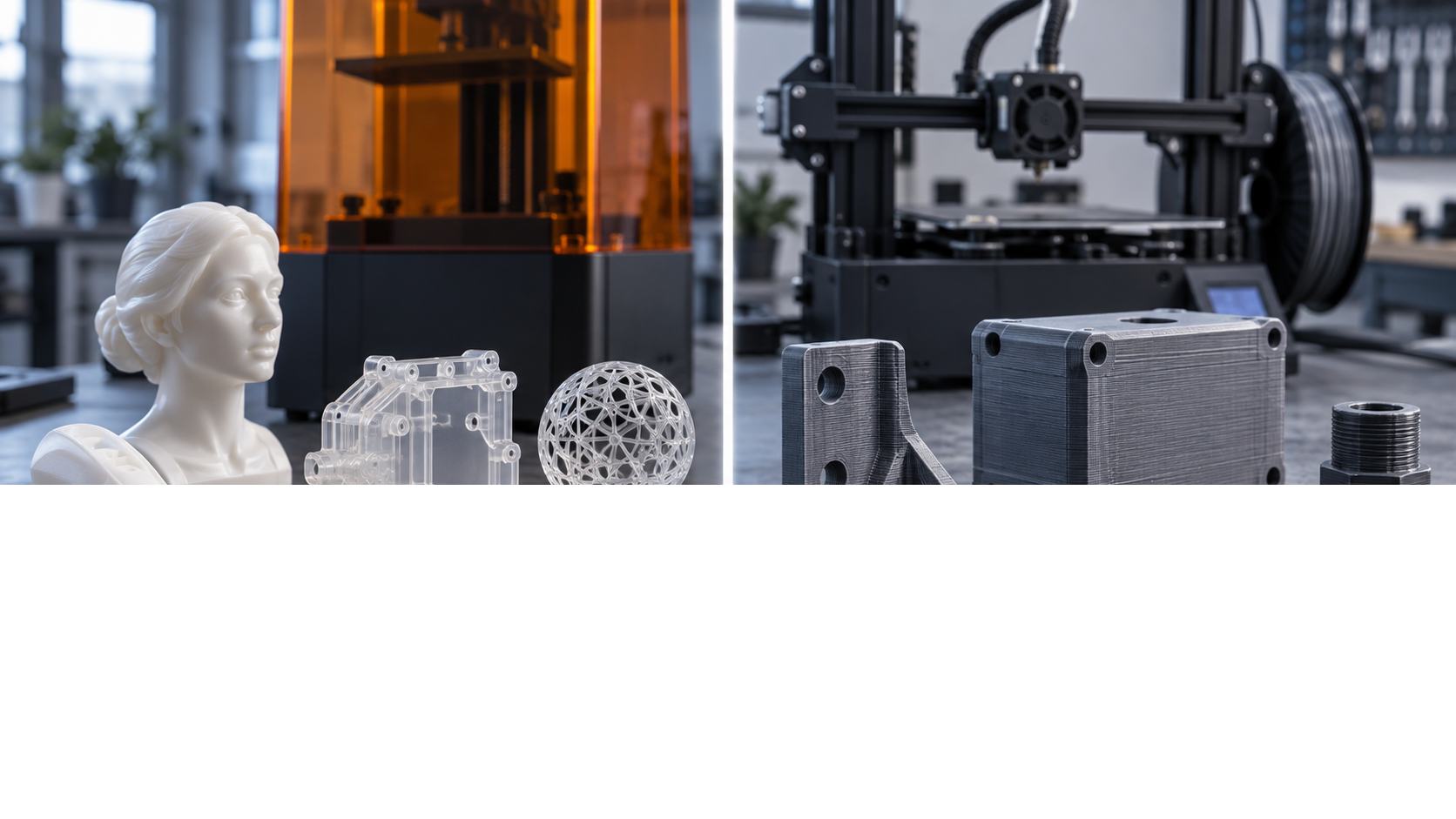
3D 列印與 CNC 寫在同一張報價上。打開一種製程,再上傳 CAD。
Fused Deposition Modeling (FDM) extrudes heated thermoplastic filament in thin beads, stacking layers to form a part.
建立報價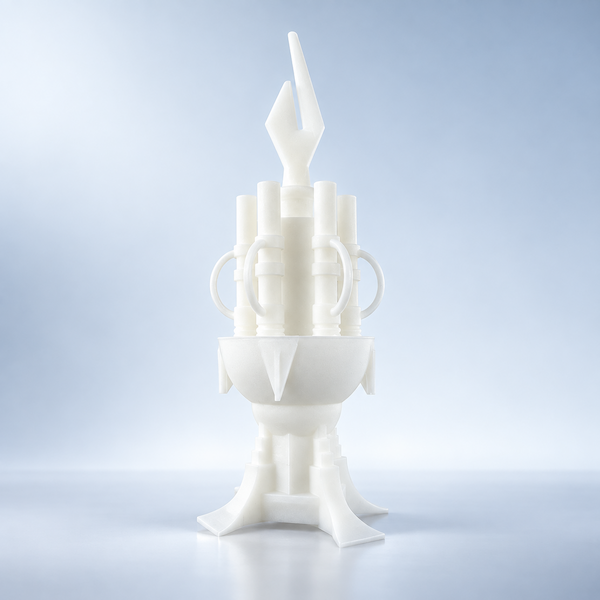
Stereolithography (SLA) cures liquid photopolymer with a precision UV laser, building parts layer by layer.
建立報價
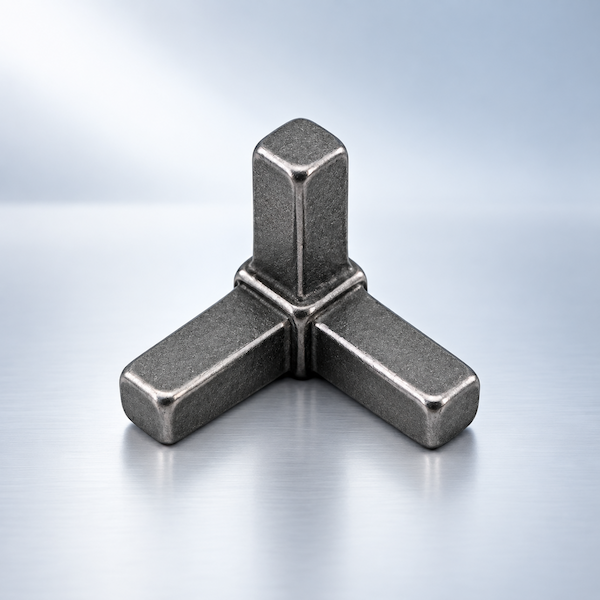
樹脂、尼龍、金屬等。每張卡片跳到材料目錄對應列。
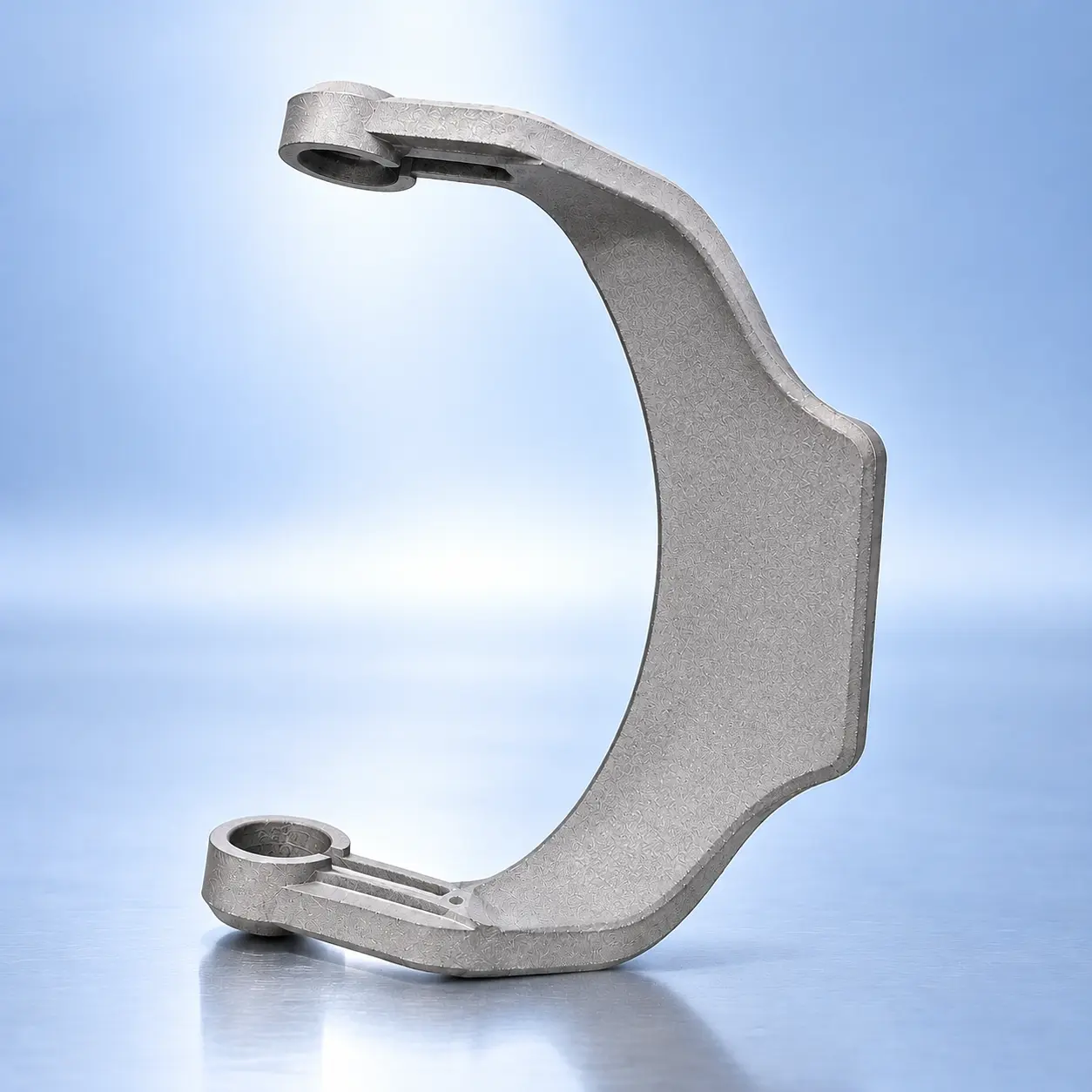
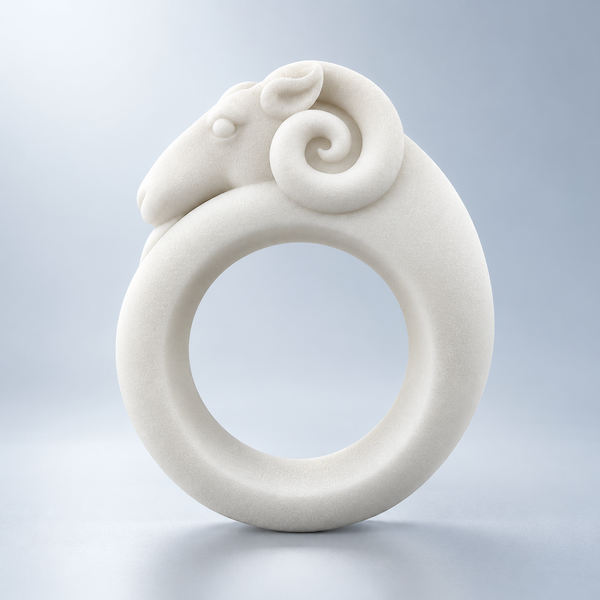
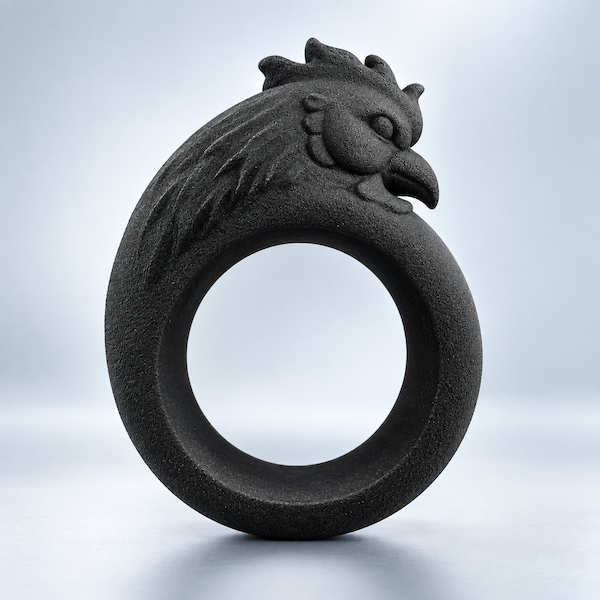
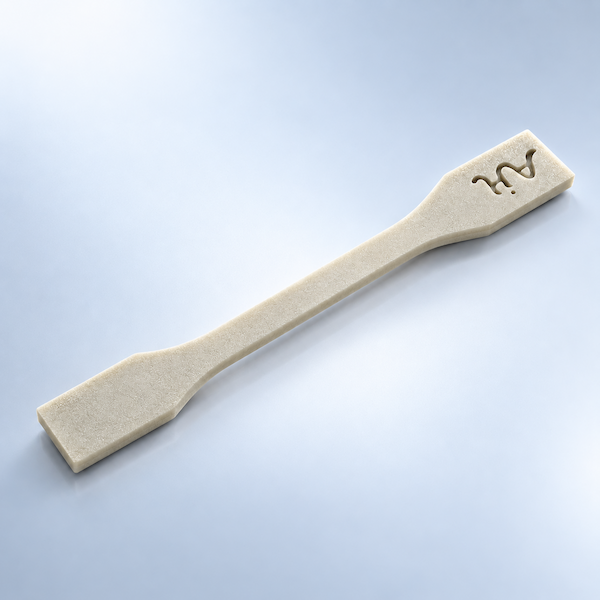
製程、後處理和檔案注意事項,來自車間,不是行銷軟文。
按主題查看公司、付款、物流和製程說明。

Recommended answers about AIHFABS, technologies, materials, pricing, privacy, and file preparation.

Review AIH commitments to print quality, secure handling of your files, transparent pricing, and support for every 3D printing order.
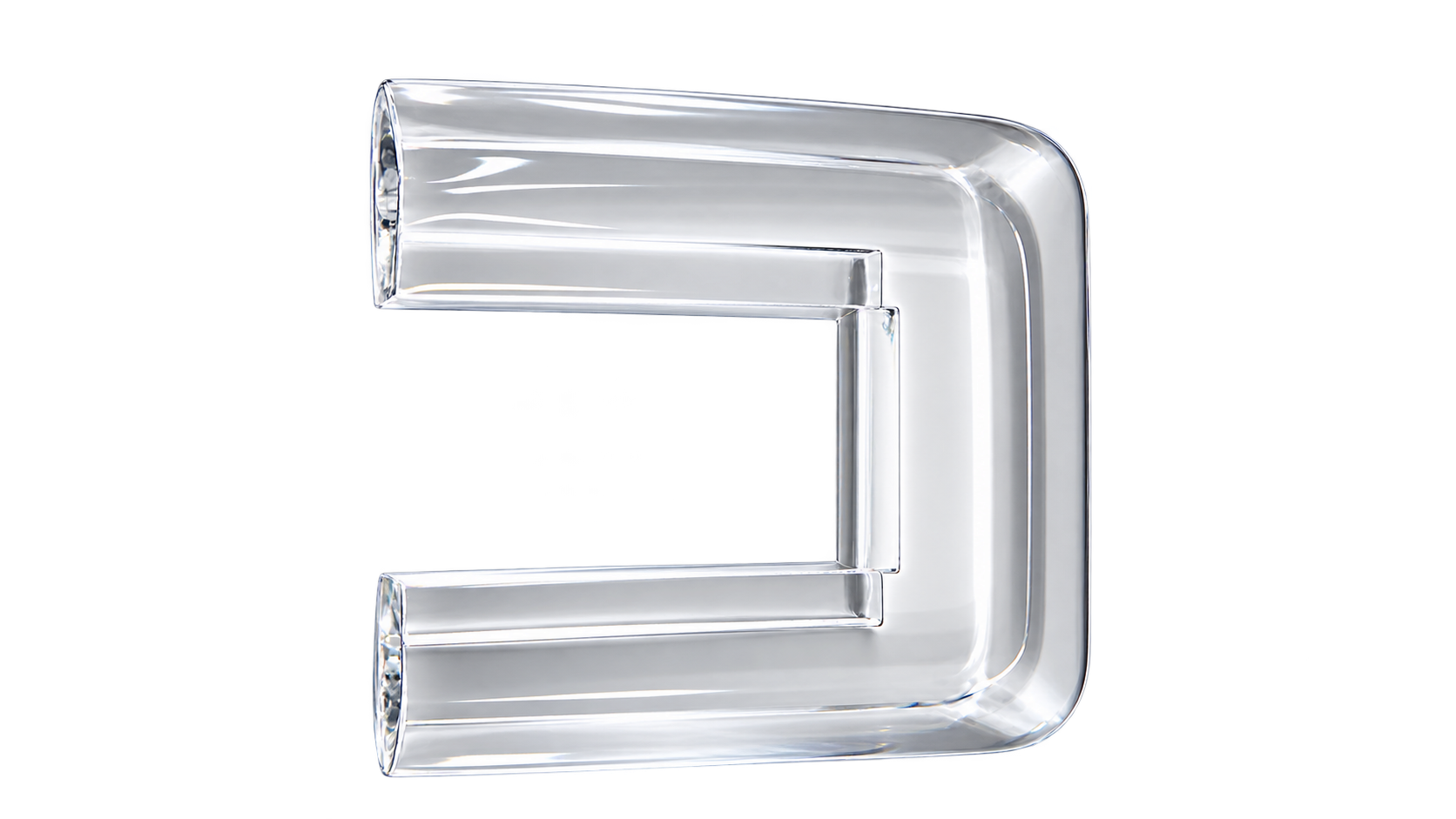
This case study demonstrates the effective application of High-Transparency Clear Resin and Translucent Resin in the rapid prototyping of complex medical fluidic components. Addressing the limitations of traditional machining and standard photopolymers, the project leveraged high-precision Stereolithography (SLA) technology to produce parts with superior optical properties and mechanical durability. The use of clear resin enabled direct visual validation of internal flow dynamics, while transluc
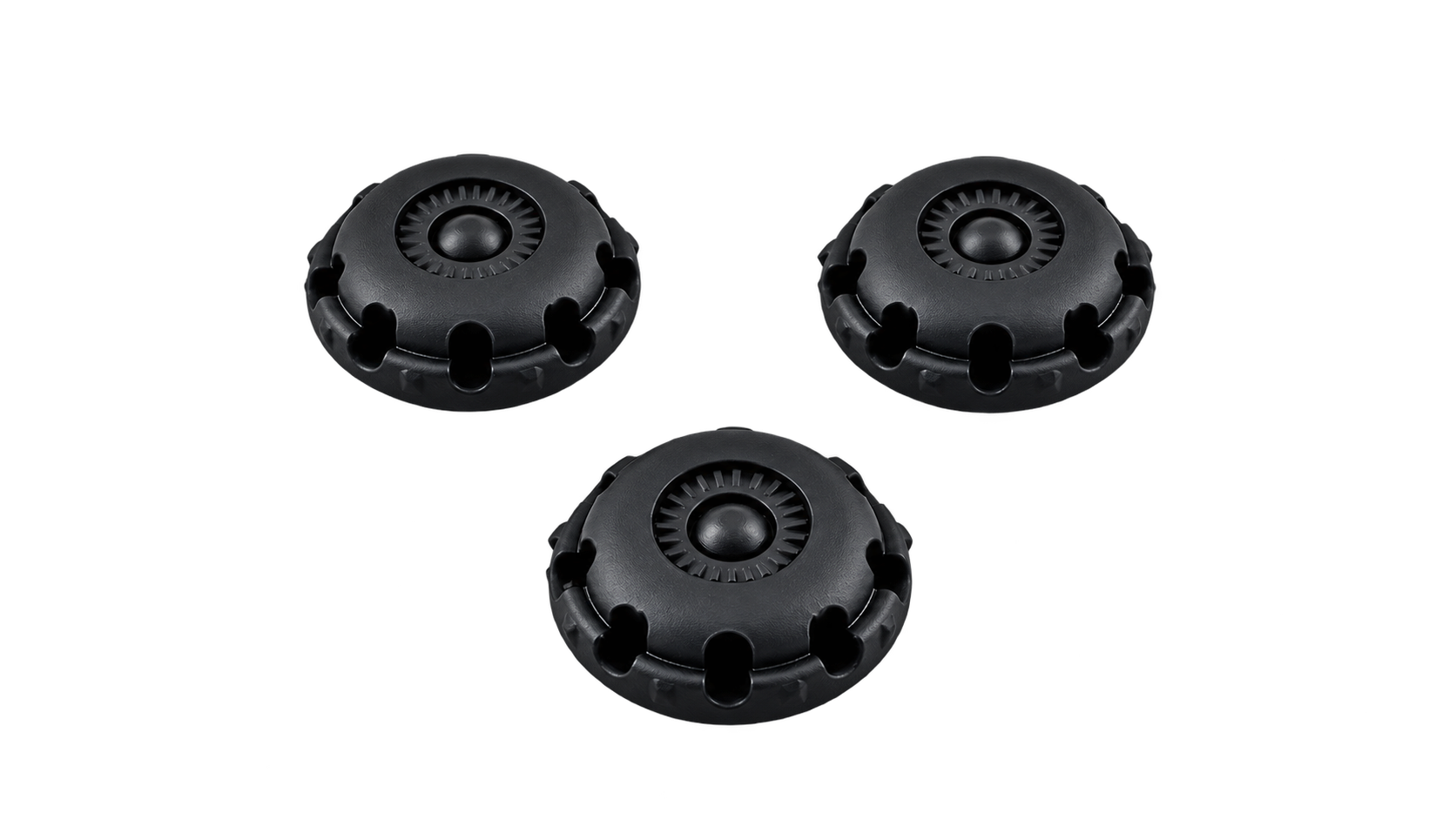
This case study presents the successful application of Nylon-Like Resin "Tus" in the rapid prototyping of functional snap-fit enclosures for a ruggedized wearable device. Facing the challenges of high tooling costs for traditional injection molding and insufficient mechanical performance of standard 3D printing resins, the engineering team leveraged the superior toughness and fatigue resistance of the Tus resin processed via High-Resolution Stereolithography (SLA). The printed components demonst
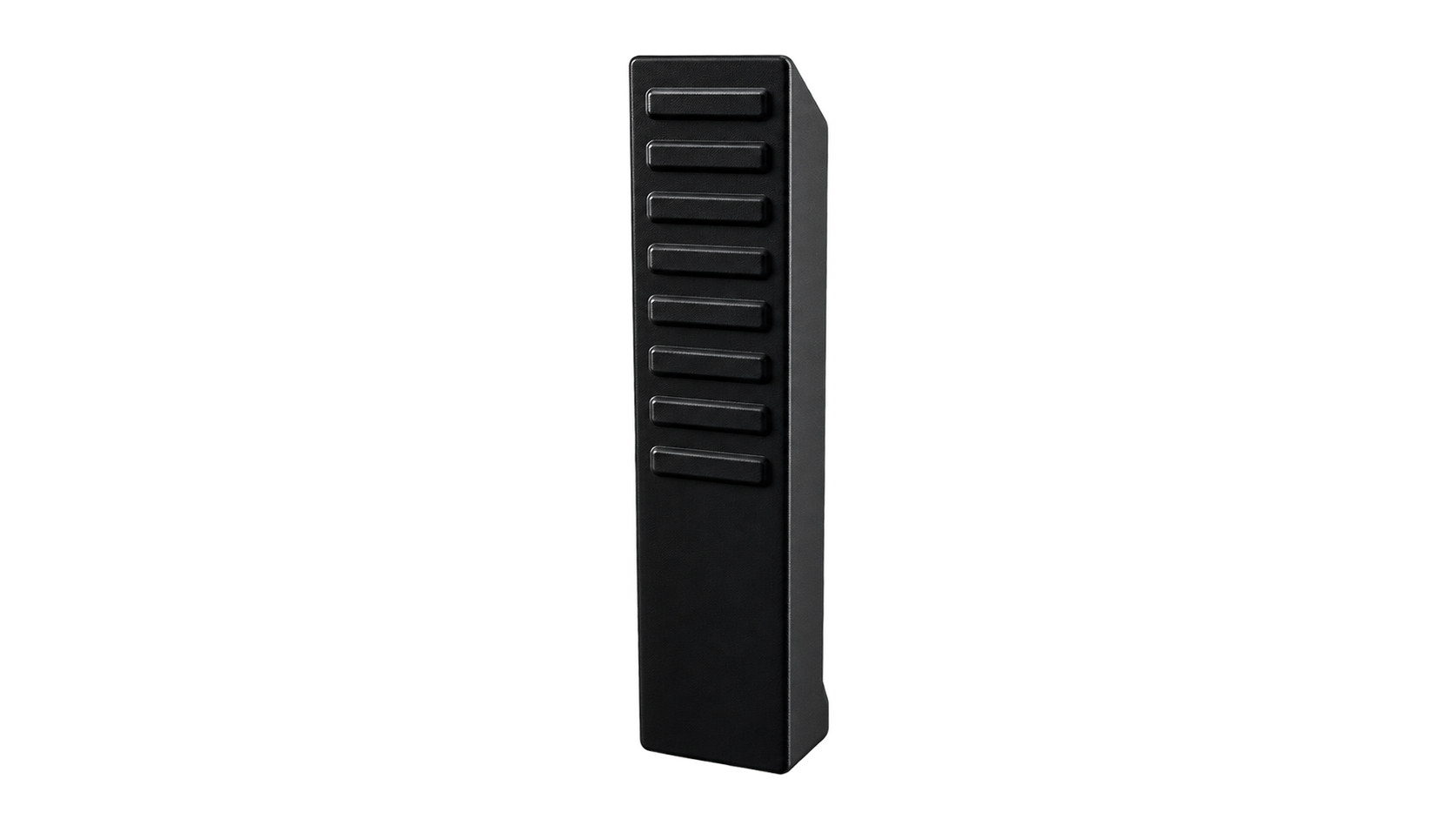
This case study presents the successful application of the Special Black Resin N9 Process in manufacturing high-precision structural brackets for a next-generation drone platform. Addressing the challenges of cost-prohibitive CNC machining for low-volume production and insufficient mechanical performance of conventional 3D printing resins, the engineering team leveraged a proprietary high-performance resin optimized for stereolithography (SLA) additive manufacturing. The N9 resin delivered excep
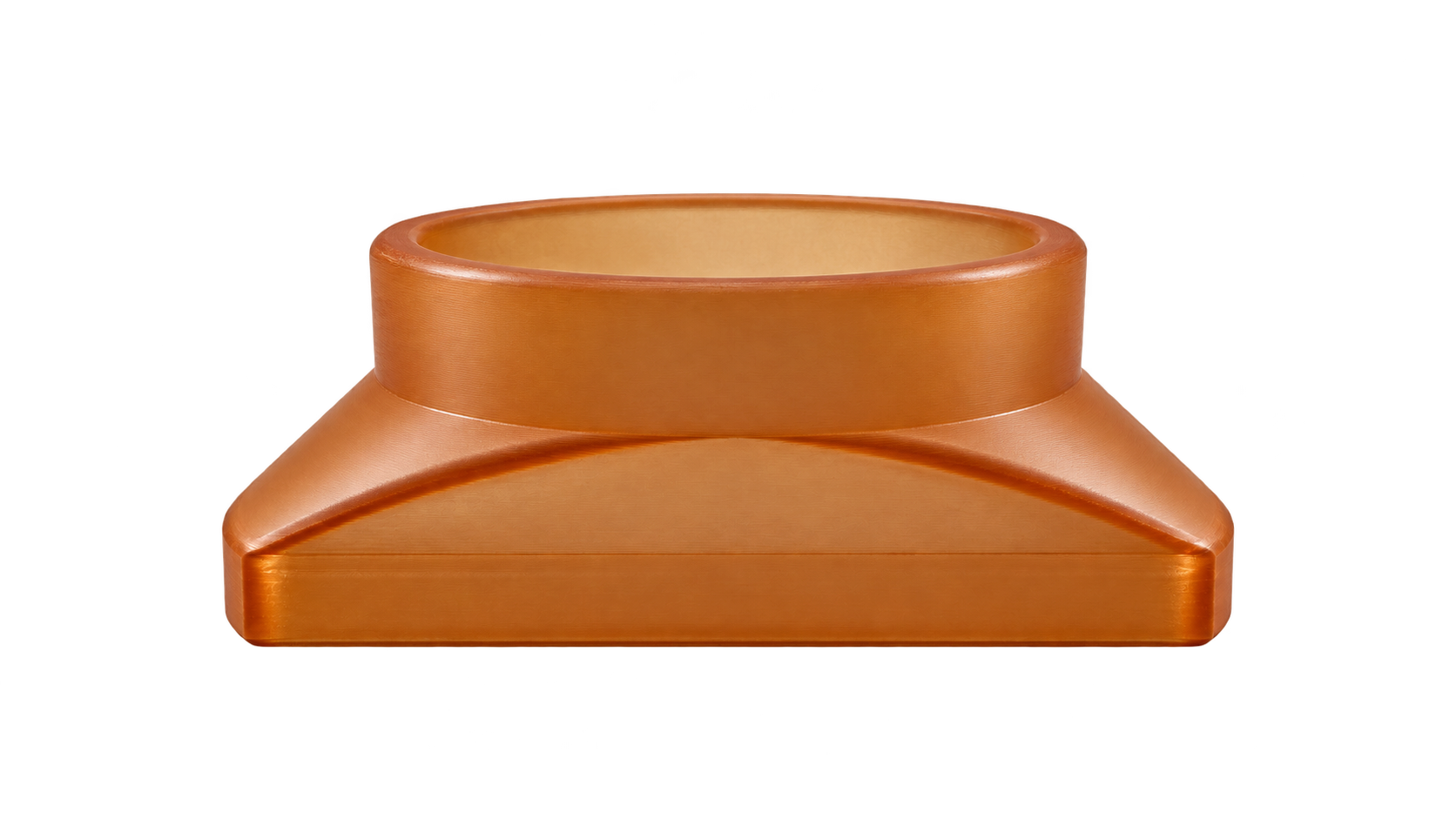
This case study highlights the successful application of high-temperature resistant resin in manufacturing complex manifold connectors for industrial fluid systems. Leveraging stereolithography (SLA) additive manufacturing, the project overcomes the limitations of traditional molding for low-volume prototyping. The specialized resin formulation demonstrated exceptional thermal stability at 160°C and chemical resistance, enabling rapid design iteration and functional validation without expensive
我們使用 Cookie 優化瀏覽體驗。繼續使用即代表您同意我們的 隱私權政策
同意