3D列印
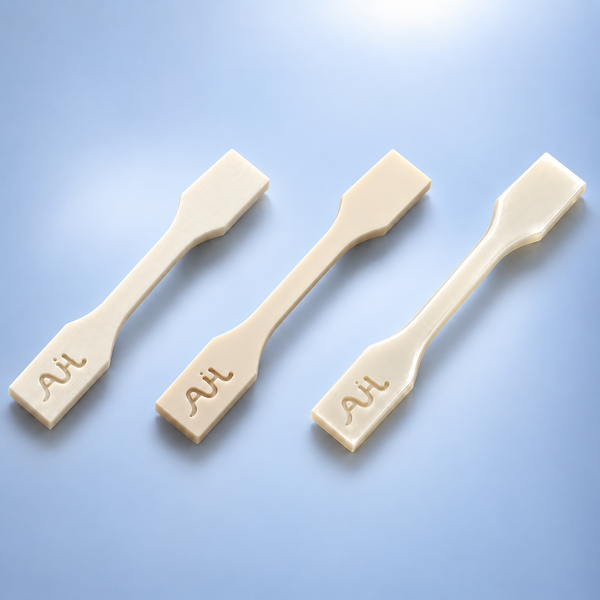
熔絲堆疊成型 (FDM)
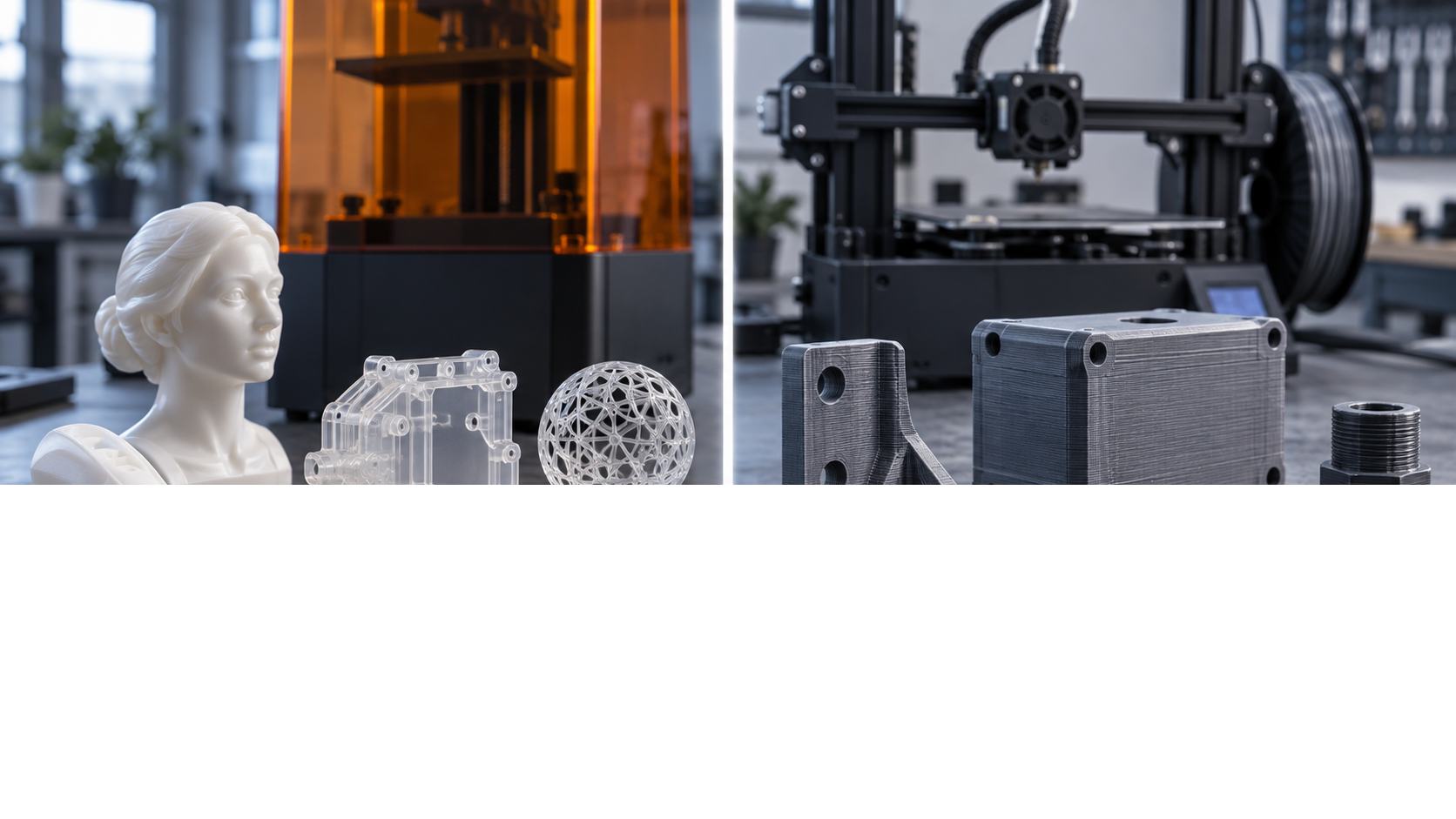
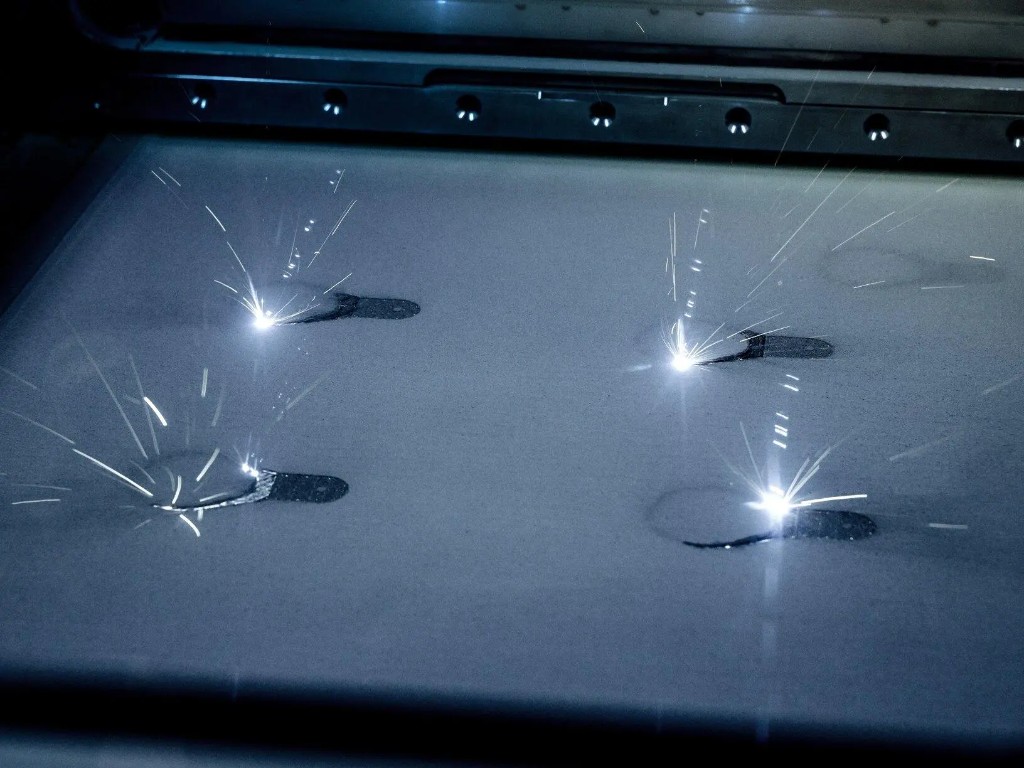
Fused Deposition Modeling (FDM) extrudes heated thermoplastic filament in thin beads, stacking layers to form a part.
建立報價
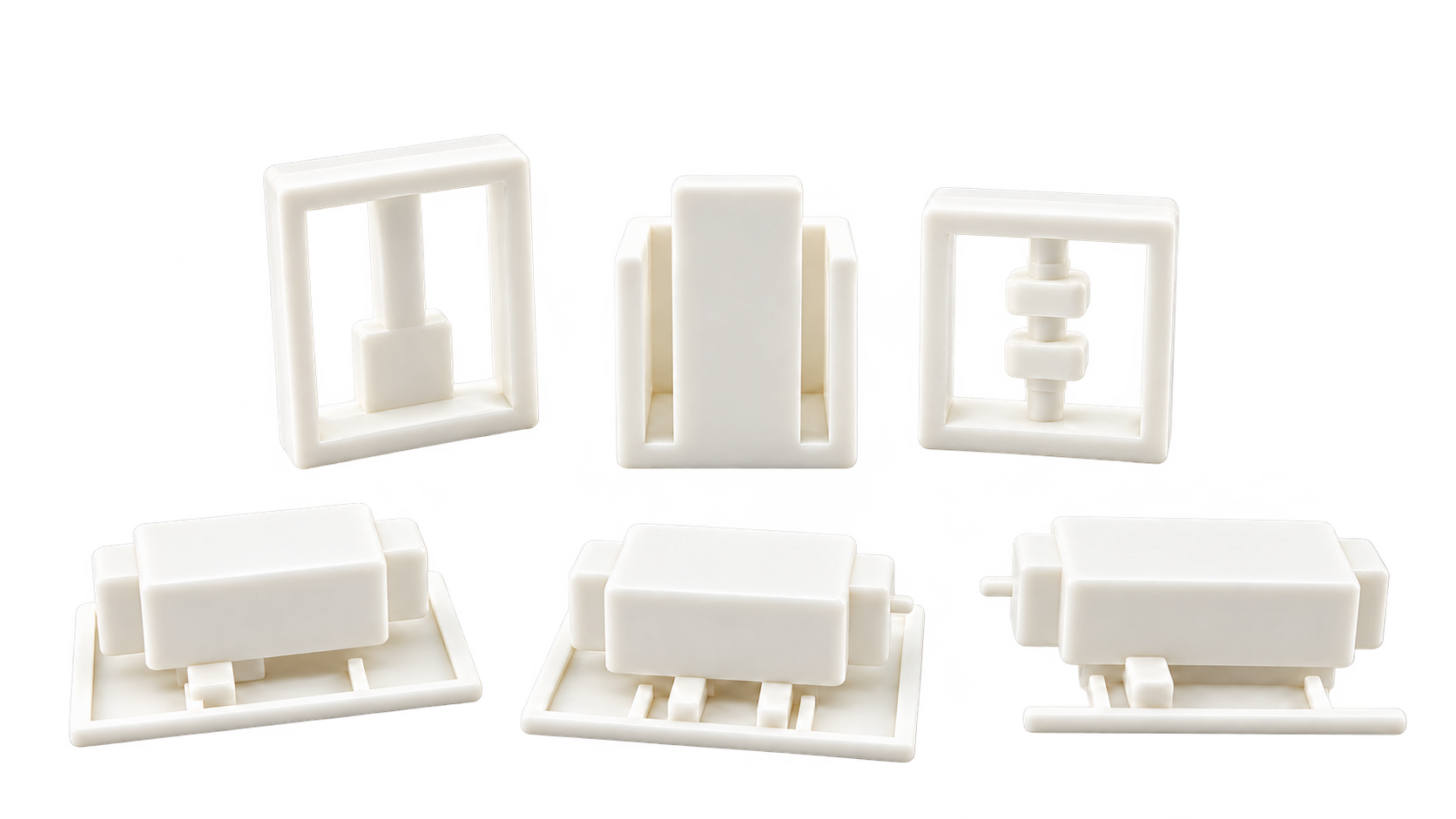
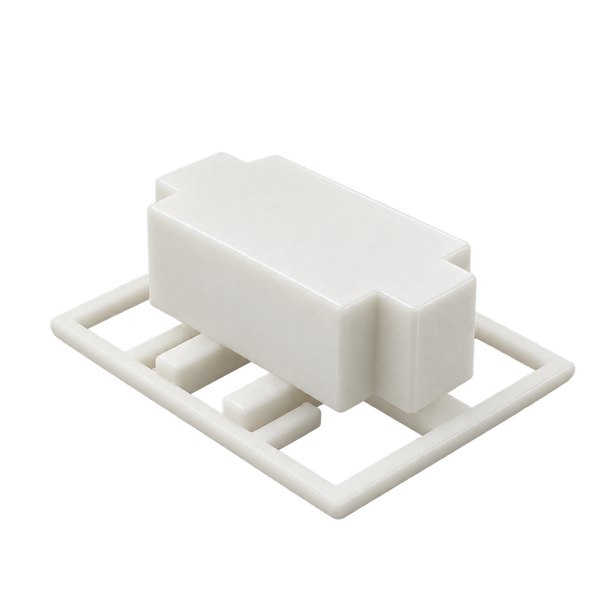
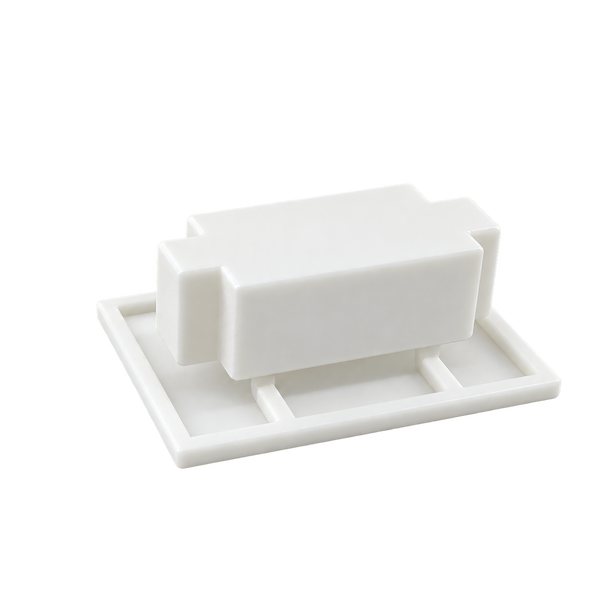
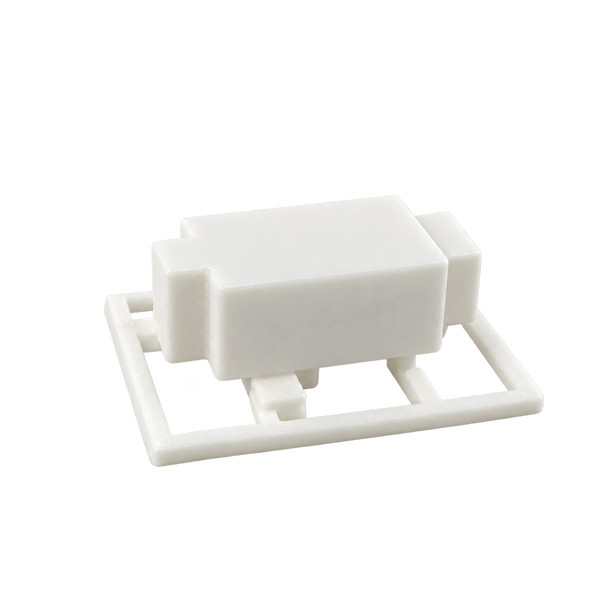
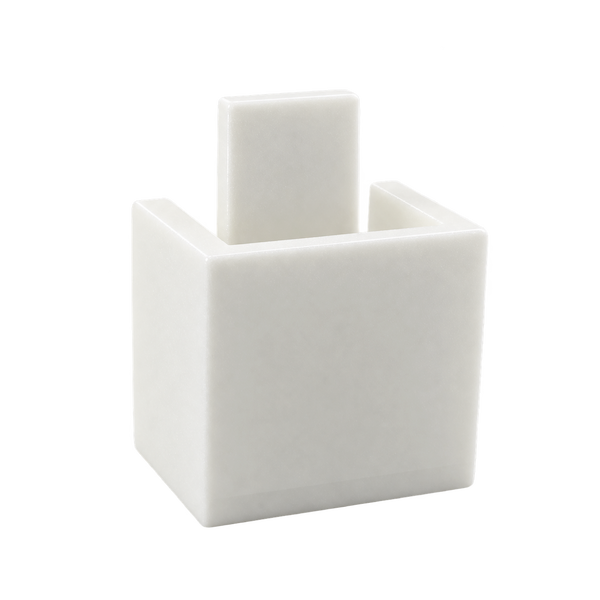
A leading architectural design firm sought to accelerate the production of miniature models for client presentations. Traditional manufacturing methods were time-consuming and costly, while existing 3D printing solutions struggled to balance speed, cost, and detail for small-scale prototypes. The firm needed a solution that could deliver high-precision miniatures quickly, at low cost, and with minimal post-processing complexity—despite inherent challenges in support removal for intricate designs.
The team adopted polylactic acid (PLA) (learn more about PLA) as the primary material for its affordability, fast print speeds, and eco-friendly properties. Key steps included:
1. Design for Manufacturability (DFM) Optimization: Engineers redesigned miniature components to minimize overhangs and complex geometries, reducing the need for excessive support structures. For unavoidable supports, they used tree-like or sparse support patterns to simplify removal.
2. Rapid Prototyping Workflow: Leveraging FDM 3D printers, the team produced batches of miniatures (e.g., architectural facades, furniture models) in under 4 hours per batch—70% faster than traditional molding.
3. Cost Efficiency: PLA filament costs ~$20/kg, and print times were reduced by 30% via optimized layer heights (0.1–0.2mm) and infill densities (15–20%). Total per-unit cost dropped to $0.50–$2, compared to $5–$10 for resin-based alternatives.
The primary hurdle was post-processing support removal for miniatures with fine details (e.g., window frames, decorative elements). Aggressive support structures risked damaging delicate features, while weak supports led to print failures. Solutions included:
• Material Tweaks: Using PLA+ (a tougher variant) for critical parts to withstand support removal stress.
• Tooling Innovation: Customizing dental picks and precision pliers to gently detach supports without scratching surfaces.
• Iterative Testing: Running 3–5 test prints per design to refine support placement and density, achieving a 95% success rate in post-processing.
• Speed: Prototype turnaround time reduced from 2 weeks to 48 hours, enabling same-day client revisions.
• Cost Savings: Annual prototyping costs dropped by 60% ($18,000 → $7,200) due to cheaper materials and faster production.
• Quality: Miniatures achieved ±0.1mm accuracy, with smooth surfaces post-support removal, meeting client expectations for presentation-grade models.
Title: “Fast, Affordable, Precise: FDM Printing for Miniature Models”
• Speed: Produce detailed miniatures in hours, not days.
• Cost: Low material costs ($20/kg PLA) and efficient printing reduce per-unit expenses.
• Precision: Achieve ±0.1mm accuracy for intricate designs (e.g., architectural details, product prototypes).
• Sustainability: Eco-friendly PLA material, biodegradable and safe for office environments.
• Ideal for rapid iteration: Test designs quickly without breaking budgets.
• DFM-friendly: Optimize supports and geometries to minimize post-processing.
• Versatile: Suitable for architecture, product design, and hobbyist projects.
Our DFM guidelines ensure support structures are easy to remove:
• Use tree supports for complex overhangs.
• Print with 0.1–0.2mm layers for smoother surfaces.
• Leverage PLA for durability during support removal.

3D 列印與 CNC 寫在同一張報價上。打開一種製程,再上傳 CAD。
Fused Deposition Modeling (FDM) extrudes heated thermoplastic filament in thin beads, stacking layers to form a part.
建立報價
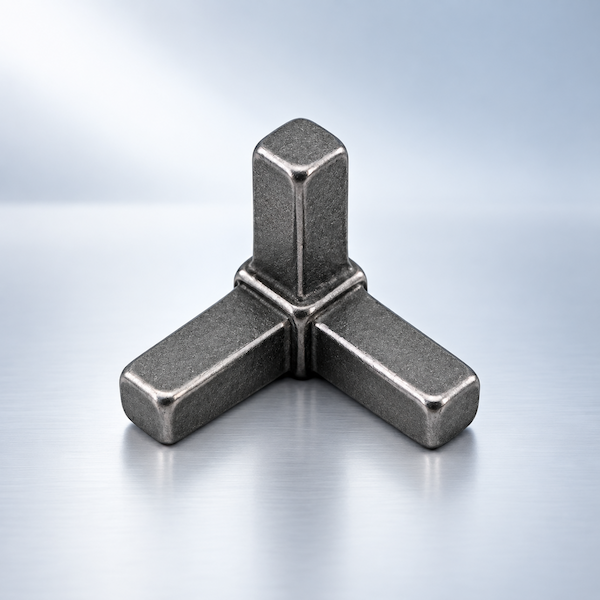
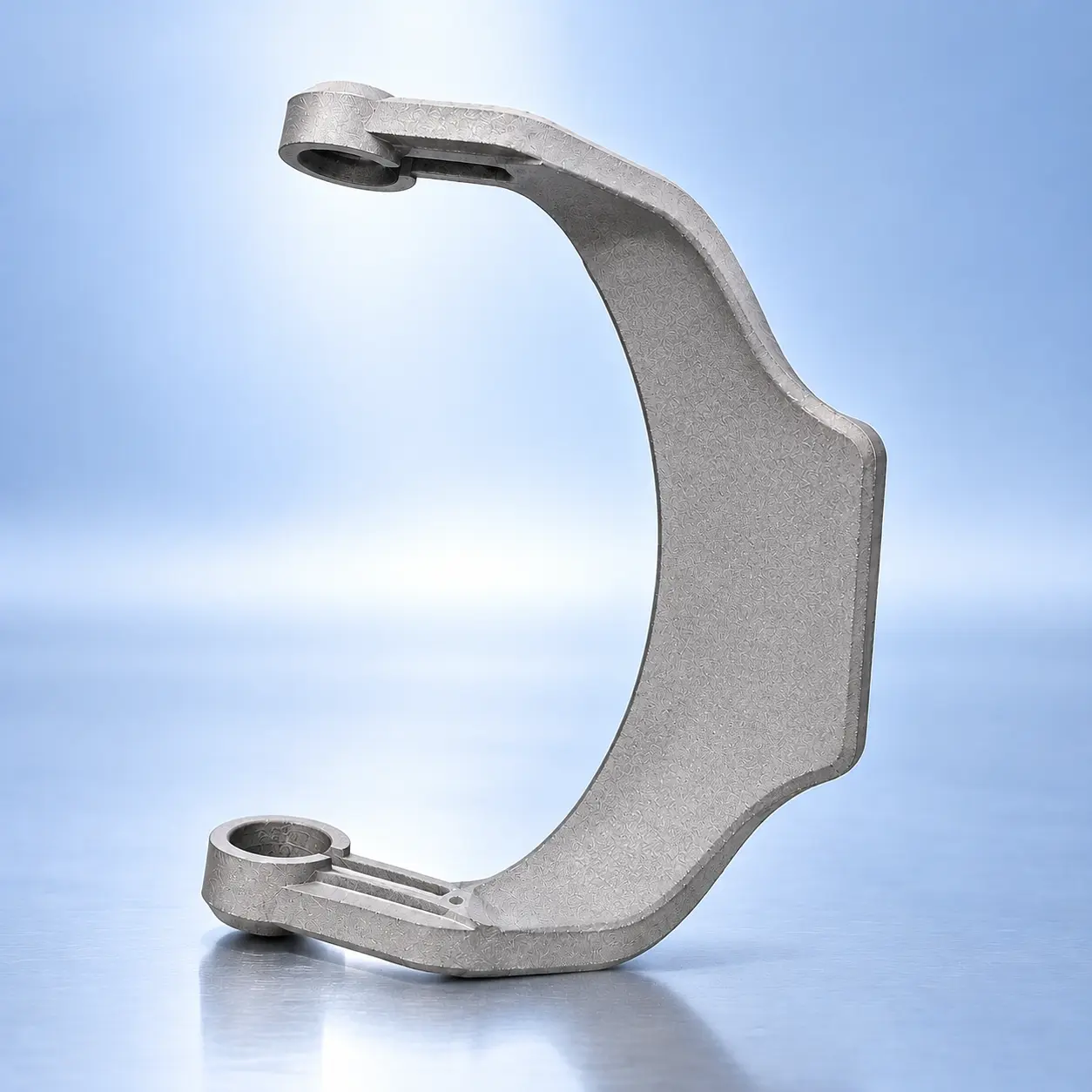
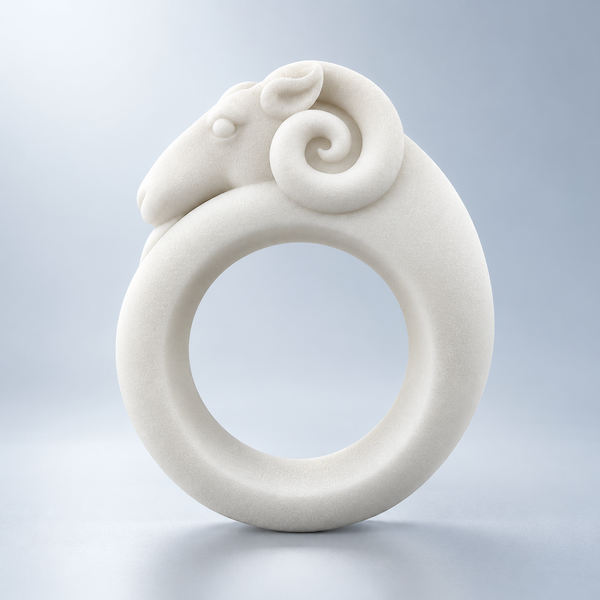
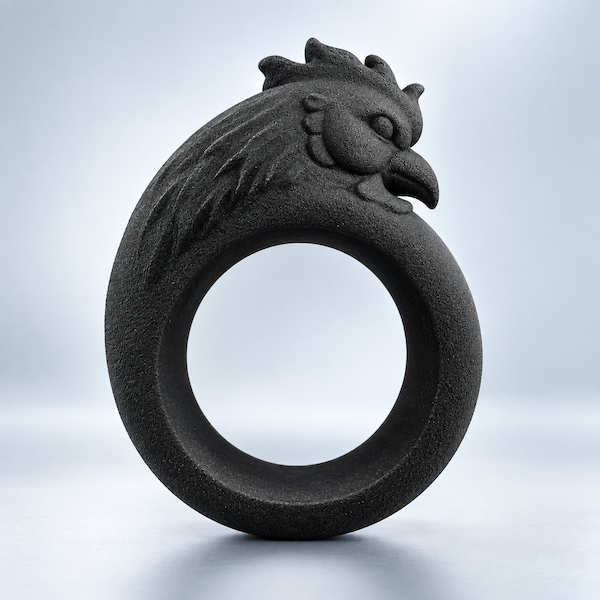
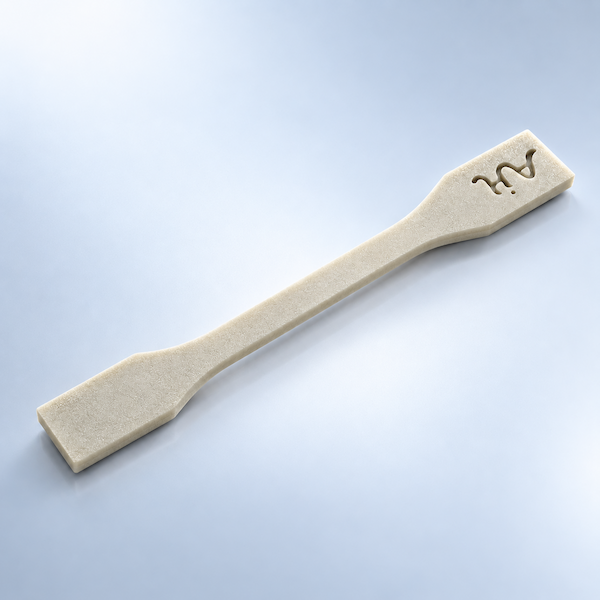
樹脂、尼龍、金屬等。每張卡片跳到材料目錄對應列。
製程、後處理和檔案注意事項,來自車間,不是行銷軟文。
按主題查看公司、付款、物流和製程說明。


Review AIH commitments to print quality, secure handling of your files, transparent pricing, and support for every 3D printing order.
Production lead times, shipping options, and order tracking.
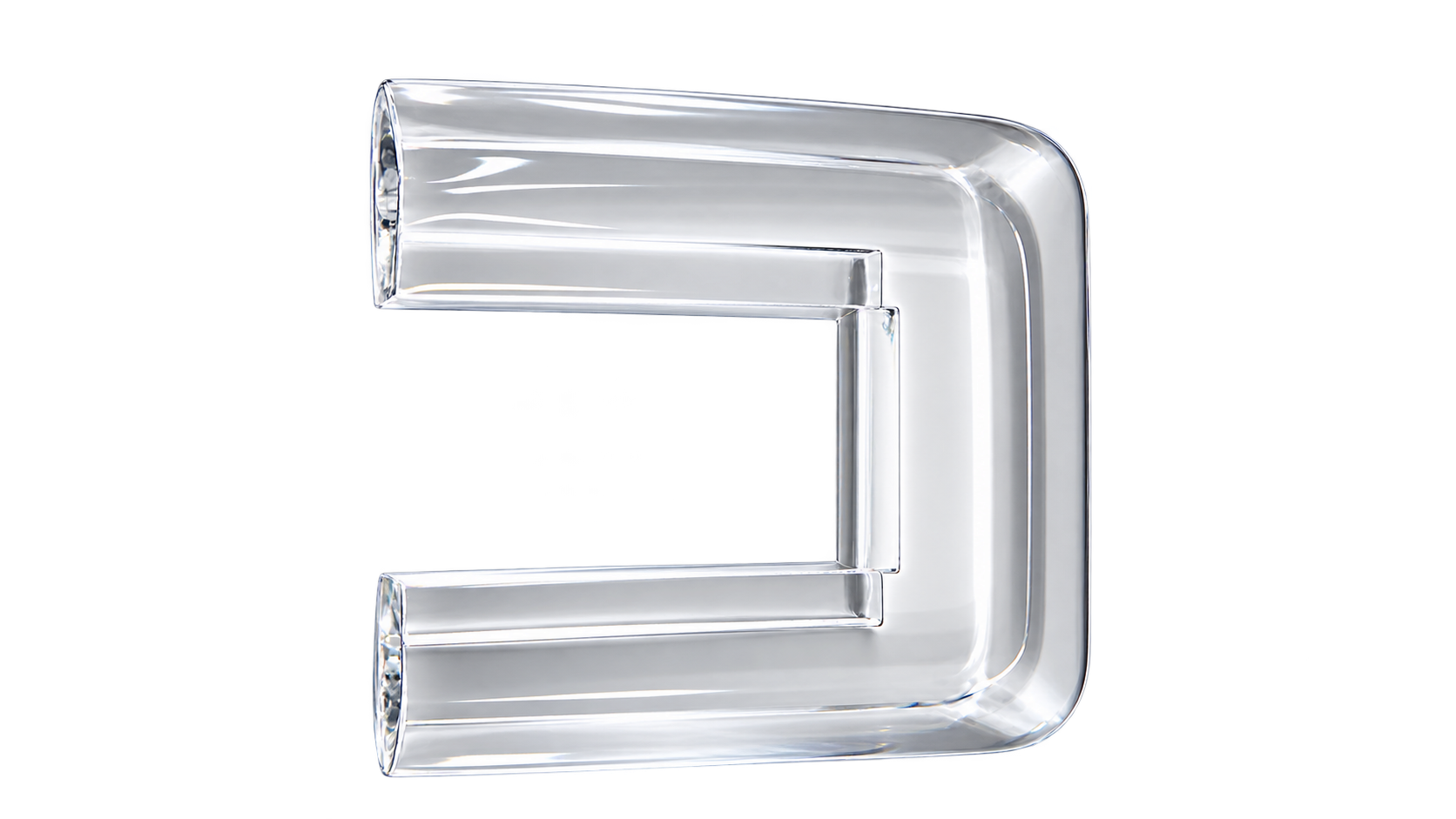
This case study demonstrates the effective application of High-Transparency Clear Resin and Translucent Resin in the rapid prototyping of complex medical fluidic components. Addressing the limitations of traditional machining and standard photopolymers, the project leveraged high-precision Stereolithography (SLA) technology to produce parts with superior optical properties and mechanical durability. The use of clear resin enabled direct visual validation of internal flow dynamics, while transluc
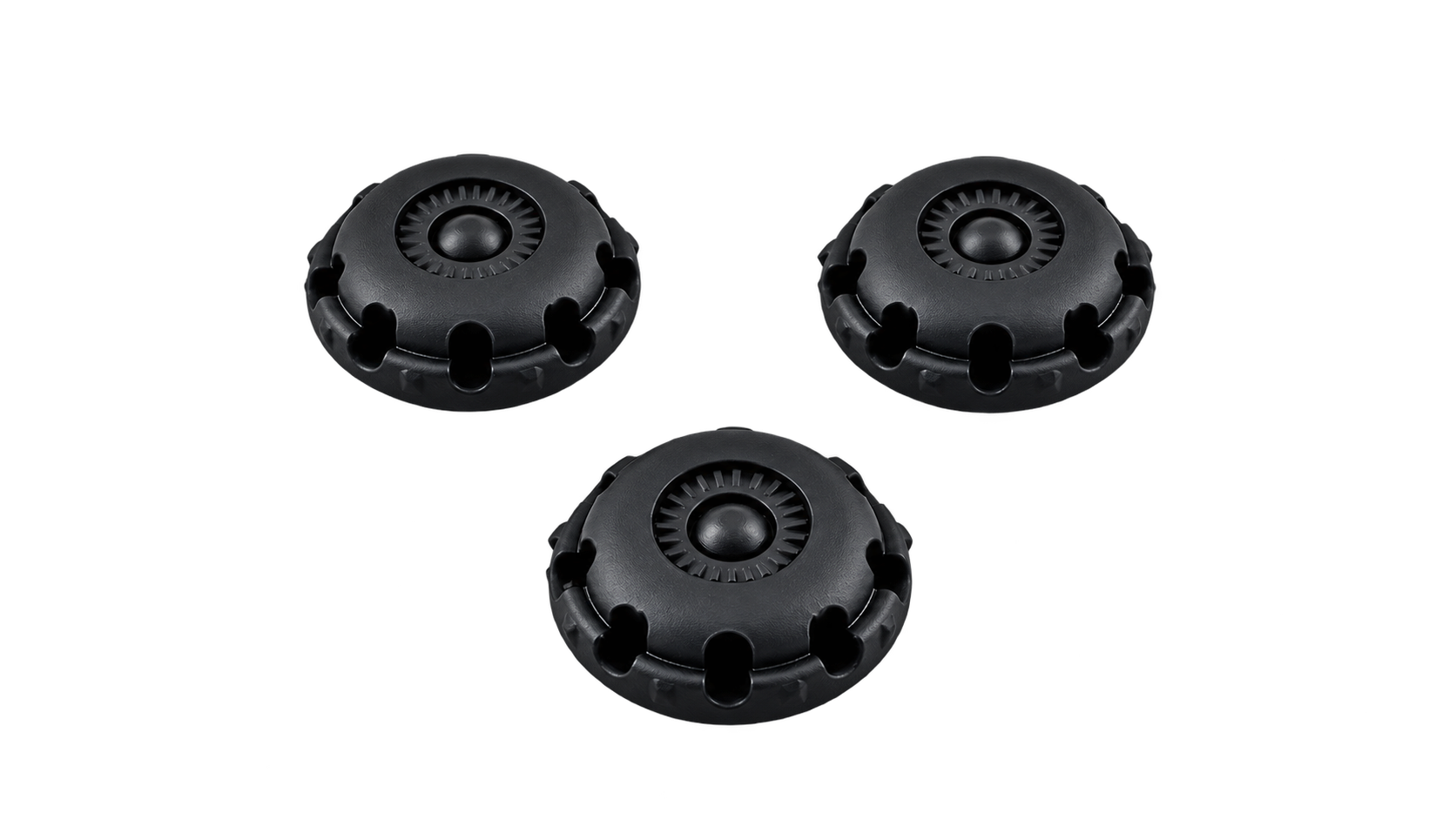
This case study presents the successful application of Nylon-Like Resin "Tus" in the rapid prototyping of functional snap-fit enclosures for a ruggedized wearable device. Facing the challenges of high tooling costs for traditional injection molding and insufficient mechanical performance of standard 3D printing resins, the engineering team leveraged the superior toughness and fatigue resistance of the Tus resin processed via High-Resolution Stereolithography (SLA). The printed components demonst
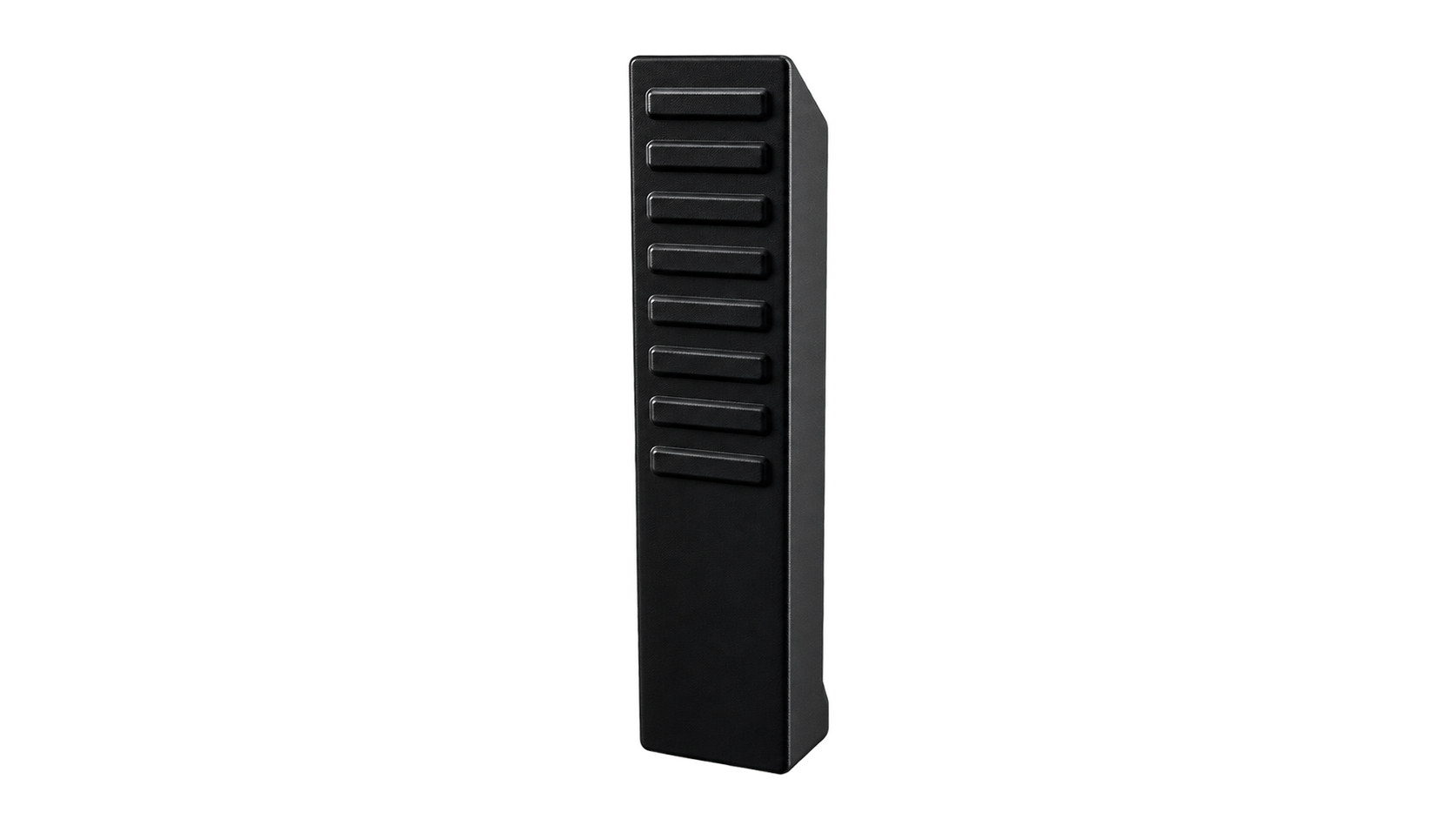
This case study presents the successful application of the Special Black Resin N9 Process in manufacturing high-precision structural brackets for a next-generation drone platform. Addressing the challenges of cost-prohibitive CNC machining for low-volume production and insufficient mechanical performance of conventional 3D printing resins, the engineering team leveraged a proprietary high-performance resin optimized for stereolithography (SLA) additive manufacturing. The N9 resin delivered excep
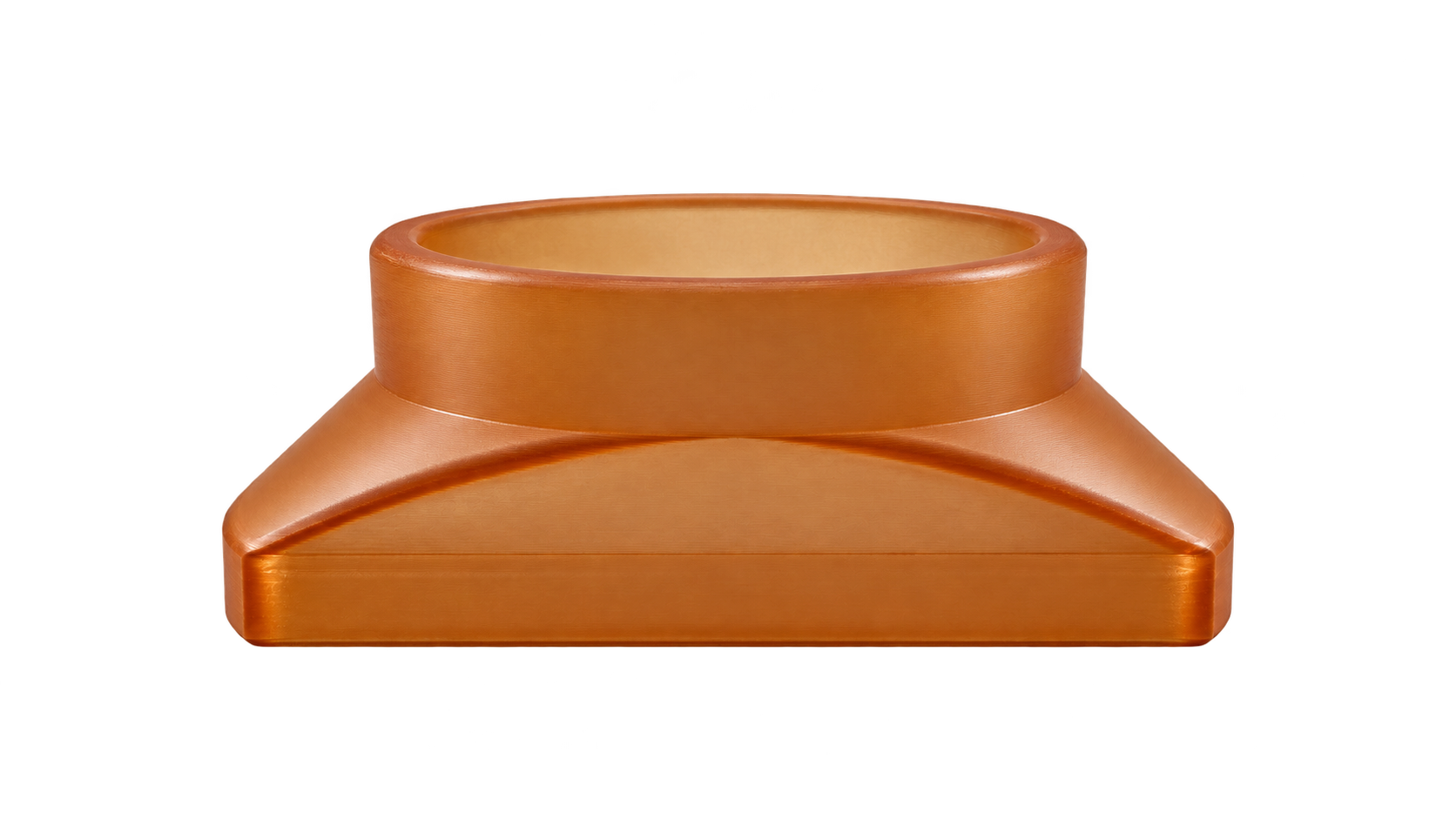
This case study highlights the successful application of high-temperature resistant resin in manufacturing complex manifold connectors for industrial fluid systems. Leveraging stereolithography (SLA) additive manufacturing, the project overcomes the limitations of traditional molding for low-volume prototyping. The specialized resin formulation demonstrated exceptional thermal stability at 160°C and chemical resistance, enabling rapid design iteration and functional validation without expensive
我們使用 Cookie 優化瀏覽體驗。繼續使用即代表您同意我們的 隱私權政策
同意