Easy navigation
STL, STEP, 3MF, and other formats open in one viewer with scale, section, and annotation.

3D Plus™ Software
Upload a model, compare materials and finishing, and share a live quote. No second vendor, no waiting on a manual estimate for the usual catalog.
Most upload pages price the as-printed part and leave post-processing as an email. That is where color, texture, and lead time slip.
3D Plus™ software is the same engine as the public upload page, with hardware finishing next to material and process — so engineering and purchasing review one configuration.
Upload a file, pick a material, then add a Color, Surface, or Function option. Each card is a live 3D Plus row — open it for compatible materials, or start a quote from here.
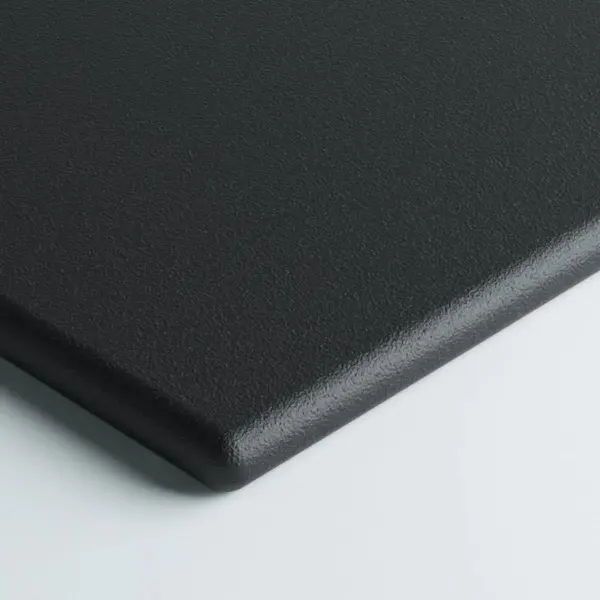
With a smooth finish and durable surface, it offers excellent resistance to wear and scratches.
See materials and limits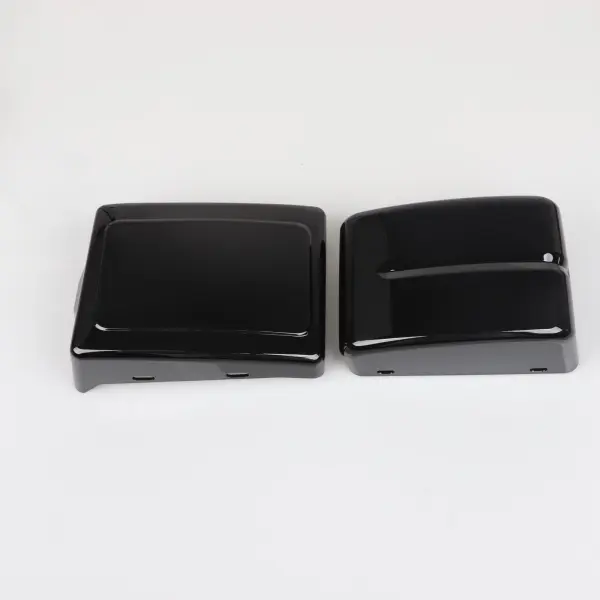
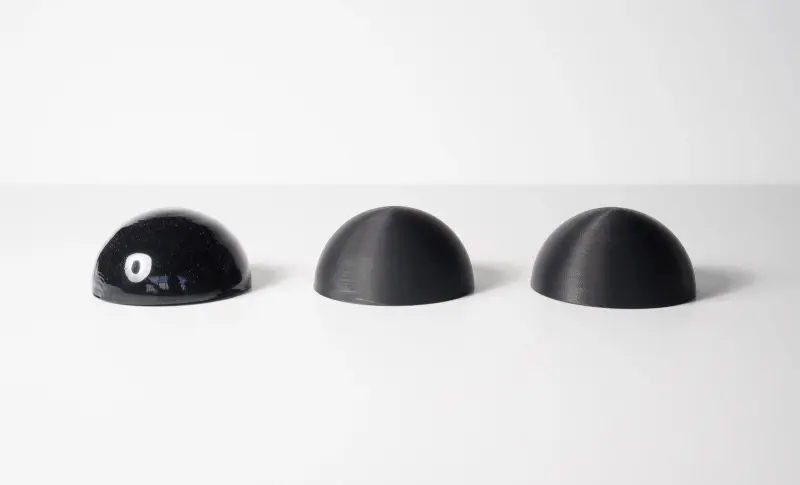
This high-gloss finish delivers a brilliant, mirror-like shine. Through careful sanding and even application of glossy paint, we achieve a stunning aesthetic while eliminating surface flaws.
See materials and limits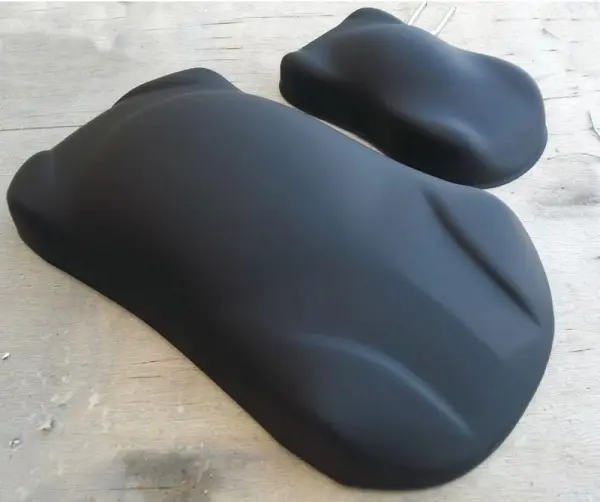
The rubber paint application creates a soft, velvety surface with a fine, tactile texture. The chemically resistant paint film adheres uniformly, ensuring durability and excellent defect coverage
See materials and limits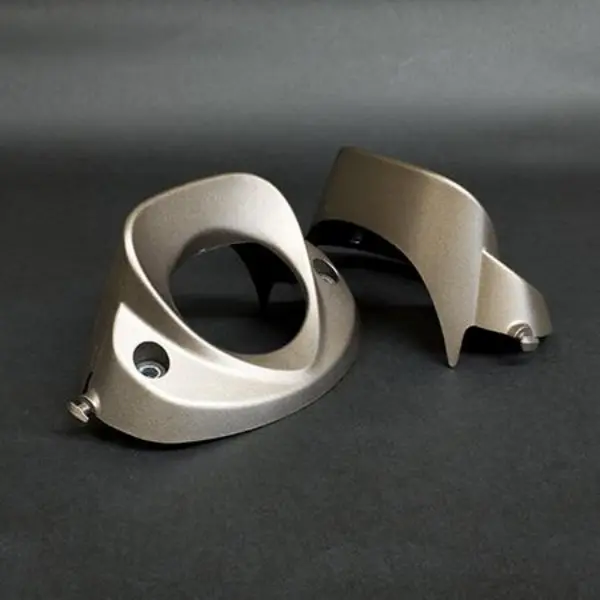
Enjoy the look and feel of real metal without the drawbacks - this scratch-resistant, non-stick finish won't tarnish or oxidize like ordinary metallic paints.
See materials and limits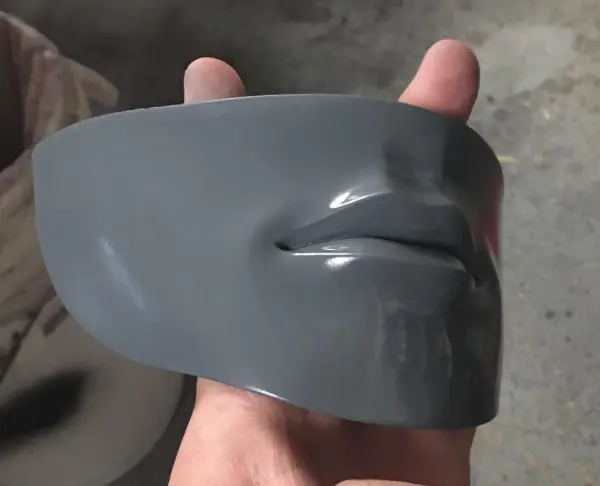
Gray primer can make sure the surface is smooth. Note that the primer color is set to be gray and this process can only be applied after choosing Smooth Sanding.
See materials and limits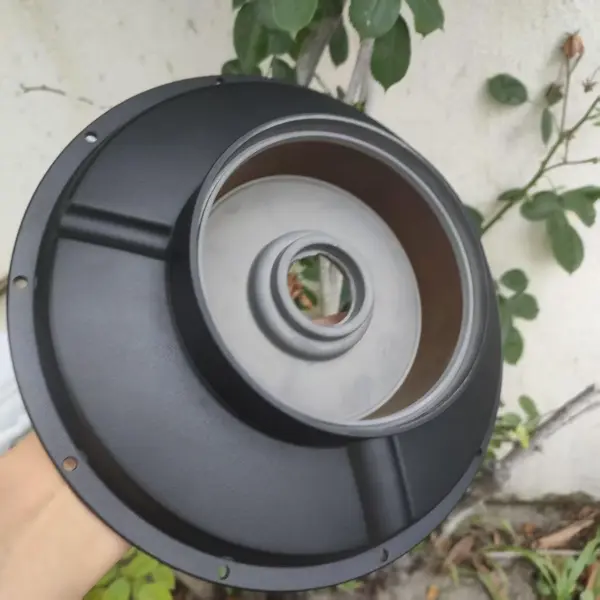
With a smooth finish and durable surface, it offers excellent resistance to wear and scratches.
See materials and limits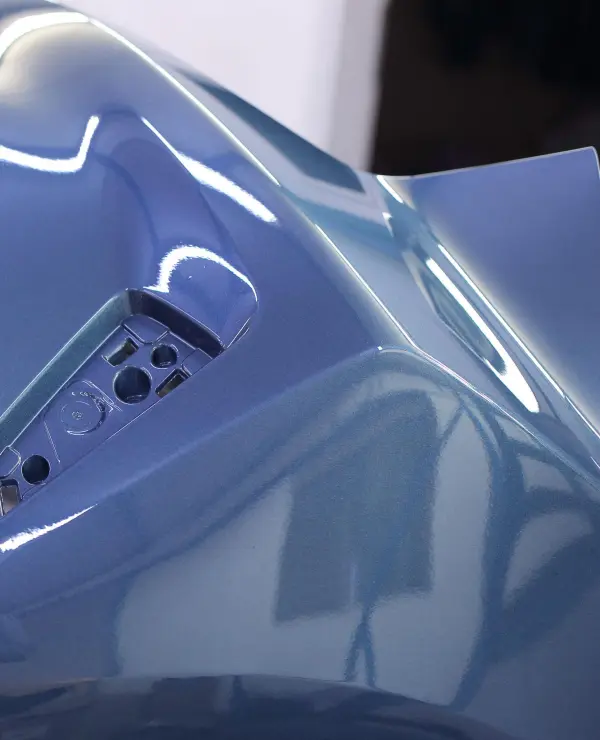
This high-gloss finish delivers a brilliant, mirror-like shine. Through careful sanding and even application of glossy paint, we achieve a stunning aesthetic while eliminating surface flaws.
See materials and limits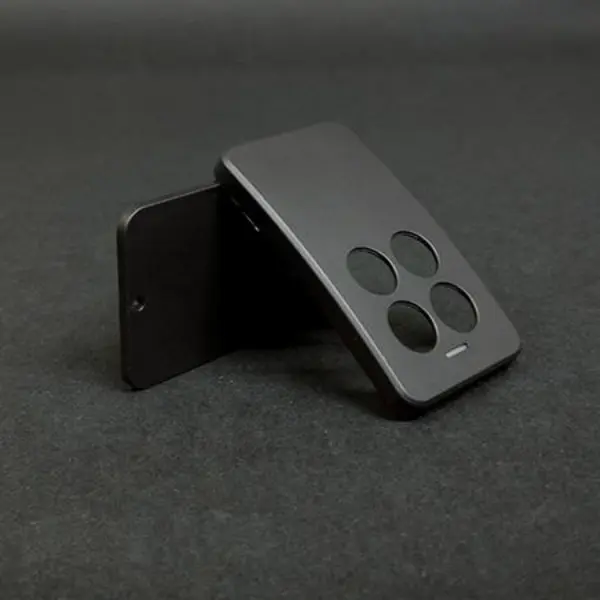
The rubber paint application creates a soft, velvety surface with a fine, tactile texture. The chemically resistant paint film adheres uniformly, ensuring durability and excellent defect coverage
See materials and limits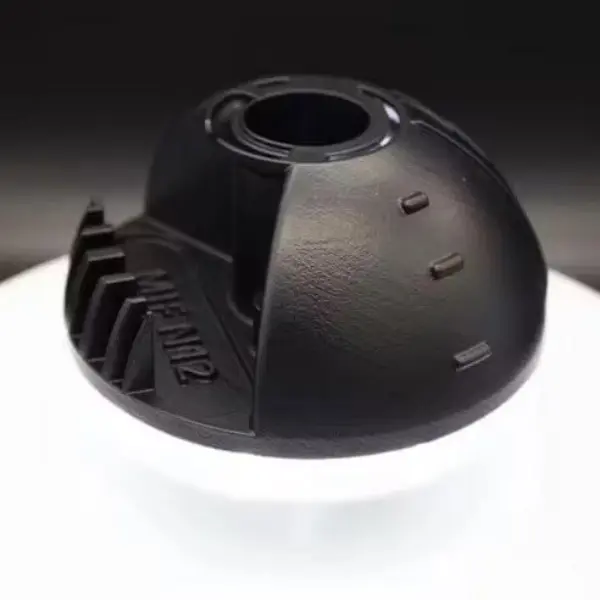
Dye impregnation post-processing saturates 3D-printed polymer parts with colorants at molecular level, achieving permanent coloration with superior fade resistance and uniform hue penetration throughout the material matrix.
See materials and limits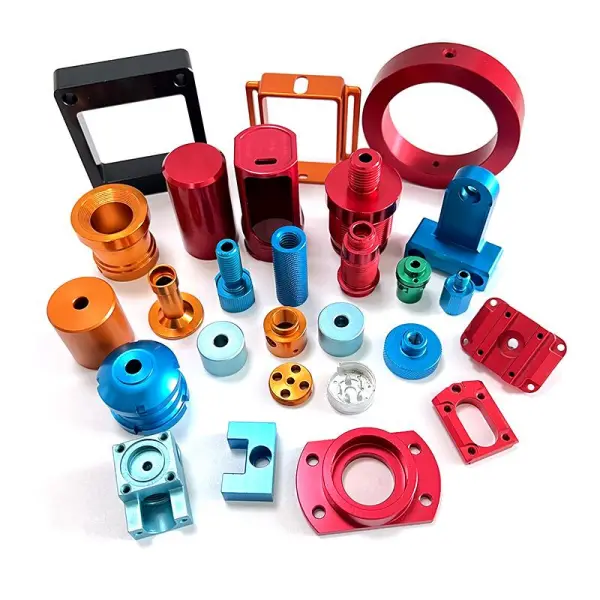
Anodizing is an electrochemical surface treatment that enhances aluminum parts by growing a controlled, durable oxide layer. Available in select colors (Blue, Green, Red, Yellow, Black, Silver) – please specify color requirements in the order remarks.
See materials and limits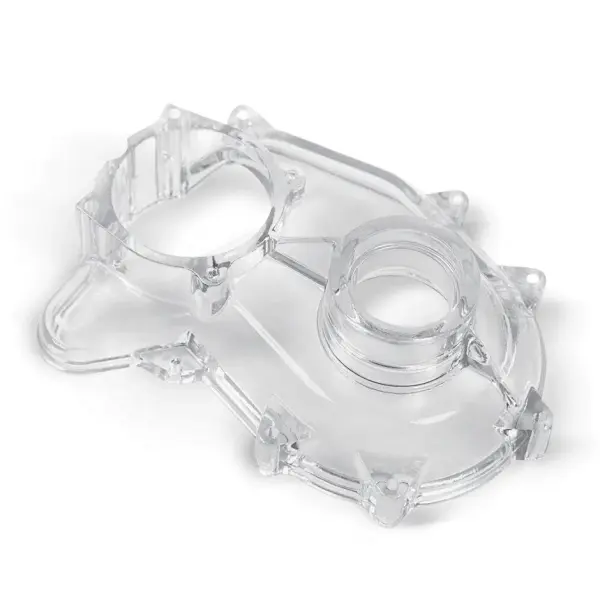
Transparency processing transforms 3D-printed parts into crystal-clear pieces through meticulous sanding and polishing. While achieving glass-like clarity, some minor bubbles may remain—a natural result of the printing process that adds unique character.
See materials and limits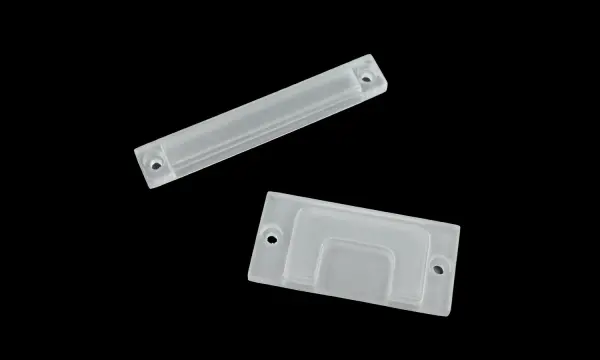
Unlike fully transparent finishes, this refined matte texture allows soft, diffused light to pass through while maintaining a semi-opaque elegance.
See materials and limits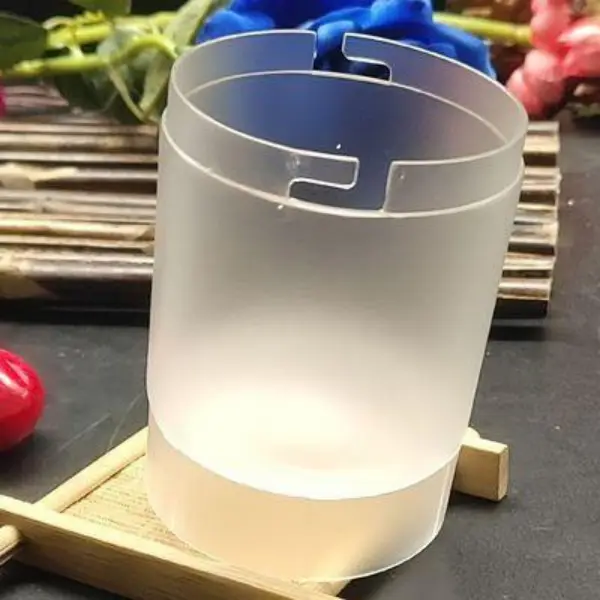
Our frosted finish gently scatters light for a matte, translucent look—perfect for creating ambient lighting or sleek, semi-private surfaces.
See materials and limits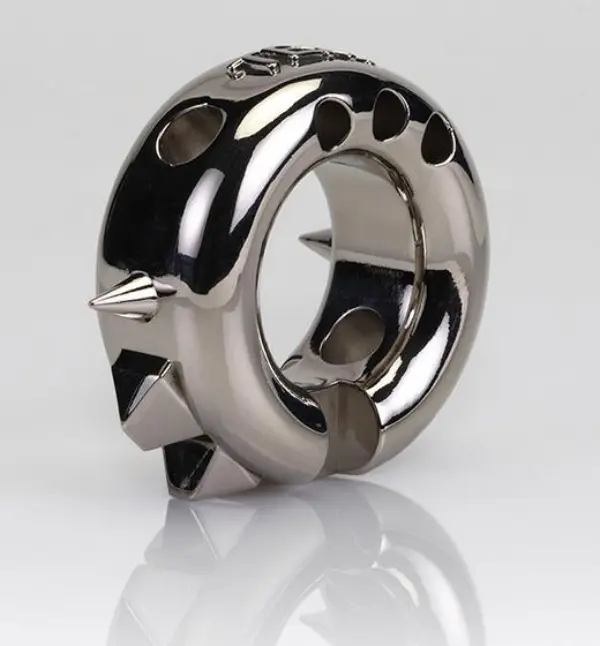
Electroplating coats 3D-printed parts with a thin metal layer through an electrochemical process, creating a shiny, metallic finish that enhances both appearance and durability.
See materials and limits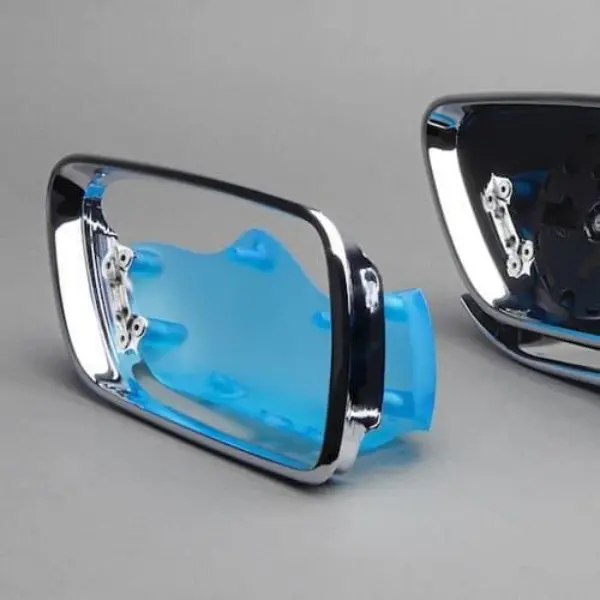
Gloss UV varnish is a transparent protective coating that delivers a high-shine, ultra-smooth finish. It cures instantly under UV light while providing scratch resistance and exceptional surface leveling for flawless aesthetics.
See materials and limits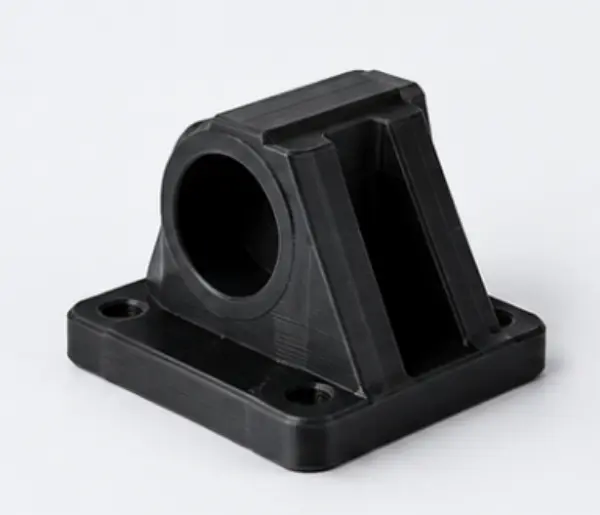
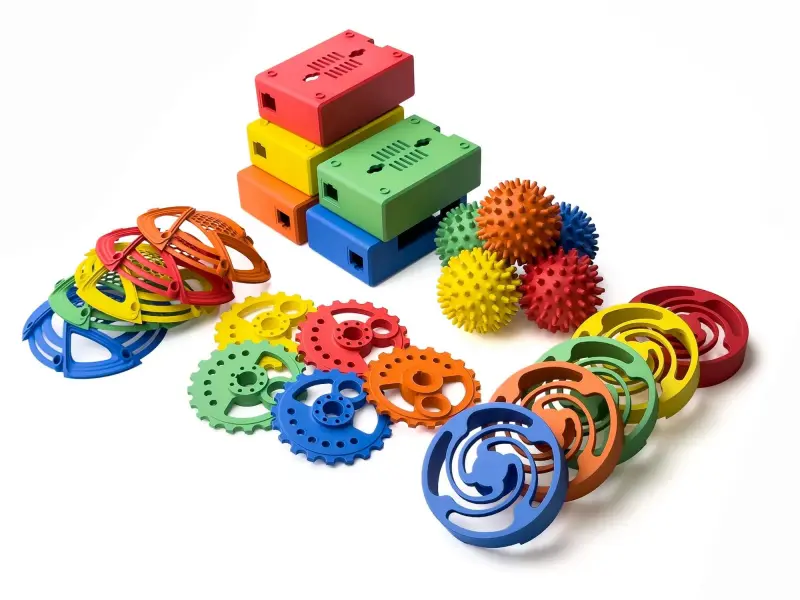
Feel free to send the single best applicable color for your PLA material using FDM technology.
See materials and limits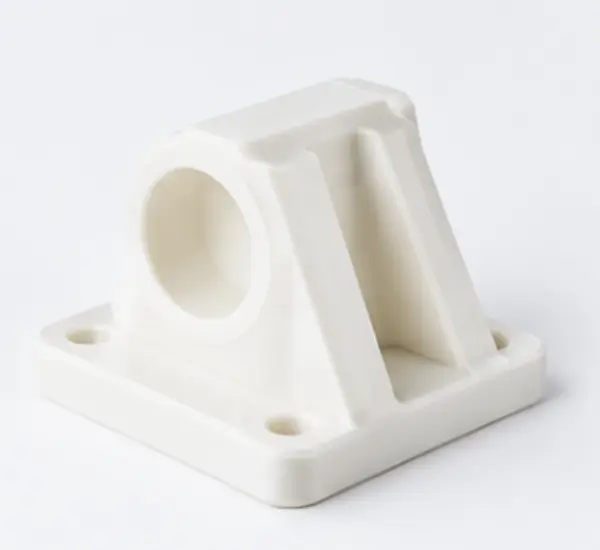
Feel free to send the single best applicable color for your PLA material using FDM technology.
See materials and limits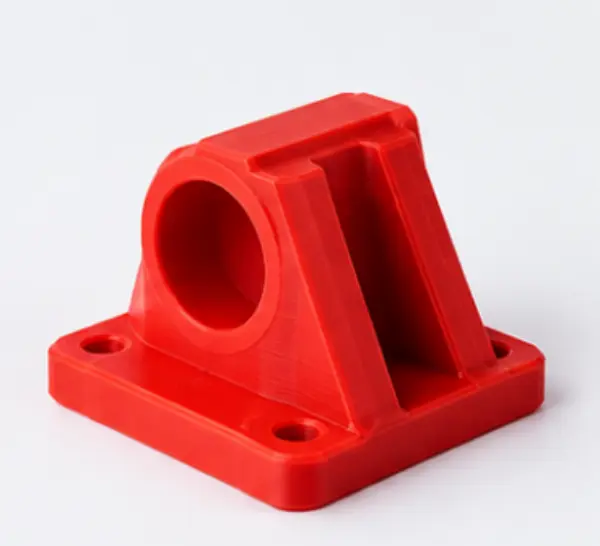
Feel free to send the single best applicable color for your PLA material using FDM technology.
See materials and limits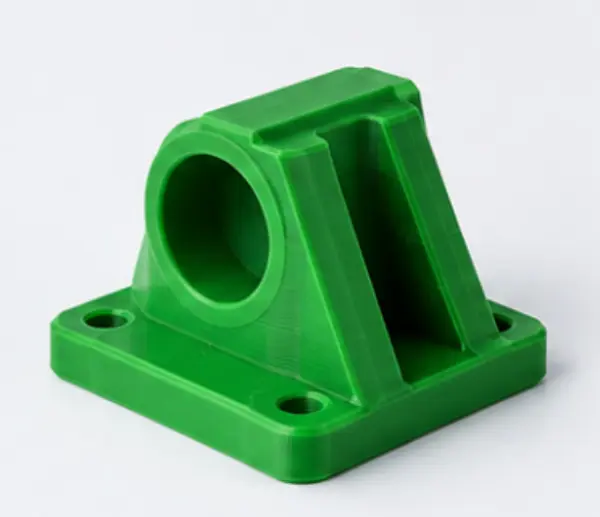
Feel free to send the single best applicable color for your PLA material using FDM technology.
See materials and limits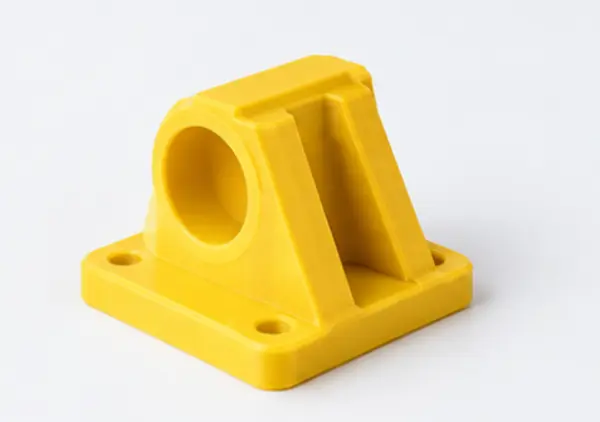
Feel free to send the single best applicable color for your PLA material using FDM technology.
See materials and limits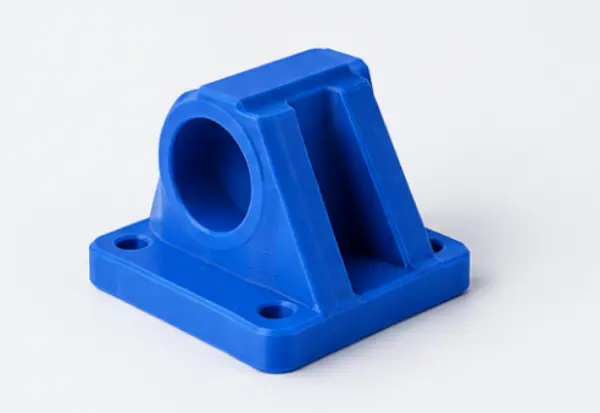
Feel free to send the single best applicable color for your PLA material using FDM technology.
See materials and limits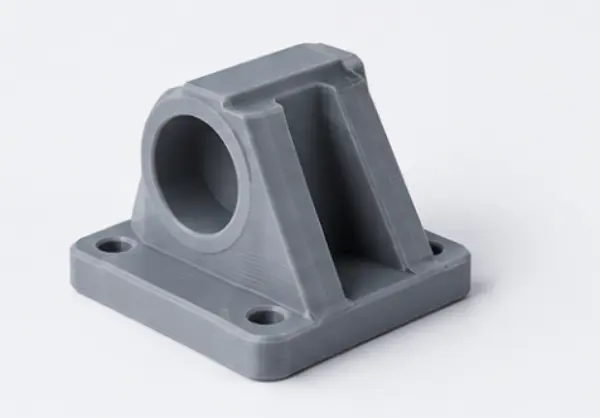
Feel free to send the single best applicable color for your PLA material using FDM technology.
See materials and limits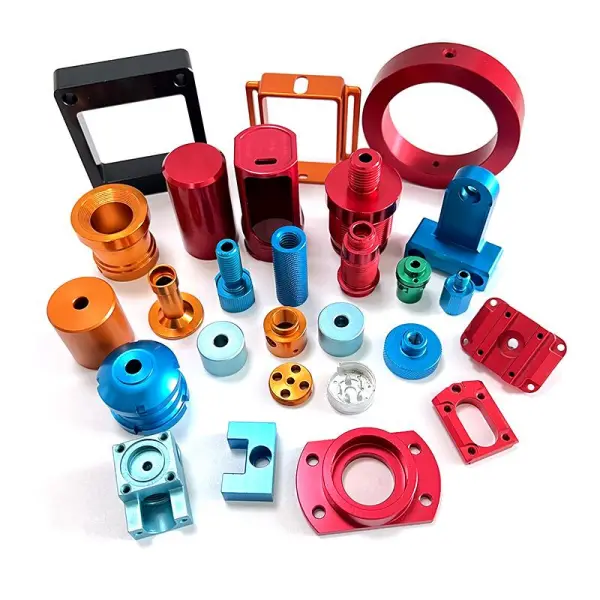
Feel free to send the single best applicable color for your PLA material using FDM technology.
See materials and limits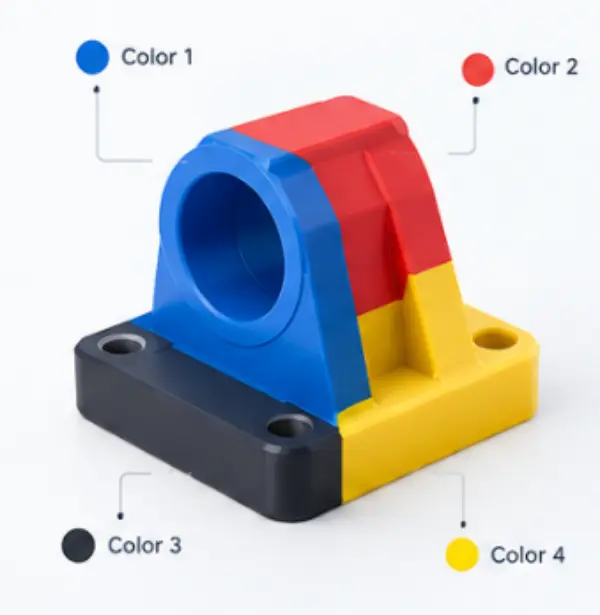
To ensure accurate multi-color printing, please upload a 3D model with clearly defined color assignments (maximum of 4 colors). Make sure your file includes color information for each part or surface. Supported formats include .3mf, .amf, or .obj with color data.
See materials and limits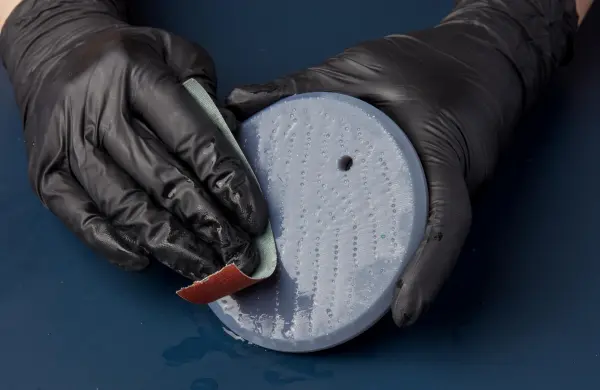
Fine sanding remains the most effective method for refining 3D-printed surfaces, removing layer lines and creating an ideal base for painting or further finishing.
See materials and limits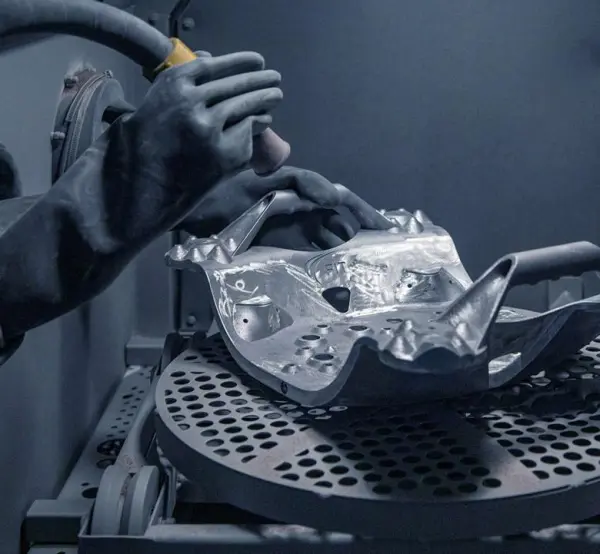
Sandblasting (abrasive blasting) serves as an effective subtractive post-processing method for 3D printed components. This mechanical finishing technique simultaneously addresses surface irregularities, residual support structures, and layer line artifacts while achieving consistent surface topograp
See materials and limits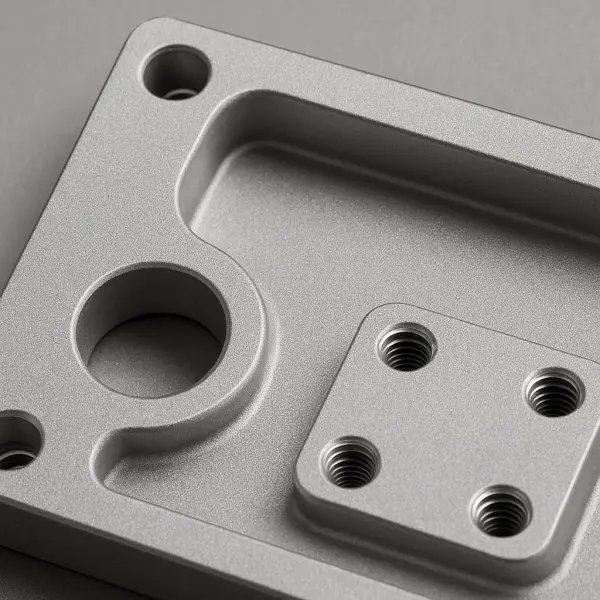
Bead blasting refines 3D-printed metal parts by smoothing surfaces and enhancing gloss, improving both aesthetics and functional performance.
See materials and limits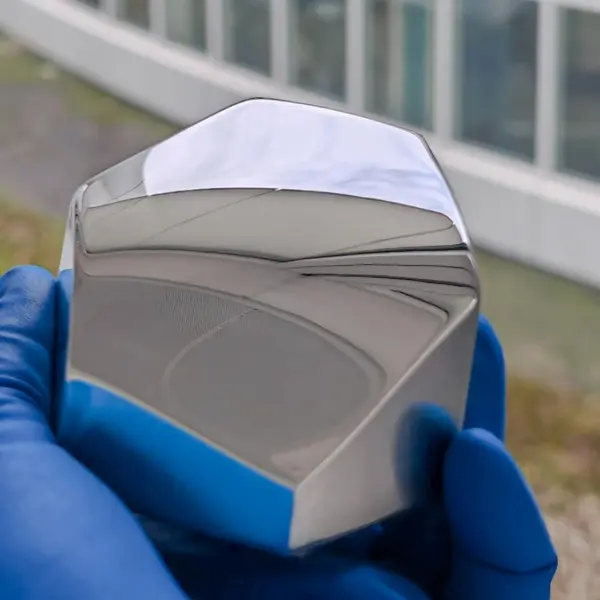
This finishing method uses abrasive media in rotating barrels to uniformly smooth metal 3D-printed components, achieving both functional surface improvement and enhanced visual quality.
See materials and limits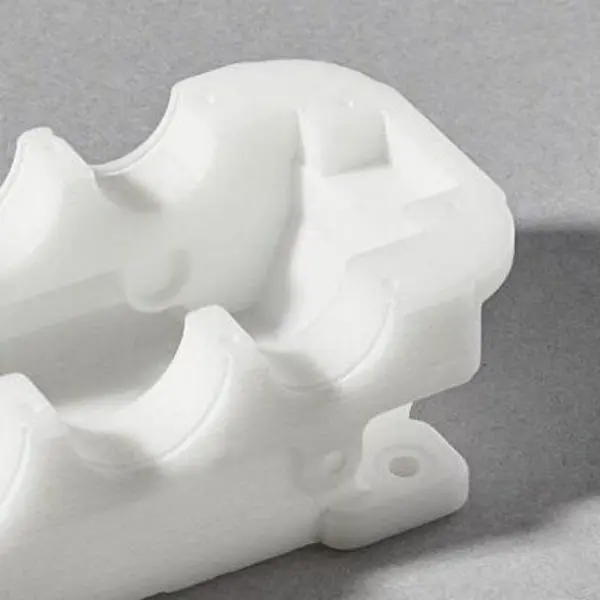
Vibratory tumbling employs high-frequency oscillations to agitate abrasive media against components, simultaneously achieving surface polishing, edge radiusing, and micro-finish improvement while maintaining dimensional accuracy.
See materials and limits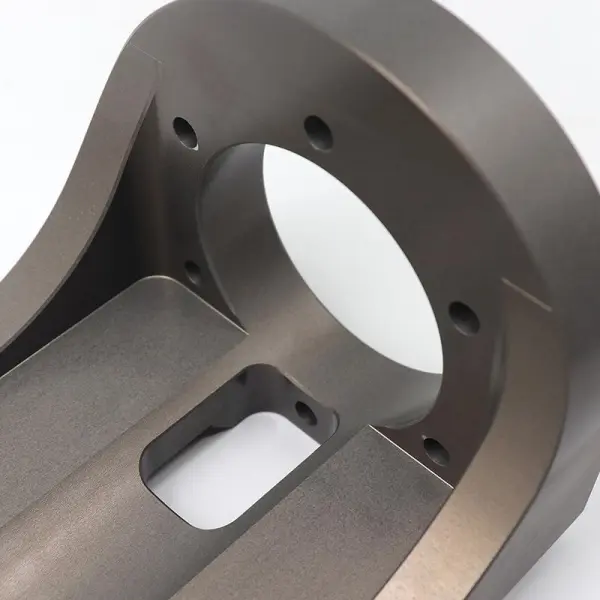
Hard anodizing transforms aluminum into an ultra-tough surface, ideal for parts exposed to heavy friction, harsh environments, or repeated impact.
See materials and limits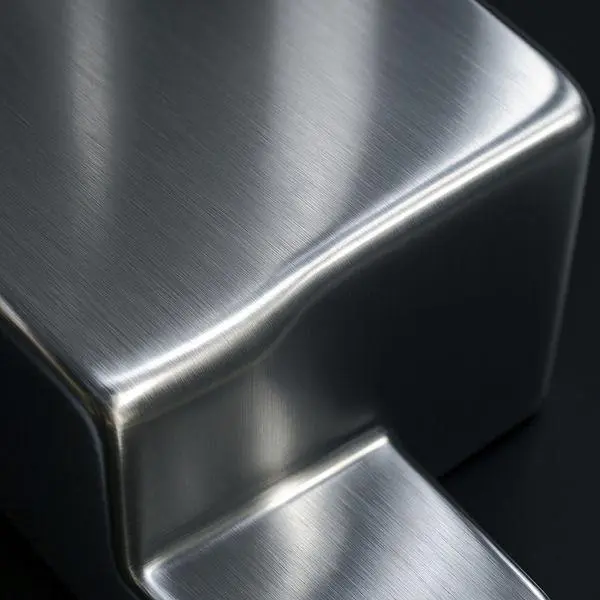
Polishing transforms rough surfaces into smooth finishes. By carefully refining the material, it not only enhances the part’s appearance but also strengthens it by removing tiny imperfections that can lead to wear or cracking over time. The result looks as good as it performs.
See materials and limits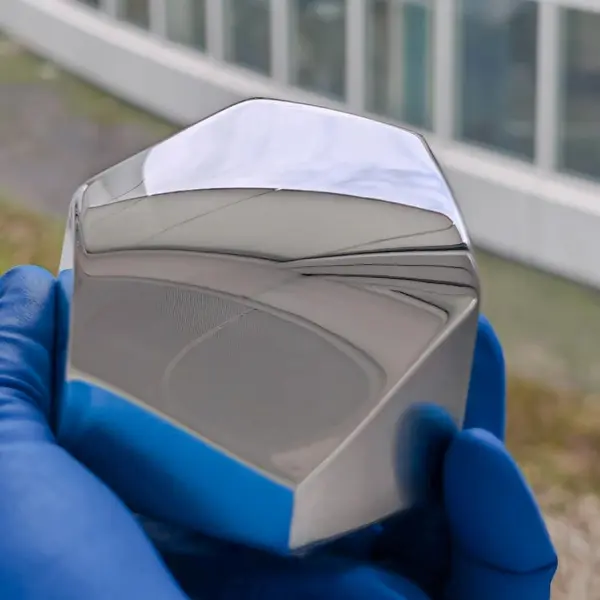
Mirror polishing creates an ultra-smooth, reflective finish that's as functional as it is beautiful. This high-precision process eliminates even the tiniest surface imperfections, resulting in a flawless shine that meets strict performance standards.
See materials and limits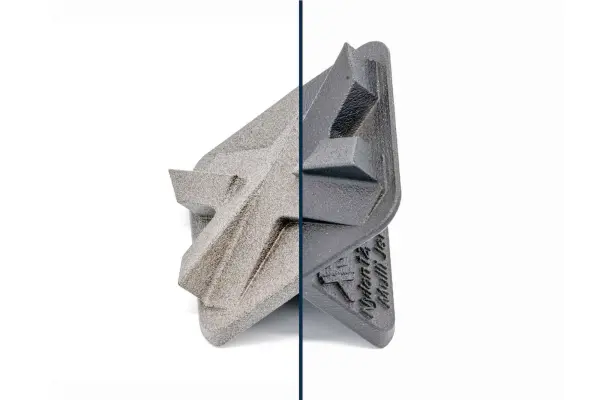
Vapor smoothing gives 3D-printed parts a sleek, glossy finish by gently melting the surface with solvent vapors. This process erases visible layer lines, strengthens the part, and leaves it with a smooth, professional look—all without manual sanding or polishing.
See materials and limits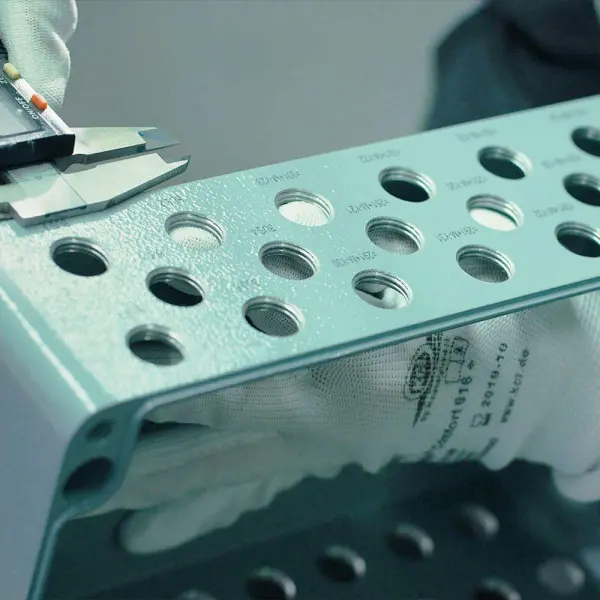
Screen printing presses your logo or design onto products with vibrant, long-lasting ink. Using a fine mesh screen, it creates sharp, detailed artwork that won’t fade or peel—perfect for branding custom parts.
See materials and limits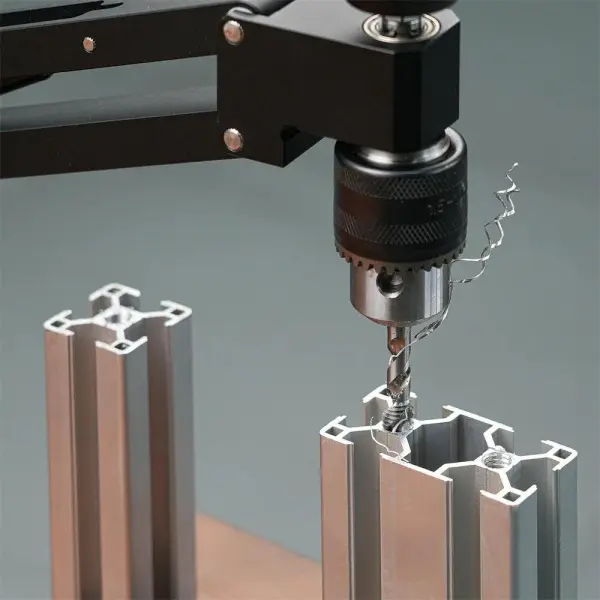
Tapping/threading creates thread on your product, enabling secure screw or bolt fastening for precise mechanical assemblies.
See materials and limits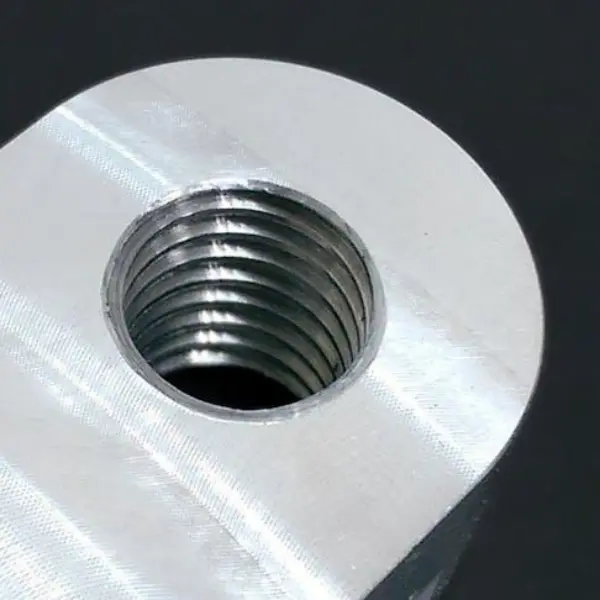
threading creates thread on your product, enabling secure screw or bolt fastening for precise mechanical assemblies.
See materials and limits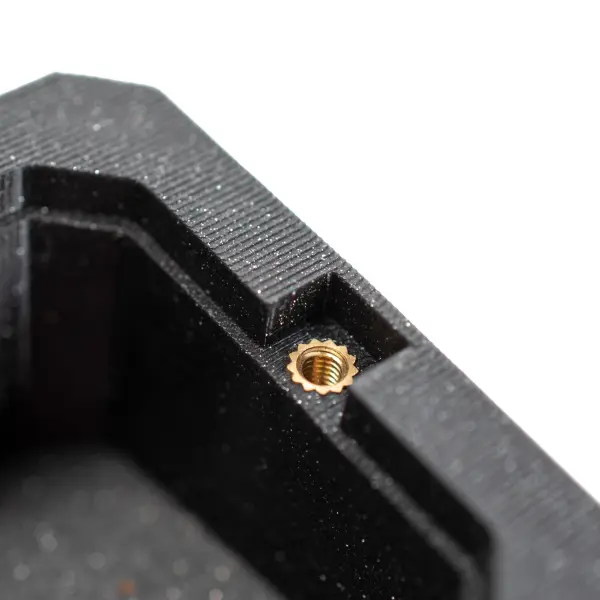
Brass inserts embed durable metal threads into plastic parts, creating robust, reusable screw connections that withstand frequent assembly.
See materials and limits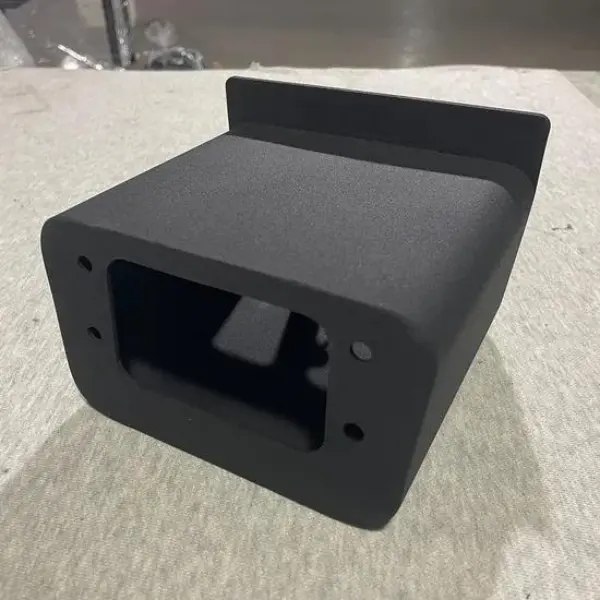
Powder coating electrostatically applies dry pigment to surfaces, then heat-cures it into a tough, uniform protective layer—more durable than paint.
See materials and limits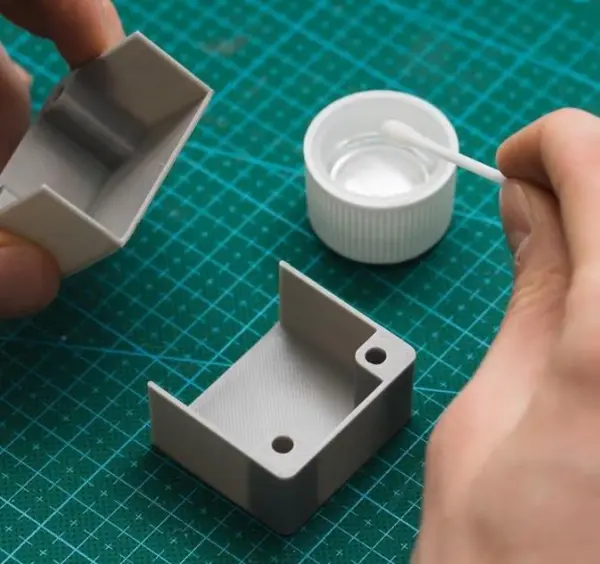
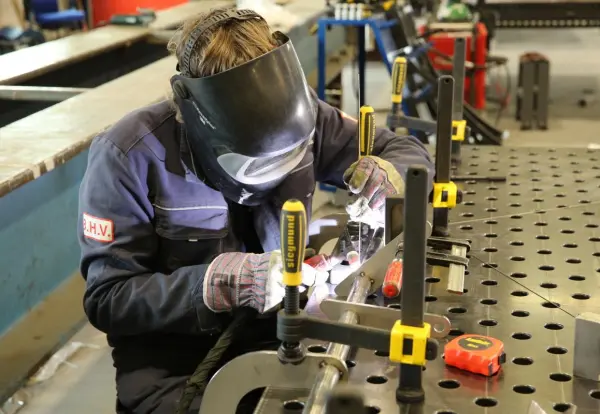
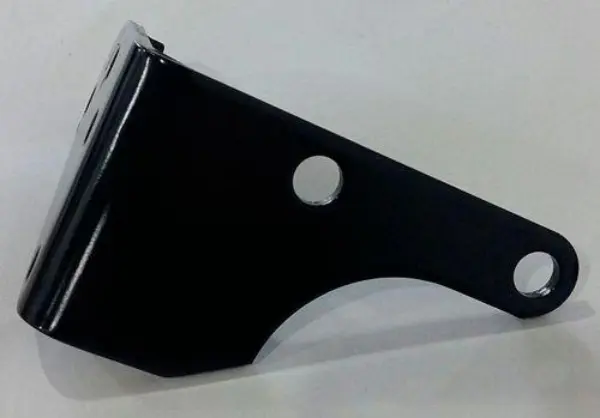
Electrocoating, or e-coating, is a method used to apply a smooth, even layer of paint or coating to 3D printed parts. The process involves dipping the parts into a water-based coating solution and then running an electric current through them. The current causes the paint particles to adhere uniform
See materials and limits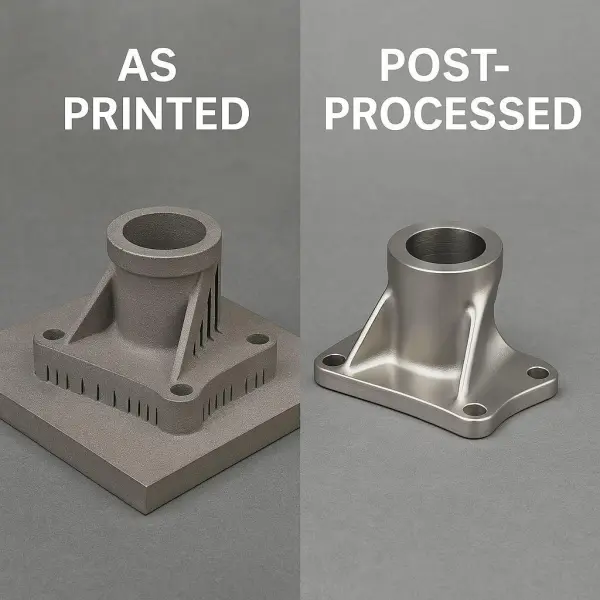
Standard polishing is a routine operation after items are removed from the machine, but its processing quality may not meet the requirements for some precision parts with higher standards. If higher precision processing is needed, please choose fine polishing or other post-processing services. This service is free of charge
See materials and limits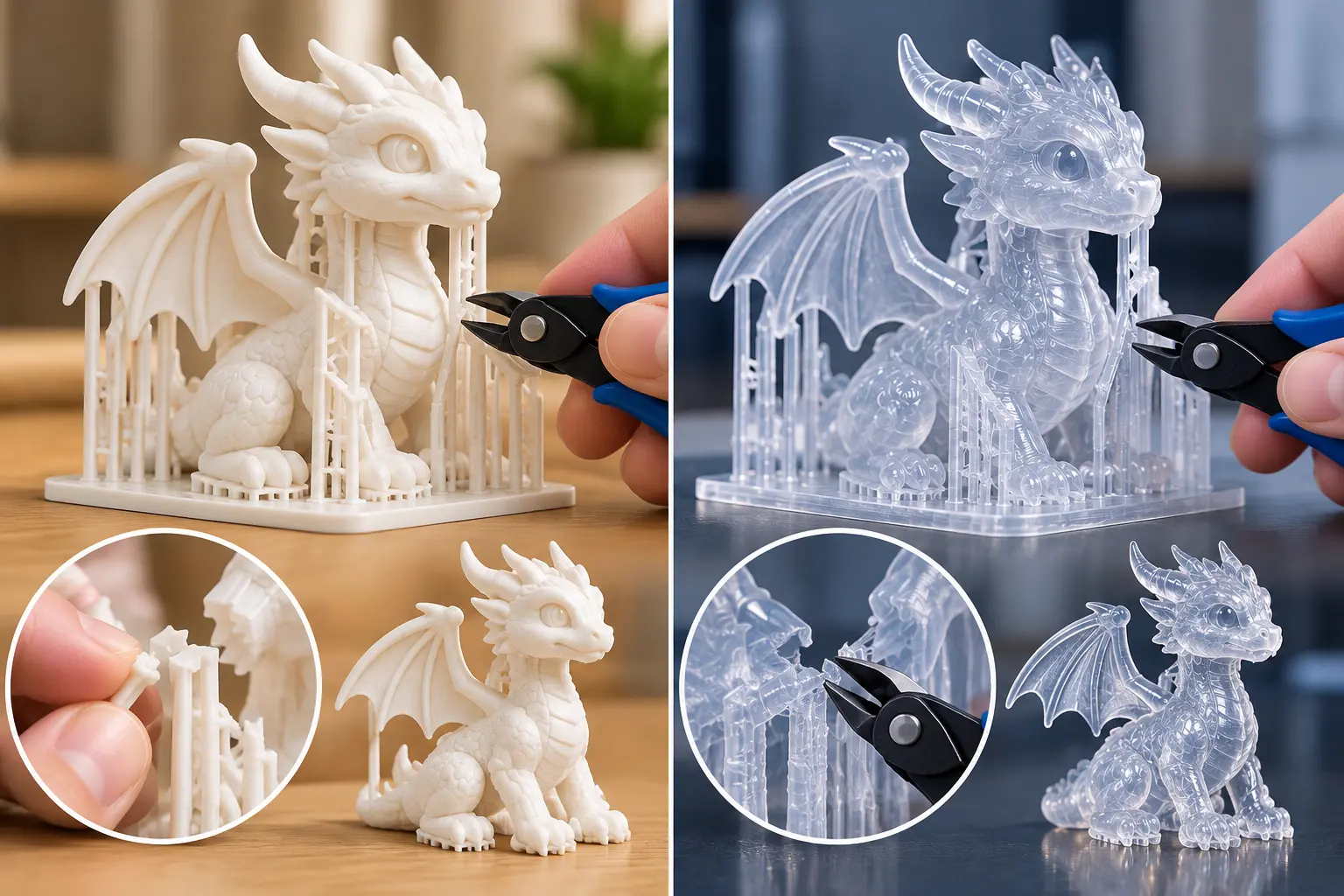
Note: Supports are left on by default. Please select "Support Removal" if you need them removed.
See materials and limitsThe same path as the public quote page, with 3D Plus finishing on the same screen.
 01
01
Preview the model and flag empty shells or extreme scale before you pick a material.
 02
02
Compare SLA, SLS, MJF, and SLM against size, strength, and surface needs.
 03
03
Turn on dye, blast, paint, anodize, vapor smooth, or tapping. Quantity and finish both feed the price.
 04
04
Compare price and lead time, comment with teammates, then send the same ticket to production.
Built for teams that need a repeatable quoting path — not a one-off email to a machine shop.
STL, STEP, 3MF, and other formats open in one viewer with scale, section, and annotation.
Live prices for print plus catalog finishing, instead of a second manual estimate.
Dedicated manual quotes when the finish or inspection plan is outside the catalog.
Select material, finish, and quantity, see the price, and checkout without rebuilding the form.
Model preview and notes help you catch scale or wall issues before the job is released.
Share a live quote so purchasing and design review the same configuration.
Short answers before you upload a file.
It is the same quoting engine, with finishing options next to print settings. You still start from a CAD file.
You can start from an uploaded file. Checkout and tracking use an account so files and invoices stay together.
Request a manual quote and describe the spec. Special coatings and inspection plans are priced by engineering.
STL, STEP, STP, and other common CAD exports used in product development. The parser previews the model and flags empty shells or extreme scale before you pick a material.
Yes. Save the process, material, and finishing mix, then reopen it for a revision or a repeat batch instead of rebuilding every option.
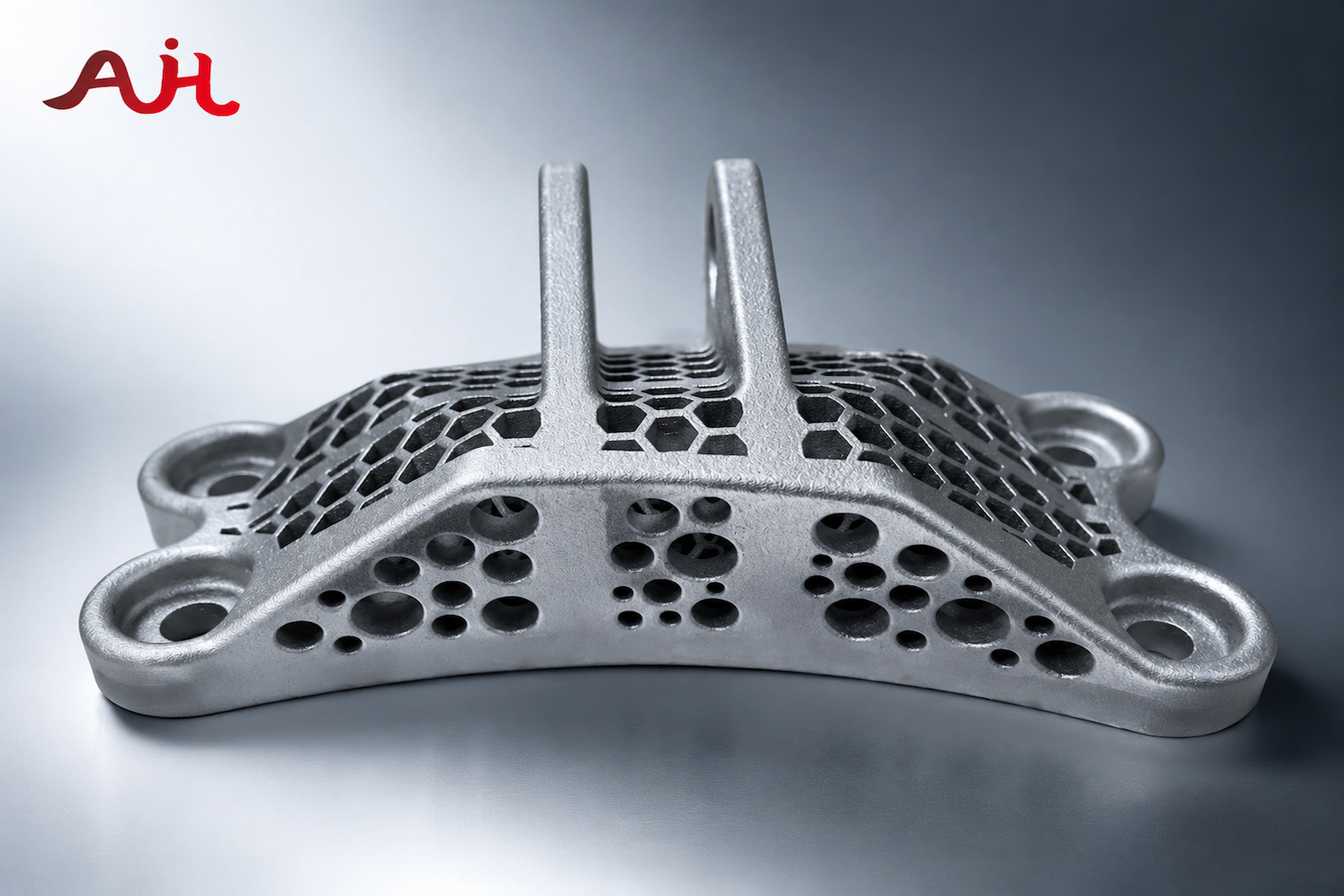
Choose a process, add finishing, and compare lead time in one place.
We use cookies to personalize your experience. By using this site, you agree to our Privacy Policy
Accept