Enjoy a 10% discount on your first purchase. See More +
We help innovators
find the cheapest
3D printing supplier.
My Cart

Upload 3D Models Upload
My Cart
We help innovators
find the cheapest
3D printing supplier.
Transparency

Transparency

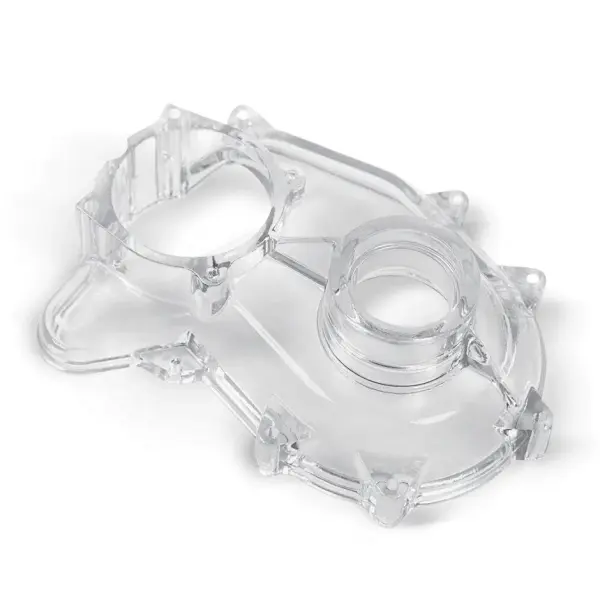
Transparency in 3D printing refers to a post-processing method designed to make clear resin 3D prints shiny and glossy, thereby enhancing their visual clarity and appeal. Transparency treatments typically involve sanding and applying a clear coat to smooth the surface and reduce light scattering. It produces a highly reflective, glass-like surface that highlights the intricate details of the 3D prints. Transparency is ideal for applications where optical clarity is required.

  • Quote group Color
  • Extra finishing lead time 1 extra day after printing
  • Print processes that support this finish Resin | SLA

What Transparency does for 3D printed parts

Transparency is one of the 3D Plus hardware finishing services on AIHFABS. It is applied after printing so the part leaves production closer to a usable product—not only a raw build. Use this page to decide whether Transparency matches your cosmetic, durability, or assembly requirements before you upload a file.

Transparency in 3D printing refers to a post-processing method designed to make clear resin 3D prints shiny and glossy, thereby enhancing their visual clarity and appeal. Transparency treatments typically involve sanding and applying a clear coat to smooth the surface and reduce light scattering. It produces a highly reflective, glass-like surface that highlights the intricate details of the 3D prints. Transparency is ideal for applications where optical clarity is required.

Finishing is quoted with the print. Select Transparency in checkout, review price and lead time, and keep printing plus post-processing in one order instead of coordinating a second shop.

Why teams specify Transparency

Appearance

Transparency can hide layer lines, even out color, or create a more uniform surface for display models, consumer housings, and review samples.

Performance

Depending on the process, Transparency may improve wear, corrosion resistance, grip, or light diffusion so the part survives handling and end use.

Ready-to-assemble parts

When Transparency is combined with printing, you receive parts that are closer to install-ready, reducing secondary work in your own workshop.

How to order this finish

Ordering Transparency follows the same 3D Plus software flow as a standard print. You do not need a separate finishing RFQ for catalog options.

  1. Upload the CAD file

    Use STL, STEP, or another supported format. The quoter checks volume and geometry so finishing can be priced against the actual part.

  2. Choose print process, material, and Transparency

    Pick SLA, SLS, MJF, SLM, FDM, DLP, or CNC where applicable, then add Transparency and any other 3D Plus hardware options the part needs.

  3. Compare price, lead time, and checkout

    Review supplier options, confirm quantity, and place the order. Printing and finishing stay on one timeline and one invoice.

Compatible processes and design notes

Transparency is typically applied to plastics or metals produced with industrial 3D printing. Compatibility depends on material, wall thickness, and whether the surface can be reached by spray, media, chemistry, or tooling. Deep recesses, thin walls, and optical faces may need design review. If the automatic quote cannot apply Transparency to your file, request a manual quotation.

Need Transparency on a batch, a mixed-material assembly, or a part that also requires tapping or painting? Keep those options in the same quote so lead time includes the full stack of operations.

Options in the online quote

These are the 3D Plus rows tied to Transparency. Compare the look, extra days, and which materials each option supports before you upload.

Transparent · Resin | SLA

Transparent · Resin | SLA

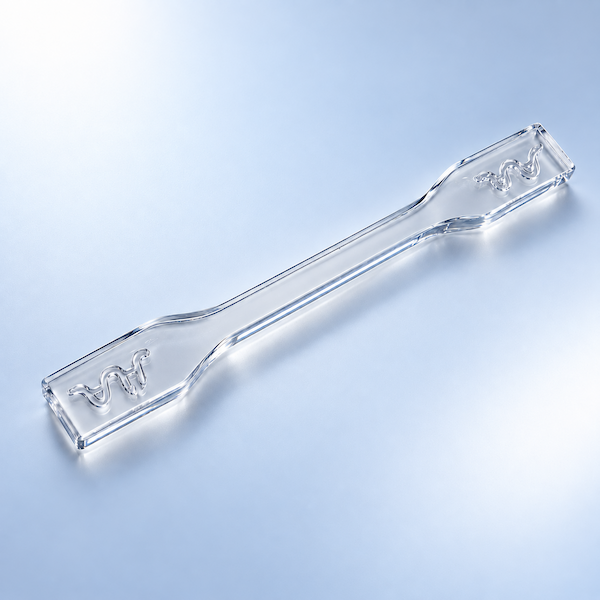
Transparency processing transforms 3D-printed parts into crystal-clear pieces through meticulous sanding and polishing. While achieving glass-like clarity, some minor bubbles may remain—a natural result of the printing process that adds unique character.

  • Extra finishing lead time 1 extra day after printing

Compatible materials

Quote this finish

Materials you can pair with Transparency

Only these grades can take this finish in the instant quote. Open a material for specs, or upload a file and the quoter will only show compatible options.

Upload a CAD file Create a project Talk to an engineer Browse materials

Transparency questions

Answers that apply to Transparency on AIHFABS 3D Plus hardware — materials, size change, and how to order it with the print.

What is Transparency on a 3D printed part?

Transparency in 3D printing refers to a post-processing method designed to make clear resin 3D prints shiny and glossy, thereby enhancing their visual clarity and appeal. Transparency treatments typically involve sanding and applying a clear coat to smooth the surface and reduce light scattering. It produces a highly reflective, glass-like surface that highlights the intricate details of the 3D prints. Transparency is ideal for applications where optical clarity is required.

Which printed materials can take Transparency?

Transparency is a color or optical finish. SLS and MJF nylon take dye; resins take paint, primer, frosting, and clear coats; aluminum and other metals take anodizing, plating, or e-coat. The quoter only offers Transparency when the selected material can accept it.

Does Transparency change dimensions or hide layer lines?

Paint, plating, and e-coat add a thin film. Dye soaks into nylon with little build-up. Frosting and clear coats change how light hits the surface more than the CAD size. Call out fits and optical faces in the quote notes so they can be masked.

Will Transparency make a resin part glass-clear?

Transparency polishing and clear coat improve gloss and reduce scatter on clear resin. Frosting and translucency diffuse light instead. Neither turns an opaque resin into a window.

How do I add Transparency to a quote?

Upload the CAD file, choose a print process and material, then turn on Transparency. Price and lead time update on the same order. If the automatic quote cannot apply it, request a manual quotation and note fits or color codes.


Cookie Policy

We use cookies to personalize your experience. By using this site, you agree to our Privacy Policy

Accept