What Bead Blasting does after CNC machining
Bead Blasting is a CNC finishing step on AIHFABS. It runs after milling or turning so the blank leaves closer to a usable part — not only a machine finish. Use this page to decide whether Bead Blasting matches color, wear, or assembly needs before you upload a file.
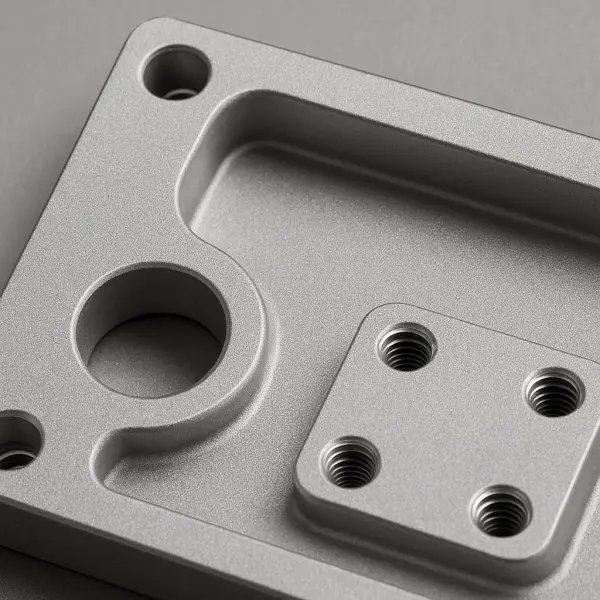
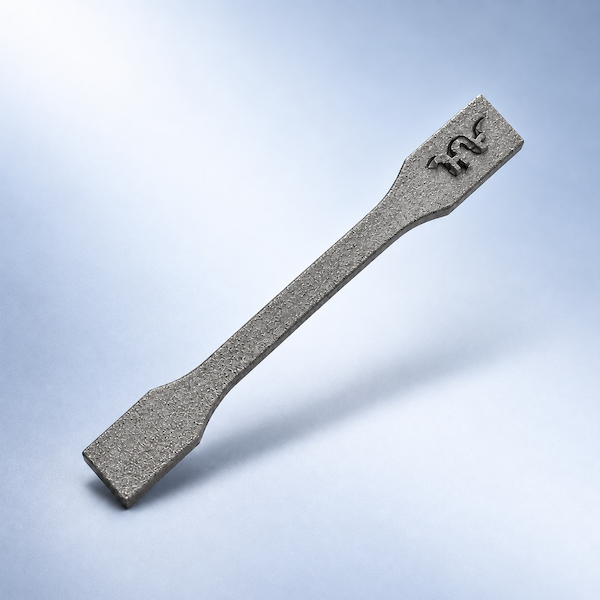
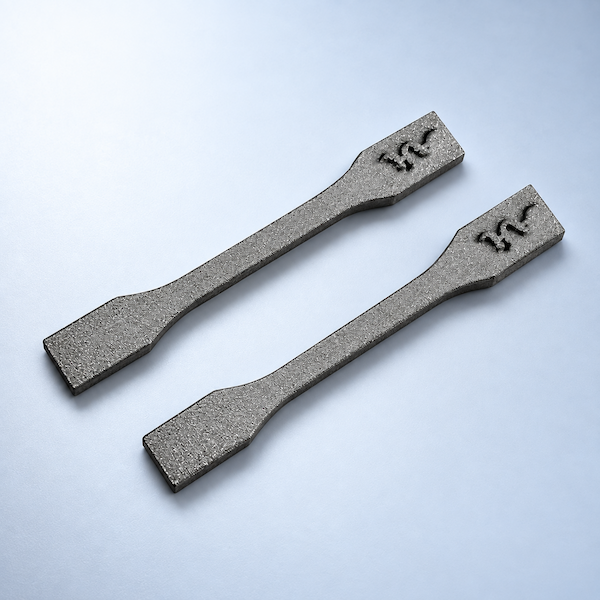
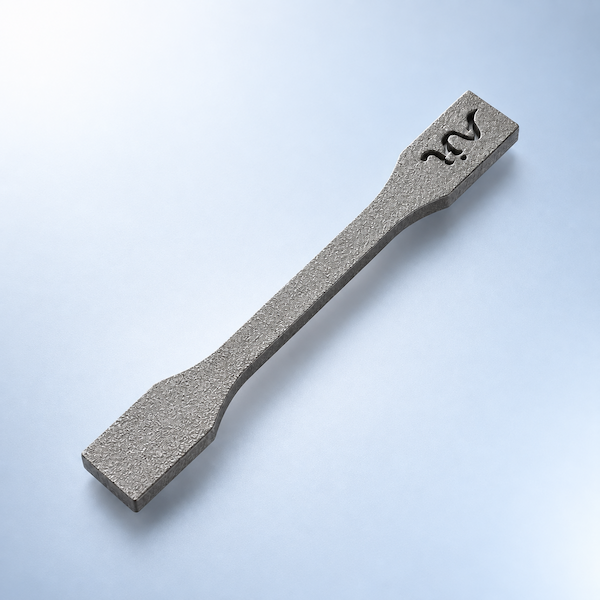
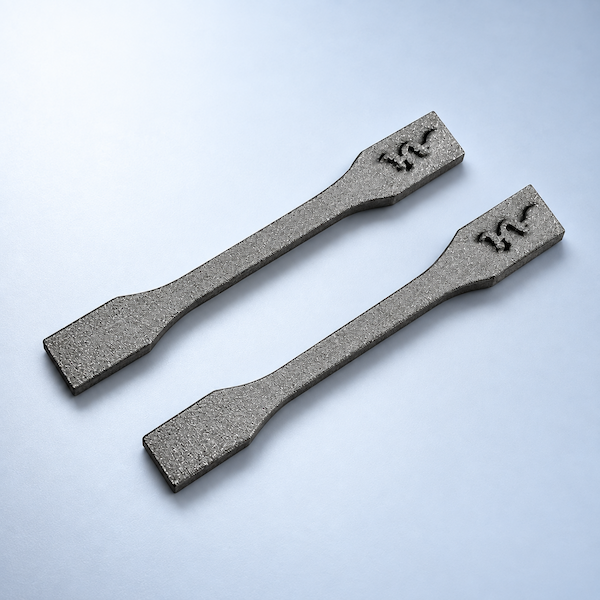
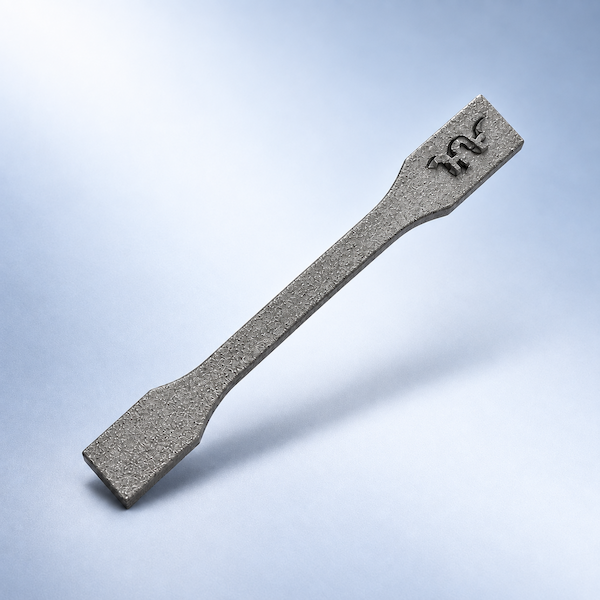
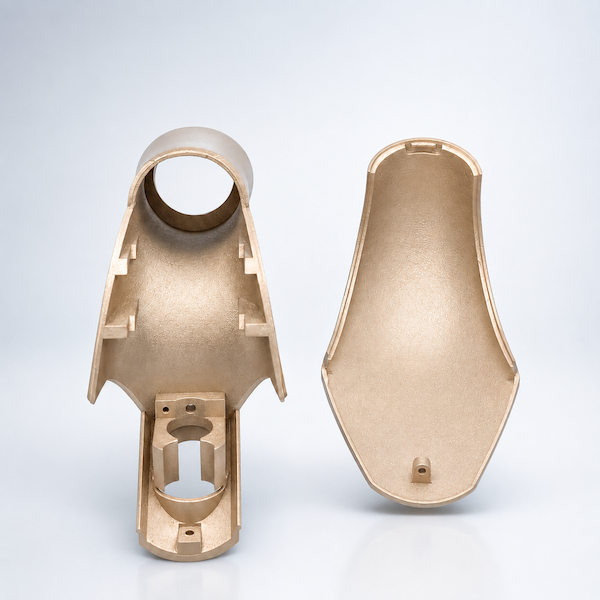
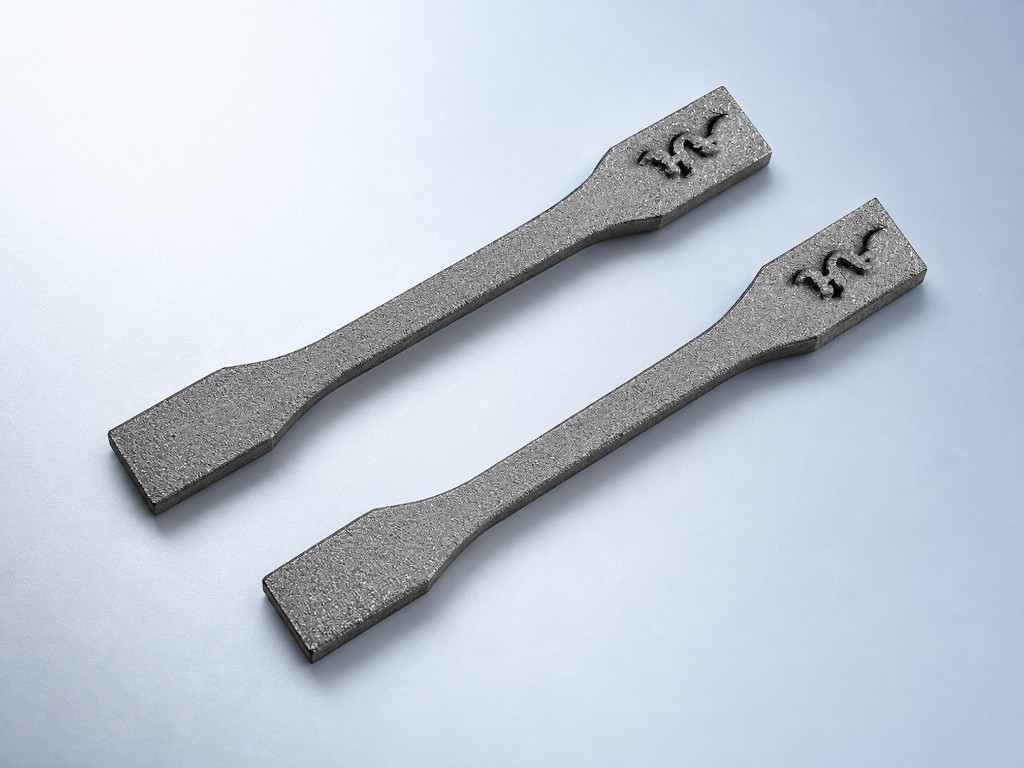
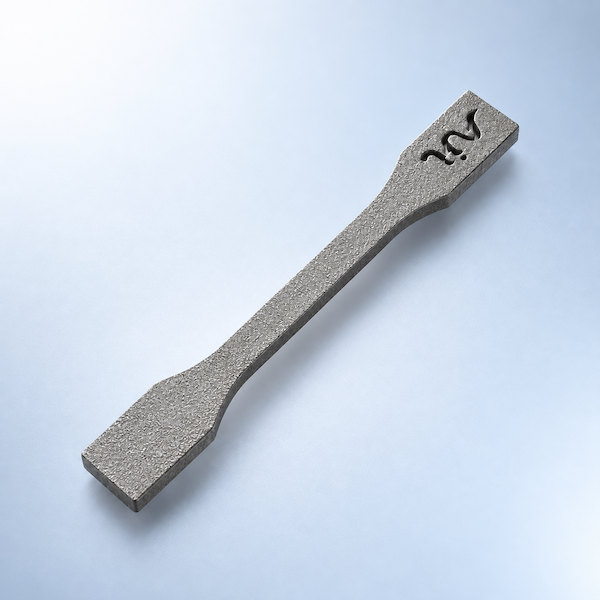
Bead blasting throws glass or ceramic media at a milled or turned surface to knock down tool marks and leave an even satin. It is the usual prep before anodize, powder, or paint, and it reaches pockets a polish wheel will not.
Finishing is quoted with the machine work. Select Bead Blasting in checkout, review price and lead time, and keep machining plus post-processing on one order instead of sending a raw blank to a second shop.
Why teams specify Bead Blasting on CNC parts
Appearance
Bead Blasting can hide cutter marks, even out color, or leave a uniform skin on housings, brackets, and review samples.
Performance
Depending on the process, Bead Blasting may improve wear, corrosion resistance, or grip so the machined part survives handling and end use.
Ready-to-assemble blanks
When Bead Blasting sits on the same traveler as milling or turning, the part arrives closer to install-ready — color, coat, or threads already on it.
How to order this CNC finish
Ordering Bead Blasting uses the same upload as a standard CNC quote. You do not need a separate finishing RFQ for catalog options.
-
Upload the CAD file
Use STEP, STP, or another supported format. The quoter reads the stock so finishing can be priced against the actual blank.
-
Choose CNC process, material, and Bead Blasting
Pick milling, turning, or another CNC route, then add Bead Blasting and any other finishing the part needs.
-
Compare price, lead time, and checkout
Review options, confirm quantity, and place the order. Machining and finishing stay on one timeline and one invoice.
Compatible stock and design notes
Bead Blasting is typically applied to metals — and some plastics — after CNC machining. Compatibility depends on alloy, wall thickness, and whether the surface can be reached by bath, media, or a tap. Deep pockets, thin walls, and datum faces may need a review. If the automatic quote cannot apply Bead Blasting, request a manual quotation.
Need Bead Blasting on a batch, a mixed set, or a part that also needs tapping or paint? Keep those options in the same quote so lead time includes the full stack.