
3D Printing
Stereolithography (SLA)
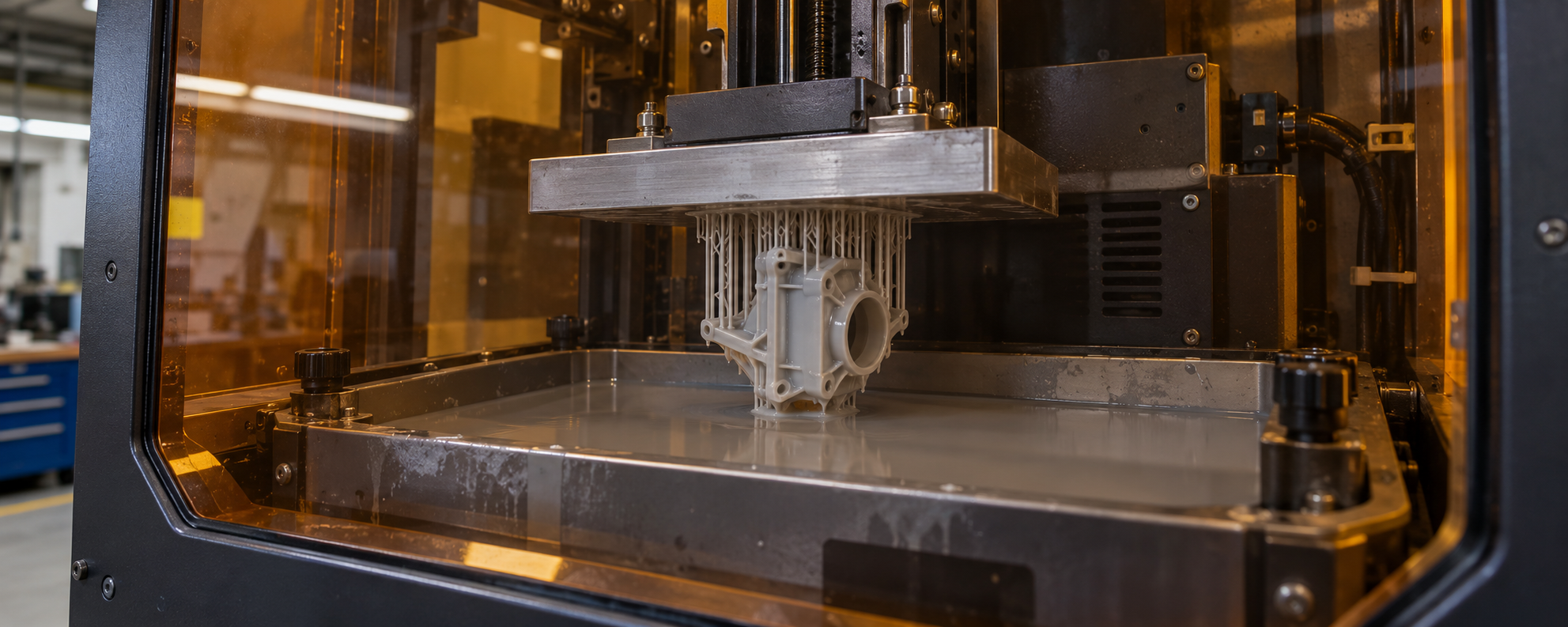
Stereolithography (SLA) cures liquid photopolymer with a precision UV laser, building parts layer by layer.
Create a quote
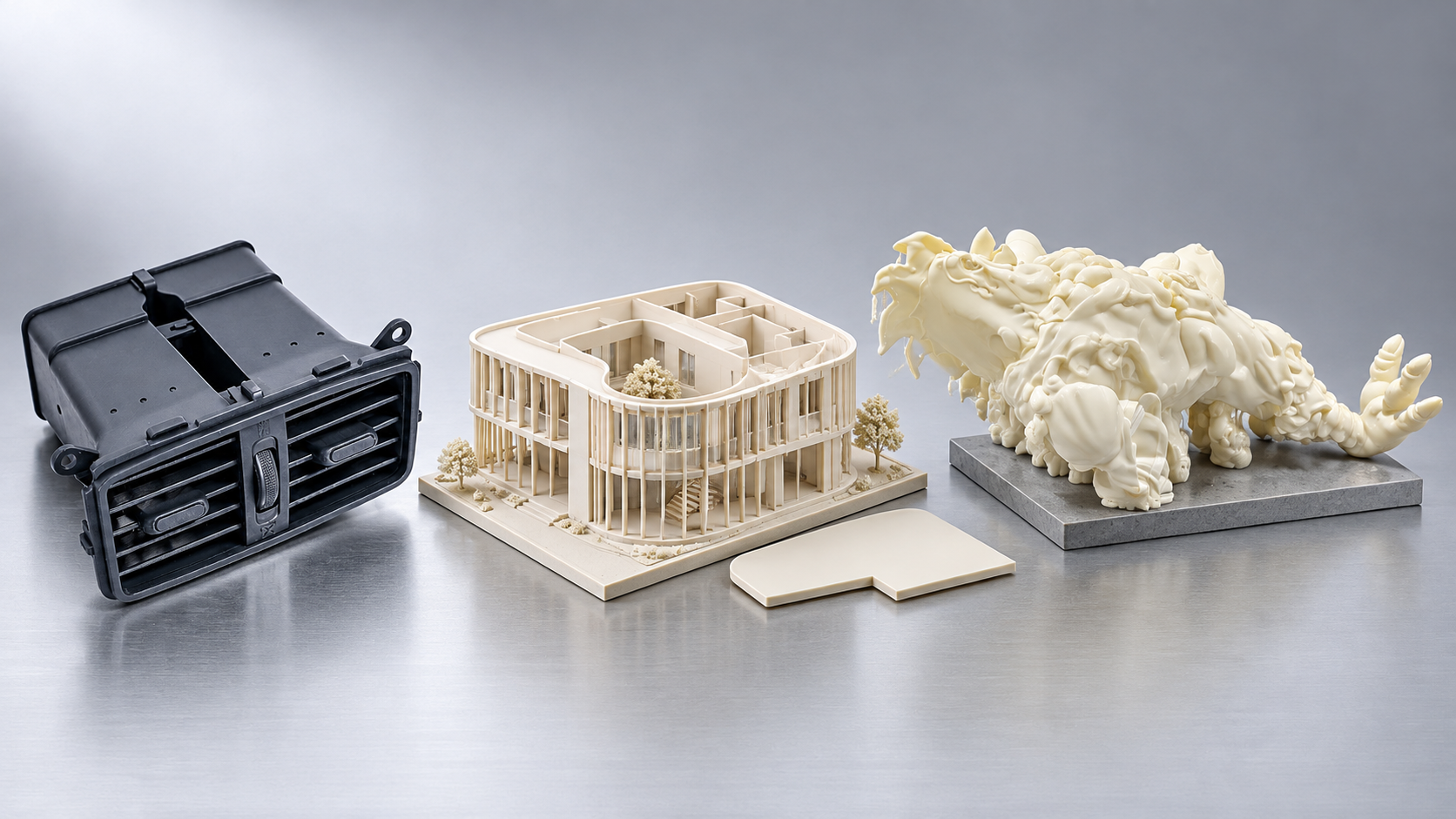
SLA 3D printing turns digital designs into detailed resin parts with smooth surfaces, making it useful in industries that need physical models, accurate prototypes, or patterns for further manufacturing. Its applications range from industrial component development and automotive testing to architectural models, teaching aids, customized collectibles, and specialized medical devices.
For prototypes and limited production runs, an important advantage is the ability to make a new geometry without first investing in dedicated production tooling. Industrial systems can also accommodate large models or multiple smaller parts within one build. The economic benefit depends on the part, resin, quantity, and finishing work.
The following guide explores where SLA is used, the parts it can produce in each industry, and how those parts connect to product development or production. General stereolithography applications include visual models, functional prototypes, manufacturing patterns, and selected finished components.
Industry or field | Typical SLA applications | Main benefit |
Industrial manufacturing | Component prototypes, casting patterns, molding masters, assembly fixtures | Develop complex parts and connect digital designs to established manufacturing processes |
Automotive and aerospace | Styling models, assembly prototypes, wind tunnel components, casting patterns | Evaluate geometry and accelerate design changes |
Consumer electronics and appliances | Housings, buttons, bezels, clear covers, mechanism prototypes | Review appearance and packaging around real components |
Architecture | Scale buildings, detailed facades, site models, presentation components | Reproduce geometry that is laborious to fabricate by hand |
Education and research | Teaching models, student prototypes, experimental components | Turn abstract designs into objects that can be handled and studied |
Toys and creative production | Figurines, miniatures, prop components, masters for reproduction | Preserve sculpted detail and support customization |
Medical and dental | Anatomical models, device prototypes, dental models, qualified guides and devices | Reproduce patient-specific or application-specific geometry |
The same process serves different roles across these fields. A printed part may be the object used by the customer, a development model, or a pattern from which another material is formed. That distinction is particularly important in industrial manufacturing.
Industrial SLA applications extend from early component trials to the tools and patterns used to make small production batches. This makes SLA useful for custom machinery, new product development, and components whose geometry would require substantial manual fabrication or several machining setups.
SLA can produce housing prototypes, mounting features, small mechanisms, and parts with detailed internal geometry. Engineers can assemble these with existing components to examine clearances, access, and the overall arrangement before committing to production tooling.
Suitable engineering resins also support functional prototypes. Stratasys, for example, identifies snap-fit designs and functional testing among the applications for Somos EvoLVe 128. This makes material selection part of the application: a flexible latch and a rigid locating feature place different demands on the printed resin.
For parts that combine fine geometry with repeated movement, the SLA resin selection guide explains the relevant material choices without treating every photopolymer as equivalent to the eventual production plastic.
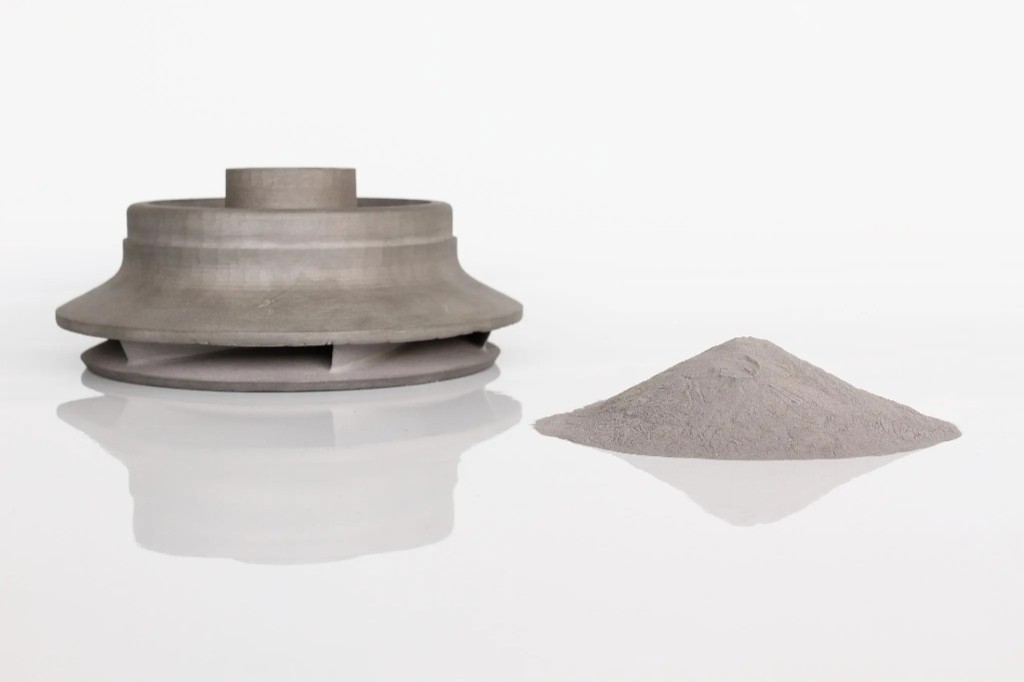
SLA connects directly with precision investment casting by producing sacrificial resin patterns. A foundry builds a ceramic shell around the pattern, removes the pattern through the specified process, and pours metal into the resulting cavity. The final component is cast metal; the SLA print supplies its initial form.
This route can avoid the dedicated tooling otherwise needed to injection mold wax patterns. It is useful when a manufacturer needs trial castings, custom components, or a limited batch before the design justifies conventional pattern tooling. Complex impellers and other industrial cast components are examples of the geometry addressed by printed-pattern workflows.
The pattern material and internal construction must suit the foundry process. 3D Systems' QuickCast approach uses purpose-designed build styles for lightweight casting patterns. A standard solid display-model resin is not automatically a substitute for that system. Coordinate pattern preparation and dimensional allowances with the foundry before printing.
An SLA master can provide the original shape for a silicone mold. Once the mold is made and the master removed, polyurethane or another suitable casting material reproduces the geometry. This is a practical route for batches of housings, covers, handles, and presentation parts. The cast material determines the properties of the reproduced parts.
SLA is useful here because the master can capture fine features and be finished before molding. Surface preparation matters: a ridge or blemish left on the master can be reproduced in every casting. Resin preparation and silicone compatibility also need attention because residual uncured material can interfere with silicone curing.
Read the SLA master-pattern and casting workflow guide for a closer look at preparing the printed pattern for the next manufacturing operation.
Suitable SLA resins can produce locating nests, positioning aids, and customized assembly fixtures. A fixture can follow the contour of a small housing or hold several components in alignment while they are assembled. Its value comes from adapting the tool to the job without machining a new metal fixture for every revision. Engineering resin selection remains important for repeated handling and loading.
Specialized resin tooling can also support short runs of injection molding, thermoforming, or silicone molding. Here the SLA print forms all or part of the tool cavity rather than acting as a master. Tool life depends on the resin and processing conditions. These short-run tools have different strength and wear limits from conventional steel stamping dies.
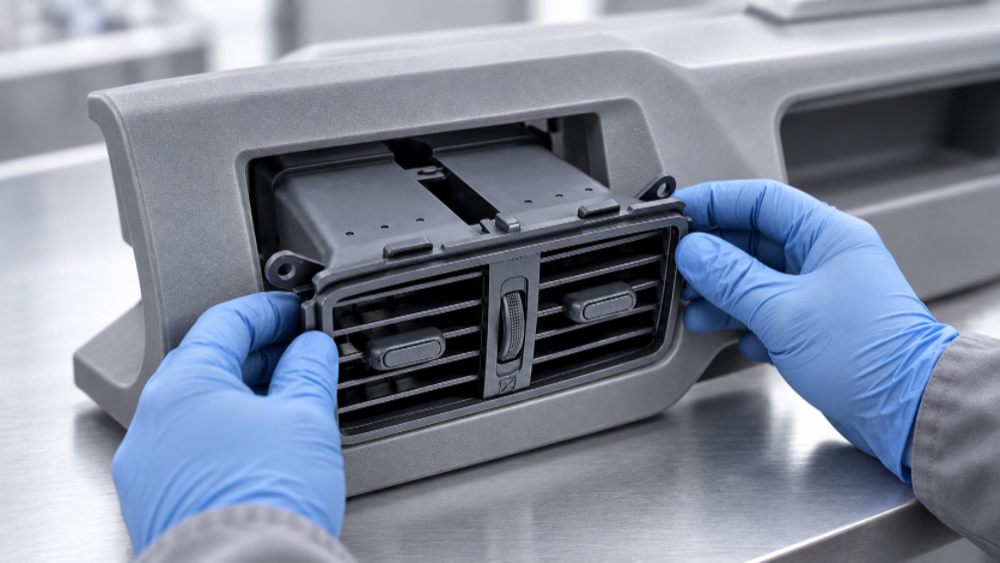
Automotive teams use SLA for interior trim concepts, instrument bezels, vents, lighting-cover models, body details, and assembly prototypes. A full-size styling part lets designers judge curved surfaces and adjoining panels, while an assembly sample helps engineers examine space around brackets, connectors, and fasteners.
Wind tunnel testing is another established application. Smooth external surfaces and reproducible geometry make SLA useful for aerodynamic components that change repeatedly during development. In a published Stratasys case study, McLaren used Neo800 printers and Somos PerFORM Reflect resin to produce components for 60 percent scale wind tunnel models, combining the printed parts with a machined aluminum spine.
Aerospace development can use the same approach for aerodynamic models and component mockups. SLA casting patterns also provide a route to metal components through an established foundry process. In both cases, the printed resin serves a specific stage of development or manufacture.
Under-hood prototype components and parts used in heated tests need resins selected for the actual thermal and mechanical conditions. A shape that works for an installation check may require a different material for a hot-air test. Road-going and flight hardware require qualification for their intended service, beyond the appearance or dimensional accuracy of a prototype.
SLA helps product teams turn compact electronic designs into physical assemblies. Typical examples include handheld device housings, mouse shells, remote controls, speaker grilles, appliance knobs, display surrounds, and covers with small lettering or detailed surface features.
These parts often combine an important exterior with closely packed internal components. A printed housing can accommodate the actual circuit board, battery, switches, and connectors, making it easier to spot an obstructed port or a fastener that is difficult to reach. The same geometry can later receive a painted finish for appearance review or product photography.
Engineering resins broaden the applications to clips and other features that need some movement during evaluation. Choose the material for the intended use of the sample: checking that a latch engages once is a different task from exercising it repeatedly.
Clear resin adds another option. Transparent or translucent covers can reveal the position of internal components, while clear demonstration models help explain how an assembly works. Visibility depends on the resin, wall geometry, and finishing. The guide to clear and translucent SLA models covers these choices. A clear-looking prototype does not by itself establish the optical performance of a finished lens.

Architectural model making often combines card, foam board, wood, plastic sheet, and hand-built details. SLA is especially useful for elements that are difficult or repetitive to make this way, including curved facades, fine openings, complex roof forms, staircases, and small decorative components. It turns suitable digital geometry into physical model parts that designers can inspect and present.
SLA can be combined with conventional model making. A detailed building can sit on a laser-cut site base, while removable roofs or floors reveal the interior. Large projects may still need several printed sections, assembly, and painting; the benefit is reducing particular fabrication tasks and making design revisions easier to reproduce.
Scale needs attention before printing. At 1:100 scale, a 100 mm feature in the building becomes 1 mm on the model; at 1:200, it becomes 0.5 mm. Some elements therefore need simplification or enlargement to survive handling and remain visible. These calculations illustrate scale conversion, not minimum printable feature specifications.
SLA in this context produces architectural models and selected full-size detail mockups. Full-size building construction uses different equipment and materials.
In education, SLA supports learning about additive manufacturing itself. Students can move from CAD design to a physical part and observe how orientation, supports, material choice, and finishing affect the result. Comparing successive versions makes design decisions tangible and gives students practical experience with a manufacturing workflow.
It also produces teaching aids. Geometry models, sectioned mechanisms, anatomical teaching models, and architectural structures can give students a physical view of forms that are difficult to understand on a flat screen. Formlabs has documented education projects that used printed architecture components, including student-designed sunshade structures.
Student innovation projects and competitions provide another application. Teams can develop detailed enclosures, mechanism prototypes, and presentation models for their designs. A revised component can be printed for the next assembly or demonstration, helping students connect a design change with its physical effect.
For research groups, SLA can supply custom model components and experimental fixtures where the selected resin suits the experiment. Access to a printing service also lets a team obtain these parts without operating the equipment itself. Where printing takes place on campus, trained staff should manage liquid resin, washing, and curing; finished teaching models and the production workspace have different handling requirements.
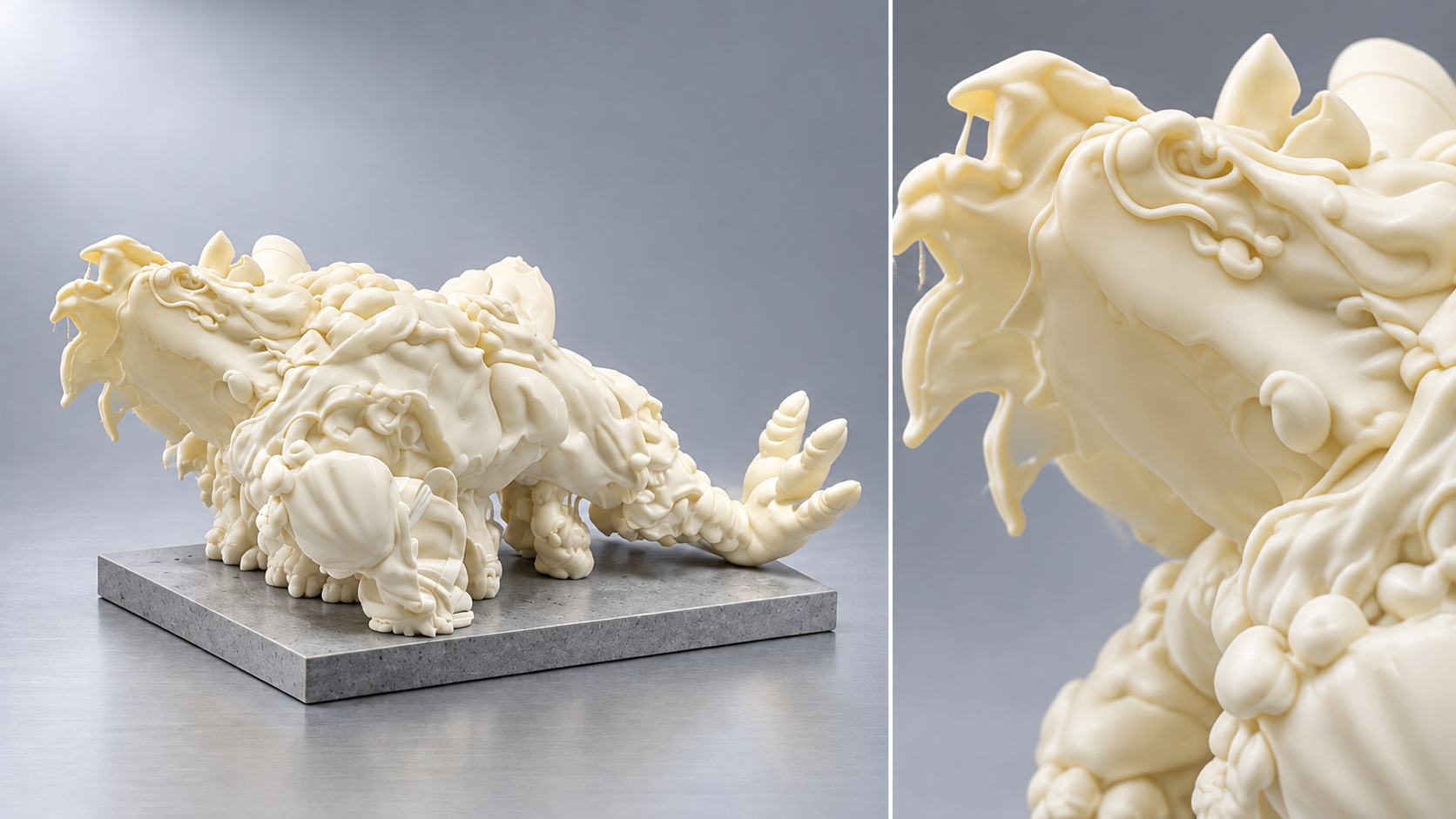
SLA is well suited to figurines, miniatures, sculpted prototypes, and decorative model components because it can reproduce small features with a surface that can be prepared for painting. Designers can develop facial expressions, clothing details, textures, and accessories directly from a digital sculpt, then inspect the result at the intended physical size.
For toy development, the print can serve as an appearance prototype or a master for molding and reproduction. Collectible producers can also explore small editions and customized parts without creating a separate conventional mold for every variation. Large sculptures and props may be divided into sections for printing, assembly, and finishing. Joining and painting remain important parts of the finished result.
Customization is a documented production application. In 2022, Formlabs described its collaboration with Hasbro on the Selfie Series, which used specialized SLA workflows to produce personalized figure heads. The project illustrates how a customized feature can be integrated into a larger production workflow.
For products intended for children or repeated handling, material and finished-product suitability need separate consideration. A detailed display model has different requirements from a toy exposed to impact, wear, or mouth contact. These requirements influence whether the SLA print is the finished object or a master for production in another material.
SLA can reproduce detailed anatomical geometry for teaching, communication, and appropriately controlled planning applications. Different material colors or transparent sections can help show the relationship between structures. The usefulness of the model begins with the quality and interpretation of the source data as well as the printing process.
Medical device developers also use SLA for equipment housings, handles, small mechanisms, and prototypes of components that need to fit together. In a published Formlabs case study, Coalesce Product Development used SLA during the development of drug delivery devices. These applications help teams develop the physical product before proceeding to its intended production and use.
Dental applications include models used during treatment planning and fabrication, together with surgical guides and other devices produced through suitable material and processing workflows. Formlabs' Surgical Guide Resin is one example of a material specified for dental surgical guides on compatible printers, with prescribed post-processing requirements.
Customized hearing-aid shells and related components are another application associated with specialized photopolymer manufacturing. SLA is one process used in this broader field; a particular product may use a different resin-printing technology. The chosen equipment and material system must match the intended device.
Patient-contact applications require an appropriate biocompatible material and a qualified manufacturing workflow for the intended use, including any required cleaning and sterilization. Confirm these capabilities with the supplier before commissioning a clinical-use part.
Across these industries, SLA makes customization practical by allowing geometry to change between builds without redesigning dedicated production tooling. A project may need several enclosure sizes, personalized decorative features, or fixtures that match different product variants.
There are two useful production routes. Suitable parts can be printed directly in a resin that meets their service requirements. Alternatively, an SLA master or sacrificial pattern can feed silicone molding, polyurethane casting, or metal investment casting. The second route allows the final product to be made in a different material.
The economic comparison should include the complete route to a usable part: printing, support removal, curing, finishing, and any subsequent molding or casting. Batch size, design changes, and the required finish influence the result. SLA is particularly worth evaluating when customization or design complexity would otherwise create substantial tooling work.
Start with the physical object your project needs. A scale building, a clear electronics cover, an assembly fixture, and a casting pattern each make use of SLA in a different way. Describe that application first, then select the material and finish that support it.
For AIHFabs projects, the SLA 3D printing service provides the starting point for available capabilities. Use the material selection guide to compare resin options, and identify any visible surfaces or mating features that need special attention. Patterns and specialized medical applications also need requirements from the downstream manufacturer or qualified workflow provider.
SLA is used in industrial manufacturing, automotive and aerospace development, consumer electronics, architecture, education, creative production, and specialized medical and dental applications. Typical outputs include prototypes, models, manufacturing patterns, fixtures, and selected finished parts.
SLA itself prints photopolymer parts. It can produce sacrificial patterns for investment casting, after which a foundry makes the final component in metal. The pattern material and preparation must suit that casting process.
It can be suitable for selected finished parts and customized products when the resin and processing workflow meet the intended use. SLA also supports production indirectly through masters, casting patterns, and certain types of tooling. Suitability depends on the application rather than quantity alone.
Need help applying SLA to your industry or product? Share your CAD files, intended use, quantity, and desired finish with AIHFabs. Whether you need an architectural model, an electronic housing prototype, or a master for further manufacturing, these details help us review the appropriate printing route.
Explore our SLA 3D printing service, upload your model for a quote, or contact our team to discuss your application.
1. 3D Systems. SLA 3D Printing and Applications.
2. Stratasys. Somos EvoLVe 128 Material.
3. 3D Systems. Patterns for Investment Casting.
4. Formlabs. Guide to Vacuum Casting and Urethane Casting.
5. Formlabs. Silicone Mold Making and Silicone Part Production.
6. Formlabs. Rapid Tooling Applications.
7. Stratasys. McLaren Racing Using Stereolithography Technology.
8. Formlabs. Guide to 3D Printing Architectural Models.
9. Formlabs. Innovate and Educate 3D Printing Lesson Plans.
10. Formlabs. 3D Printing Miniatures and Custom Figurines.
11. Formlabs. Hasbro and Mass Customization With 3D Printing.
12. Formlabs. Prototyping Medical Devices In House With 3D Printing.
13. Formlabs. Surgical Guide Resin

A process that fits this note. Open the spec, or put the file on a quote.
Stereolithography (SLA) cures liquid photopolymer with a precision UV laser, building parts layer by layer.
Create a quote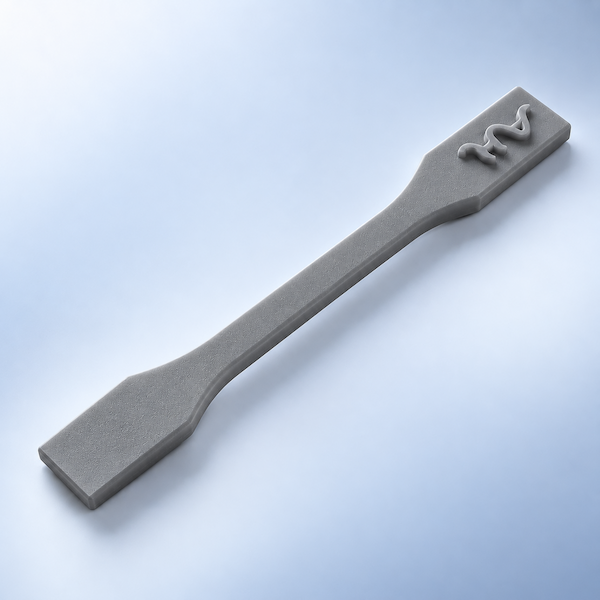
Digital Light Processing (DLP) solidifies an entire layer of photopolymer at once using a projected image.
Create a quoteMaterials that sit next to this article. Check the card, then upload CAD.
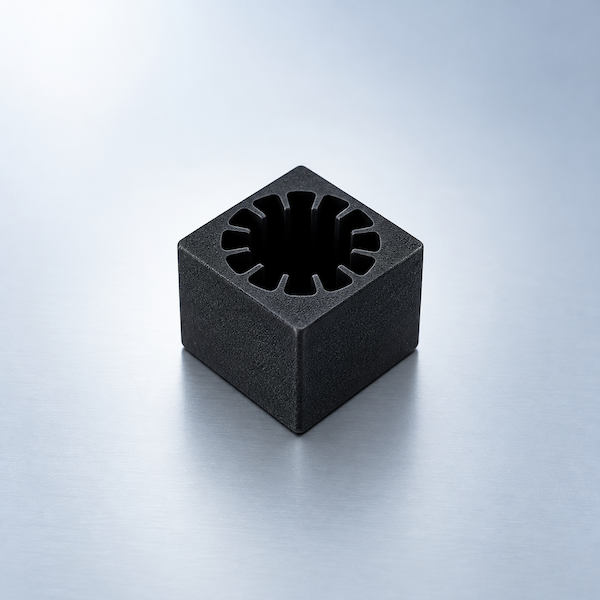
Process, finish, and file notes from the shop — not a marketing blog.
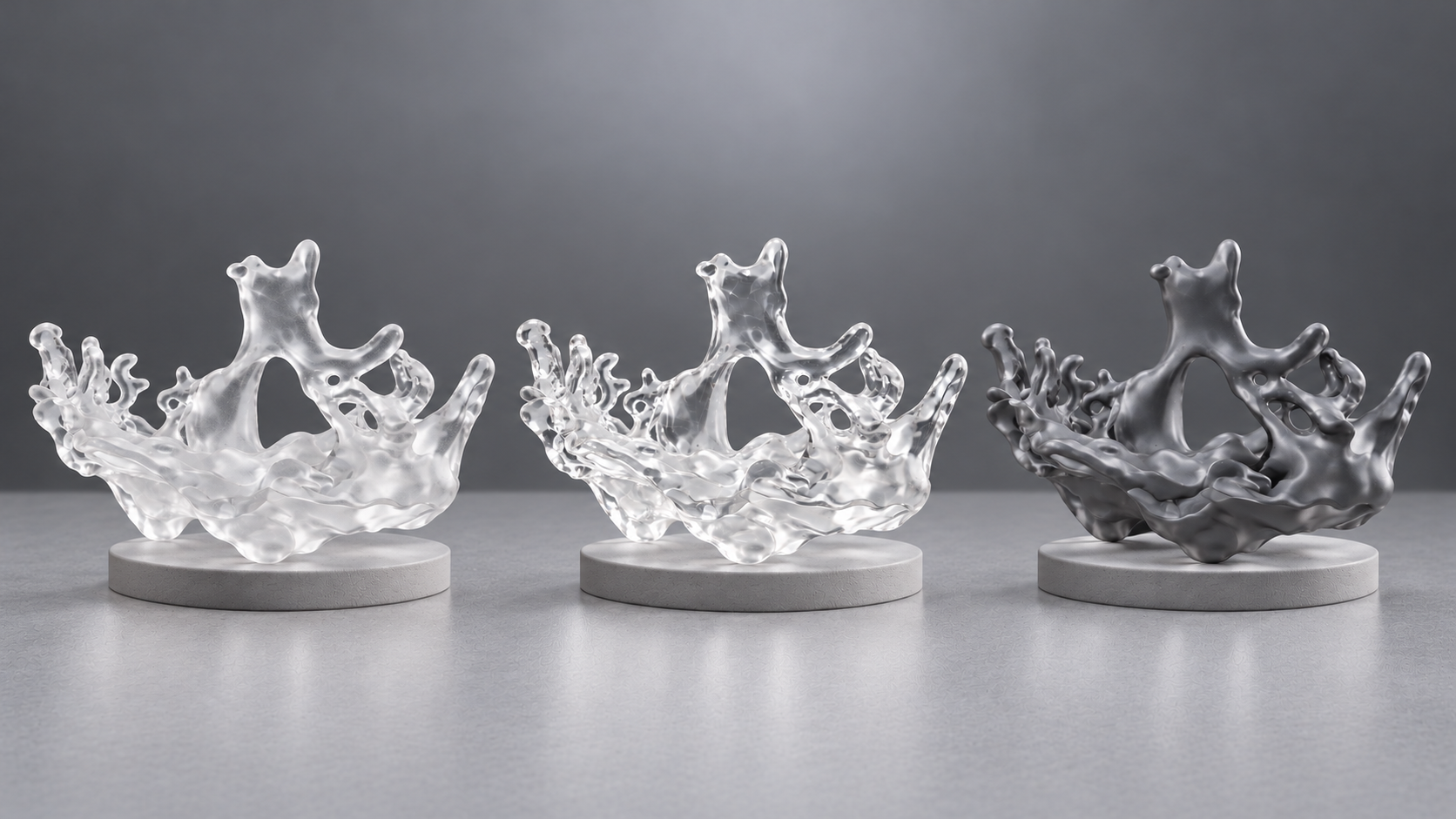
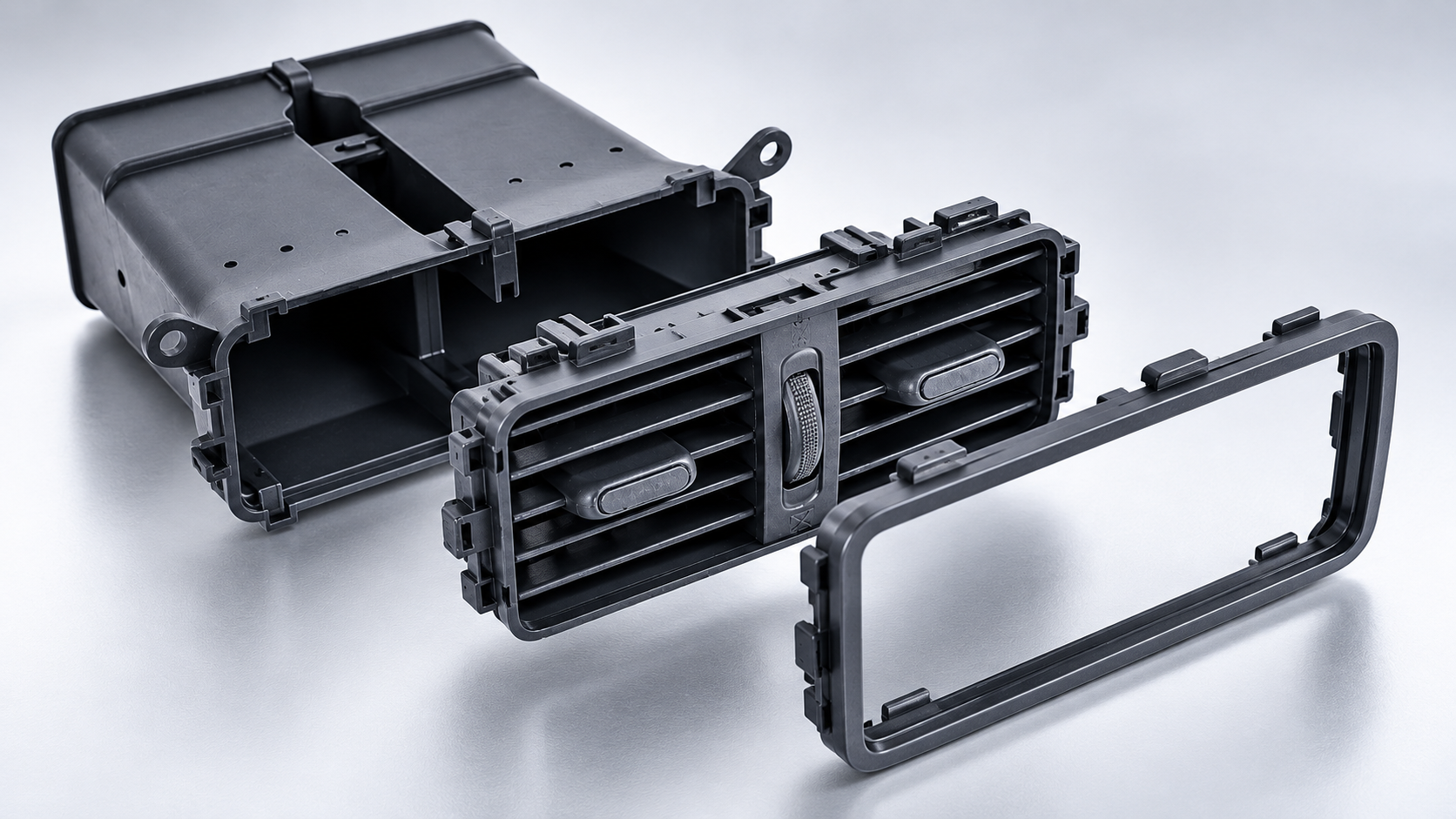
Company, payment, shipping, and process answers by topic.
Production lead times, shipping options, and order tracking.
AIHFABS quotes custom 3D printing and CNC machining from a CAD upload. Compare SLA, SLS, MJF, SLM, FDM, DLP, milling, and turning, then add finishing such as vapor smoothing, dyeing, anodizing, polishing, or powder coating in the same order.
Instant quoting is built for prototypes, jigs, housings, and small-batch production. You see material, process, quantity, and lead time together, which keeps engineering changes from turning into a new round of supplier emails.
You can review material, process, quantity, and lead time together, so engineering changes do not turn into another round of supplier emails.
Upload STL, STEP, and other common CAD formats for an online quote.
Compare 3D printing technologies and CNC options on the same part.
Select polymers or metals, then add 3D Plus hardware finishing when needed.
Review price and lead time before checkout, or request a manual quote for special specs.
If this page describes a process, industry, or sample part you want to reproduce, start from the upload flow and match technology plus finishing to your drawing.
We use cookies to personalize your experience. By using this site, you agree to our Privacy Policy
Accept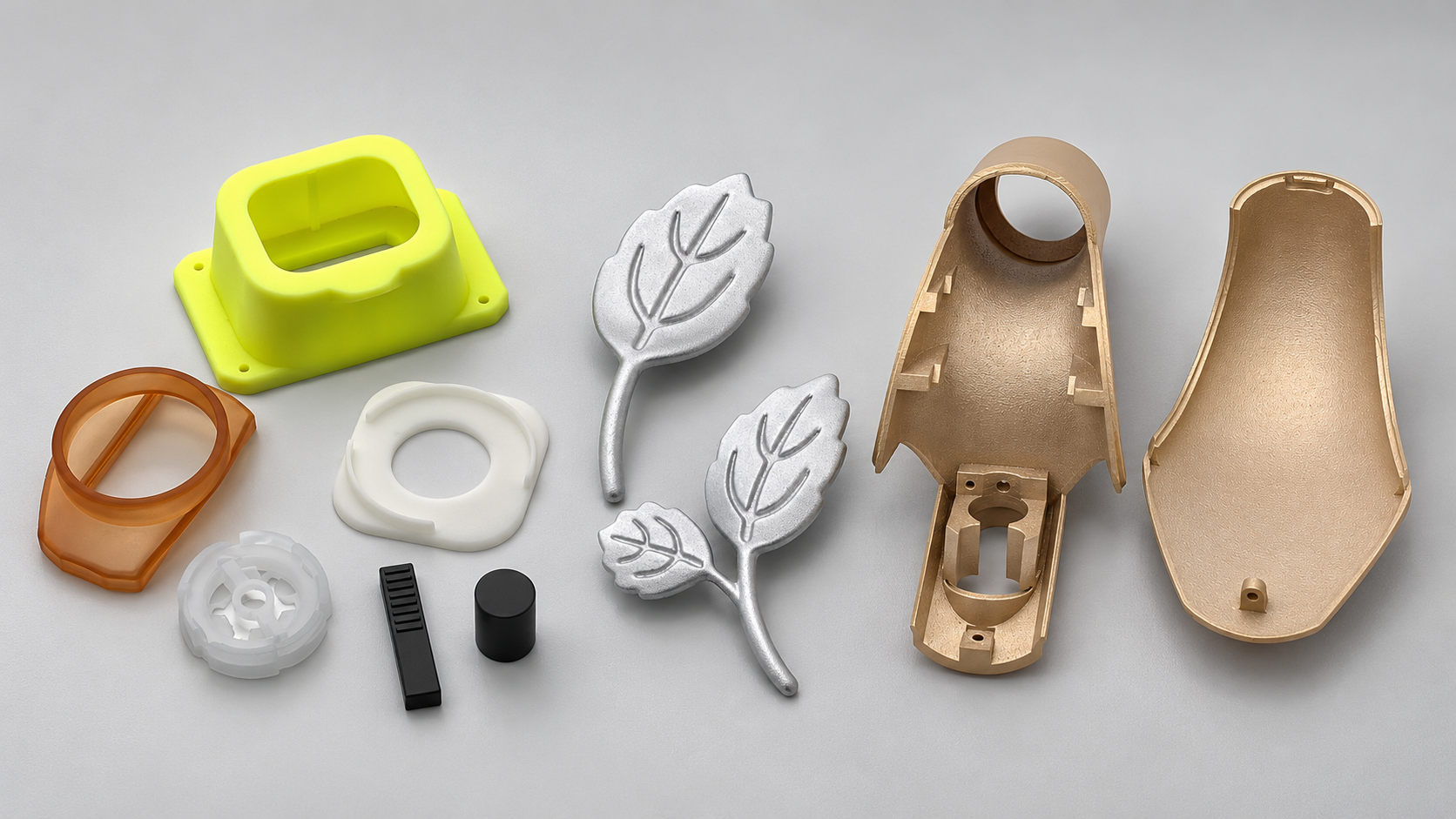

Leave A Comment