
3D Printing
Stereolithography (SLA)
Stereolithography (SLA) cures liquid photopolymer with a precision UV laser, building parts layer by layer.
Create a quote
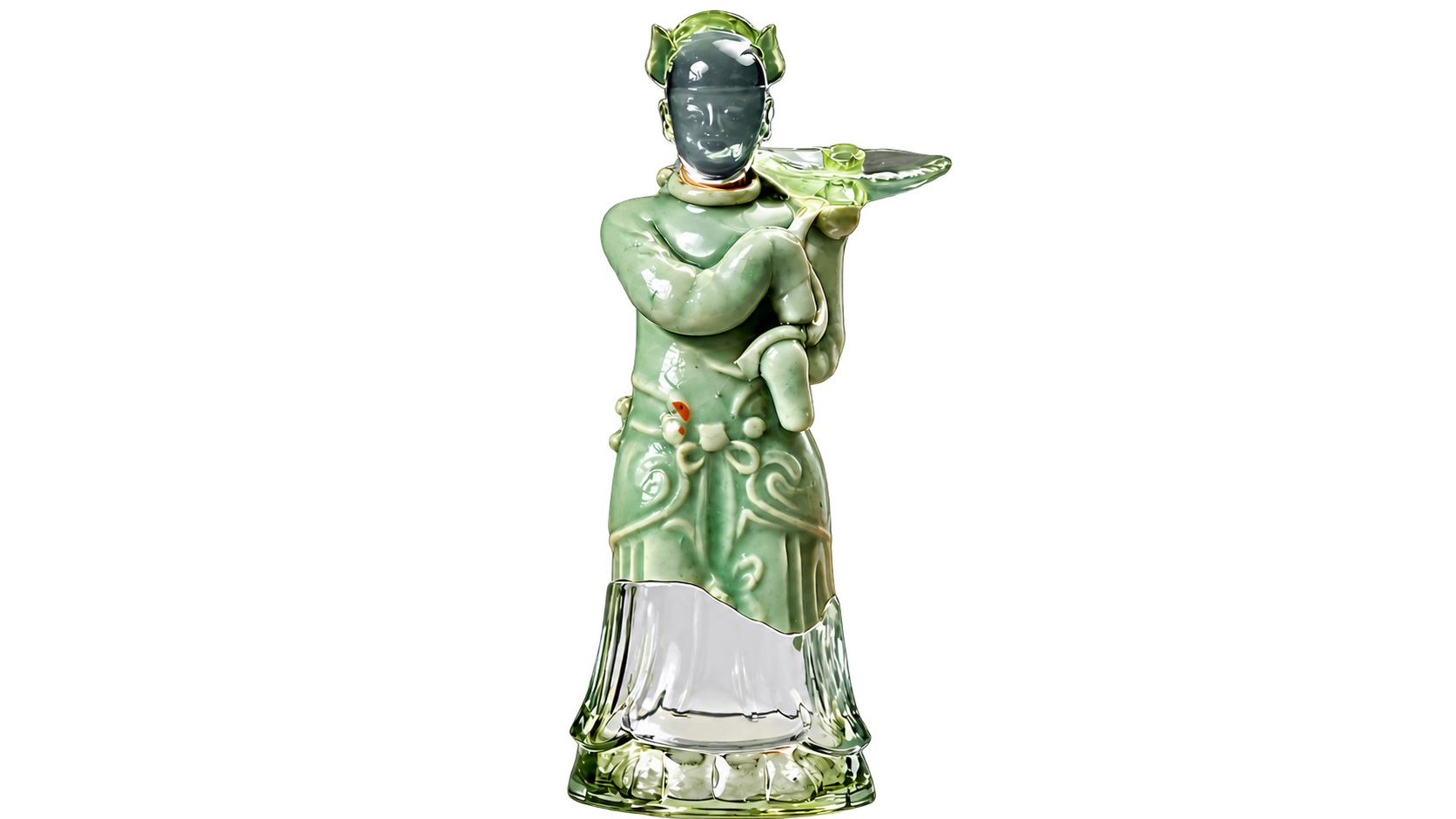
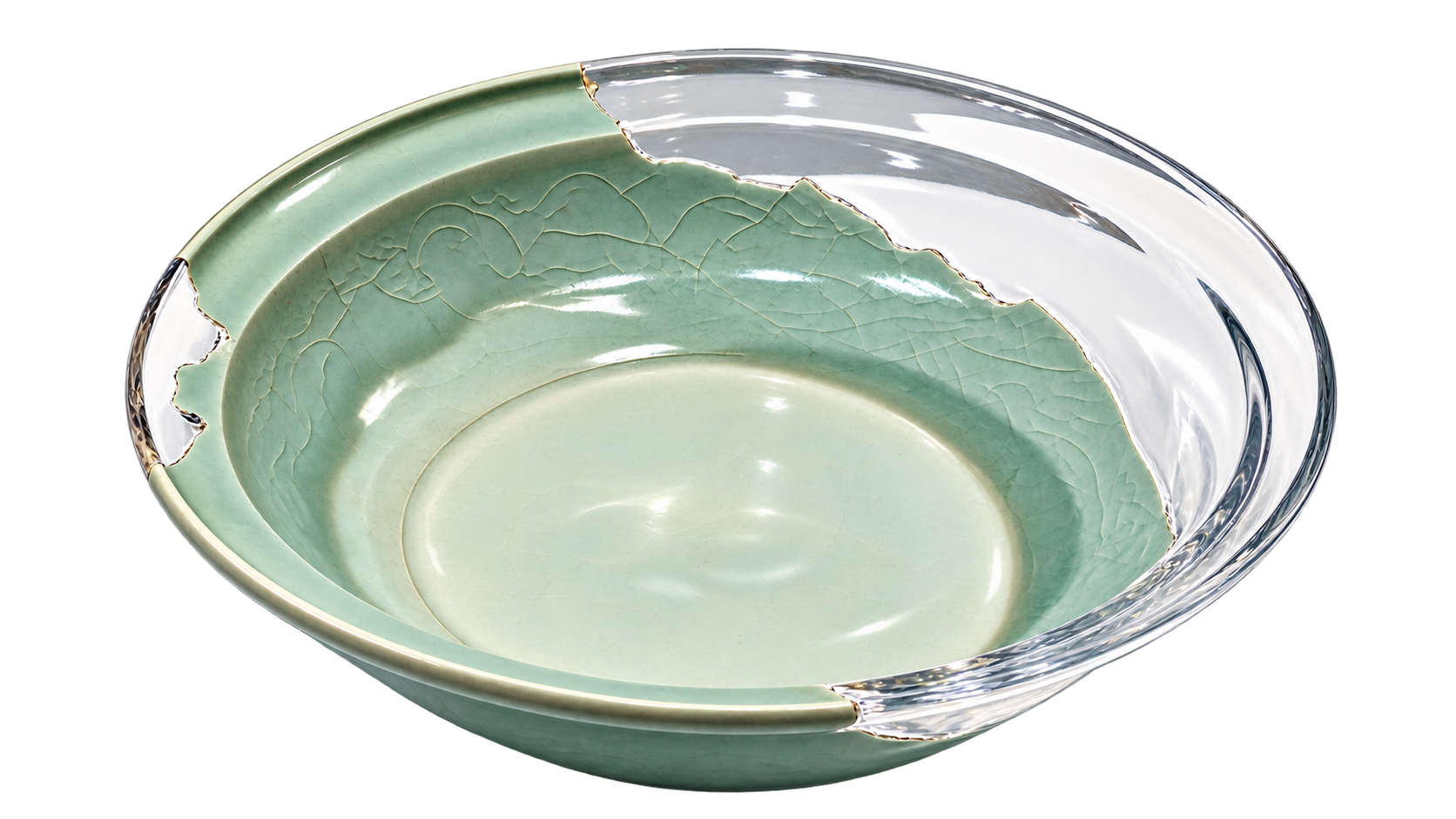
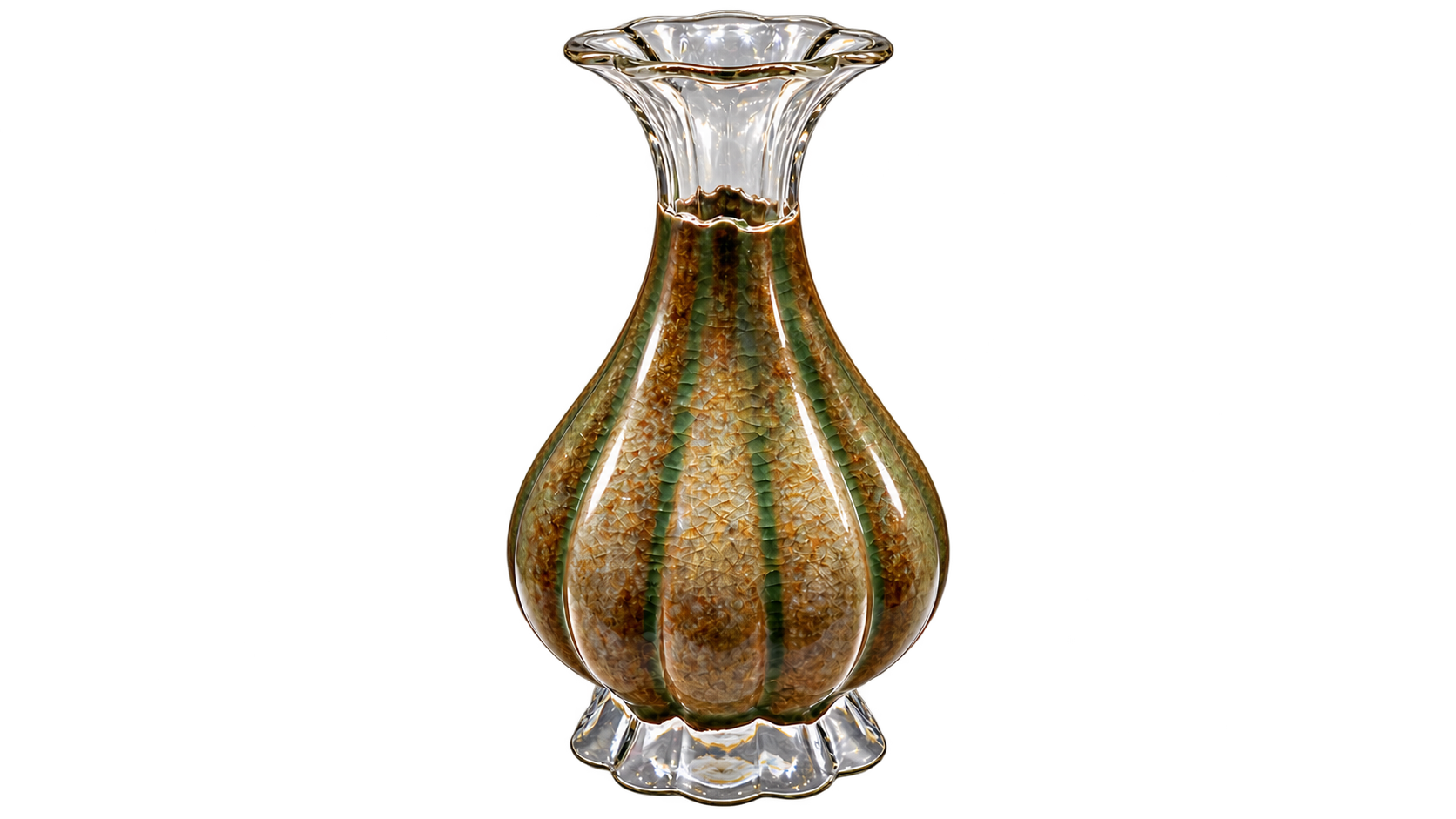
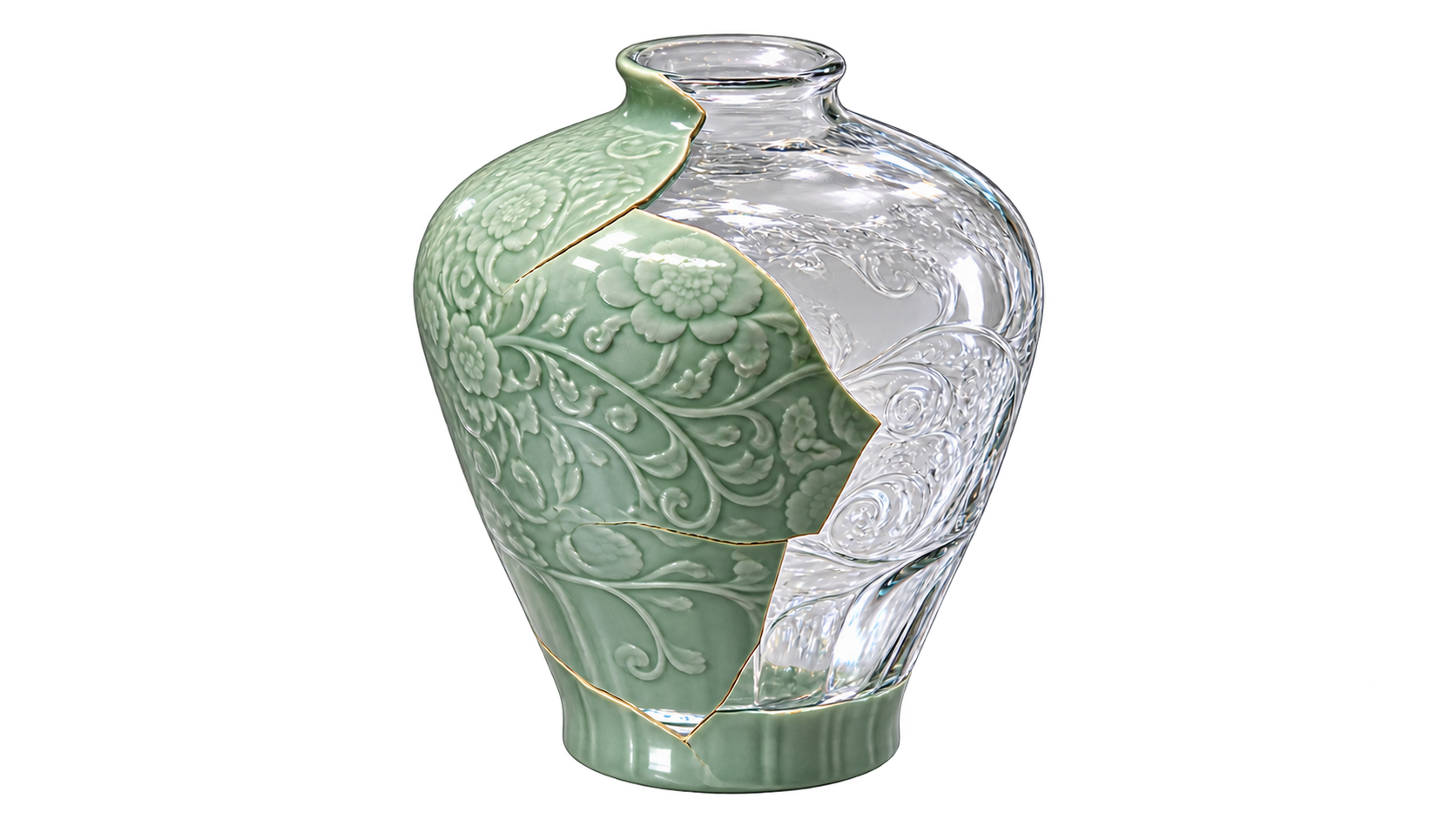
This case study highlights the innovative application of SLA stereolithography with Premium Clear Resin for the restoration and replication of fragmented historical artifacts in museum collections. Leveraging the material’s exceptional transparency, ultra-smooth surface finish, and high detail resolution, the project enabled conservators to recreate missing components of fragile antique glassware and ceramic pieces with optical-grade clarity. The approach demonstrates how clear resin 3D printing
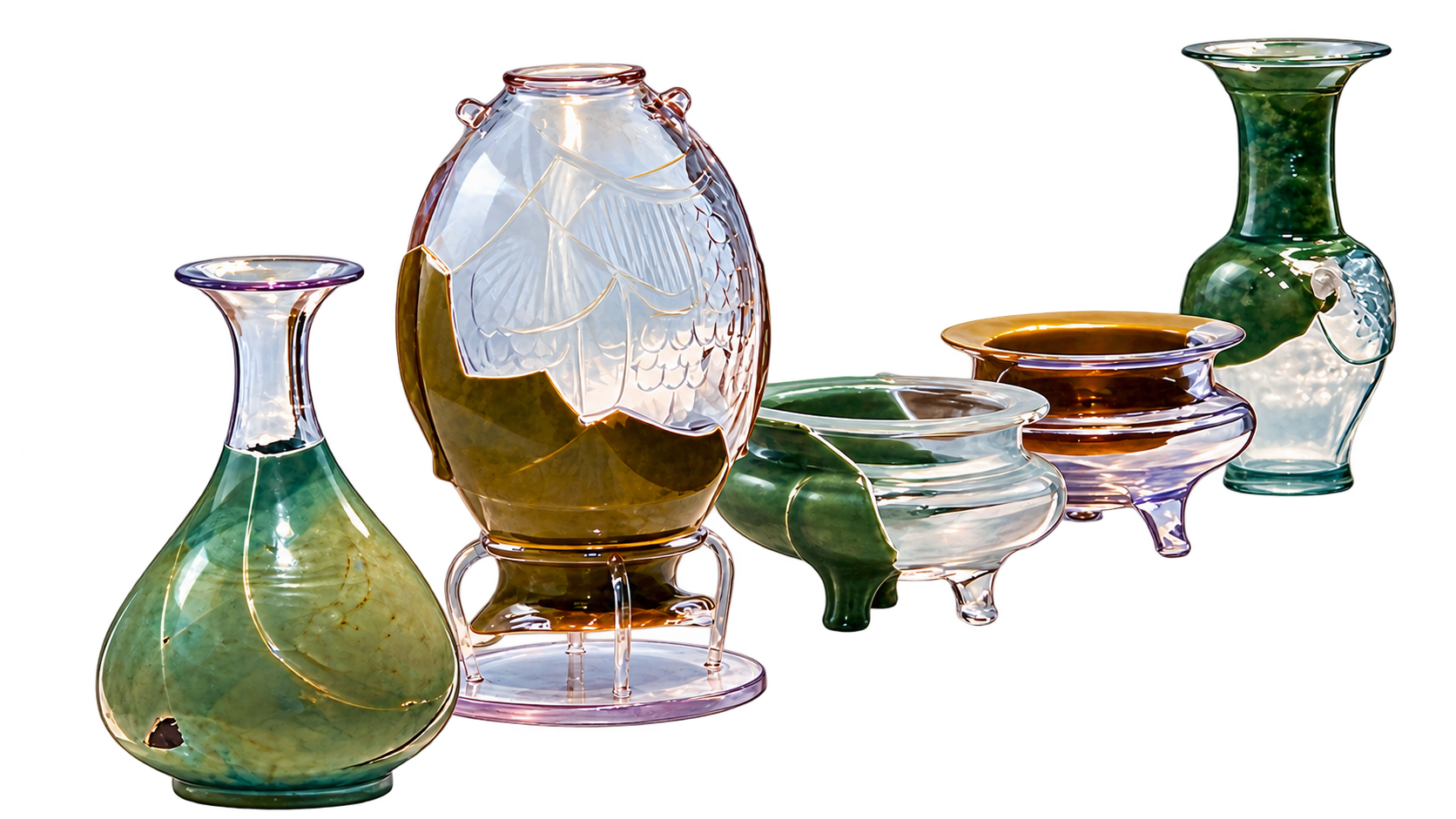
A regional museum specializing in ancient glassware and ceramic artifacts recently acquired a collection of fragmented historical pieces, including ornate green glass vessels, spherical decorative orbs with gold filigree patterns, and intricately carved glass bowls. These artifacts had suffered significant damage over centuries—chips, cracks, and missing sections compromised both their structural integrity and aesthetic value. Traditional restoration methods such as epoxy filling or glass fusing required extensive manual labor, carried risks of further damage to fragile originals, and often produced visible repair lines that detracted from the pieces’ classical beauty.
The museum’s conservation team needed a solution that could precisely replicate missing geometric forms in a transparent material matching the optical properties of original glass, while remaining fully reversible (a key requirement in modern conservation ethics). Conventional glass blowing or casting was impractical for one-off repair components, and silicone molding introduced unwanted surface texture. The team required a method delivering museum-grade surface quality, dimensional precision, and optical clarity at a fraction of traditional craft costs.
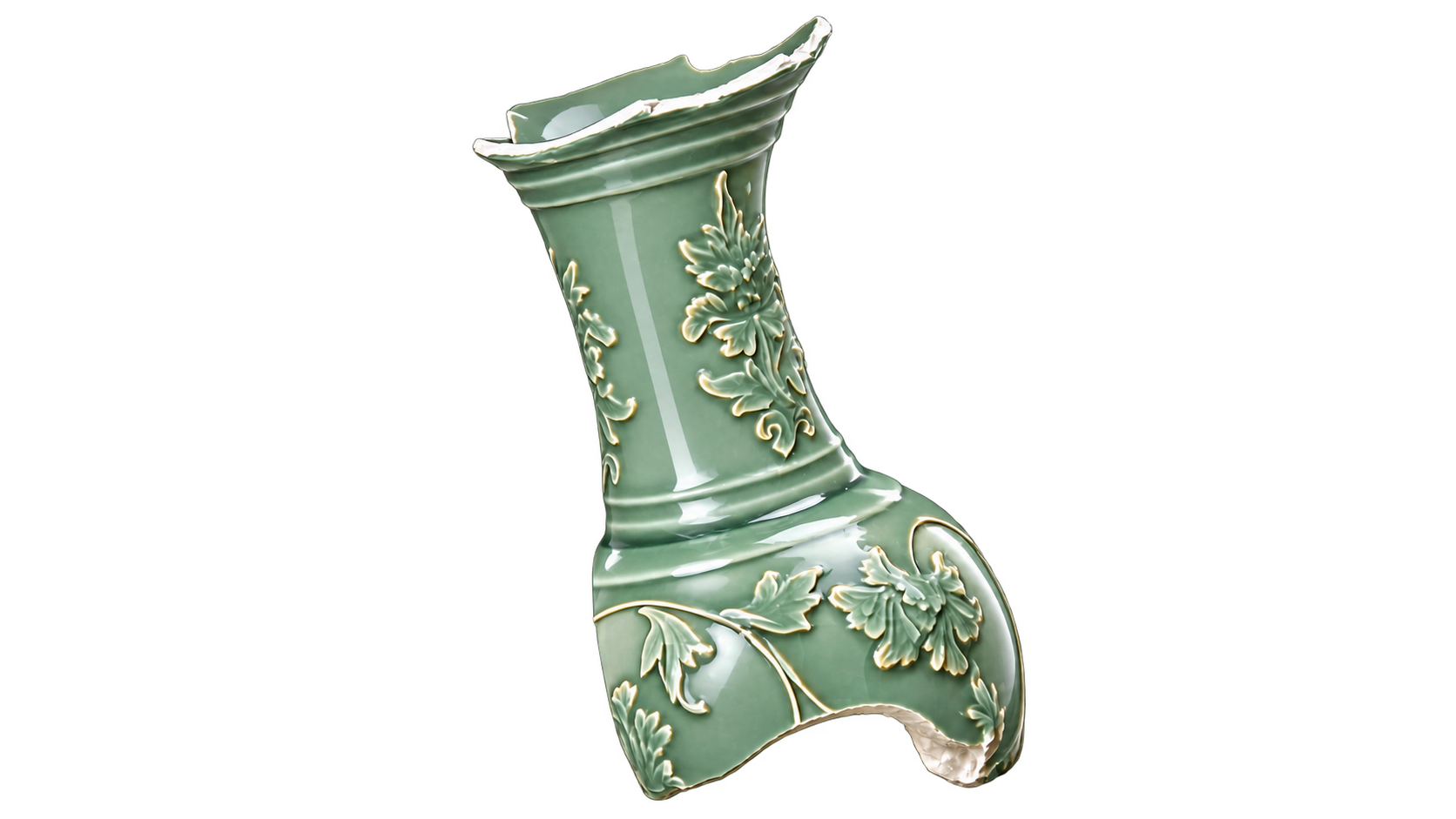
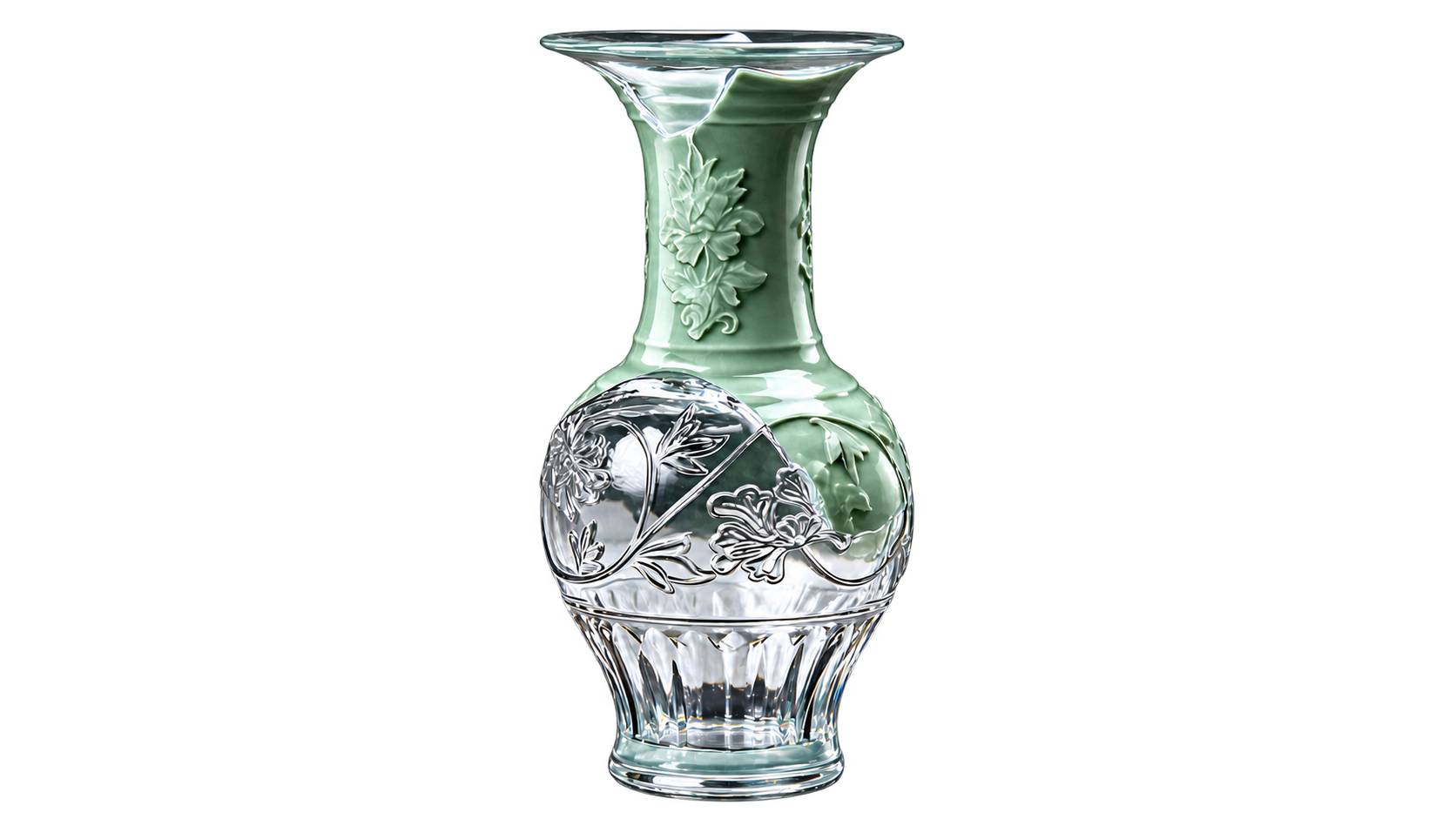
The team selected SLA (Stereolithography) as the printing process and chose Premium Clear Resin from the AIHFABS resin materials catalog for its exceptional transparency, smooth surface finish, and high detail precision. The clear resin’s optical properties closely mimic traditional glass, making it ideal for restoration components that must blend seamlessly with original artifact surfaces. Key strategies included:
Surface Optimization: Clear resin was selected specifically for its glass-like transparency and ultra-smooth surface. The SLA process produces parts with ultra-fine layer resolution, eliminating visible layer lines that would be distracting on restoration fills. Parts emerged from post-cure with a naturally glossy, glass-like appearance requiring minimal additional finishing.
Non-Invasive Restoration Approach: Rather than modifying original artifacts, 3D-scanned missing sections were printed as separate clear resin components that could be physically fitted into gaps using reversible adhesive methods. This fully complies with modern conservation ethics requiring all restoration materials to be removable without damaging the original.
Precision Fit via 3D Scanning: Each fragmented artifact was first 3D scanned to capture the exact geometry of missing sections. The digital model was then edited to reconstruct the original form, and the resulting CAD file was sent for SLA printing. Tolerances of ±0.2mm ensured restoration pieces fit snugly within original fracture lines without gaps or pressure points.
Cost Efficiency: Compared to commissioning a master glass blower or optician to hand-craft individual repair pieces—a process that could cost $500–$2,000 per component—SLA clear resin printing reduced per-unit cost to under $30, making comprehensive restoration of entire collections economically feasible.
Challenge 1 — Optical Clarity vs. Structural Integrity: Clear resin, while visually stunning, can be more brittle than standard white resin. For restoration pieces that must bear slight mechanical stress during fitting, brittleness risked cracking. Resolution: Post-cure duration was extended to 60 minutes (vs. standard 30 minutes) to maximize cross-linking and impact resistance, and support structures were designed to distribute handling stress evenly during removal.
Challenge 2 — Matching Original Glass Refraction: The museum’s antique glass pieces exhibited subtle variations in transparency and refraction due to age and original manufacturing techniques. Standard clear resin, while transparent, had a slightly different refractive index than aged glass. Resolution: A thin coat of optically clear UV resin was applied to printed restoration pieces to fine-tune surface gloss and light transmission, achieving a near-invisible blend with original artifact surfaces.
Challenge 3 — Complex Geometry with Internal Cavities: Several artifacts featured hollow chambers and internal decorative patterns that required the printed restoration piece to replicate hollow structures. Uncured resin trapped inside hollow sections could compromise clarity. Resolution: Drain holes were strategically designed into the CAD model to allow uncured resin to escape during printing, and internal supports were minimized to preserve hollow cavities.
Challenge 4 — Reversibility Requirement: Museum conservation standards require that all restoration materials be reversible—removable without harming the original. Standard adhesives can stain or etch aged glass. Resolution: Mechanical interlock design (tiny tabs and slots printed into the resin piece) combined with reversible Paraloid B-72 adhesive (a standard conservation-grade adhesive) ensured secure yet fully reversible attachment.
Restoration Quality: All printed clear resin restoration components achieved optical-grade clarity with no visible layer lines. When fitted into artifact gaps, the transparent pieces blended seamlessly with original glass, preserving the classical aesthetic without introducing visual distractions.
Cost Reduction: Per-component restoration cost dropped by approximately 90% compared to hand-crafted glass repair pieces ($30 vs. $500–$2,000). This enabled the museum to restore an entire collection of 15 fragmented pieces within a single budget cycle—previously only 2–3 pieces could have been addressed.
Turnaround Time: From 3D scan to finished restoration component in 3–5 business days, enabling the museum to rapidly prototype different restoration approaches and present multiple options to curators before finalizing each piece.
Dimensional Accuracy: Parts achieved ±0.2mm tolerance on well-supported features, ensuring restoration components fit precisely within original fracture lines. Fine surface details such as engraved patterns and decorative motifs were faithfully reproduced in the clear resin fills.
Reversibility Confirmed: All restoration pieces were successfully removed using standard conservation solvents without any damage to original artifact surfaces, fully meeting museum accreditation standards for reversible intervention.
Exhibition Impact: The restored collection was featured in a special museum exhibition titled “Reimagined Through Light,” showcasing how modern technology can breathe new life into ancient artistry. The exhibition attracted record visitor numbers and generated significant media coverage for the museum.
Title: “Light Restored: Clear Resin SLA Printing for Museum Artifact Preservation”
Key Features:
Optical Clarity: Premium Clear Resin delivers glass-like transparency, ideal for restoration pieces that must visually merge with original artifacts.
Ultra-Smooth Surface: Fine SLA layers produce optically smooth surfaces requiring minimal post-processing—critical for invisible restoration fills.
Non-Invasive & Reversible: Printed components are physically fitted (not permanently bonded) to originals, fully complying with museum conservation ethics.
Cost-Effective Preservation: SLA clear resin printing makes comprehensive restoration of entire artifact collections economically viable for museums of all sizes.
Fast Turnaround: From digital scan to physical restoration piece in 3–5 business days.
Why Choose SLA Clear Resin for Museum Restoration?
Best Material for Transparent Restoration: Clear resin is the premier choice for museum artifact repair, optical prototypes, and transparent display models where visual fidelity matters most. Explore our SLA printing services and clear resin materials to discover how additive manufacturing can serve cultural heritage preservation.

3D printing and CNC on the same quote. Open a process, then upload CAD.
Stereolithography (SLA) cures liquid photopolymer with a precision UV laser, building parts layer by layer.
Create a quote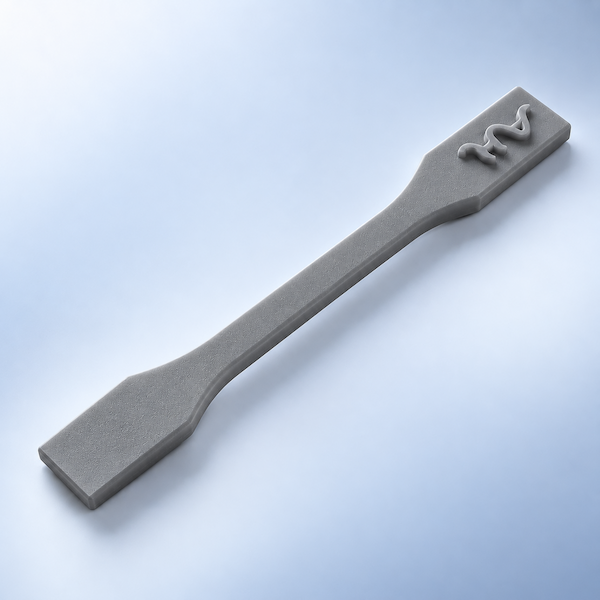
Digital Light Processing (DLP) solidifies an entire layer of photopolymer at once using a projected image.
Create a quote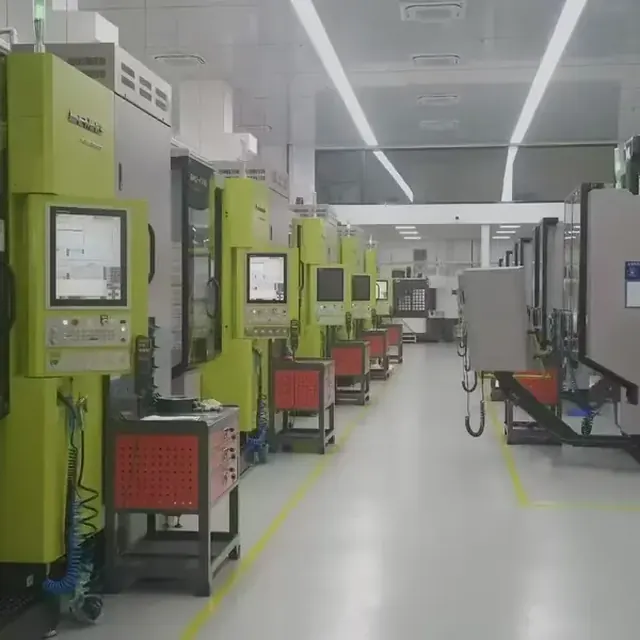
Swiss CNC Machining Services is a precision turning technology designed for small-diameter, slender, highly complex, and ultra-high-precision parts.
Create a quote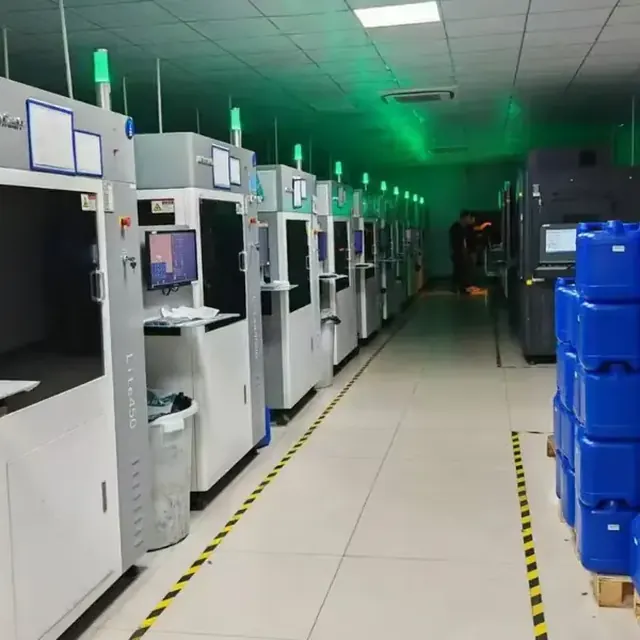
Precision Machining Services use high-precision CNC machine tools and related equipment to cut, form, and finish metals, plastics, and other materials at micrometer-level accuracy — meeting stringent requirements for dim…
Create a quoteResins, nylons, metals, and more. Each card jumps to the catalog row.
Process, finish, and file notes from the shop — not a marketing blog.
Company, payment, shipping, and process answers by topic.
Production lead times, shipping options, and order tracking.
Review AIH commitments to print quality, secure handling of your files, transparent pricing, and support for every 3D printing order.

Review AIH commitments to print quality, secure handling of your files, transparent pricing, and support for every 3D printing order.

Post-processing, finishing, and OEM customization via 3D Plus™.
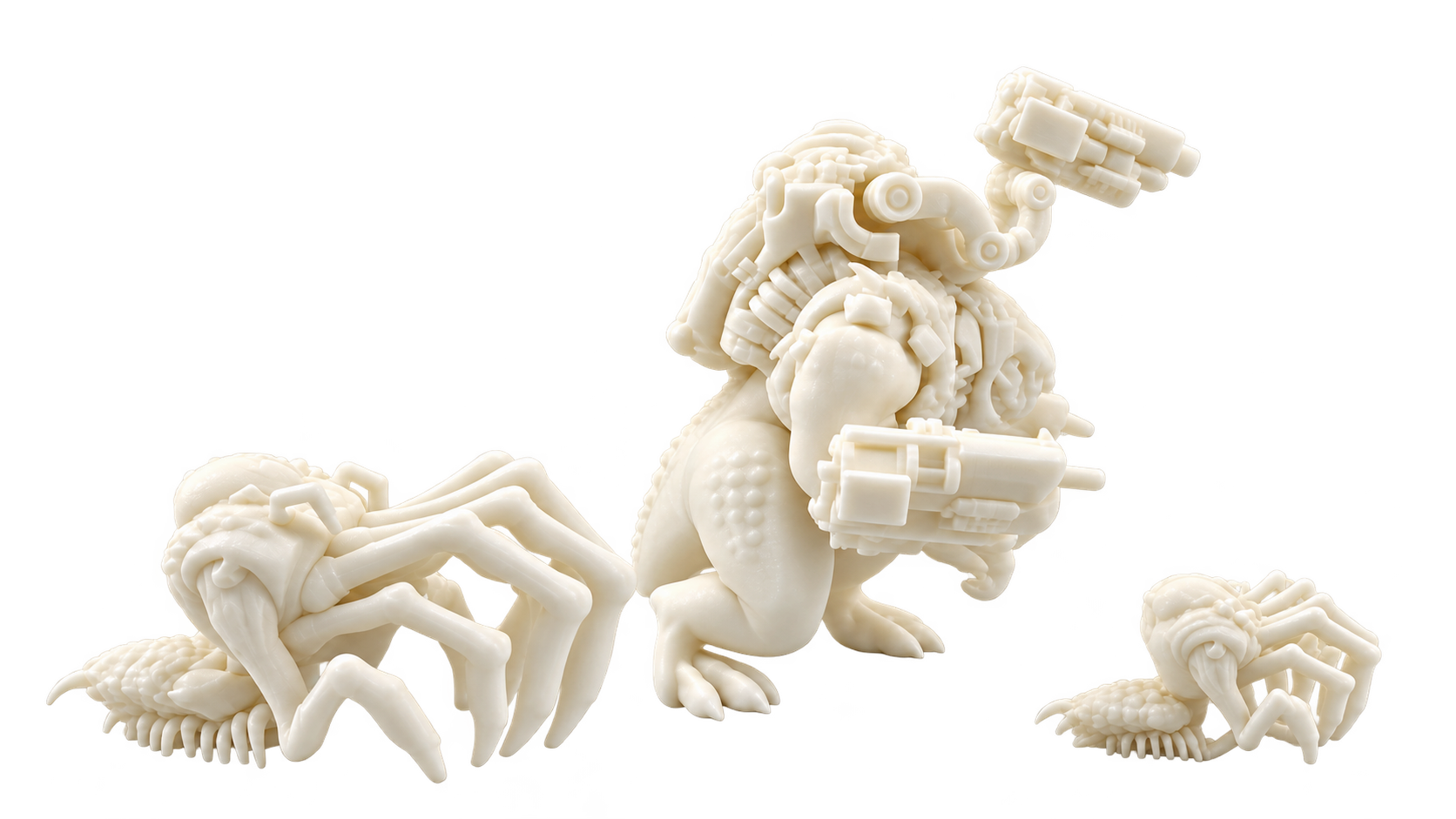
This case study highlights the successful application of SLA stereolithography with white resin for producing high-detail decorative display models. Leveraging the material's ultra-smooth surface finish, zero visible support marks, and cost-effective pricing, the project delivered presentation-grade figurines with exceptional dimensional accuracy and rapid turnaround. The approach demonstrates why white resin remains the premier choice for visual and collectible parts where surface quality and a
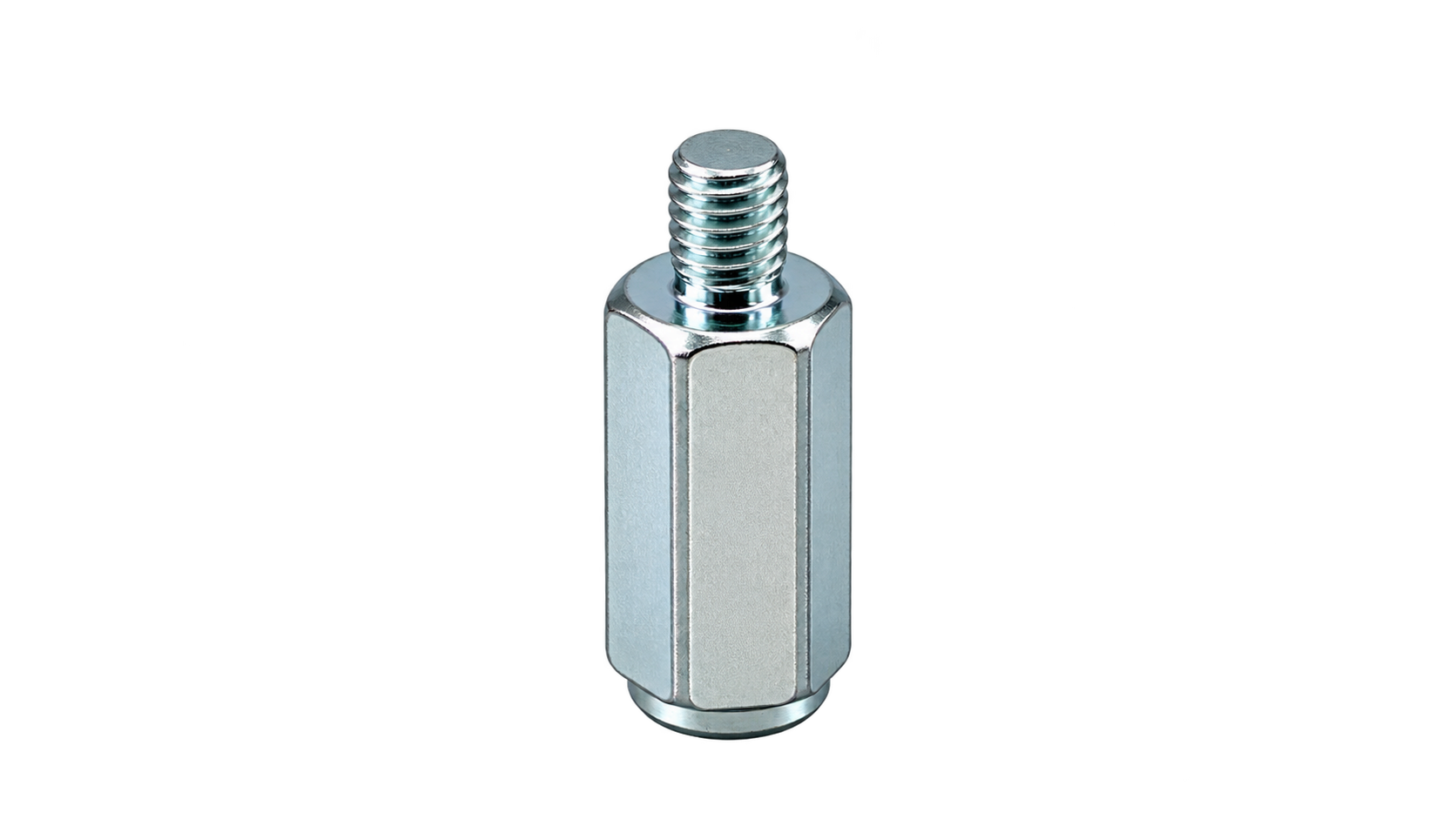
This case study demonstrates the successful application of SLM metal 3D printing with metal materials for rapid production of high-strength functional metal bolts. Through DFM strategies — including optimized build orientation, strategic support design, and post-processing workflows — the project achieved a 55% reduction in prototyping costs, 60% faster production compared to CNC machining, and ±0.3mm dimensional accuracy for precision-threaded metal fasteners. The study addresses SLM-specific c
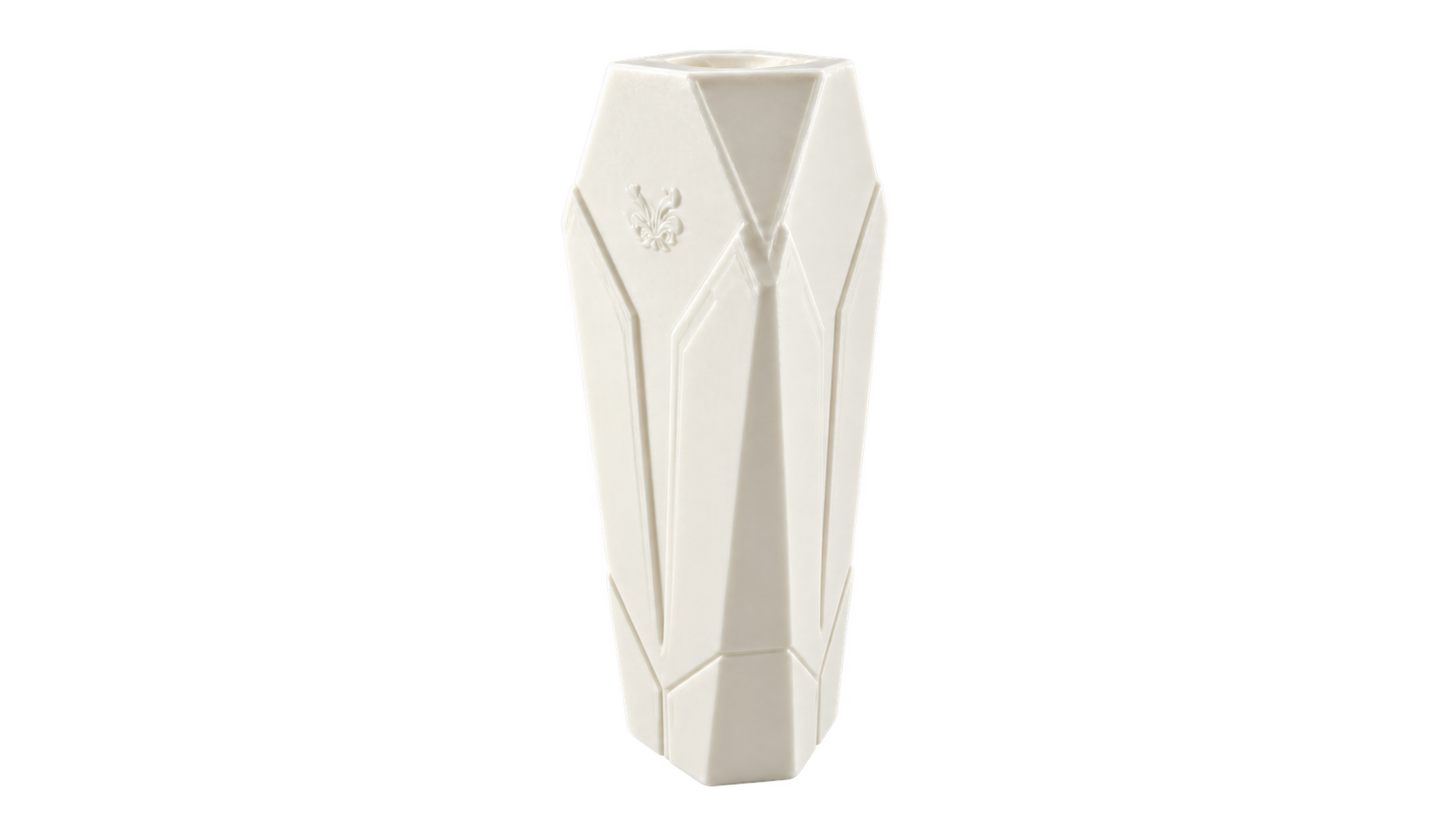
This case study demonstrates the successful application of FDM 3D printing with PLA for rapid production of Mandel bricks — popular game props beloved by children. Through DFM strategies including optimized support structures, safe non-toxic material selection, and colorful post-processing, the project achieved significant cost reduction compared to traditional manufacturing, fast turnaround for custom designs, and child-safe, smooth-finish products. The study addresses PLA-specific consideratio
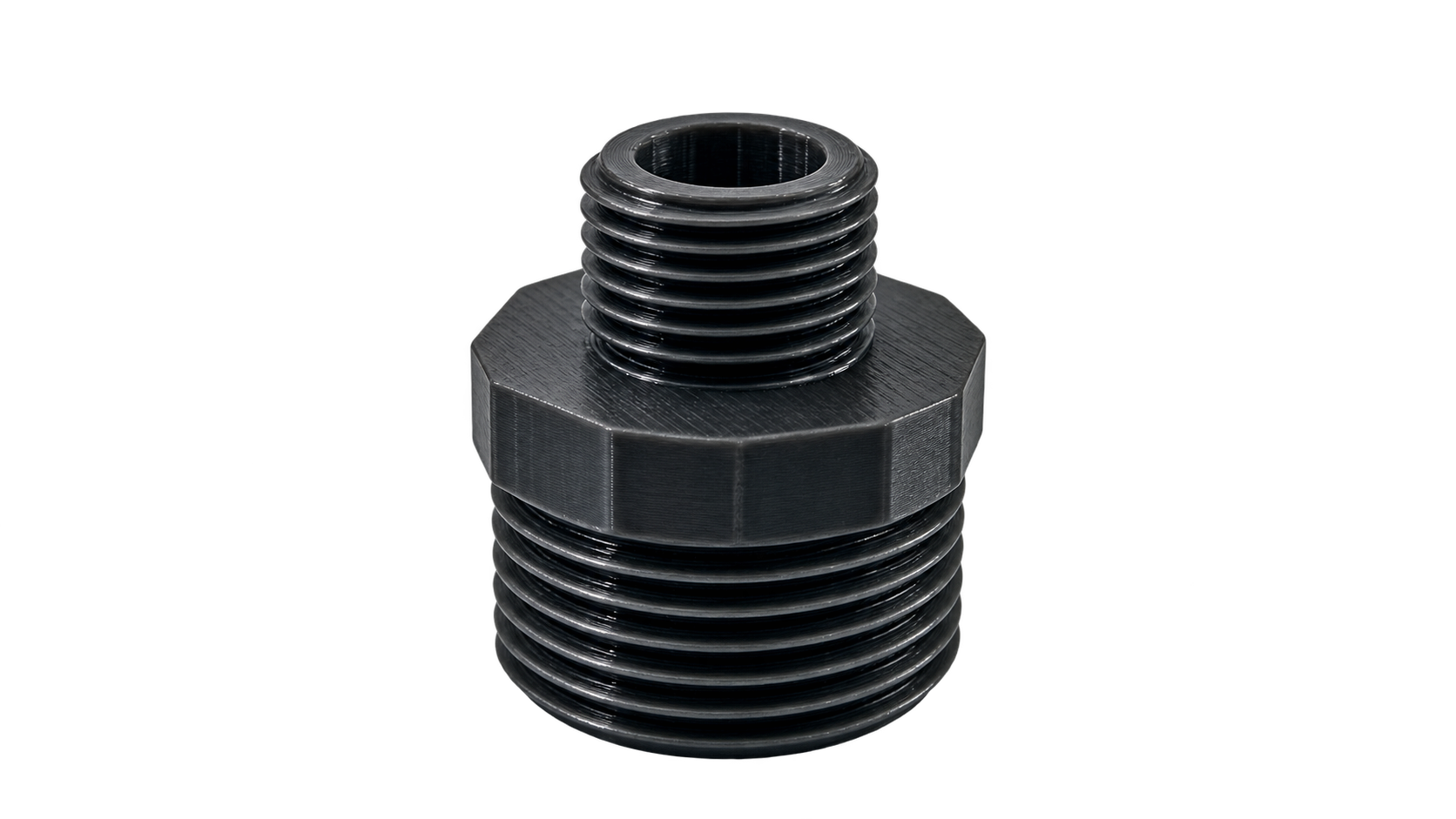
This case study demonstrates the successful application of FDM 3D printing with ABS for rapid production of functional fluid connectors. Through DFM strategies—including optimized support structures, heated bed enclosure, and acetone vapor smoothing— the project achieved a 70% reduction in prototyping costs, 60% faster production compared to CNC machining, and ±0.1mm thread accuracy for pressure-resistant connectors. The study addresses ABS-specific challenges such as warping and post-processing
We use cookies to personalize your experience. By using this site, you agree to our Privacy Policy
Accept