
3D Printing
Liquid Crystal Display (LCD)
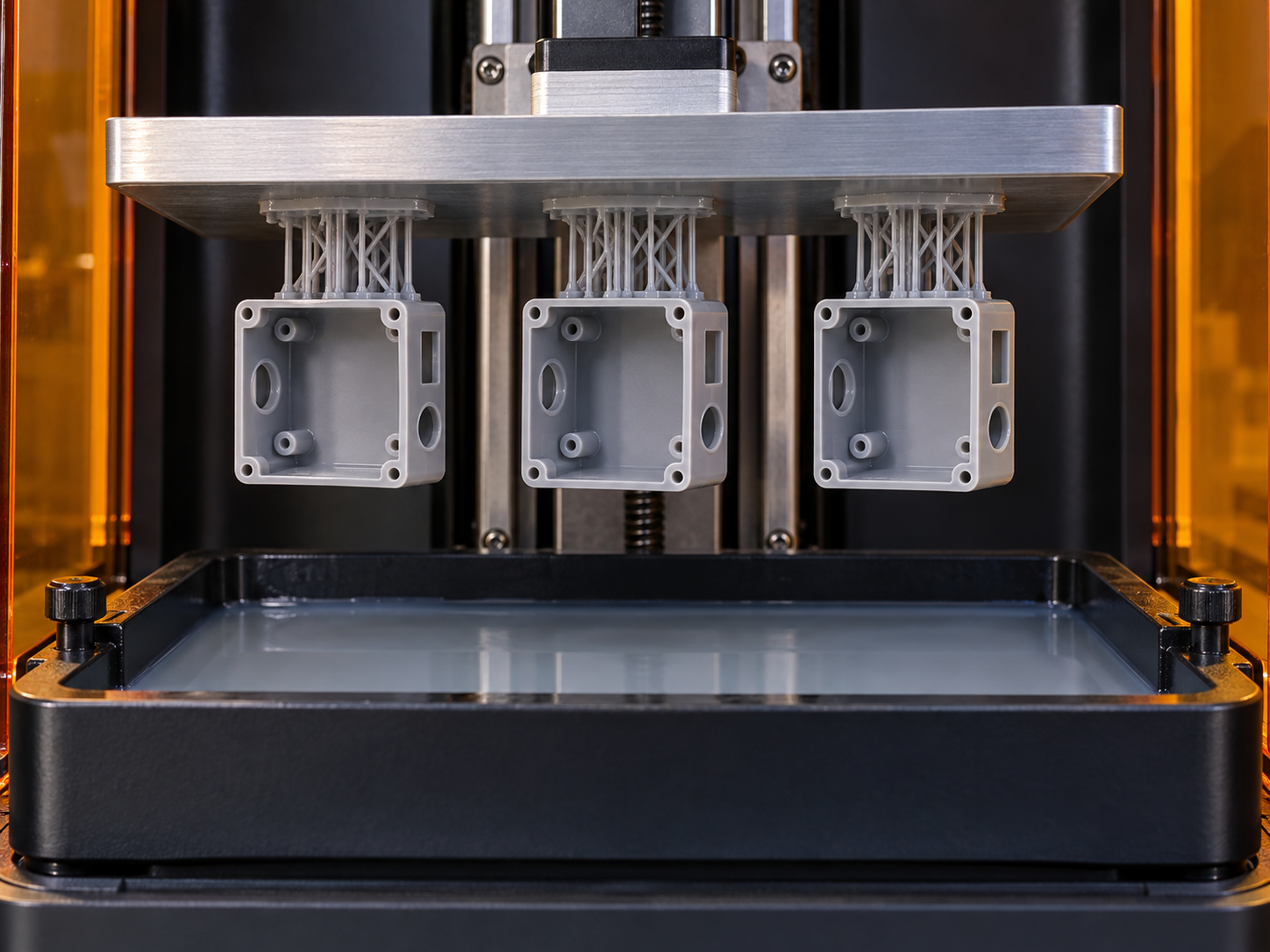
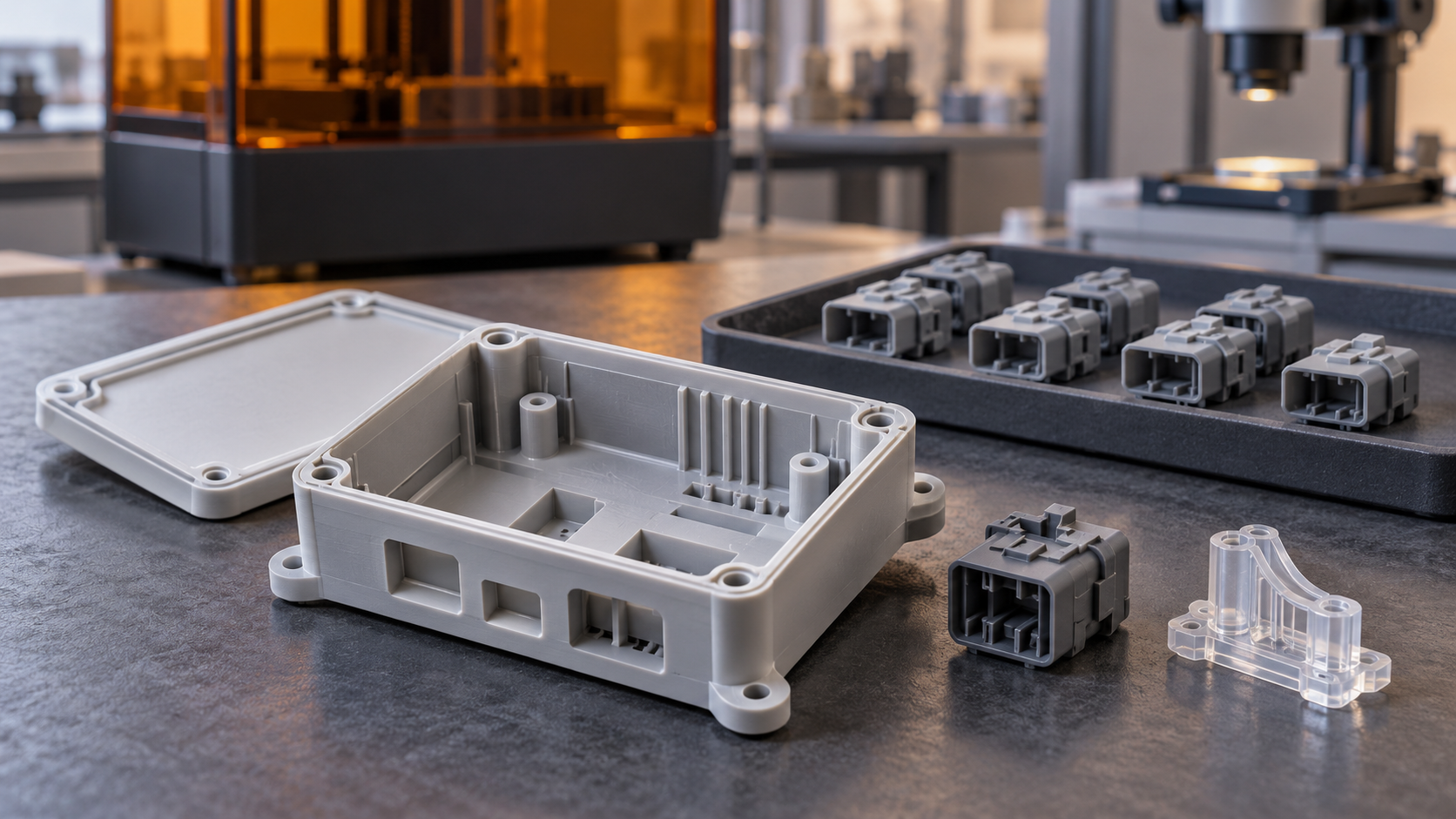
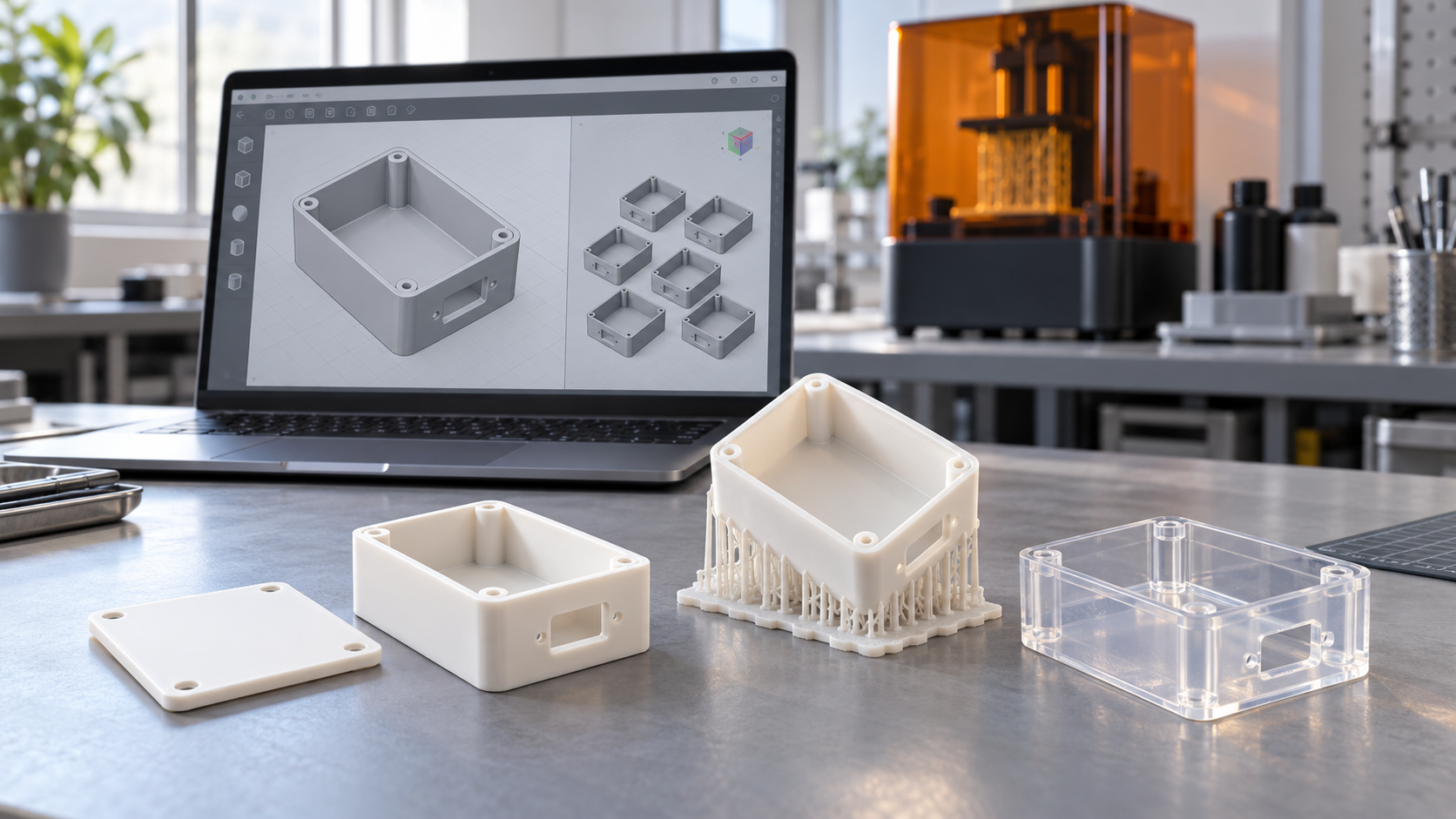
Liquid Crystal Display (LCD) printing — also called MSLA — cures a full layer of photopolymer at once.
Create a quote
This case study demonstrates the successful application of FDM 3D printing with PLA for rapid production of Mandel bricks — popular game props beloved by children. Through DFM strategies including optimized support structures, safe non-toxic material selection, and colorful post-processing, the project achieved significant cost reduction compared to traditional manufacturing, fast turnaround for custom designs, and child-safe, smooth-finish products. The study addresses PLA-specific consideratio
A children's game design studio sought to produce Mandel bricks — popular game props beloved by children — in large quantities with custom designs and vibrant colors. Traditional injection molding was too expensive ($5–$15 per unit) and required expensive molds with long lead times (4–6 weeks), making it impractical for iterative design changes and small-batch custom orders. The team needed a solution that could produce safe, non-toxic, colorful game props quickly and affordably, while ensuring the materials met children's product safety standards.
The team adopted polylactic acid (PLA) via FDM 3D printing as the primary material for its non-toxic, eco-friendly properties, vibrant color options, and ease of printing. PLA is derived from renewable resources such as corn starch or sugarcane, making it an ideal choice for children's products. Key steps included:
1. Design for Manufacturability (DFM) Optimization: Engineers redesigned Mandel brick geometries to minimize overhangs and complex interlocking features, reducing the need for excessive support structures. For unavoidable supports, they used tree-like or sparse support patterns to simplify removal without damaging delicate brick surfaces.
2. Rapid Prototyping Workflow: Leveraging FDM 3D printers, the team produced batches of Mandel bricks (in various colors and designs) in under 3 hours per batch — 75% faster than traditional molding. Layer heights of 0.1–0.15mm ensured smooth surfaces suitable for children's hands.
3. Cost Efficiency: PLA filament costs ~$20/kg, and print times were reduced by 35% via optimized layer heights and infill densities (15–20%). Total per-unit cost dropped to $0.30–$1.50, compared to $5–$15 for injection-molded alternatives.
The primary hurdles were post-processing support removal for bricks with fine interlocking details (e.g., tabs, studs, textured patterns) and ensuring child-safe surface quality. Aggressive support removal risked damaging delicate brick features, while rough surfaces were unacceptable for children's products. Solutions included:
• Material Selection: Using PLA+ (a tougher PLA variant) for high-stress brick components to withstand handling by children without breaking.
• Tooling Innovation: Customizing precision tweezers and soft-jaw pliers to gently detach supports without scratching or marking brick surfaces.
• Surface Finishing: Implementing a light sanding and eco-friendly coating process to achieve smooth, child-safe surfaces free of sharp edges or layer-line textures.
• Iterative Testing: Running 3–5 test prints per design to refine support placement and density, achieving a 97% success rate in post-processing.
• Speed: Prototype turnaround time reduced from 4–6 weeks to 48 hours, enabling same-week design revisions and rapid response to children's feedback.
• Cost Savings: Annual production costs dropped by 65% ($15,000 → $5,250) due to cheaper materials, no mold costs, and faster production cycles.
• Safety & Quality: All printed Mandel bricks passed non-toxic material safety checks, with smooth surfaces and vibrant colors that delighted children and received positive feedback from parents.
Title: “Play Safe, Print Fast: PLA 3D Printing for Children's Game Props”
• Safety: PLA is non-toxic, biodegradable, and derived from renewable resources — ideal for children's products.
• Cost: Low material costs ($20/kg PLA) and efficient printing reduce per-unit expenses to $0.30–$1.50.
• Color Variety: PLA is available in dozens of vibrant colors, perfect for creating visually appealing game props.
• Speed: Produce custom Mandel bricks in hours, not weeks — ideal for limited editions and seasonal designs.
• Non-toxic and eco-friendly: Safe for children and the environment.
• Easy to print: Minimal warping, low odor emission, and beginner-friendly.
• Vibrant colors: Wide range of colors available for creative game prop designs.
• DFM-friendly: Optimize supports and geometries to minimize post-processing.
• Our DFM guidelines ensure safe, smooth surfaces for children's products:
• Use tree supports for complex overhangs to simplify removal.
• Print with 0.1–0.15mm layers for smoother surfaces.
• Leverage PLA for non-toxic, child-safe material properties.

3D printing and CNC on the same quote. Open a process, then upload CAD.
Liquid Crystal Display (LCD) printing — also called MSLA — cures a full layer of photopolymer at once.
Create a quote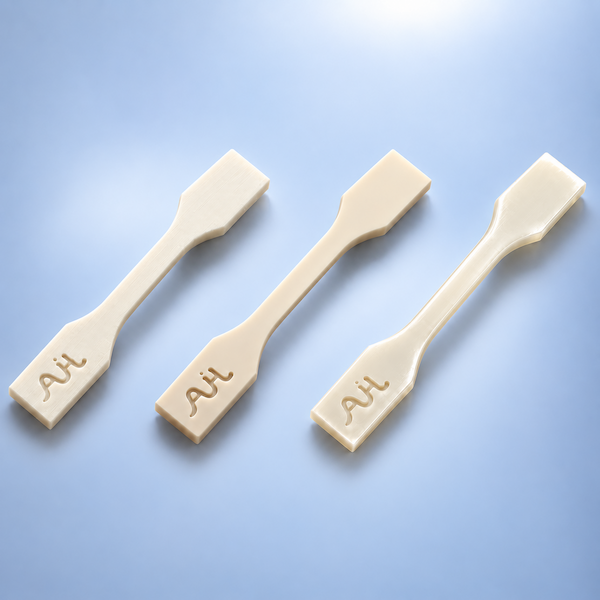
Fused Deposition Modeling (FDM) extrudes heated thermoplastic filament in thin beads, stacking layers to form a part.
Create a quote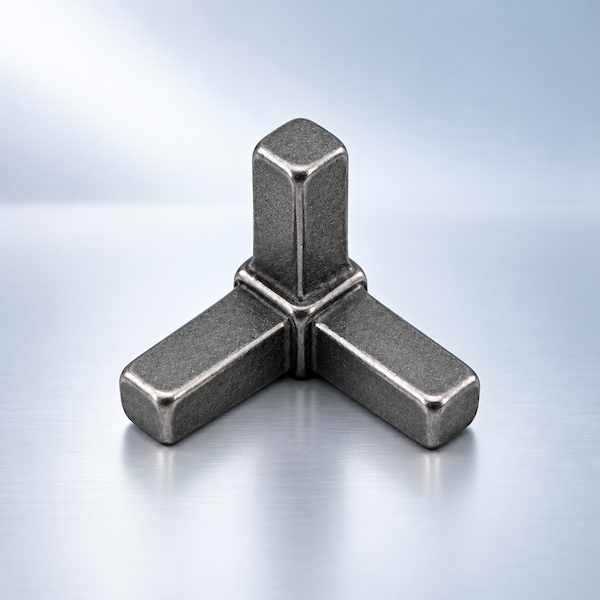
CNC Milling Services use computer numerical control (CNC) mills to cut workpieces with rotating tools according to programmed toolpaths.
Create a quote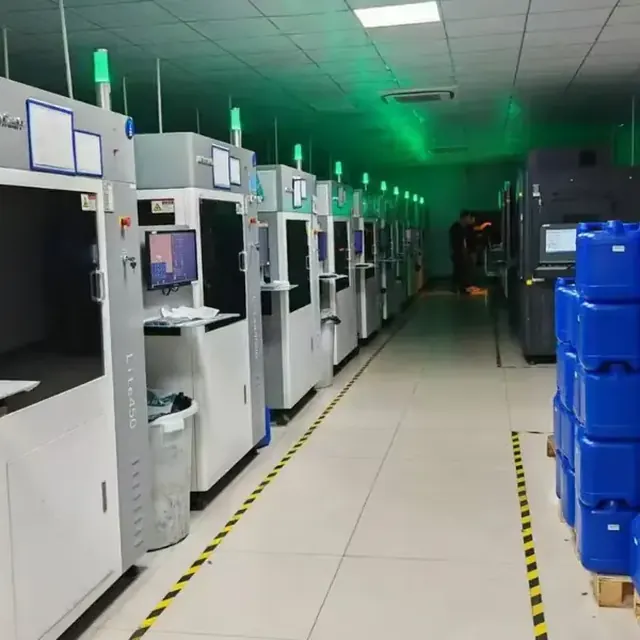
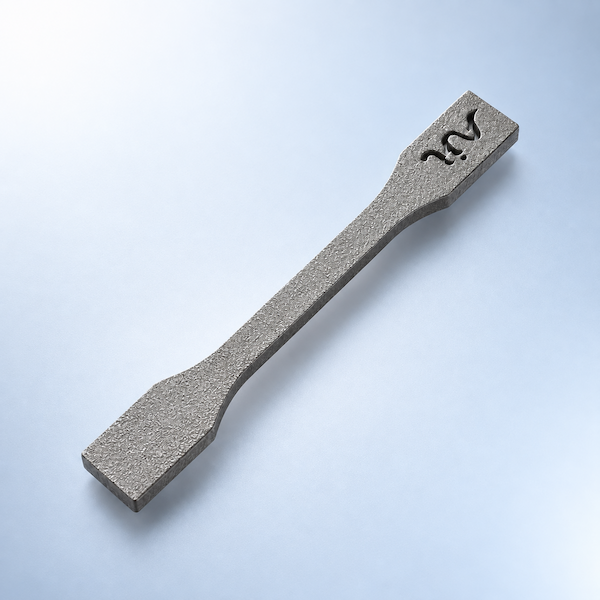
Precision Machining Services use high-precision CNC machine tools and related equipment to cut, form, and finish metals, plastics, and other materials at micrometer-level accuracy — meeting stringent requirements for dim…
Create a quoteResins, nylons, metals, and more. Each card jumps to the catalog row.
Process, finish, and file notes from the shop — not a marketing blog.
Company, payment, shipping, and process answers by topic.

Recommended answers about AIHFABS, technologies, materials, pricing, privacy, and file preparation.

Review AIH commitments to print quality, secure handling of your files, transparent pricing, and support for every 3D printing order.
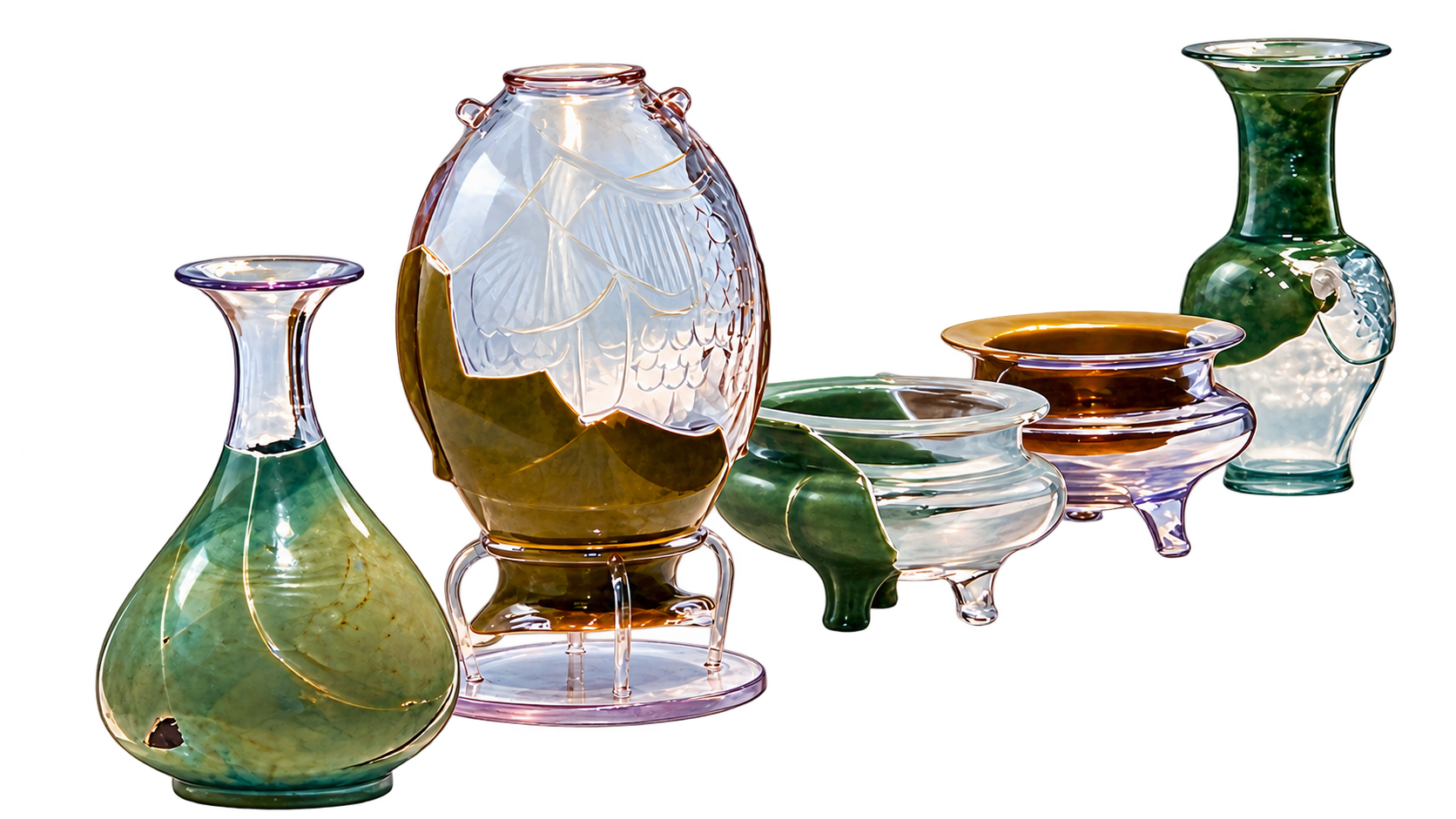
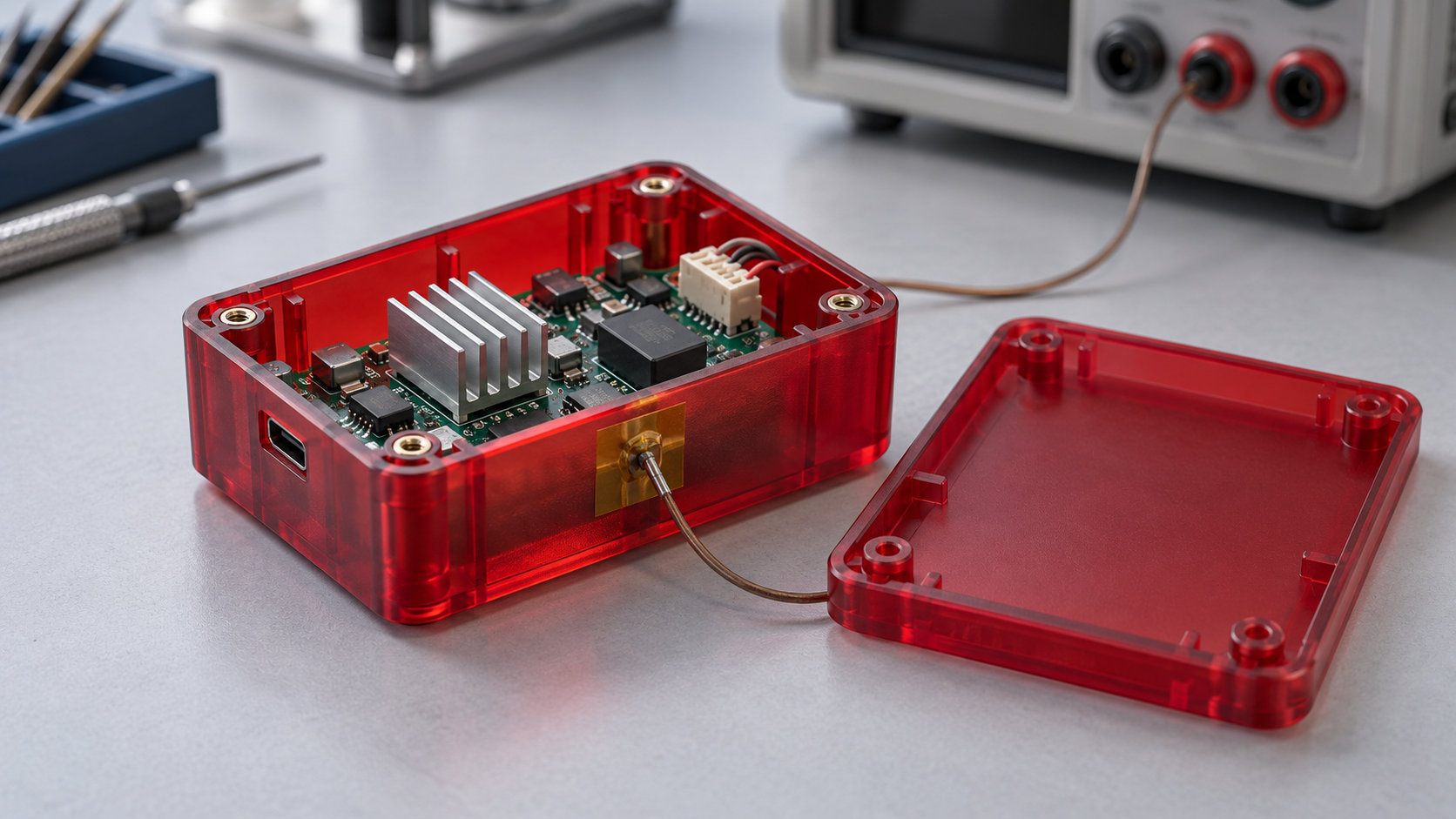
This case study highlights the innovative application of SLA stereolithography with Premium Clear Resin for the restoration and replication of fragmented historical artifacts in museum collections. Leveraging the material’s exceptional transparency, ultra-smooth surface finish, and high detail resolution, the project enabled conservators to recreate missing components of fragile antique glassware and ceramic pieces with optical-grade clarity. The approach demonstrates how clear resin 3D printing
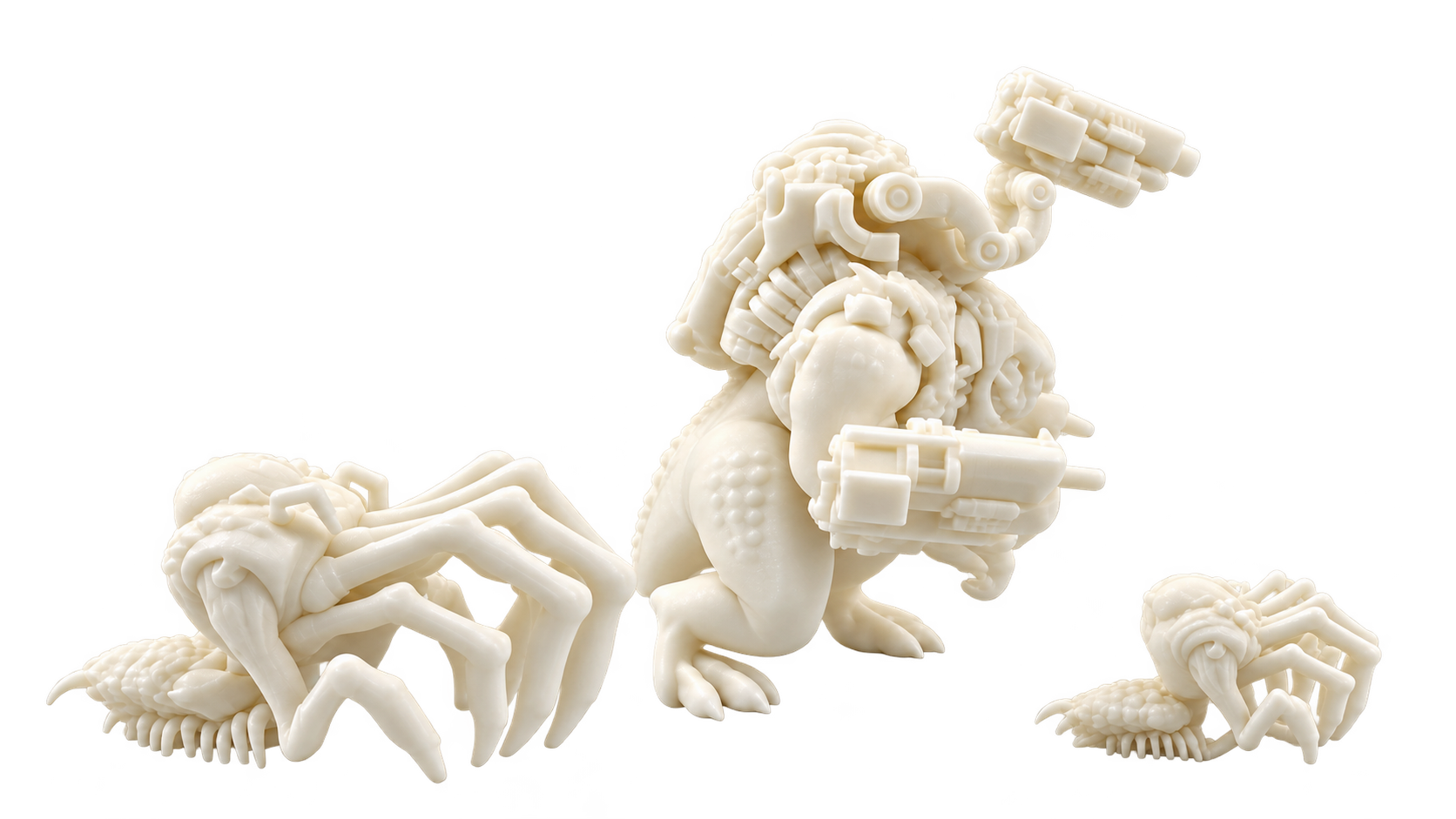
This case study highlights the successful application of SLA stereolithography with white resin for producing high-detail decorative display models. Leveraging the material's ultra-smooth surface finish, zero visible support marks, and cost-effective pricing, the project delivered presentation-grade figurines with exceptional dimensional accuracy and rapid turnaround. The approach demonstrates why white resin remains the premier choice for visual and collectible parts where surface quality and a
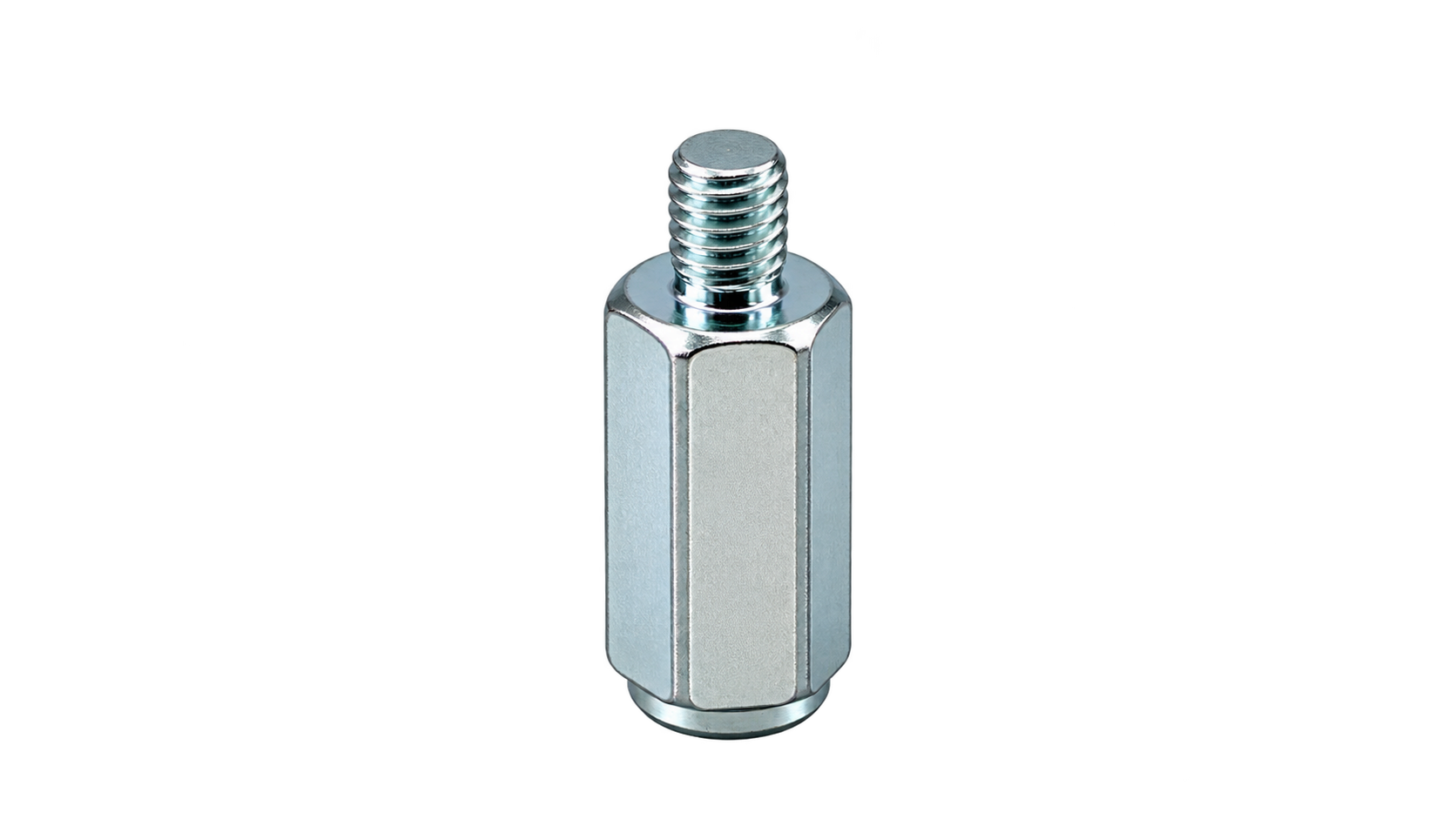
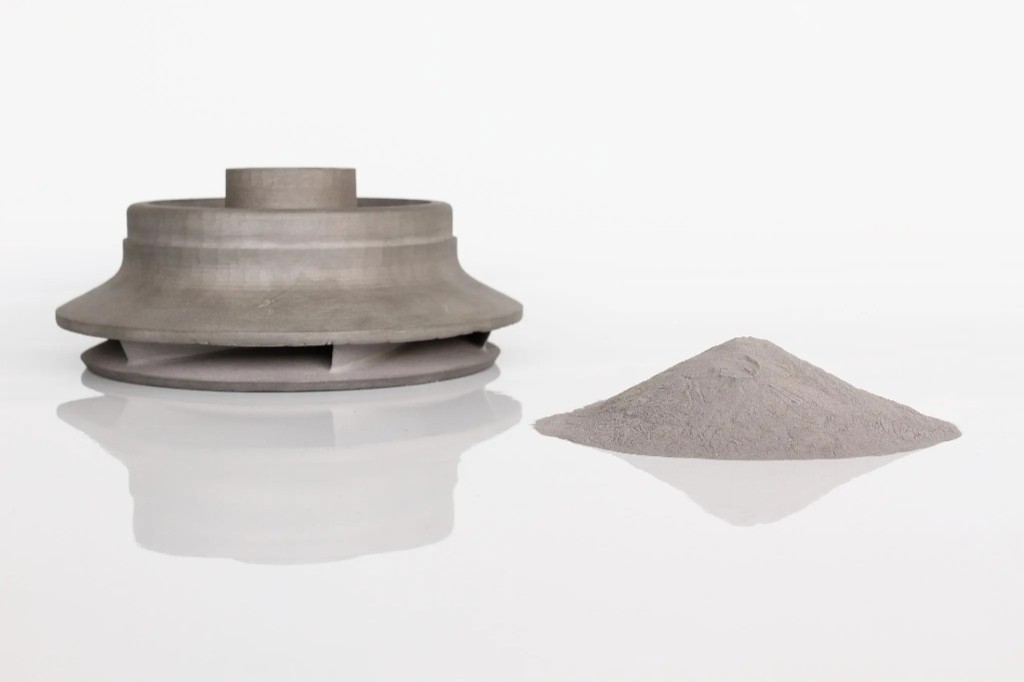
This case study demonstrates the successful application of SLM metal 3D printing with metal materials for rapid production of high-strength functional metal bolts. Through DFM strategies — including optimized build orientation, strategic support design, and post-processing workflows — the project achieved a 55% reduction in prototyping costs, 60% faster production compared to CNC machining, and ±0.3mm dimensional accuracy for precision-threaded metal fasteners. The study addresses SLM-specific c
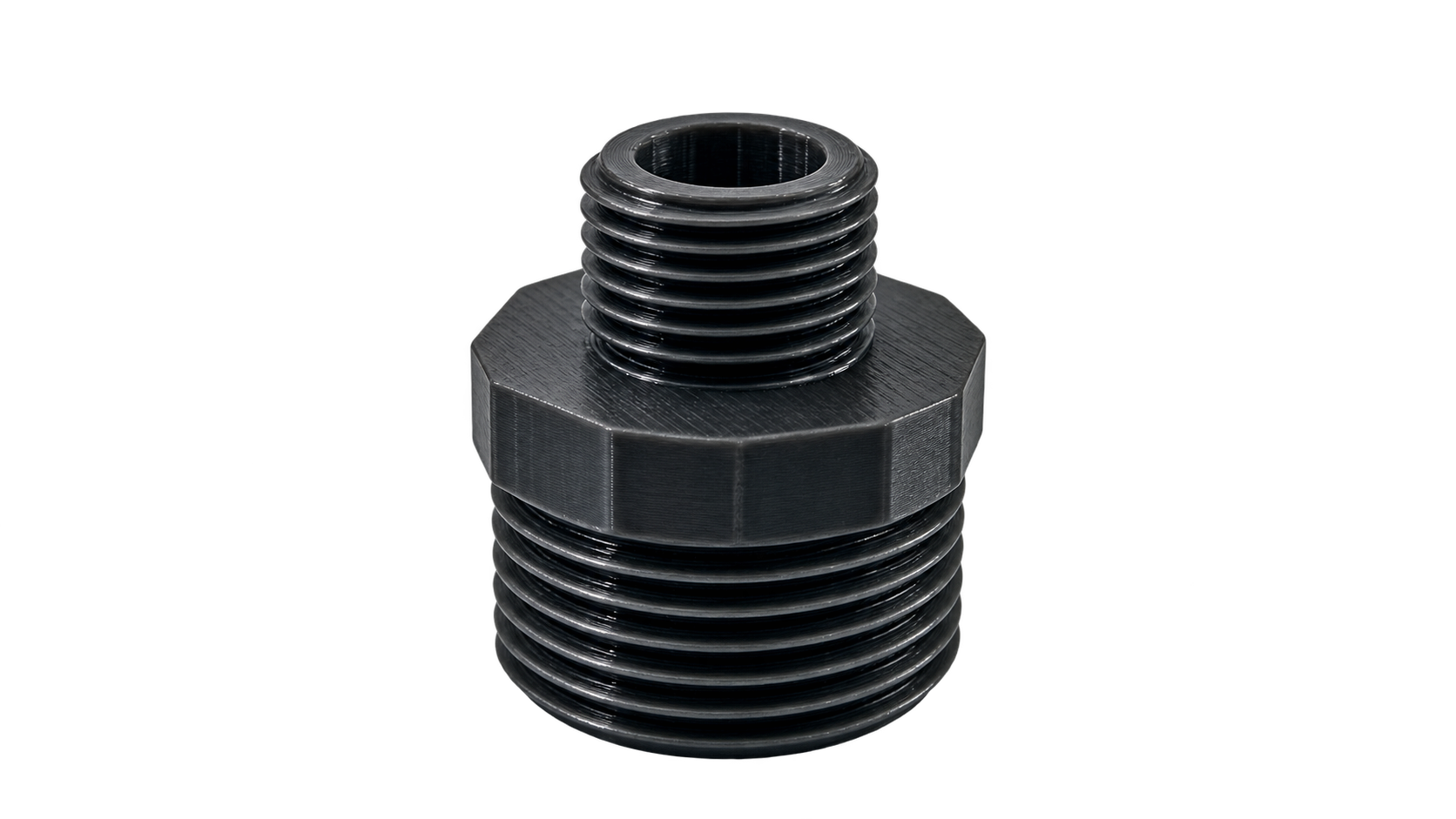
This case study demonstrates the successful application of FDM 3D printing with ABS for rapid production of functional fluid connectors. Through DFM strategies—including optimized support structures, heated bed enclosure, and acetone vapor smoothing— the project achieved a 70% reduction in prototyping costs, 60% faster production compared to CNC machining, and ±0.1mm thread accuracy for pressure-resistant connectors. The study addresses ABS-specific challenges such as warping and post-processing
We use cookies to personalize your experience. By using this site, you agree to our Privacy Policy
Accept