Case Background
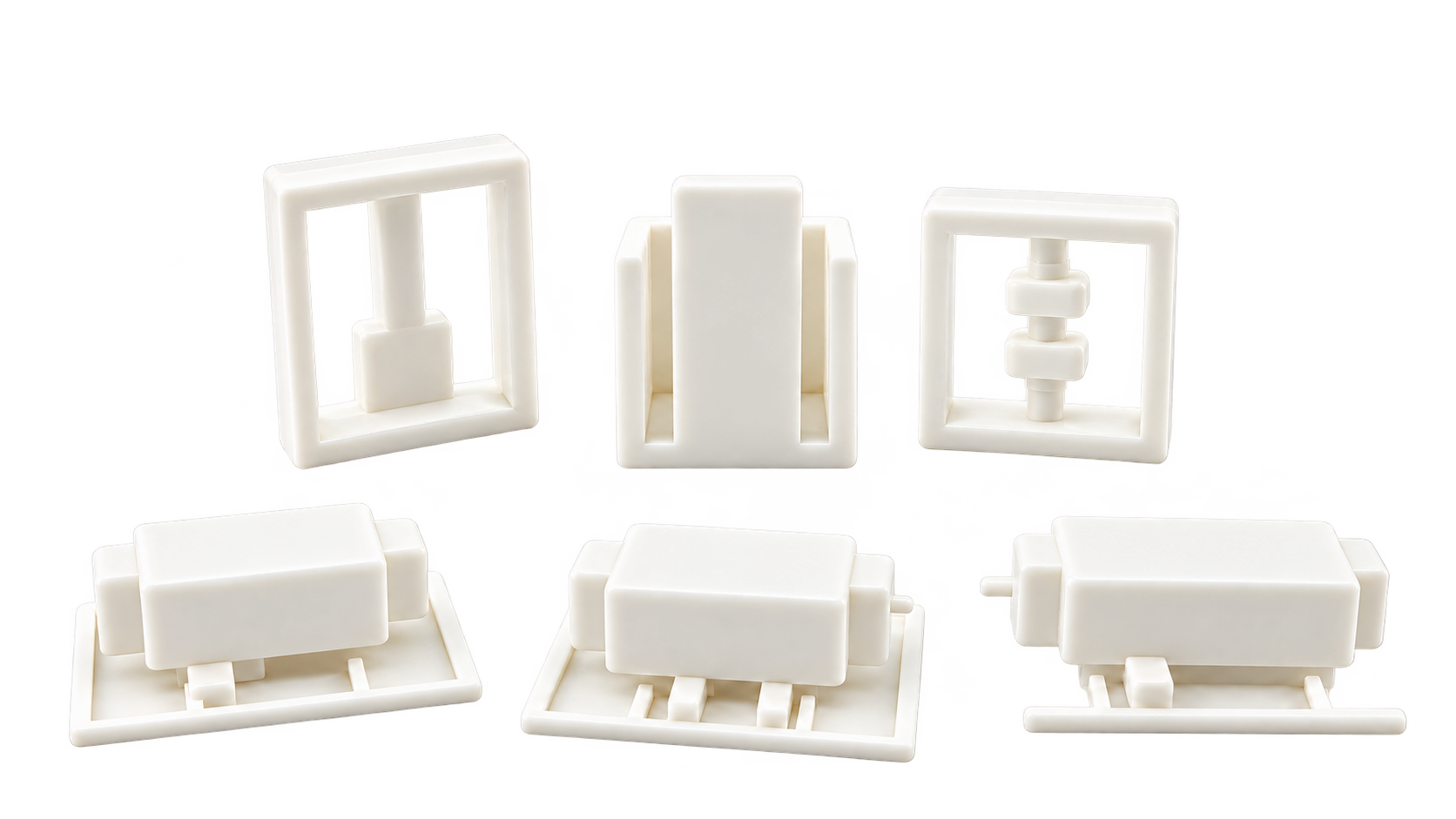
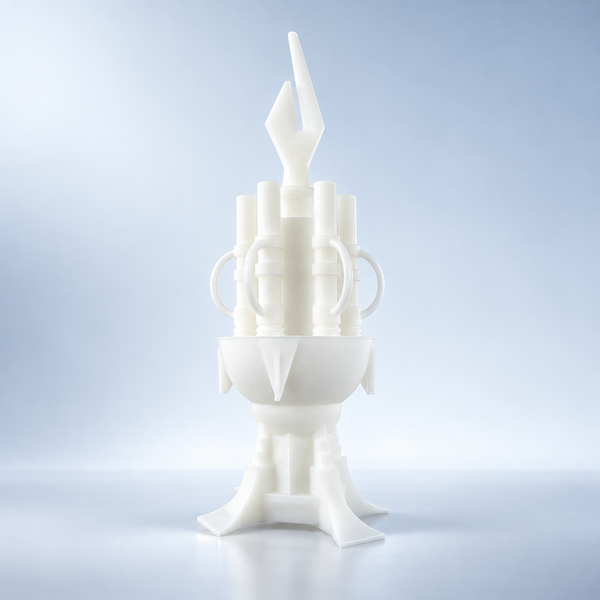
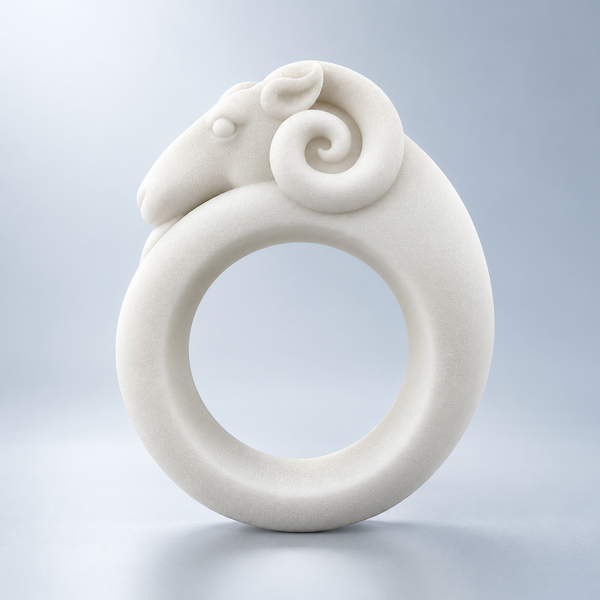
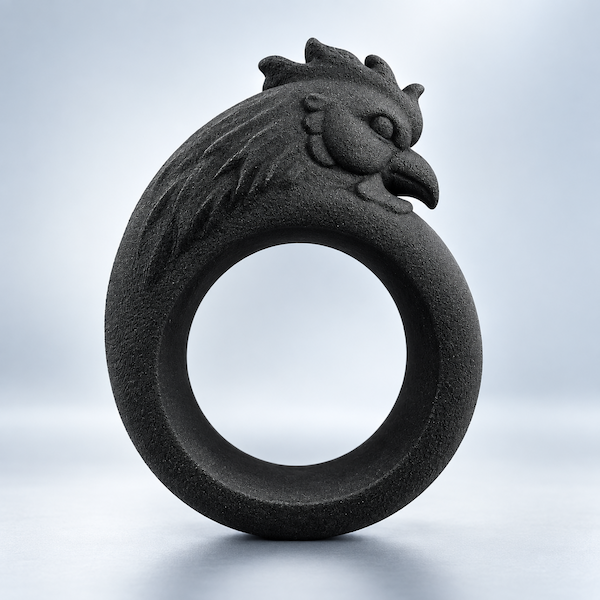
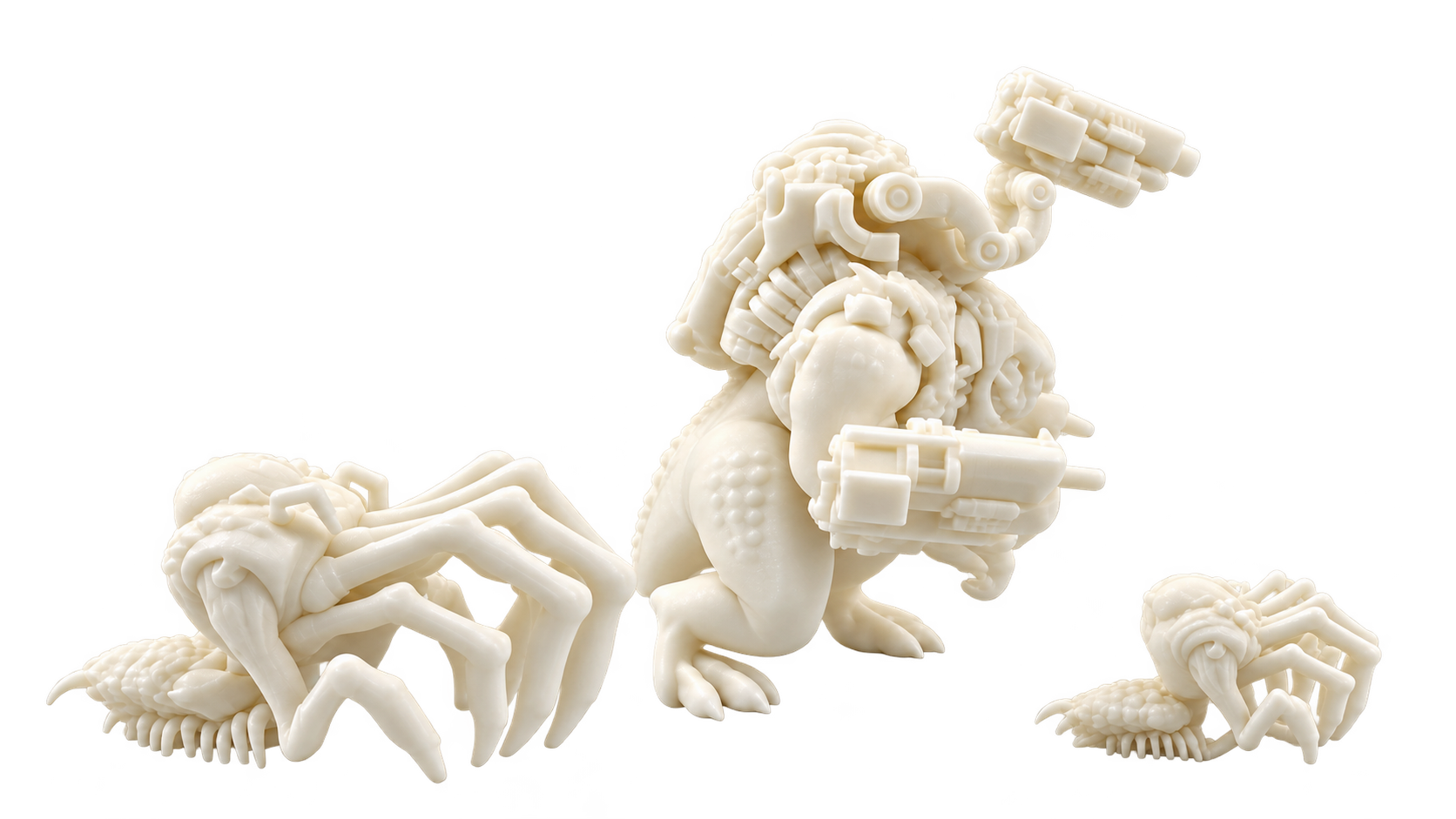
A leading architectural design firm sought to accelerate the production of miniature models for client presentations. Traditional manufacturing methods were time-consuming and costly, while existing 3D printing solutions struggled to balance speed, cost, and detail for small-scale prototypes. The firm needed a solution that could deliver high-precision miniatures quickly, at low cost, and with minimal post-processing complexity—despite inherent challenges in support removal for intricate designs.
Solution: FDM Printing with Optimized DFM Strategies
The team adopted polylactic acid (PLA) (learn more about PLA) as the primary material for its affordability, fast print speeds, and eco-friendly properties. Key steps included:
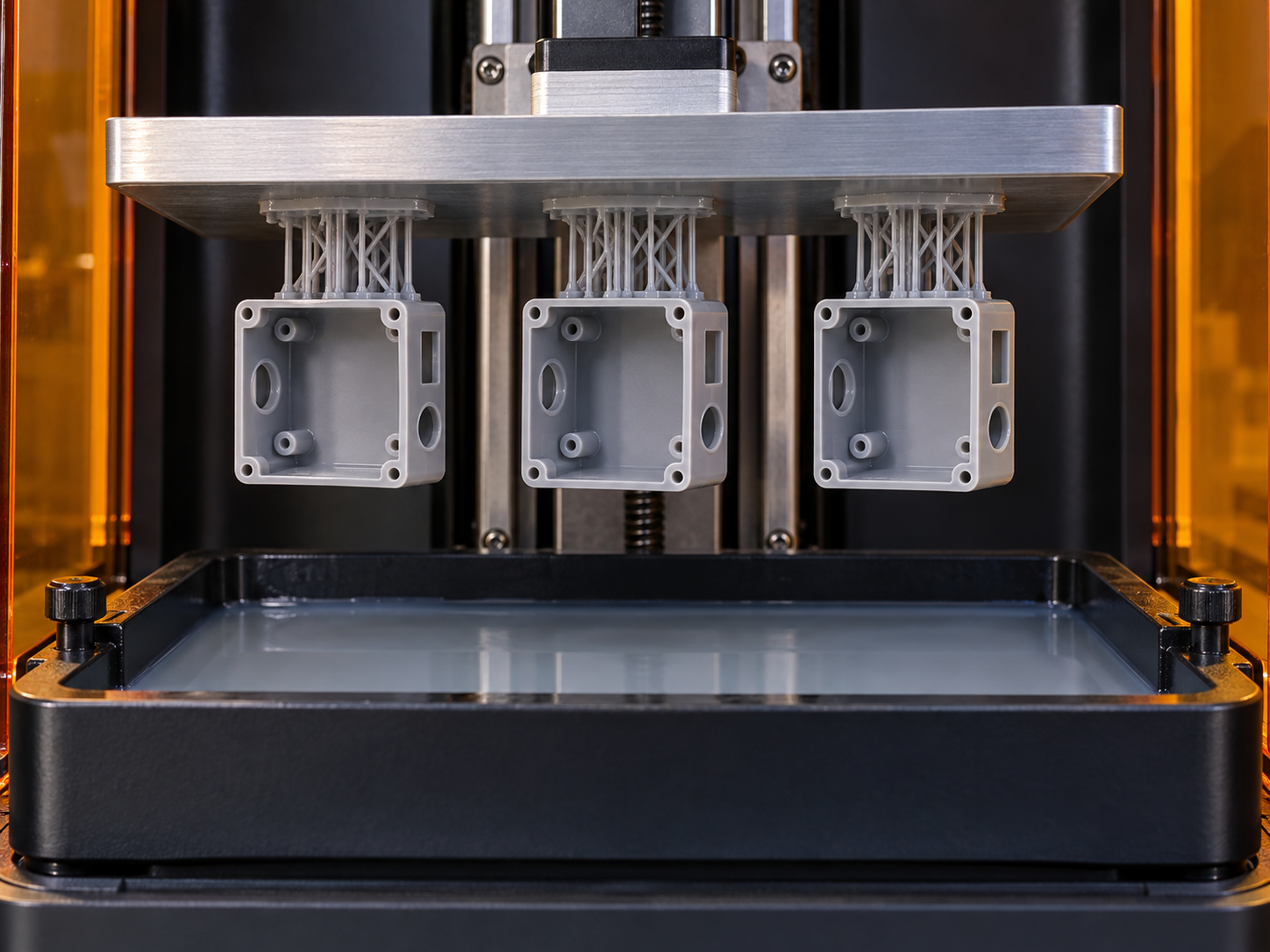
1. Design for Manufacturability (DFM) Optimization: Engineers redesigned miniature components to minimize overhangs and complex geometries, reducing the need for excessive support structures. For unavoidable supports, they used tree-like or sparse support patterns to simplify removal.
2. Rapid Prototyping Workflow: Leveraging FDM 3D printers, the team produced batches of miniatures (e.g., architectural facades, furniture models) in under 4 hours per batch—70% faster than traditional molding.
3. Cost Efficiency: PLA filament costs ~$20/kg, and print times were reduced by 30% via optimized layer heights (0.1–0.2mm) and infill densities (15–20%). Total per-unit cost dropped to $0.50–$2, compared to $5–$10 for resin-based alternatives.
Challenges & Resolutions: Support Removal in DFM
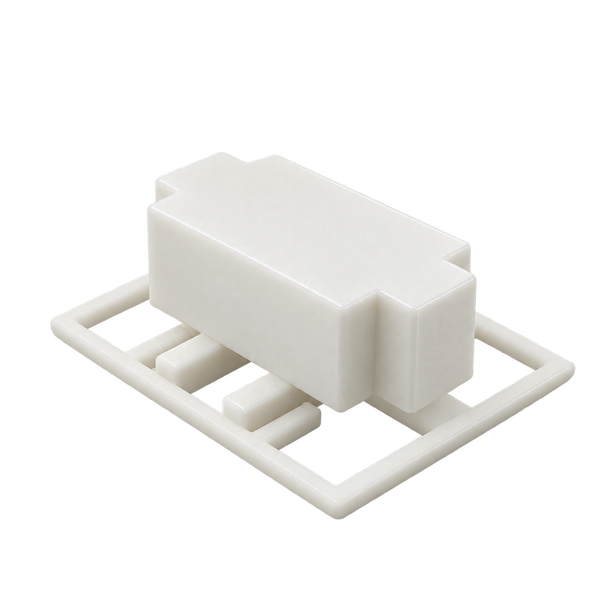
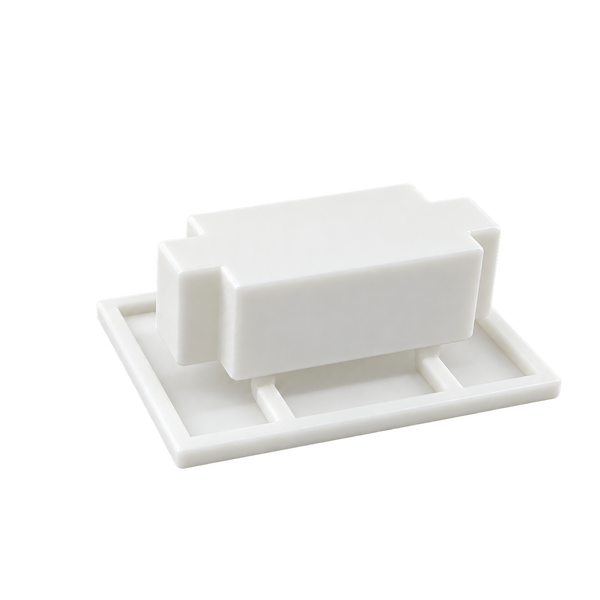
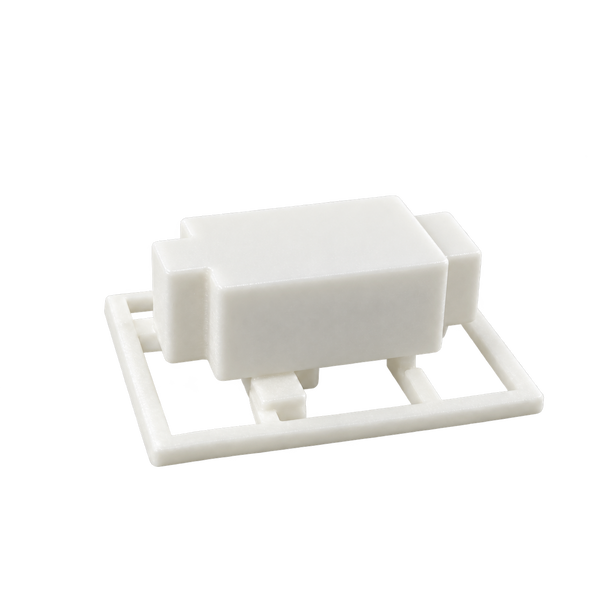
The primary hurdle was post-processing support removal for miniatures with fine details (e.g., window frames, decorative elements). Aggressive support structures risked damaging delicate features, while weak supports led to print failures. Solutions included:
• Material Tweaks: Using PLA+ (a tougher variant) for critical parts to withstand support removal stress.
• Tooling Innovation: Customizing dental picks and precision pliers to gently detach supports without scratching surfaces.
• Iterative Testing: Running 3–5 test prints per design to refine support placement and density, achieving a 95% success rate in post-processing.
Results & Impact
• Speed: Prototype turnaround time reduced from 2 weeks to 48 hours, enabling same-day client revisions.
• Cost Savings: Annual prototyping costs dropped by 60% ($18,000 → $7,200) due to cheaper materials and faster production.
• Quality: Miniatures achieved ±0.1mm accuracy, with smooth surfaces post-support removal, meeting client expectations for presentation-grade models.
English Brochure: Rapid Miniature Model Production with FDM
Title: “Fast, Affordable, Precise: FDM Printing for Miniature Models”
Key Features
• Speed: Produce detailed miniatures in hours, not days.
• Cost: Low material costs ($20/kg PLA) and efficient printing reduce per-unit expenses.
• Precision: Achieve ±0.1mm accuracy for intricate designs (e.g., architectural details, product prototypes).
• Sustainability: Eco-friendly PLA material, biodegradable and safe for office environments.
Why Choose PLA?
• Ideal for rapid iteration: Test designs quickly without breaking budgets.
• DFM-friendly: Optimize supports and geometries to minimize post-processing.
• Versatile: Suitable for architecture, product design, and hobbyist projects.
Post-Processing Made Easy
Our DFM guidelines ensure support structures are easy to remove:
• Use tree supports for complex overhangs.
• Print with 0.1–0.2mm layers for smoother surfaces.
• Leverage PLA for durability during support removal.