Background
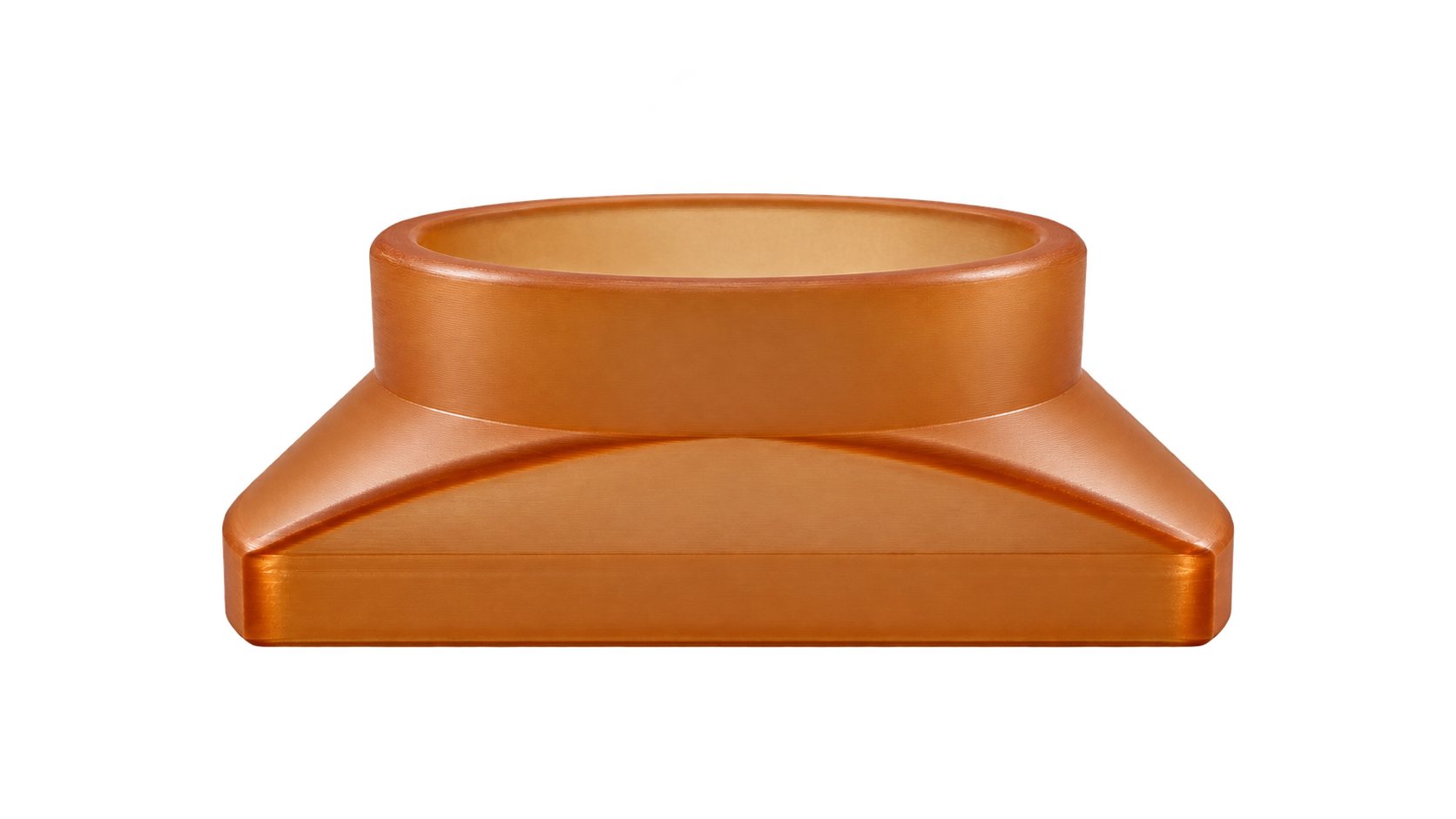
In the rapidly evolving landscape of additive manufacturing, engineers and designers often face the challenge of selecting materials that balance mechanical performance, surface finish, and cost. Traditional resin materials, while offering excellent detail reproduction, often fall short in terms of durability and impact resistance. A design team working on functional prototypes for consumer electronics needed a material that could withstand mechanical stress while maintaining a professional appearance. After evaluating multiple options, they chose Tough Resin Yellow for its combination of strength, flexibility, and visual clarity. The yellow color not only provides excellent visual contrast for inspecting print quality but also helps distinguish prototype parts from final production components during the development cycle.
Material & Technology Selection
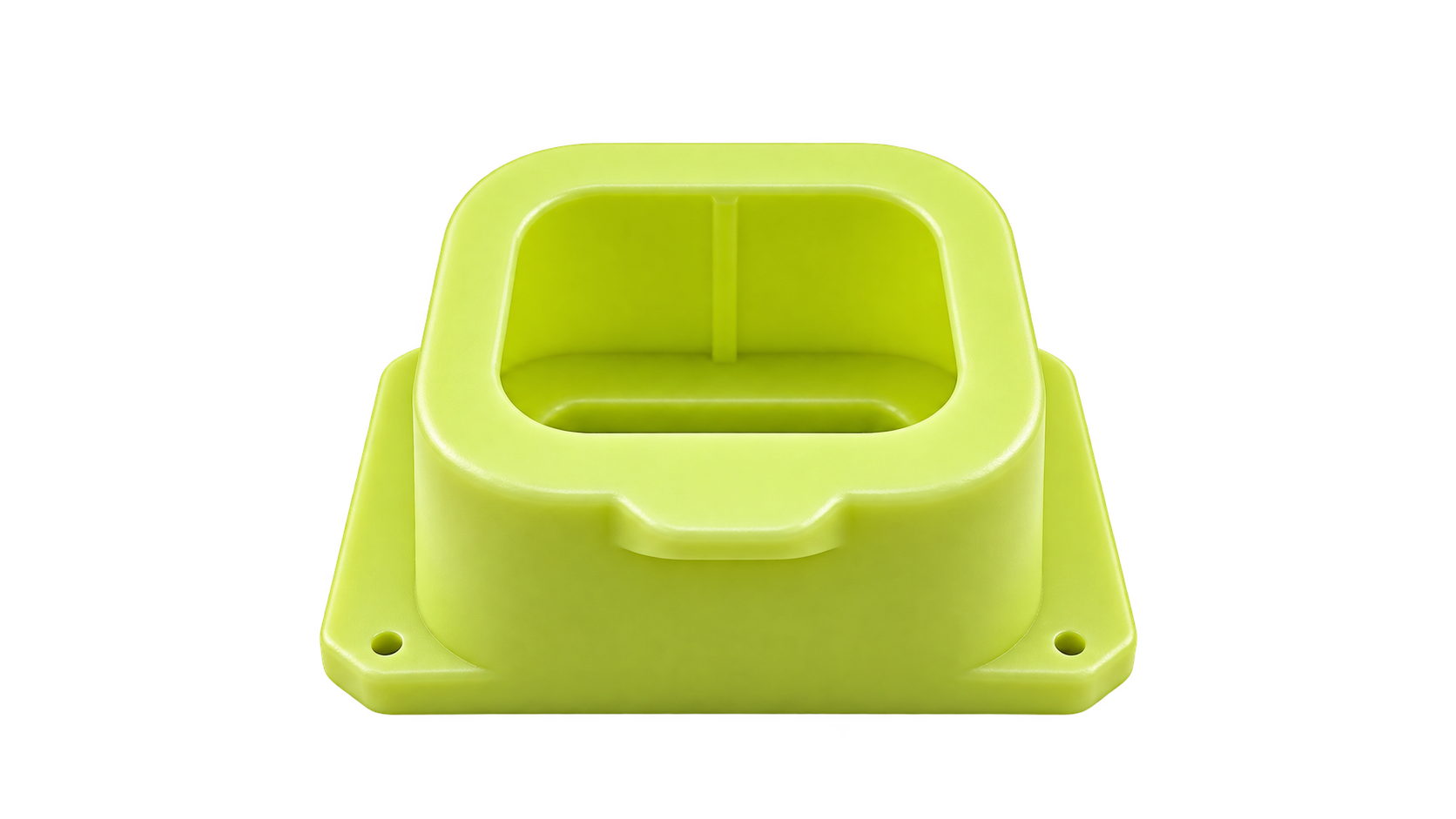
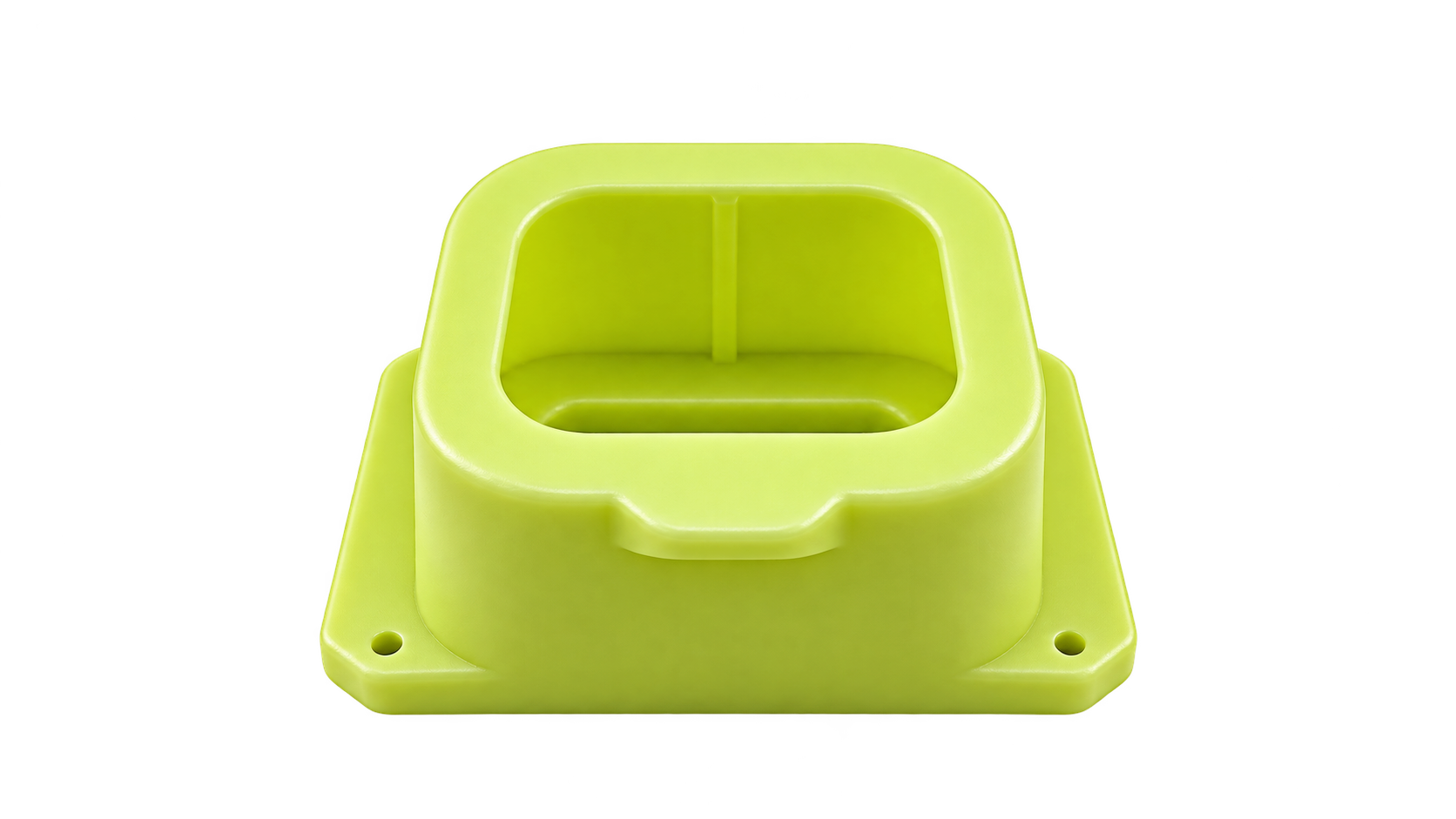
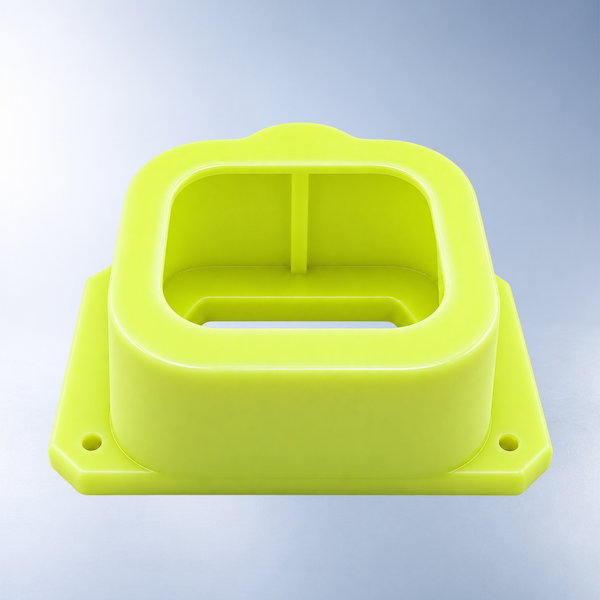
Tough Resin Yellow: An engineering-grade photopolymer specifically formulated for SLA printing, offering high impact resistance, flexural strength, and dimensional stability. The material's yellow hue provides excellent visual contrast for inspecting print quality and identifying surface defects. Recent market adjustments have significantly reduced the price of Tough Resin Yellow, making it increasingly cost-competitive compared to standard and engineering resins. This price reduction has dramatically improved the material's value proposition, positioning it as a cost-effective choice for both prototyping and end-use part production.
SLA (Stereolithography): A vat photopolymerization technology that uses a UV laser to selectively cure liquid resin layer by layer. SLA delivers the highest resolution and smoothest surface finish among all desktop 3D printing technologies, making it ideal for functional prototypes requiring tight tolerances, fine details, and aesthetic quality. The layer-by-layer curing process ensures exceptional dimensional accuracy and repeatability, critical for parts that must fit together in assemblies.
Production Process
1. Design & Slicing: The 3D model was prepared using CAD software and optimized for SLA printing. Support structures were strategically placed to ensure stability during printing while minimizing post-processing effort. Slicing parameters were carefully tuned (layer height: 0.05mm, exposure time: calibrated per material specifications, lift speed: optimized for resin flow) to maximize detail reproduction and print reliability. The build orientation was selected to balance surface quality on visible faces with structural integrity.
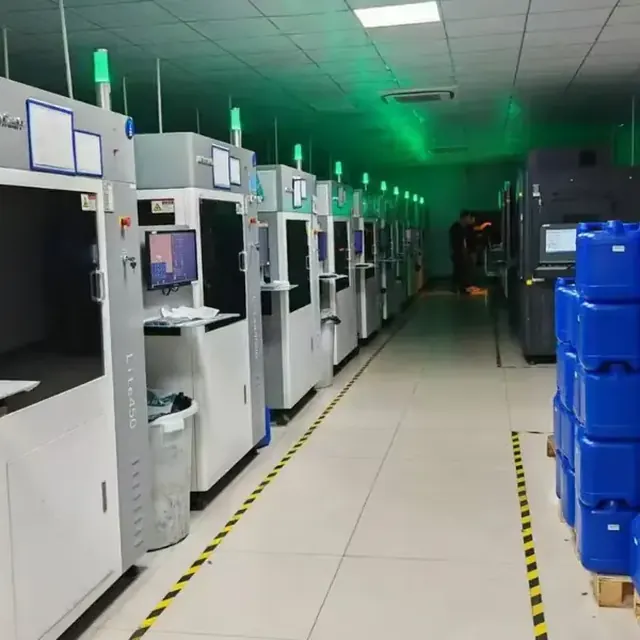
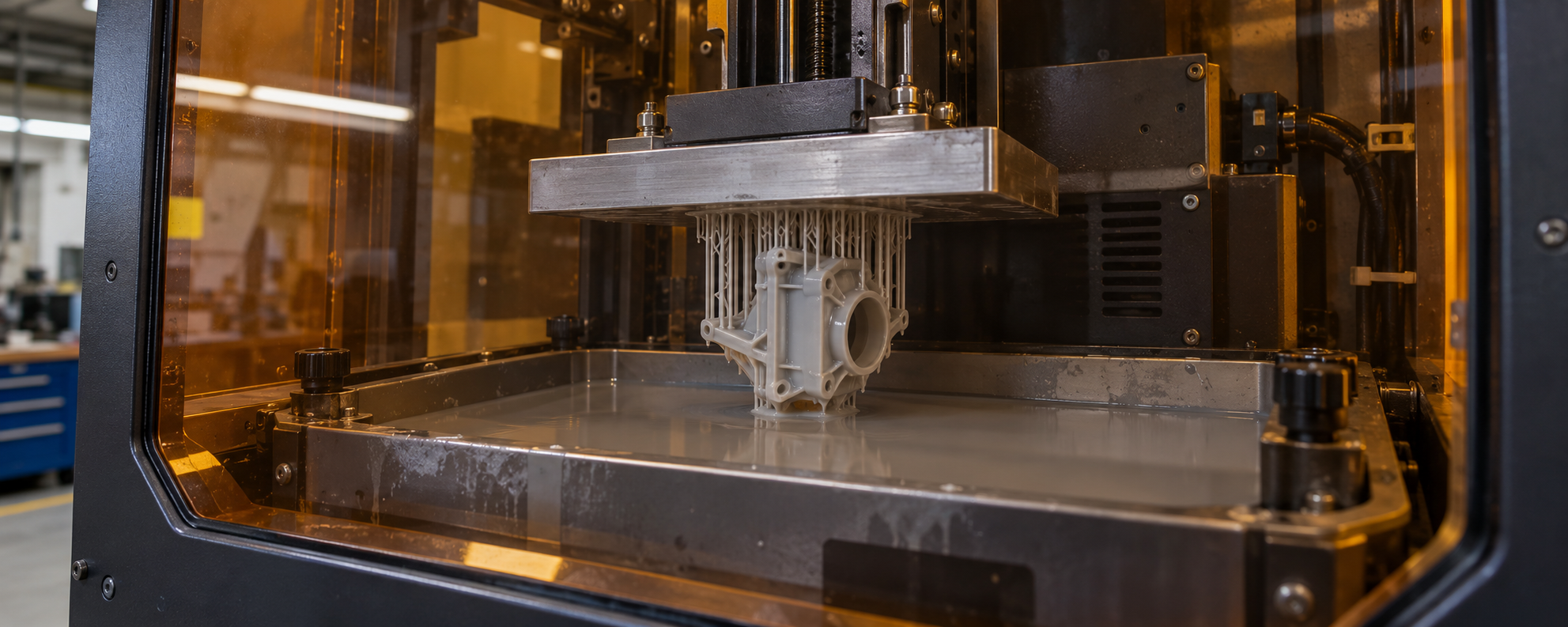
2. Printing: The model was printed using an SLA printer loaded with Tough Resin Yellow. The resin vat was maintained at the recommended temperature to ensure consistent viscosity and curing characteristics. The UV laser cured each layer precisely according to the sliced model data, building the part layer by layer from the build platform upward. The print duration was optimized based on part size and complexity, with real-time monitoring to detect any anomalies such as delamination or resin depletion.
3. Post-Processing: After printing, parts were removed from the build platform and underwent washing in an isopropyl alcohol (IPA) bath to remove uncured resin from all surfaces. The washed parts were then placed in a secondary UV curing chamber to achieve full material properties and enhance surface hardness. Support structures were carefully removed using precision cutting tools, and minor surface imperfections were smoothed with fine-grit sandpaper (up to 800 grit). The final parts exhibited a smooth, professional surface finish with excellent dimensional accuracy.
Outcome
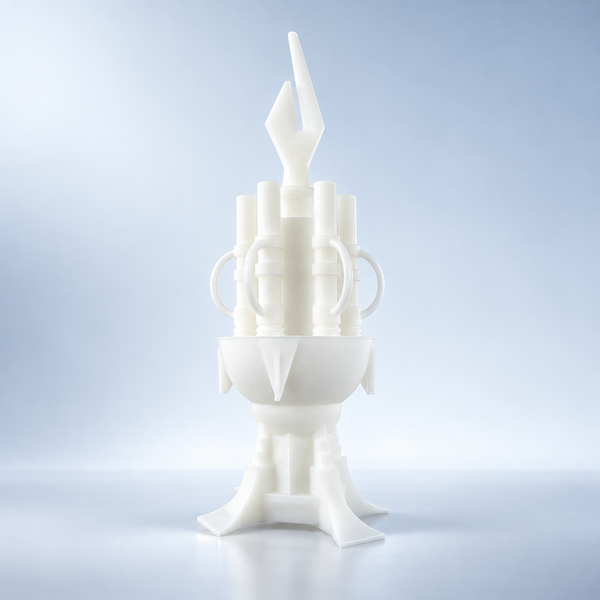
The final parts exceeded expectations in both mechanical performance and aesthetic quality. The Tough Resin Yellow demonstrated excellent impact resistance and flexural strength, making the parts suitable for functional testing and near end-use applications. The yellow color provided clear visual feedback during inspection, allowing the team to identify and address any print defects early in the process. With recent material price reductions, the cost per part dropped significantly compared to traditional prototyping methods such as CNC machining or injection molding, making SLA printing with tough resin a highly cost-effective solution. The parts were ready for assembly and testing within days rather than weeks, substantially accelerating the product development cycle. The combination of SLA precision and Tough Resin Yellow's mechanical properties resulted in prototypes that closely resembled final production parts in both form and function.
Role of aihfabs
The team utilized aihfabs, a comprehensive 3D printing service platform, to access SLA printing capabilities and Tough Resin Yellow material sourcing. aihfabs provided competitive pricing with transparent cost breakdowns, fast turnaround times, and dedicated technical support throughout the project lifecycle. Their user-friendly online platform streamlined the entire workflow—from model upload and automated manufacturability analysis to material selection, printing, and final delivery—enabling the team to focus on design iteration and product development rather than equipment management and material procurement. The platform's real-time pricing updates ensured that the team always had access to the most current material costs, allowing for accurate budget planning. This case illustrates how aihfabs democratizes access to professional-grade SLA manufacturing, making advanced additive manufacturing accessible to engineers, designers, and hobbyists regardless of their in-house equipment or technical expertise.
Conclusion
This case study demonstrates that Tough Resin Yellow, combined with SLA printing technology, offers an excellent balance of mechanical performance, surface quality, and cost-efficiency for prototyping and small-batch production. The recent material price adjustments have further enhanced its value proposition, making it accessible to a broader range of creators and businesses who previously found engineering-grade resins prohibitively expensive. As the cost-performance ratio of Tough Resin Yellow continues to improve, SLA printing is poised to become the go-to solution for functional prototyping, bridge tooling, and low-volume end-use part production. Platforms like aihfabs play a crucial role in this transition by connecting users with advanced materials and printing services, streamlining the path from digital design to physical product. For engineers and makers seeking to leverage the benefits of SLA technology with a tough, cost-effective material, platforms like aihfabs provide an accessible and reliable entry point into professional-grade additive manufacturing.

Written By
Applications Engineer
Applications engineer at AIHFABS. Works with customers on SLM metal parts, fixtures, and small-batch production routes, then writes the shop-floor side of our success stories.
⌂