What is the maximum operating temperature?
State continuous and peak temperature, exposure duration and any oven or reflow cycle. HDT is a test result, not a guaranteed continuous-use temperature.

Silicone makes the mold. The finished replica is normally polyurethane (PU) resin, formulated to resemble selected properties of engineering plastics or elastomers.
Silicone makes the mold. The finished replica is normally polyurethane (PU) resin, formulated to resemble selected properties of engineering plastics or elastomers.
These are candidate resin families, not a promise that every formulation is available. Confirm the actual product data sheet and sample requirements before ordering.
| Material / grade | Typical application | Confirm before quotation |
|---|---|---|
| ABS-like → | Housings, panels and structural prototypes | Compare strength, stiffness, impact and aging with the actual target grade. |
| PC-like → | Transparent and impact-evaluation prototypes | Confirm clarity, color, surface finish and aging on a sample. |
| PMMA (Acrylic)-like → | Windows, light covers and visual light-guide models | Confirm clarity, color, surface finish and aging on a sample. |
| PP-like → | Clips, hinges and compliant prototypes | Specify Shore scale, target hardness and repeated-flex requirements. |
| POM-like → | Gears and wear-interface evaluation | Compare strength, stiffness, impact and aging with the actual target grade. |
| PA-like / filled PU → | Loaded structural prototypes; confirm filled-resin composition | Compare strength, stiffness, impact and aging with the actual target grade. |
| Heat-resistant PU → | Thermally exposed prototypes after grade review | Confirm the data sheet, operating temperature and exposure duration. |
| Flame-retardant PU → | Electronic enclosure prototypes with documented flame requirements | Request grade- and thickness-specific UL 94 documentation. |
| Transparent PU → | Clear or tinted appearance and assembly models | Confirm clarity, color, surface finish and aging on a sample. |
State continuous and peak temperature, exposure duration and any oven or reflow cycle. HDT is a test result, not a guaranteed continuous-use temperature.
ABS-like and PC-like are PU systems, not injection-molded ABS or PC. Compare the exact properties needed; there is no universal percentage of equivalence.
Use the actual Shore A or Shore D value and test method from the selected resin data sheet. Hardness does not establish heat resistance, fatigue life or chemical compatibility.
A UL 94 V-0 claim must match the exact resin, specimen thickness and documented test or recognition. The material-family name alone is not a rating.
Rubber-like PU can suit compliant prototypes and seals for evaluation. Flexible 3D printing and other molding methods also exist; select the route by function and validation.
Review application requirements before choosing a grade or manufacturing route.
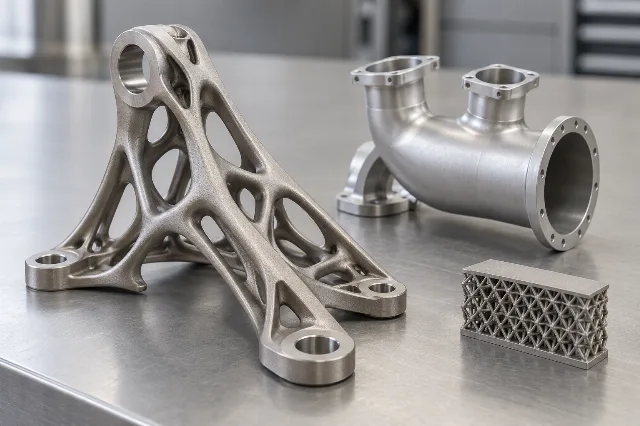
High specific strength for brackets and interfaces; review fatigue, build orientation, heat treatment and traceability before flight use.
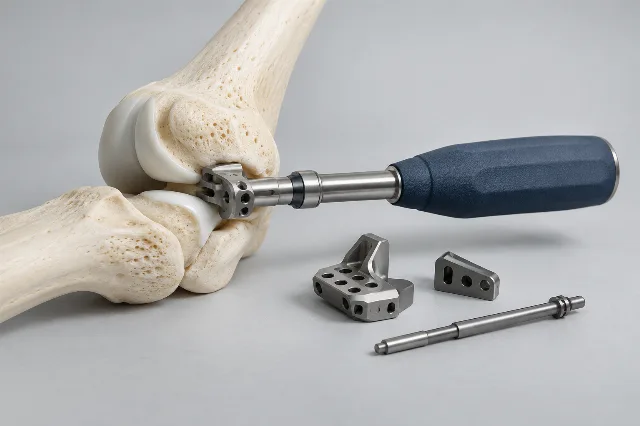
Instrument hardware and fixtures; select grade against corrosion, sterilization cycles and passivation requirements.
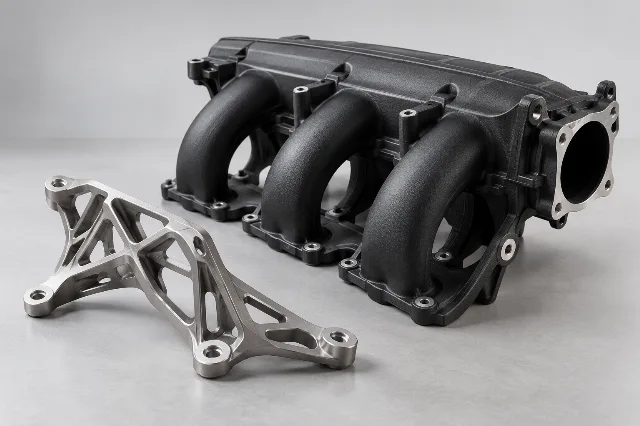
Lightweight housings and development brackets; assess vibration, thermal expansion and threaded joint durability.
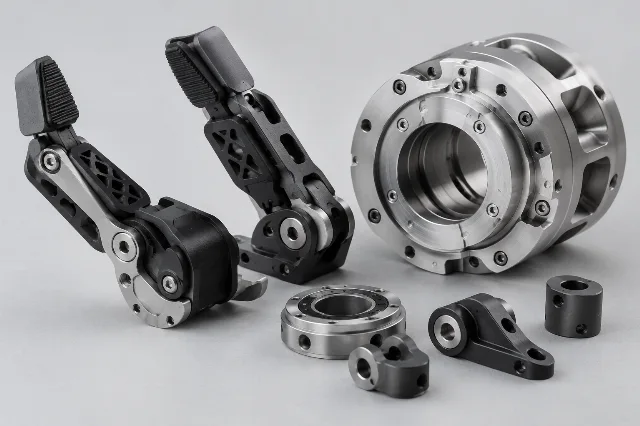
Grippers and cable guides; evaluate creep, moisture and repeated flexing.
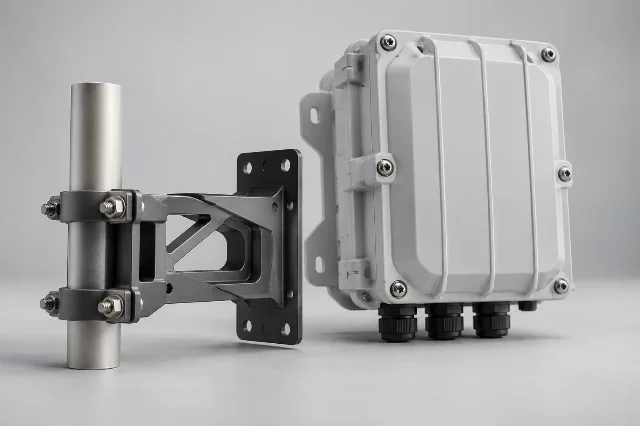
Thermal and electrical interfaces; review oxidation protection and contact resistance.
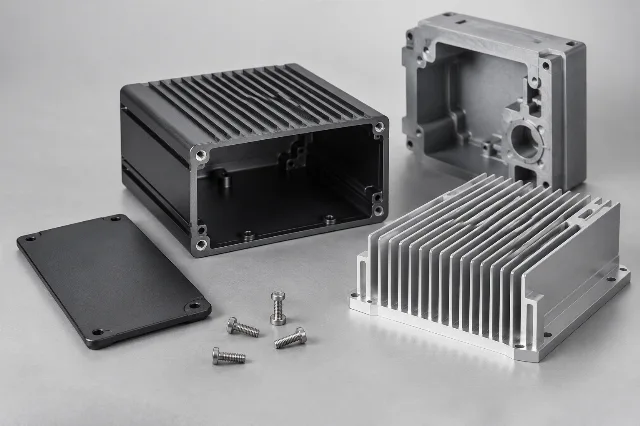
Prototype housings; ordinary ABS does not establish ESD protection or a flammability rating.
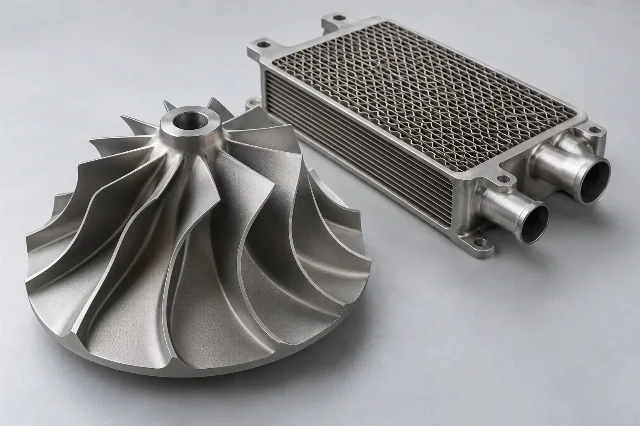
Conductive and thermal parts; specify contact geometry, plating and temperature rise criteria.
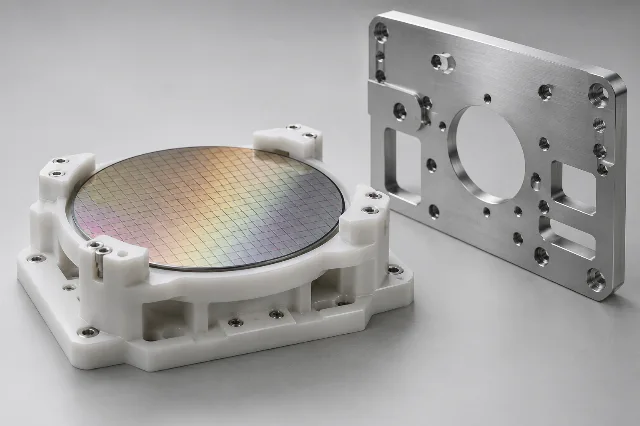
Insulating fixture components; verify outgassing, chemical compatibility and particle generation for the process.
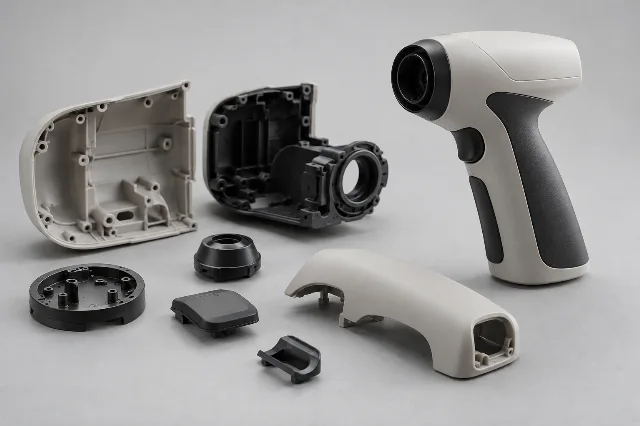
Appearance prototypes and housings; approve texture, color and assembly before tooling.
We use cookies to personalize your experience. By using this site, you agree to our Privacy Policy
Accept