Cooling channels
Define the required fit, finish and working environment. Include the intended test or acceptance criteria with your model.

AIHFABS MATERIAL GUIDE
Copper alloy for thermal management and electrically conductive components.
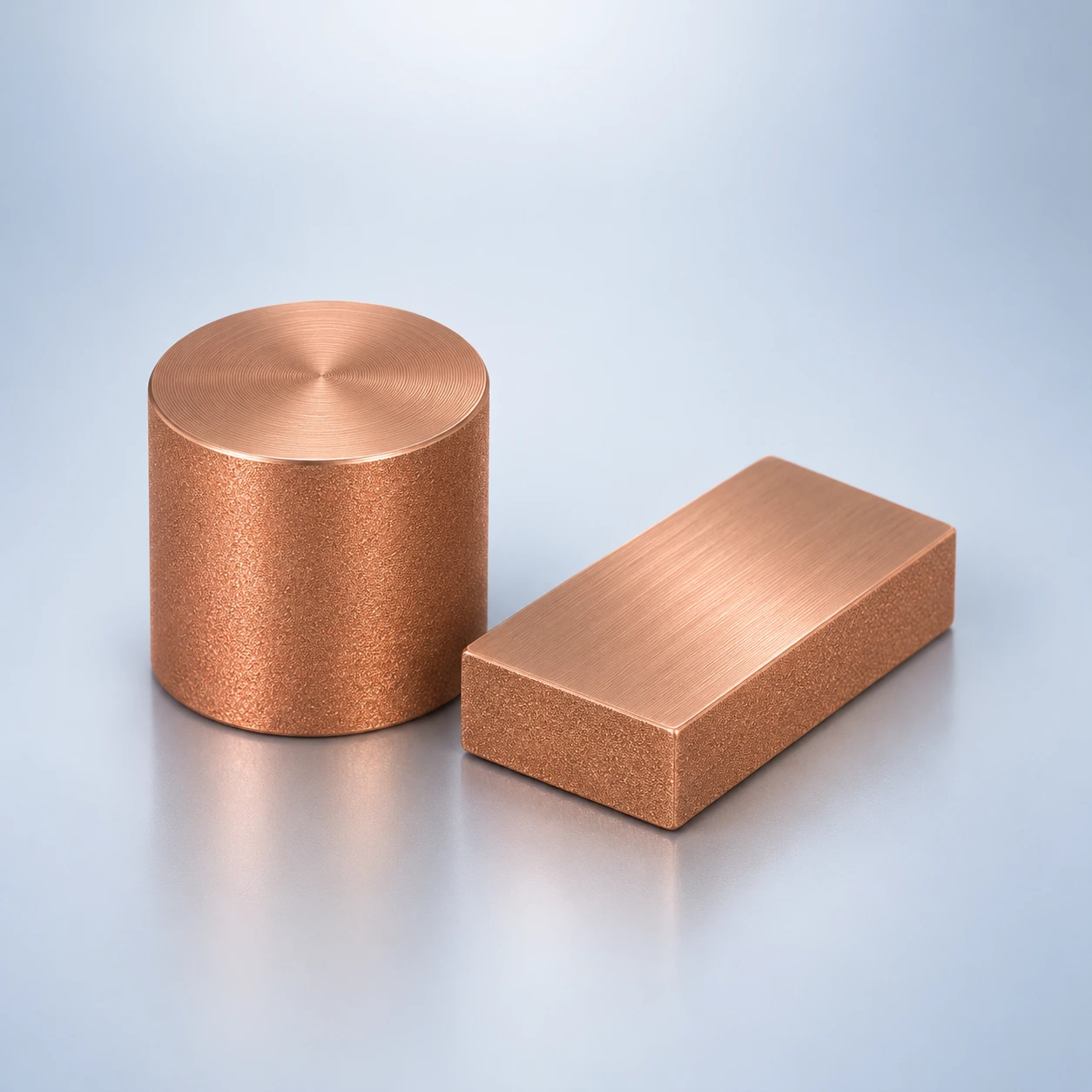
Copper alloy is available for SLM 3D printing at AIHFABS. Consider it for thermal management, heat-transfer or electrically conductive parts. Match the alloy grade to the required conductivity, strength and operating conditions before specifying the material.
START WITH THE APPLICATION
Typical uses include cooling channels, heat exchangers, thermal management and electrically conductive components. Suitability depends on the alloy grade, part design and operating conditions.
Define the required fit, finish and working environment. Include the intended test or acceptance criteria with your model.
Define the required fit, finish and working environment. Include the intended test or acceptance criteria with your model.
Define the required fit, finish and working environment. Include the intended test or acceptance criteria with your model.
Define the required fit, finish and working environment. Include the intended test or acceptance criteria with your model.
DESIGN & MANUFACTURING
COMPARE THE AVAILABLE GRADES
SLM
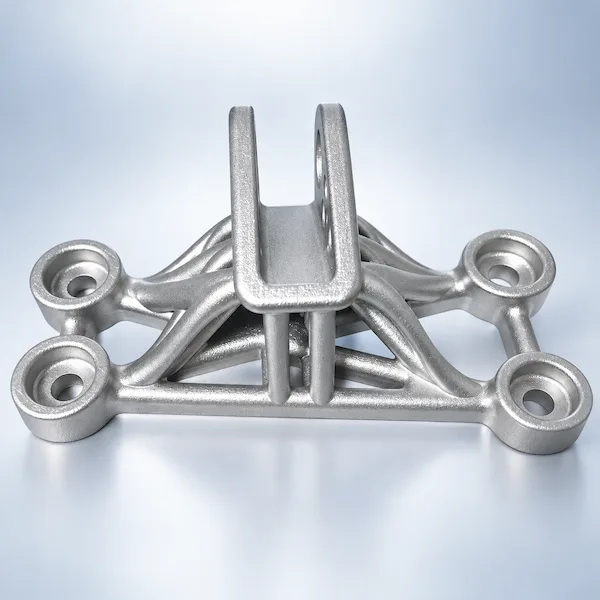
The printed part of Aluminum AlSi10Mg has a high strength-to-weight ratio and good thermal properties and is ideal for aerospace, automotive, and industrial applications such as turbine blades, engine blocks, enclosures, and jigs/fixtures.
View material details →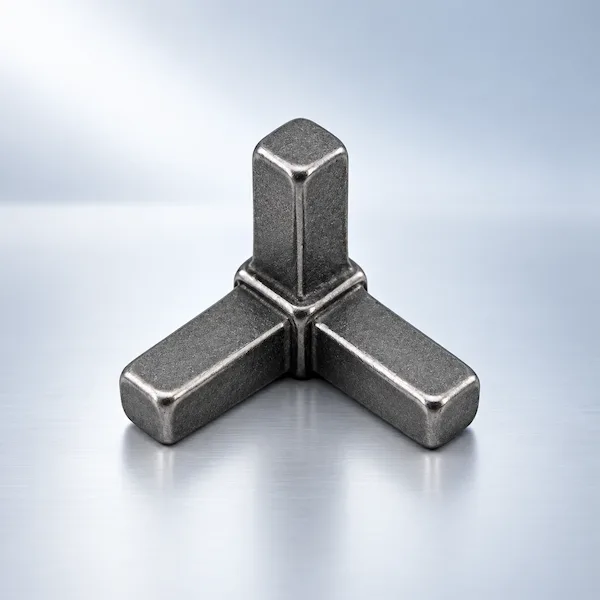
SLM
The printed part of Aluminum 6061 has excellent weldability, corrosion resistance and balanced mechanical properties and is ideal for structural components, automotive parts, marine hardware, and aerospace applications requiring lightweight durability.
View material details →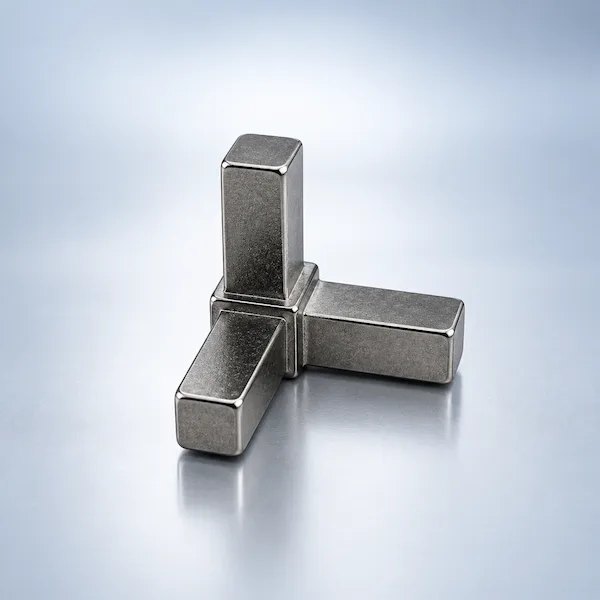
SLM
The printed part of 316L Stainless Steel has exceptional corrosion resistance, biocompatibility and mechanical strength and is ideal for medical implants, marine hardware, chemical processing equipment, and food-grade applications.
View material details →MATERIAL QUESTIONS
Send the current 3D CAD, quantity and intended use, plus a dimensioned drawing for critical fits and surfaces. State thermal or electrical requirements, operating temperature, working environment and any material or inspection requirements.
Share the required grade or specification if your design already defines one. Otherwise, provide the performance and service requirements so the available alloy and delivered material condition can be agreed during the technical review. Copper Alloy does not identify a specific grade.
Use data for the agreed alloy, manufacturing route and delivered condition. Confirm units, test methods, test temperature and specimen or build orientation before setting acceptance criteria.
The quotation is based on the agreed alloy, part geometry, quantity, manufacturing review, finishing and inspection requirements. Price and lead time are confirmed in the project quotation.
Include the required surface condition and critical mating features with your drawing. Applicable operations and the delivered condition are agreed for the selected alloy and part during the quotation review.
Upload CAD for a quote, or share the complete requirements for a material and manufacturing review.
Review application requirements before choosing a grade or manufacturing route.
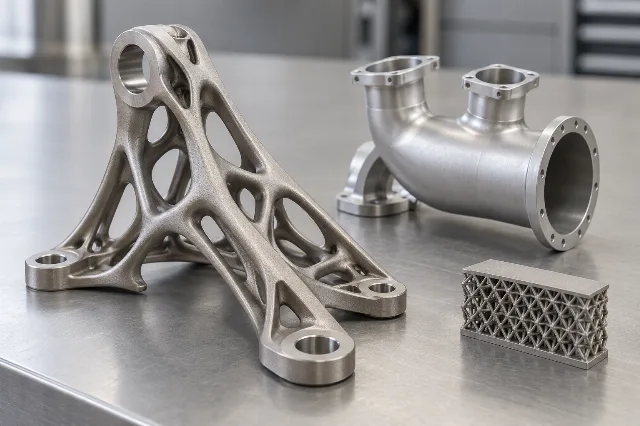
High specific strength for brackets and interfaces; review fatigue, build orientation, heat treatment and traceability before flight use.
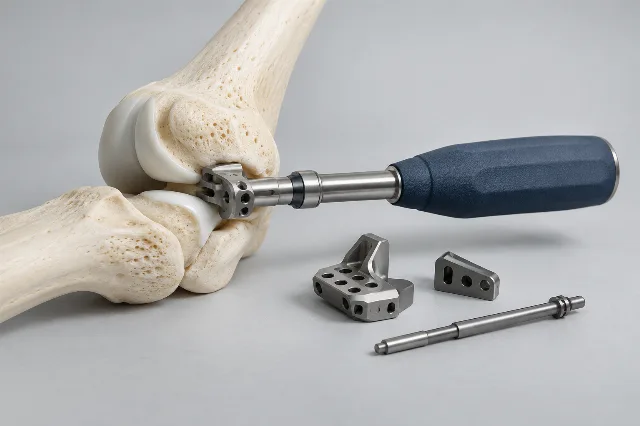
Instrument hardware and fixtures; select grade against corrosion, sterilization cycles and passivation requirements.
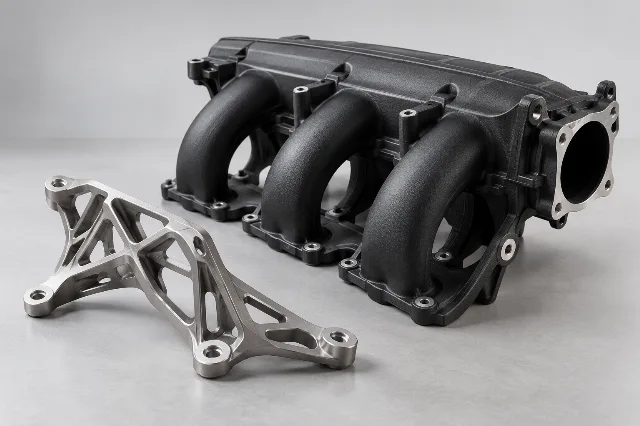
Lightweight housings and development brackets; assess vibration, thermal expansion and threaded joint durability.
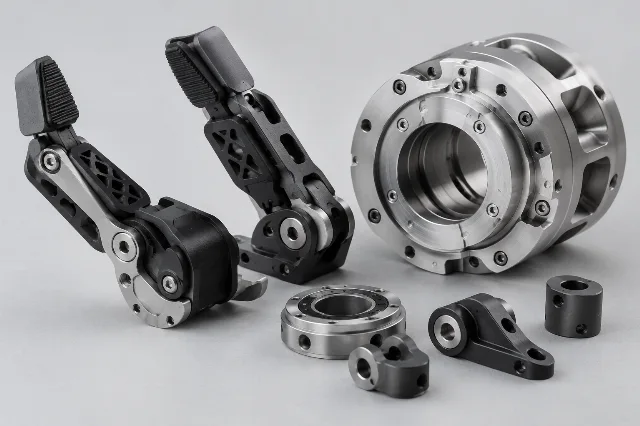
Grippers and cable guides; evaluate creep, moisture and repeated flexing.
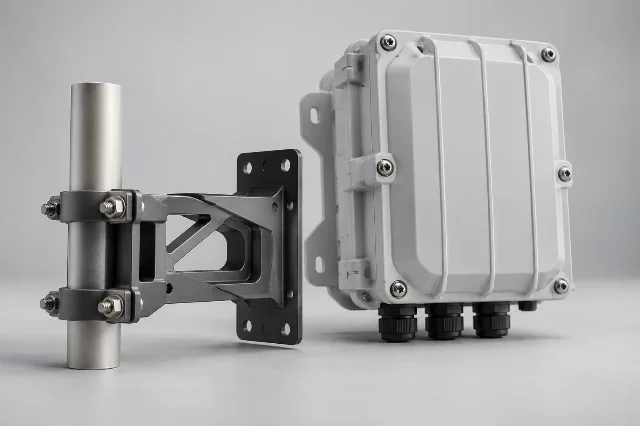
Thermal and electrical interfaces; review oxidation protection and contact resistance.
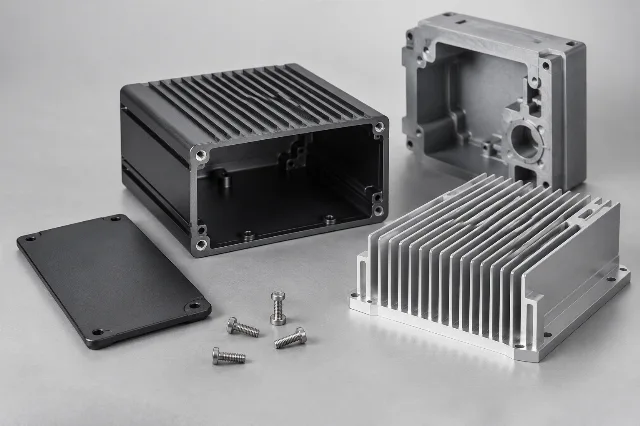
Prototype housings; ordinary ABS does not establish ESD protection or a flammability rating.
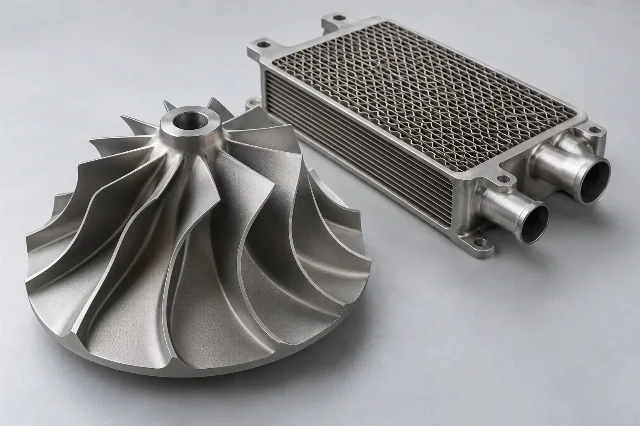
Conductive and thermal parts; specify contact geometry, plating and temperature rise criteria.
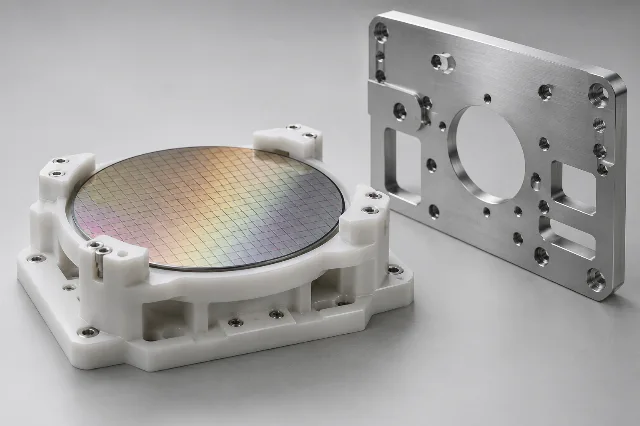
Insulating fixture components; verify outgassing, chemical compatibility and particle generation for the process.
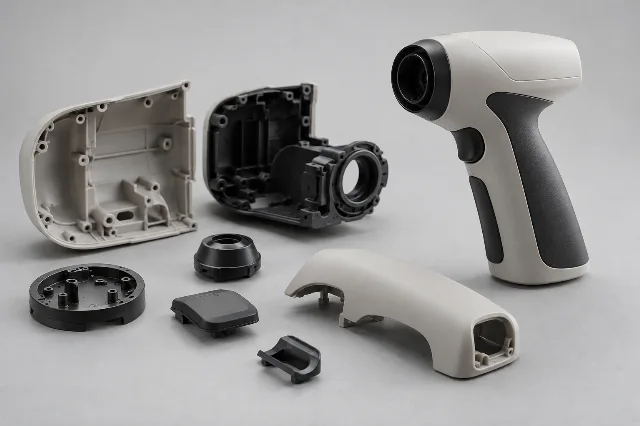
Appearance prototypes and housings; approve texture, color and assembly before tooling.
We use cookies to personalize your experience. By using this site, you agree to our Privacy Policy
Accept