
CNC Machining
CNC Machining Services
CNC machining removes material from solid stock with computer-controlled mills, lathes, and multi-axis centers.
Create a quote
Ensuring Metal 3D Printing Precision: Why 3D Printing and CNC Are Partners, Not Rivals
When it comes to manufacturing complex metal components, a common debate arises: Is 3D printing or CNC machining stronger? The truth is, this shouldn't be a binary choice. Many clients frequently ask if 3D-printed metal parts can be trusted for precise assembly. The answer is a resounding yes, provided you understand that precision is not just a single number. It is a holistic outcome influenced by equipment status, material properties, part dimensions, printing orientation, structural features, and post-processing.
The Reality of Metal 3D Printing Precision
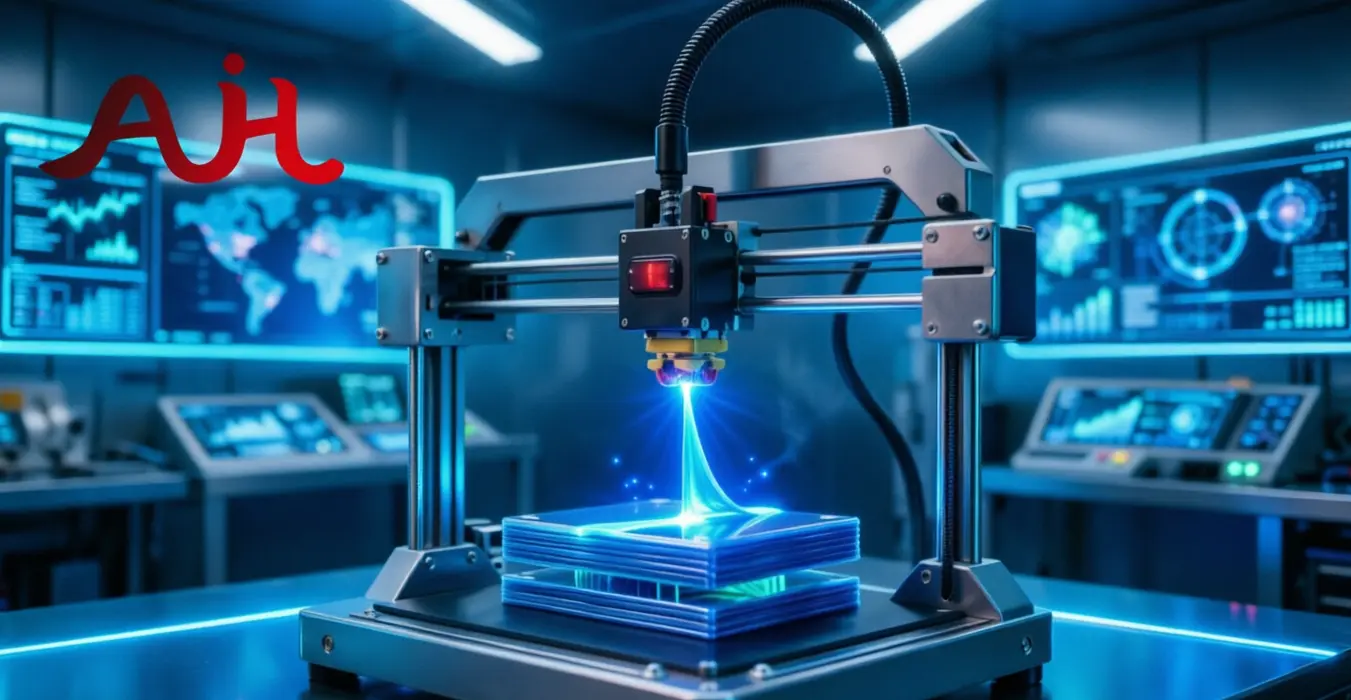
In advanced manufacturing processes like SLM (Selective Laser Melting), achieving high precision requires managing thermal stresses and material shrinkage. While 3D printing excels at creating complex internal geometries, conformal cooling channels, and lattice structures that CNC simply cannot achieve, its as-printed dimensional accuracy typically ranges between ±0.05mm to ±0.1mm. For standard structural components, this is excellent. However, when dealing with strict assembly requirements, relying solely on the as-printed state is not enough.
The Hybrid Approach: 3D Printing + CNC Machining
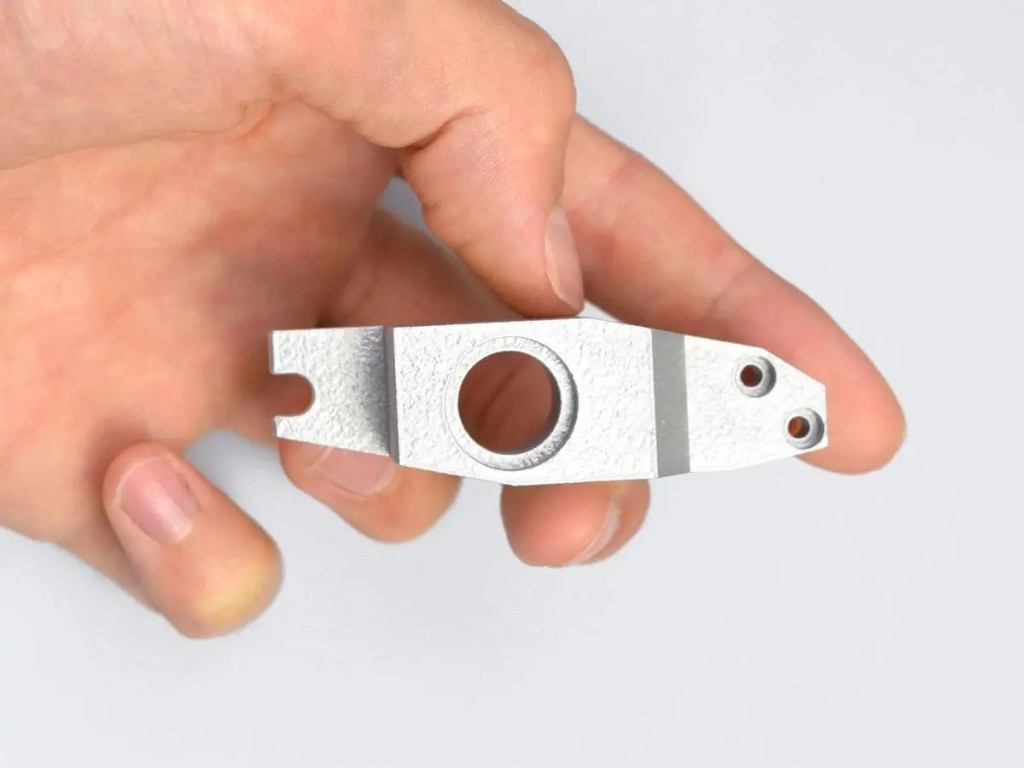
So, how do we handle strict tolerance requirements for critical mating surfaces, holes, or threads? The industry standard is the hybrid approach. Engineers intentionally leave machining allowances on the 3D-printed blank. After the part is printed and heat-treated to relieve residual stresses, traditional CNC machining is used to mill the critical interfaces to exact IT6-IT7 grade tolerances. This combination perfectly balances the geometric freedom of additive manufacturing with the uncompromising precision of subtractive manufacturing.
Achieving Flawless Precision with AIHFABS
This is exactly where AIHFABS 3D printing services transform the manufacturing landscape. AIHFABS specializes in this exact hybrid workflow, ensuring that your metal parts are not only structurally complex but also perfectly dimensioned.
Our engineering team works directly with clients during the DFM (Design for Manufacturing) phase to identify critical dimensions and assembly points. We utilize AI-driven path optimization to minimize thermal distortion during the SLM printing process, ensuring high structural integrity and predictable shrinkage. For parts requiring ultra-high precision, AIHFABS seamlessly integrates post-print CNC machining, guaranteeing that every mating surface and threaded hole meets your exact specifications. By combining the best of both worlds, AIHFABS delivers high-performance, aerospace-grade, and medical-ready metal components with absolute confidence. Stop compromising between complexity and precision—let AIHFABS engineer the perfect solution for your next project.

A process that fits this note. Open the spec, or put the file on a quote.
CNC machining removes material from solid stock with computer-controlled mills, lathes, and multi-axis centers.
Create a quote
CNC Milling Services use computer numerical control (CNC) mills to cut workpieces with rotating tools according to programmed toolpaths.
Create a quoteMaterials that sit next to this article. Check the card, then upload CAD.
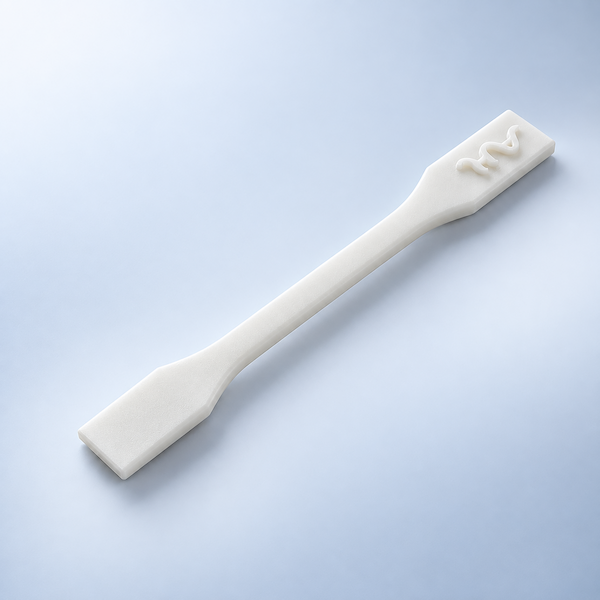
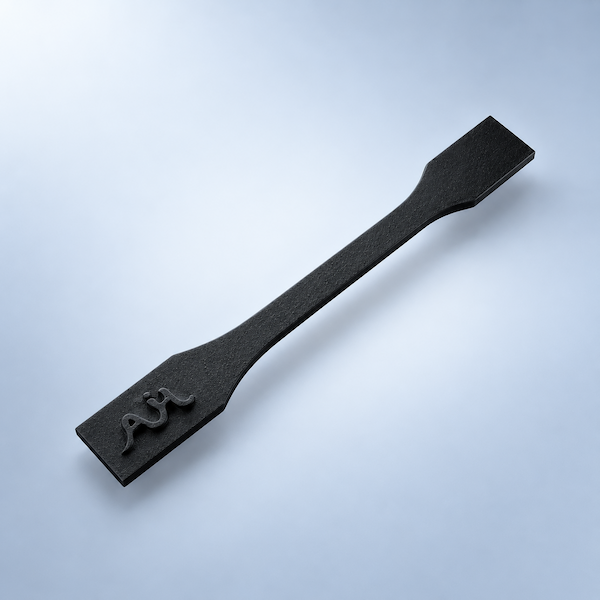
Process, finish, and file notes from the shop — not a marketing blog.
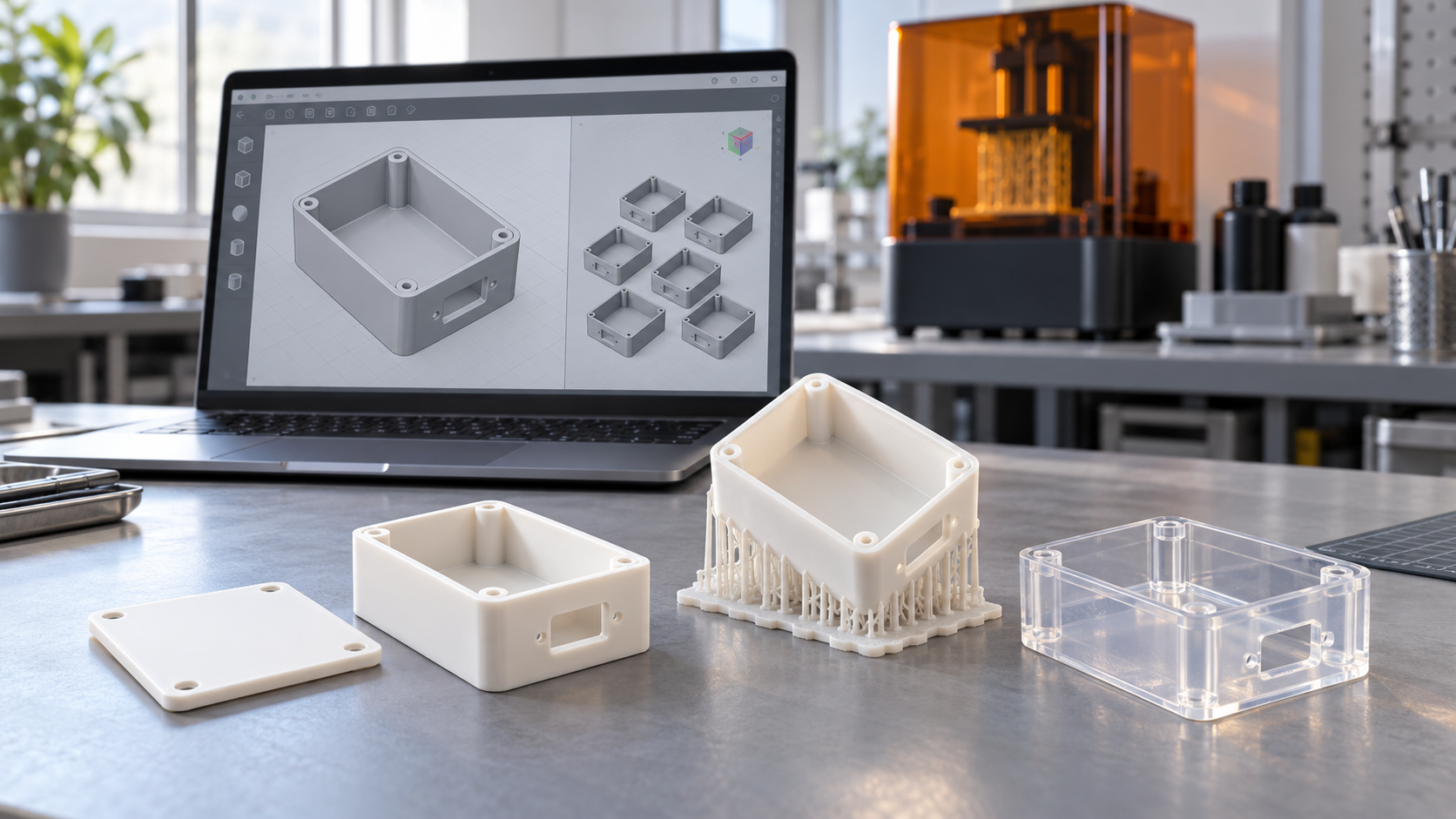
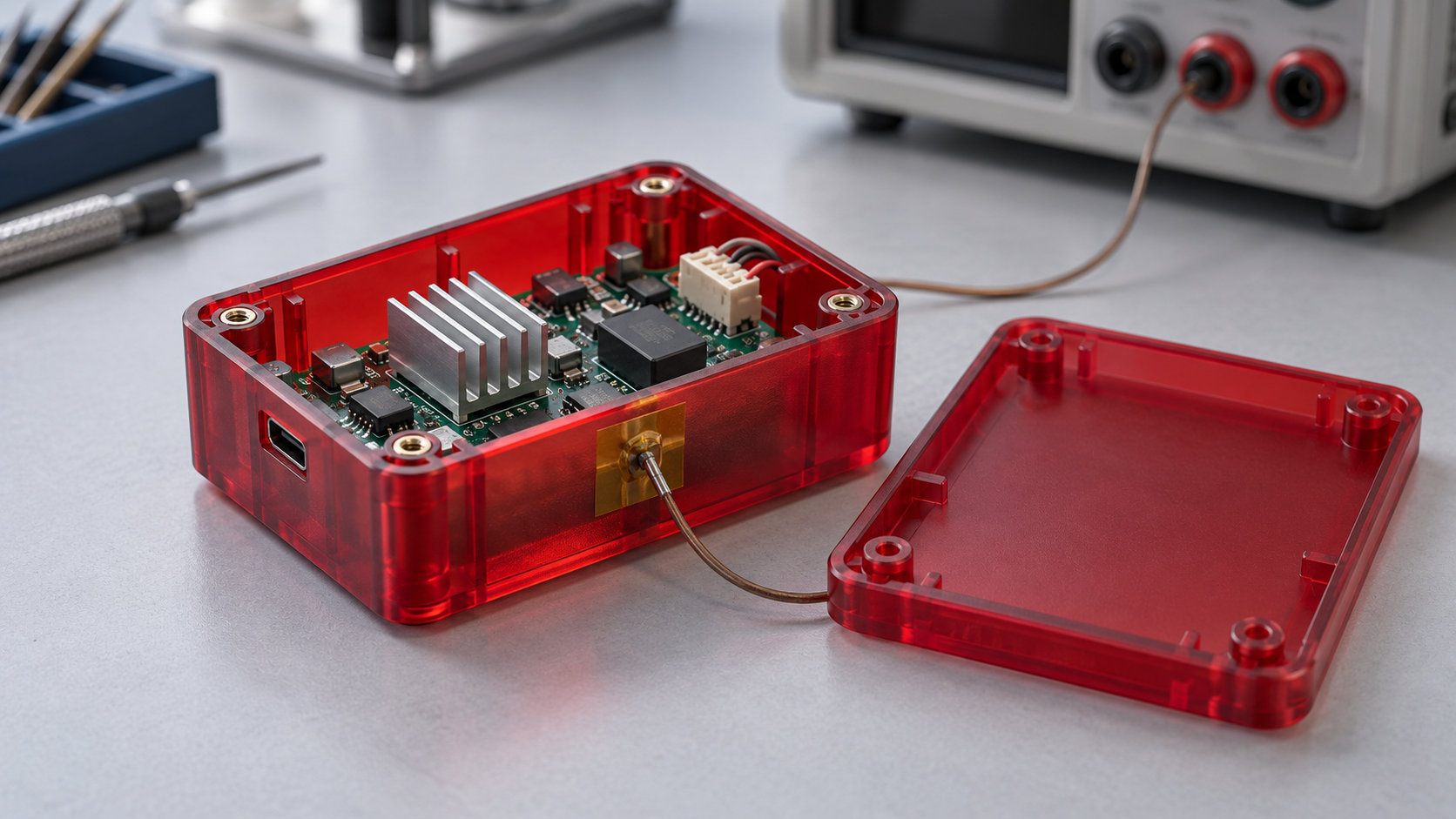
Company, payment, shipping, and process answers by topic.

Post-processing, finishing, and OEM customization via 3D Plus™.
Questions about 3D printing processes, materials, MOQ, samples, and custom projects.
AIHFABS quotes custom 3D printing and CNC machining from a CAD upload. Compare SLA, SLS, MJF, SLM, FDM, DLP, milling, and turning, then add finishing such as vapor smoothing, dyeing, anodizing, polishing, or powder coating in the same order.
Instant quoting is built for prototypes, jigs, housings, and small-batch production. You see material, process, quantity, and lead time together, which keeps engineering changes from turning into a new round of supplier emails.
You can review material, process, quantity, and lead time together, so engineering changes do not turn into another round of supplier emails.
Upload STL, STEP, and other common CAD formats for an online quote.
Compare 3D printing technologies and CNC options on the same part.
Select polymers or metals, then add 3D Plus hardware finishing when needed.
Review price and lead time before checkout, or request a manual quote for special specs.
If this page describes a process, industry, or sample part you want to reproduce, start from the upload flow and match technology plus finishing to your drawing.
We use cookies to personalize your experience. By using this site, you agree to our Privacy Policy
Accept
Leave A Comment