
3D Printing
Selective Laser Sintering (SLS)
AIHFABS SLS 3D printing services fuse engineering-grade SLS plastics into durable, self-supporting parts.
Create a quote
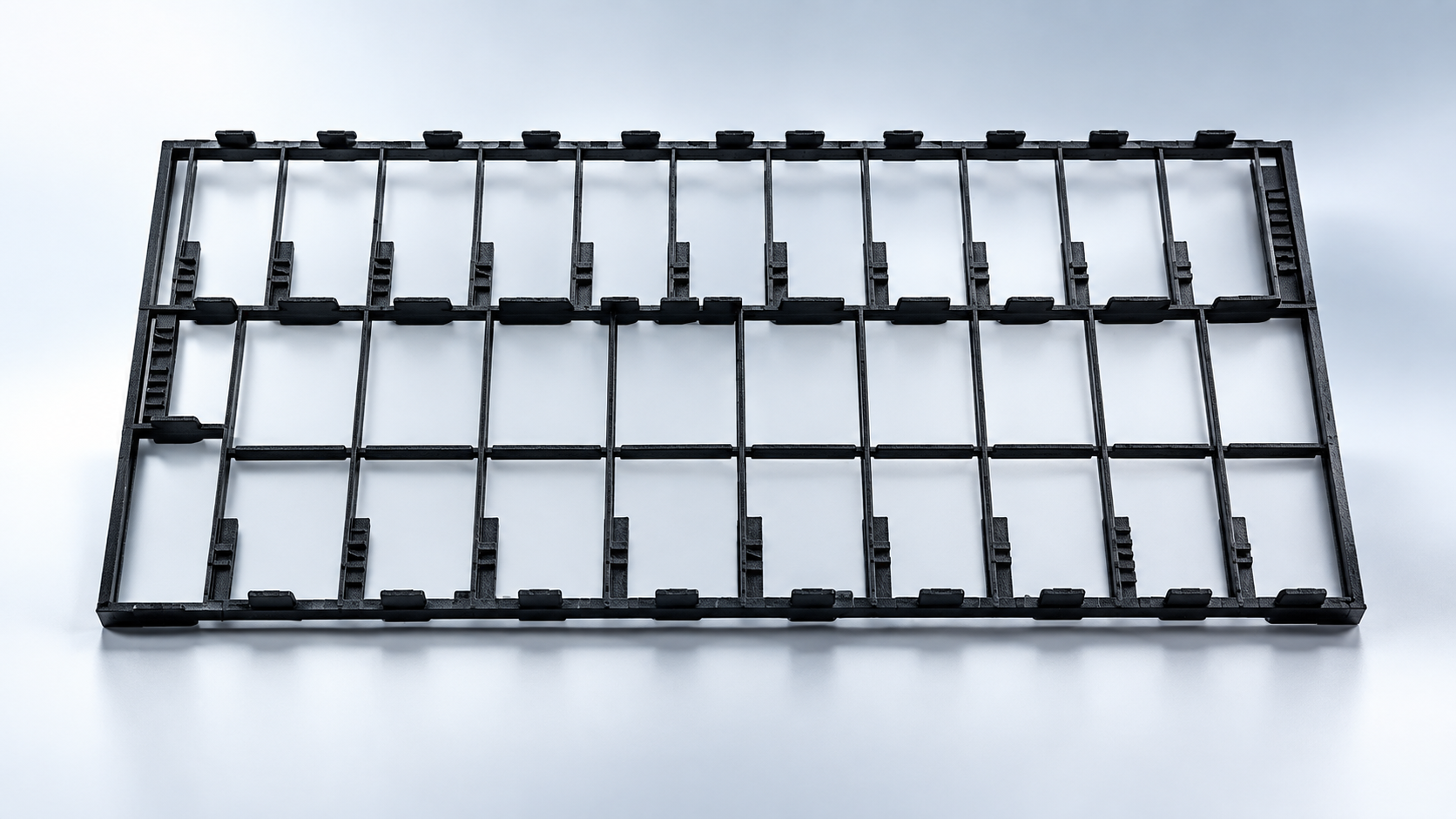
This case study illustrates the critical role of Design for Additive Manufacturing (DFAM) in SLS 3D printing. Faced with a large-scale nylon frame featuring sub-optimal wall thickness (<1.5mm), our team worked closely with the client through multiple design iterations. By reinforcing critical structures and optimizing geometry for the SLS process, we successfully delivered a durable, warp-free industrial component. This project highlights how expert engineering support can bridge the gap between
Challenge
A client required a large-format, grid-like nylon frame for an industrial assembly fixture. The initial CAD file presented significant manufacturability risks: multiple structural ribs and connection points had wall thicknesses below 1.5mm. In Selective Laser Sintering (SLS), such thin features on a large part are prone to warping, breakage during the de-powdering process, or failure under mechanical load. The client needed a solution that maintained the design's functionality while ensuring the part was robust enough for industrial use.
Solution
Our engineering team initiated a collaborative Design for Additive Manufacturing (DFAM) process using SLS Nylon (PA12/PA11) technology.
· Iterative Design Optimization: We analyzed the stress points and identified critical areas where the wall thickness was insufficient. Through several rounds of communication, we guided the client to modify the geometry, increasing rib thickness to a safe minimum of 2.0mm and adding fillets to sharp corners to reduce stress concentration.
· Version Control & Simulation: We reviewed multiple updated file versions provided by the client, running digital simulations to predict thermal distortion. This ensured that the final "Version X" was perfectly balanced between weight reduction and structural strength.
· Precision SLS Production: Once the design was validated, we printed the part using high-temperature controlled SLS printers to minimize internal stress, ensuring the large flat surface remained dimensionally stable.
Results
· Zero Defects: The final printed frame arrived with no warping or broken ribs, successfully passing the client's assembly test.
· Enhanced Durability: The optimized wall thickness increased the part's load-bearing capacity by over 30% compared to the original fragile design.
· Client Satisfaction: The collaborative approach transformed a "high-risk" print into a reliable industrial component, establishing a standard for future large-part orders.

3D printing and CNC on the same quote. Open a process, then upload CAD.
AIHFABS SLS 3D printing services fuse engineering-grade SLS plastics into durable, self-supporting parts.
Create a quote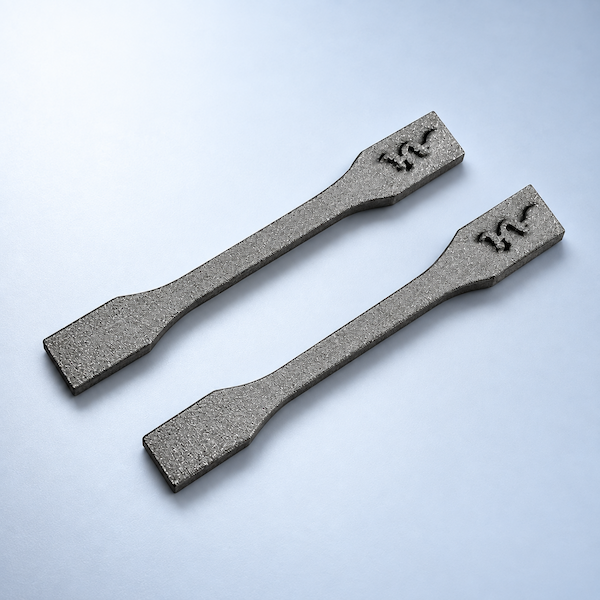
Large Part CNC Machining is a professional manufacturing service that uses large-scale, dedicated CNC machine tools to cut workpieces that exceed the size or weight capacity of conventional equipment.
Create a quote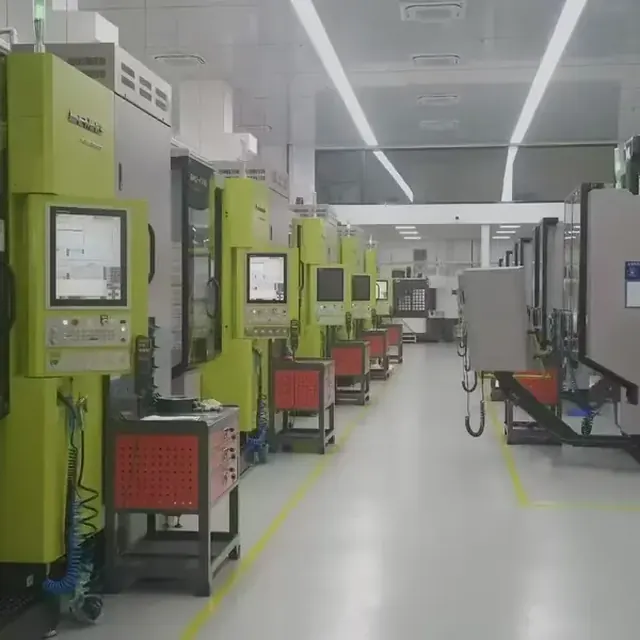
Swiss CNC Machining Services is a precision turning technology designed for small-diameter, slender, highly complex, and ultra-high-precision parts.
Create a quote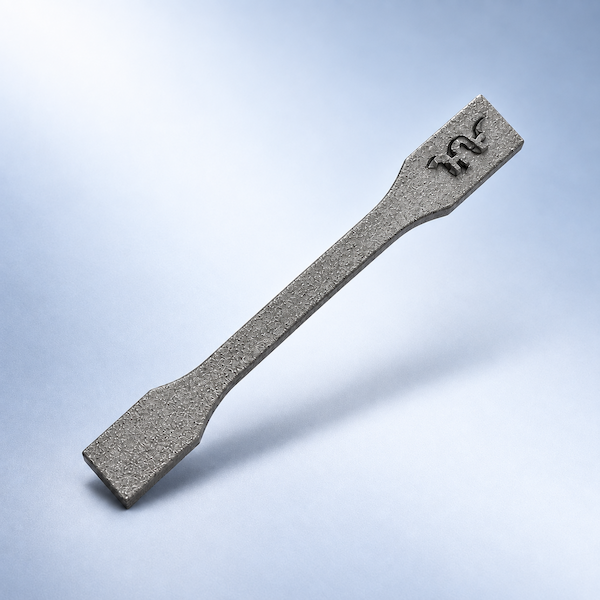
Selective Laser Melting (SLM) is a powder-bed metal additive process. A high-power laser scans each cross-section of your CAD model, melting metal powder that solidifies into a dense part.
Create a quoteResins, nylons, metals, and more. Each card jumps to the catalog row.
Process, finish, and file notes from the shop — not a marketing blog.

Company, payment, shipping, and process answers by topic.

Review AIH commitments to print quality, secure handling of your files, transparent pricing, and support for every 3D printing order.
Questions about 3D printing processes, materials, MOQ, samples, and custom projects.

Post-processing, finishing, and OEM customization via 3D Plus™.

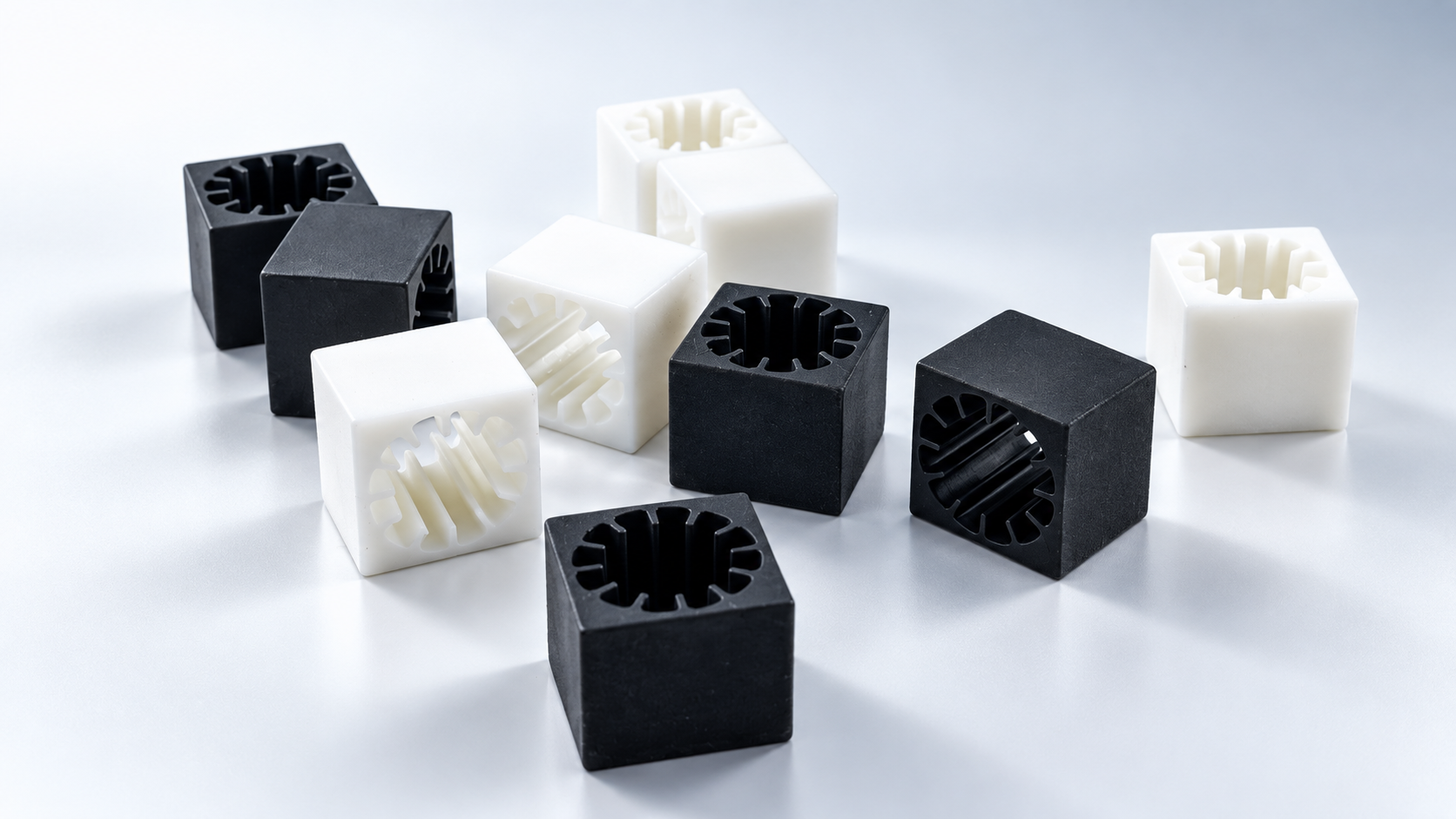
This case study highlights the efficient mass production of complex mechanical couplings using Industrial SLA 3D printing. By utilizing high-precision Black and White resins, the project overcame the limitations of traditional manufacturing for intricate internal geometries. The solution delivered high-dimensional accuracy, superior surface finishes, and significant cost savings by eliminating tooling, proving ideal for bridge manufacturing and functional testing.
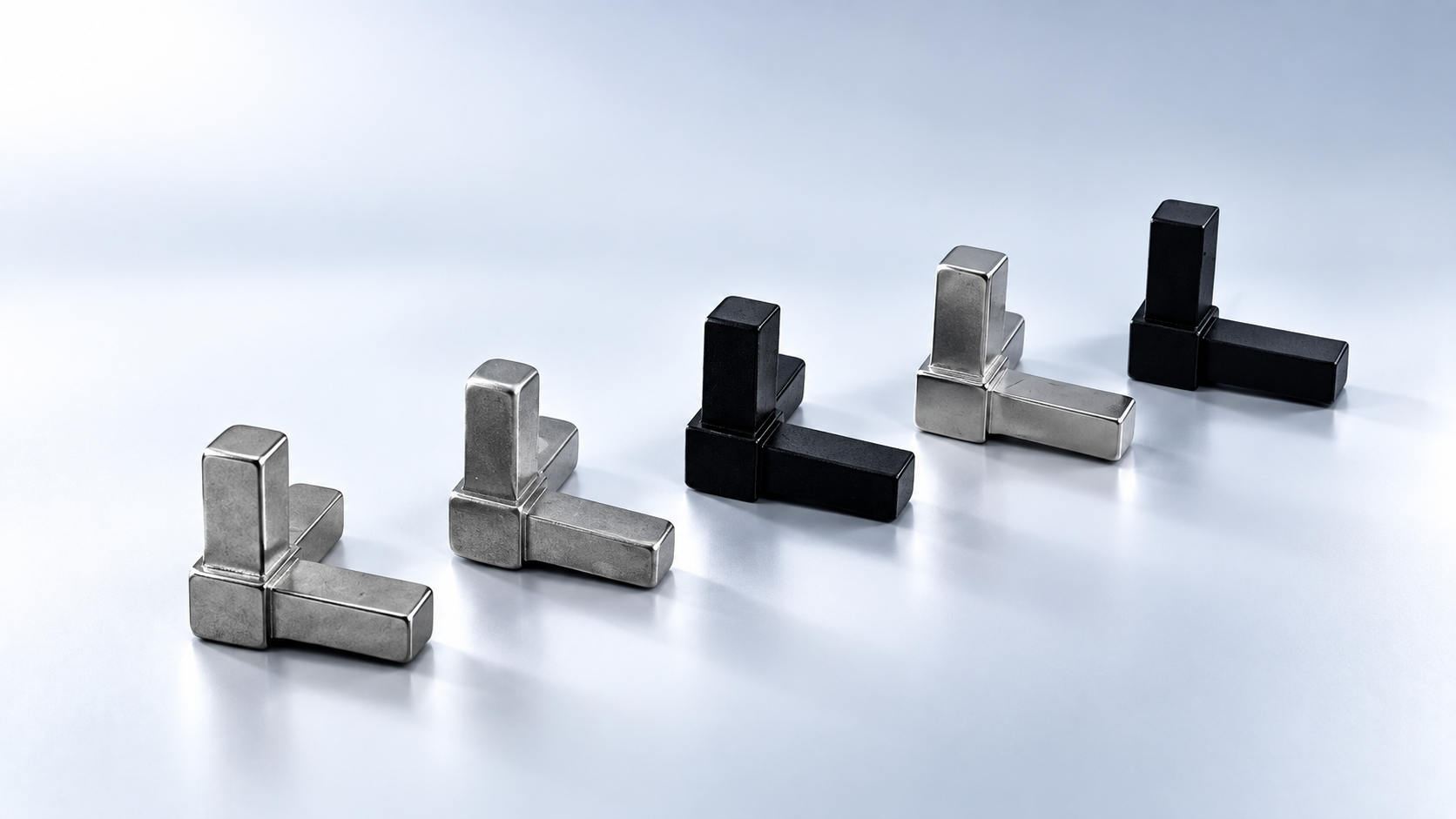
This case study demonstrates the large-scale application of Selective Laser Melting (SLM) technology for producing complex cross-shaped metal connectors. The project utilizes both Aluminum 6061 and Stainless Steel 316L as printing materials. Through advanced post-processing techniques, including precision polishing and black anodizing, the solution successfully overcomes the geometric and surface finish bottlenecks of traditional CNC machining. The result is a highly efficient, high-volume produ

This case study highlights the successful application of Direct Metal Laser Sintering (DMLS) for manufacturing complex humanoid robot joint modules. Overcoming traditional manufacturing bottlenecks like structural limits, high tooling costs, and long lead times, the team utilized topology-optimized aluminum alloy printing. This approach consolidated multi-part assemblies into single components, achieving a 28% weight reduction and a 70% shorter delivery cycle. Furthermore, comprehensive costs dr
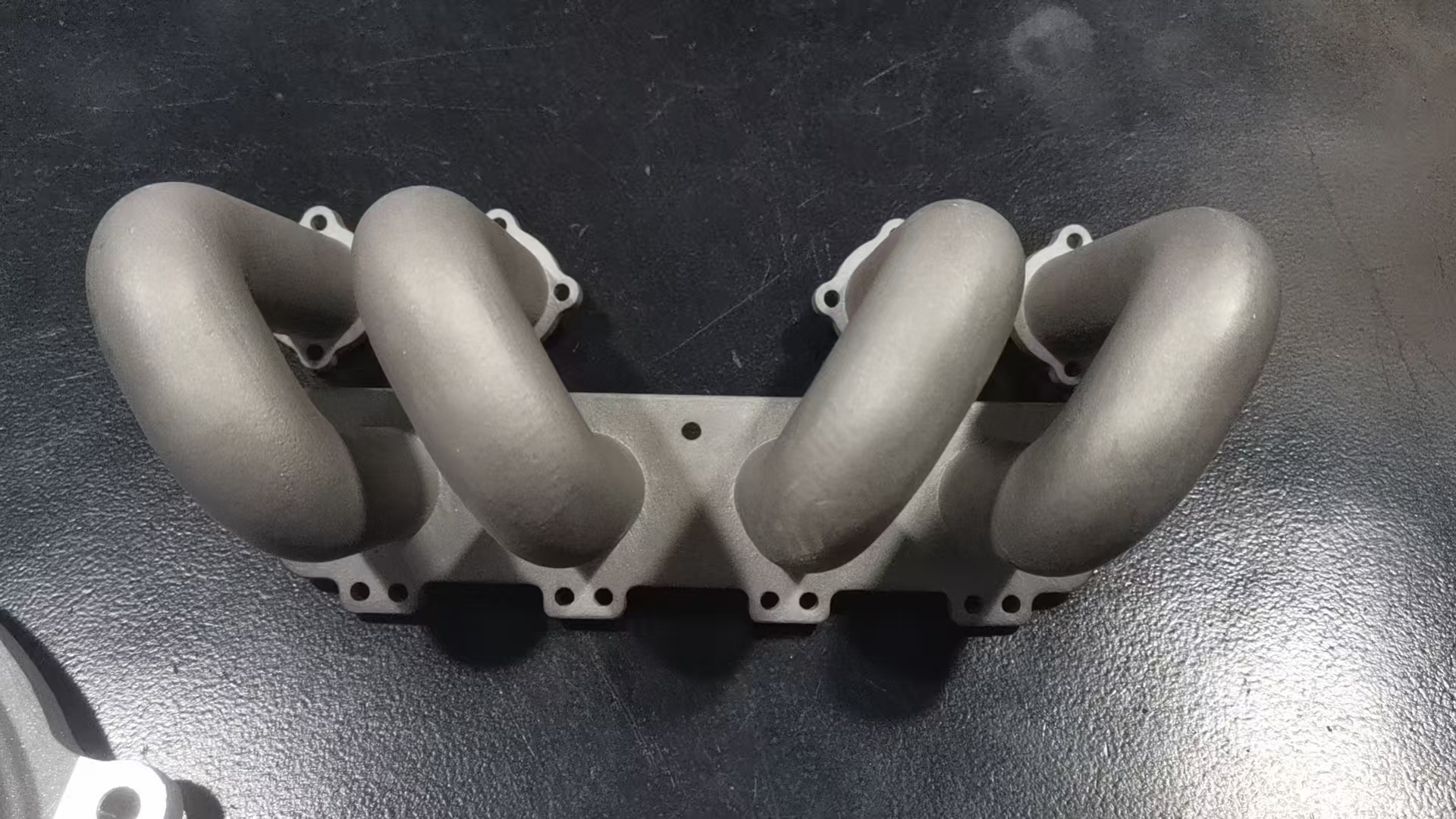
A high-performance automotive engineering firm required a small-batch production run of exhaust manifolds for a limited-edition track vehicle. The design demanded significant weight reduction to improve vehicle dynamics, but traditional casting was economically unviable for low volumes. Additionally, the complex internal geometry needed for thermal management could not be achieved through conventional manufacturing without expensive assembly and welding.
We use cookies to personalize your experience. By using this site, you agree to our Privacy Policy
Accept