CNC Machining
CNC Machining Services
CNC machining removes material from solid stock with computer-controlled mills, lathes, and multi-axis centers.
Create a quote
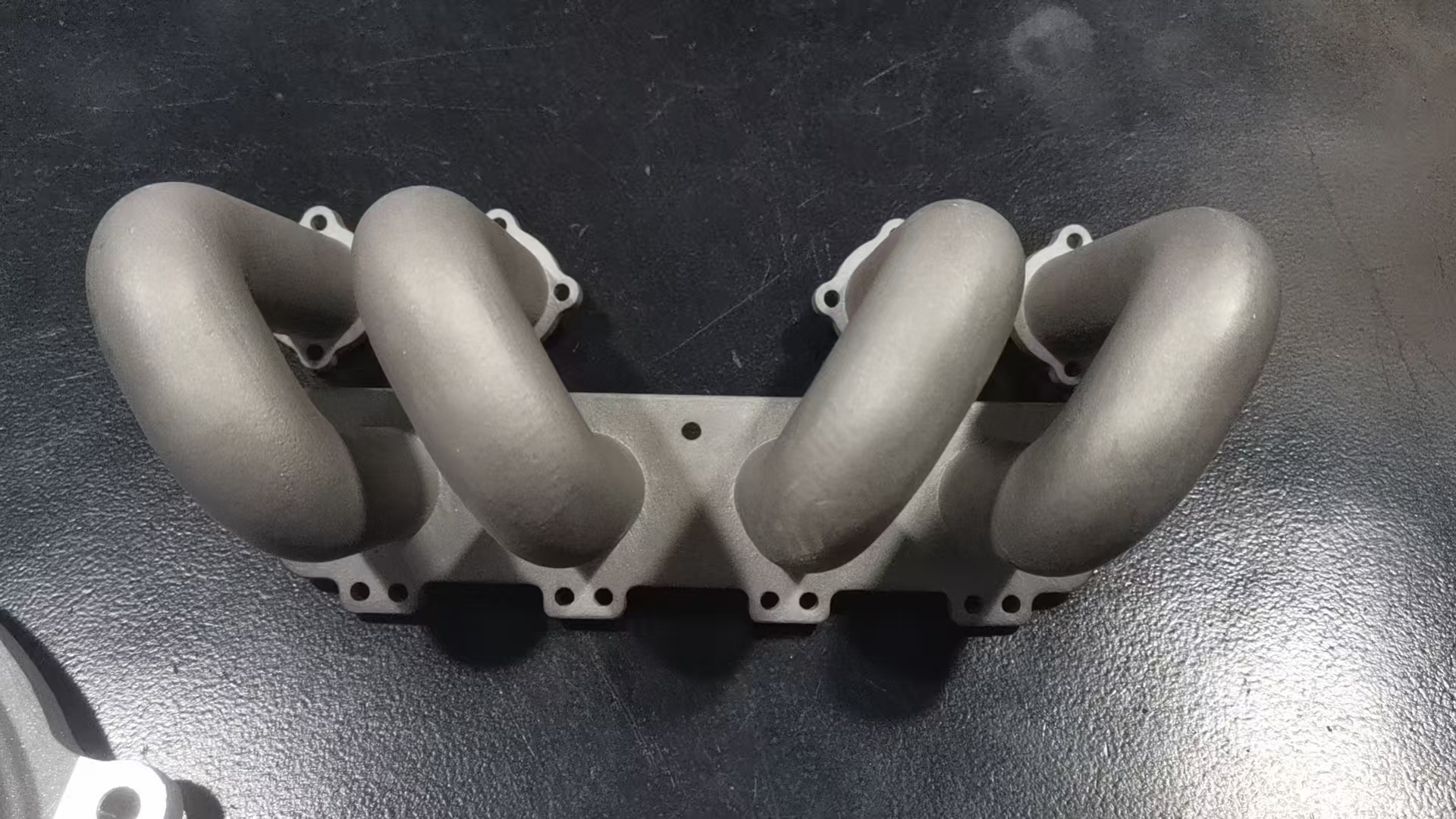
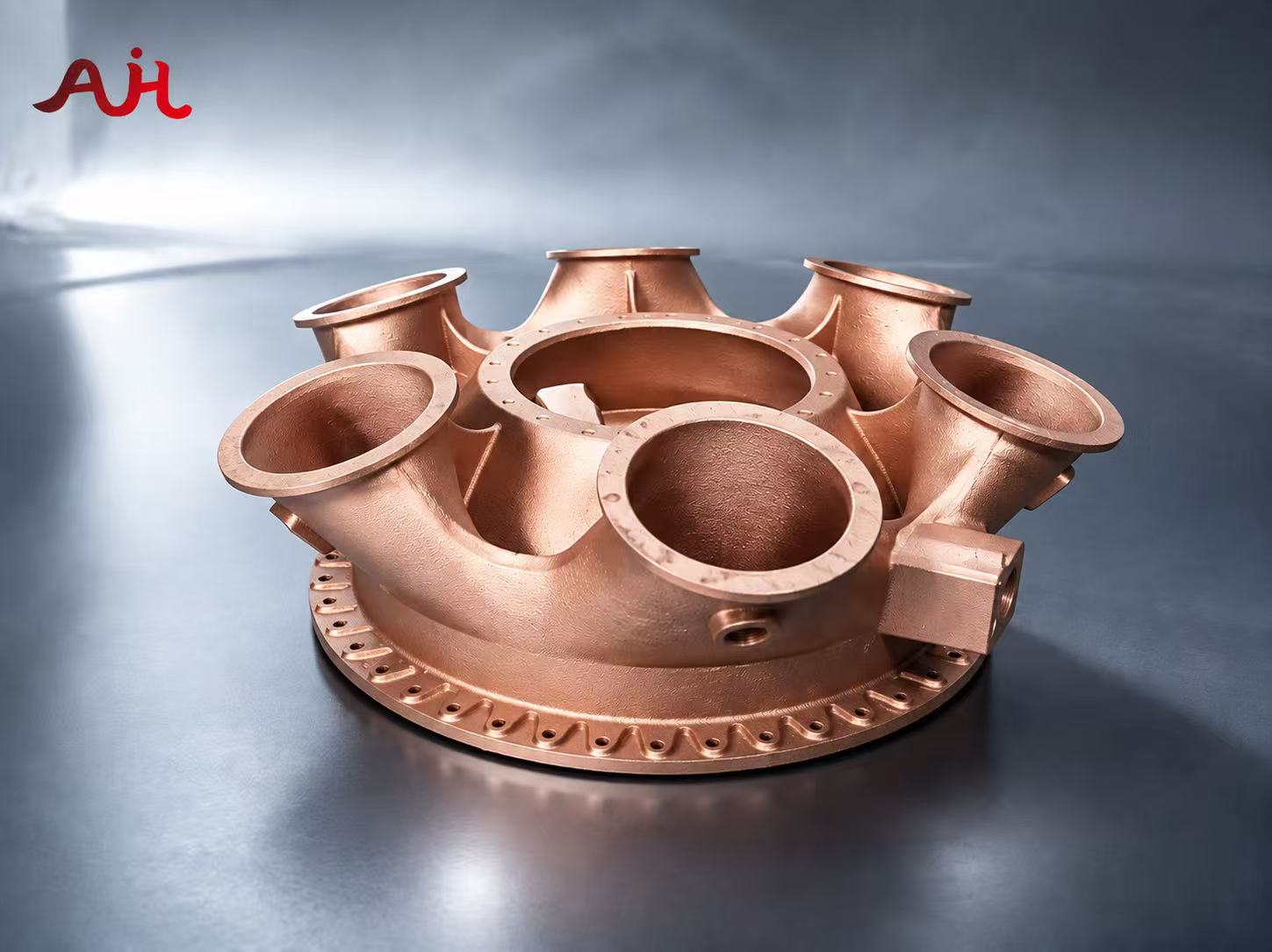
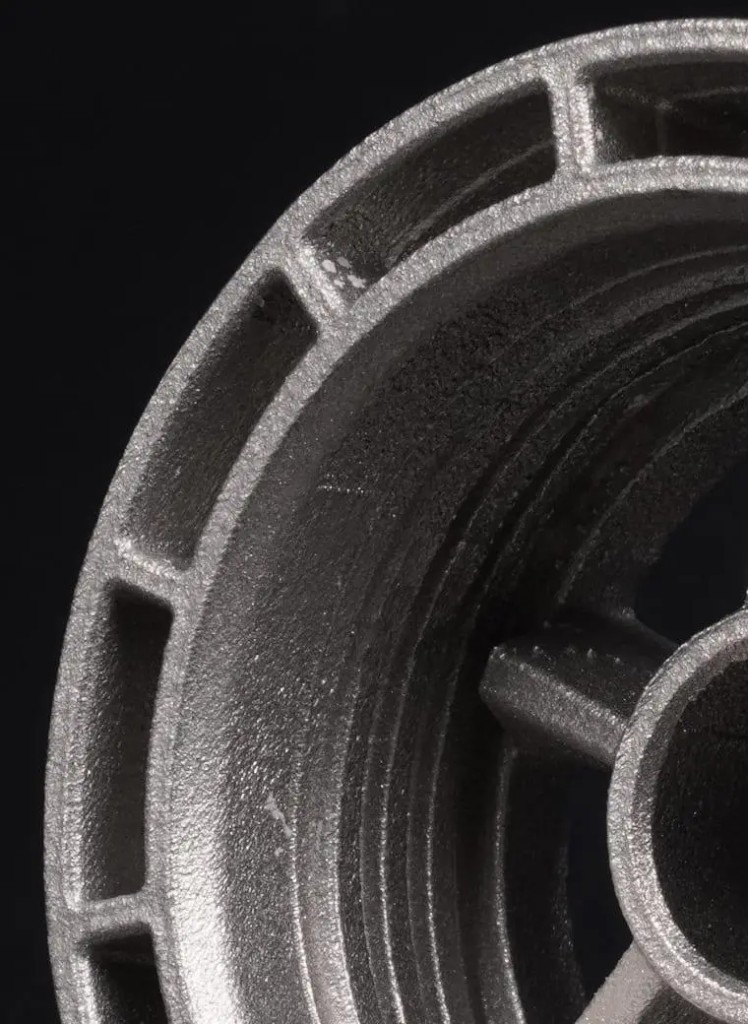
This case study highlights the successful application of Direct Metal Laser Sintering (DMLS) for manufacturing complex humanoid robot joint modules. Overcoming traditional manufacturing bottlenecks like structural limits, high tooling costs, and long lead times, the team utilized topology-optimized aluminum alloy printing. This approach consolidated multi-part assemblies into single components, achieving a 28% weight reduction and a 70% shorter delivery cycle. Furthermore, comprehensive costs dr
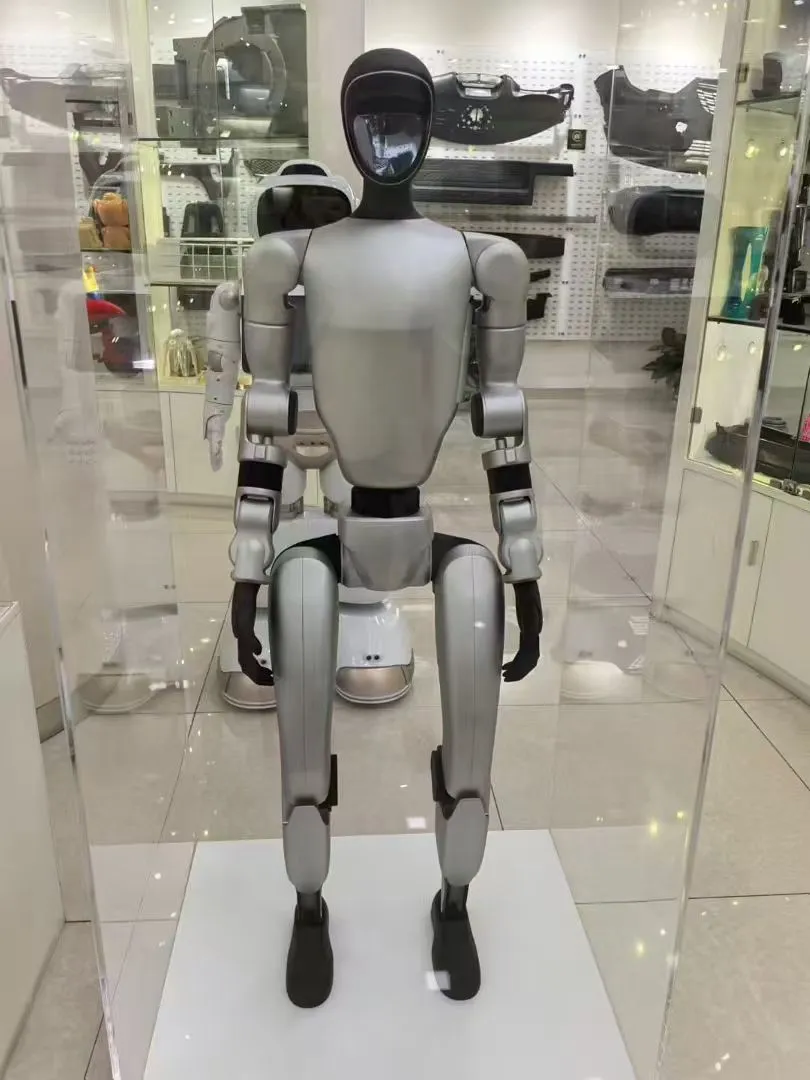
During the R&D and early-stage mass production of humanoid robots, core moving components (such as hip, knee, and shoulder joint modules) face severe manufacturing challenges. These components typically feature highly complex internal topologies, requiring a balance of lightweight design, high strength, and multi-degree-of-freedom precision. Traditional manufacturing processes, such as CNC machining or casting, exhibit significant limitations when dealing with such designs:
• Structural Limitations: Complex internal cavities or irregular curved surfaces cannot be formed as a single piece. Parts must be split into sub-components and then welded or bolted together, increasing assembly errors and potential failure points.
• High Costs: For small-batch trial production, the high costs of molds or fixtures make it difficult to control the per-unit cost.
• Long Lead Times: The process from design verification to sample delivery often takes weeks or even months, severely delaying the product iteration cycle.
• Weight Redundancy: To meet strength requirements, traditional processes often use conservative wall thickness designs, resulting in higher overall machine weight and negatively impacting battery life and dynamic performance.
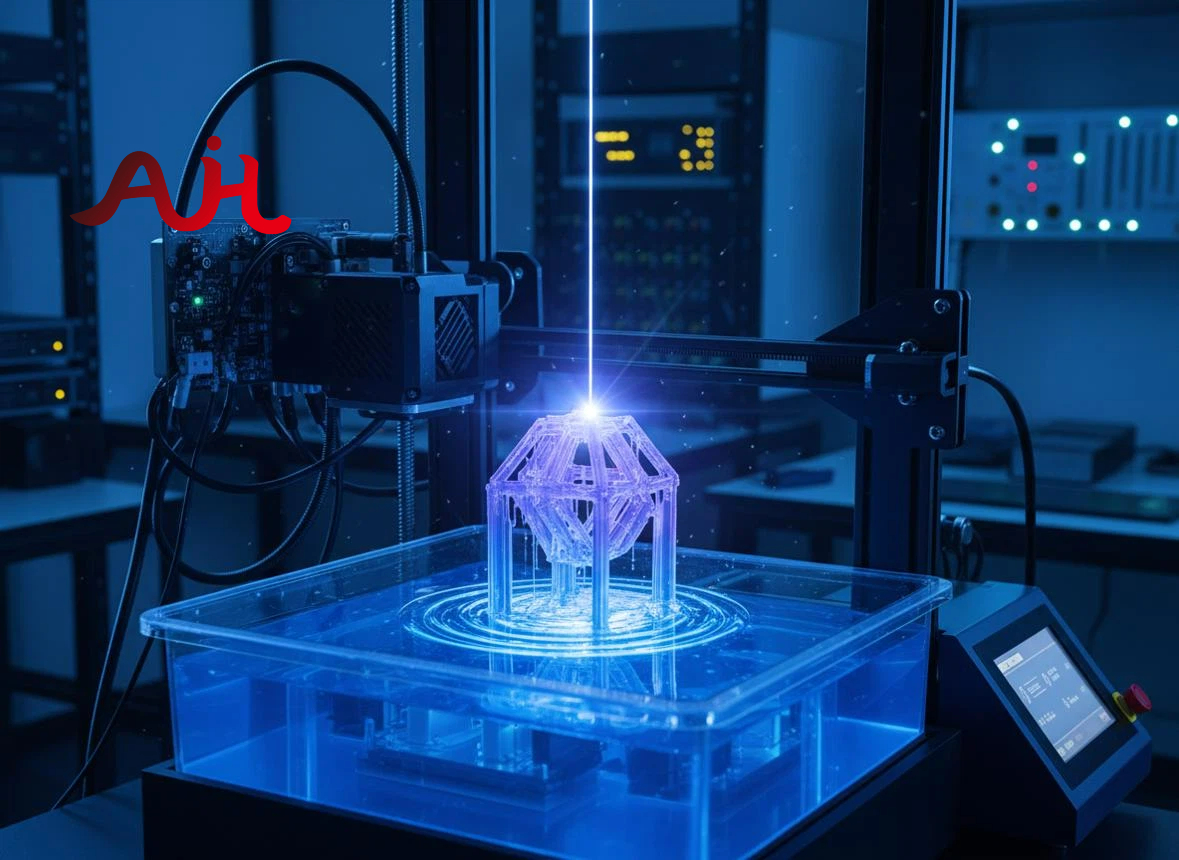
To address these pain points, the project team adopted Direct Metal Laser Sintering (DMLS) technology, using high-strength aluminum alloy materials to manufacture key robot joint components as a single integrated piece. The core advantages of this solution include:
• Topology Optimization-Driven Design: Algorithms generate optimal load paths to remove redundant materials, achieving extreme lightweighting while maintaining structural strength.
• Tooling-Free Rapid Prototyping: No molds or fixtures are required; finished products are printed directly from digital models, making it ideal for small-batch trial production (50–200 units) or customized needs.
• Functional Integration: Joint modules originally requiring the assembly of 5–7 parts are consolidated into a single printed component, eliminating assembly gaps and loosening risks, thereby improving motion accuracy and reliability.
• Controllable Material Performance: Aerospace-grade aluminum alloy is used, achieving a tensile strength of over 450 MPa after heat treatment, meeting high dynamic load conditions.
The project achieved significant results upon implementation, with specific data as follows:
• 28% Weight Reduction: Through topology optimization and precise wall thickness control, the weight of a single joint module was reduced from 1.8 kg to 1.3 kg. The overall machine weight was reduced by over 15%, significantly enhancing battery life and motion flexibility.
• 70% Shorter Delivery Cycle: From design confirmation to the delivery of the first batch of 50 sets of components, it took only 9 days, a massive acceleration compared to the traditional average of 4–6 weeks.
• 40% Comprehensive Cost Reduction: By eliminating mold costs, assembly labor, and quality inspection processes, the per-unit manufacturing cost dropped by nearly half, highlighting outstanding economic benefits, especially in small-batch scenarios.
• 90% Decrease in Failure Rate: The integrated structure completely eliminated assembly loosening and weld cracking. Testing showed no structural failures after 1,000 hours of operation, with maintenance costs approaching zero.

3D printing and CNC on the same quote. Open a process, then upload CAD.
CNC machining removes material from solid stock with computer-controlled mills, lathes, and multi-axis centers.
Create a quote
CNC Milling Services use computer numerical control (CNC) mills to cut workpieces with rotating tools according to programmed toolpaths.
Create a quote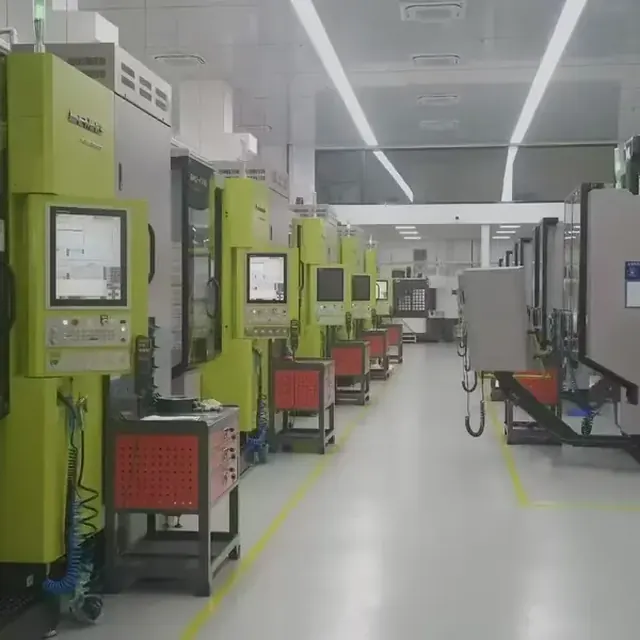
CNC Turning Services use computer numerical control lathes to remove material while the workpiece rotates at high speed and the cutting tool feeds along a set path.
Create a quote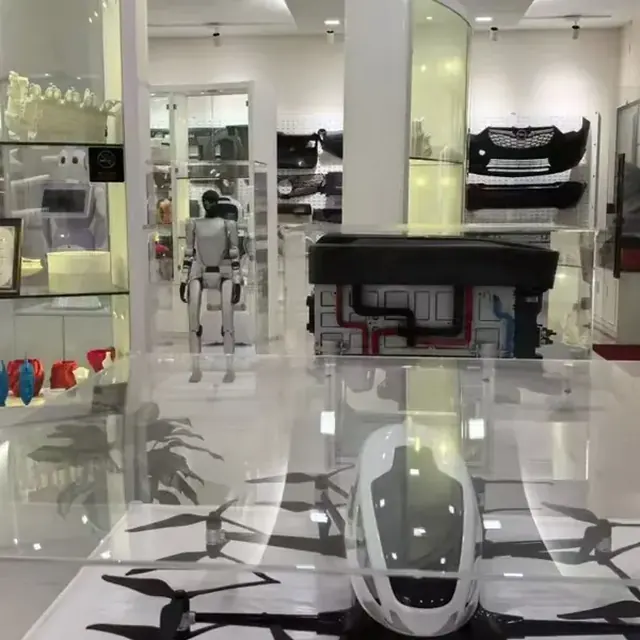
CNC Routing Services use computer numerical control (CNC) routers with high-speed rotating bits to cut, engrave, drill, and shape materials.
Create a quoteResins, nylons, metals, and more. Each card jumps to the catalog row.
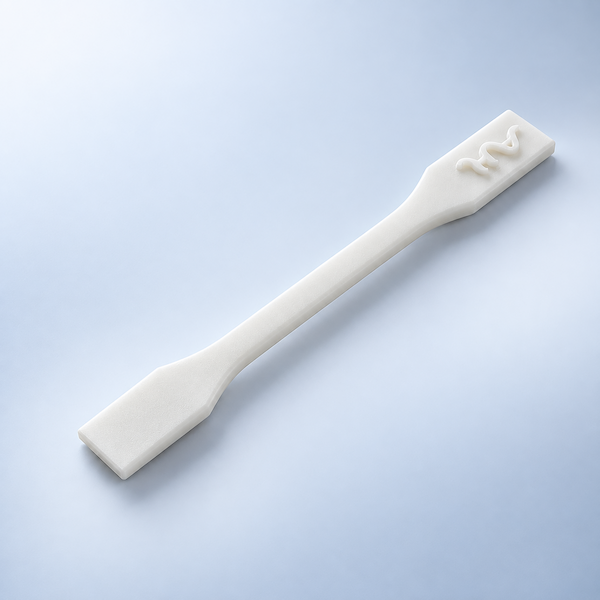
Process, finish, and file notes from the shop — not a marketing blog.
Company, payment, shipping, and process answers by topic.

Post-processing, finishing, and OEM customization via 3D Plus™.

Review AIH commitments to print quality, secure handling of your files, transparent pricing, and support for every 3D printing order.
Recommended answers about AIHFABS, technologies, materials, pricing, privacy, and file preparation.
We use cookies to personalize your experience. By using this site, you agree to our Privacy Policy
Accept